The Snowdrops Arrive!

For the last two years I’ve had nothing to show for the March Garden Bloggers’ Bloom Day, hosted by Carol at May Dreams Gardens. This year, though, is different. For that, I am grateful to the Snowdrops (Galanthus nivalis and G. elwesii) in my back garden. Thank you, Snowdrops!

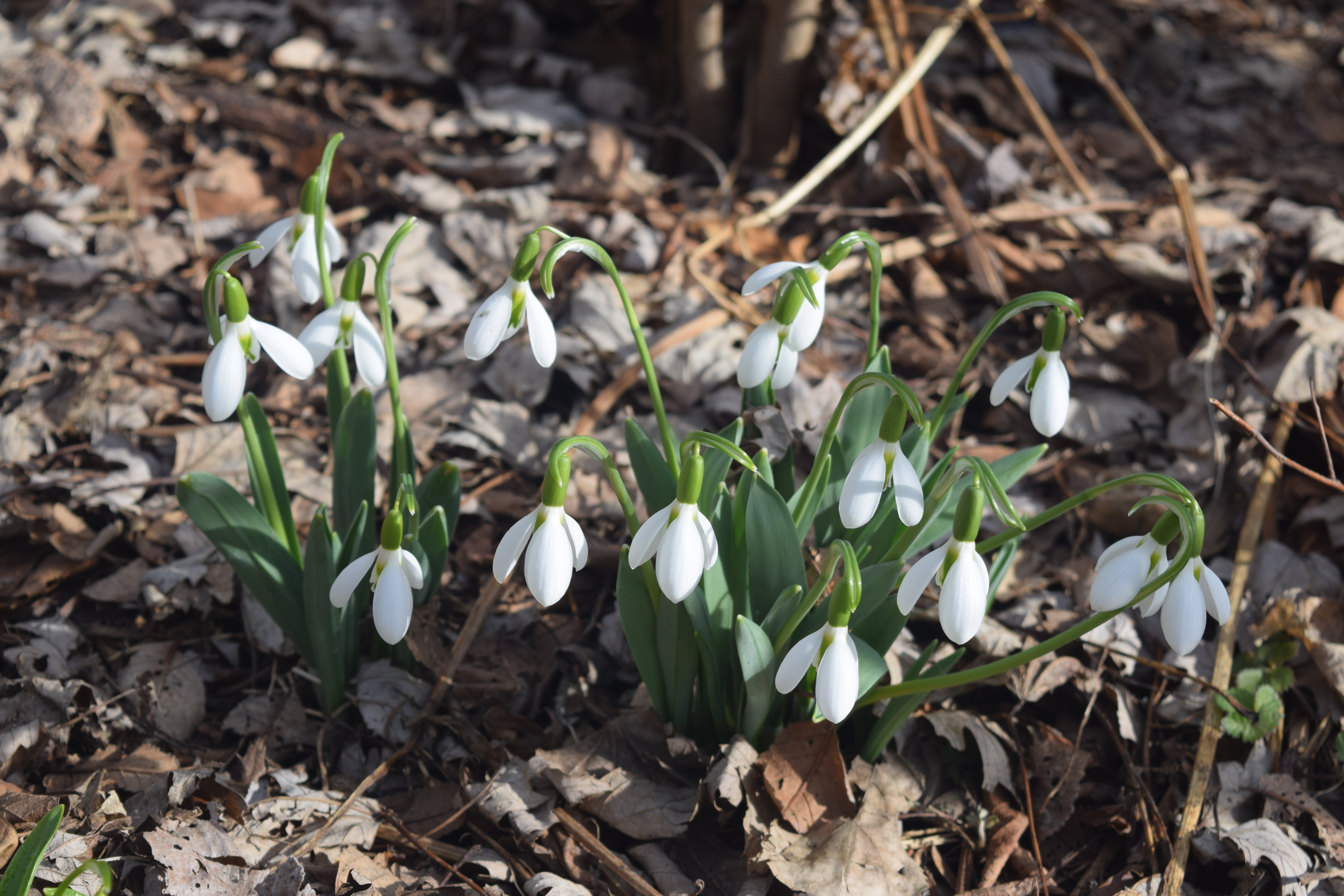
A clump of Snowdrops in bloom.

In both 2013 and 2014, our first snowdrop pictures were taken around April 5th. This provides perspective on the current winter, which became more severe late in the season, but in the Chicago area at least hasn’t been all that bad.

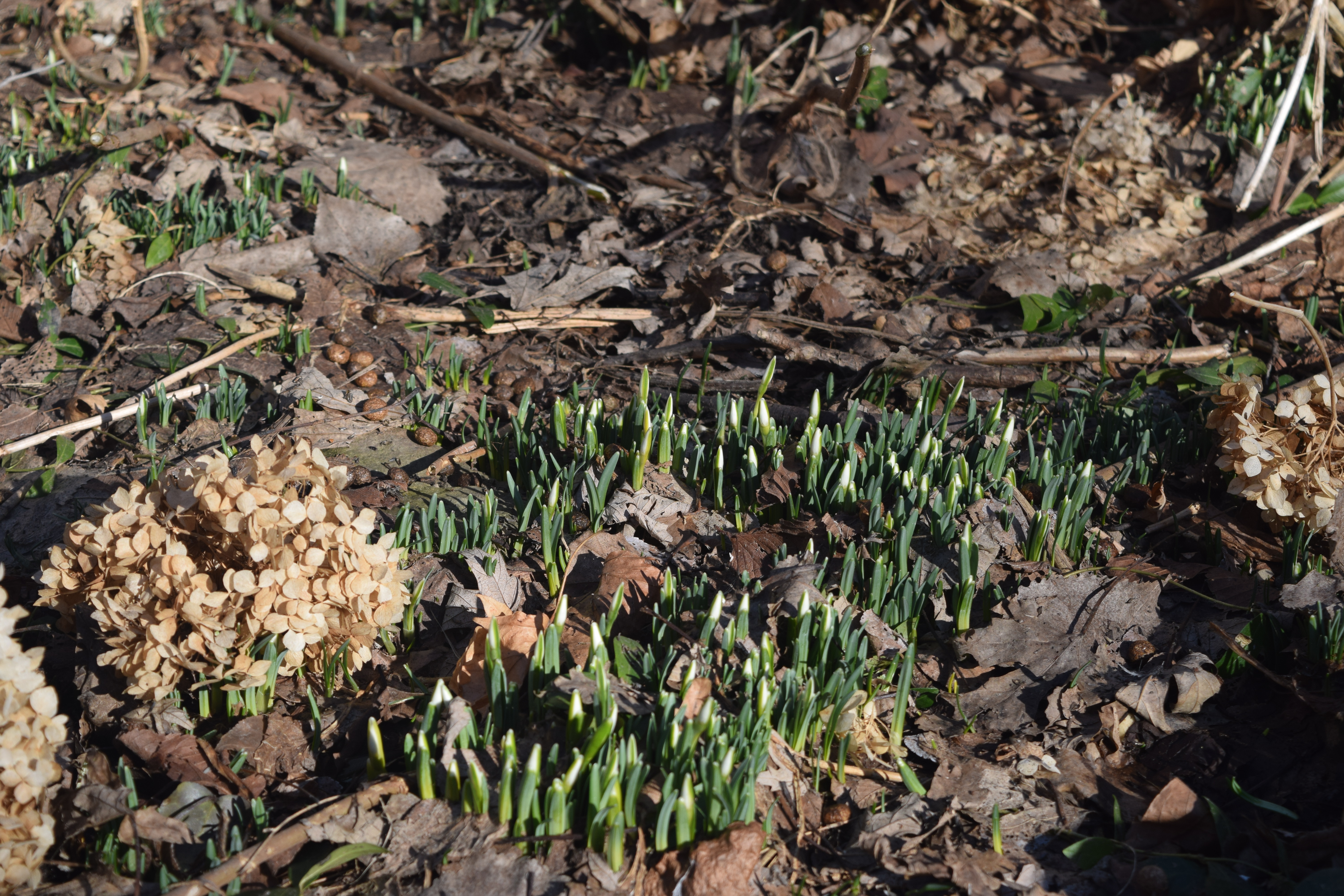
Not all the Snowdrops are ready to bloom. These need another day or two.
Snowdrops open their flowers when the weather warms. These are waiting for the sun to get a bit higher in the sky.

When I got home from a business trip this past Friday, the first Snowdrops were in bloom.

These Snowdrops still need a day or two before they bloom.
These Snowdrops still need a day or two before they bloom. I like the bits of dried Hydrangea flowers littering the ground.

I am not one of those Snowdrop connoisseurs, who glory in the subtle differences among all the different species in variety. Even so, I do love Snowdrops. Partly it is simply the fact that they are the very first to bloom. But it is also the way they emerge from the mud and dead leaves of early spring, clean and perky and gleaming. And of course, there are few things more beautiful than a big drift of Snowdrops in the early spring woods.

Lenten Rose
Lenten Rose

In addition to the Snowdrops, Judy found a single Lenten Rose (Helleborus orientalis) that is about to bloom. Most of the Hellebores are still a bit tattered, and I don’t expect them to show any blooming flowers until late in March.

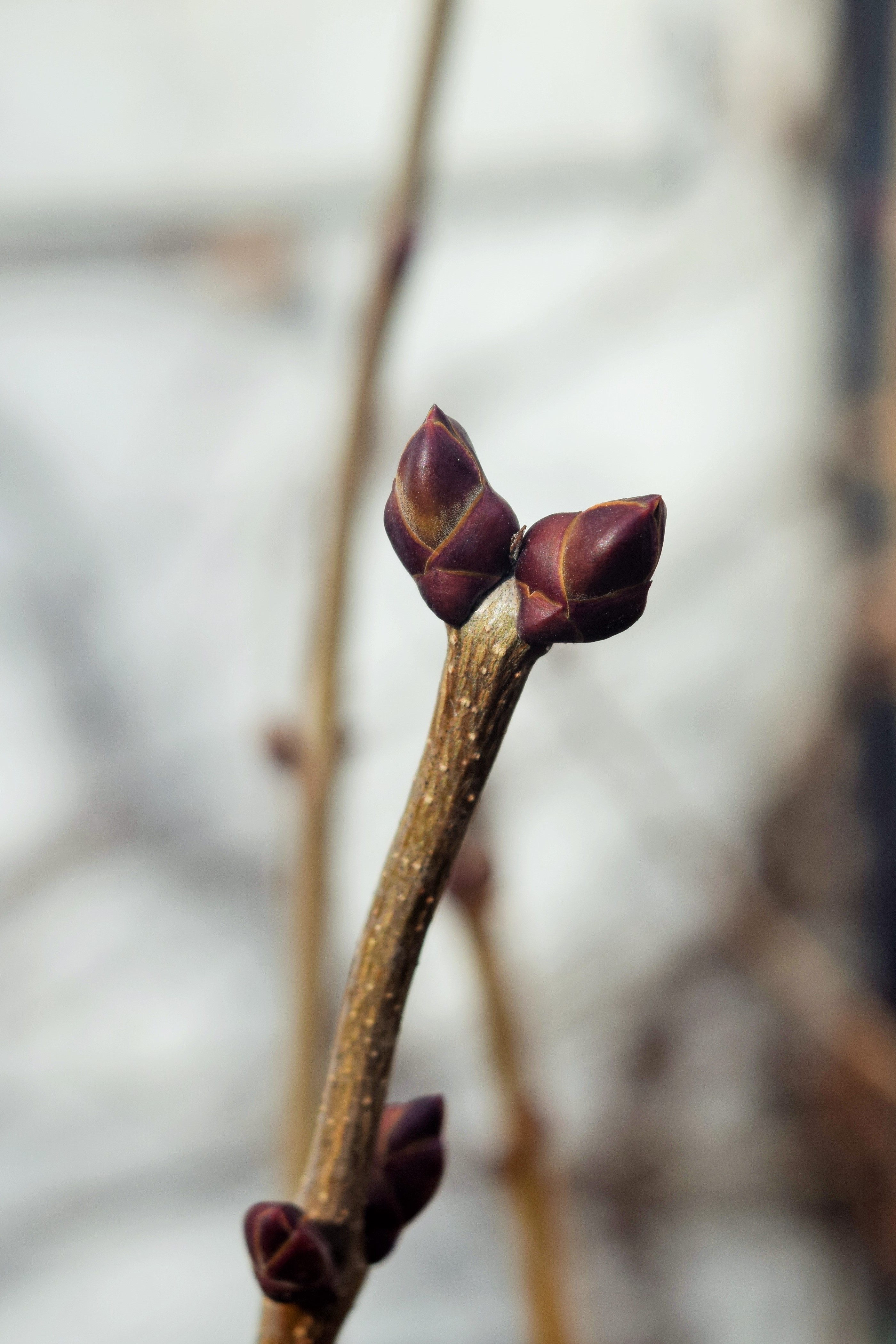
Lilac buds.
Lilac buds.

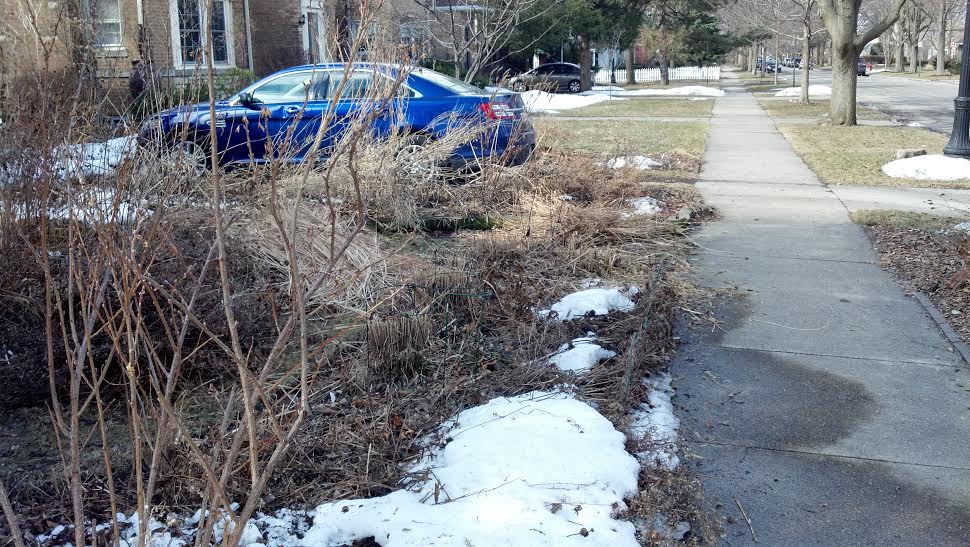
Other than that, there is mainly the promise of future blooms. The buds on the Forsythia and Lilac are swelling. The first leaves of the crocuses, daffodils, and early tulips have just begun to poke through the ground.

To enjoy more blooms, visit May Dreams Gardens. Happy Garden Bloggers’ Bloom Day to you! And happy spring!

Viburnum Leaf Beetle Alert!

The Chicago Botanic Garden’s email newsletter is typically informative and sometimes entertaining, but today’s issue bore grim tidings. That is to say, the Viburnum Leaf Beetle (VLB) has now established itself in the Chicago area.

Viburnum Leaf Beetle. Photo from ohioline.osu.edu.

The VLB is originally from Europe but decided to summer in  Maine in 1994. Taking up residence, it has been marching westward ever since. It was first spotted in this area in 2009, and sightings have gradually become more numerous. In 2014 there were frequent sightings in a suburb not far from where I live.

Cranberrybush Viburnum, Viburnum trilobum
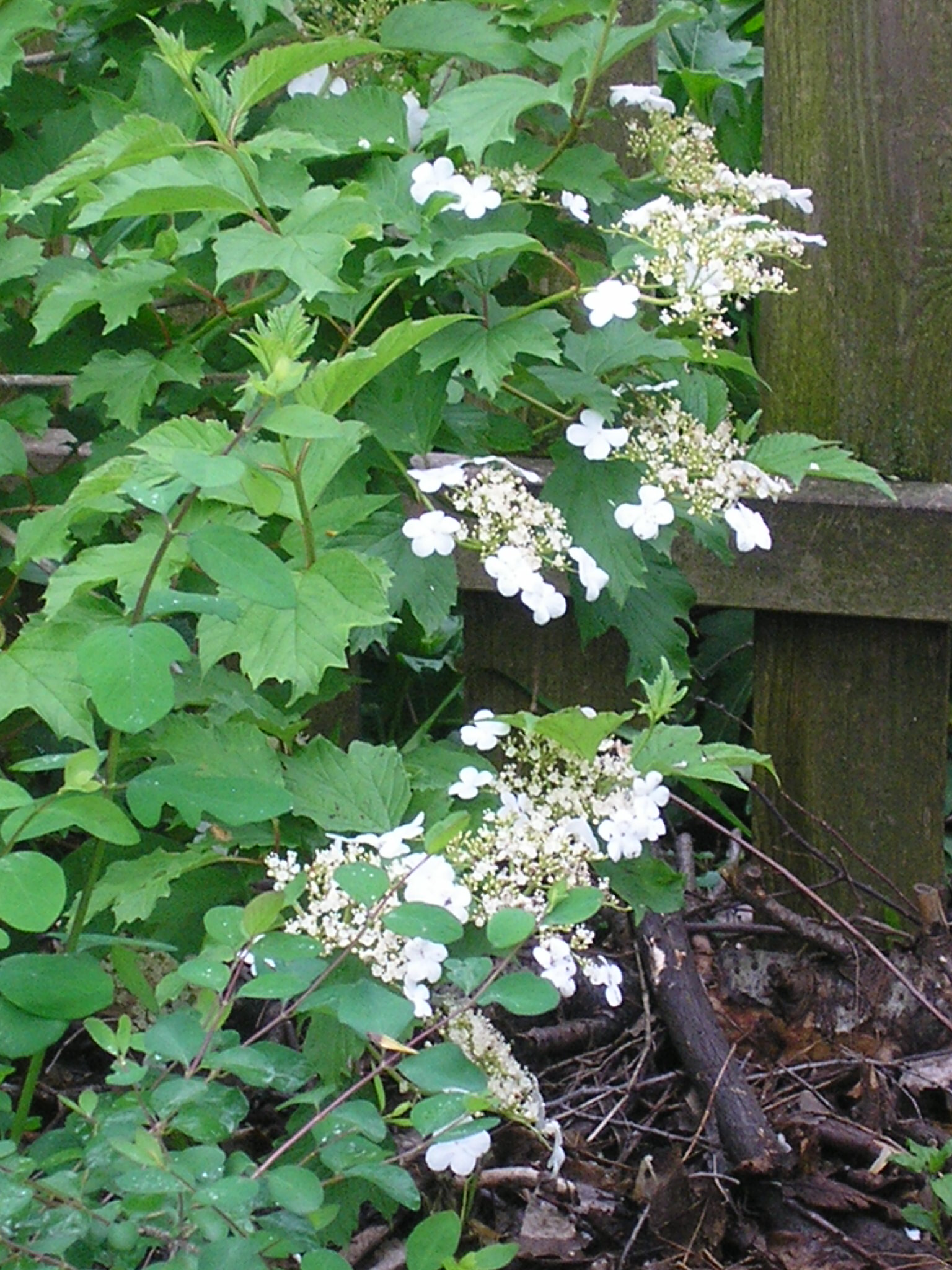
Cranberrybush Viburnum flowers

There are a quite a few Viburnums in my own garden, so this is worrying news. To make matters worse, a Cornell University entomologist has sorted Virburnum species according to their resistance to VLB. And guess what? Most of mine are Cranberrybush Viburnum (Viburnum opulus var. americana), which are in the “Highly Susceptible” category.

Cranberrybush Viburnum
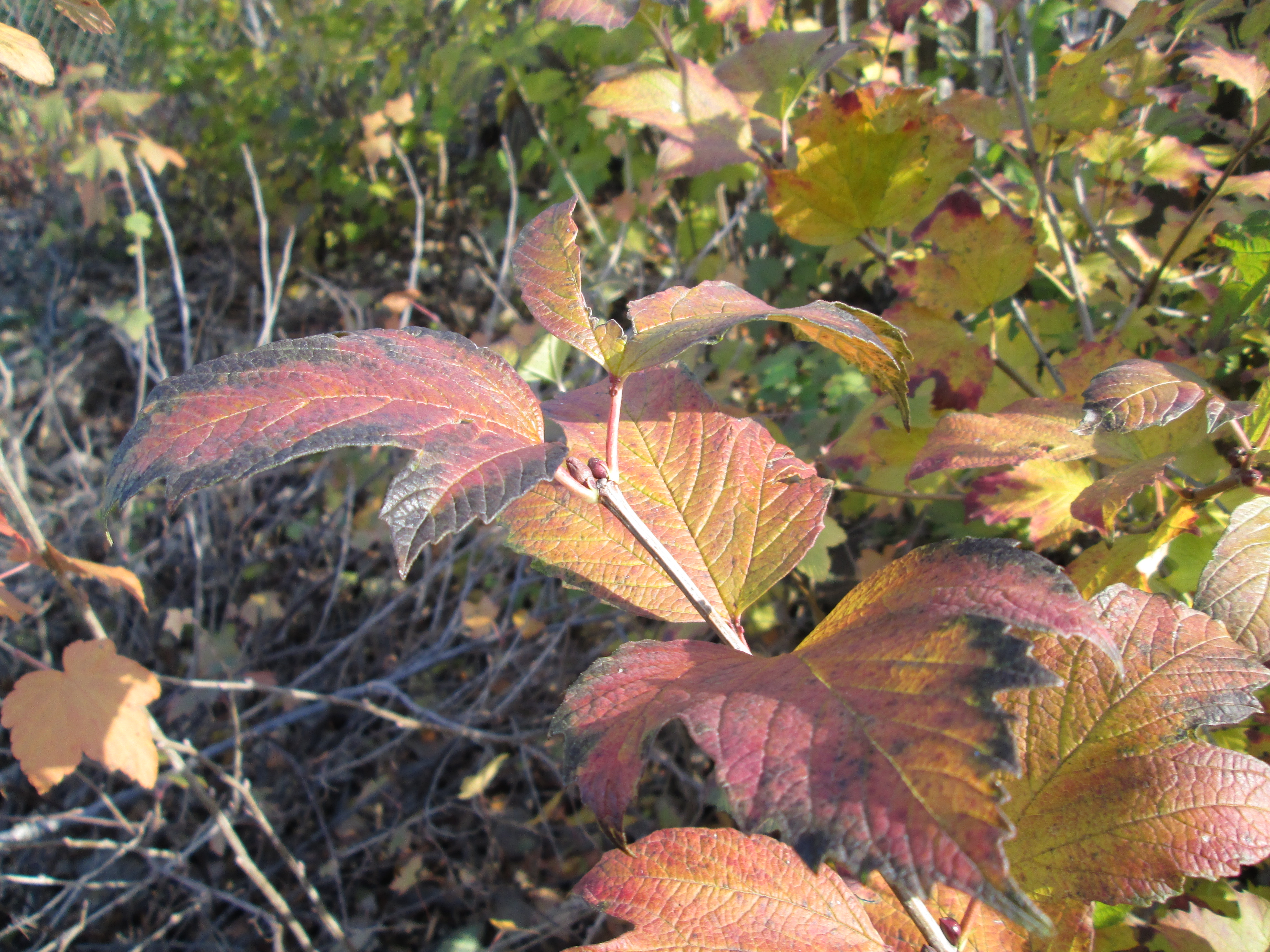
Cranberrybush Viburnum with early fall color.

There are also two Blackhaw Viburnums (Viburnum prunifolium – “Moderately Susceptible”) and one Korean Spice Viburnum (Viburnum carlesii), which I planted just last fall. Fortunately the Korean Spice Viburnum is considered resistant to the VLB. Here’s a link to the whole list.

Cranberrybush Viburnum, Viburnum trilobum
Cranberrybush Viburnum fall color

According to a VLB fact sheet put out by Cornell University, the best way to fight this pest is to inspect newer growth for eggs, which look like this.

Viburnum twigs with VLB eggs. Photo from hort.cornell.edu.

This is easiest to do before the plants leaf out. Any twigs infested with eggs should be pruned out.

VLB can completely defoliate a shrub, and after this happens for several years in a row the plant will probably die.

American Cranberrybush Viburnum fruit

As soon as the snow melts I will inspect all my Viburnums for VLB eggs. It’s very aggravating because I just planted several Viburnums over the last couple of years. Some were planted to replace Serviceberry (Amelanchier x grandiflora) killed by bark-chewing rabbits.

Excuse me for a moment, will you? (AAAAAARRRRGH! GAAAAAH!) OK, that’s better.

Anyhow, do you have Viburnums in your garden? Do you have experience with Viburnum Leaf Beetle?

A Walk to the Galata Tower

One day we decided to walk to the Galata Tower on the other side of the Golden Horn. It was a memorable urban hike.

A view of the Ayasofya from Eminonu.
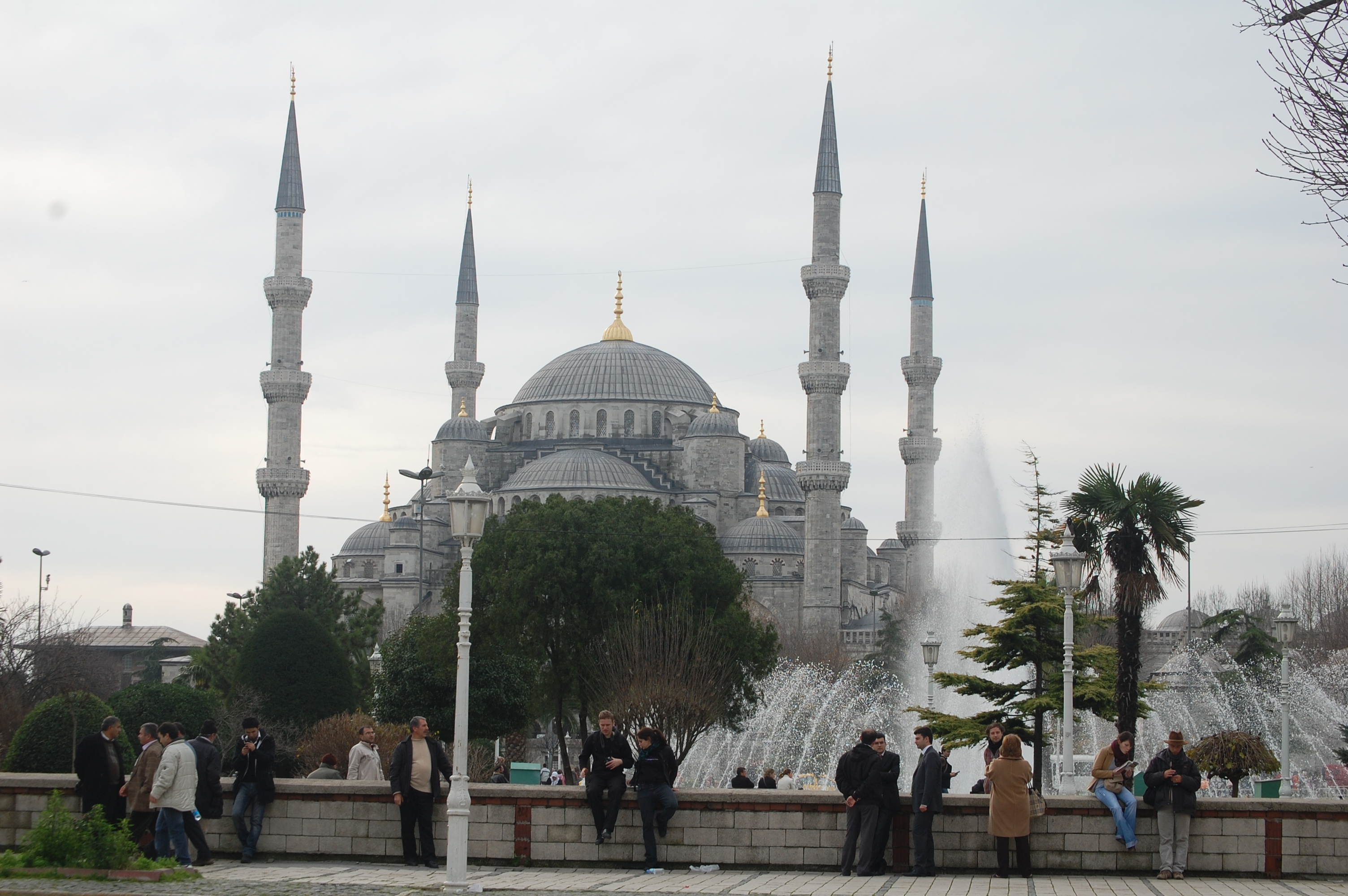
Looking back at the Blue Mosque from Eminonu. I’m afraid it was a somewhat cloudy and hazy day, so the light is not the best.

The Galata Tower was built by the Genoese in the mid-1300s. At the time, about 100 years before the Ottoman conquest, it was located in the Genoese colony outside Constantinople. Now it is in a part of Istanbul called Karakoy.

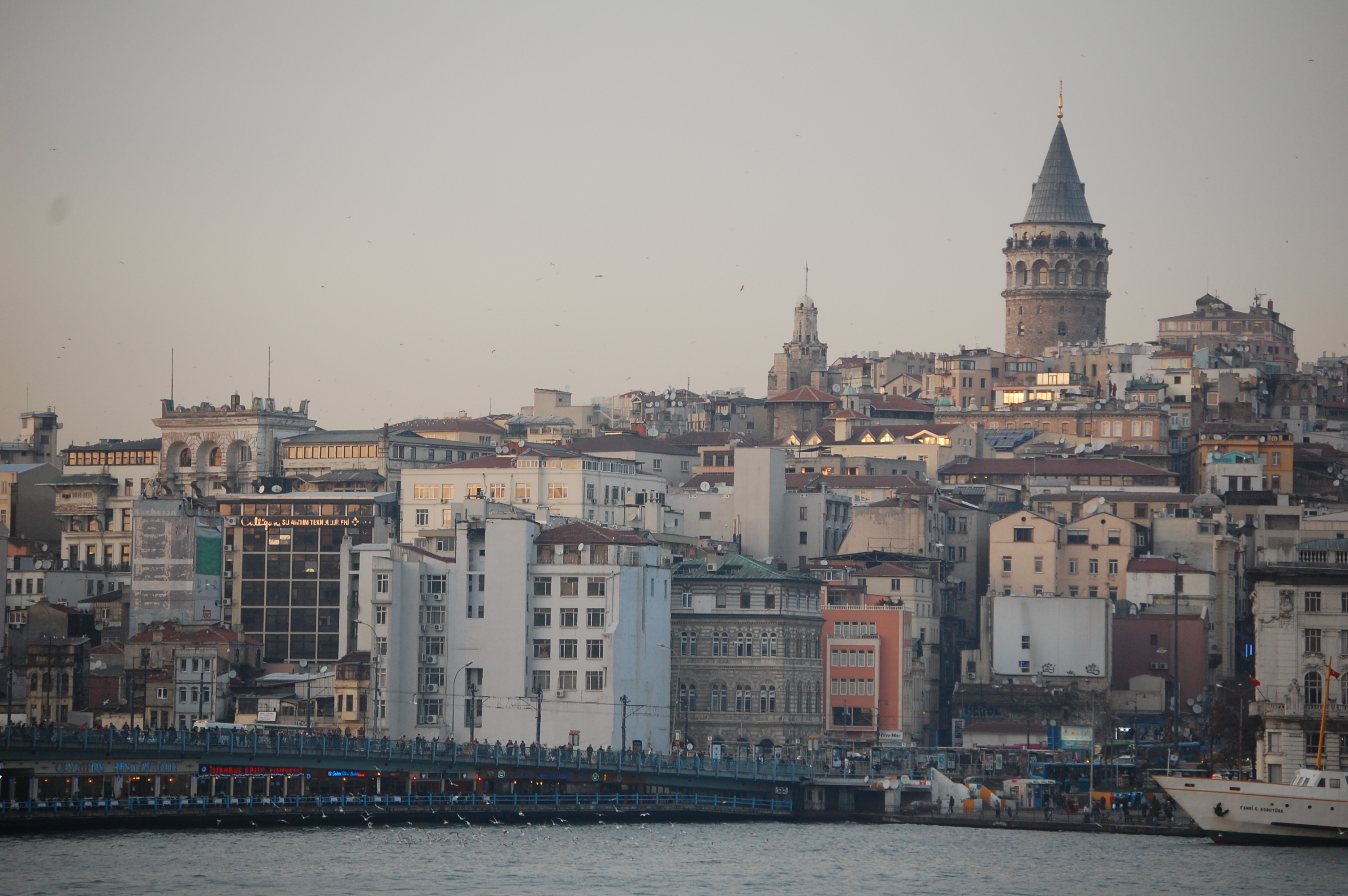
The Galata Tower from across the Golden Horn.

To get there we first had to walk to an area with the tongue twisting name of Eminonu. Eminonu is on the south side of the Golden Horn, a broad waterway that divides the European part of Istanbul.

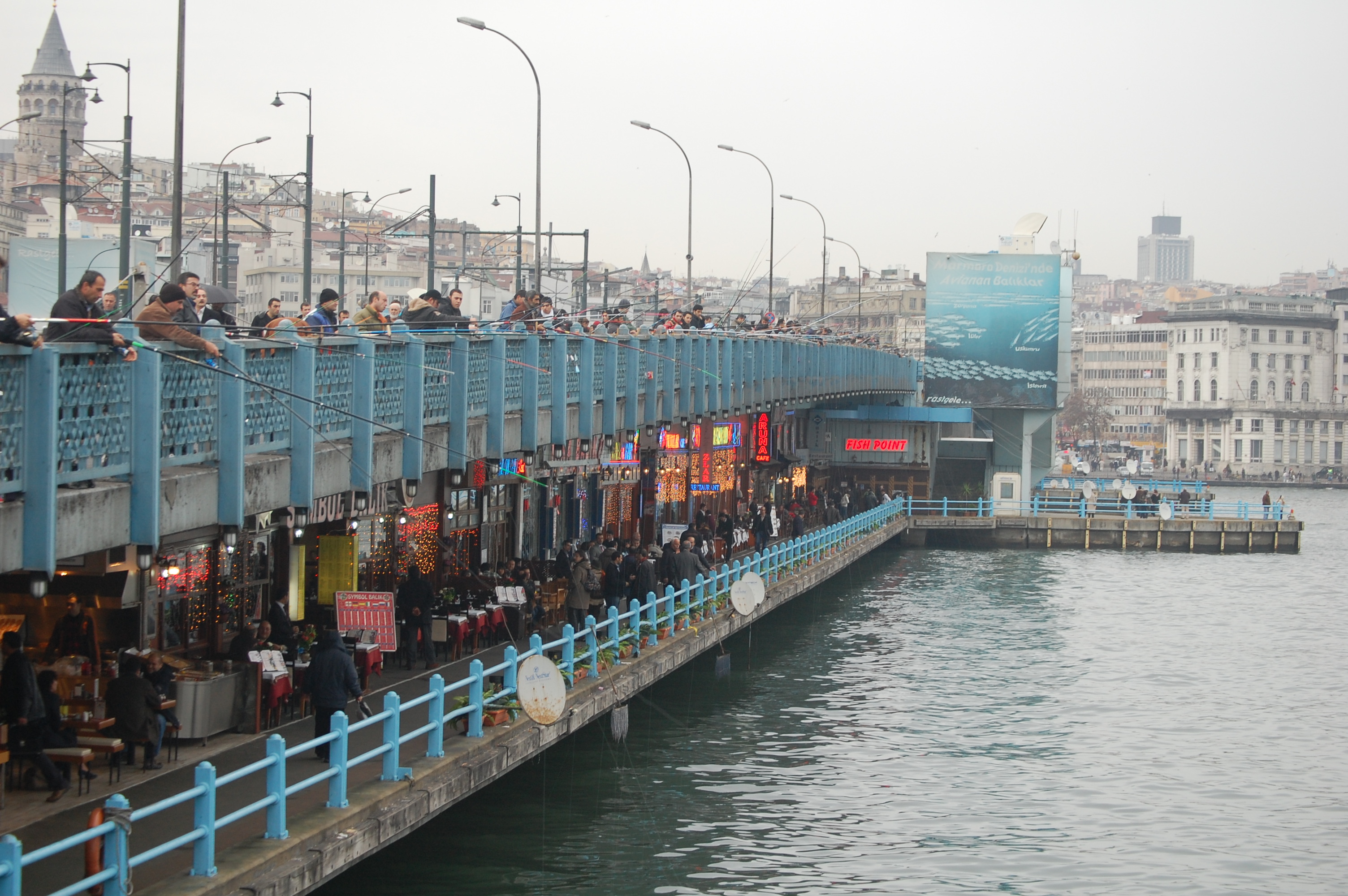
Fishermen on the Galata Bridge.
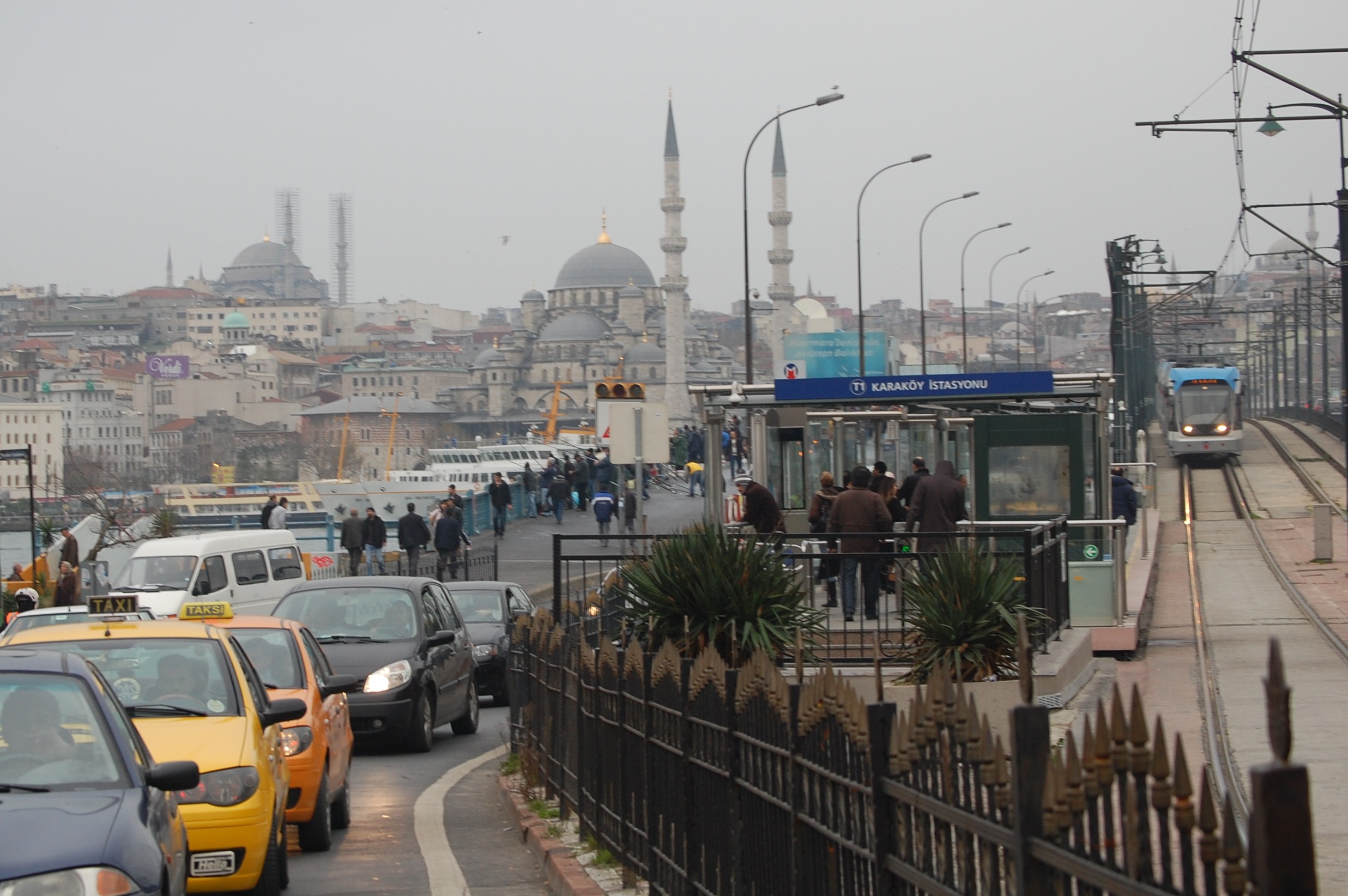
Looking back at the Galata Bridge from the Karakoy side.

To cross the Golden Horn we had to walk across the Galata Bridge, which is busy with pedestrians, cars a streetcar, and fishermen.

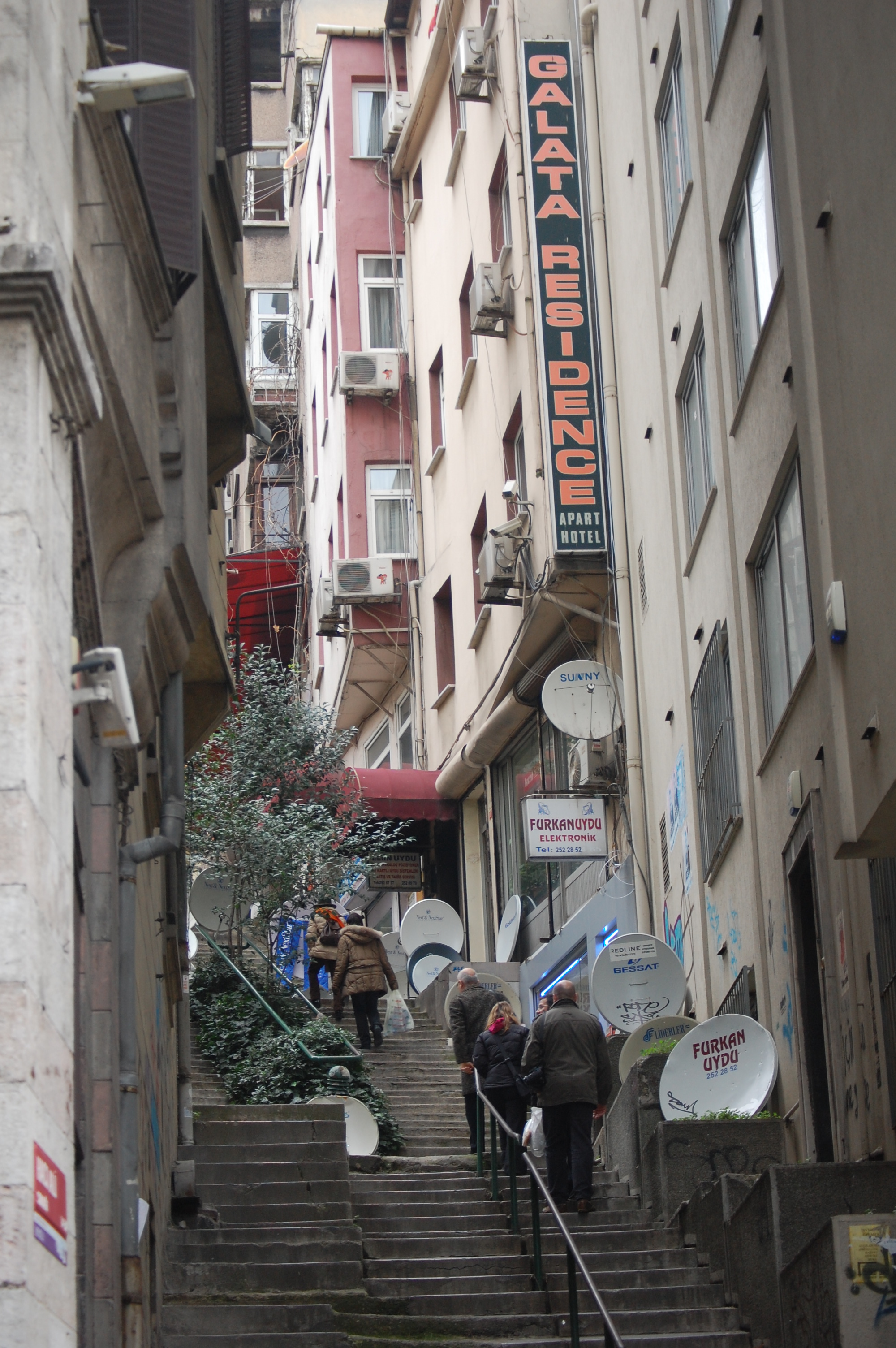
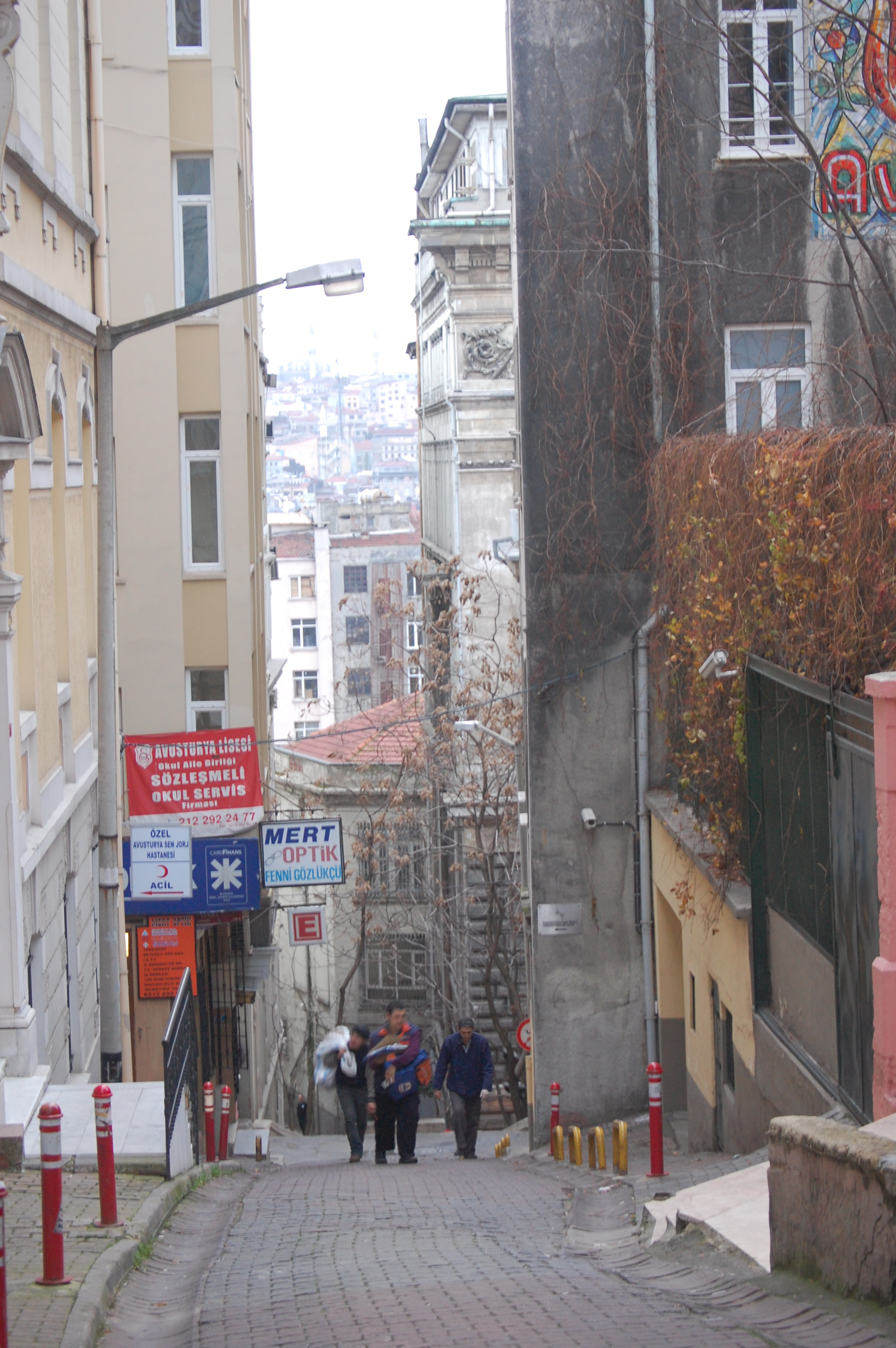
Walking to the Galata Tower.
More stairs.
More stairs.

The tower is about 100 feet above sea level. When I read that, I demanded a recount. It feels like a steep climb.

2009-12-25 08.43.50

When it was built, the Galata Tower at about 200 feet was the tallest building in or around Constantinople.

Looking across the Golden Horn. The Ayasofya is to the right.
Looking across the Golden Horn.

Fortunately, there’s an elevator. When we got to the top, we avoided the restaurant but took in the views.

2009-12-25 08.16.03

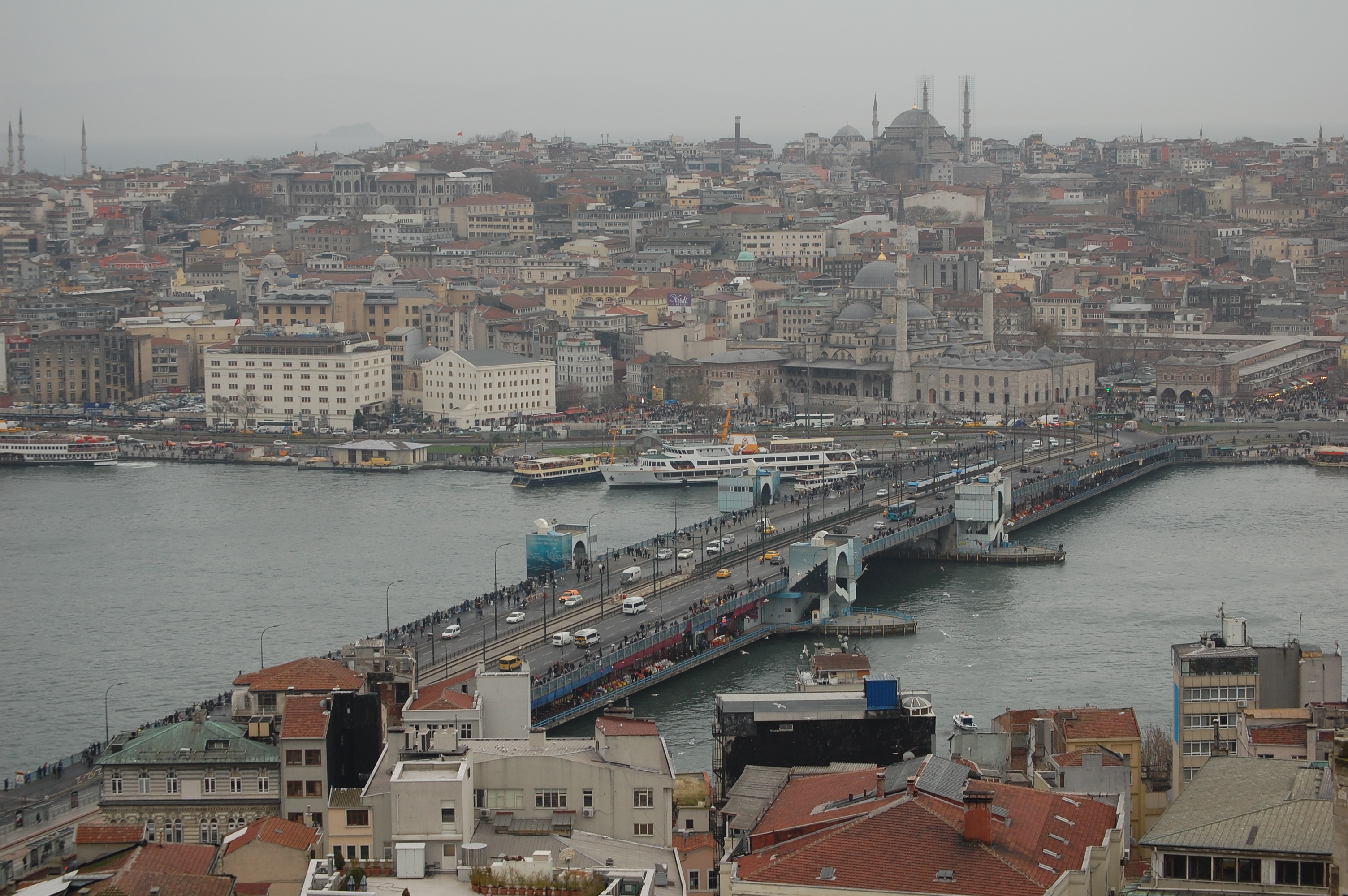
The Galata Bridge seen from above.

2009-12-25 08.16.10

Another view across the Golden Horn, this time with the Blue Mosque.

2009-12-25 08.13.41

2009-12-25 08.22.48

Looking away from the Golden Horn.

2009-12-25 08.43.05

2009-12-25 08.43.08

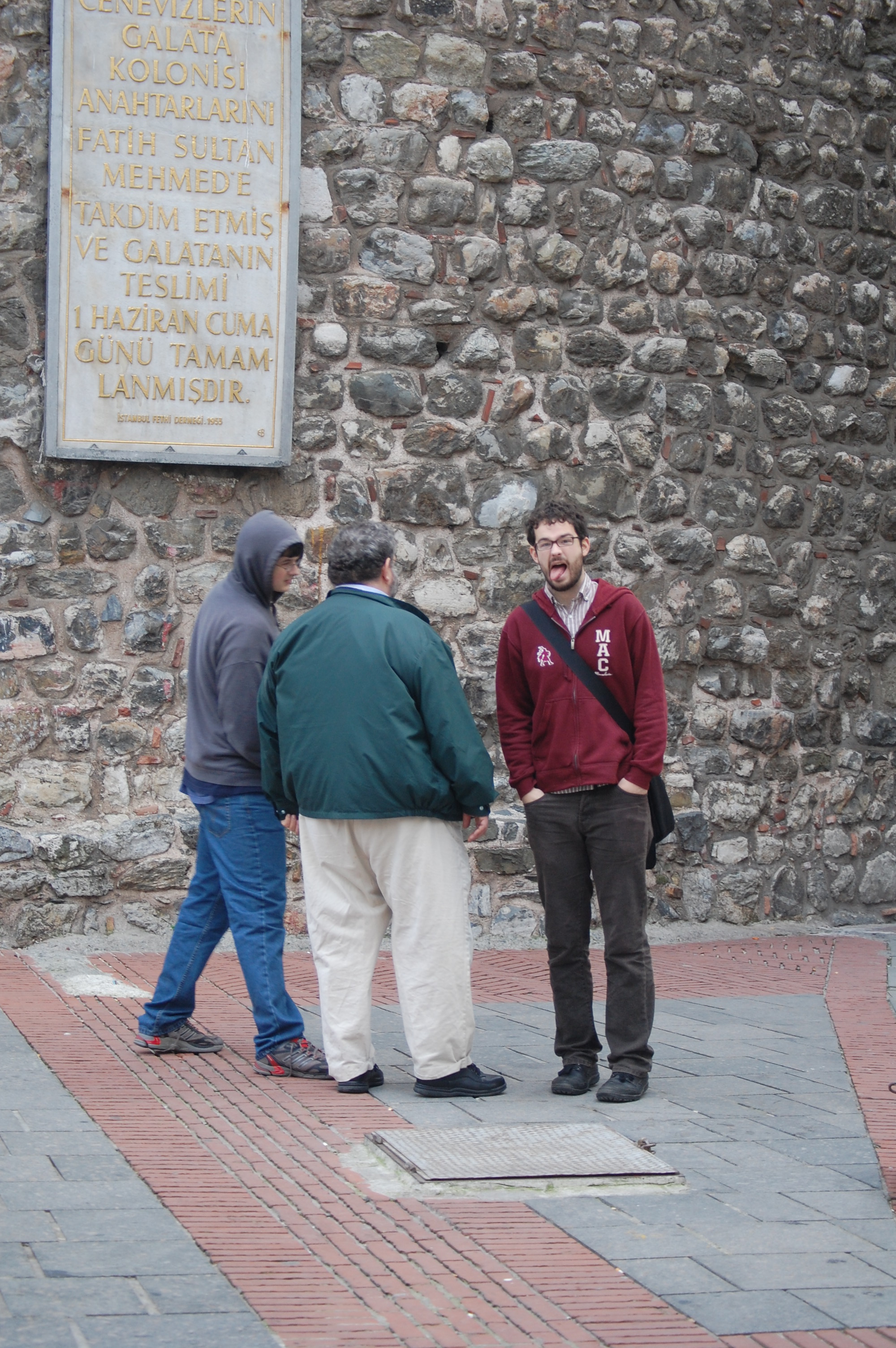
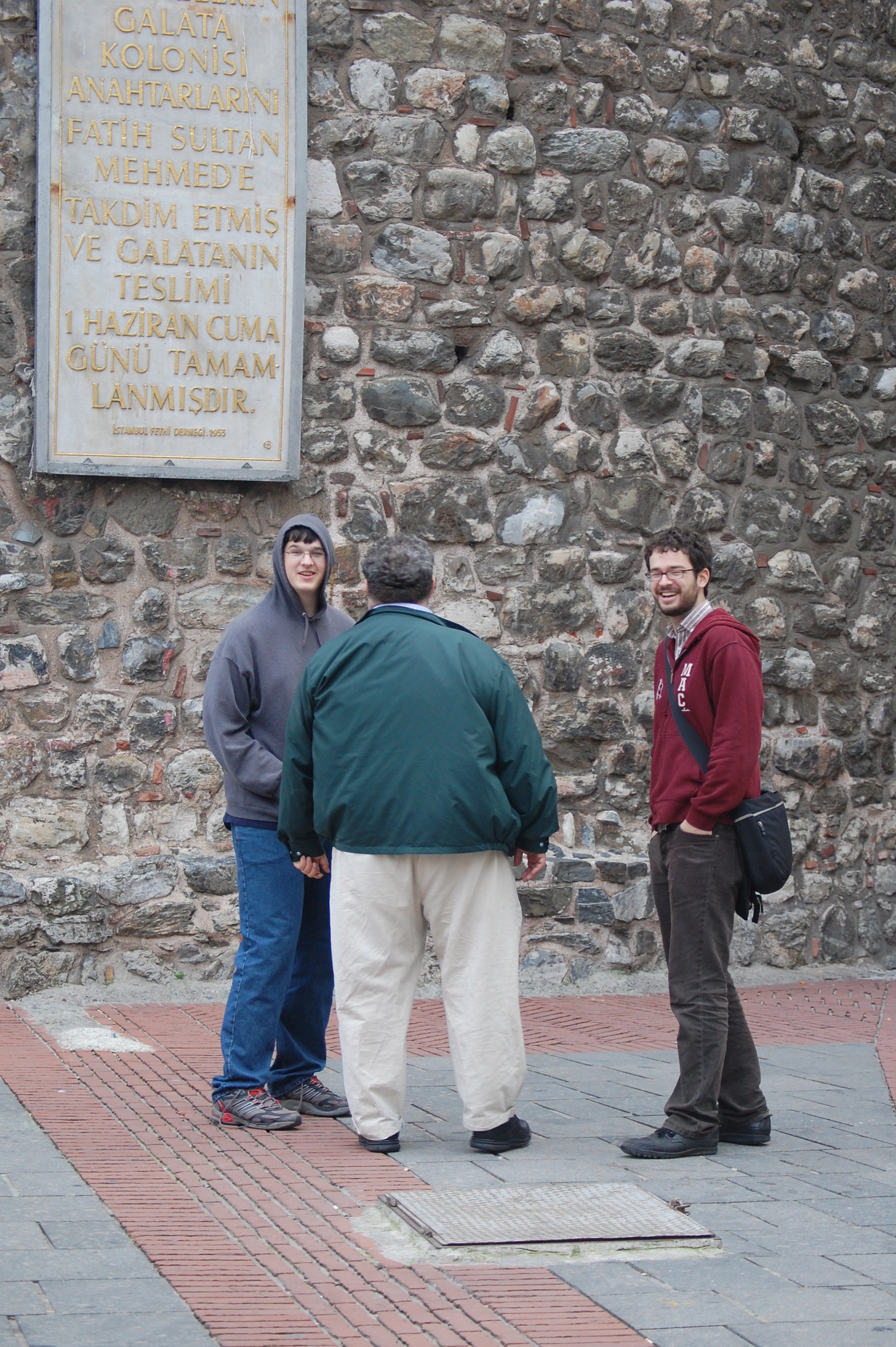
Back on ground level, I tried to instruct my boys in the profound lessons of history, but without much success.

2009-12-25 09.27.31

The walk back down was faster.

The Galata Bridge and fGalata Tower at Dusk.
The Galata Bridge and Galata Tower at Dusk.
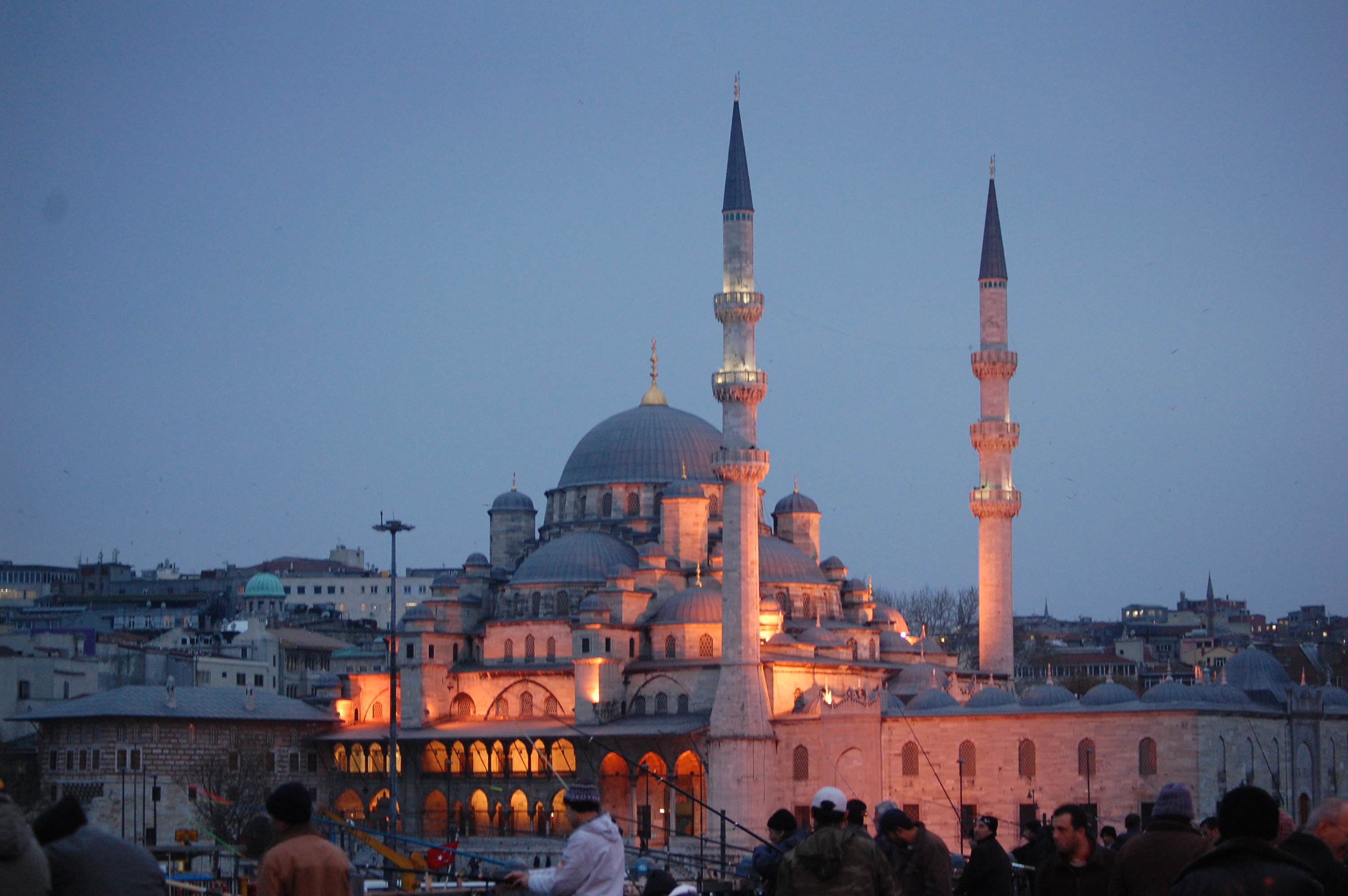
Lights illuminating the New Mosque, at the southern end of the bridge.

By the time we crossed back across the Galata Bridge, dusk had fallen, and we watched the lights come on.

Book Review: Are “Aggressive” Plants a Blessing or a Curse?
The purpose of plants is to make more plants. That is all they want to do. Gardeners sometimes frustrate, sometimes tolerate this will to reproduce.

Photo from www.TimberPress.com.
Photo from http://www.TimberPress.com.

Some plants are particularly successful in this endeavor. Oftentimes gardeners consider such plants mildly criminal. How often have we heard the word “thug” used in the context of the garden, as if Monardas were members of the Blackstone Rangers? (Confession: I have used this adjective on plants a few times myself.)

Plantiful, by Kristin Green, suggests a different point of view. She lays out how gardeners can collaborate with the botanical drive to reproduce. This collaboration enables gardeners to create large, bountiful gardens at a greatly reduced cost.

kristin green
Kristin Green. Photo from http://www.timberpress.com.

Green practices what she preaches. She works as a professional gardener at Blithewold Mansion, a non-profit, public garden in Rhode Island.

The book is divided in three parts – the first deals with plants that spread primarily by seed. The second covers plants that spread mainly through roots, rhizomes, stolons, and stems.

Each section begins with a very clear and practical discussion of relevant propagation techniques for that group of plants. Then there are thumbnail descriptions of 50 plants of each type (150 plants in all – annuals, perennials, and smaller shrubs).

I was particularly interested in the third section, which deals with overwintering tender perennials. The author enticed me with her discussion of how tender perennials can be used to keep the excitement at a high pitch in beds and borders.

In the past I have tried to overwinter Caladiums and was rewarded with bags of smelly tuber mush. Now I feel the confidence to try again. Also, I learned that I can overwinter just about all of my favorite container plants, including Pentas and Lantana. When you consider the cost of buying these plants every year, it is certainly worth the effort.

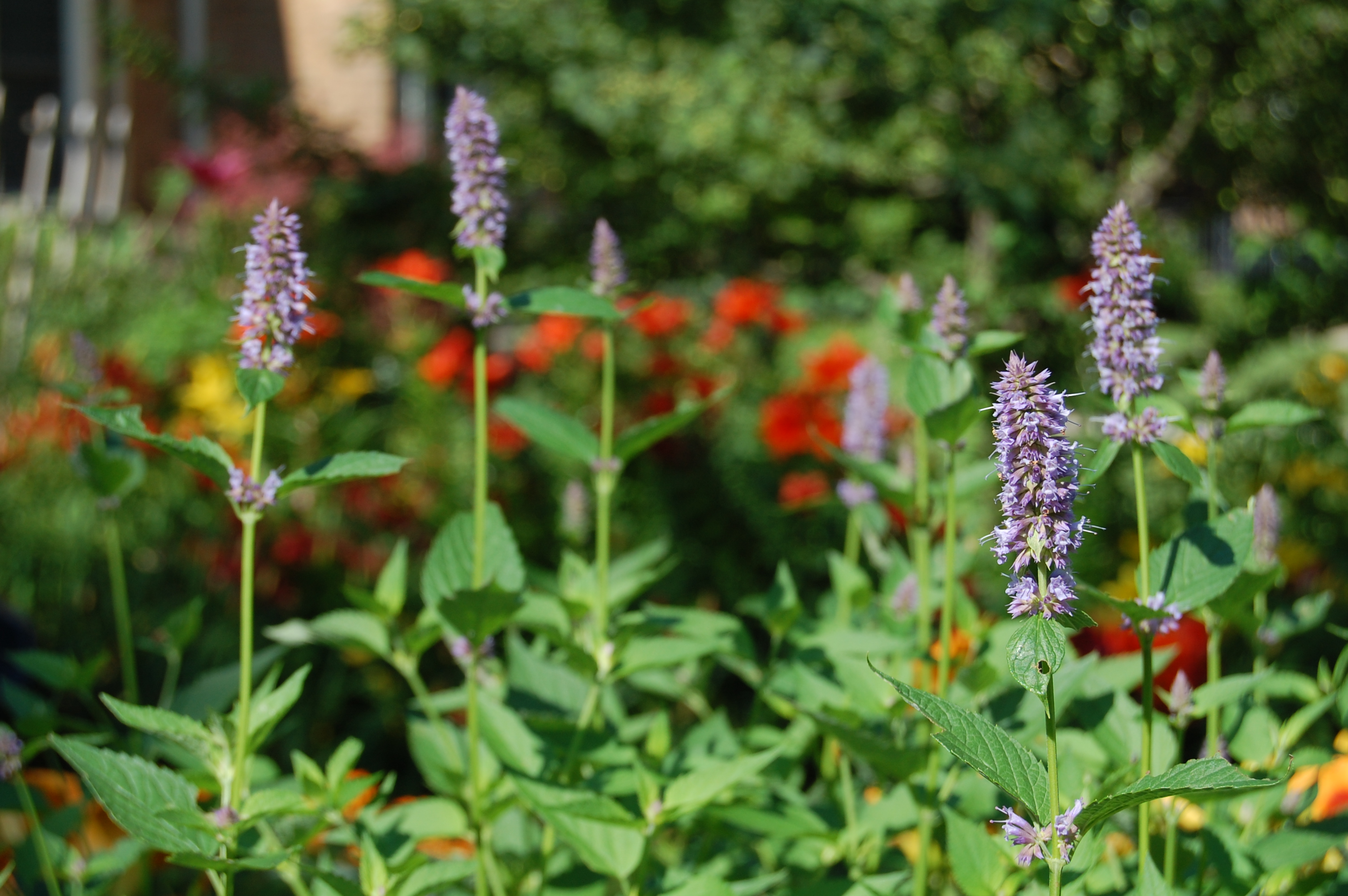
Anise Hyssop
Anise Hyssop spreads by seed.

There are a couple of caveats to “working with a generous nature”, as Kristin Green puts it. For one thing, generosity exists on a continuum. There are some plants that are so excessively generous that you may not want to deal with them in your garden. Which plants falls into that category will depend on where you garden.

Great Merrybells is a fine spring wildflower native to North America - and no pushover.
Great Merrybells is a fine spring wildflower native to North America – and no pushover.

Also, vigorous plants can’t simply be stuck in the ground and forgotten. The gardener has to monitor, set limits, and propagate. Though I enjoy watching two strong willed plants struggle for dominance. Sometimes the results of these struggles are surprising.

For example, Bishop’s Weed (Aegopodium podagrarium) has a fearsome reputation. I have some variegated Bishop’s Weed that I keep in difficult spots along with the very demure-looking Great Merrybells (Uvularia grandiflora). To my surprise, the Merrybells are bullying the Bishop’s Weed.

Wild Bergamot and Bee Balm 'Raspberry Wine' spread mightily by root, like other members of the mint family.
Wild Bergamot and Bee Balm ‘Raspberry Wine’ spread mightily by root, like other members of the mint family.

Plantiful is definitely an excellent book for a beginning gardener, especially one who is both ambitious and on a budget. But it is also a useful and entertaining book for persons experienced in the garden.

Do you celebrate aggressive spreaders, or shun them?

Eating in Istanbul

We really enjoyed the food in Istanbul. Sometimes on the heavy side, it was always tasty and frequently addictive.

Pide
Pide

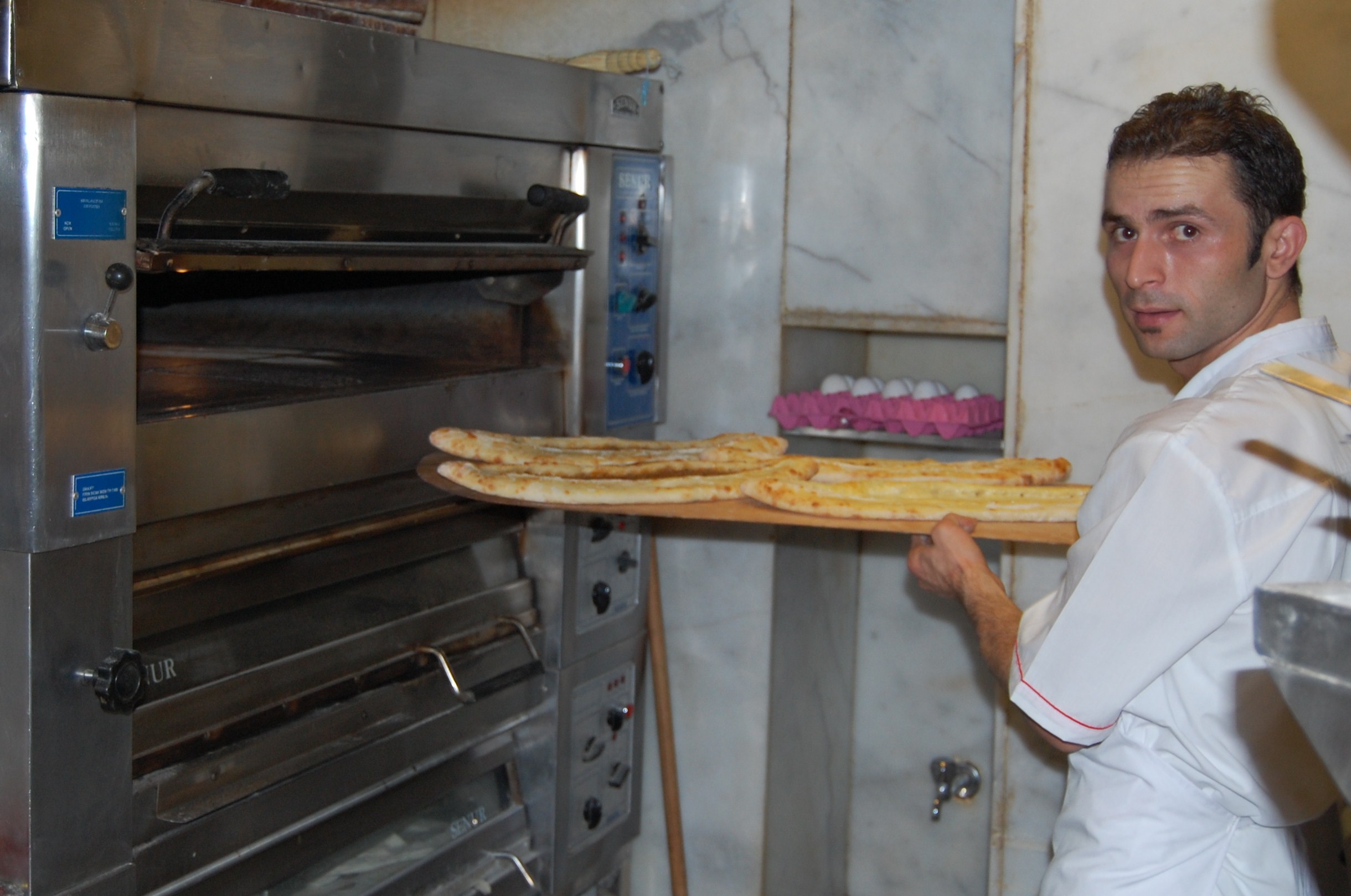
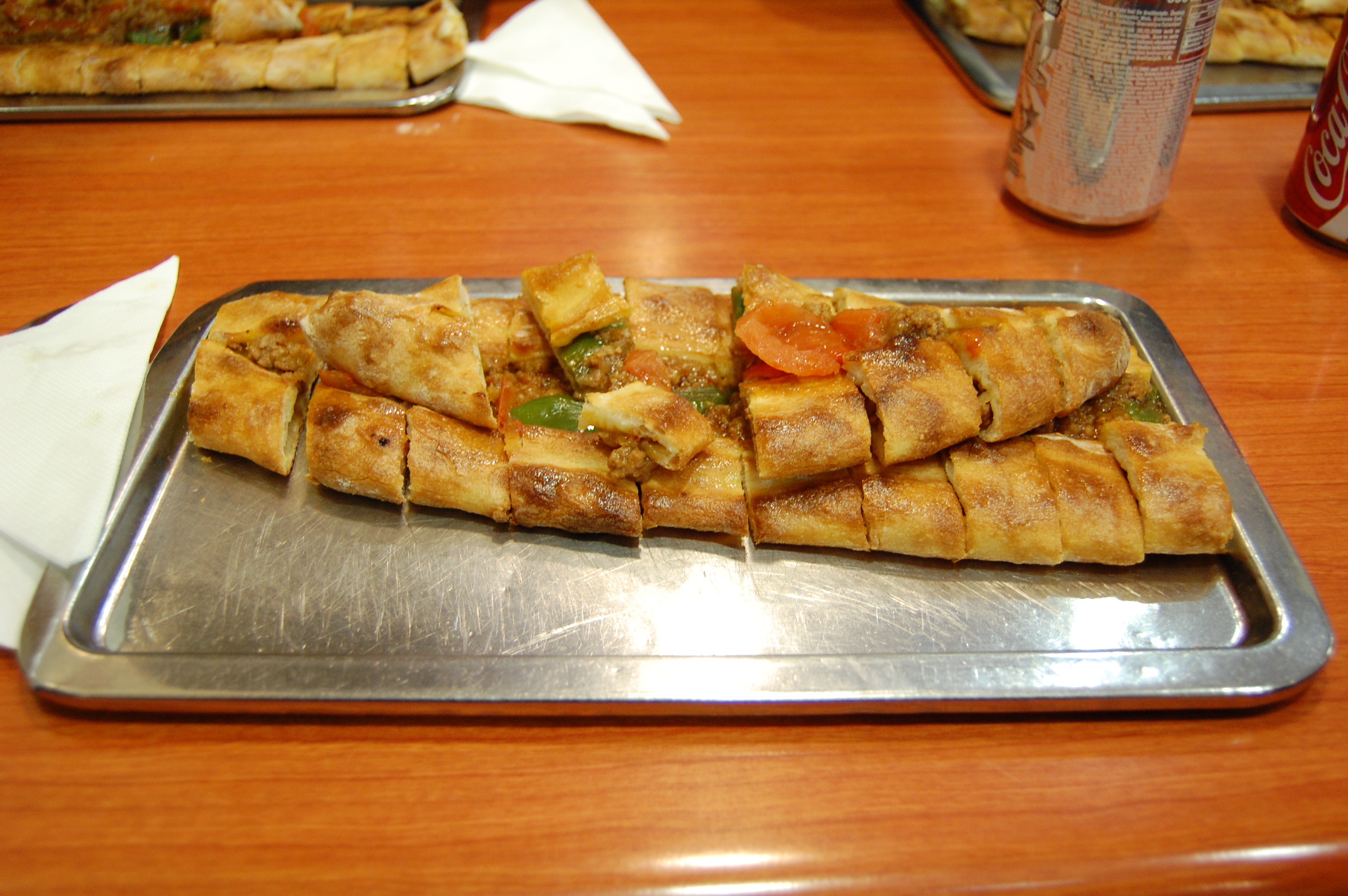
Pide is referred to as Turkish pizza, which is not an entirely apt description. I think of it more as a Turkish pasty, filled with some combination of peppers, tomatoes, cheese, eggs, and/or ground meat. Usually made with lots of butter.

2009-12-28 06.17.42

The pide was delicious at this place off of Istiklal Caddesi, one of the main commercial streets.

2009-12-28 06.16.42

Though the owners didn’t speak any English, they were friendly and let Judy take pictures in the kitchen.

Manti, which is pronounced montuh.

Manti are like Turkish ravioli, served with a yogurt and hot pepper sauce. We had excellent manti at a Uighur student restaurant called the East Turkistan Foundation Food House. There are a lot of Uighur refugees from China in Istanbul.

Here too the staff did not speak English. Fortunately there was a young student who translated for us. He told me that the waiter was laughing  because he thought I had asked for manti doused with Coca Cola instead of yogurt sauce. Americans are so uncouth.

Ciya Sofrasi restaurant in Kadikoy.

In Kadikoy on the Asian side of Istanbul we found an outstanding restaurant called Ciya Sofrasi, specializing in regional dishes from southeastern Turkey.

2010-01-05 12.20.07

Food is served from a buffet and sold by the pound.

Judy kept trying to get pictures of plates of food but our eating kept getting in the way.
Judy was trying to get pictures of plates of food but we kept eating everything before she could get a good shot.

We ate stuffed grape leaves, stuffed peppers, eggplant in various guises, and lots of unfamiliar things I can’t remember, but I can tell you it was all delicious.

2010-01-05 12.19.58

In fact, we took the ferry back to Kadikoy the next night so we could eat there a second time.

2010-01-06 06.57.48

Turks seem to be pretty carnivorous, kebaps and other grilled meat with vegetables is common fare.

2009-12-25 10.26.02

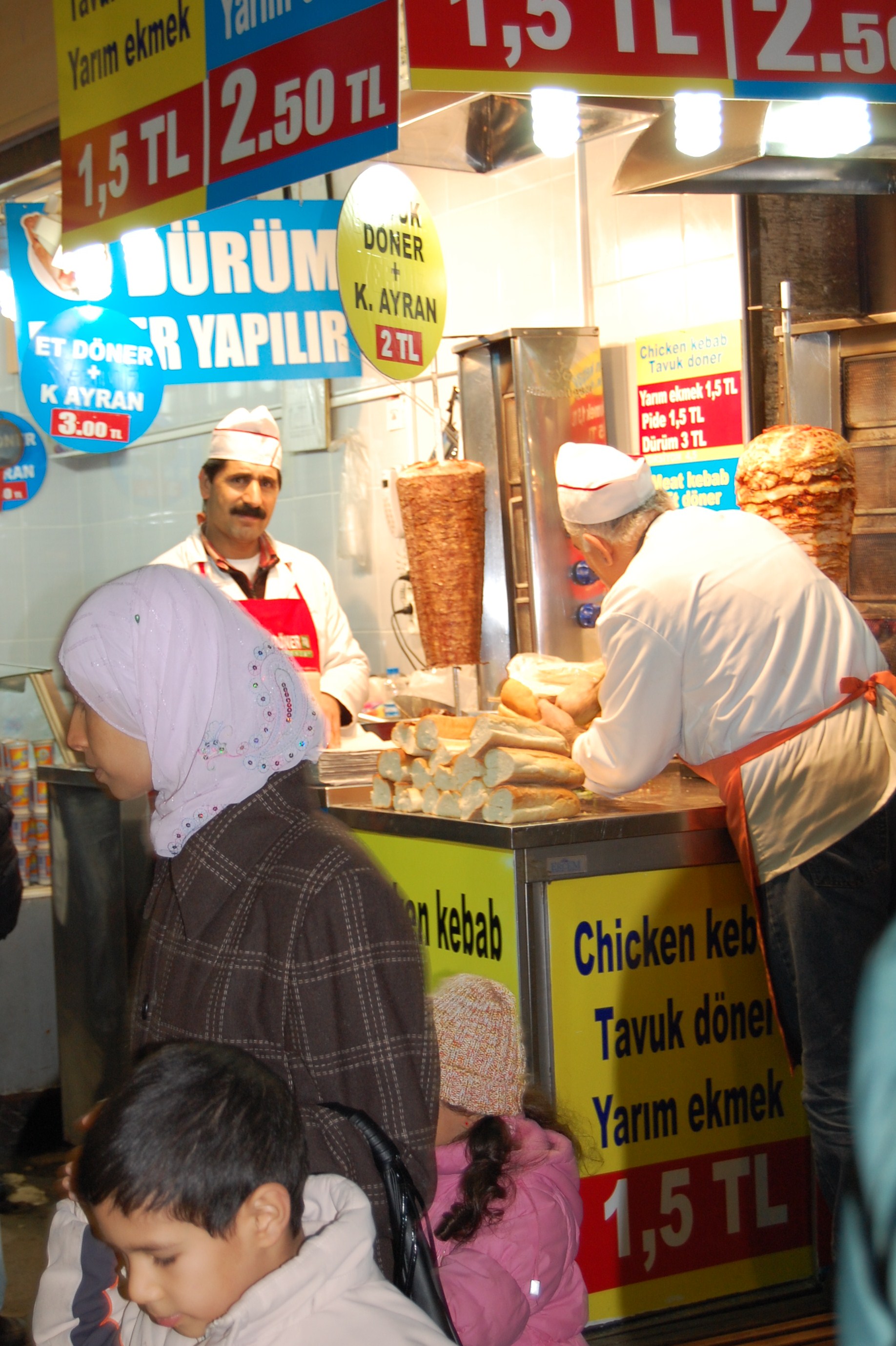
Doner kebap, sliced meat cooked on an upright skewer, is greasy and delicious. It’s also absolutely everywhere, about as ubiquitous as hot dogs and hamburgers combined in the USA. This doner stand was in the Spice Market.

2009-12-28 10.33.19

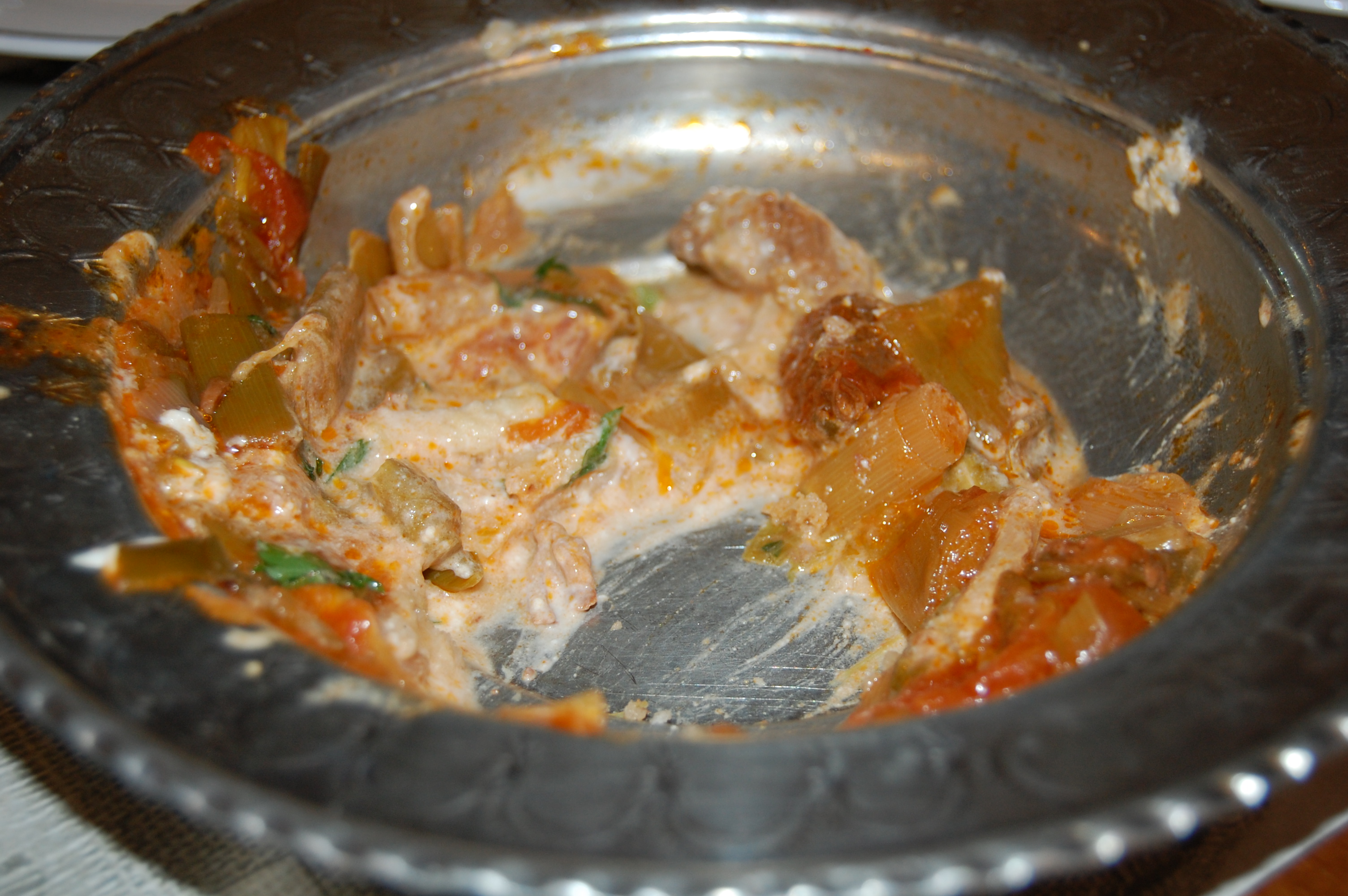
One day we walked to the Grand Bazaar and got stuck in a rainstorm. We arrived soaked and picked a random spot to have some hot tea. The waiter then persuaded us to have a snack of his choosing. He brought us a spicy eggplant stew with flat bread which was like a Turkish tortilla.

2009-12-28 10.19.58

A cool yogurt sauce kept us from being overwhelmed by the spicy stew.

In sum, the food in Turkey was just as much a rewarding adventure as the streets and the antiquities.

The Blue Mosque

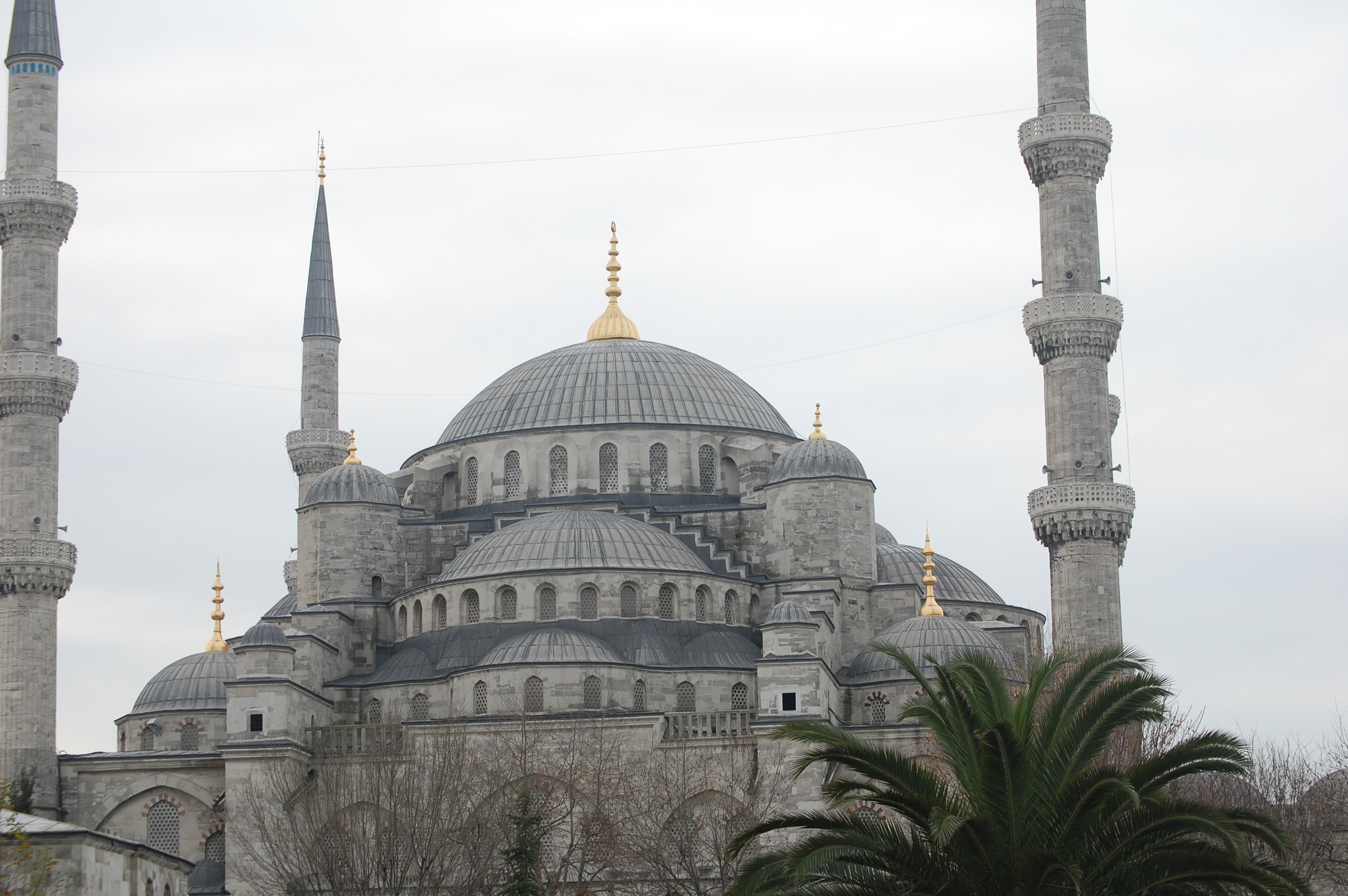
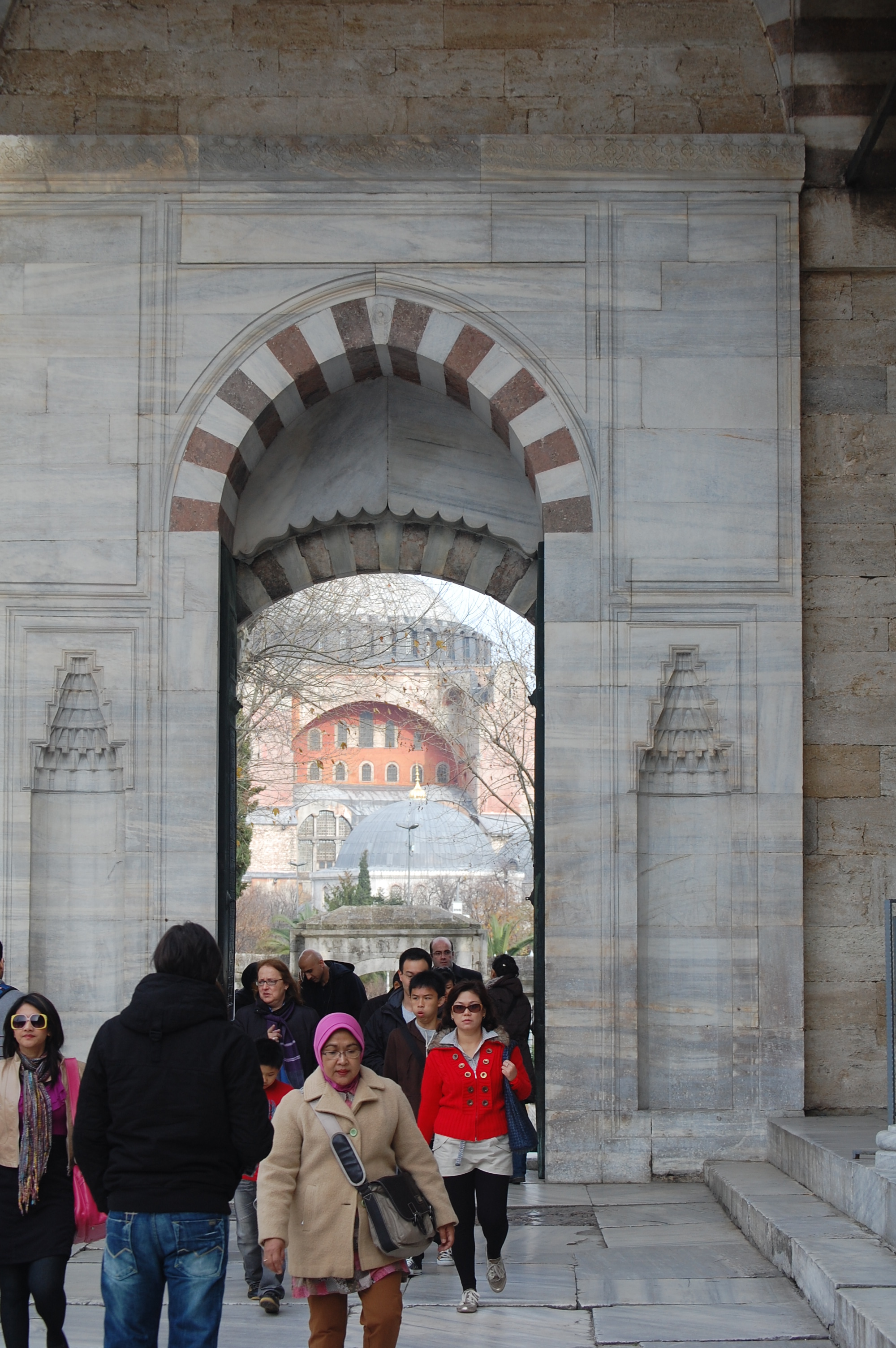
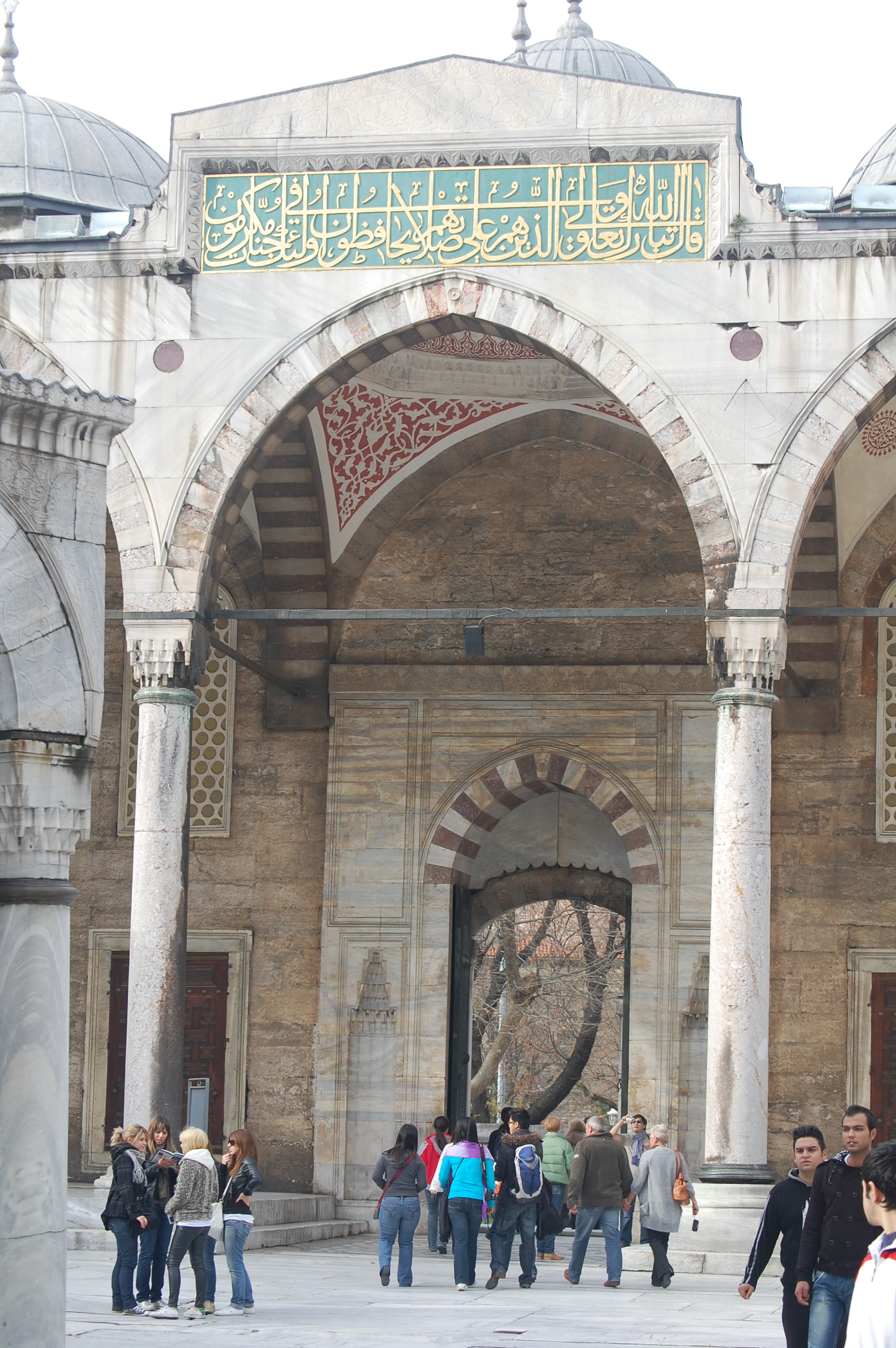
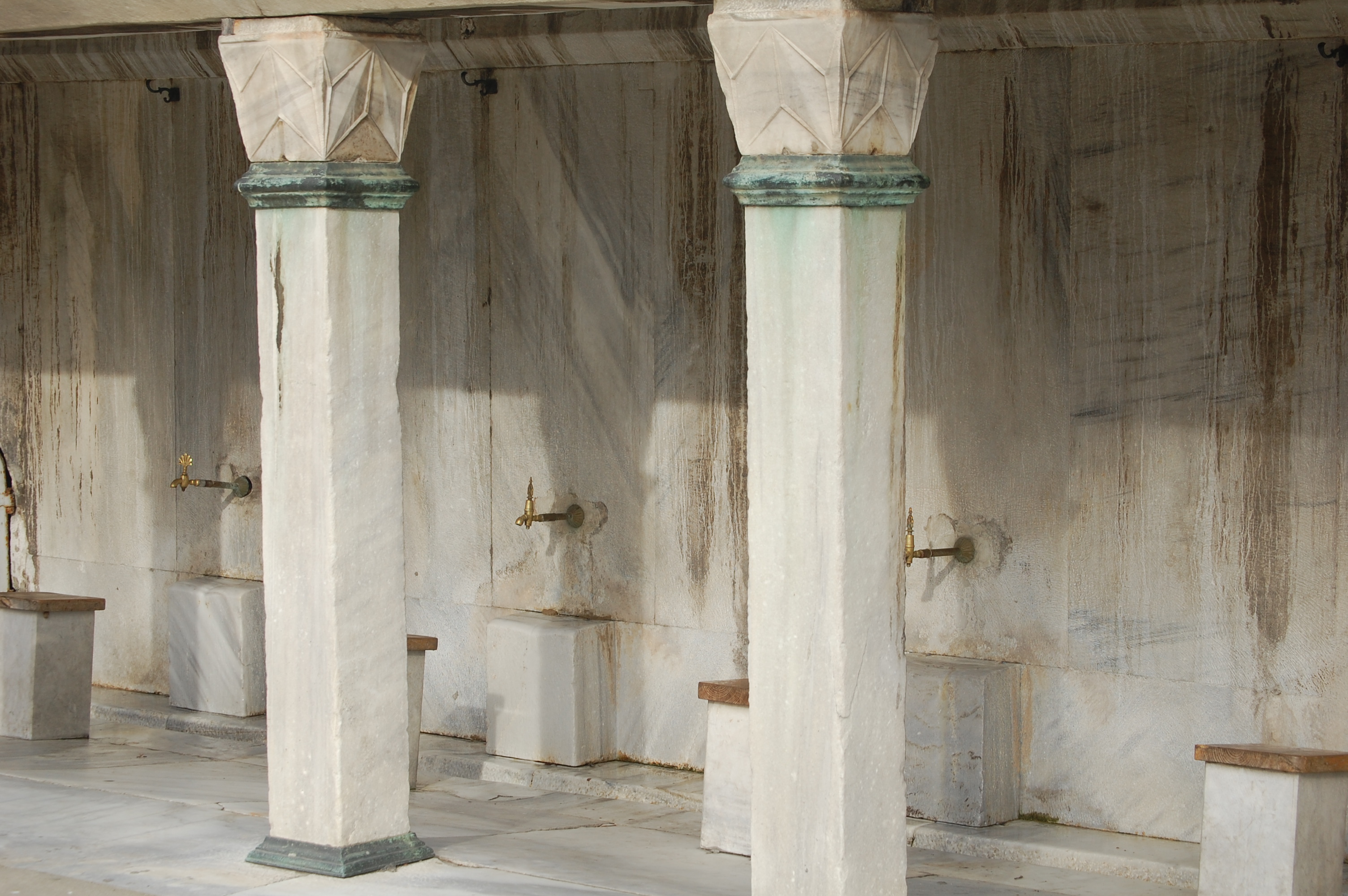
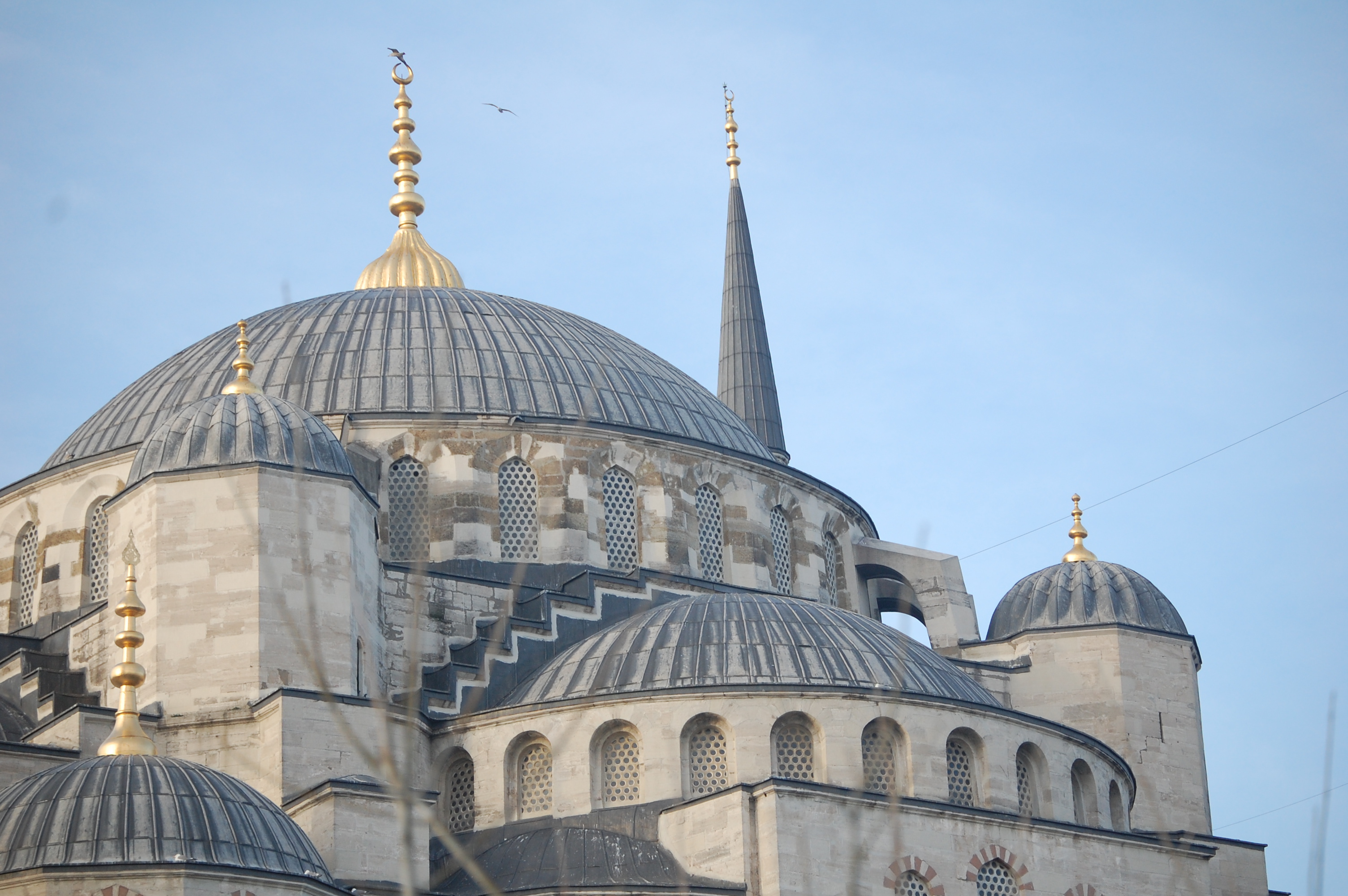
After visiting Ayasofya we walked a short distance to the Sultan Ahmed Mosque, also known as the Blue Mosque. 2009-12-24 05.53.31 The Blue Mosque was built in the early 1600s. 2009-12-24 05.59.47 From the outside, it looks somewhat similar to the Ayasofya. We read that the Ottoman Turks were influenced by Byzantine architecture. 2009-12-24 06.18.28 You can see the Ayasofya from just inside the entrance. 2009-12-24 06.19.57 Another view just inside the entrance of the Blue Mosque. 2009-12-24 06.23.00 There are six minarets. I’m a little bit afraid of heights so just looking up made me a bit queasy. 2009-12-24 06.23.49 Before entering we had to remove our shoes. There was a place for the faithful to wash their feet. 2009-12-24 06.09.57 2009-12-24 06.14.39 Inside you are struck by the thousands of blue Iznik tiles, their dye made from cobalt. Above the tiles blue paint is used in intricate patterns. 2009-12-24 06.10.53 2009-12-24 06.09.30 The dome was circled with blue stained glass. 2009-12-24 06.15.30 The domed ceiling suggests somehow that the sky itself is a dome. 2009-12-24 06.10.20 Tourists are not allowed in when organized prayers are conducted, but there were a few people quietly praying or meditating. The atmosphere was hushed. I wonder what they were praying for. 2009-12-24 06.17.20 2009-12-24 06.25.59 Blue, I believe, is a calming color. On our way out it was hard not to feel awed, and a bit more peaceful.

Roaming The Heart of Historic Istanbul

The heart of historic Istanbul is called Sultanahmet. It’s got the Ayasofya, the Blue Mosque, and the site of the Roman Hippodrome.

2009-12-27 09.31.41

It’s also got about a jillion tourists, and half a jillion shops catering to tourists. Though when we were there (in December and January), the crowds weren’t bad.

Street view of the Bosphorus.

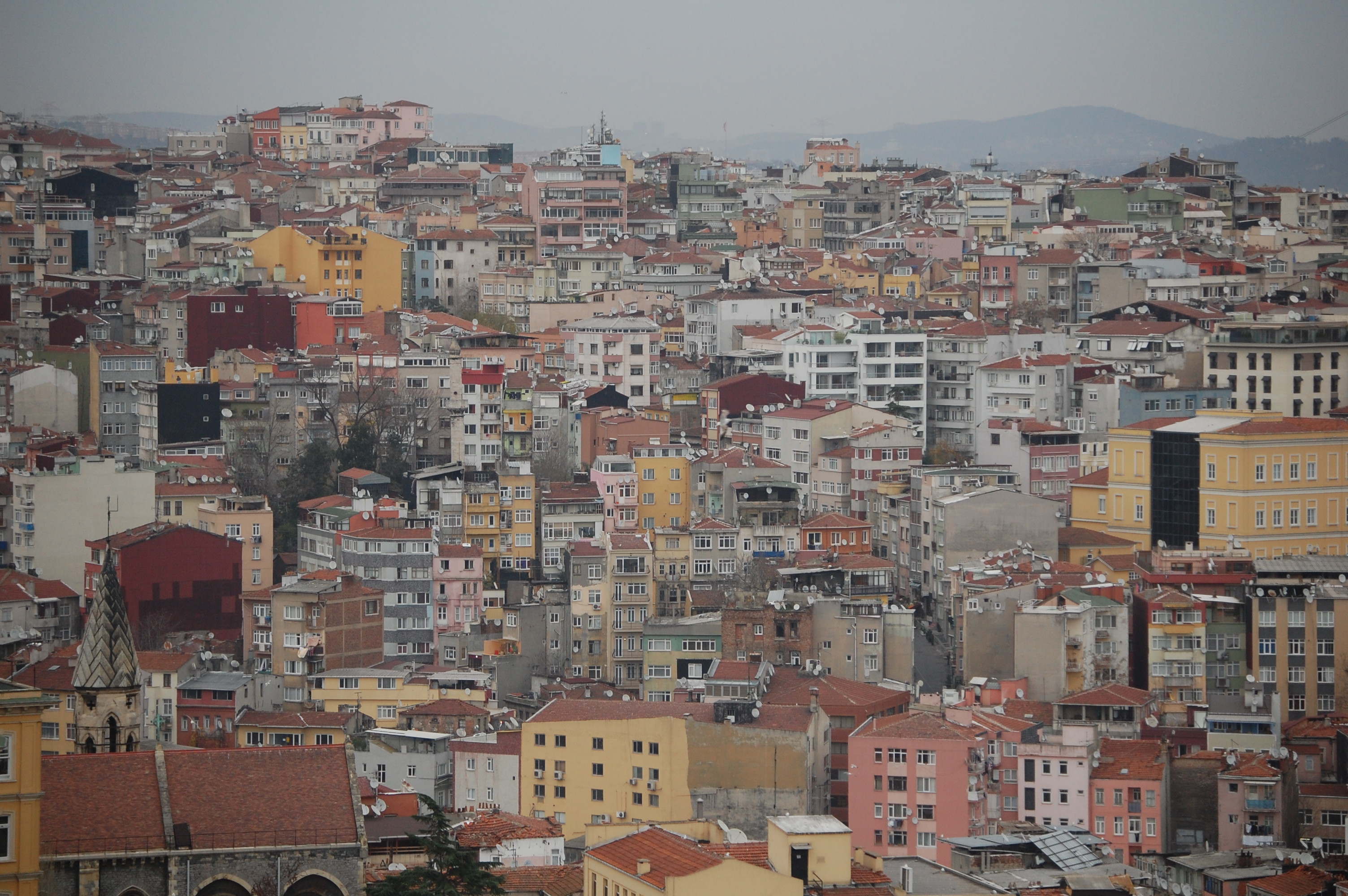
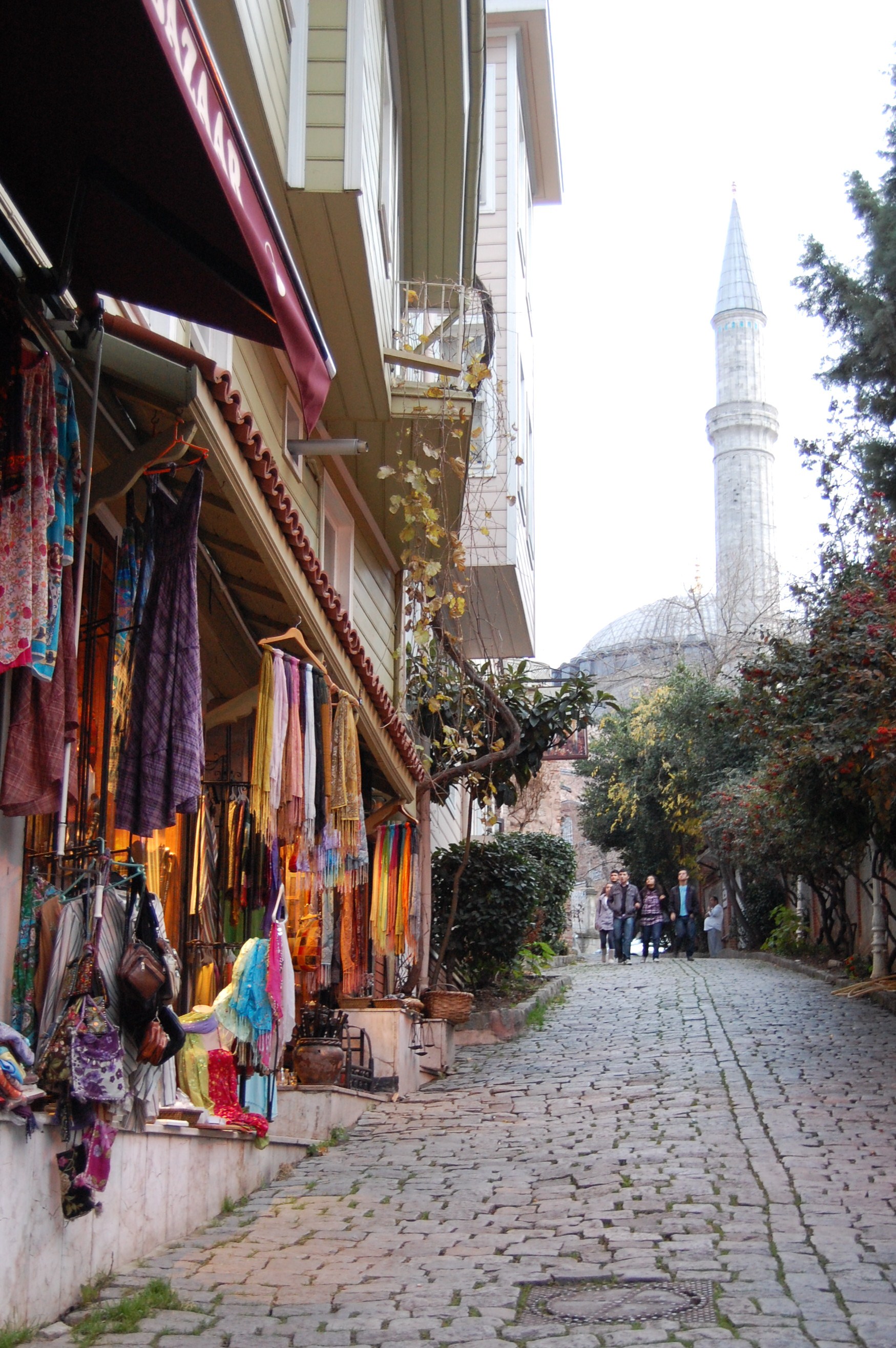
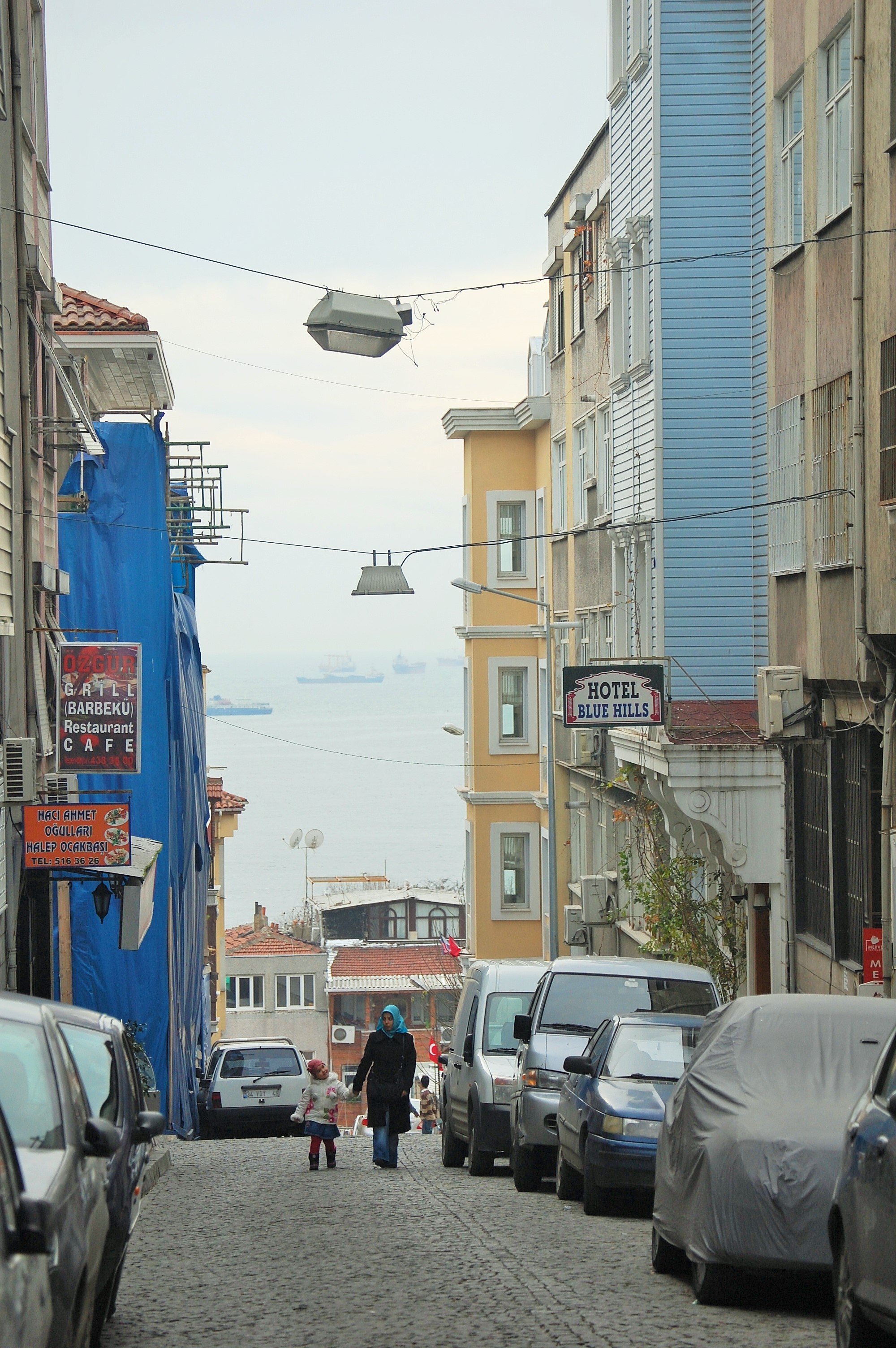
And Sultanahmet is not Turkish Disneyland. It seems to have a fair amount of ordinary life going on, along with the historic sites, the hotels, and the carpet stores. We enjoyed wandering the streets here, as we did in other parts of Istanbul.

2009-12-24 07.09.53

2009-12-24 07.11.36

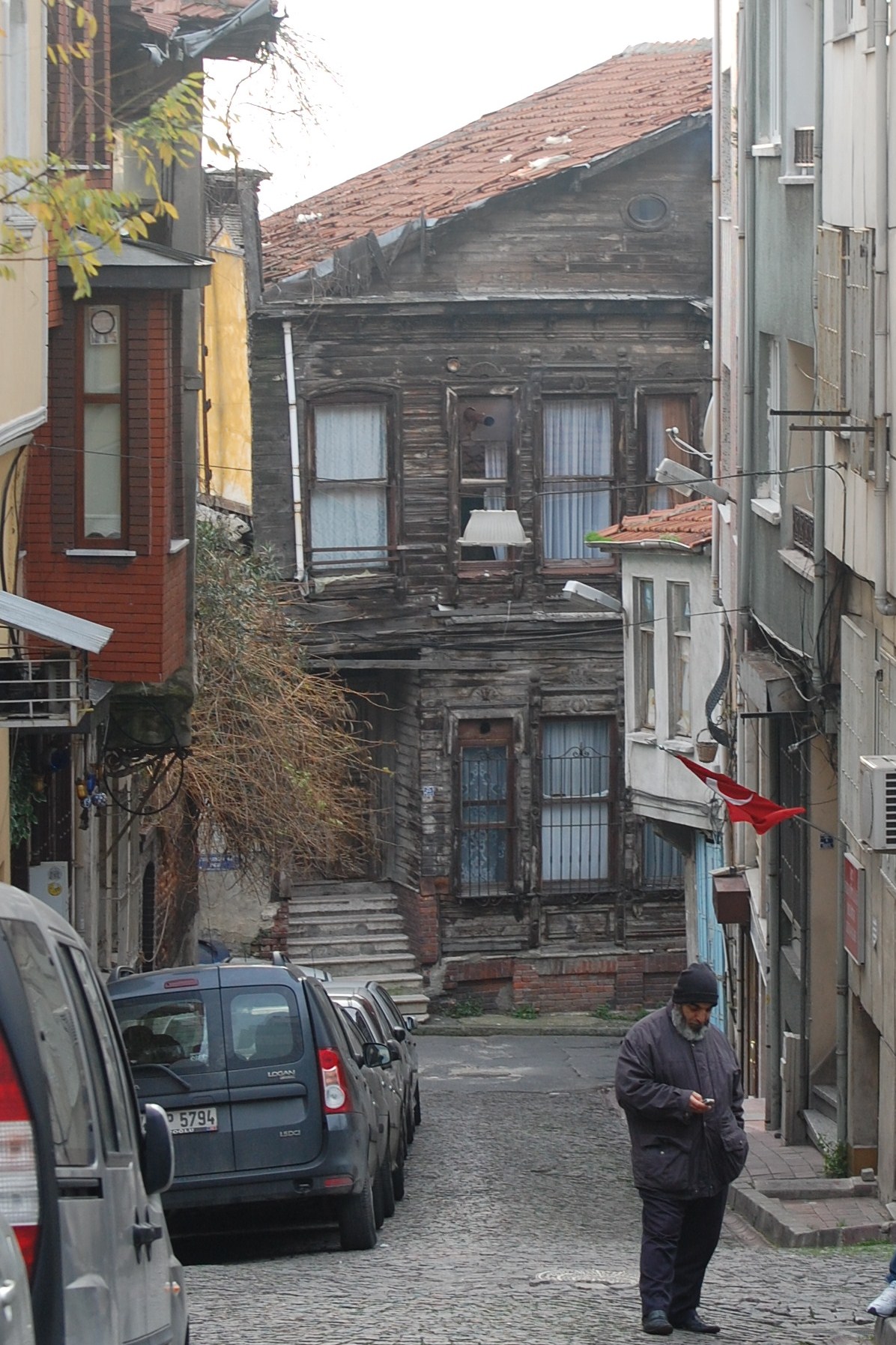
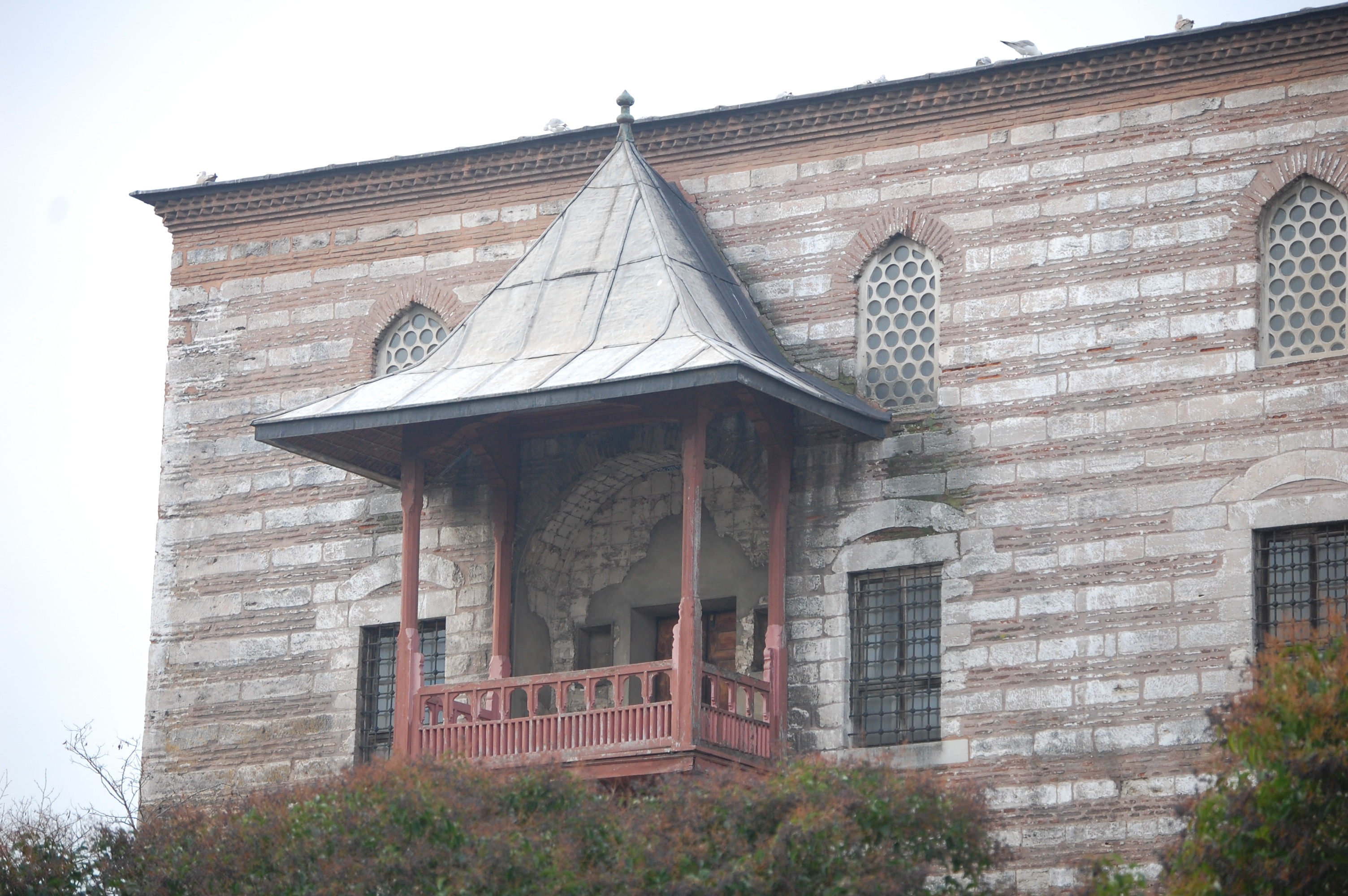
There are a number of wooden buildings that look like they could use some fixing up.

2009-12-24 07.12.17Though some sported some pretty nice carvings.

2009-12-27 05.08.41

2009-12-27 05.11.18-1

2009-12-24 06.31.05

Most buildings are in much better shape, and I’m sure many are insanely expensive. Balconies and windows with fancy metalwork are commonplace.

2009-12-27 09.24.53

There are newer buildings built right up against centuries-old fortifications.

2009-12-24 07.19.49

2009-12-24 07.20.03

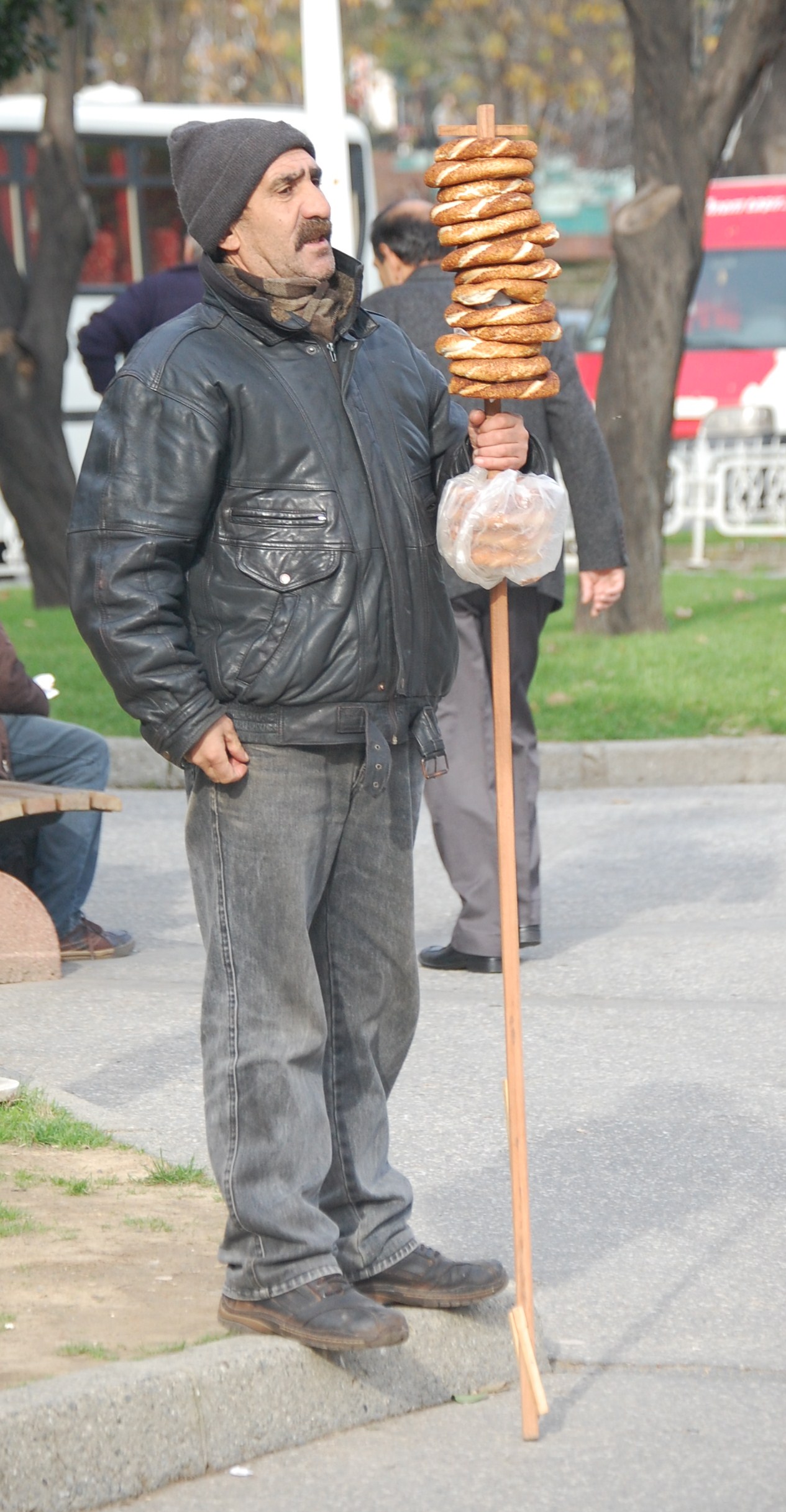
Not all the shops are for tourists.

Man selling simmits, a sort of Turkish bagel.
Man selling simmits, sort of a Turkish bagel and very delicious.
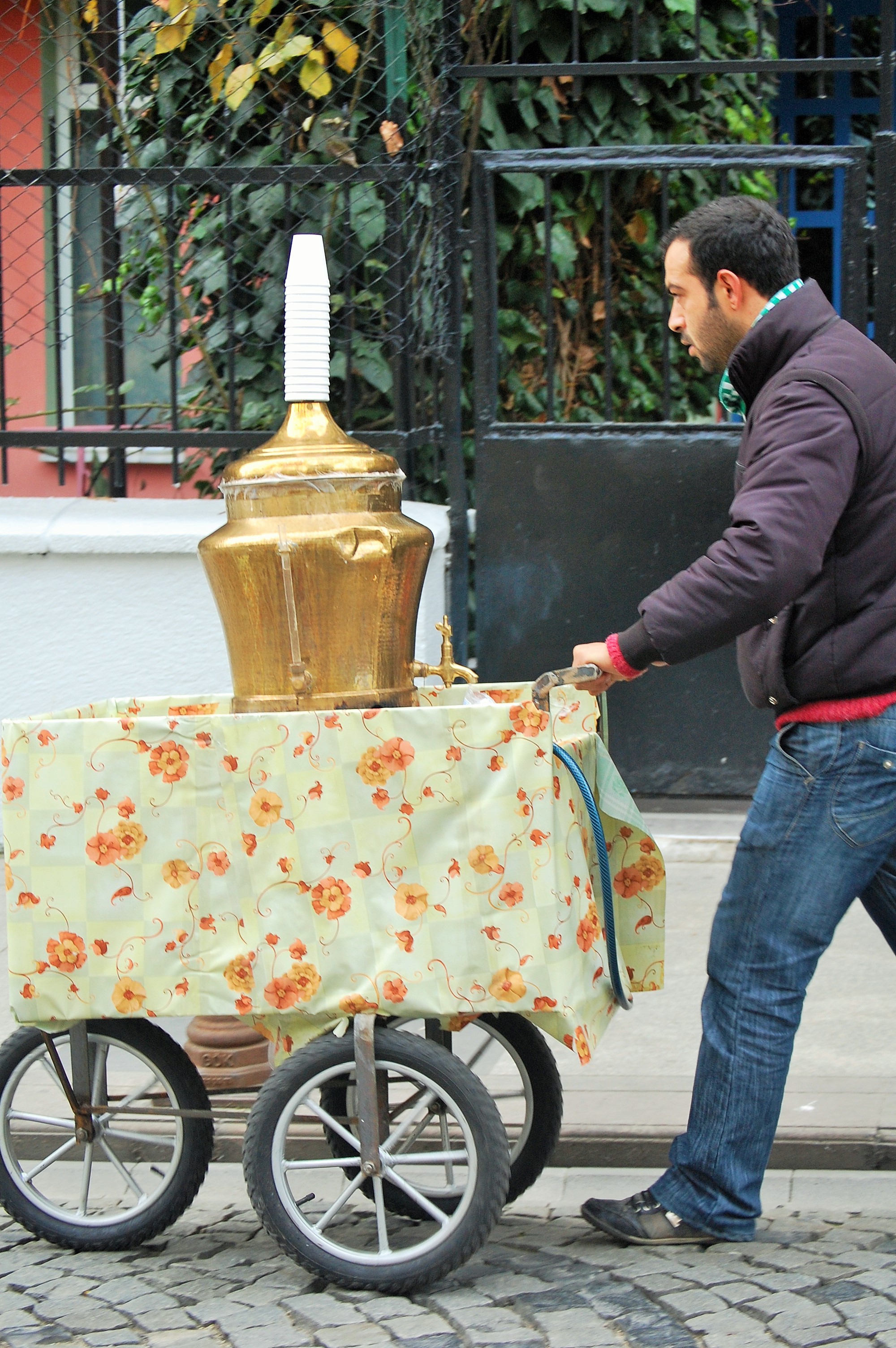
Tea vendor.
Tea vendor.

As in all of Istanbul, street vendors are a ubiquitous part of the scene.

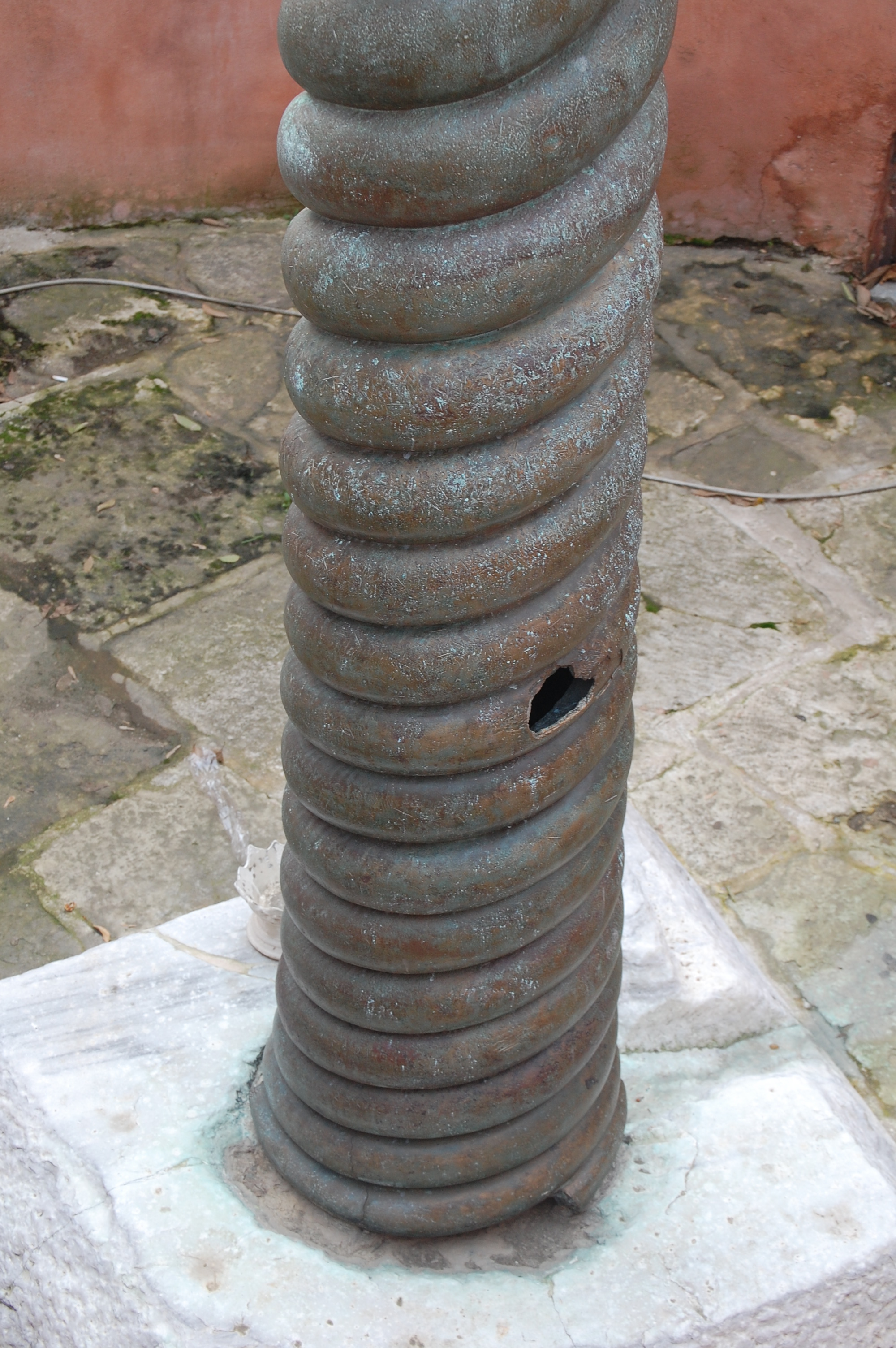
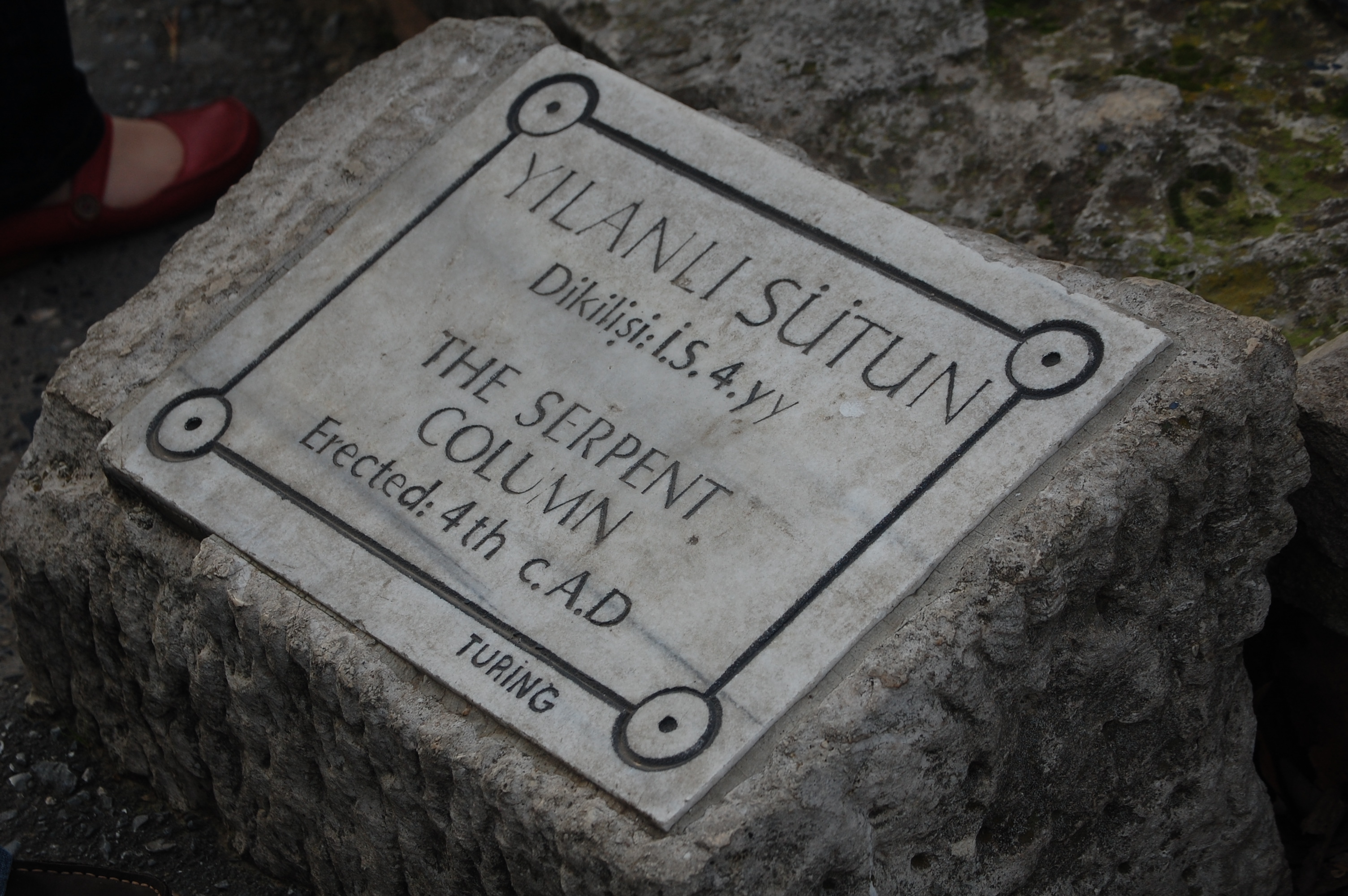
The Serpent Column.
The Serpent Column.

2009-12-24 06.33.01

Carving from the xxaldsf
Carving from the Theodosius Obelisk

2009-12-24 06.29.50

Sultanahmet Square is on the site of the old Roman Hippodrome. Among other things, we saw the Serpent Column and the Theodosius Obelisk, both about 17 centuries years old.

Another street view of the Bosphorus.

Walking around, you frequently catch glimpses of the Bosphorus with its many ships.

Istanbul is a very large and very remarkable city, I’ll do several more posts about our experiences there.

Ayasofya, Istanbul

It was 3 degrees F this morning (-16 C), and I have pretty much given up on my dreams of an early spring. Since not much will be happening in the garden for a while, let’s cast our minds back to December 2009, when Judy and I and the boys took a trip to Turkey.

Danny had spent that fall studying at St. Petersburg University in Russia. For our Christmas trip, we thought we would take advantage of the fact that he was already in a far off land.

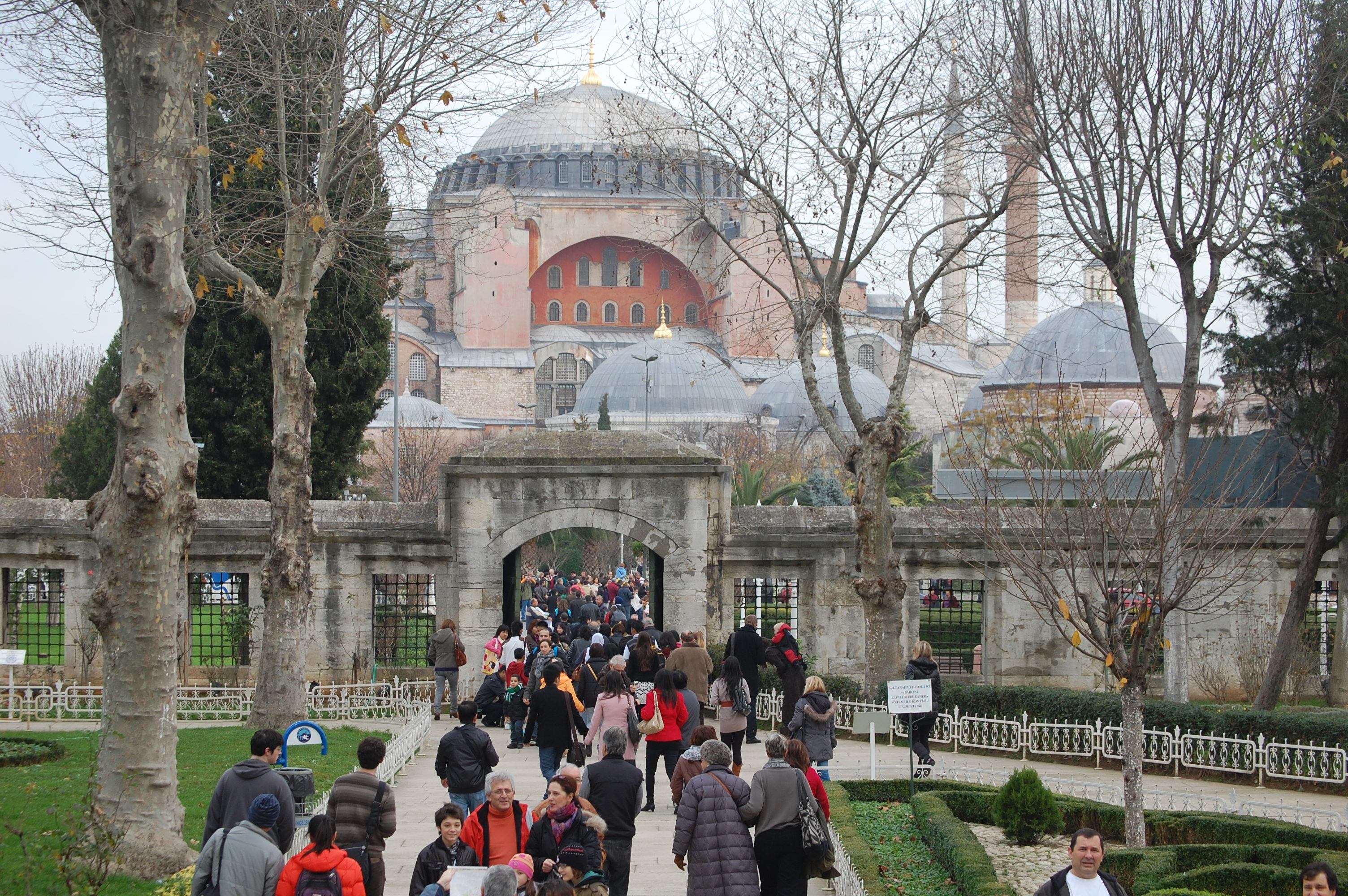
Entrance to Ayasofya.


And in fact, his flight from St. Petersburg and ours from Chicago landed in Istanbul within a couple of hours of each other. Meeting at the airport, we all thought ourselves masters of international intrigue.

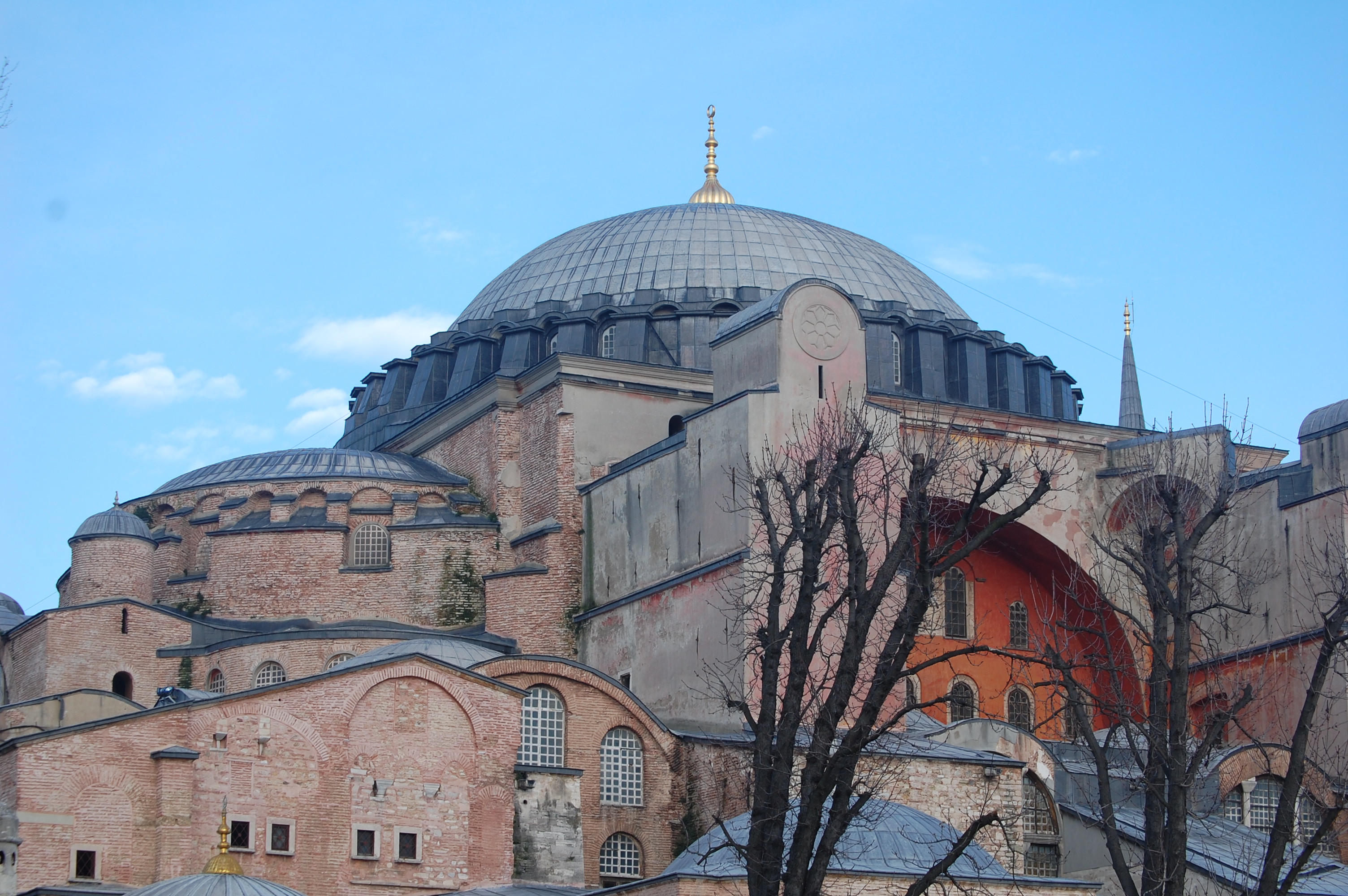
A view of Ayasofya's main dome.
A view of Ayasofya’s main dome.

So let’s start by looking at one of the places we saw on our first full day in Istanbul: Ayasofya, also called the Hagia Sofia. The name means “Holy Wisdom”.

Another view of the dome

Ayasofya was built as an Eastern Orthodox cathedral about 1,500 years ago, when Istanbul was Constantinople and capital of the Byzantine Empire.

A cross with the vertical parts removed. You can still see the shadow, though it is probably over 500 years old.
A cross with the vertical sections removed. You can still see the shadow, though it is probably over 500 years old.

It was converted to a mosque after the Ottoman conquest in 1453. Under the emphatically secular Mustafa Kemal Ataturk, Ayasofya was transformed into a museum in the 1930s.

As a result of restoration efforts, Ayasofya displays art and architecture both Christian and Islamic, Byzantine and Ottoman.

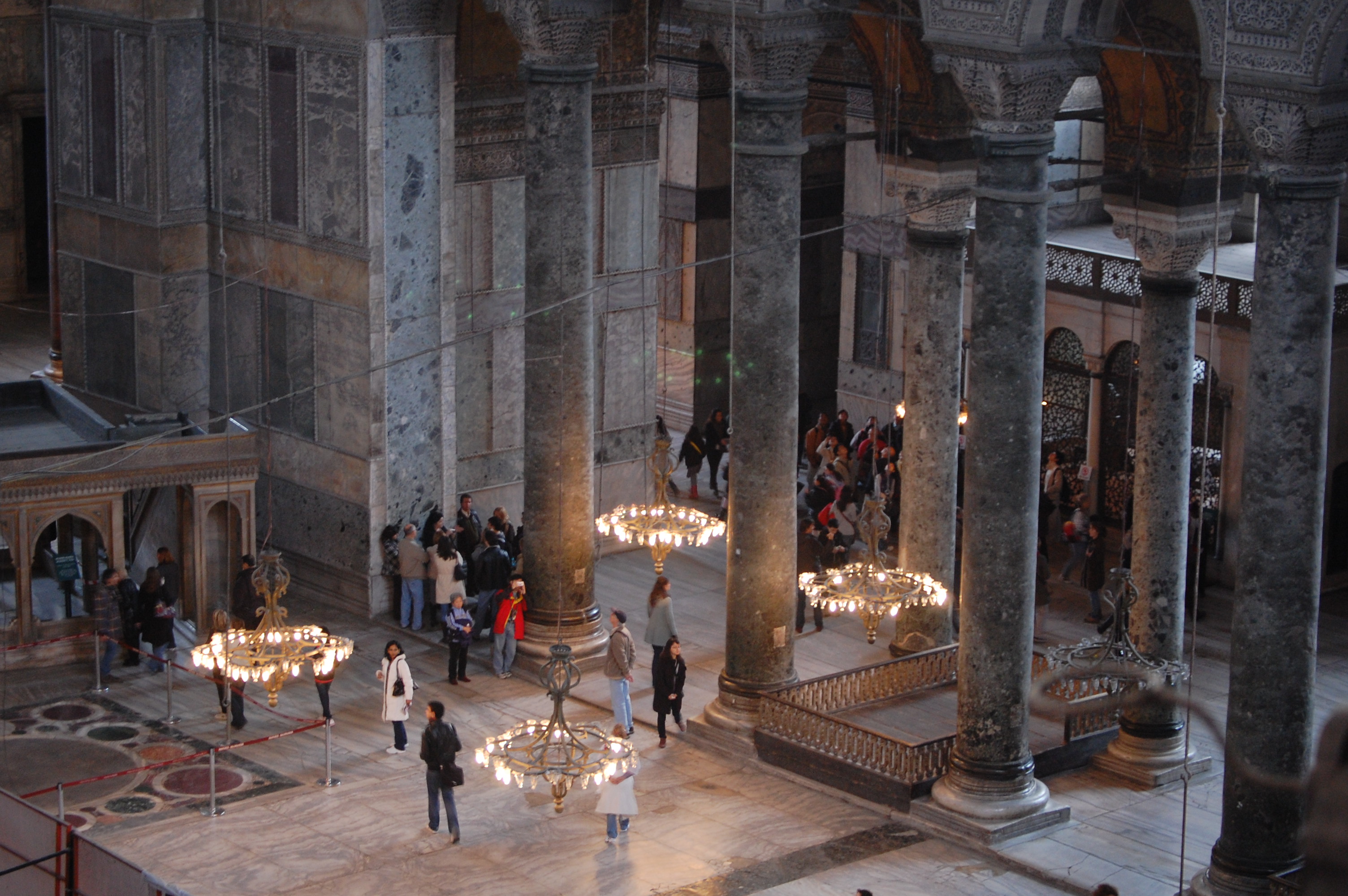
View of the inside from the upper gallery.

From the outside the whole building gives a feeling of massiveness and solidity, like an enormous domed boulder. Inside, the space is cavernous, the windows mostly small, the light dim.

2009-12-24 04.48.07

A view of the upper gallery from the opposite wall.

2009-12-24 04.41.47 ayasofya


2009-12-24 04.50.16 ayasofya

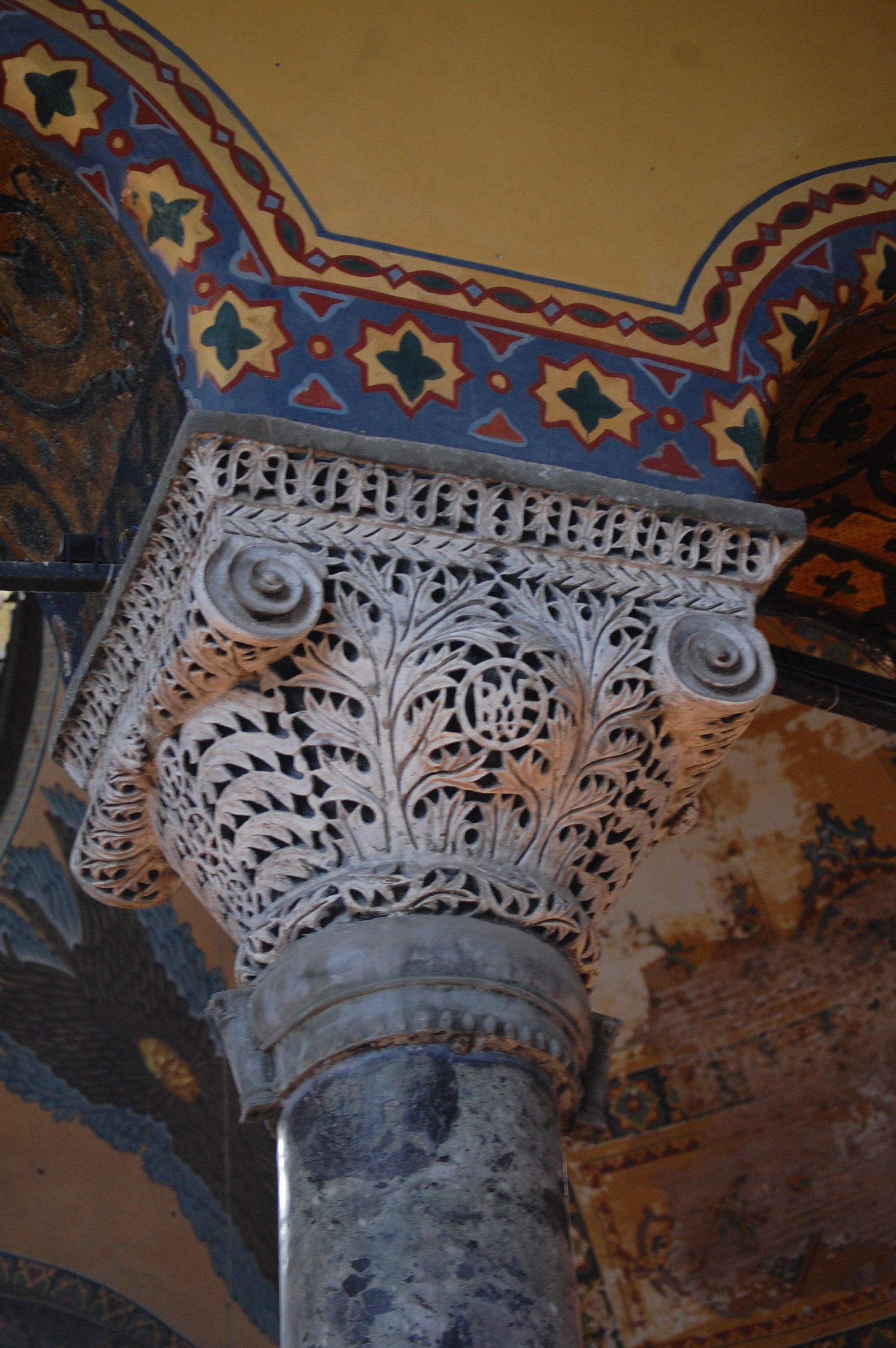
The capitals of the marble columns are intricately carved.

2009-12-24 04.27.44 ayasofya


2009-12-24 04.58.40 ayasofya


2009-12-24 04.52.35 Ayasofya


2009-12-24 05.01.09

Byzantine mosaics were destroyed or plastered over when the building was converted to a mosque. Conservators have been working on restoration for many years.

Scaffolding facilitates restoration of the ceiling.


2009-12-24 04.55.13

The Islamic art, including patterned mosaics and Arabic calligraphy in gold, is also undergoing restoration.

2009-12-24 04.57.34-1 ayasofya

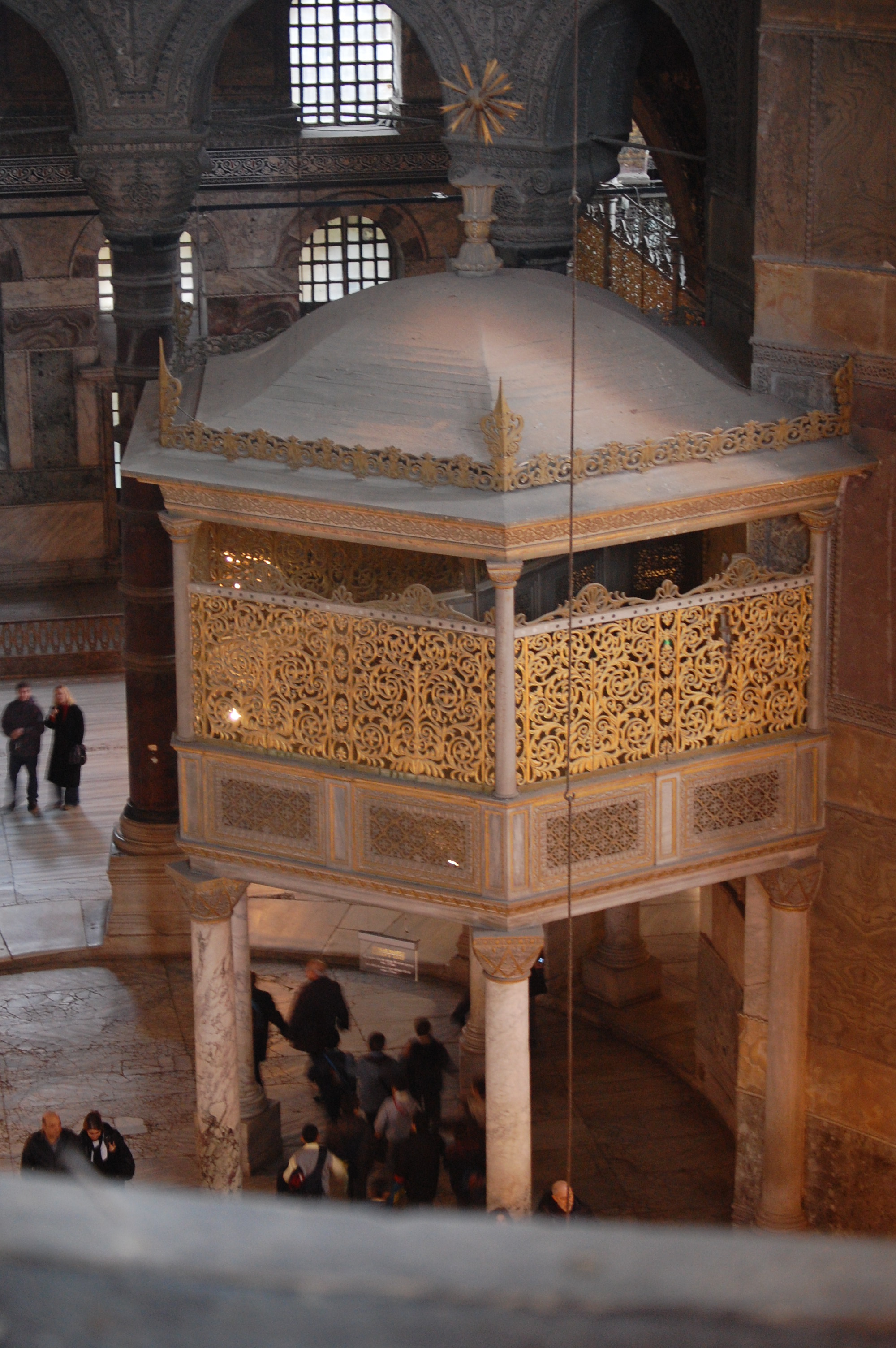
For security, the Sultan had a private screened loge to sit in.

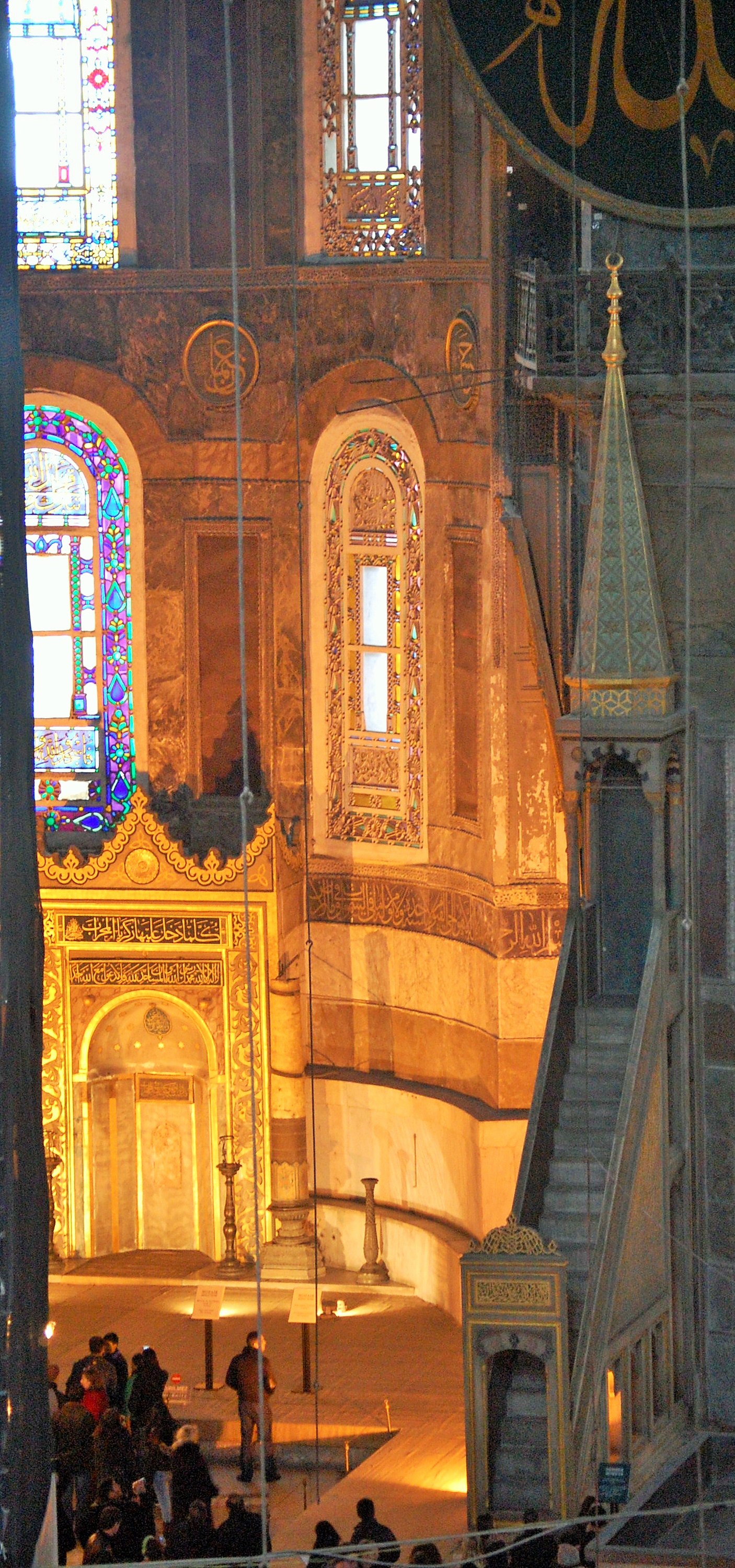
Pulpit to the right, mehrab to the left.


2009-12-24 05.20.48

The minbar or pulpit for the Imam is very tall. The mihrab points towards Mecca and indicates the direction worshipers should face when praying.

Ayasofya seen from an adjoining park. The minarets were added by the Ottoman Turks.

Ayasofya was a fine introduction to the antiquity and the parade of empires past that seems to surround everyday life in Turkey.

Garden Catalog Review: Brent and Becky’s Bulbs

To be honest, I’ve never purchased anything from Brent and Becky’s Bulbs, (I usually order bulbs from John Scheeper’s) but I feel justified in writing a review because they are enthusiastically recommended by one of my instructors at the Chicago Botanic Garden.

Brent and Becky Heath with Jay and Denise Hutchins of Brent and Becky's Bulbs.
Brent and Becky Heath with Jay and Denise Hutchins of Brent and Becky’s Bulbs.

And I should mention that Brent and Becky’s plants are grown organically on their 28 acre Virginia farm. Their website is here.

When we think of bulbs, what usually comes to mind are the tulips and other spring bloomers that we plant in the fall. Brent and Becky’s has those, but right now they have an intriguing catalog of summer blooming bulbs (as well as foliage plants) that can be planted in spring. Technically, most are not really bulbs, but tubers, corms, and rhizomes.

For example, I was goggle eyed by the selection of Caladiums. I like Caladiums very much as a foliage plant for shade, but they are expensive. I’ve tried overwintering them but without success. Brent and Becky’s sells five ‘Celebration’ Caladium tubers for just $10.85.

The catch is that you have to keep them inside in pots placed on heating pads until the soil warms. But never fear, Brent and Becky’s sells heat mats for $26.945.

Caladium 'Celebration'. Photo from Brent and Becky's Bulbs.
Caladium ‘Celebration’. Photo from Brent and Becky’s Bulbs.

They also carry a large selection of Dahlias, Colocasias, Lilies, Gladioli, etc. There is also ‘Emily McKenzie’, a very distinctive and striking Crocosmia.

Brent and Becky’s carries a number of perennials that I’ve always believed had fibrous roots, but I don’t want to be picky. Anise Hyssop (Agastache foeniculum), for example, or Obedient Plant (Physostegia virginiana).

This catalog has serviceable photographs and straightforward descriptions as well as necessary cultural information. It crams a lot of selections into its 50 pages.

Have you ever ordered from Brent and Becky’s? Where do you usually obtain your bulbs?

Is Gardening a Hobby or a Crusade?

Is gardening a crusade or a hobby? This question occurred to me after reading a New York Times article about a symposium featuring Douglas Tallamy, Chair of Entomology and Wildlife Ecology at the University of Delaware. Tallamy is also the author of “Bringing Nature Home”, in which he argues for the environmental importance of using native plants in home landscapes.

Yellow Coneflower and Wild Bergamot

In his presentation, Tallamy maintains that gardens should not be judged on beauty alone: Gardens should, among other things, help sustain the diversity of life.

Tallamy’s argument is all about insects. His research shows that native plants support way more insects than exotics. To give just one example, native oaks support 537 species of caterpillar, as opposed to a Japanese elm (Zelkova serrata), which supports none. This is because most insects are specialists able to digest the foliage of only a very limited number of plants (Monarch butterflies, whose caterpillars eat only Milkweed (Asclepias) plants, are a well-known example.)

Virginia Bluebells
Virginia Bluebells

You may like the idea of fewer insects, but fewer insects means fewer birds, amphibians, and many other animals. Without insects, the food chain collapses. And in fact the number of birds has declined by half over the last forty years.

But should gardeners be expected to take on these dire problems? Doesn’t this approach detract from gardening as a means of relaxation, of simply taking pleasure in the beauty of plants? Also, can gardeners even make a difference?

Anise Hyssop
Anise Hyssop, Joe Pye Weed, Yellow Coneflower

Tallamy makes a pretty good argument that gardeners could help mitigate the loss of natural habitat if they wanted to. In the USA there are 40 million acres of lawn, an area about six times the size of the State of New Jersey. It would be significant if even a fraction of that lawn were converted to native plant gardens.

But let’s be honest. The real purpose of a garden is to make the gardener happy. If a gardener can’t be happy without tulips, or lilacs, or some other exotic plant, he or she should not be asked to go without (leaving aside the issue of invasives). Native plant advocates will win few converts if they insist on purity. And some exotic plants have wildlife value, for example by providing nectar for pollinators – though not forage for caterpillars.

New England Aster with Metallic Green Bee

In my own garden, I’d guess that about 2/3 of the species are native to the region, but these are mixed with exotics that I love.

Even so, there are a large number of beautiful and underused native plants capable of giving most gardeners a great deal of pleasure. And a garden full of insects and birds is a more lively, interesting, and enjoyable place.

Butterflyweed
Butterflyweed

Tallamy has written a new book with Rick Darke called “The Living Landscape: Gardening for Beauty and Biodiversity in the Home Garden.” The idea is that we don’t have to sacrifice pleasure while gardening with the environment in mind. I read and was much influenced by Tallamy’s last book. I’m looking forward to reading “The Living Landscape”.

So, to answer my own question – hobby or crusade? I’d say the two are not mutually exclusive.