While we are waiting for the snow to finish melting, maybe now is a good time to tell you about our cats.

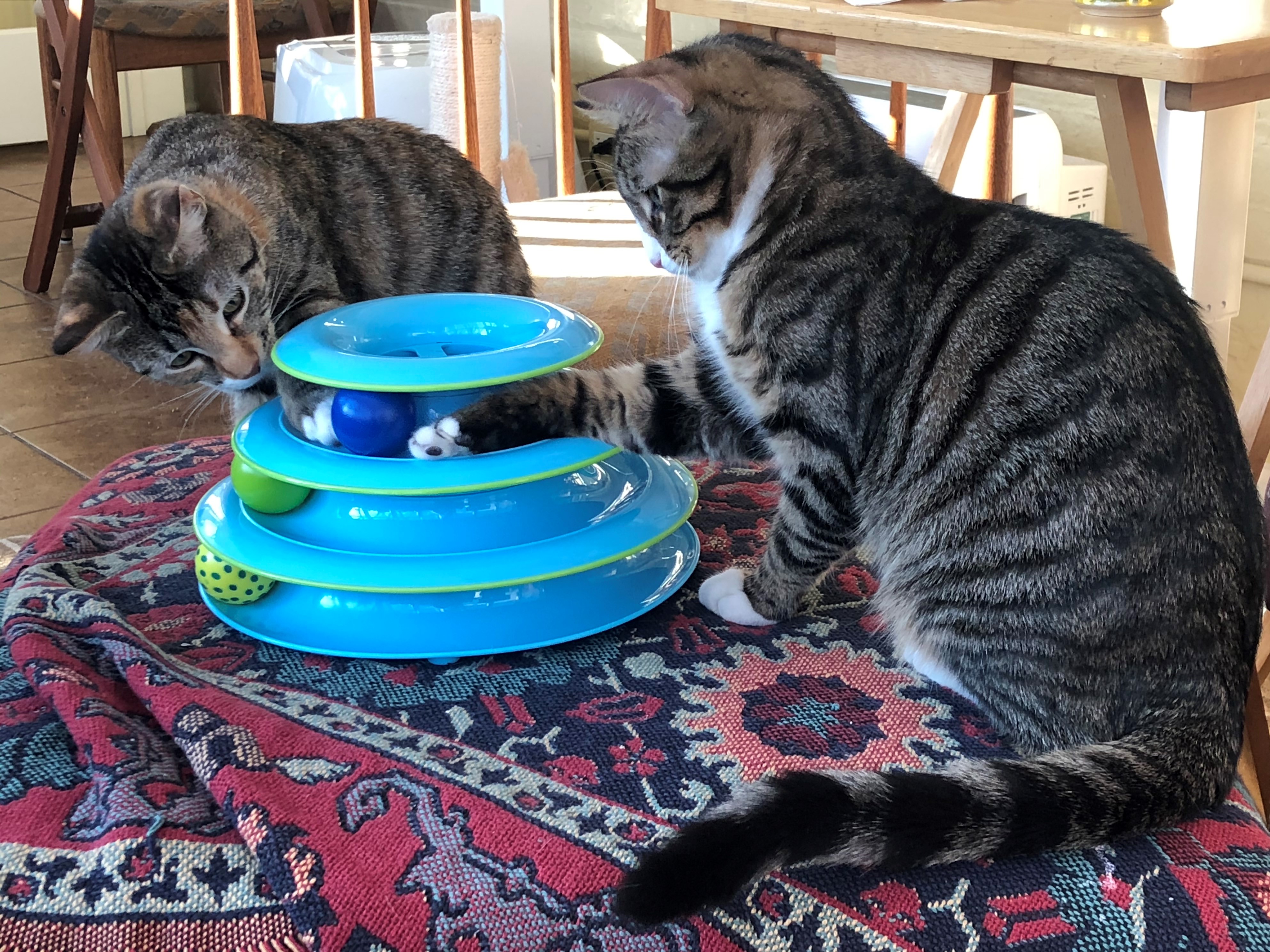
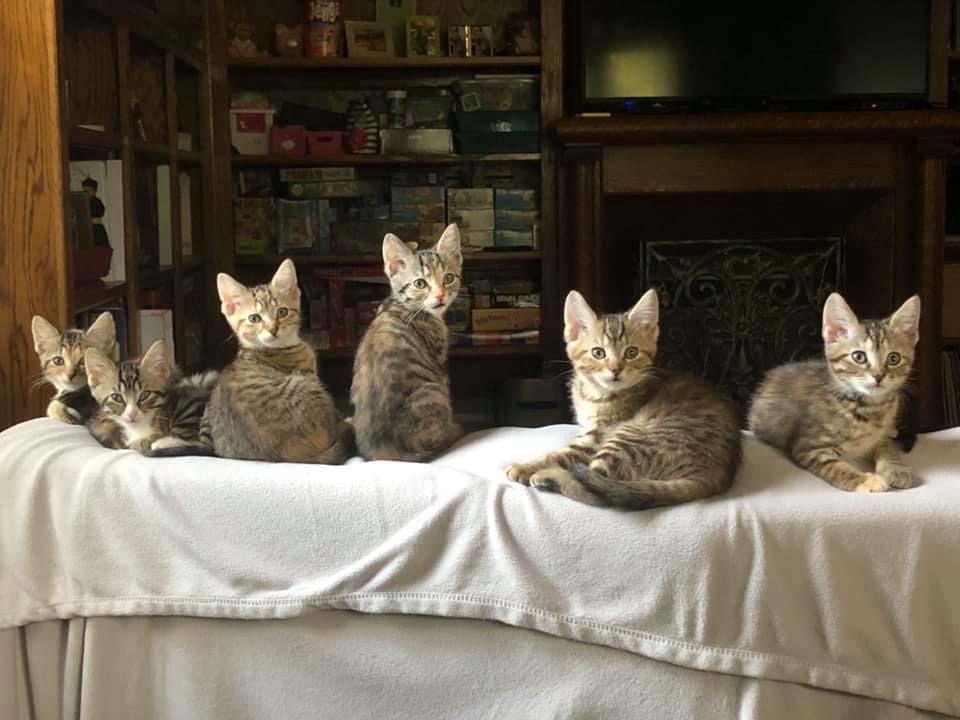
We got our two cats, Molly and Walter, last August. They were part of a litter being fostered by our friend Joanna for a local cat shelter.
While we are waiting for the snow to finish melting, maybe now is a good time to tell you about our cats.
We got our two cats, Molly and Walter, last August. They were part of a litter being fostered by our friend Joanna for a local cat shelter.

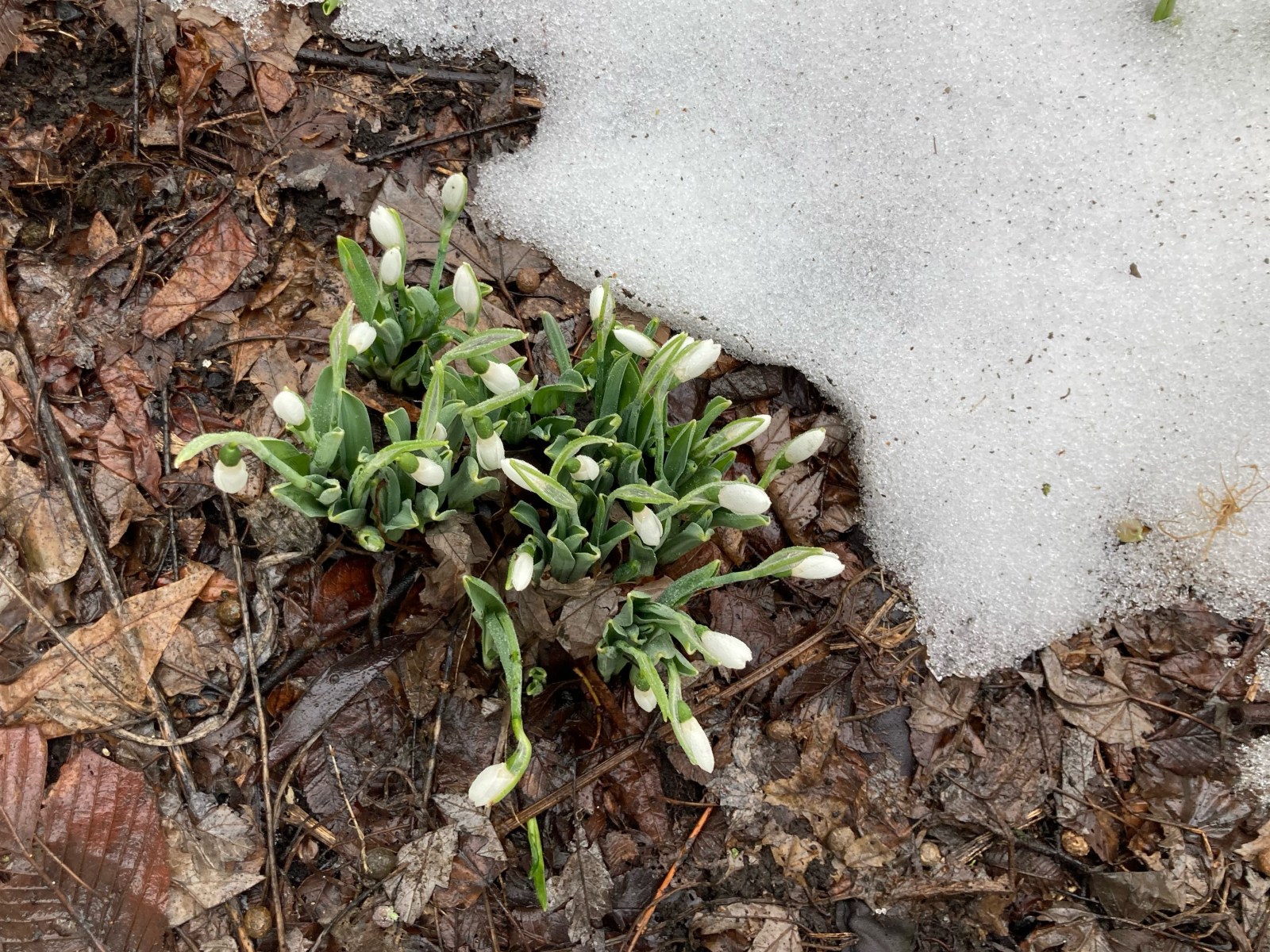
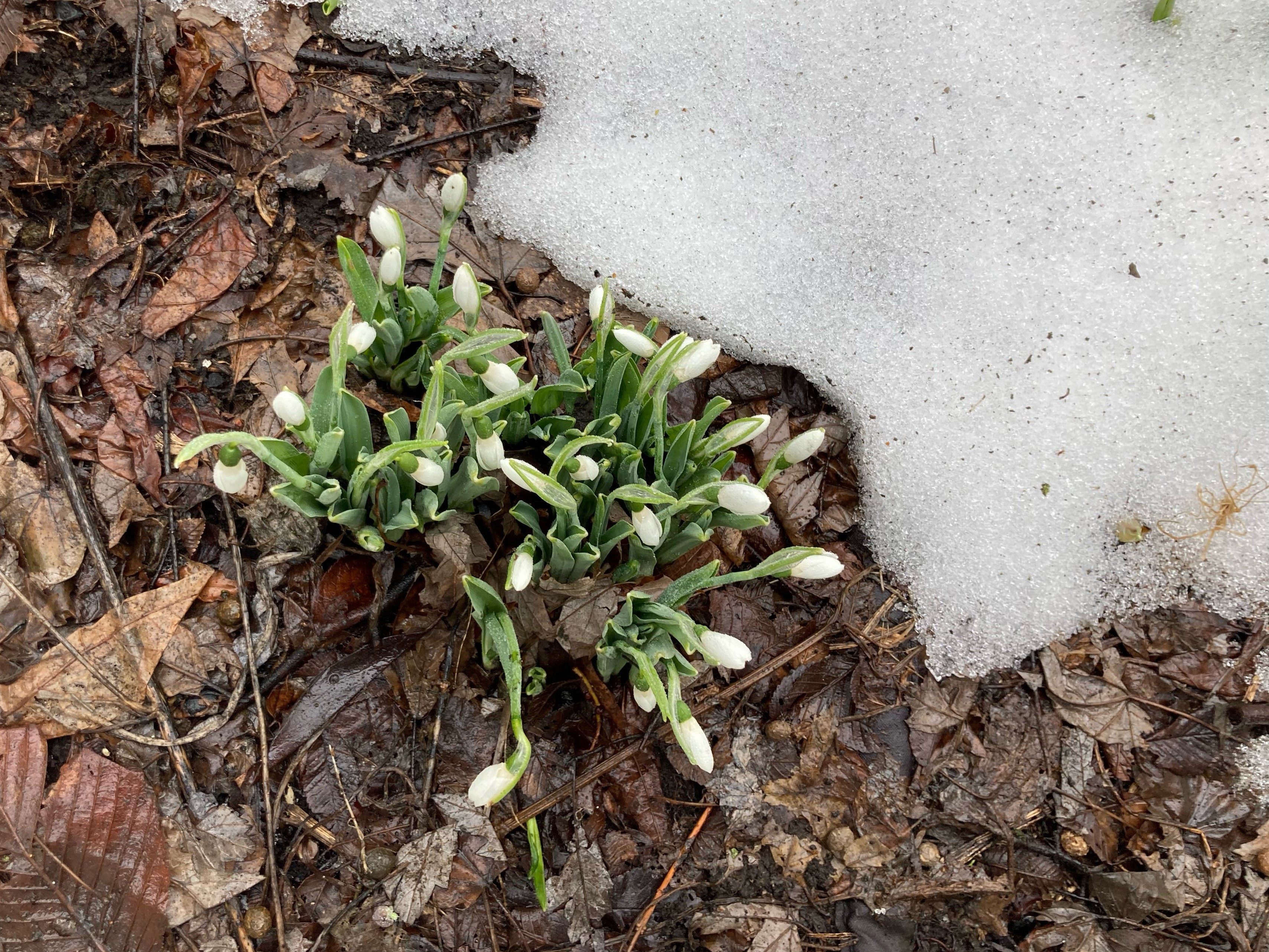
They were waiting, under the snow. In a flower bed tucked into the right angle where the brick wall of the attached garage meets the enclosed back porch. A favored spot in terms of sun, where the snow melts early.


The most recent issue of Fine Gardening magazine had an interesting article by Toronto gardener Mary Gore entitled “Continuous Color in the Shade.” There’s a lot to commend in this article, not least the marvelous photos, but among other things it got me thinking about color schemes for shade.
In most shady gardens, color in springtime is not too difficult. There are plenty of woodland flowers that will bloom before the leafy canopy fills in. The bigger challenge comes with summer.

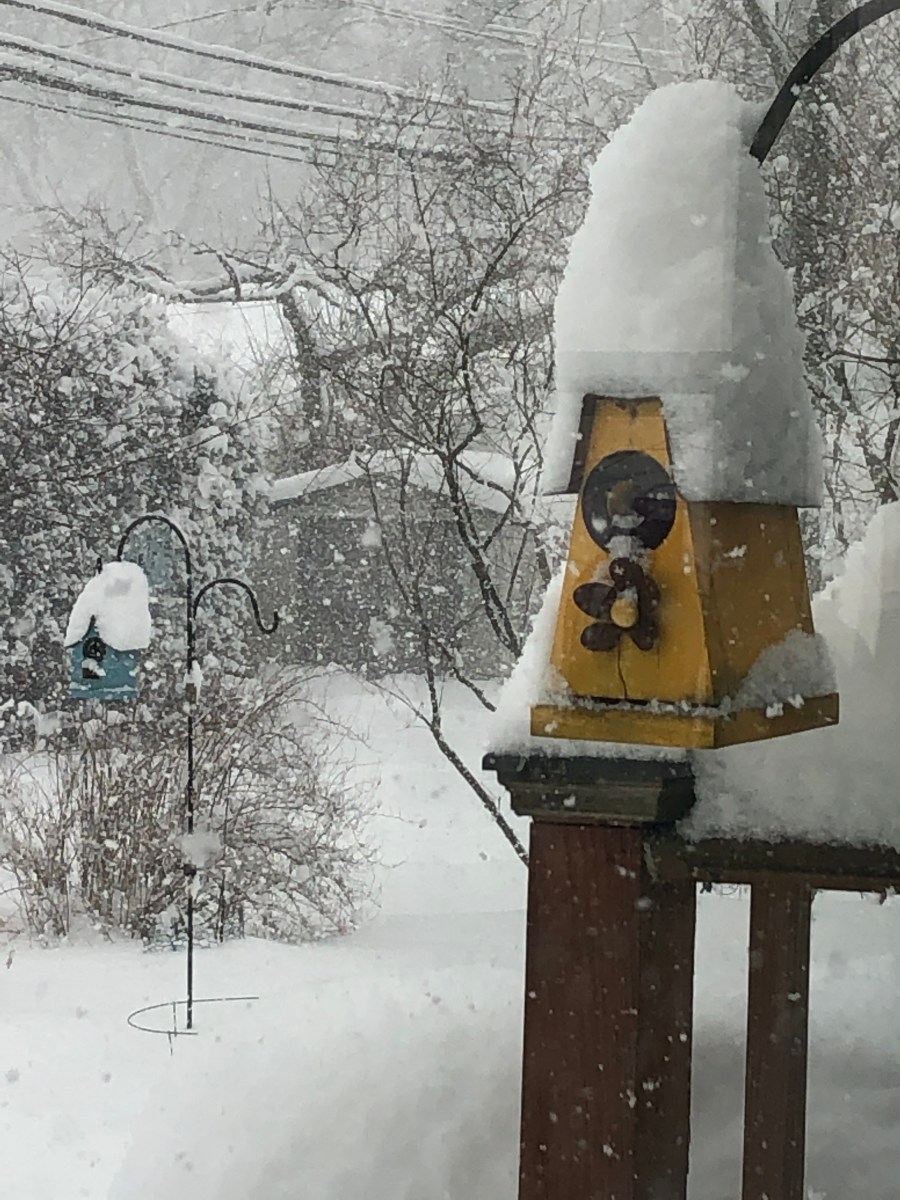
Over the last 2 days the Chicago area has gotten about 18″ of snow. And that was on top of a bunch of other snow, so that we’ve got a total of 44″ for the season, a 40-year record.


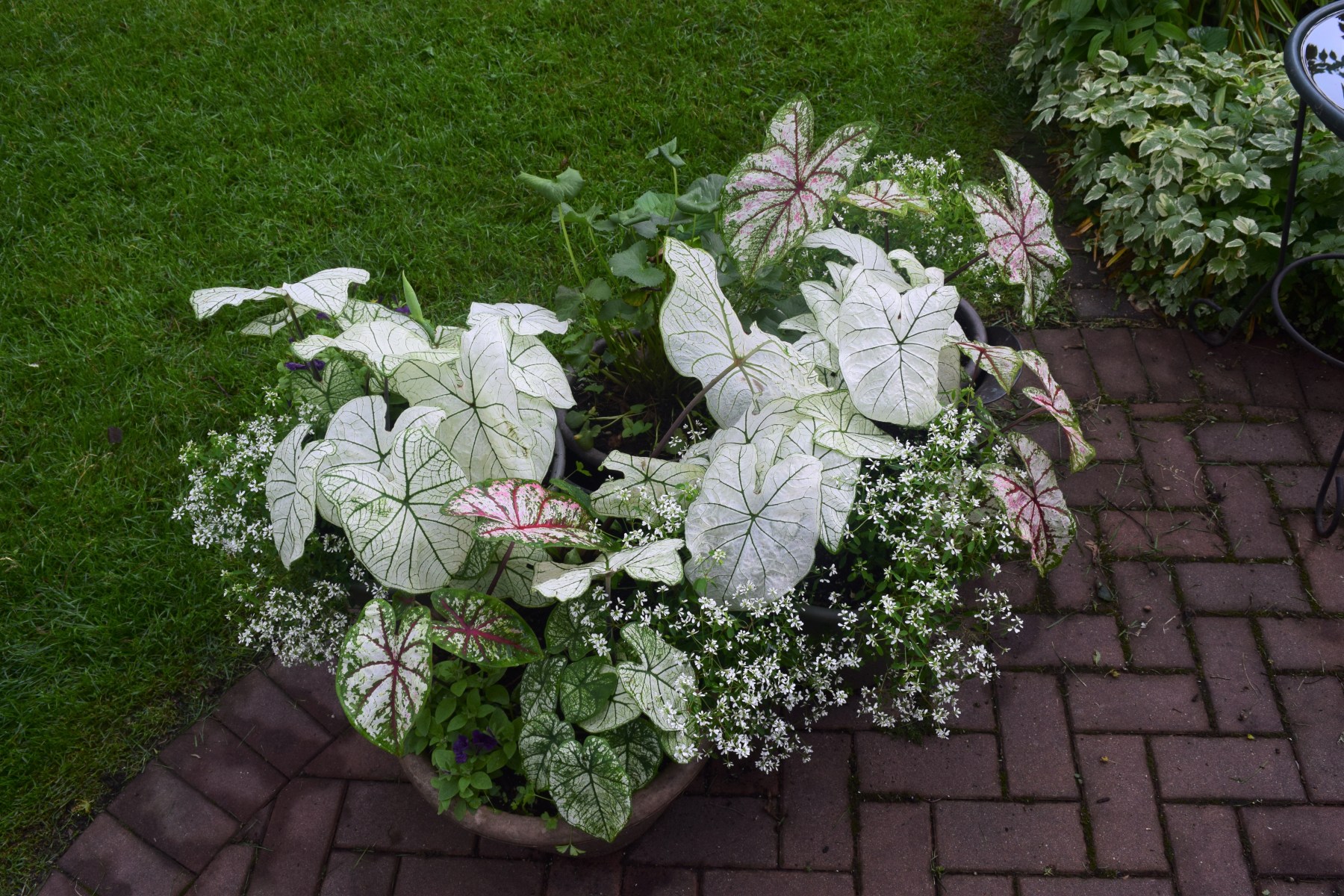
For the last in my series of posts on seed and plant orders, I’ll focus on plants bound for containers. We’ve got lots of containers – some in sun, some in shade.


I used to fill my borders with perennials only, but then I discovered Mexican Sunflowers (Tithonia rotundifolia). And I realized: why wouldn’t you mix annuals with the perennials? They add so much color over such a long period.


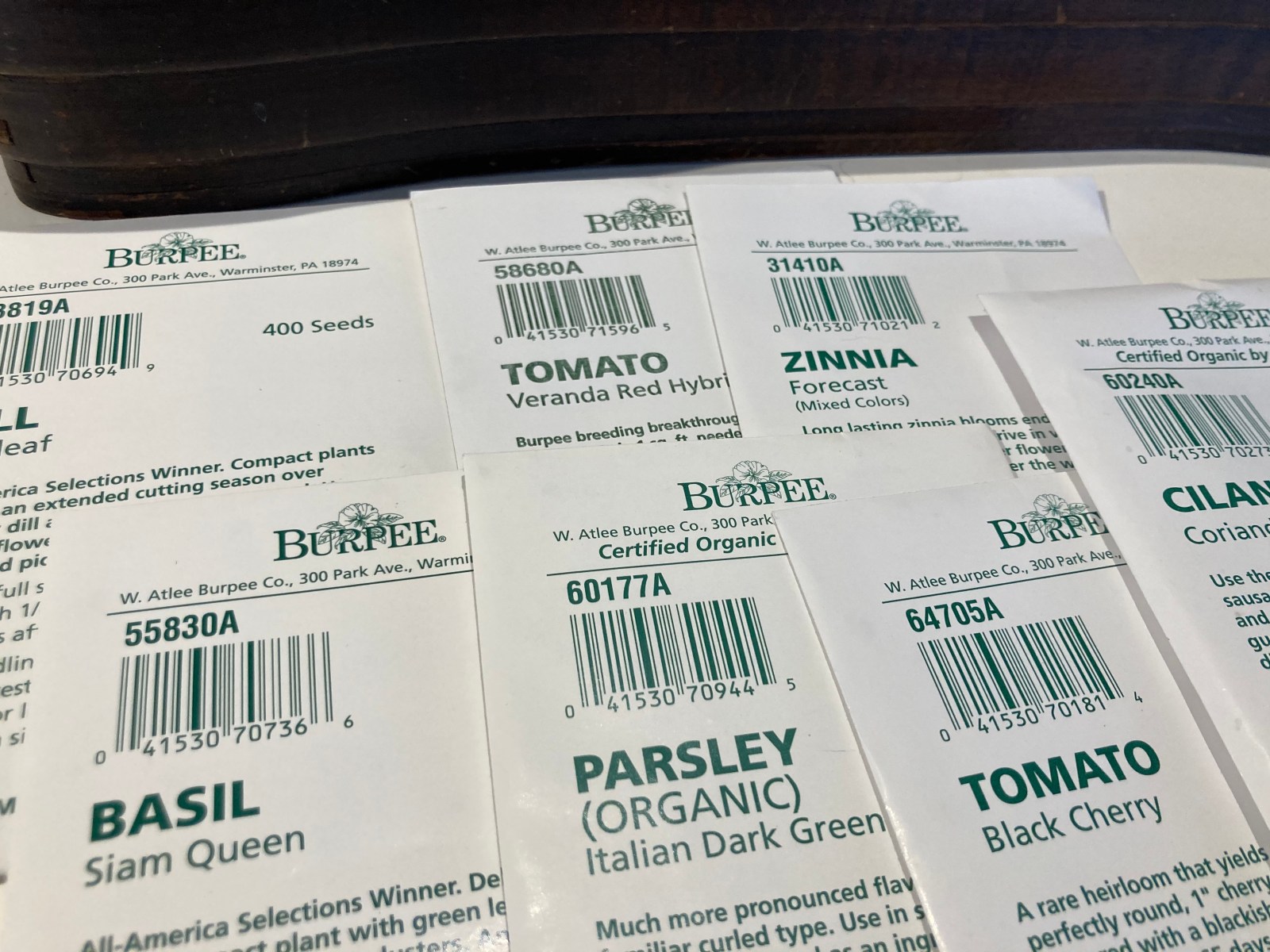
So shortly after the New Year I ordered some seeds, and a few plants. Actually, in preparing for this post I discovered that I ordered some seeds back in September. Those seeds, as best I can tell, were thrown out during our frenzied pre-holiday house cleaning. More than $40 worth of seeds! This is more than a little embarrassing.
How did we manage to do that? I’m still not sure. With luck, these new seeds will avoid the trash can.
In any case, I’m dividing this subject into three posts: edibles first, then cottage garden-style annuals for the border, then annuals for containers. These days I find long posts quite tiring to write.
We don’t do much with edibles in our garden, basically we grow herbs and a couple of tomato plants. So this will be a fairly boring post. Even so, what we do grow is essential to Judy’s efforts in the kitchen, especially as just-picked herbs are infinitely superior to anything at the store or even the farmers’ market.
So here’s what we got.
Basil (Ocimum basilicum). If we could only grow one herb, it would be this one. We ordered two varieties. ‘Emerald Tower’ is a new offering from Burpee that boasts of delayed bolting along with an upright habit. So maybe with this variety I won’t have to constantly pinch off the flowers. ‘Siam Queen’ is a type of Thai basil for when Judy wants to cook coconut chicken curry and such like.
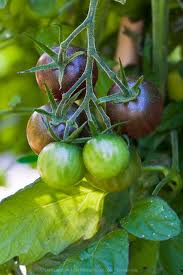
Tomatoes are the only vegetables we grow. I ordered ‘Black Cherry’, which we grow almost every year. I’ll grow it on the same trellis that supports the Clematis Jackmanii. We’re also trying a new variety bred for containers, ‘Veranda Red Hybrid’. ‘Veranda Red’ is a determinate variety which means it will yield for a shorter period, but I hope its fruit is ready a week or so before ‘Black Cherry’. I hope to grow ‘Veranda Red’ in containers on the roof of the back porch.

‘Italian Dark Green’ Parsley (Petrosilum crispum). We grow parsley in the ground for the Black Swallowtail Caterpillars and in containers for the kitchen, though the caterpillars often ignore this arrangement. After basil, parsley is the most frequently used home-grown herb in Judy’s kitchen. Rabbits like parsley as much as we do, though, so sometimes I’ll protect it with chicken wire. Fortunately, the rabbits tend to give stronger-tasting herbs a pass.
Fernleaf Dill (Anethum graveolens). Another plant grown for both human and caterpillar consumption.

Cilantro (Coriandrum sativum). I love cilantro, especially for fresh salsa. I don’t understand those people who can’t stand the flavor or fragrance. My only complaint about Cilantro is that it’s so quick to bolt. I always mean to keep planting new seeds to keep up a fresh supply, but usually forget to keep up.
Anyhow, that’s it for edibles. Not mentioned here are the perennial herbs that grow in our garden, like Mint, Fennel, Oregano, and Rue.
More seeds soon to come.

I have been walking, walking, walking through the past ten months (!) of Covid, and perhaps you have, too. Walking to get out of the house, walking to get exercise, to get out of the chairs we sit in all day, to deal with stress, with boredom, and to see something new or at least different. I’ve discovered some interesting places on my walks, mostly close to home. Some of them are new to me, some of them I have seen with fresh eyes.
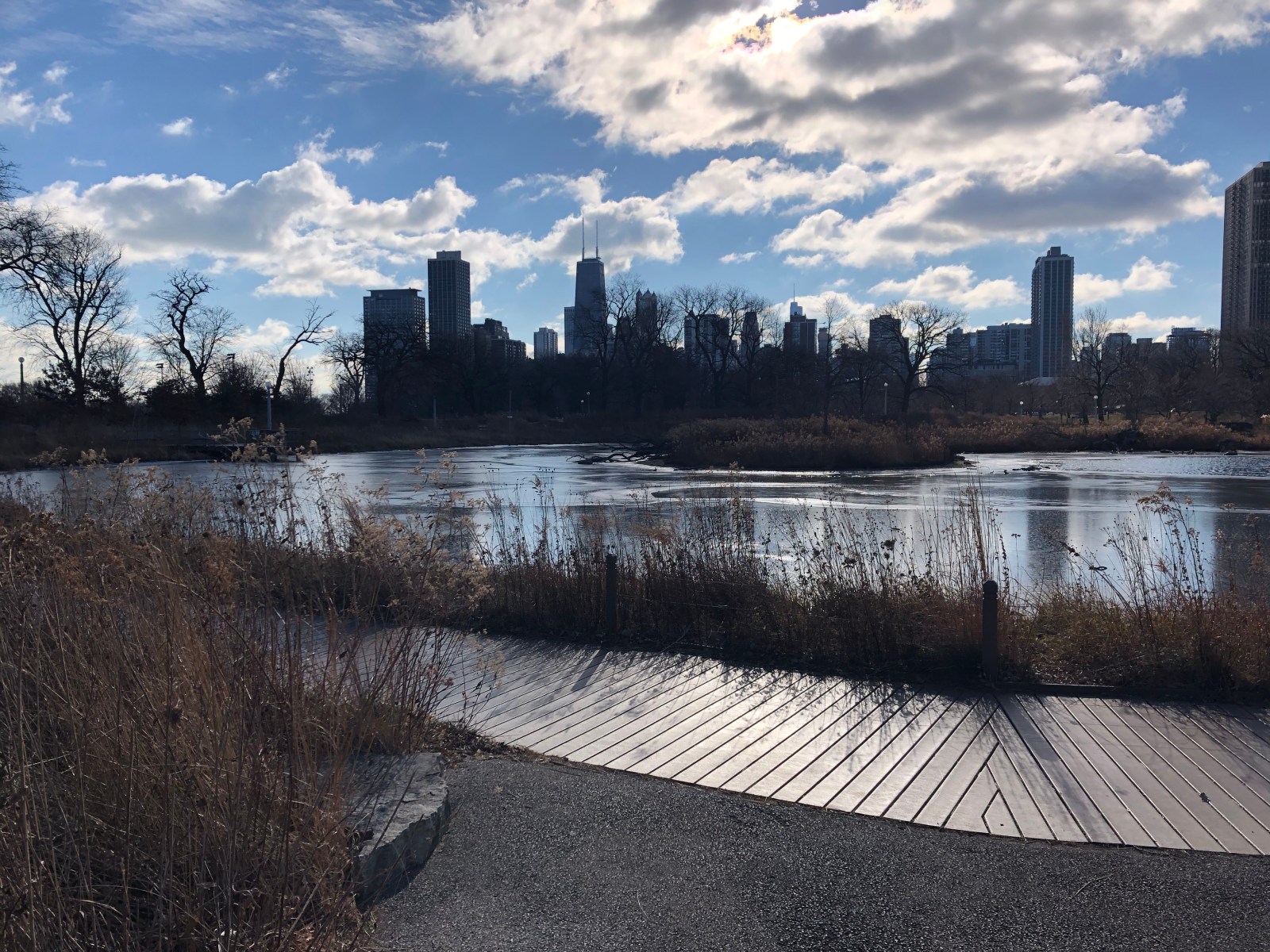
The other day I took a walk in Lincoln Park, near Lake Michigan, about two miles north of the Loop (Downtown Chicago). I set out to investigate the erosion caused by very high lake levels this past year. The lagoons visible from Lake Shore Drive overflowed their banks, and I wanted to see up close what the damage was. I found so much more than I expected — a nature preserve tucked between the lake and the city.

Normally, it can be very difficult to park here, but due to cold weather and Covid, I pulled right up to the curb and parked for free. Here is the lovely nature preserve I found on my way to the lagoon.

Who knew! This is not a part of Chicago that I come to often — though I do sail by on the Drive headed to the Loop. Boardwalks surround a large pond which is no doubt full of life in other seasons. The preserve was opened in 2010, and was recently certified as a Level II Arboretum, under the auspices of the Lincoln Park Zoo, a wonderful free zoo just to the north.

Thanks to native perennial plantings, there was plenty of winter interest. I imagine that 25 years ago, this park would have been planted with neat rows of petunias and begonias.
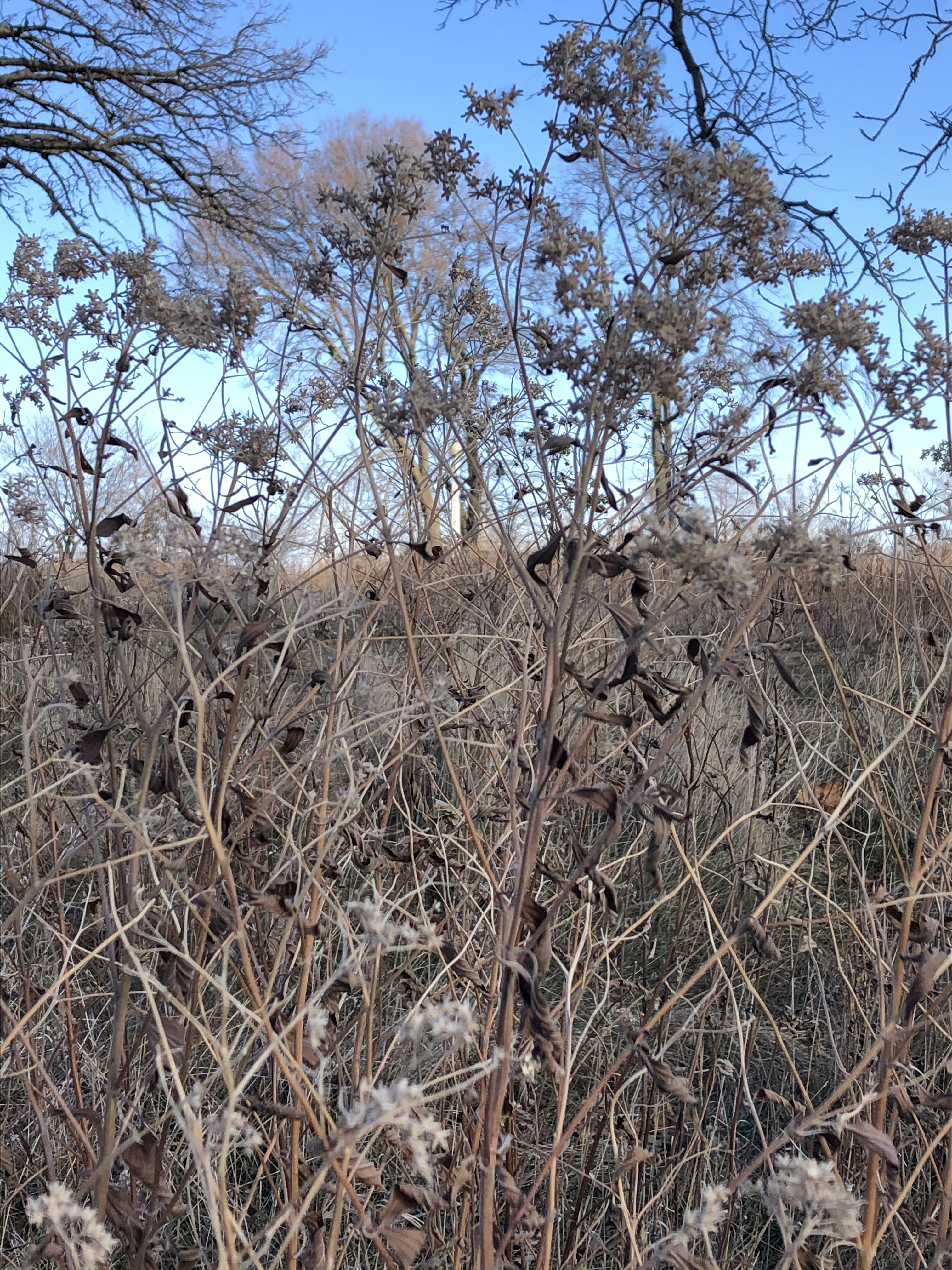
I set off toward the statue of General Ulysses Grant and the lagoon along the lakeshore.
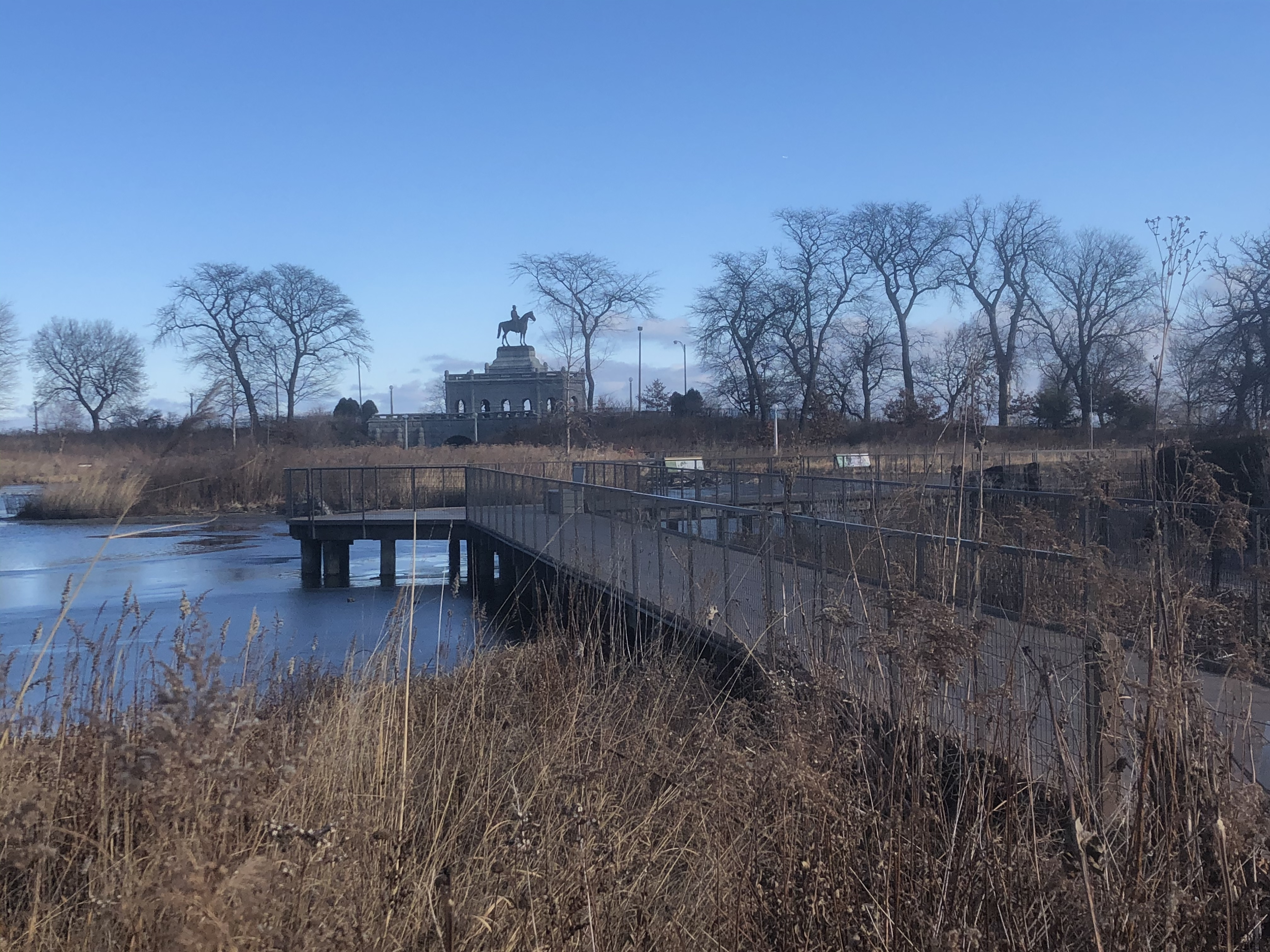
I’m not sure why Grant is here, since Grant Park is along the lakefront by the Loop, and this is Lincoln Park. But he’s been riding his horse along this piece of the lake since the 1890s.
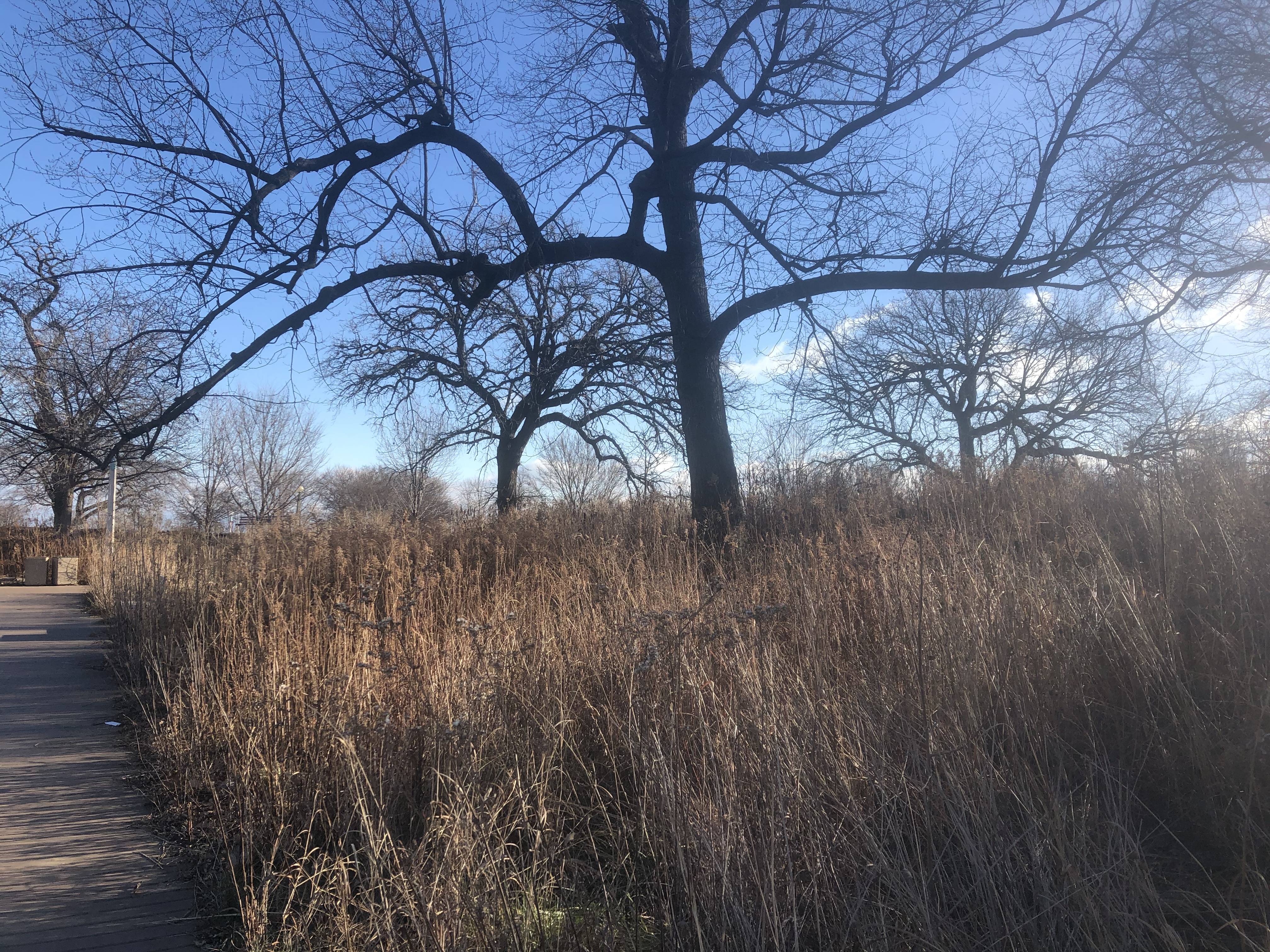
A berm blocks the view of the lake, and the noise of the Drive, making this area feel out-of-the-way, even though it’s actually right in the middle of things. I admire how the landscape designers put this all together — it really feels like a refuge.

Of course, it helps to visit on a cold day in the midst of a pandemic, if you want to have the place to yourself.

Here’s the view from the top of the stairs — the mezzanine of the statue. The first pavement you see is zoo parking, the first water is the lagoon. Then there’s Lake Shore Drive — a beautiful drive along Lake Michigan, which is the final water that you see below the horizon.

Here’s what I came to see — the erosion of the edges of the lagoon. The water was up over the top of those concrete embankments for several months. I have lived in Chicago for over 40 years, and I’ve never seen that.
This lagoon is more than a mile long, and is used for rowing practice by local crew teams, including the first African-American high school rowing team. It is also popular with local fishermen — it’s connected to Lake Michigan, and apparently you can even catch salmon at the right season.

Back on the path in the nature preserve, I came to this fence, beyond which is the zoo. Fortunately for the animals, they are mostly not behind bars, but are in more naturalistic settings. This fence is aimed at keeping people out when the zoo is closed. Past the families and the low wooden railings you see here are habitats for llamas and camels.

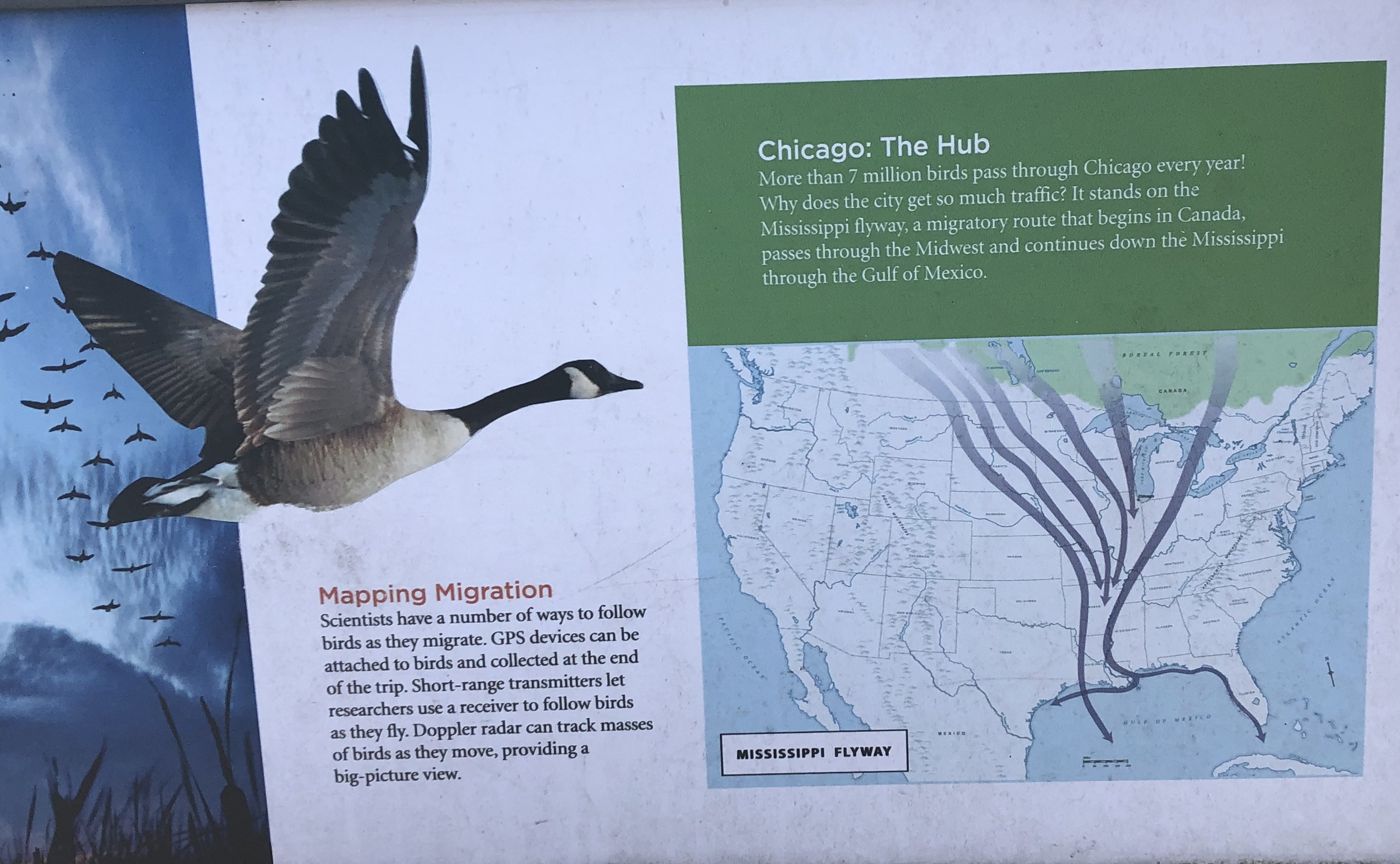
Chicago sits along the Mississippi Flyway, and is a great place for seeing migratory birds. Here’s an earlier post by Jason about another bird sanctuary along the Chicago lakefront a little further north.
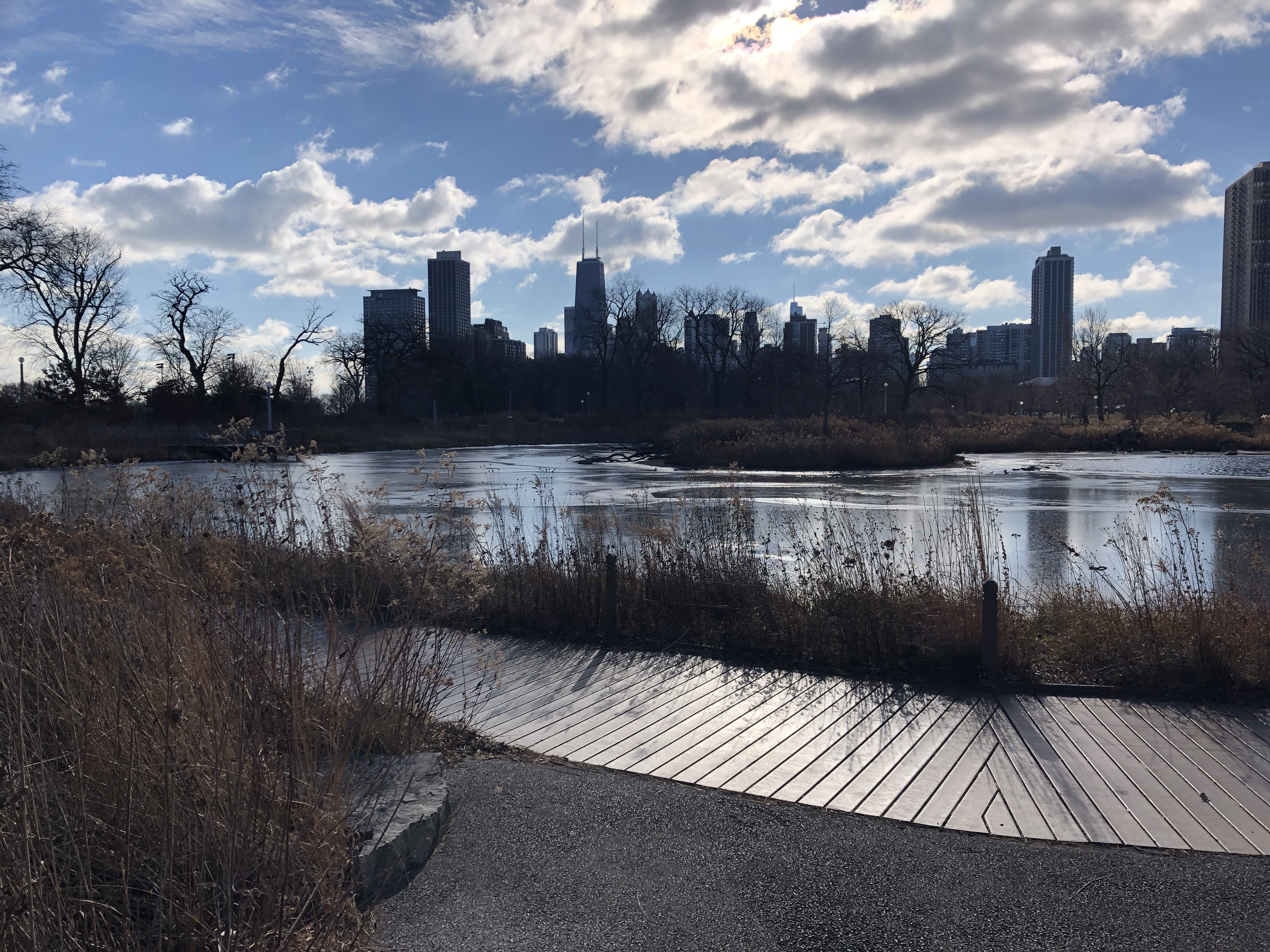
I had been walking east and north to this point. As I turned back south, I had a great view of the downtown Chicago skyline, not very far away.
It was a great walk, and I’m looking forward to going back when it’s blooming and full of life.
Our home garden is under a few inches of snow, but Jason just ordered seeds, and spring will come eventually.
Have you been walking during the pandemic, and what new places have you discovered?

New Year’s Day is past, but it’s not too late to wish all a happy Hippeastrum Day. Or Amaryllis Day, if you prefer, though what we generally call Amaryllis are really Hippeastrums, just as what we generally call Geraniums are really Pelargoniums. But honestly, who cares?
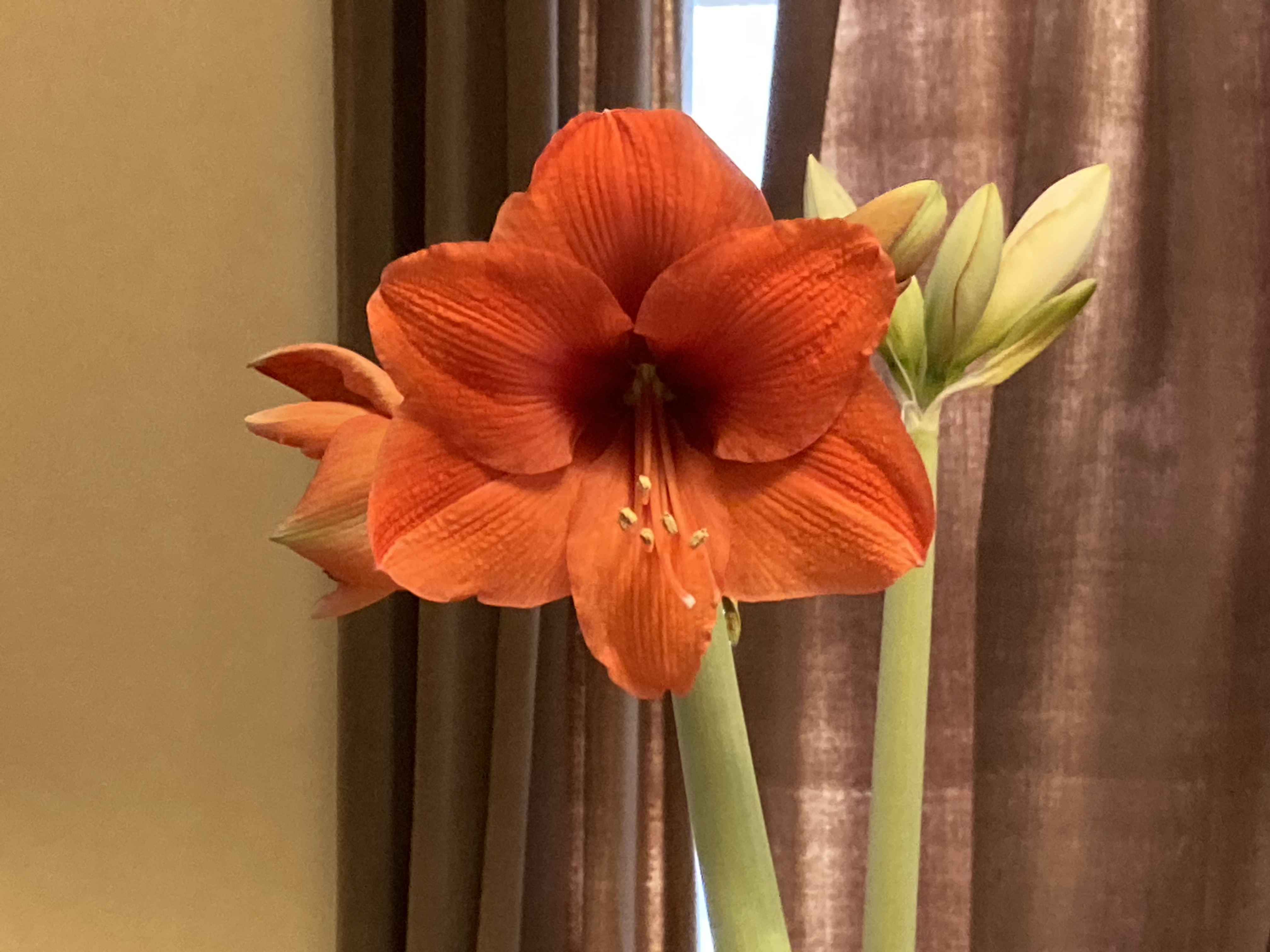
Currently we have two varieties of Hippeastrum in bloom. The first, ‘Naranja’, came into flower a couple of days after Christmas. I love orange flowers, especially in the middle of winter. So vibrant!
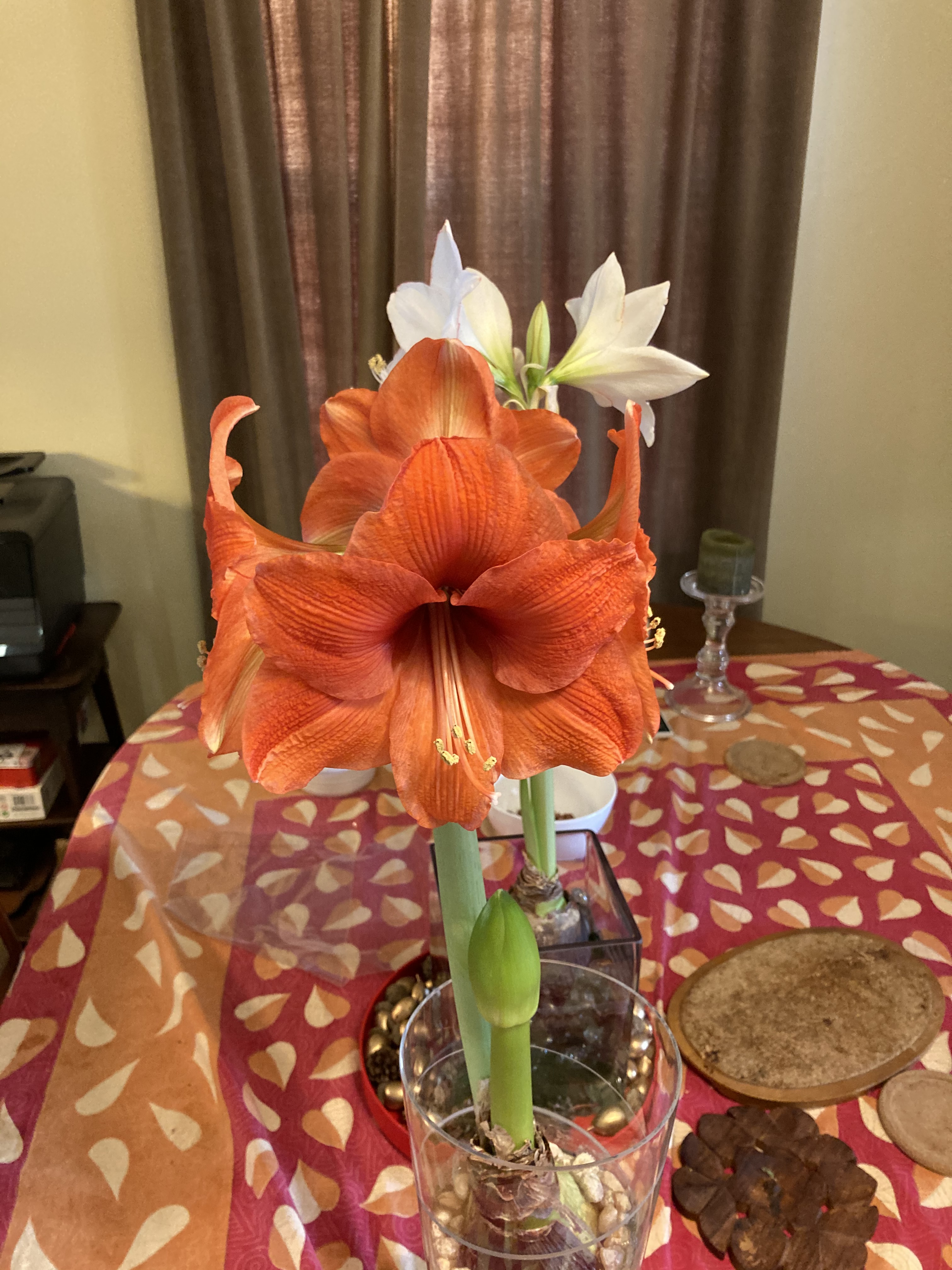
Within a few days the other 3 flowers on the first stalk of ‘Naranja’ also bloomed, and there is a second flower stalk getting ready to put on its own show.

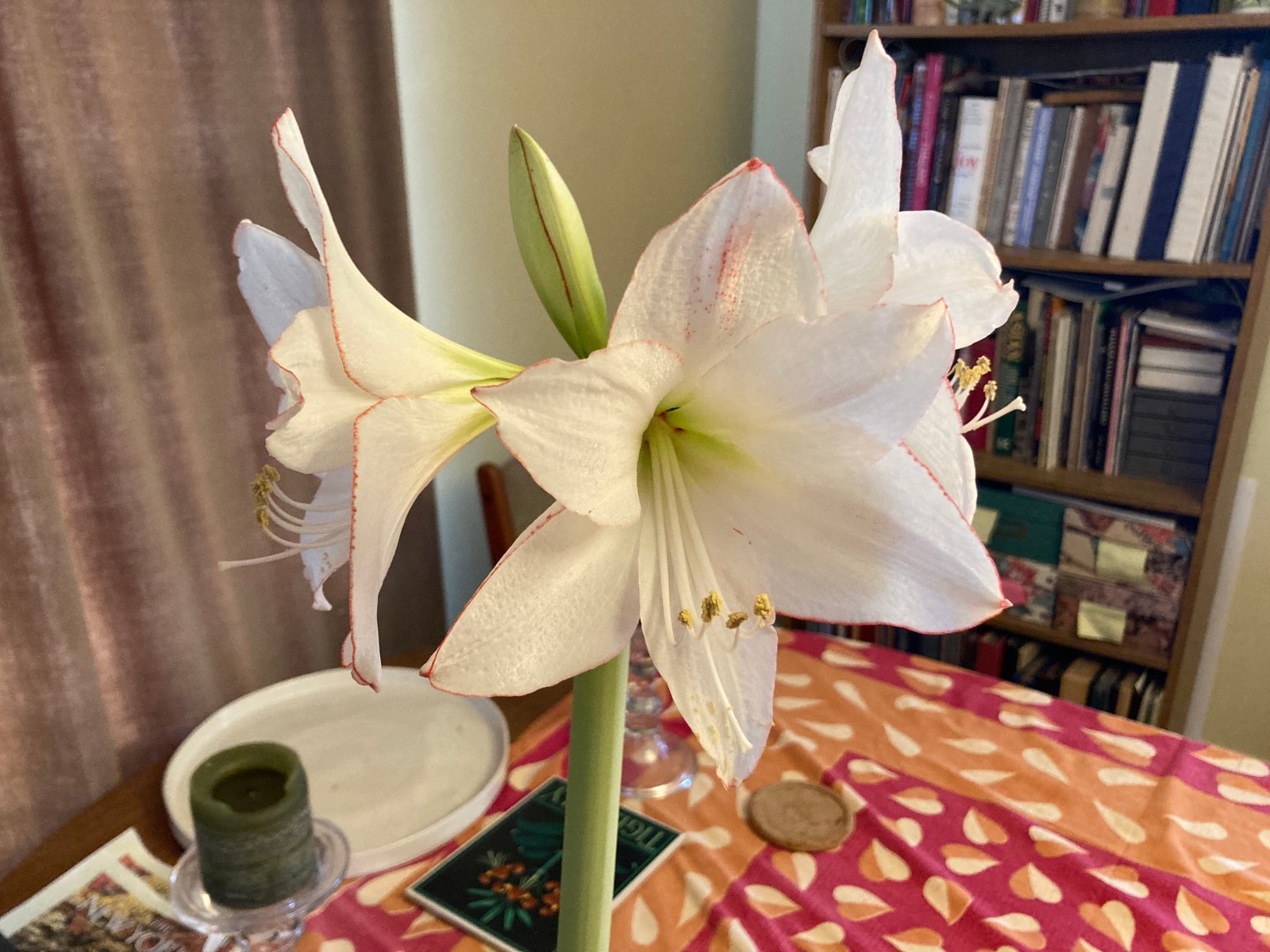
The second Hippeastrum to bloom was ‘Picotee’. At least, I’m pretty sure it was ‘Picotee’. We are also growing a third variety called ‘Picasso’, which looks just like ‘Picotee’ but it’s supposed to be fragrant. ‘Picasso’ still has a few days to go, it seems.

Here’s another look at ‘Picotee’. Seems like the red edging is less pronounced, once the flower is open, than in prior years. Unless this is really ‘Picasso’ after all.
I do very little with indoor plants, in fact they seem to have a reduced life expectancy when I am around. But I make an exception for Hippeastrums. They are definitely a pick-me-up during the cold, dark days of winter.


Jason here. So Christmas has come and gone, and we had a good one.

There were 6 of us. David and Meridith drove down (after Covid tests!) from Minnesota on Christmas Eve and stayed with us through the weekend. Danny and Beckee came up each day from their Chicago apartment. Not a big crowd, but enough.
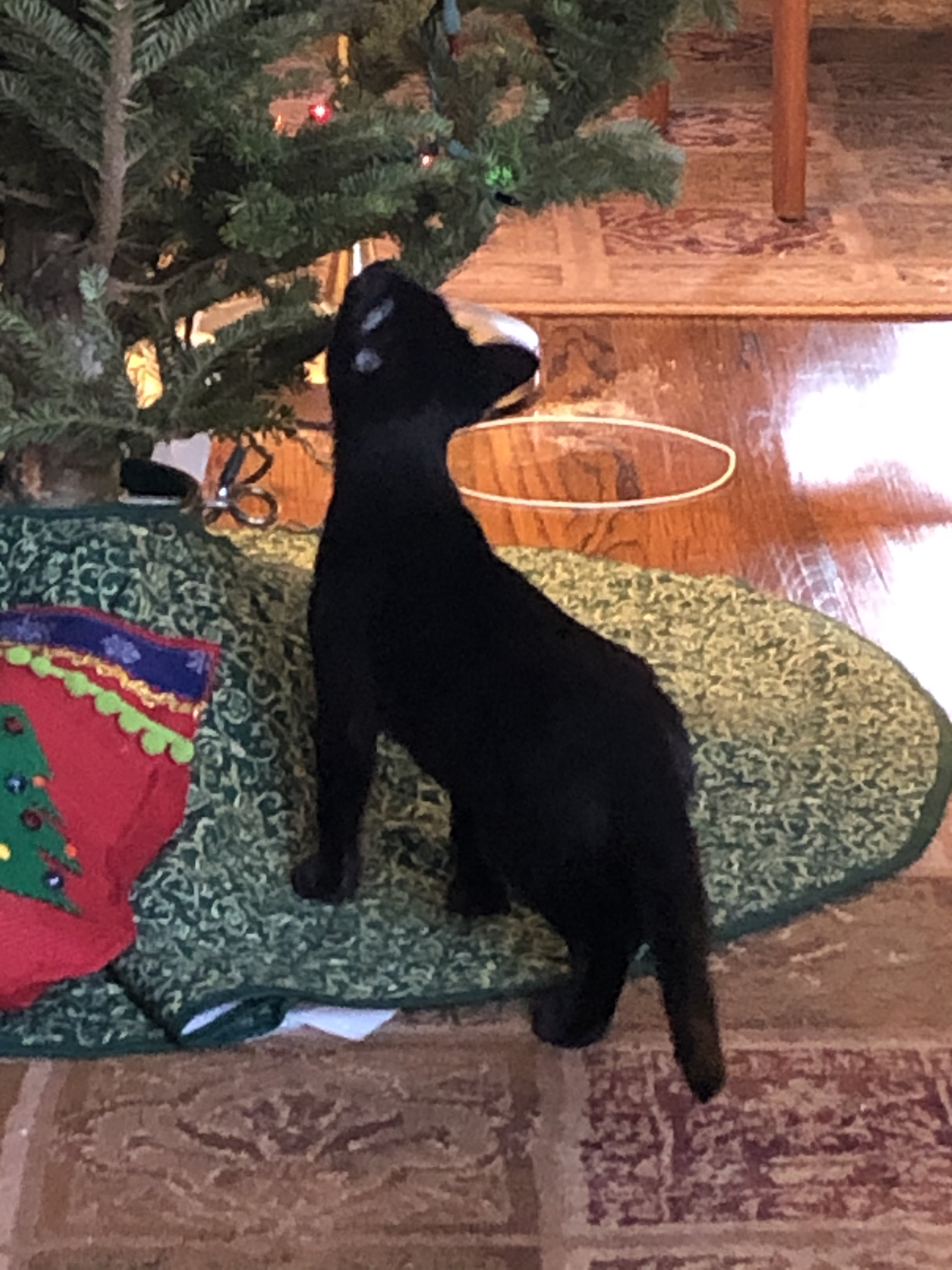
In addition to the humans, Danny and Beckee brought their 2 new kittens most days. Their names are Lucy and Olive. This is Olive checking out the Christmas tree. Combined with our Mollie and Walter, that made 4 cats in addition to the 6 humans.

The cats were very interested in the Christmas tree. The ornaments had to migrate upward to avoid getting knocked down, but none were eaten or destroyed.
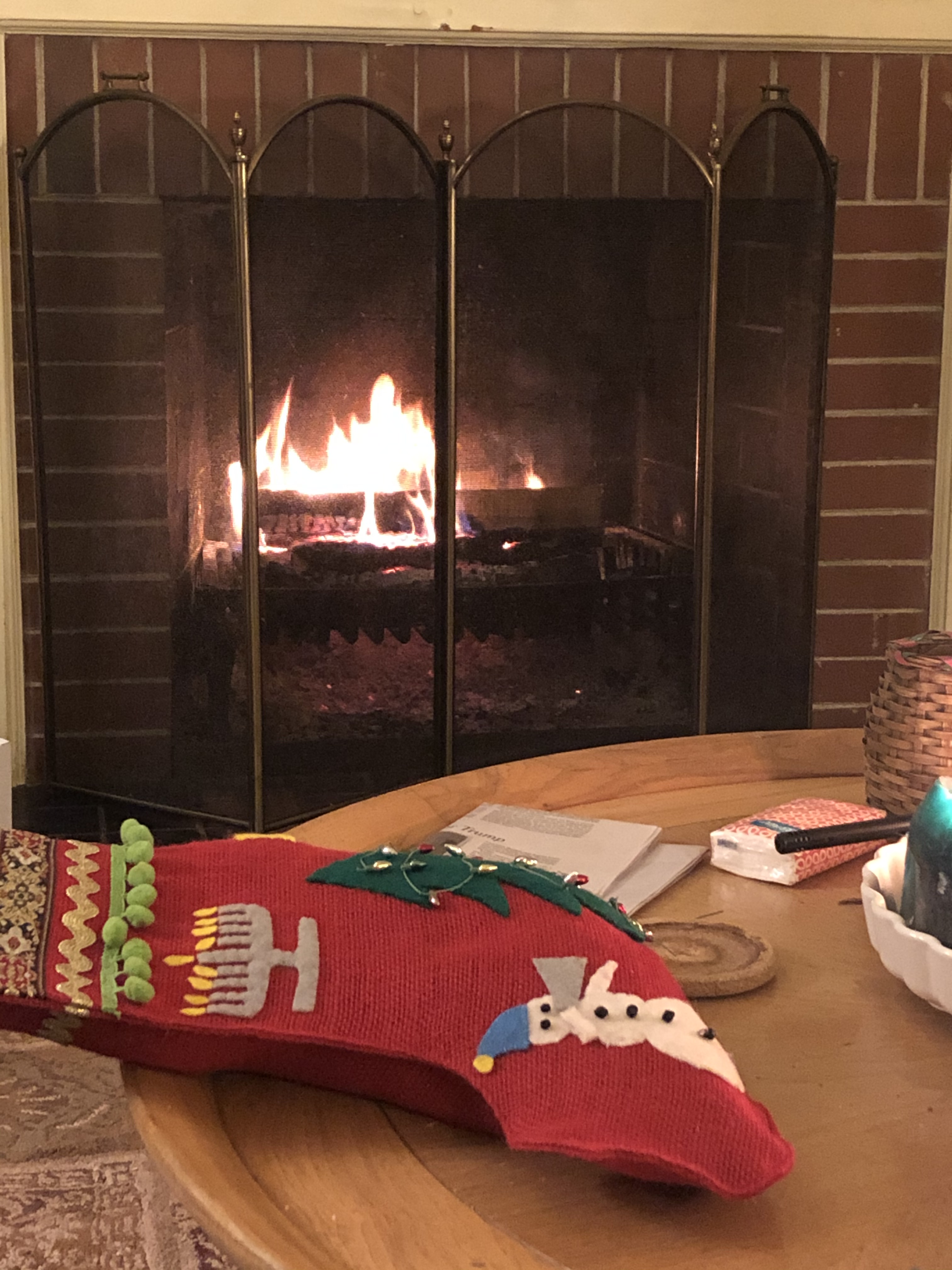
We didn’t do major gifts, but we did our traditional customized homemade Christmas stockings, filled with peanuts-in-the-shell, chocolates, dried fruit, and the occasional pair of socks or coffee mug. We also had a nice fire going most days.

We cooked, ate lots of snacks, and played games, especially One Night Ultimate Werewolf, which I think has become a family favorite.

For Christmas dinner we had roast lamb, roasted root vegetables, and salad. We had eaten so much chocolate and so many cookies throughout the day that we didn’t really need dessert.

For myself, I was grateful to be able to spend a solid chunk of time with our kids and their partners. My appetite and energy level was much improved by a 3-week break from chemo.
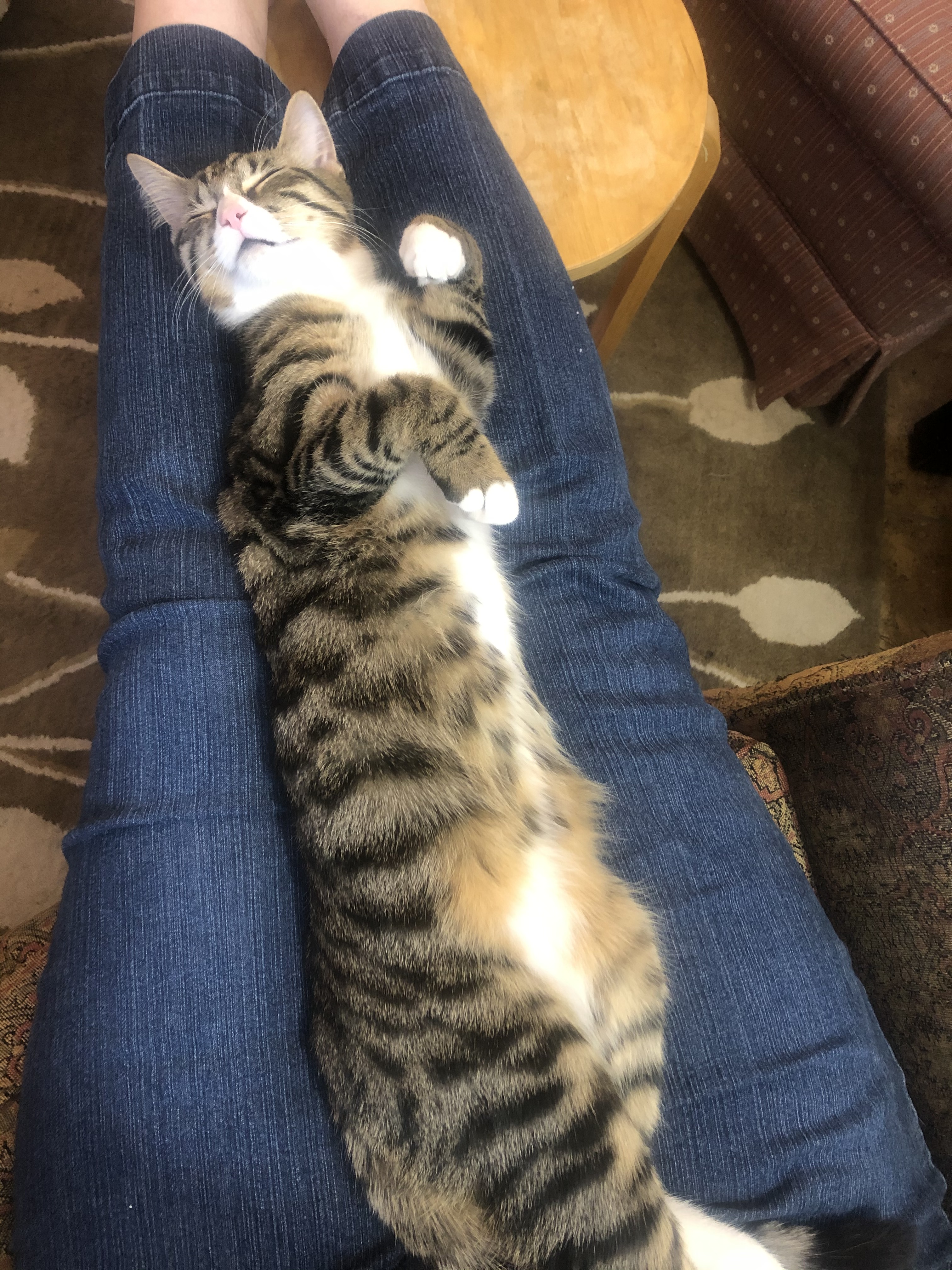
It was a fun holiday, and as we kept things pretty simple, even a relaxing one. Though most of us were not quite as relaxed as Walter here.
I hope the holidays were good for all of you. Best wishes to all for a better New Year.



 gardeninacity