Blooms Beneath the Oaks

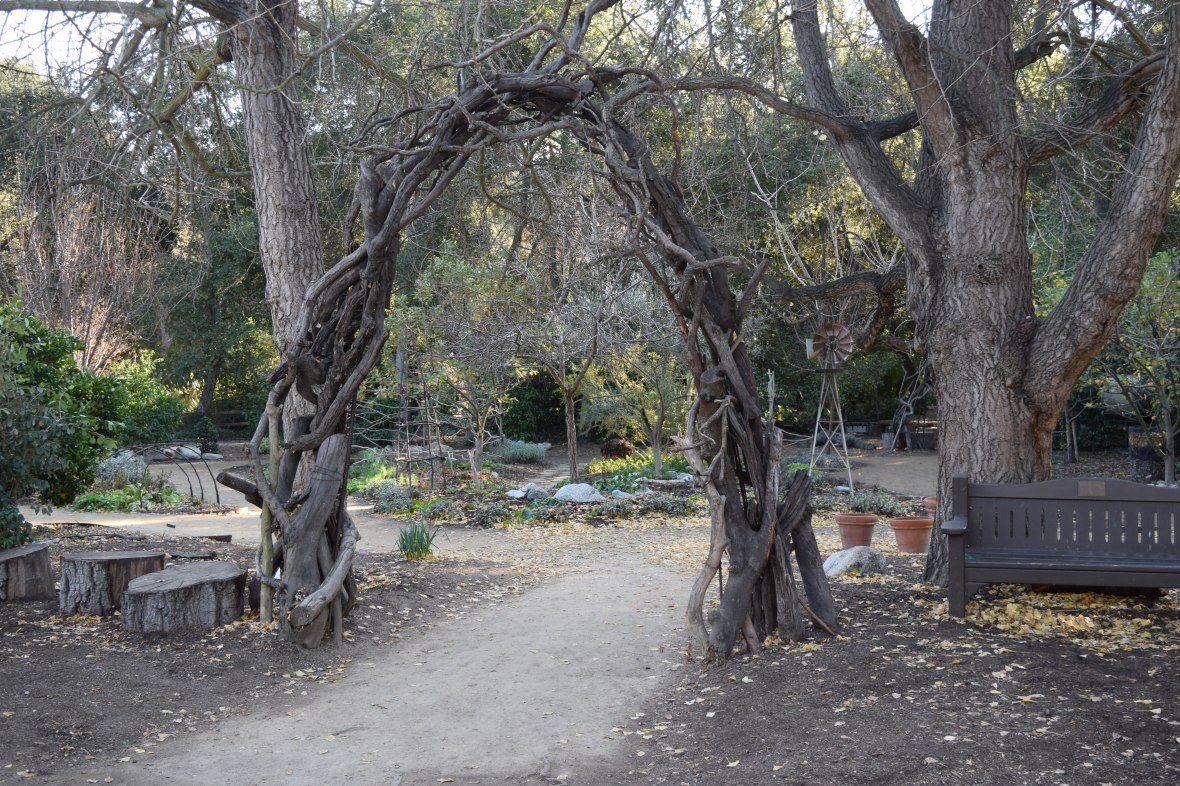
One day we drove to Descanso Gardens, located about an hour north of downtown Los Angeles. I was interested mostly in seeing the Camellia collection and the forest of Coast Live Oaks (Quercus agrifolia). Conveniently, the two occupy the same space.

DSC_0473

Rodin Hood and the Lamppost Forest

It’s fair to say that my enthusiasm for art museums is kept pretty much under control. In general, I try to follow a policy of Five Paintings and Out. Because I cannot look at more than a few paintings without losing my ability to focus. If the Five Paintings rule cannot be deployed, then at a minimum I am resolved to never go to an art museum without an exit strategy.

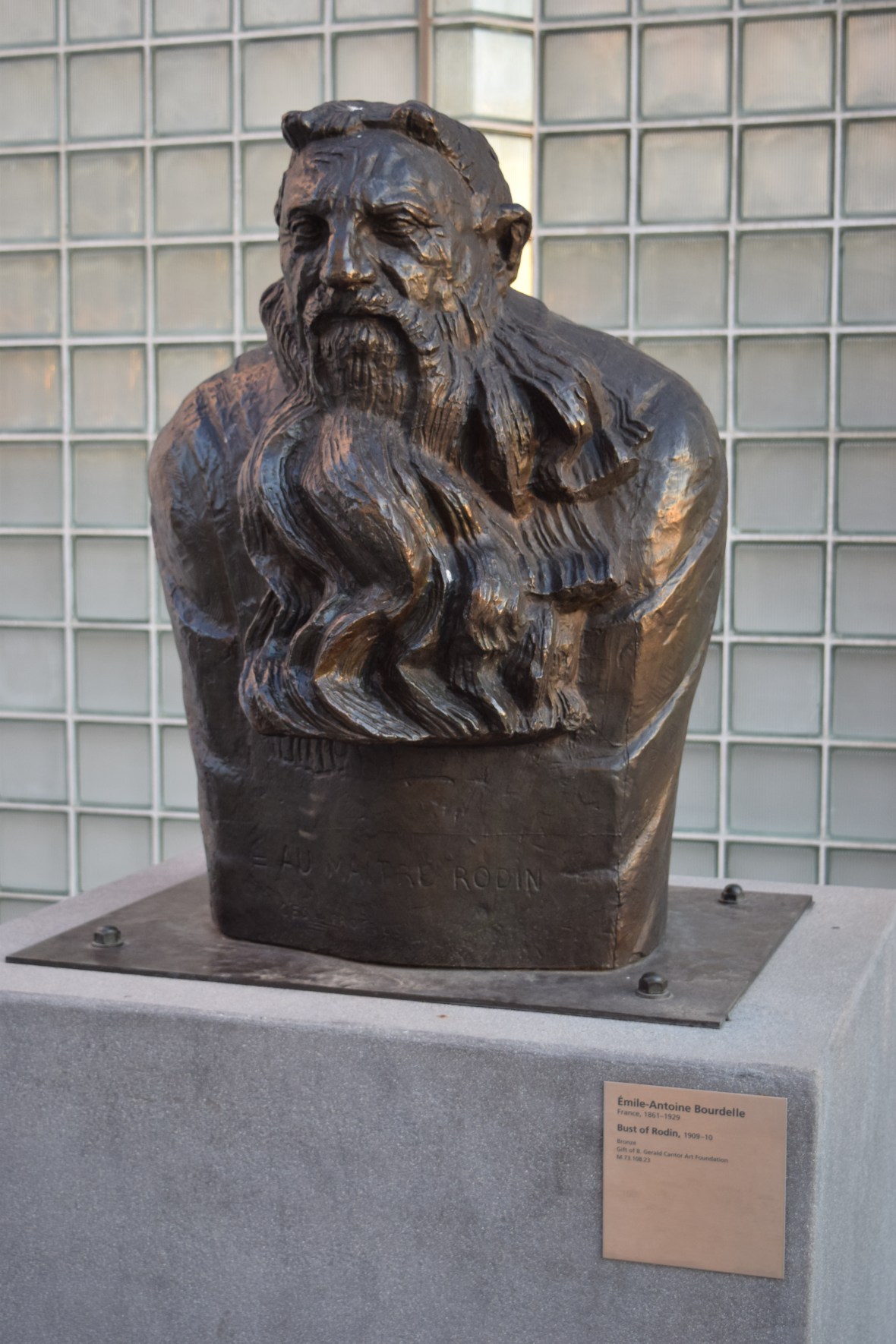
DSC_0443
Bust of Auguste Rodin by one of his students near the LACMA Scupture Garden.

Tongva Park, Santa Monica

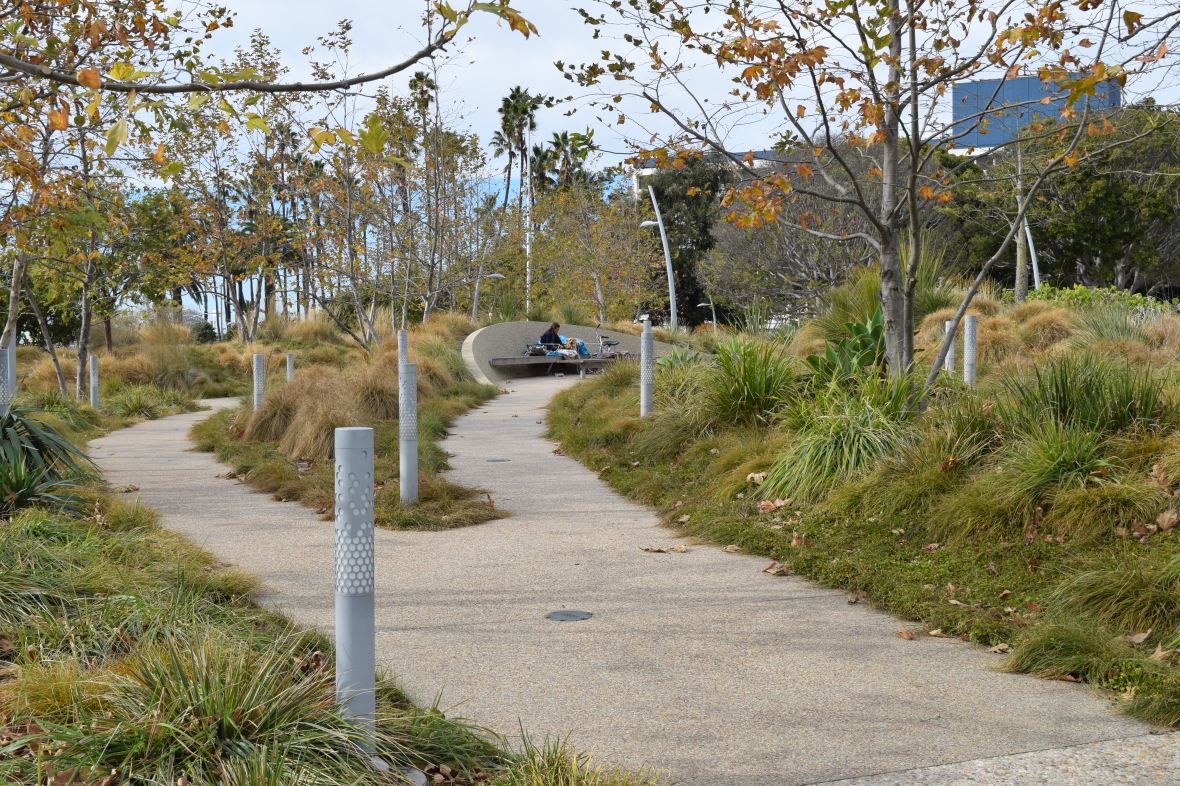
Tongva Park is an innovative public space in the city of Santa Monica, just north of Venice Beach. Barely more than two years old, it was designed by some of the same people who did the High Line in New York City.

DSC_0400

Venice, California

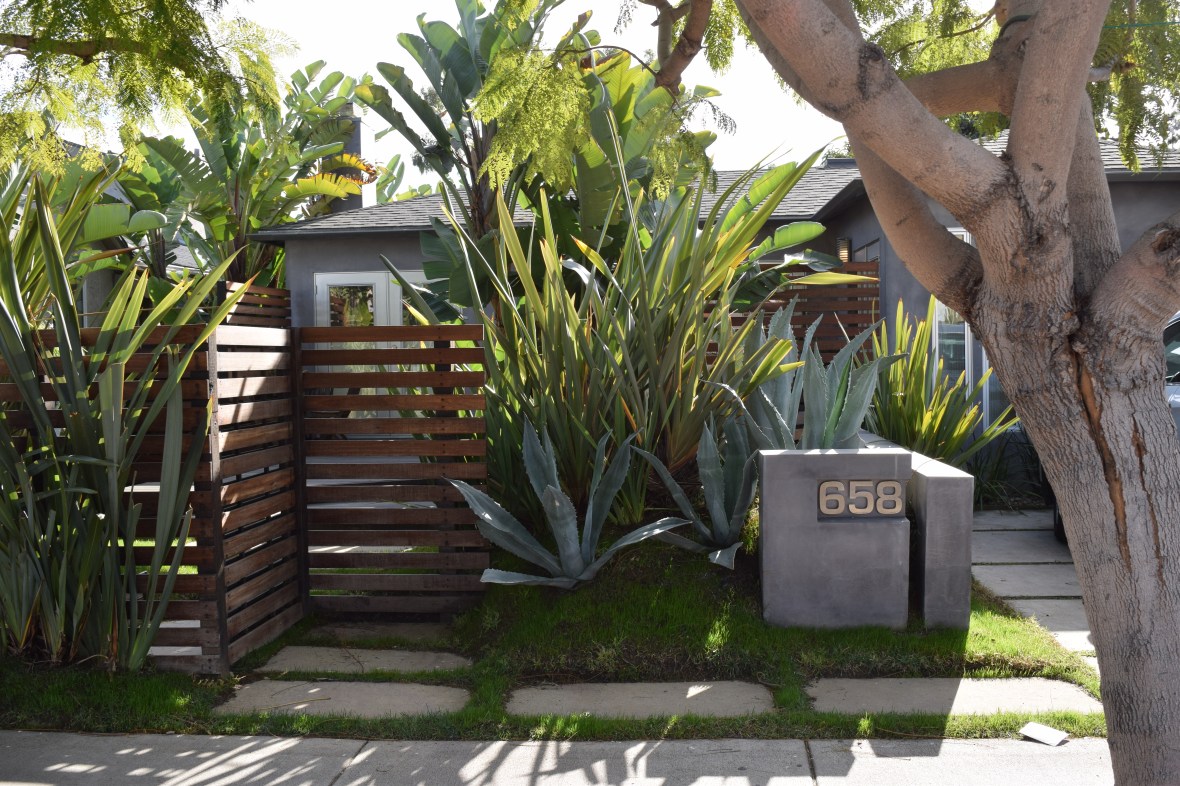
While in Los Angeles we stayed at a rented cottage in the Venice neighborhood.

DSC_0337

Palos Verdes Drive

I was wondering if the cold would ever really settle in this winter, but I think the recent weather indicates that the answer is “yes”. In fact, when we got back from our end-of-year trip our car was coated with a solid three inches of ice.

DSC_0306
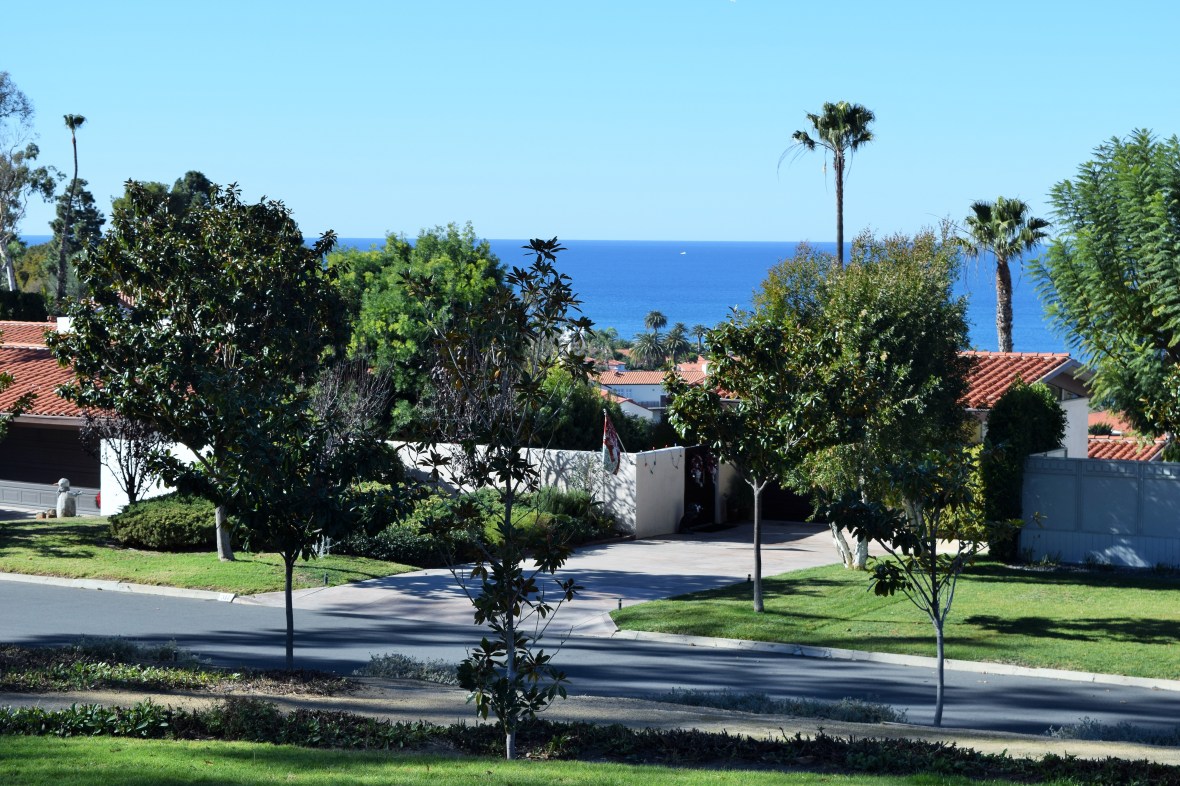
Looking out at the Pacific from a park on the Palos Verdes Peninsula.

Book Review: Prophet of the Prairie

Jens Jensen, Maker of Natural Parks and Gardens, by Robert Grese

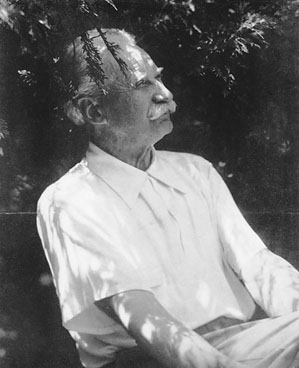
Jens Jensen (1860-1951) was one of the dominant figures of the Prairie School of landscape architecture, which emphasized the beauty of native plants and natural landscapes found in the American Midwest.

Jensen legacy project
Jens Jensen

Grese’s biography, published in 1992, gives a fascinating account of Jensen’s career, his design style, and his philosophy. But it also places Jensen as someone who was very much at the center of other Progressive Era movements such as conservation and urban planning.

Garden Writer Allen Lacy, 1935 – 2015

Allen Lacy died this past Sunday at the age of 80. He was my favorite garden writer: funny, smart, gentle, possessing a passion for plants and an affection for people. I’ve read his book Home Ground several times.

I was lucky enough to interview Allen Lacy back in 2013. This seemed like a good time to reblog that post.

gardeninacity's avatargardeninacity

The interview below was posted in June, 2013. I was surprised and honored to see it referenced in Mr. Lacy’s New York Times obituary, but I think it may have been one of the last interviews given by the author. 

I became acquainted with Mr. Lacy online after he wrote mea friendly note in response to a book review I had written. After this interview, we exchanged a few more emails and then lost touch. 


Allen Lacy is without doubt one of my favorite garden writers. For roughly forty years he has written about plants and gardens with passion, knowledge, and gentle (often self-mocking) humor. He is the author or editor of 10 books, including Home Ground, In a Green Shade, The Garden in Autumn, Farther Afield, and The Gardener’s Eye. For a dozen years he wrote a newspaper column on gardening…

View original post 1,062 more words

Off to California

In about three hours we’ll be heading to the airport. There we’ll meet our son Danny and get on a plane to Los Angeles. David is flying to the same destination from Minnesota.

2014-12-26 19.30.25
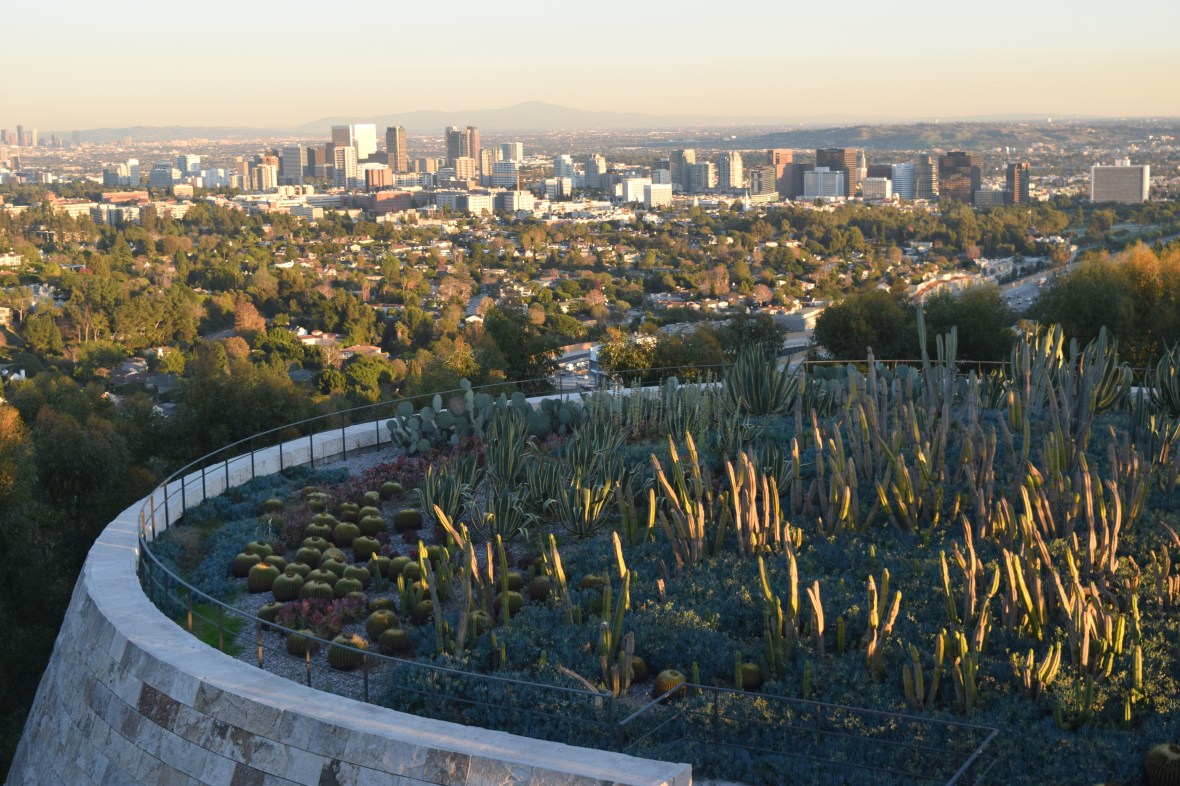
View of Los Angeles from the Getty Center

Druping Under the Weight of Botanical Knowledge

A recent cartoon by the talented JL Westover, plus the general holiday merriment, has inspired me to reblog this post from December, 2012. Hope you like it.

gardeninacity's avatargardeninacity

I’m very glad I recently took an evening class in botany. For one thing, I now know what a drupe is.
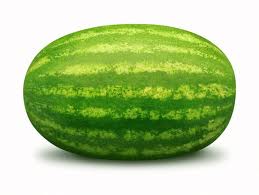
A large berry. A large berry.

You know when you are reading about some plant, say a serviceberry (Amelanchier), and the text says that the fruit is a small drupe? I no longer think that “drupe” is some random typo that sounds vaguely insulting. Now I know that serviceberries have drupes, not berries, and so should properly be called servicedrupes. This is an even worse name than serviceberry, but more accurate botanically, which is what is really important.

Drupes, you see, have a single seed. Berries have multiple seeds. Tomatoes are berries. Really. So are blueberries. To botanists, tomatoes and blueberries are practically indistinguishable, which is why I don’t visit when they are making spaghetti. (Tomatoes are berries botanically, but are vegetables legally as determined by the US Supreme Court…
View original post 274 more words

Amaryllis ‘Merry Christmas’

I’ve discovered a new favorite variety of Amaryllis. It’s called ‘Merry Christmas’.

amaryllis 10
Amaryllis ‘Merry Christmas’