Repost: From Drupes To Nuts
It’s late; it’s been a long day. I wanted to write a post, but I’m kind of tired and not feeling very enthusiastic. So I thought I would do something I’ve never done before: reblog an old post. This one was written in 2012, not long after I started Gardeninacity. I hope you enjoy it.
DRUPING UNDER THE WEIGHT OF BOTANICAL KNOWLEDGE
I’m very glad I recently took an evening class in botany. For one thing, I now know what a drupe is.
You know when you are reading about some plant, say a serviceberry (Amelanchier), and the text says that the fruit is a small drupe? I no longer think that “drupe” is some random typo that sounds vaguely insulting. Now I know that serviceberries have drupes, not berries, and so should properly be called servicedrupes. This is an even worse name than serviceberry, but more accurate botanically, which is what is really important.
Drupes, you see, have a single seed. Berries have multiple seeds. Tomatoes are berries. Really. So are blueberries. To botanists, tomatoes and blueberries are practically indistinguishable, which is why I don’t visit when they are making spaghetti. (Tomatoes are berries botanically, but are vegetables legally as determined by the US Supreme Court in Nix v. Hedden.)
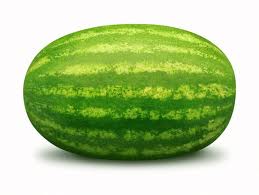
You know what else is a berry? A watermelon. Yup. If you don’t believe me, look it up. Watermelons and other melons are pepos, berries with a hard, thick rind. So on summer picnics we should be enjoying some juicy waterpepo, or waterberry. Oh, and an orange is a hesperidium, a berry with a leathery skin.
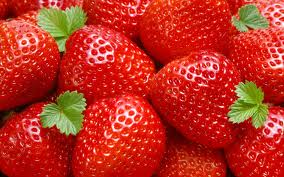
Strawberries have multiple seeds, so you might think they are berries. You’d be wrong. A strawberry is an aggregate fruit, because the fleshy part is derived from many ovaries. Each one of the seeds counts as a single fruit called an achene, so the famous Ingmar Bergman movie should be called “Wild Aggregate Achenes.” When I say achene people often respond: “Bless you!”
Peaches and apricots are drupes. Cherries are drupes, so you could say that life is just a bowl of drupes, though that doesn’t have the same ring to it.
Almonds are drupes, not nuts, but hazelnuts are nuts. They just are, OK? Walnuts are a subject of some controversy. Some botanists think they are nuts, but others think they are drupey nuts, or nutty drupes.

So I am grateful to my botany instructor. I now know that some berries are not berries. I know that other things are berries even though the thought would be absurd to the uninitiated. And while some nuts are nuts, other nuts are not nuts, while still other nuts might or might not be nuts.
And now I have shared this knowledge with you.
You’re welcome.











 gardeninacity