Monarch Caterpillars!

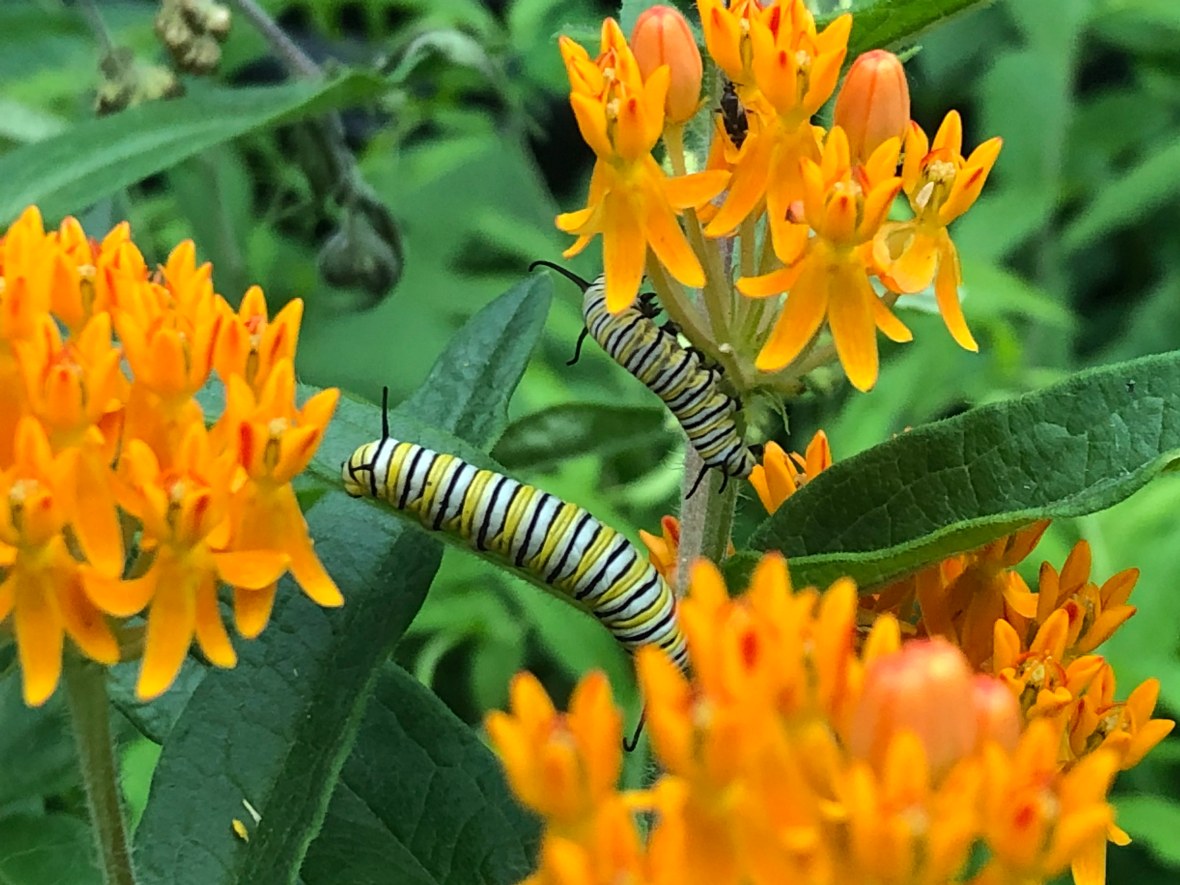
We believe strongly in doing our bit to help the Monarch butterfly, whose migrating population has declined about 90% in recent decades (you can read more about saving the Monarchs here). And so we have lots of Milkweed (Asclepias spp.), which is the only genus of host plants for Monarch Butterfly Caterpillars.

IMG_5771
Monarch Caterpillars on Butterflyweed.

It’s Clematis Time!

We got back from Michigan on Saturday, and I like to think that our various Clematis varieties had put on a show to welcome us home.

DSC_0325
Clematis ‘Jackamanii’

Baby House Wrens!

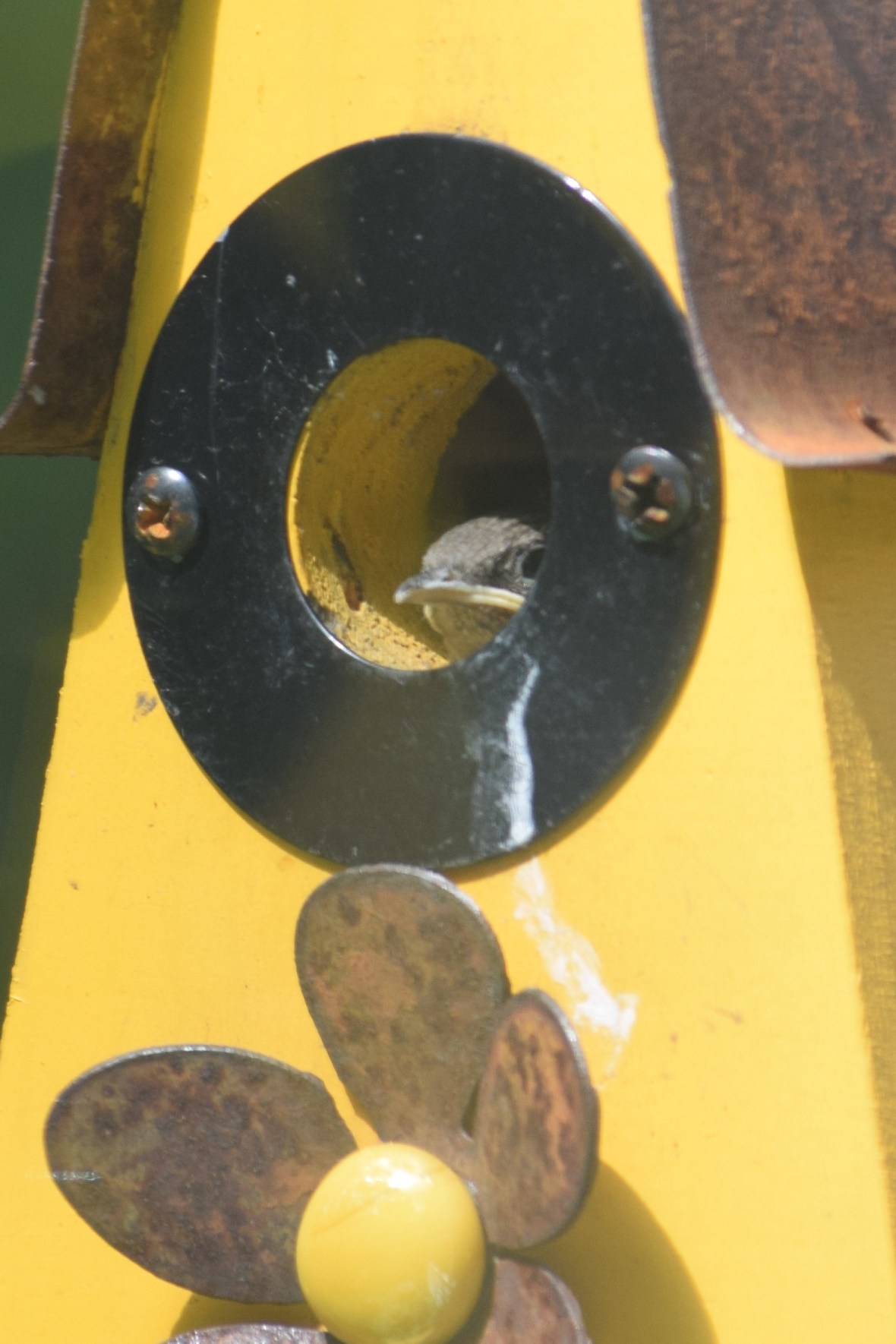
We’re home! Judy and I got home just last night from the Upper Peninsula. There are a lot of developments in the garden, almost all positive, which I’ll get to soon. However, we’ve spent much of today doting over the baby House Wrens in the yellow birdhouse right outside our back porch.

DSC_0212
Baby House Wren waiting for a home-delivered nosh.

On The Shores of Lake Superior

Our cabin is just a few yards from the Lake Superior shoreline.

DSC_0960

Greetings From The North Woods

I’m writing from a cabin on the shores of Lake Superior, in a remote spot near Michigan’s Porcupine Mountains Wilderness State Park. We’ll be here for the remainder of the week.

DSC_0887
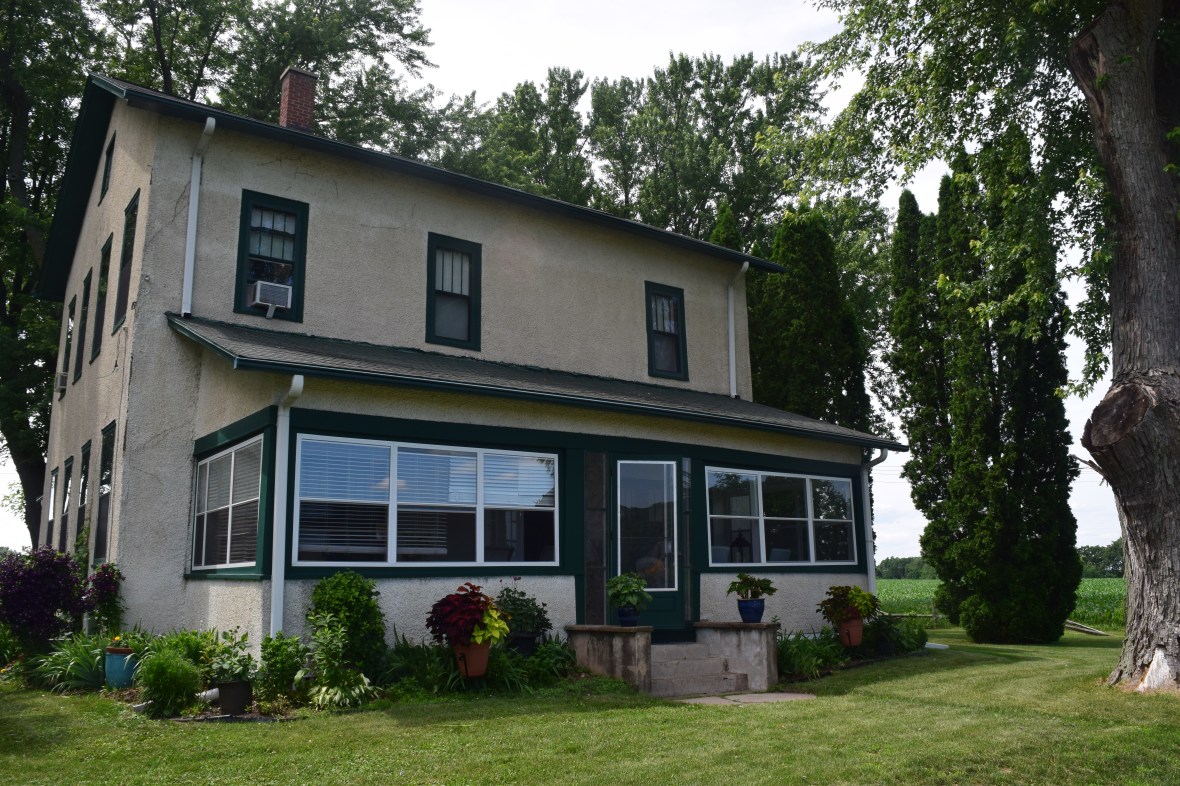
This farmhouse was close to halfway between Chicago and St. Paul, so we rented it for our weekend family gathering before heading north.

Blue Days In The Garden

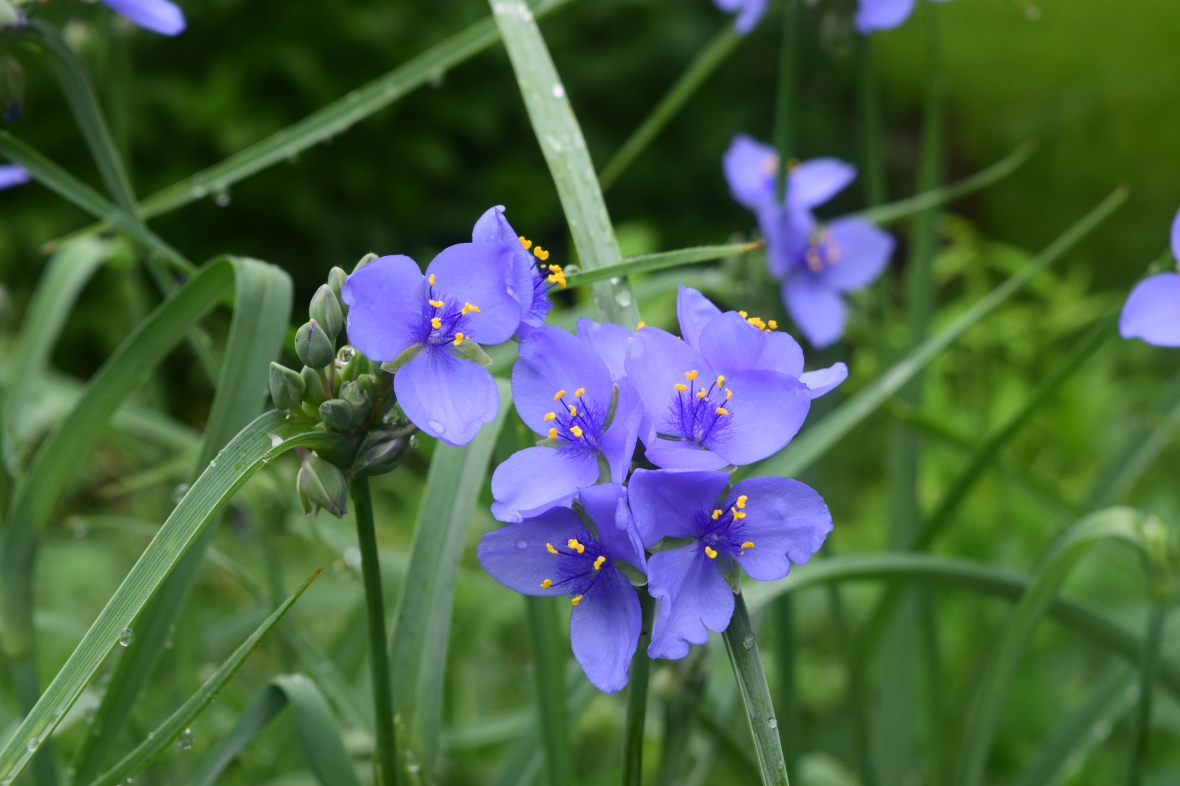
June is a month for blue flowers. High summer is a time for reds, oranges, and (especially) yellows. But the transition to summer is a quieter time, notable for blues and whites. Let’s look at some of the blue flowers currently blooming, then shift to something completely different.

DSC_0878

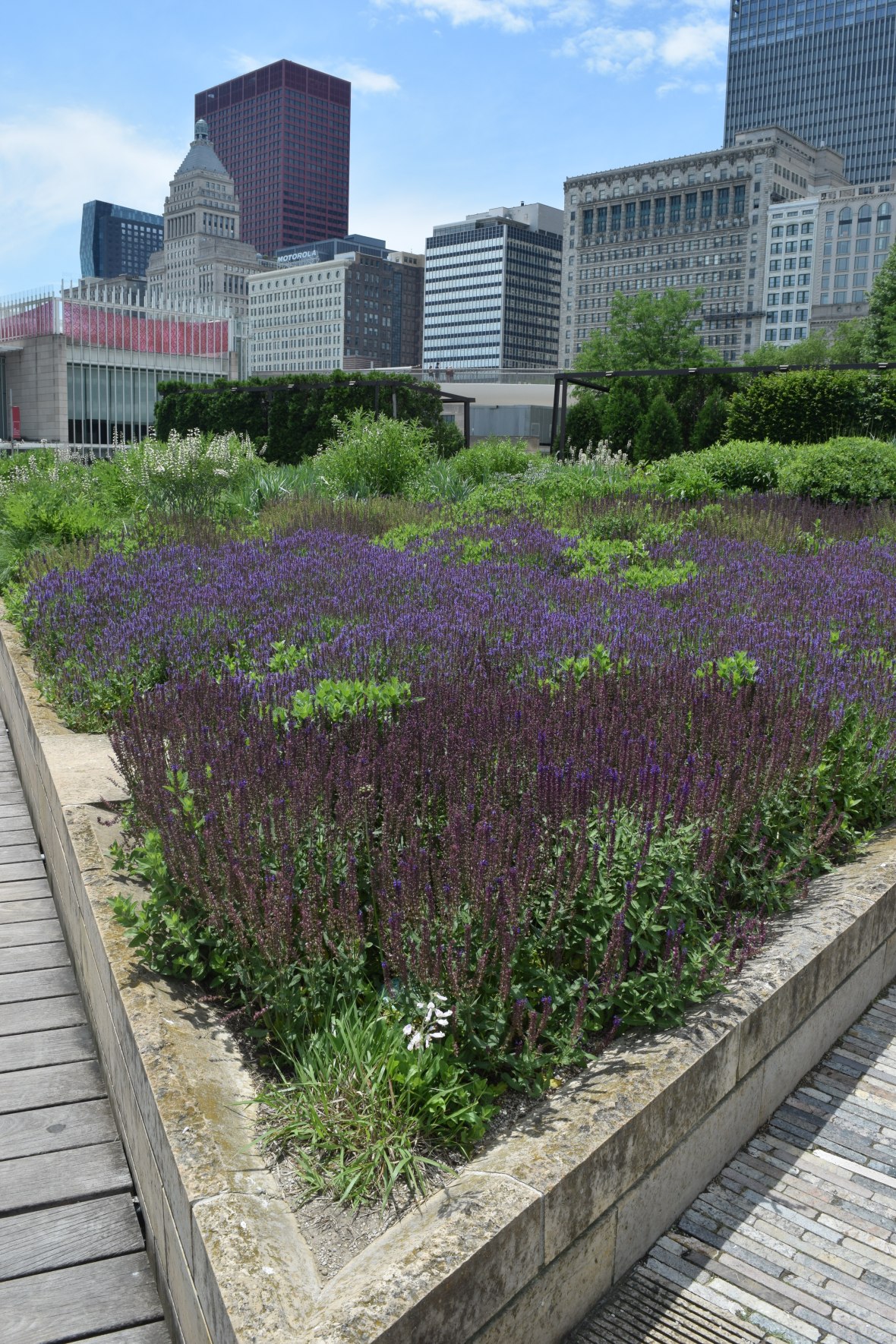
The Lurie Garden in June (2018)

In late May and June the River of Salvia flows through the Lurie Garden. I visited Lurie with camera in hand on the 14th and 15th of this month. There were patches of the river that were done blooming, showing only bare flower stalks.

DSC_0738

To Chop, Or Not To Chop

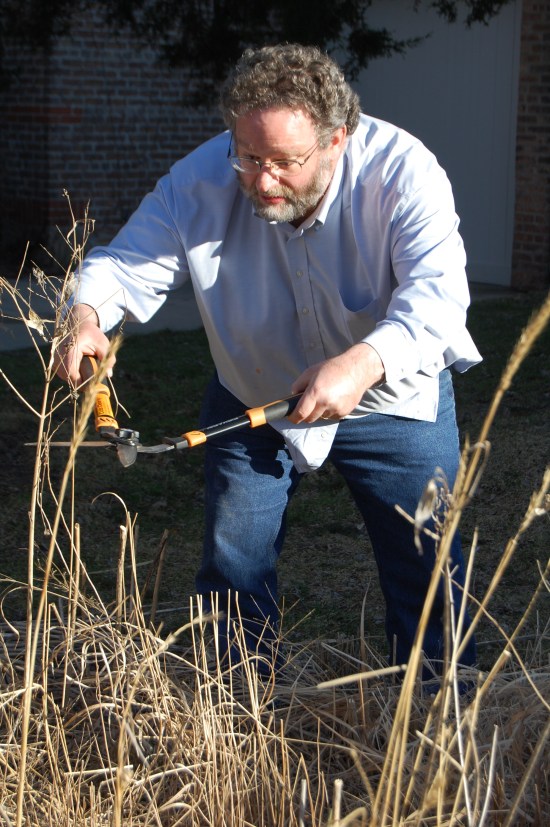
Late May and early June are the days to cut back your tall perennials in this part of the world. I’m talking about cutting back before flowering, not after. Which is to say, cutting back to achieve a more compact, bushier, and less floppy plant.

3 Cutting
This is me cutting back dead plants in early spring, so a bit off topic, but you get the idea. 

Soggy Delights At Mettawa Manor

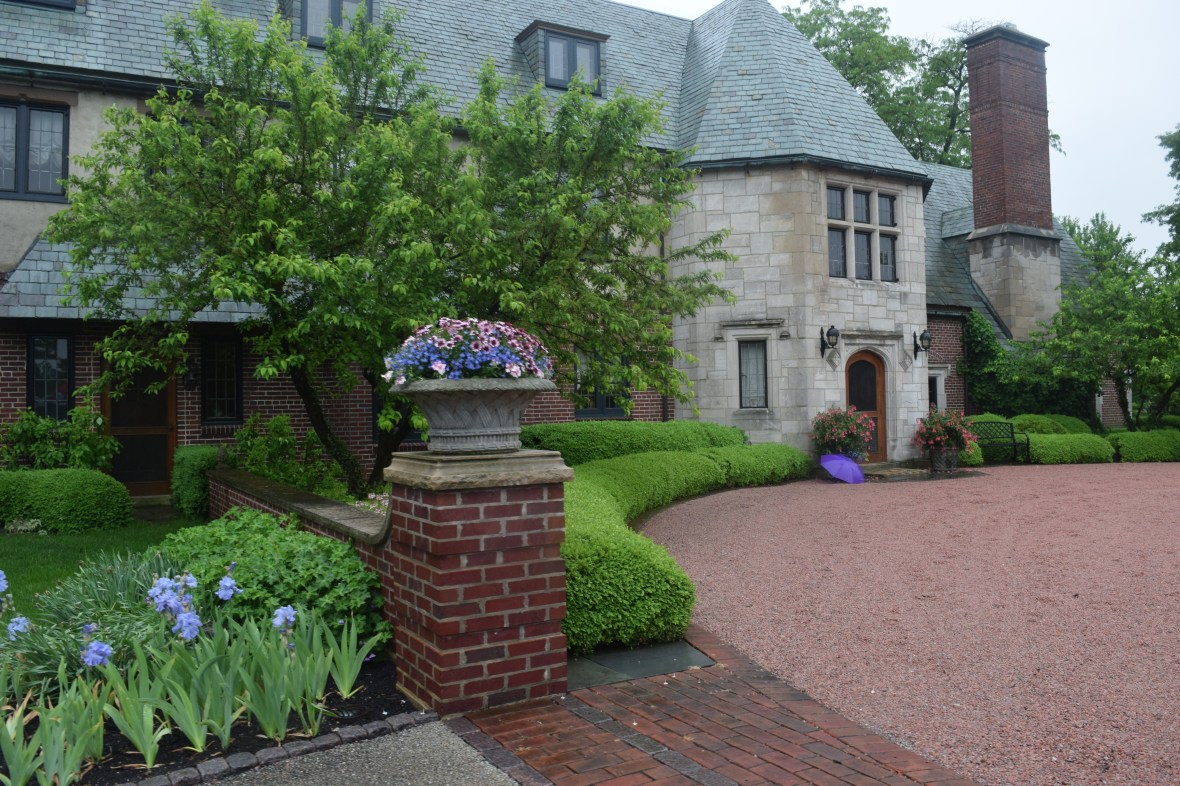
This past weekend was a rainy one, but Judy and I weren’t going to let that deter us from going to a garden tour of Mettawa Manor, organized especially for members of Lurie Garden.

mettawa m
Approaching the house at Mettawa Manor, which was built in 1927 as a wedding present for a young bride.

Repost: From Drupes To Nuts

It’s late; it’s been a long day. I wanted to write a post, but I’m kind of tired and not feeling very enthusiastic. So I thought I would do something I’ve never done before: reblog an old post. This one was written in 2012, not long after I started Gardeninacity. I hope you enjoy it.

DRUPING UNDER THE WEIGHT OF BOTANICAL KNOWLEDGE

I’m very glad I recently took an evening class in botany. For one thing, I now know what a drupe is.

A large berry.
A large berry.

You know when you are reading about some plant, say a serviceberry (Amelanchier), and the text says that the fruit is a small drupe? I no longer think that “drupe” is some random typo that sounds vaguely insulting. Now I know that serviceberries have drupes, not berries, and so should properly be called servicedrupes. This is an even worse name than serviceberry, but more accurate botanically, which is what is really important.

Drupes, you see, have a single seed. Berries have multiple seeds. Tomatoes are berries. Really. So are blueberries. To botanists, tomatoes and blueberries are practically indistinguishable, which is why I don’t visit when they are making spaghetti. (Tomatoes are berries botanically, but are vegetables legally as determined by the US Supreme Court in Nix v. Hedden.)

You know what else is a berry? A watermelon. Yup. If you don’t believe me, look it up. Watermelons and other melons are pepos, berries with a hard, thick rind. So on summer picnics we should be enjoying some juicy waterpepo, or waterberry. Oh, and an orange is a hesperidium, a berry with a leathery skin.

Strawberries have multiple seeds, so you might think they are berries. You’d be wrong. A strawberry is an aggregate fruit, because the fleshy part is derived from many ovaries. Each one of the seeds counts as  a single fruit called an achene, so the famous Ingmar Bergman movie should be called “Wild Aggregate Achenes.” When I say achene people often respond: “Bless you!”

Aggregate Straw-Achenes.
Aggregate Achenes.

Peaches and apricots are drupes. Cherries are drupes, so you could say that life is just a bowl of drupes, though that doesn’t have the same ring to it.

Almonds are drupes, not nuts, but hazelnuts are nuts. They just are, OK? Walnuts are a subject of some controversy. Some botanists think they are nuts, but others think they are drupey nuts, or nutty drupes.

berry club
My thanks to JL Westover of www.mrlovenstein.com for permission to use this cartoon.


So I am grateful to my botany instructor. I now know that some berries are not berries. I know that other things are berries even though the thought would be absurd to the uninitiated. And while some nuts are nuts, other nuts are  not nuts, while still other nuts might or might not be nuts.

And now I have shared this knowledge with you.

You’re welcome.