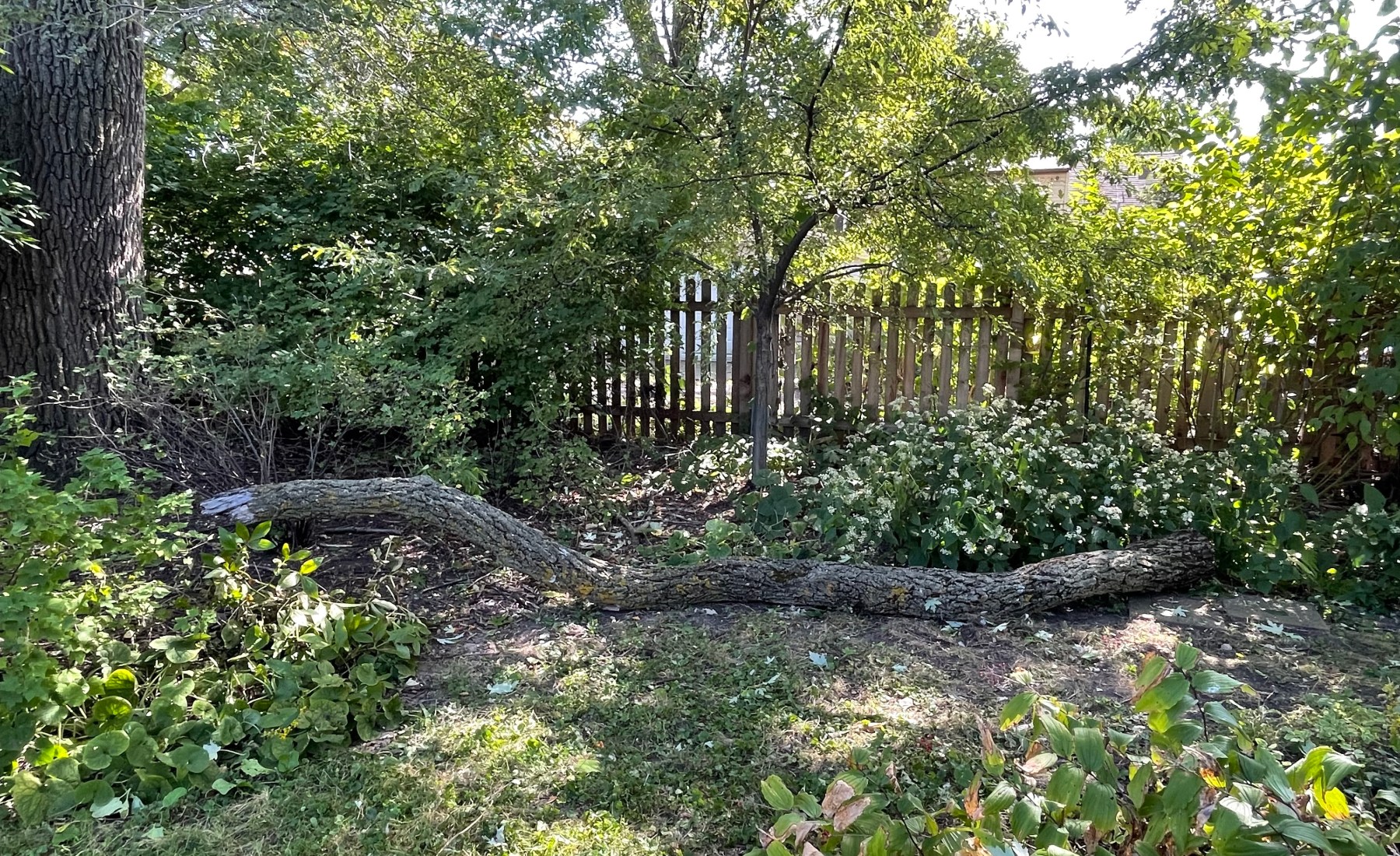
And now we come to the Garden in a City stumpery. When I started writing the first post about stumps, this was only a gleam in my eye, as they say. I’ve been fretting for several years about the two large trees in the back garden. They provide a wonderful dappled sunlight throughout the day, …
gardeninacity
Notes from a wildlife-friendly cottage garden
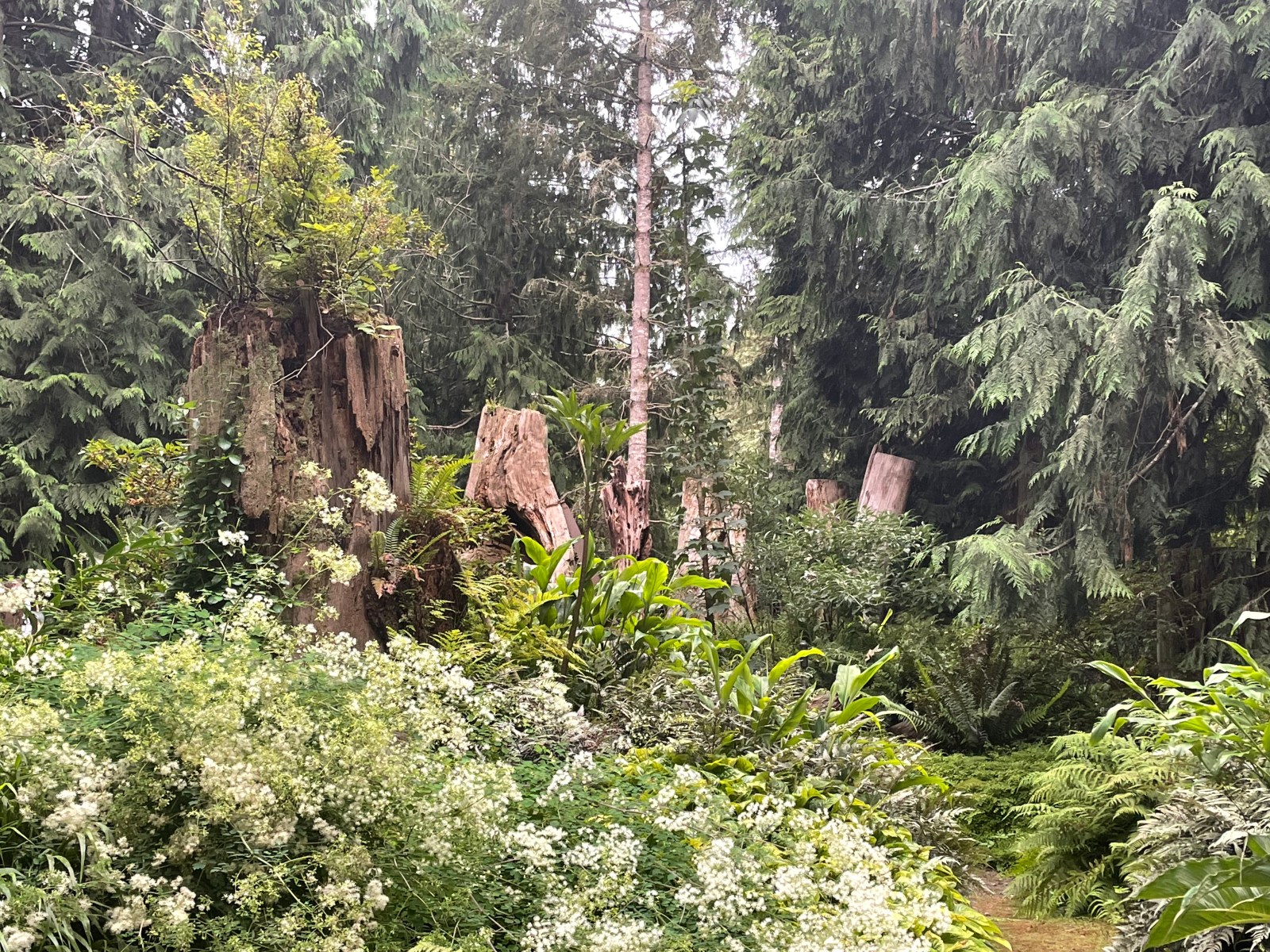
Here at long last is the next post on stumperies. The second stumpery I saw this past summer is known as the Renaissance Garden, and is part of Heronswood Garden on the Kitsap Peninsula of Washington State. I saw it the day after the stumpery in my last post, as a part of the 2024 …
A Tour Of The Back Garden In Early July
So now let’s take the overview of the garden to the back of the house. A flagstone path leads to the Back Garden.
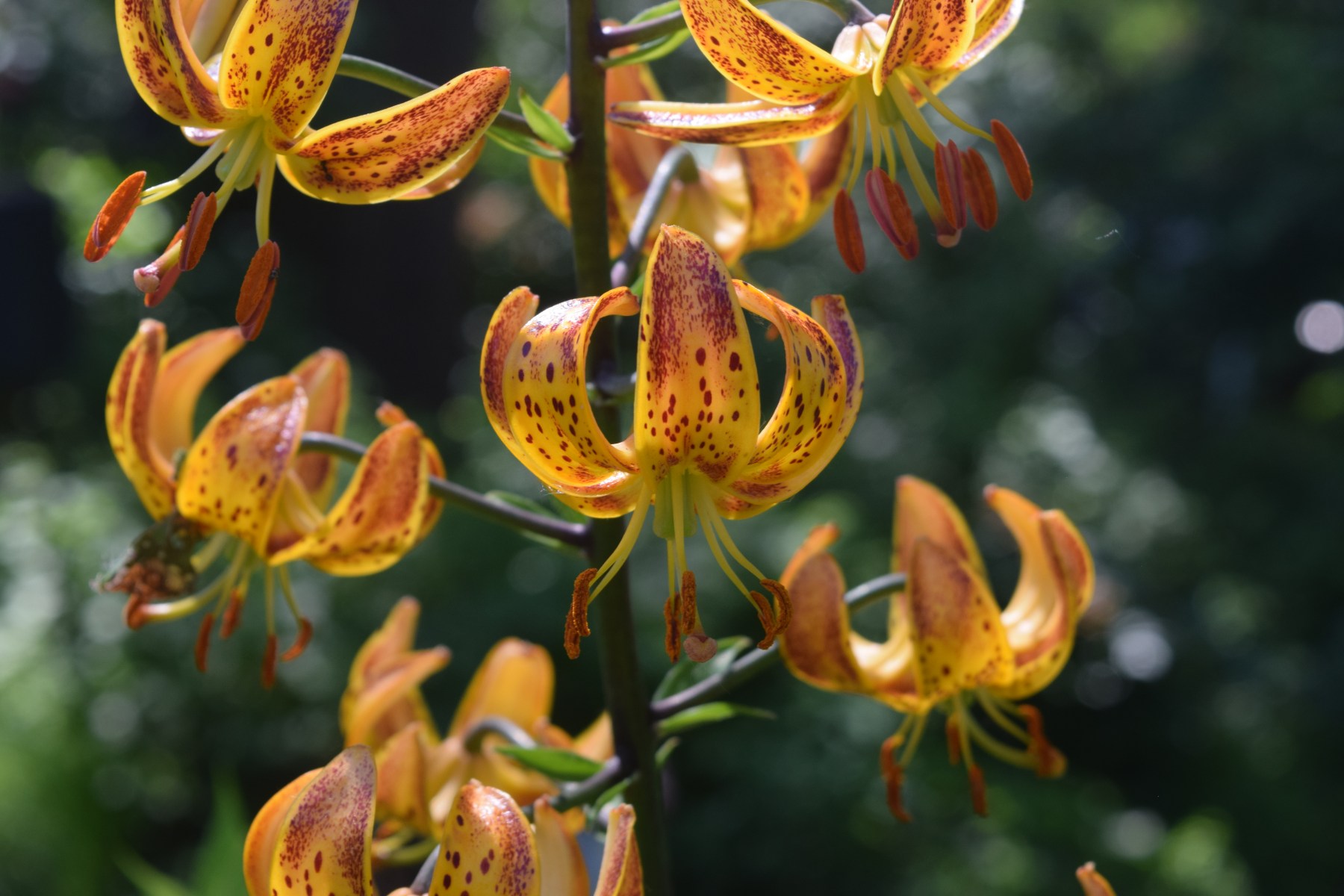
Our Martagon Lilies are finally blooming! I planted them fall before last, but last year they just sent up stems with no flowers. Apparently that is par for the course with this type of Lily. This year, though, there are bountiful orange flowers with maroon markings. and brick-red anthers. This variety is called ‘Sunny Morning’.

Last fall I added another three Bowman’s Root (Porteranthus trifoliatus) to the raised bed in the shady Back Garden and I really like how they are filling in and flowering more profusely.
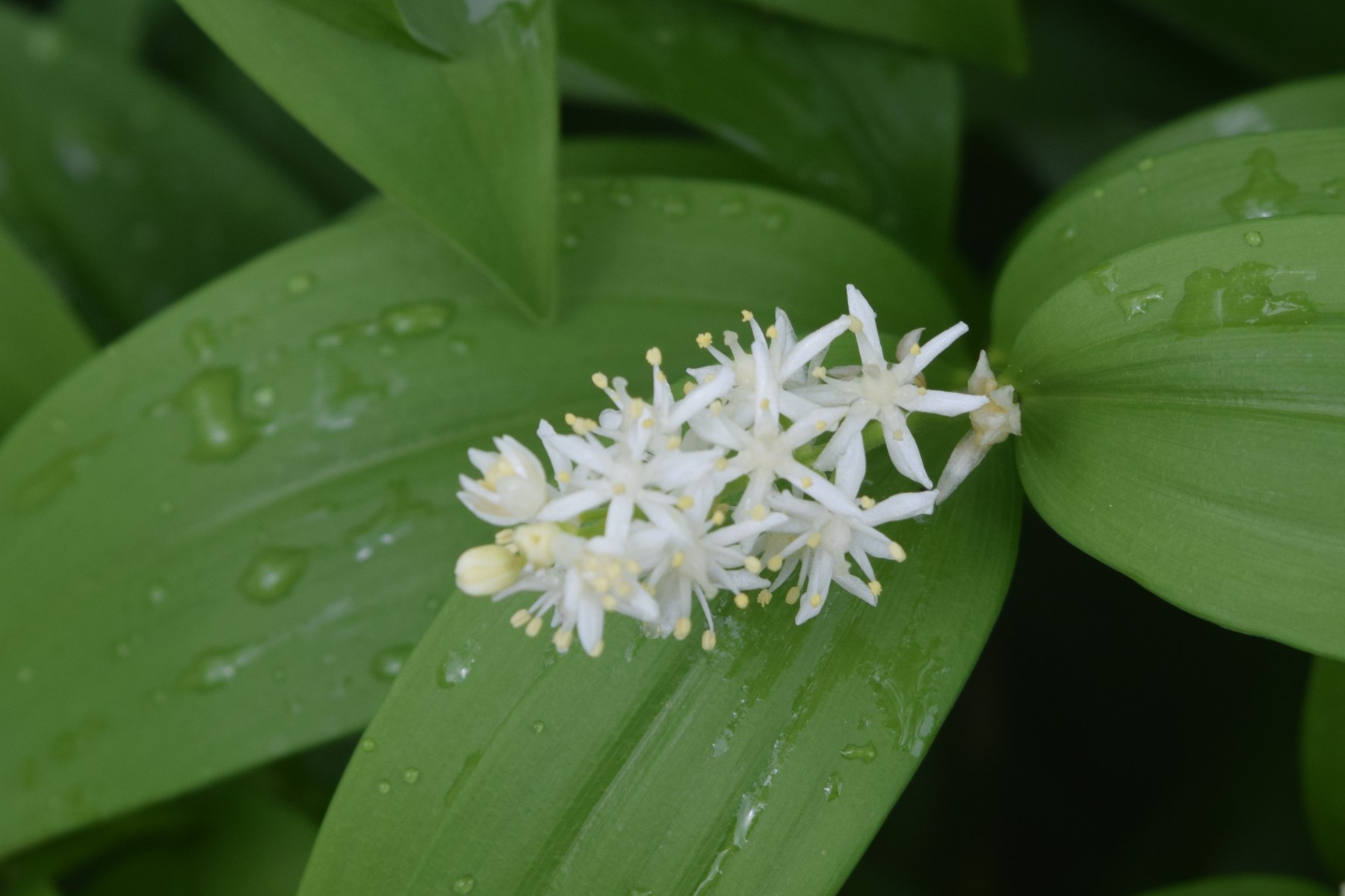
A couple years ago I did something a little careless in the garden. My intent was to move a couple of plants from the Crabapple Bed to the Parkway Bed. However, I failed to carefully examine the shovel full of roots that I carried from bed to bed. If I had, I might have noticed …
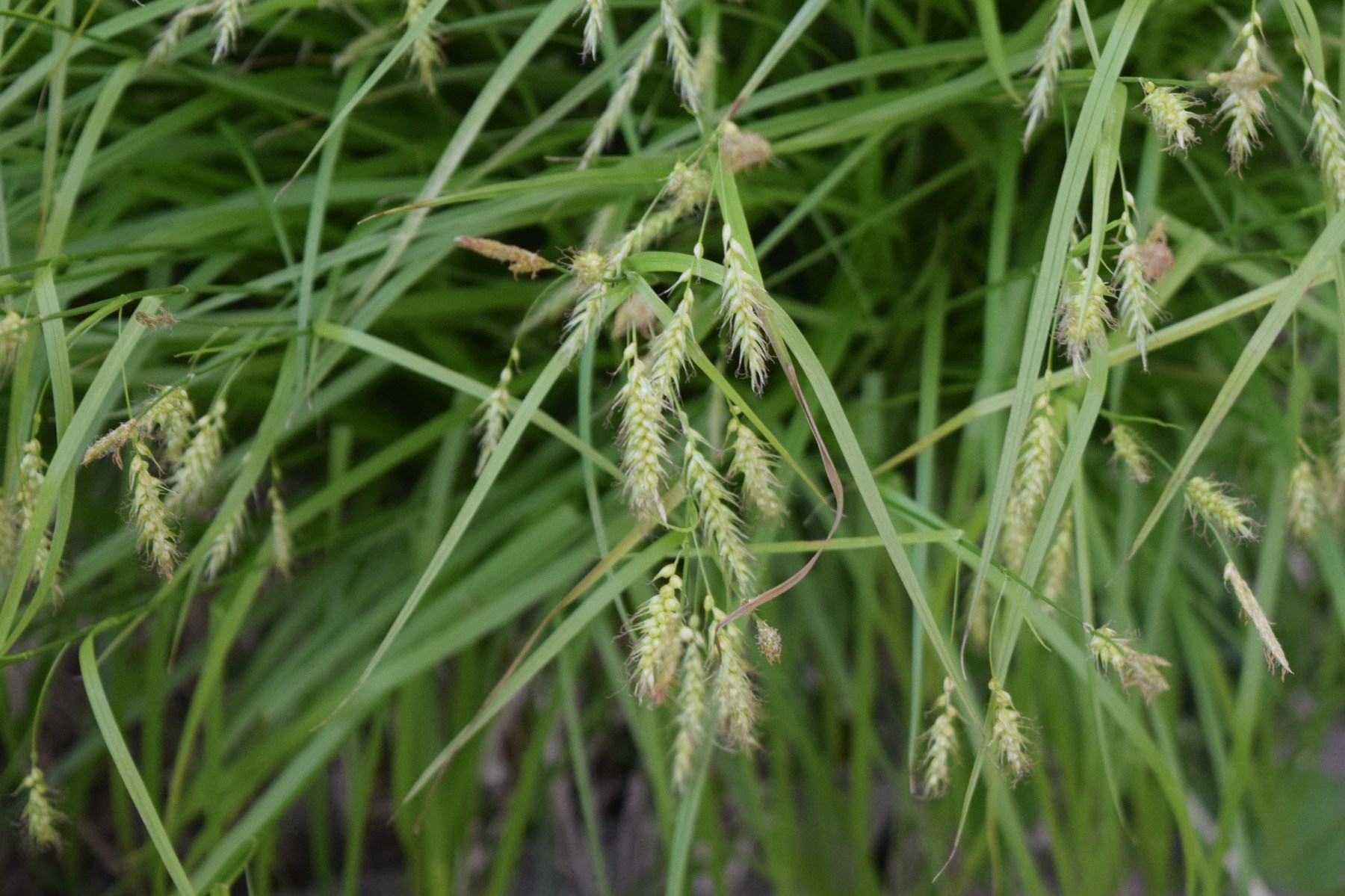
Turns out that Long-Beaked Sedge (Carex sprengelii) has all the qualities I am looking for in a grass-like plant for the shade garden. Some may ask, how is a sedge different from a grass? The short answer is that sedges are like grasses, but different. A longer answer is that Sedges belong to a different …

It’s easy to love the woodland spring ephemeral flowers – the Bluebells, Bloodroots, Bluets, and Trilliums. But what about plants that persist in the shade after the ephemerals are gone?
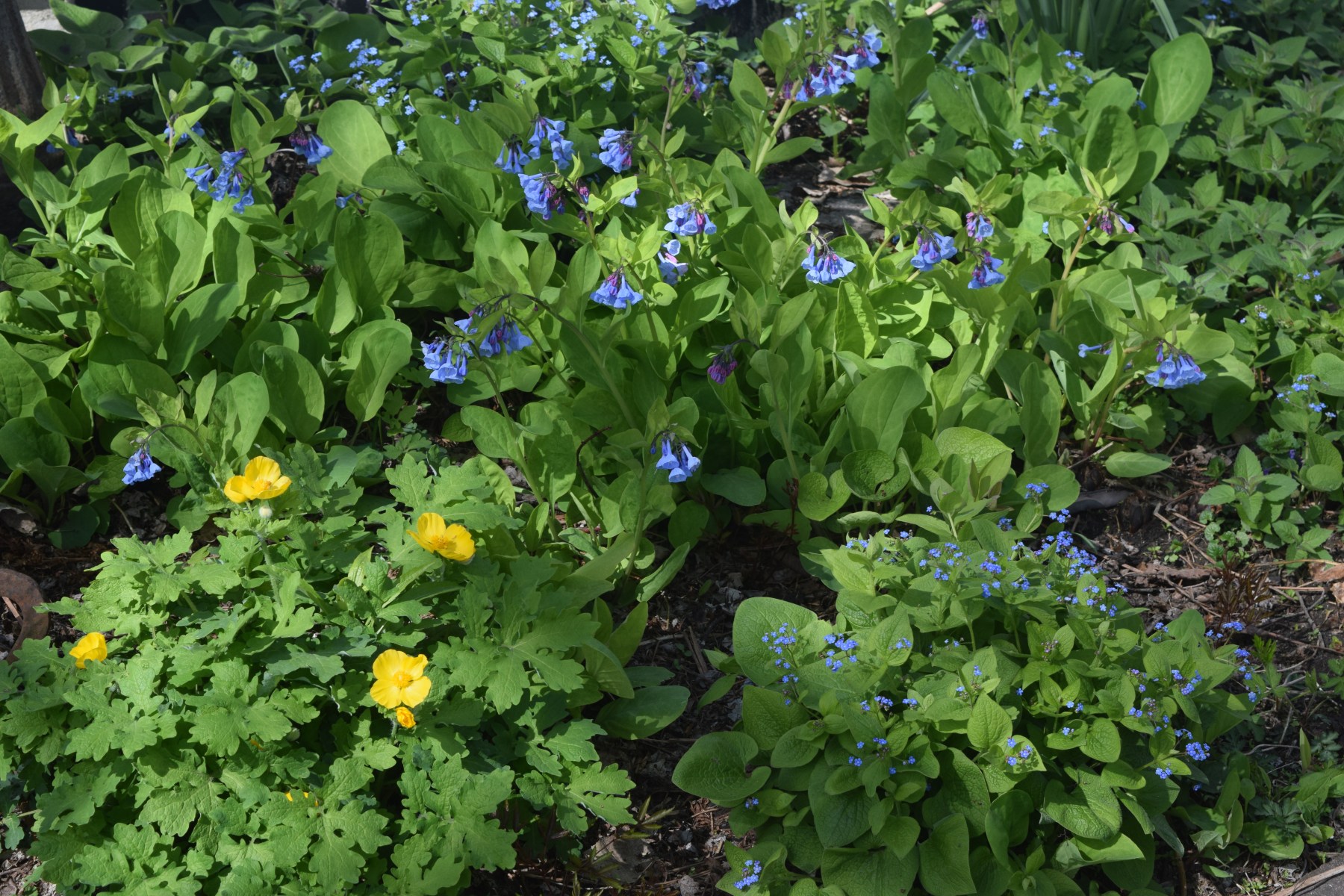
How can you not love Virginia Bluebells (Mertensia virginica)? They are coming into their own in our garden right now. The clusters of soft blue tubular flowers are fantastic, especially combined with the pink and purple buds.

So I thought I was doing a good thing when I planted a purple-leaved Chokecherry (Prunus virginiana ‘Schubert’) in the back garden, and another along the east side of the house. Chokecherry is a small North American tree with great wildlife value. I was looking forward to the flowers, the fruits (small and very sour, …



 gardeninacity