The Longwood Gardens Conservatory is full of rewarding experiences for plant lovers. Like the rest of Longwood, it is so big it’s almost overwhelming. There are 5,500 kinds of plants housed in over four acres under glass. The scale, plants, and design combine to create the feel of an alternative reality.
After experiencing the Flower Garden Walk we found ourselves at the entrance to the Meadow Garden. This included a bridge that traversed the narrow point in Hourglass Lake.
We stopped to admire the reflections of the trees in the still water.
Yesterday Judy and I returned from a visit with our friends Carol and David, who live outside Baltimore. On the last day of our visit Carol drove us the 90 minutes to Longwood Gardens in southeast Pennsylvania.
As we approached the visitor center I noticed some people planting bulbs. This is a sight that always gladdens my heart, though it did make me wonder if we were visiting a bit too late in the year.
Judy and I are visiting friends who live outside Baltimore. Yesterday, they drove us to the Gettysburg National Military Park, about two hours away.
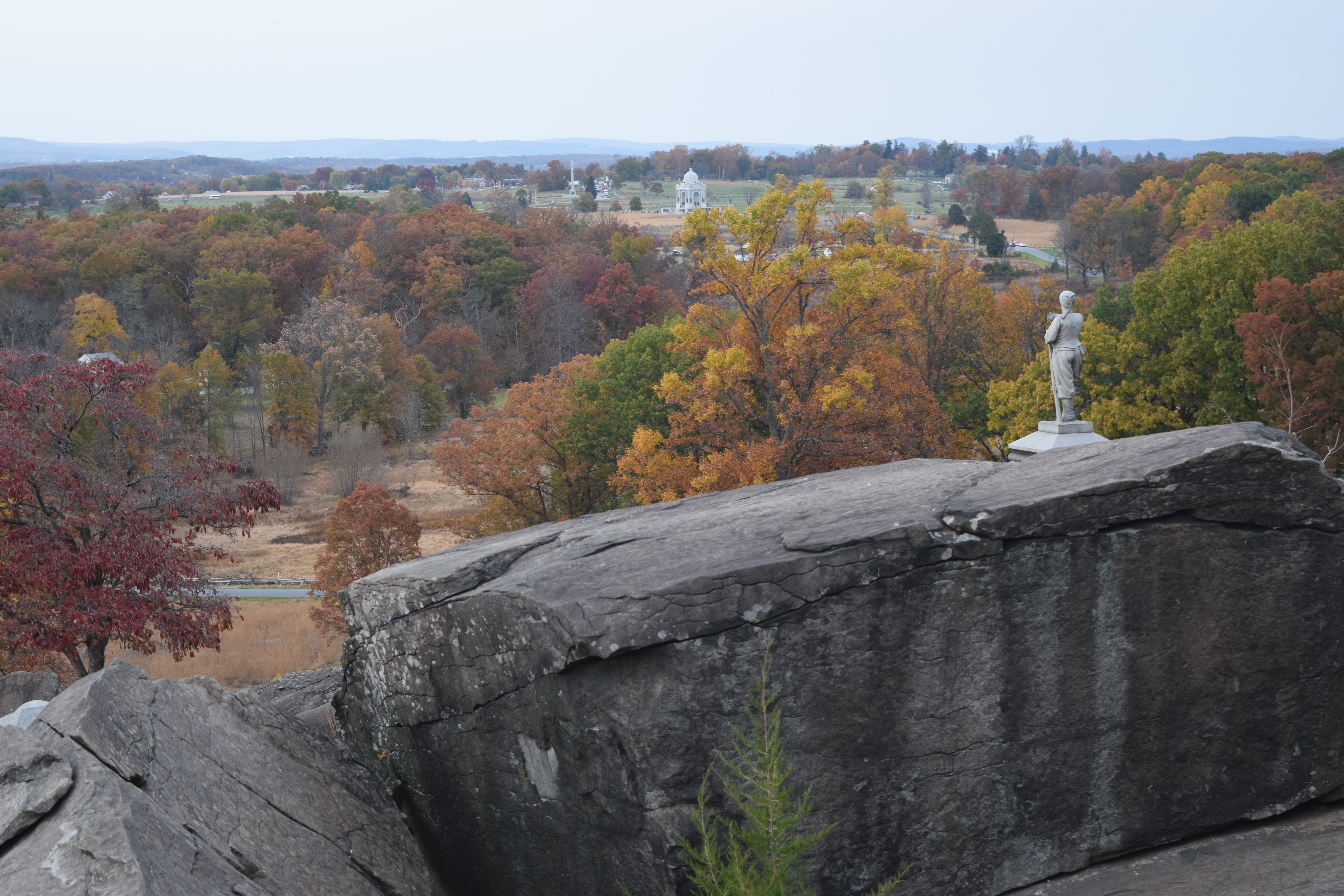
The view from Little Roundtop, at the Gettysburg battlefield.
This is the view from Little Roundtop, where one of the pivotal moments of the battle occurred. The park is quite sprawling, reflecting the large area where the struggle (which involved about 160,000 troops) occurred.
Today we are driving down to Annapolis, Maryland’s state capitol, and tomorrow we’ll visit Longwood Gardens. More when we return.
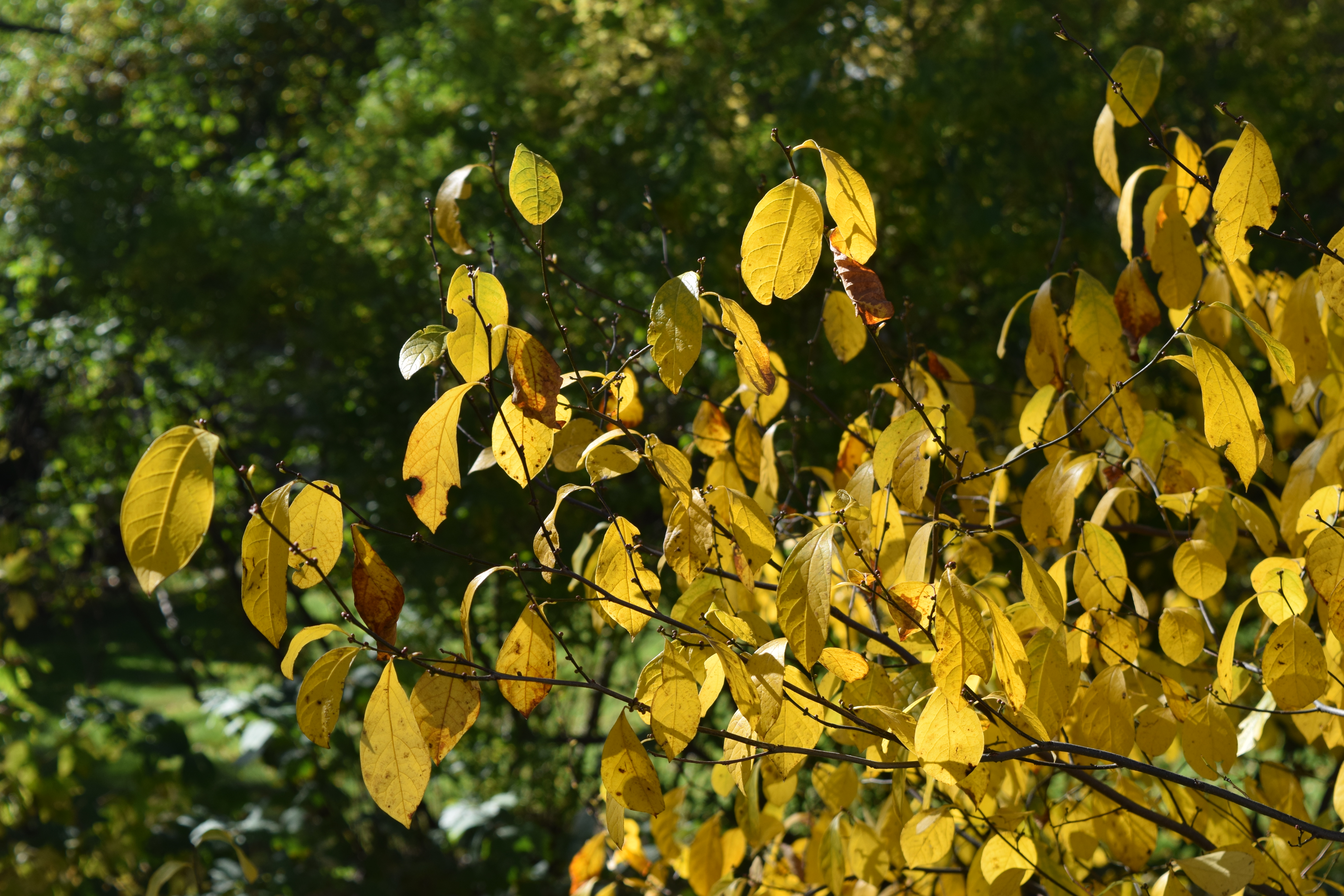
Autumn this year has not been very autumnal. From childhood I associate fall with a raw chill and leafy puddles. This year, however, has been unusually dry and warm, conditions associated with more modest seasonal color.
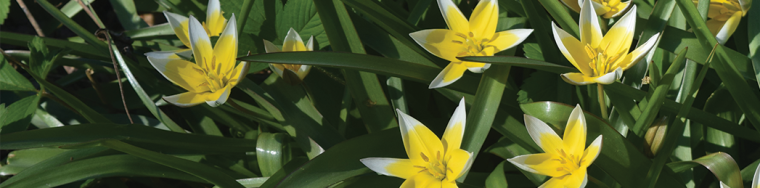
This is my annual post about planting tulips in containers, but with a twist. If you’re tired of reading about growing tulips in containers, I won’t hold it against you. If not, read on.
Over the last few years I have become a container tulip enthusiast.
I love hybrid tulips with bright luscious flowers, but I prefer to plant smaller bulbs (including species tulips) in beds and borders. Larger bulbs can be a nuisance, especially those hybrid tulips that bloom well only for a year or two (experience varies widely on this point, depending on both climate and tulip variety). Broad tulip leaves can get in the way of emerging perennials.
Container tulips blooming last May.
When tulips are done blooming in a container, just pull the foliage and plant the container with summer annuals. The spent bulbs usually go on the compost, though sometimes I will plant them in a new bed.
After viewing the small private gardens of Cabbagetown, Garden Bloggers Fling participants were treated to a more elevated horticultural experience. Which is to say, we visited the green roof at the Hugh Garner Housing Cooperative.
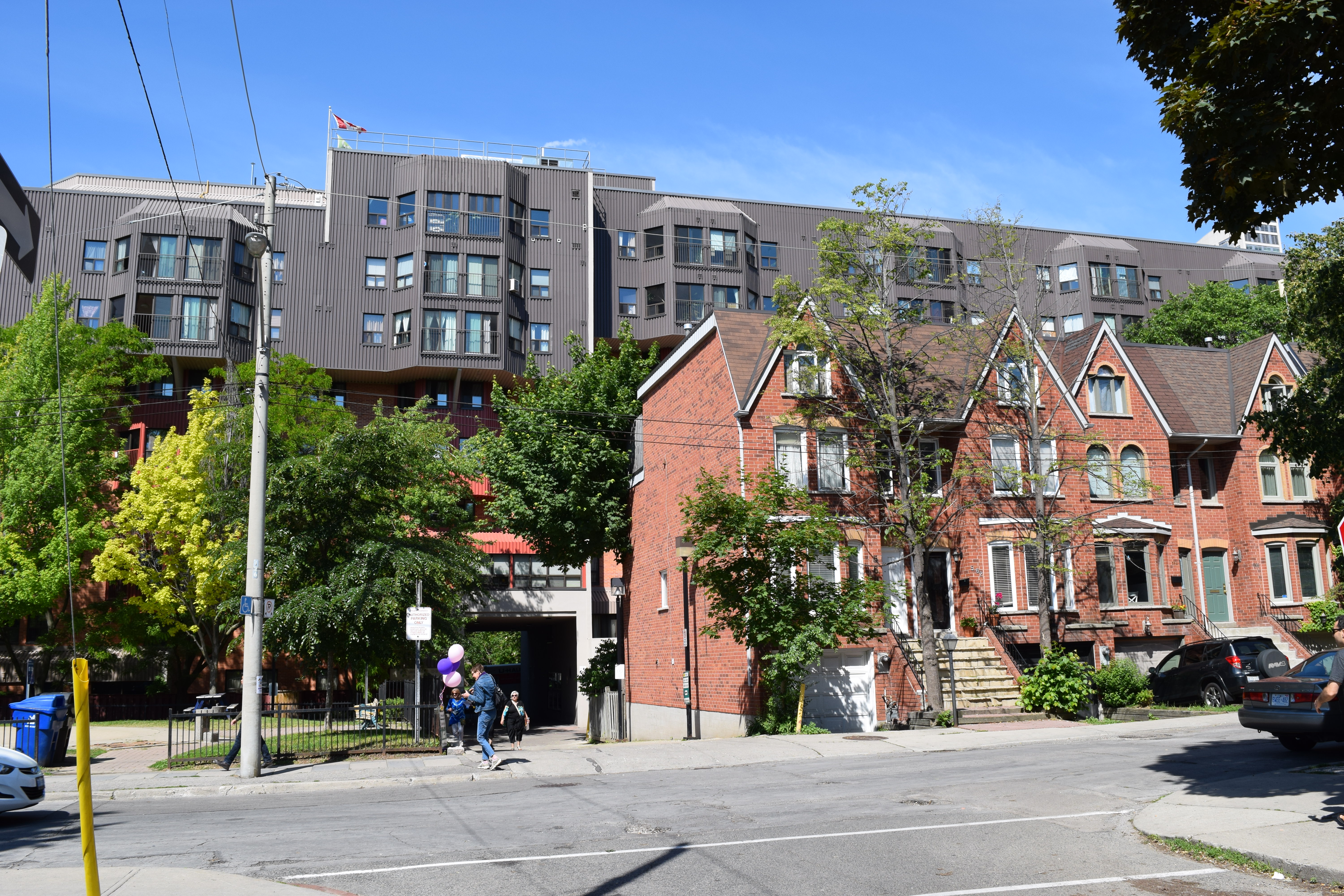
The Coop is a nine story building with 181 apartments. Not as charming as the surrounding red brick rowhouses, perhaps, but a lot more affordable.
It’s the middle of October and the garden is getting drowsy, sliding into its annual decline. In fact I was thinking of calling this post Decline and Fall (get it – fall?), but Judy says I use too many puns.
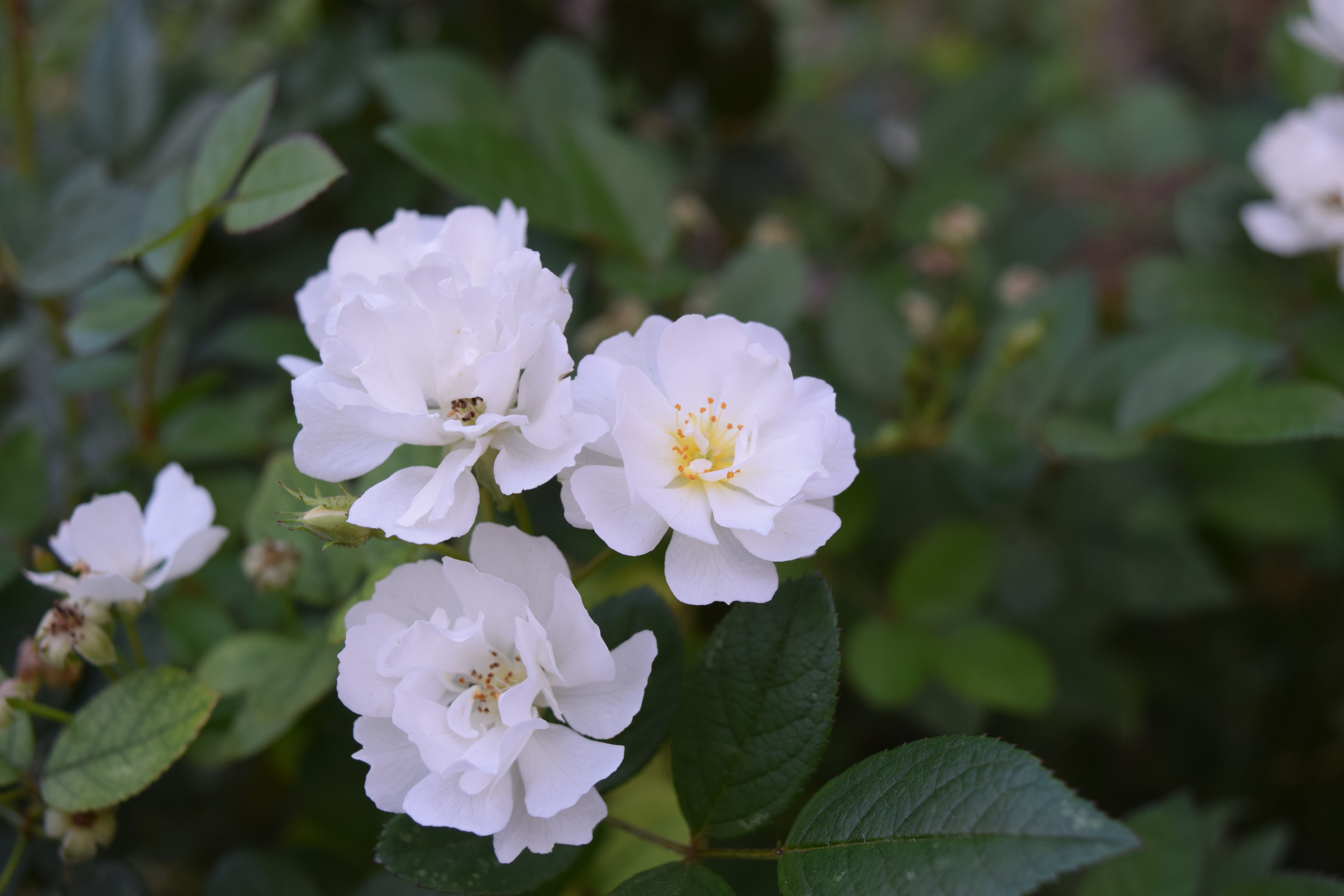
Although, some of the roses are having a late season spurt of energy, particularly our shrub rose ‘Cassie’, which has quite a few flower clusters along with small red hips here and there. The hips don’t really make much of a display, because something eats them before they develop critical mass.
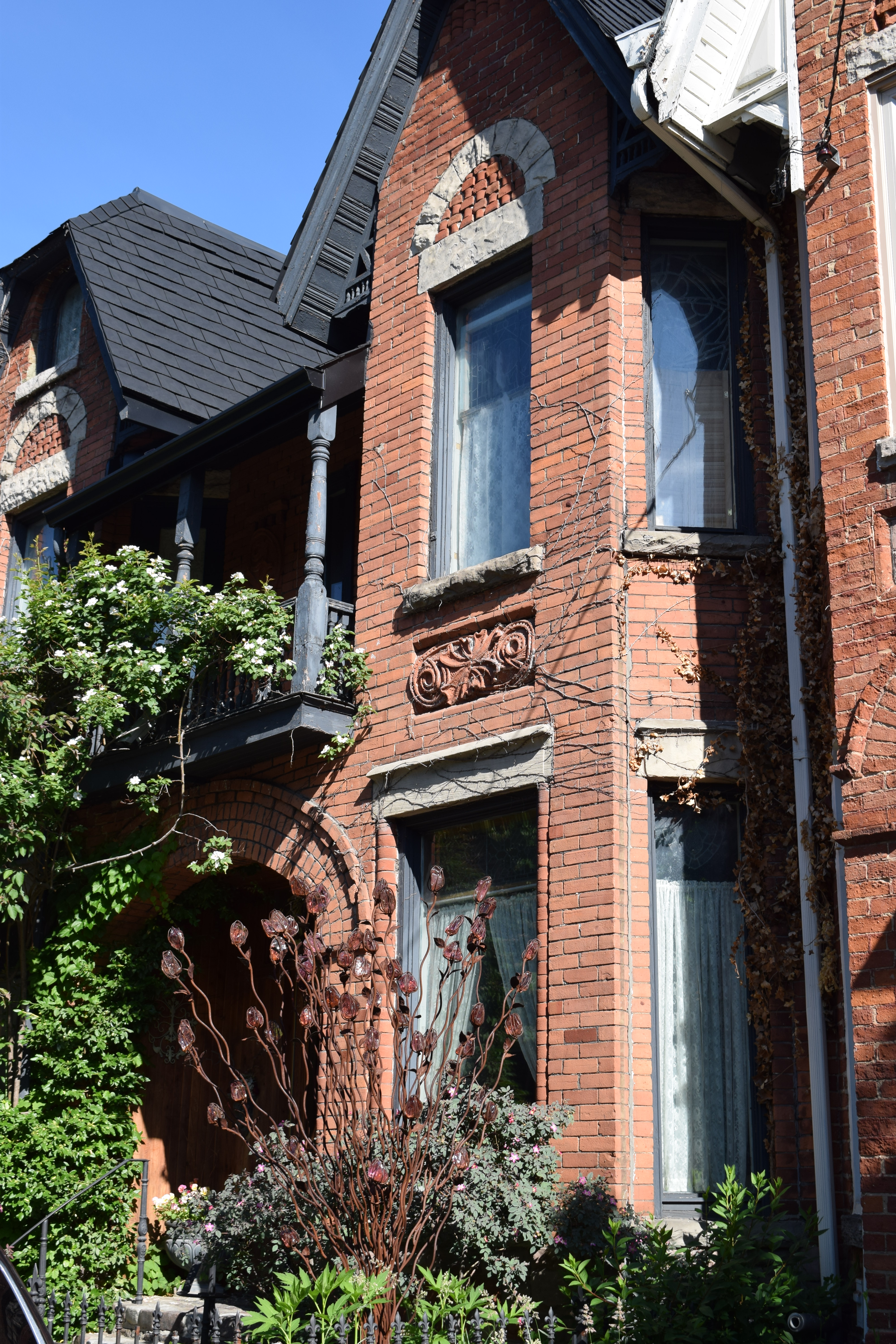
Another memorable experience from the Toronto Garden Bloggers Fling back in June was our tour of Cabbagetown gardens. Cabbagetown is a neighborhood east of downtown Toronto. Originally home to Irish immigrants so poor they grew cabbages in their front yards, the area slid into a long decline before gentrification began in the 1970s.
As is often the case, artists were in the vanguard of that gentrification and they still give the area an informal, offbeat vibe. However, housing prices have apparently gotten so high that struggling artists who are newly arrived should probably look elsewhere for a place to live.










 gardeninacity