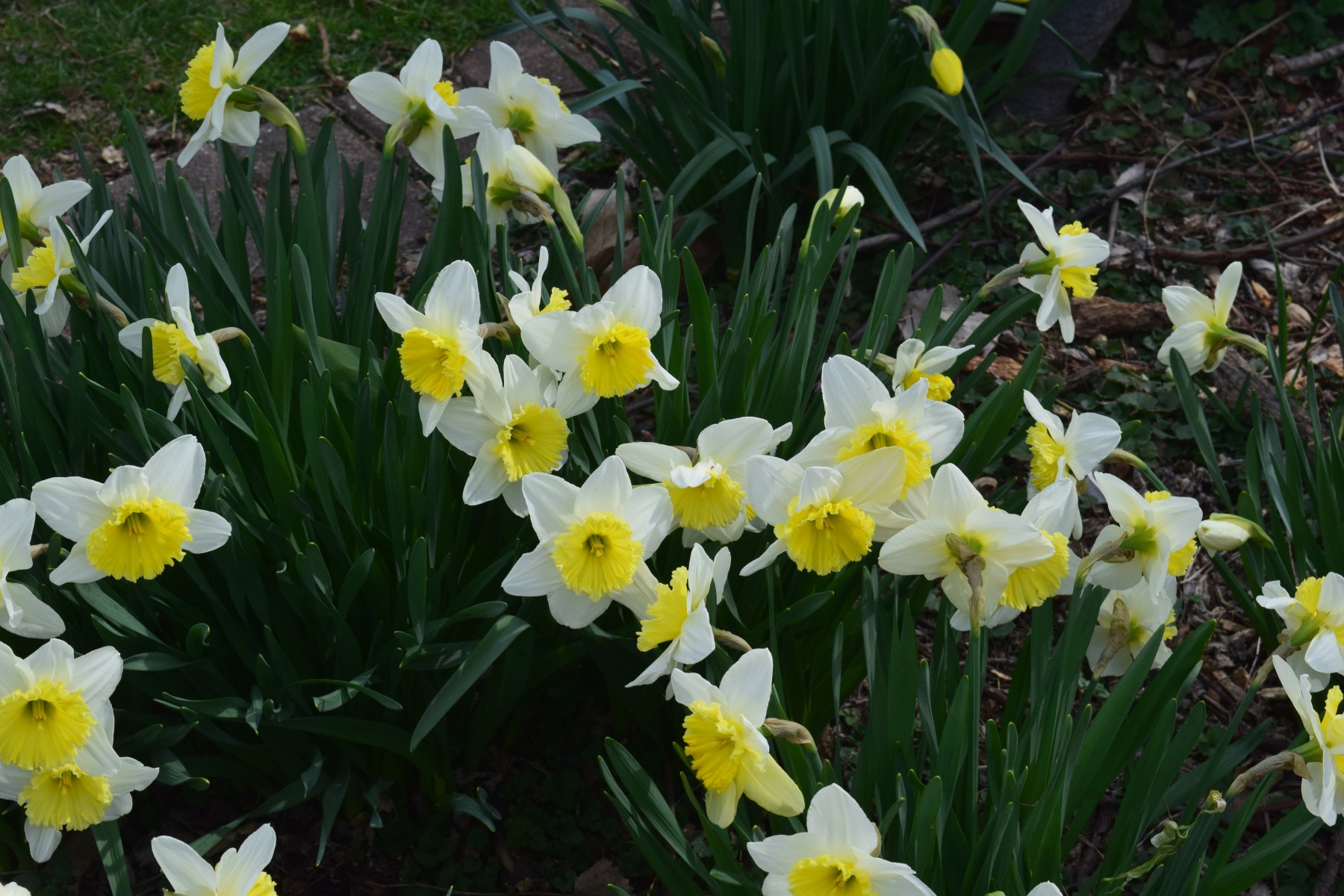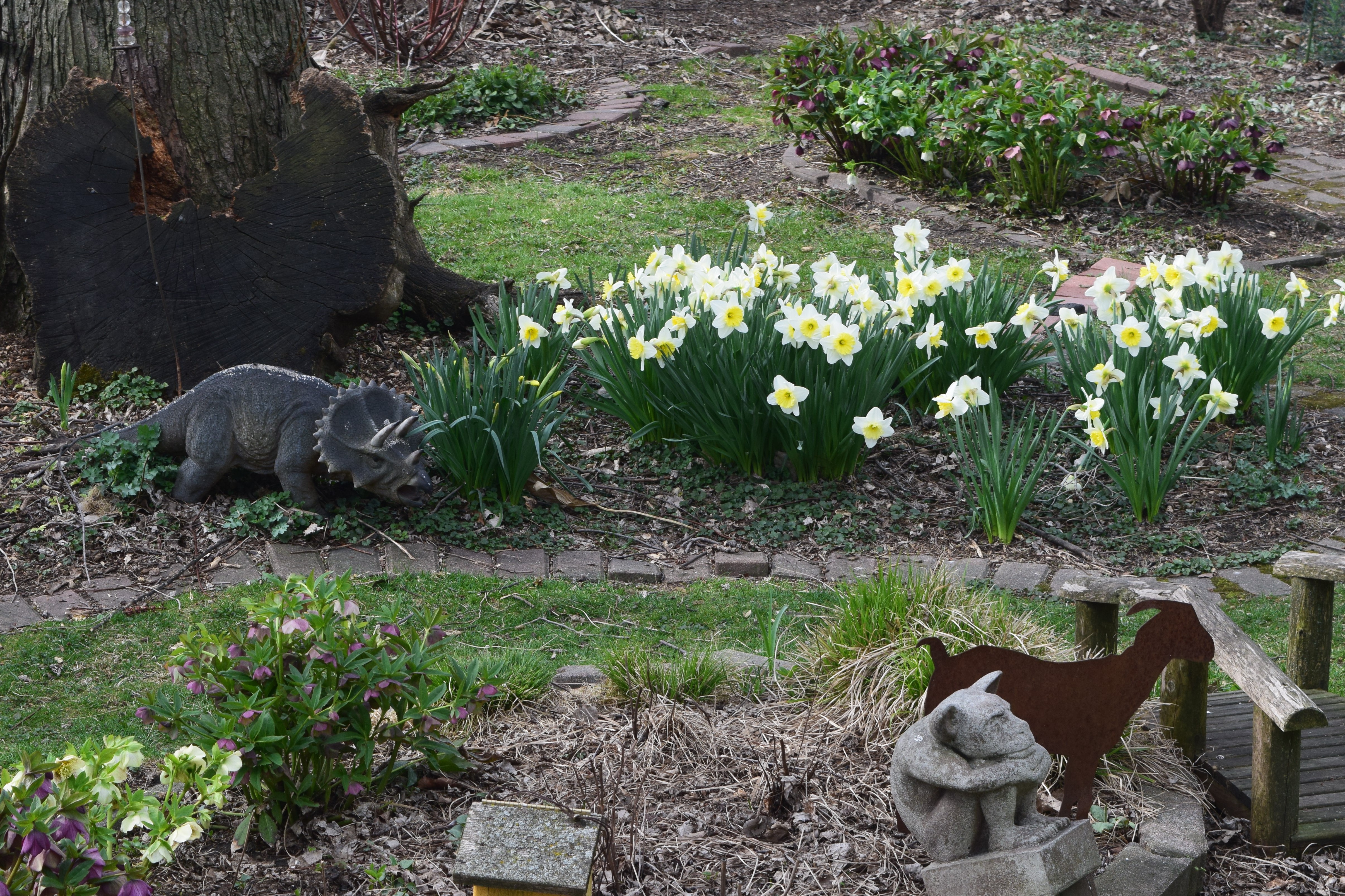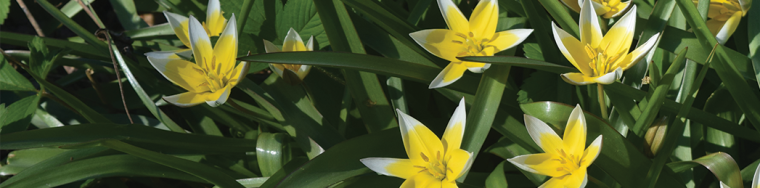
This is going to be a short post because we have our son David his partner Meridith visiting from Minnesota this week. So I just want to show you what I think of as our garden’s first wave of Daffodils.
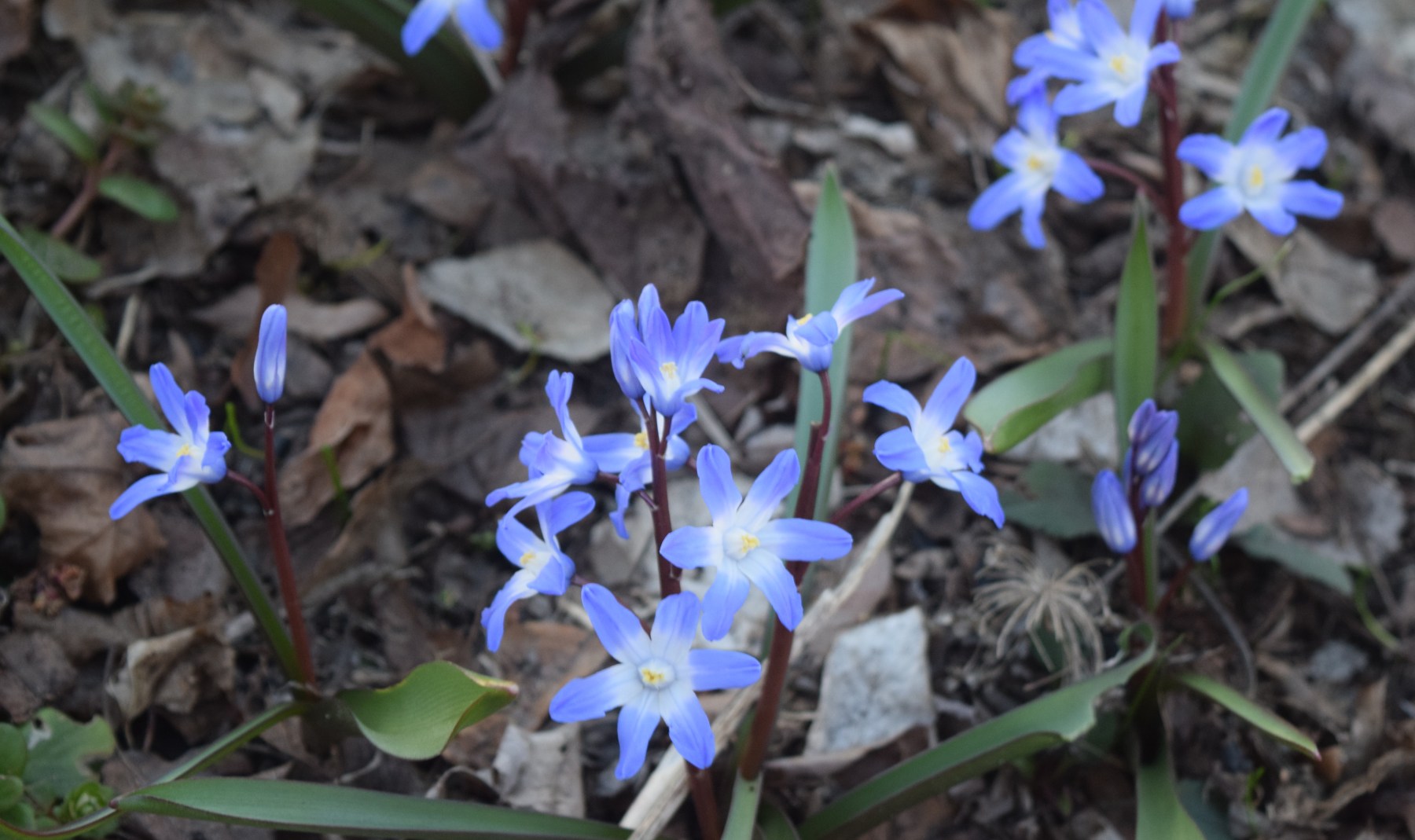
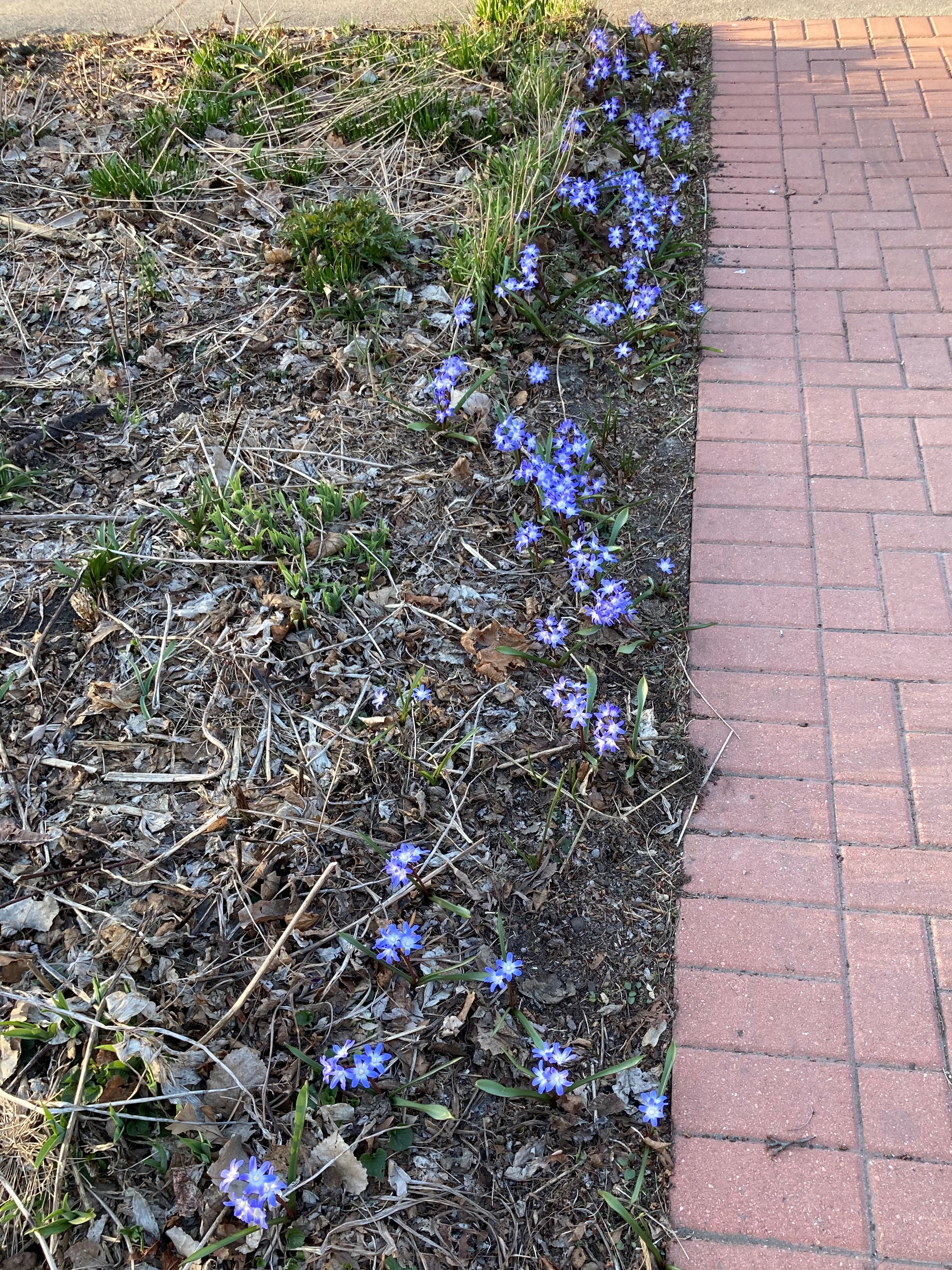
When we put in the new driveway the narrow strip of lawn bordering the Left Bank Bed became even narrower. So naturally, I decided to dig it up. The new garden space was filled, among other things, with Glory-of-the-Snow (Scilla forbesii, formerly Chionodoxa forbesii).
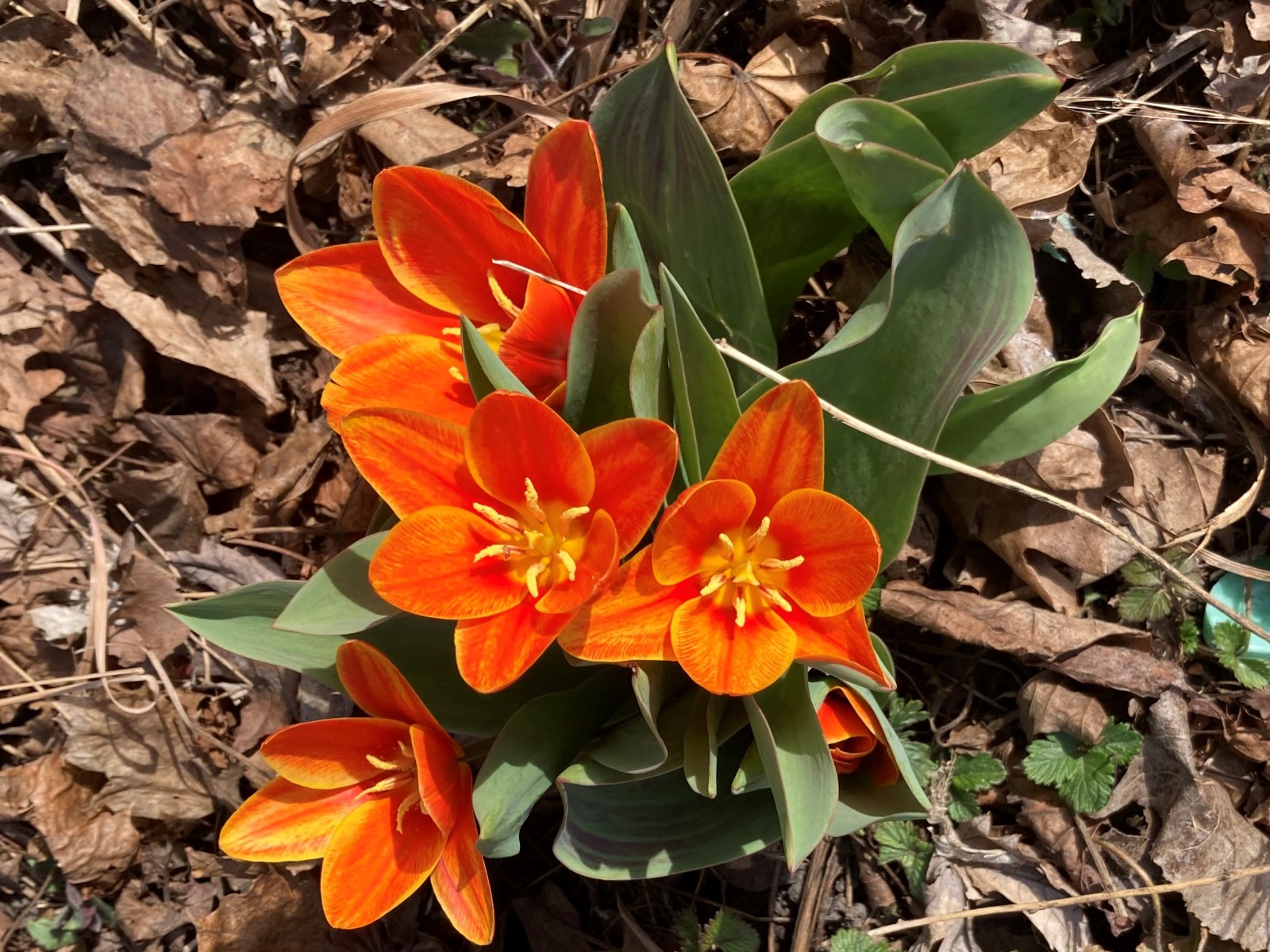
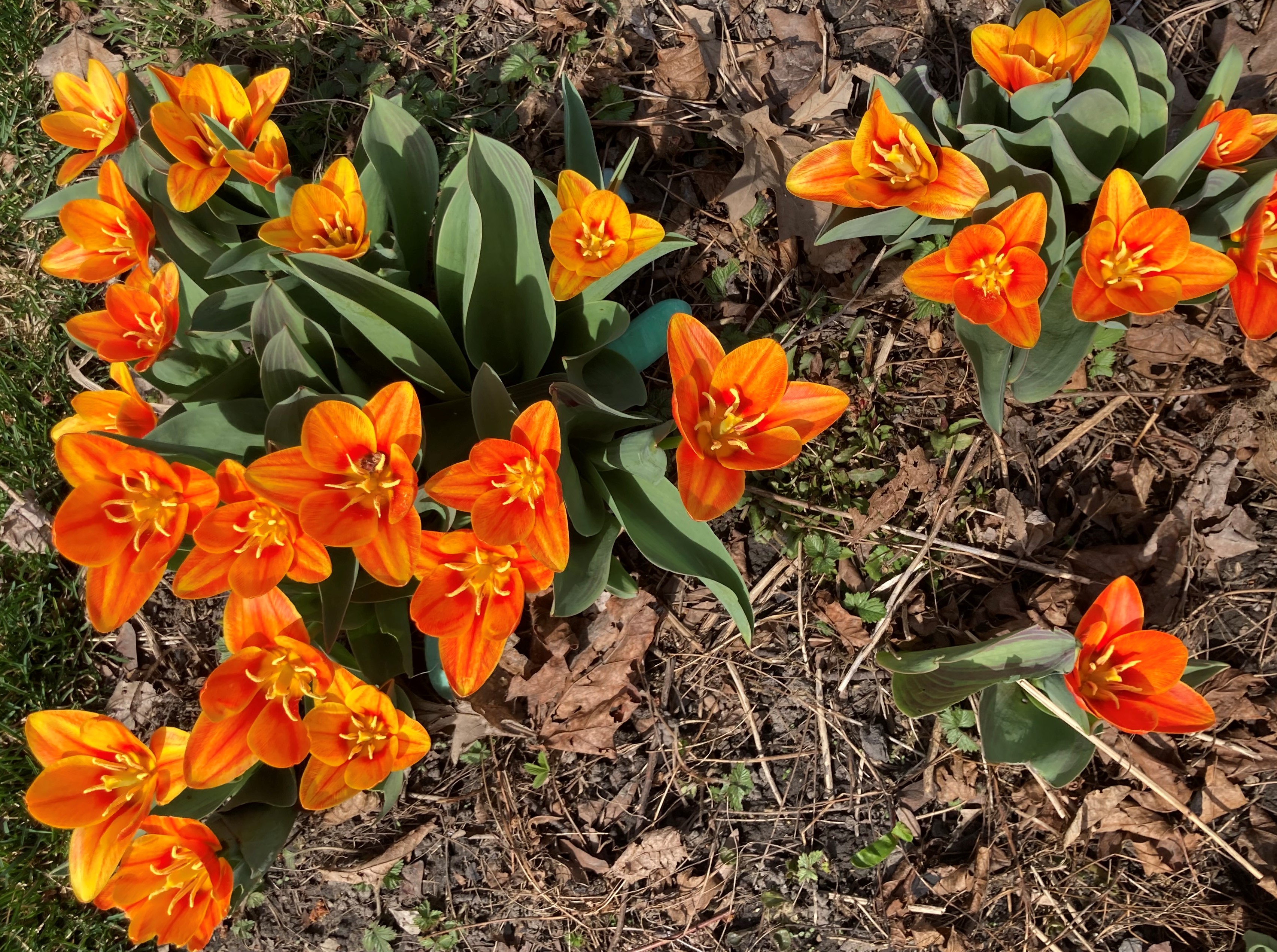
It’s nice that’s it’s officially spring and all, but many of us are asking: when will the Tulips bloom?
If you are thinking about adding Coneflowers (Echinacea sp. and cvs.) to your garden this spring, you might want to look at a recent report put out by the Mt. Cuba Center in Delaware. The Center has done extensive research with an eye to promoting the use of native plant varieties in American home gardens. Their evaluation of several dozen Coneflower species and cultivars is available online. The evaluation, conducted in 2019 and 2020, looked at each plant’s ability to attract pollinators as well as its horticultural performance.
It is now officially spring, snow has melted, buds are budding, and it seems like a good time for an overview of recent developments.
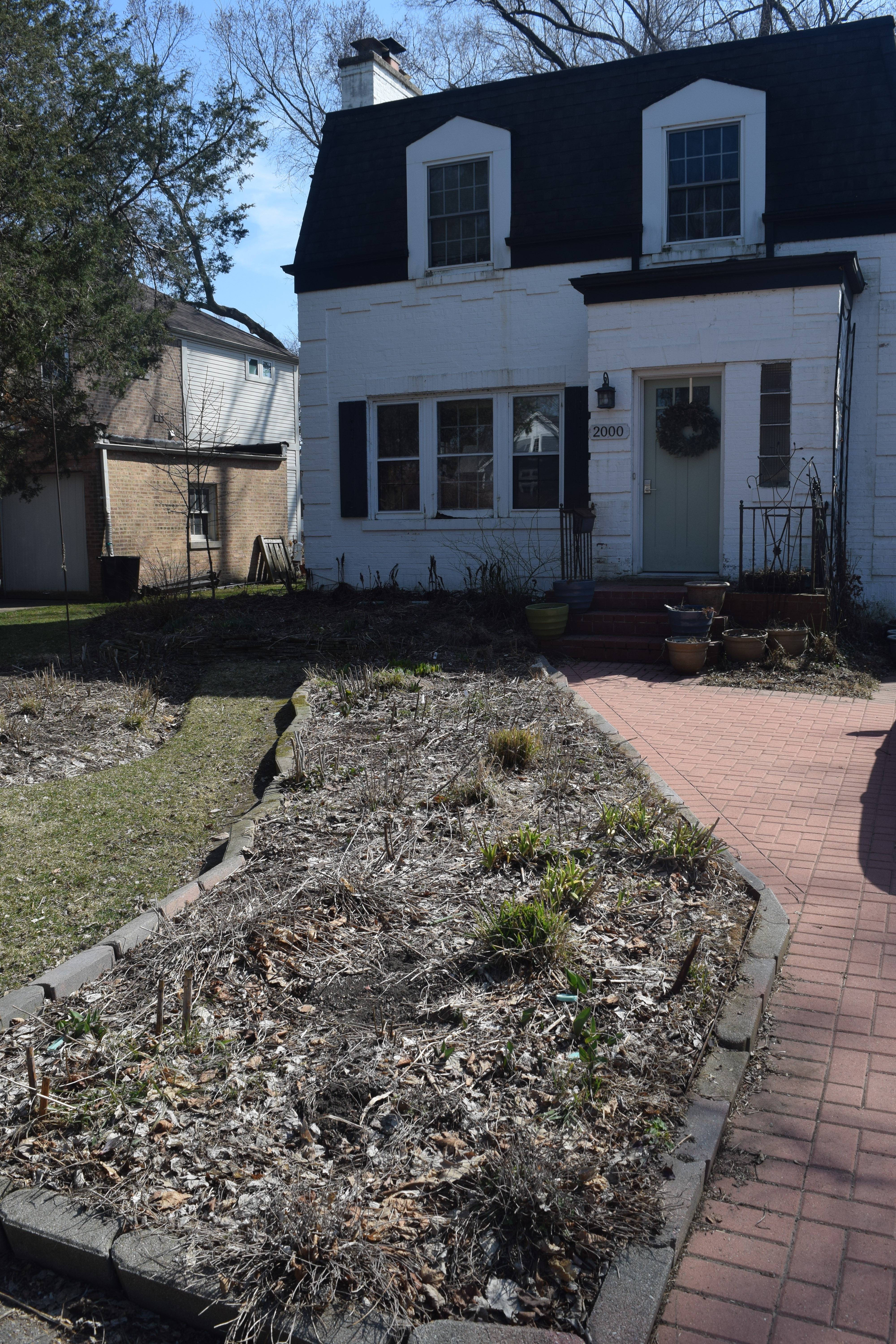
So most of the garden still looks like this, but there are green bits emerging and even a few flowers.
Last week Judy had to go downtown to get her second COVID shot (yay!) and while there decided to visit the Lurie Garden. What she found was a bit concerning, especially when combined with other developments at Lurie over the past several months.
It appeared that no attempt had been made to start the spring clean up, though Crocuses and Snowdrops had started to bloom. Normally, a small tractor is used to cut back the grasses and other stems in this 2.5 acre garden. This is done while the ground is still frozen in order to reduce soil compaction and damage to plant crowns and early foliage. Also, it needs to be done early enough to showcase the Lurie’s magnificent bulb display, which features tens of thousands of spring blooms.
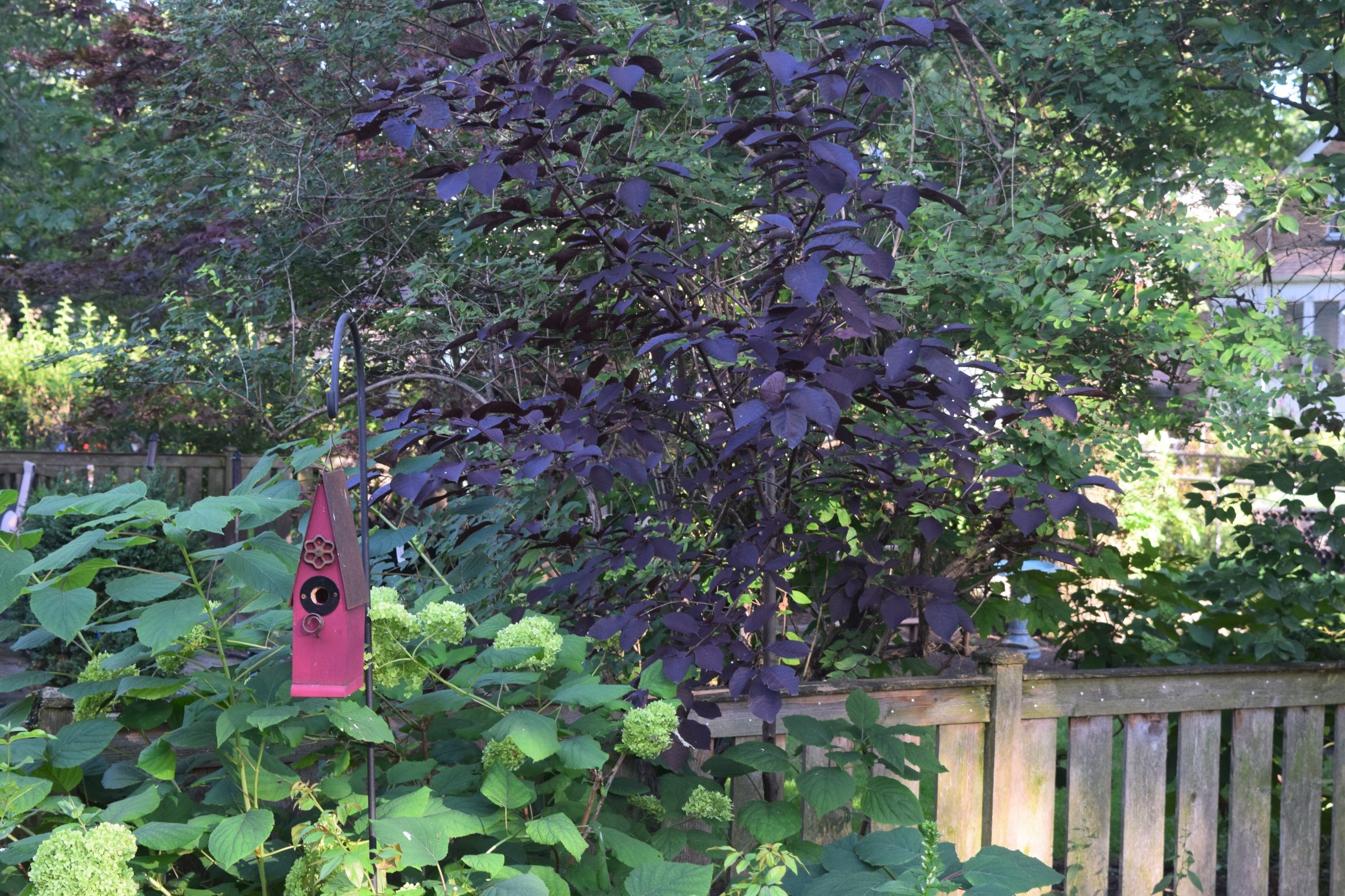
So I thought I was doing a good thing when I planted a purple-leaved Chokecherry (Prunus virginiana ‘Schubert’) in the back garden, and another along the east side of the house. Chokecherry is a small North American tree with great wildlife value. I was looking forward to the flowers, the fruits (small and very sour, but popular with birds), and the butterfly larvae (Chokecherry is a larval host for many butterflies and moths).
The snow is gone! And the weather has been warm enough that I’ve been out in the garden the last couple days, actually doing garden chores. It feels like I have been sprung from prison.
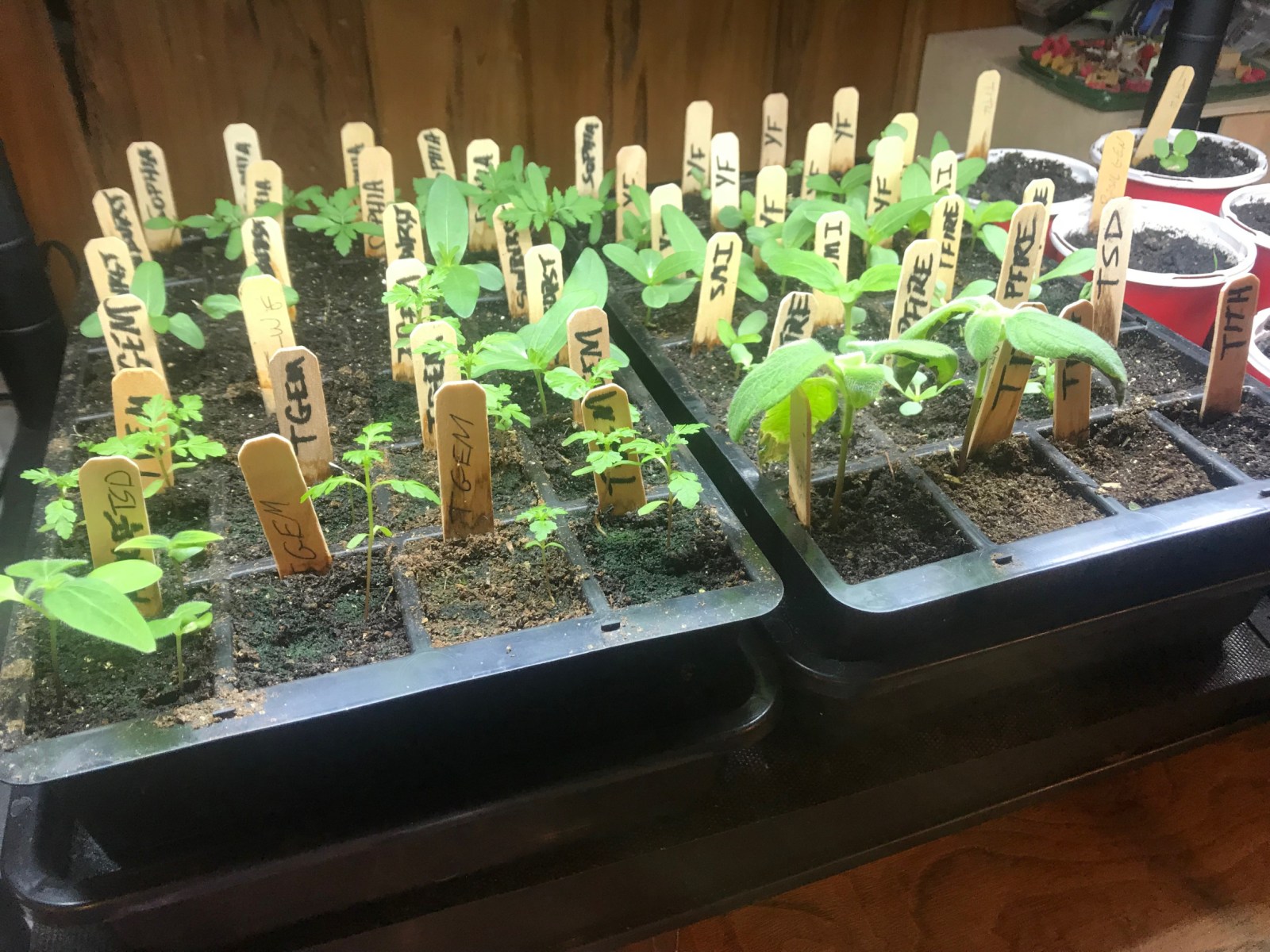
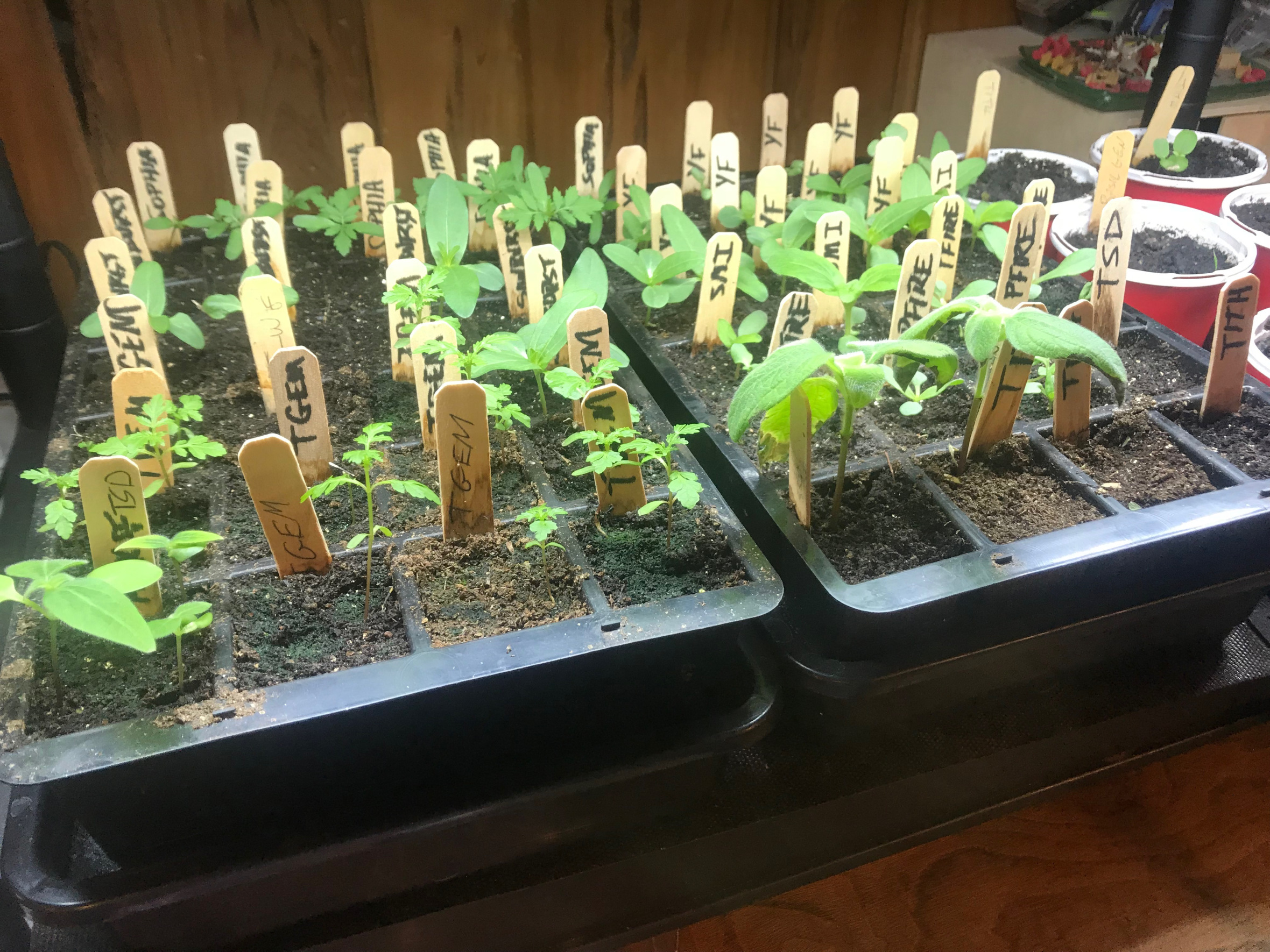
Snow is melting, patches of bare ground expanding, and gardeners are chomping at the bit to get started with the growing season. For some of us, that means starting seeds indoors.
I am a newcomer to seedstarting, but I won’t let that stop me from sharing the benefit of my (very limited) experience. Which is this: when it comes to tender and many other annuals, patience pays.
While we are waiting for the snow to finish melting, maybe now is a good time to tell you about our cats.

We got our two cats, Molly and Walter, last August. They were part of a litter being fostered by our friend Joanna for a local cat shelter.