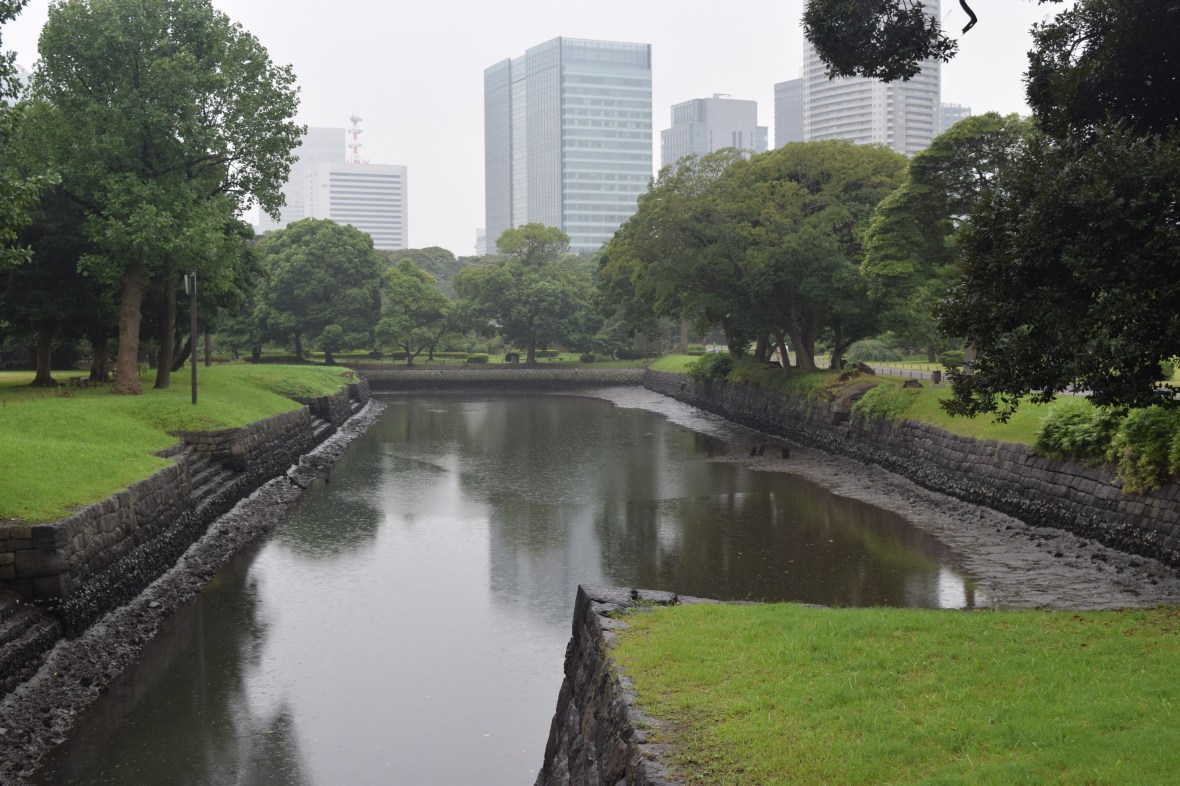
Our first day in Tokyo this past September, Judy and I visited Hama Rikyu Garden. Some four hundred years ago this garden consisted of a shallow pond and marshland used by feudal lords for duck hunting. Today, however, it is surrounded by the skyscrapers of downtown Tokyo.
So this will be my last post about the 2017 Garden Bloggers’ Fling, and it seems right and proper to end with one of the very best of the many fine gardens we visited.
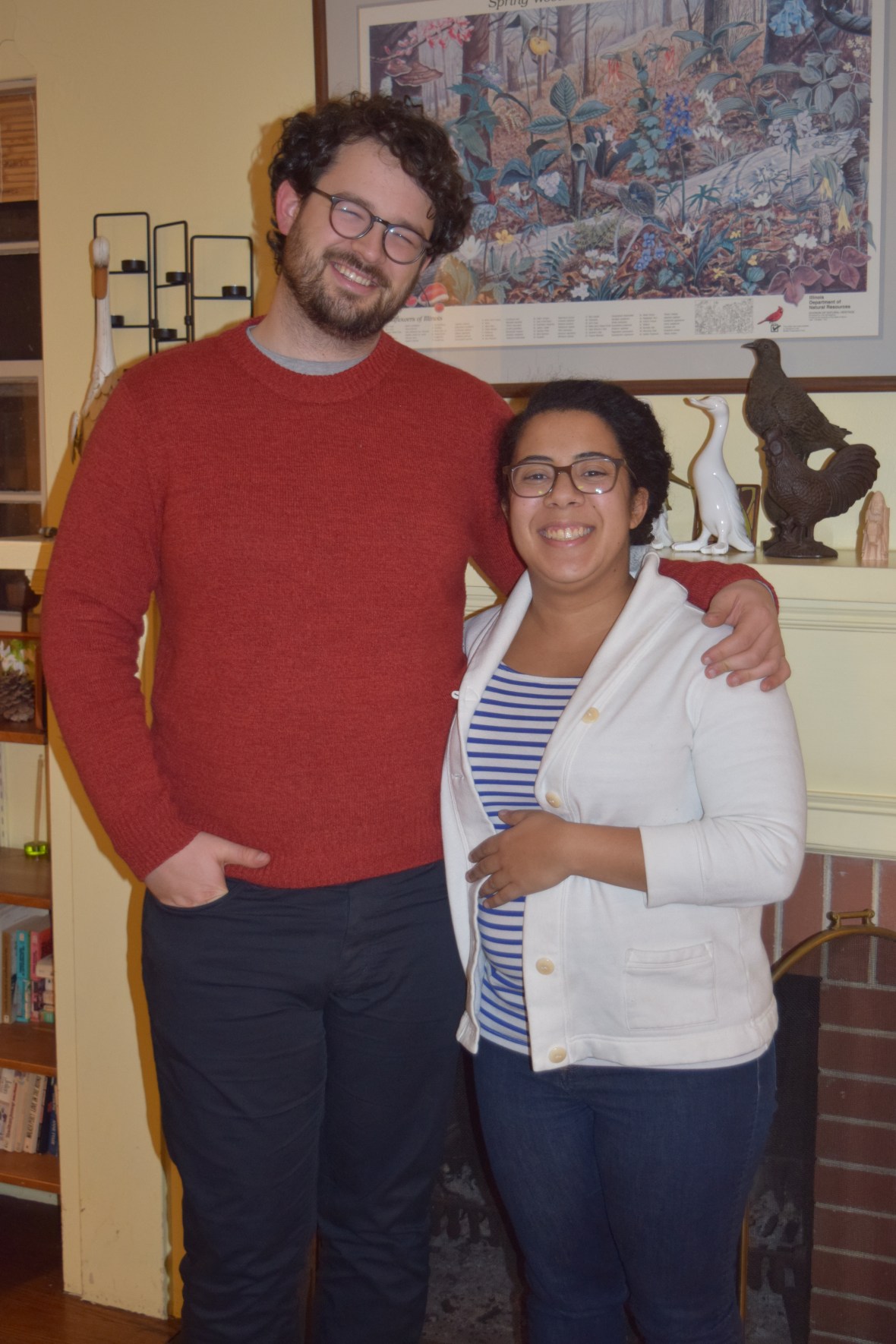
So on Friday night our older son Daniel called and said he wanted to drop by around 9 pm. This was a bit mysterious, and Judy and I figured that either he had been diagnosed with some serious illness or he was getting married. I’m delighted to say it was the latter.
Daniel and Beckee have proven that differences in height do not have to be a barrier to love.
He’s been with his fiancee Beckee for about two years. An attorney and ex-cheerleader, Becky is intelligent, warm, accomplished, and enthusiastic. She shares Daniel’s values and interests. Judy and I quickly became so comfortable with her that she seemed like one of the family. And now, she will be.
There’s a lot less to do in the garden these days, so I’m thinking more about what I’ll be planting in the spring. I would say these thoughts are about plants that fall into two categories. First, there are plants that are needed to fill some empty niche in the garden. And second, there are plants I just want despite the fact that I have no place to put them.
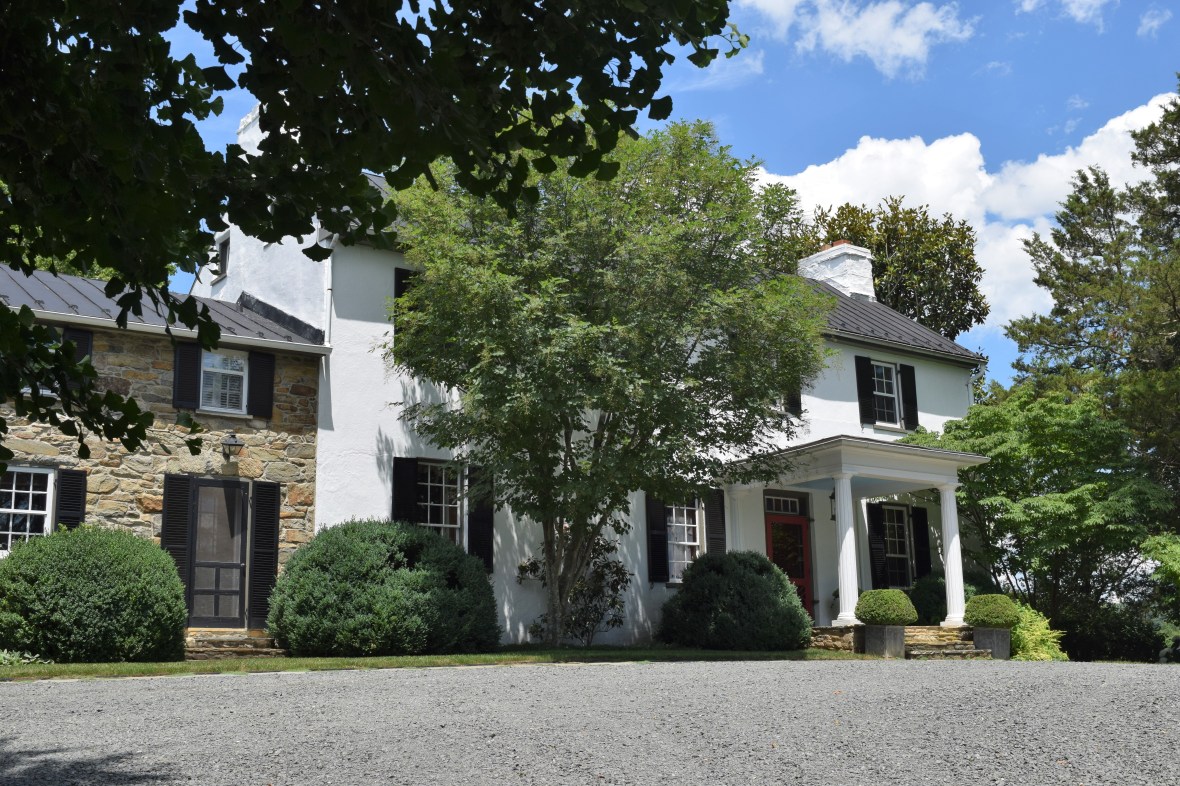
On the last day of the 2017 Garden Bloggers Fling, we visited the garden of Fling organizer extraordinaire Tammy Schmitt, author of the blog Casa Mariposa.
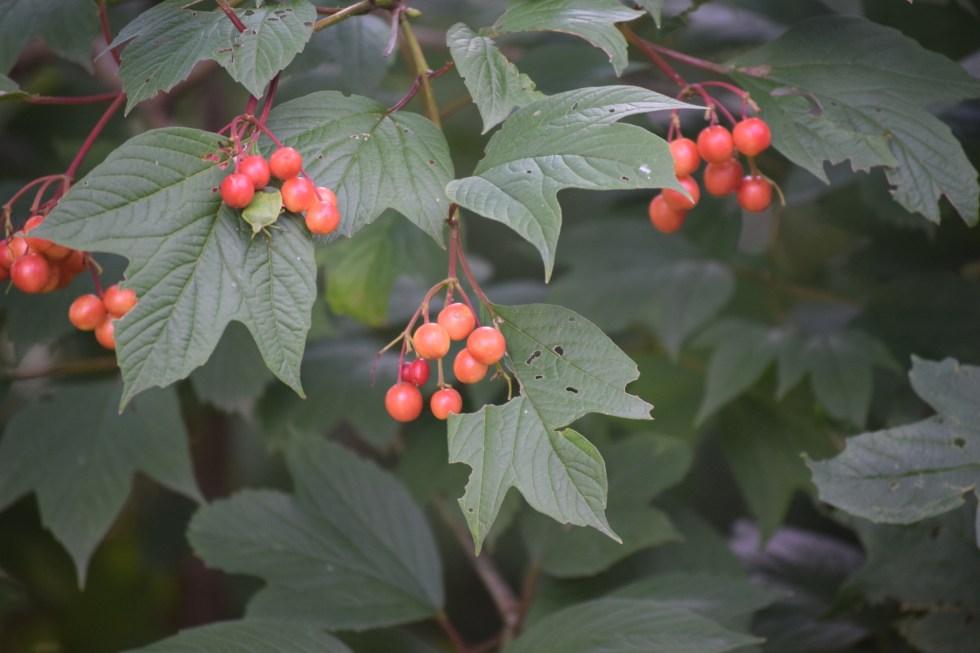
I’m thinking about getting rid of some shrubs. For starters, there’s the 3 Cranberrybush Viburnum (Viburnum trilobum) that I planted along the west side of the Back Garden.
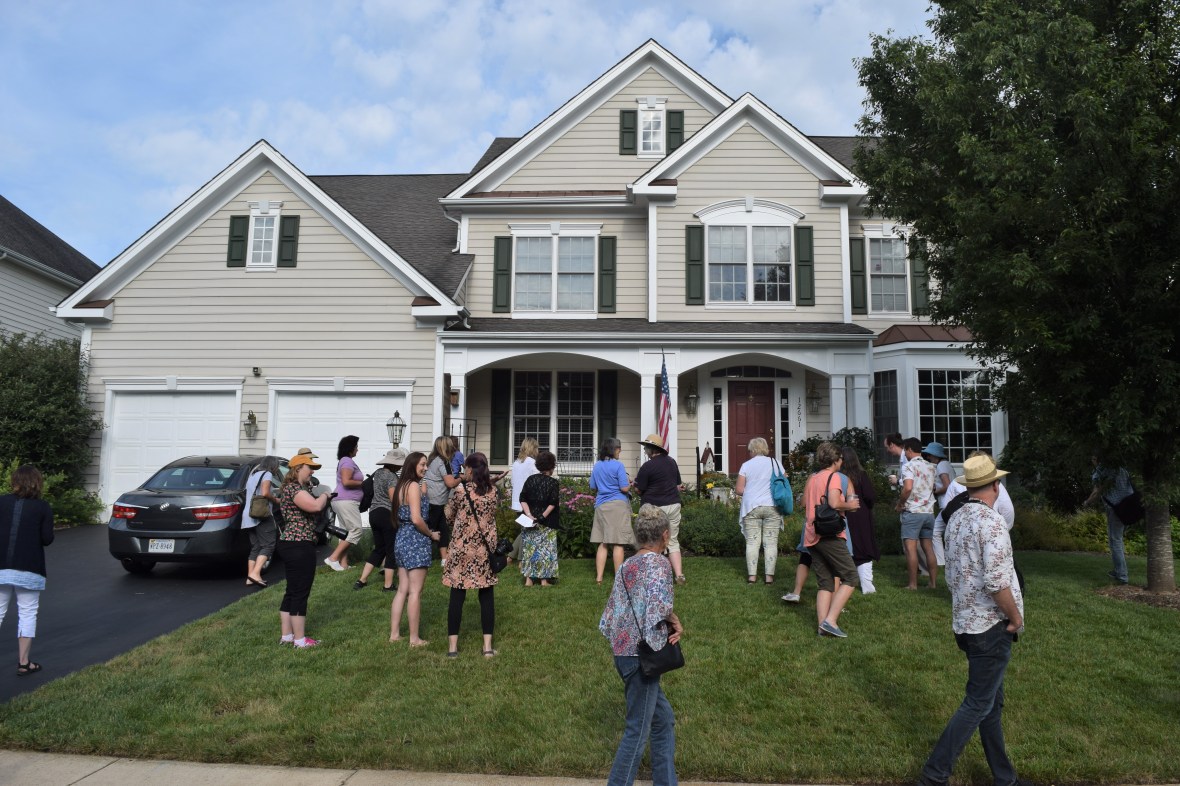
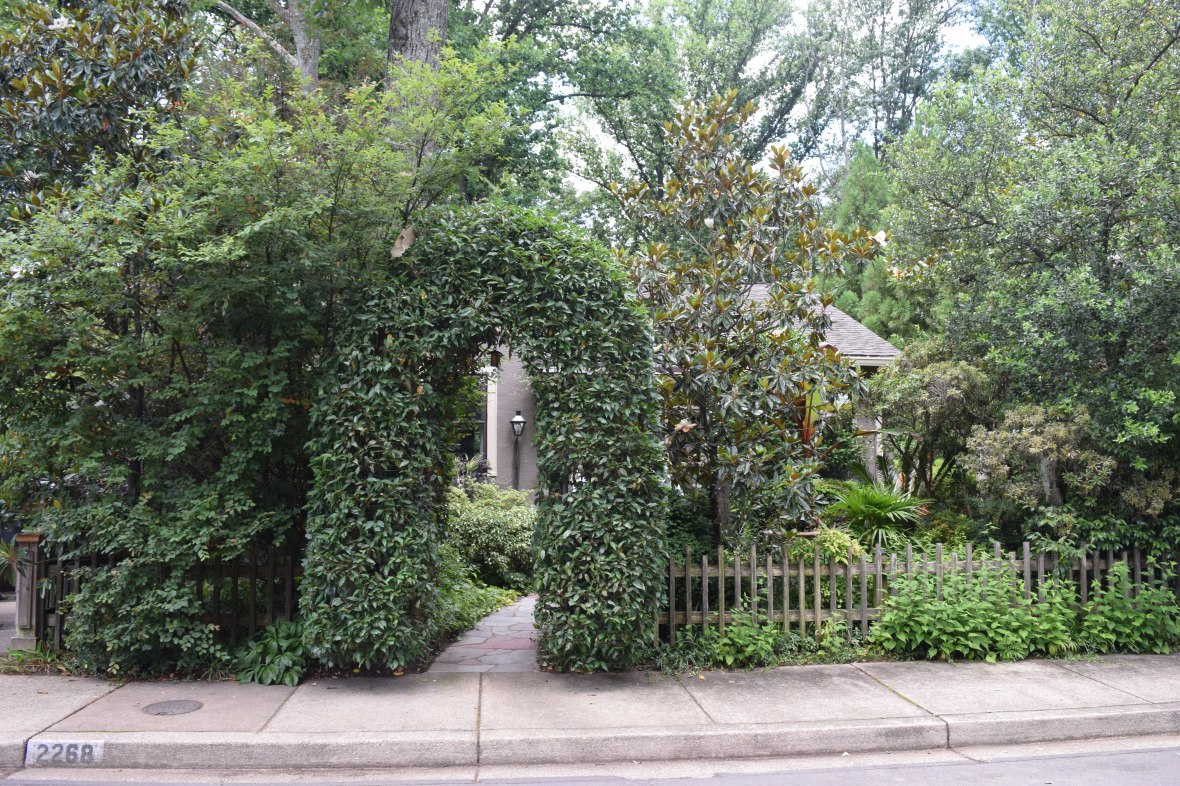
Now for some more gardens from the Garden Bloggers Fling back in June. Lets look at a couple of smaller gardens in the Washington, DC suburb of Arlington Virginia.
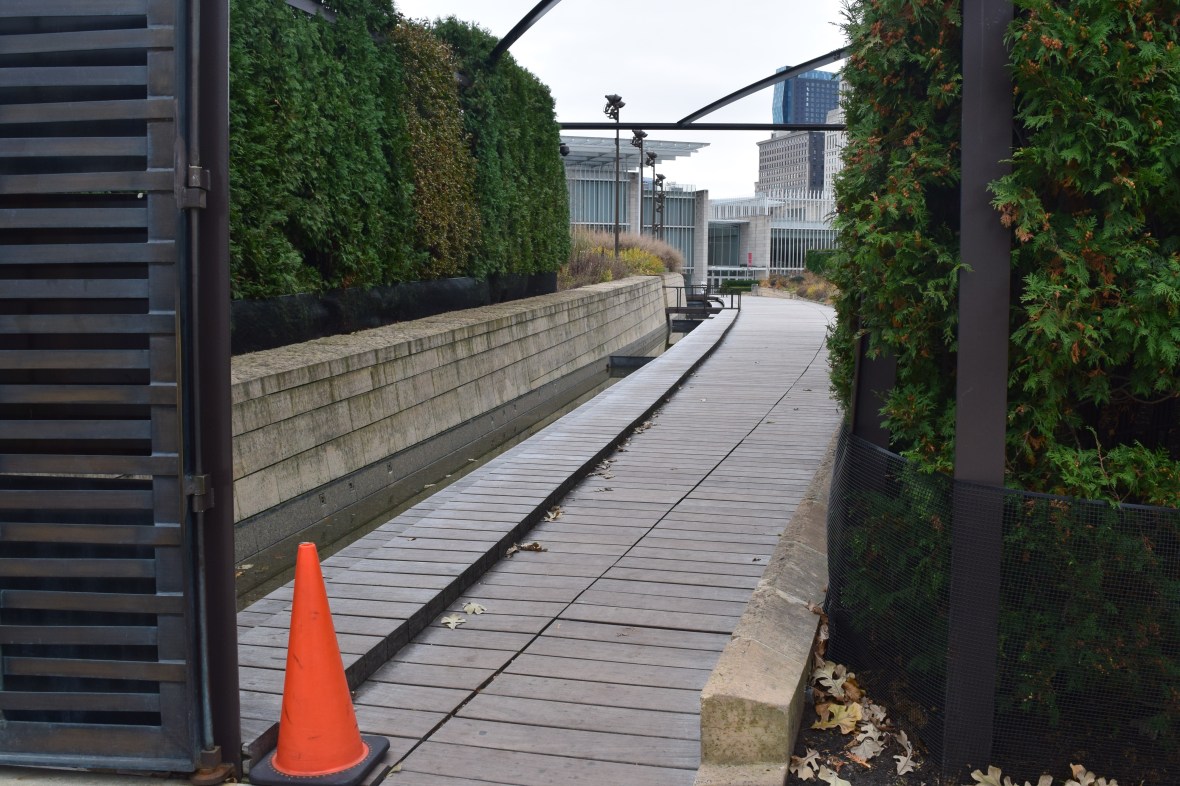
Time for another installment in my monthly series on Chicago’s Lurie Garden. By November, the flowers have pretty much vanished, and yet there is still plenty of color.
The sky was grey and overcast on the day I brought the camera downtown, which was a little disappointing. On the other hand, November tends to be a gray and overcast month, so perhaps the weather was fitting. If the day were sunny with blue skies, it just wouldn’t look like November.












 gardeninacity