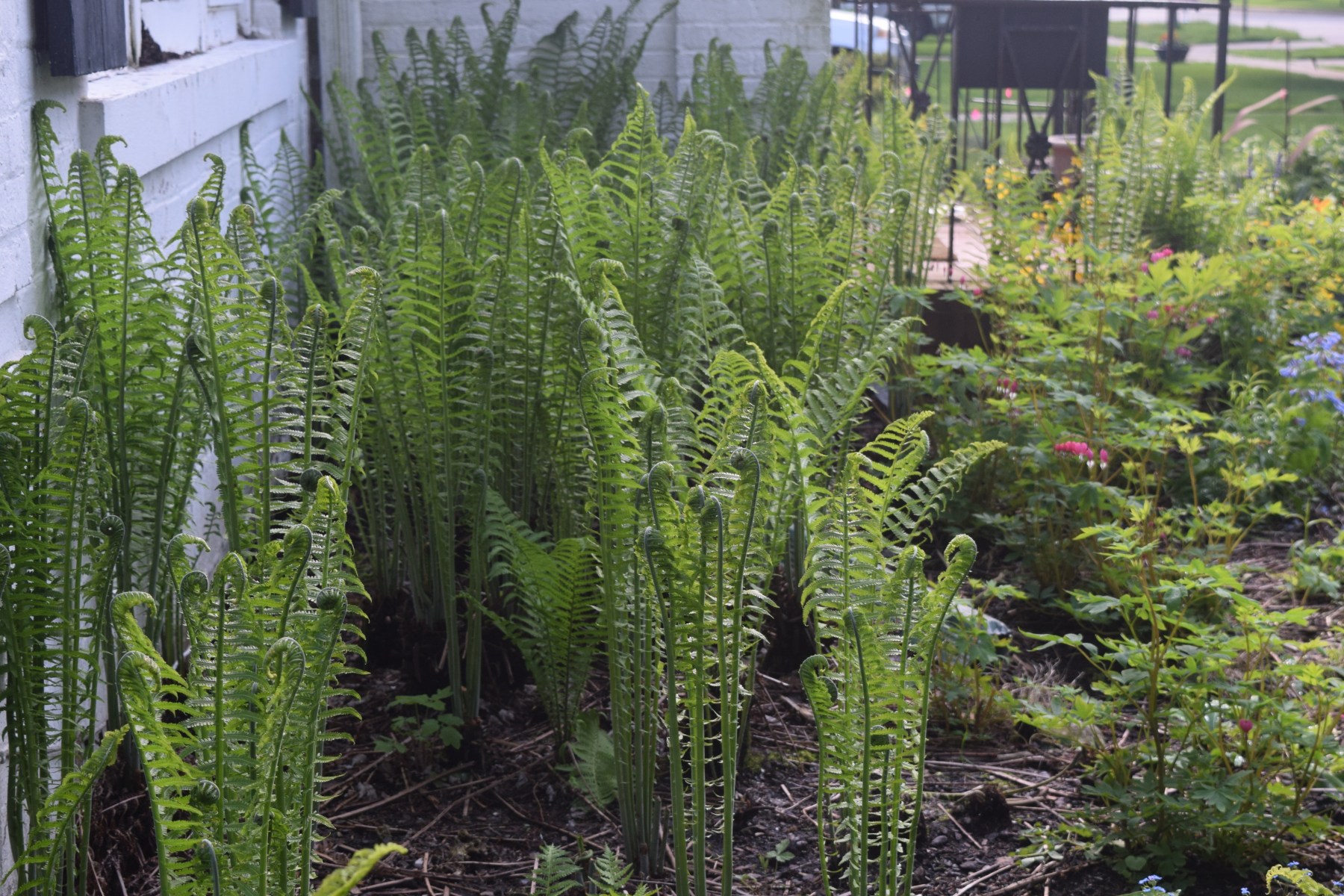
When we moved into our current house, the front foundation planting consisted of clipped Japanese Yews (Taxus cuspidata). One of the first things I did was cut down the Yews and replace them with a planting of Ostrich Ferns (Matteuccia struthiopteris) and various shade perennials.
gardeninacity
Notes from a wildlife-friendly cottage garden
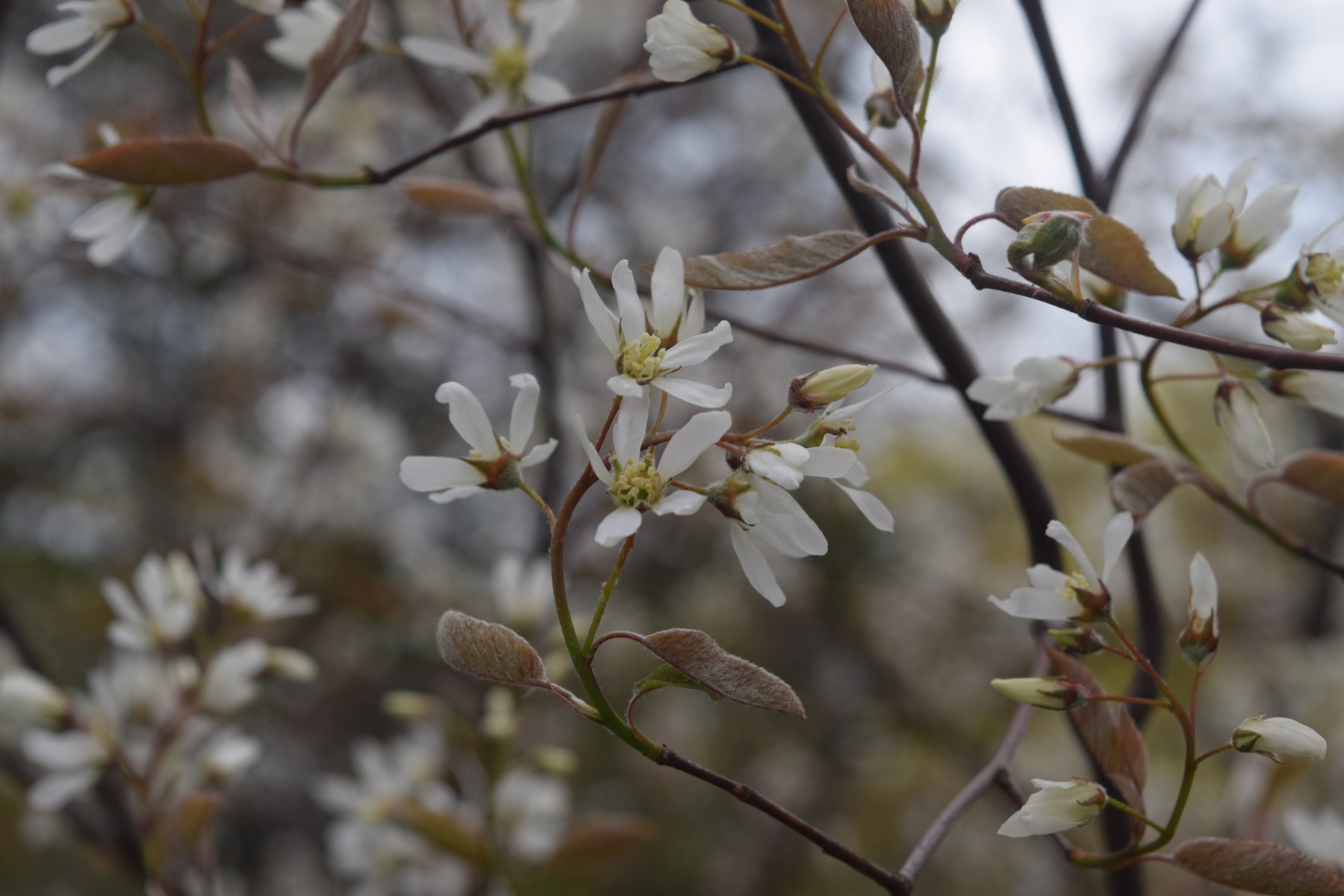
We should really tear ourselves away from the Tulips out front and catch up on what’s happening in the Back Garden. For most of the year this is the shady part of the garden, but to date the tall trees have just barely started to leaf out.
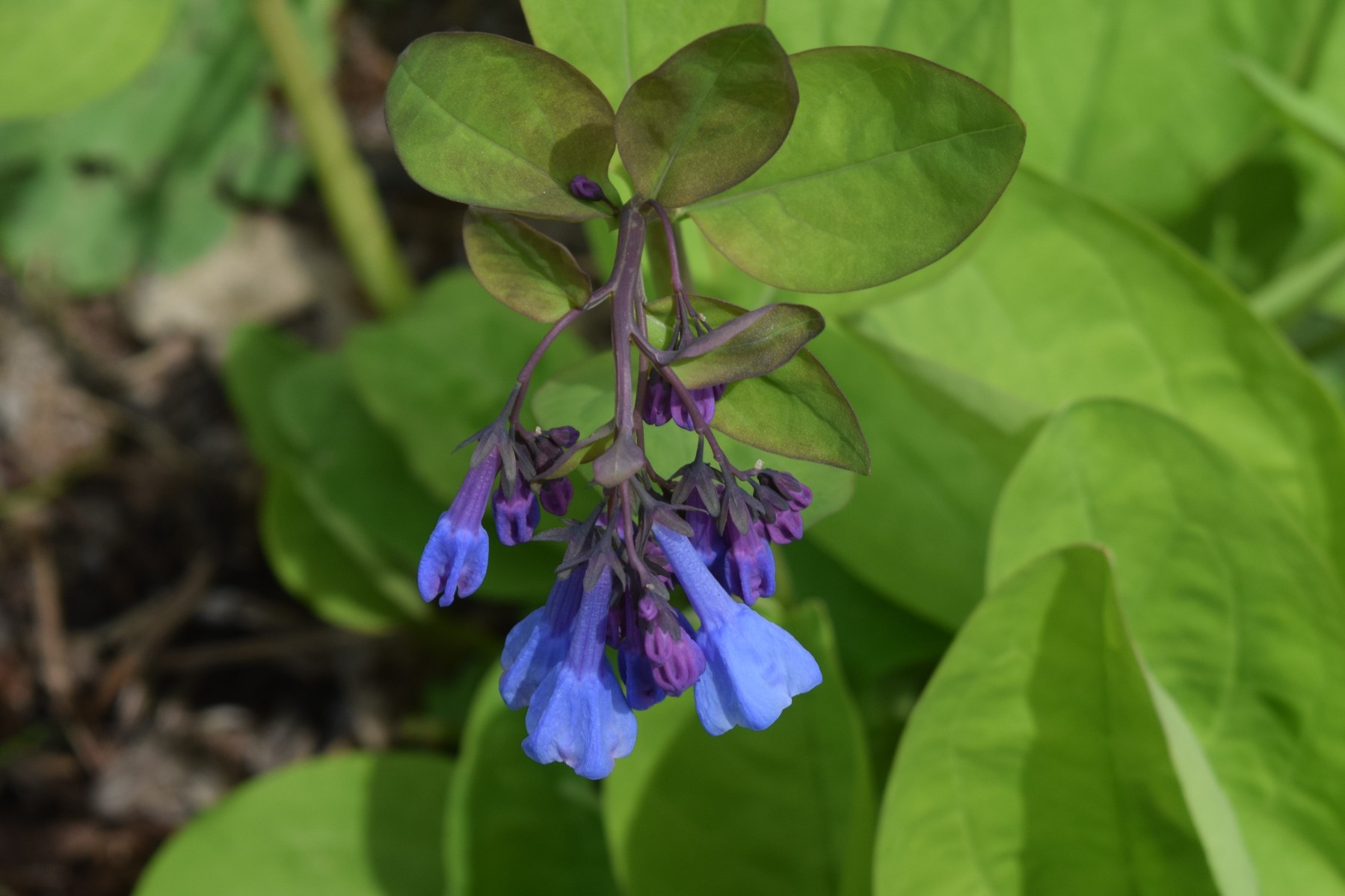
A couple of years ago the rabbits in our garden discovered that they had a yen for our Virginia Bluebells (Mertensia virginica). This was more than a little upsetting, as Virginia Bluebells are probably my favorite native spring ephemeral.
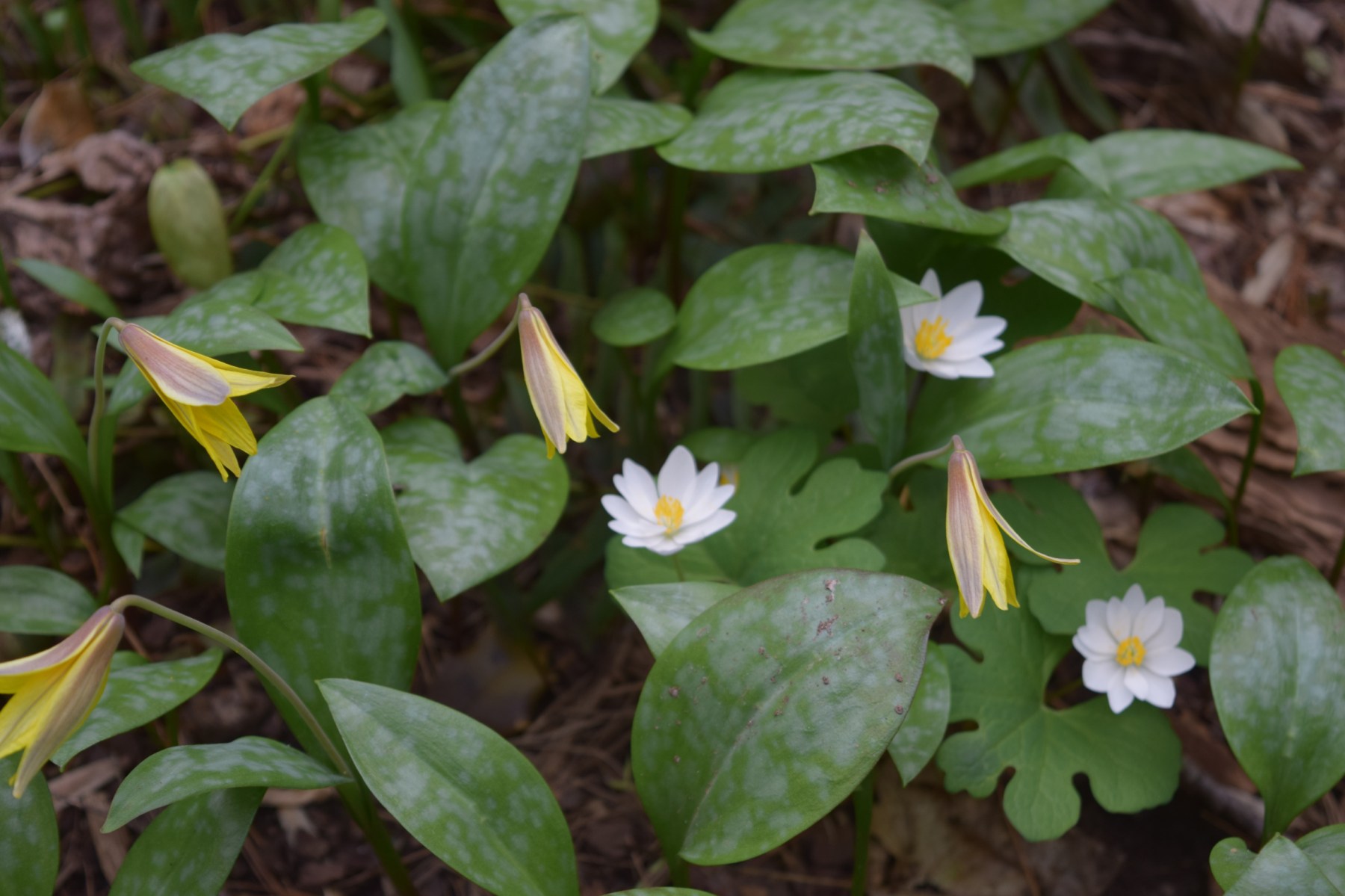
Bloodroot (Sanguinaria canadensis) can form extensive colonies of gleaming white flowers, blooming in woodland glades in early spring. They don’t do that for me, though. I mean, they bloom very nicely, but they don’t form big colonies.
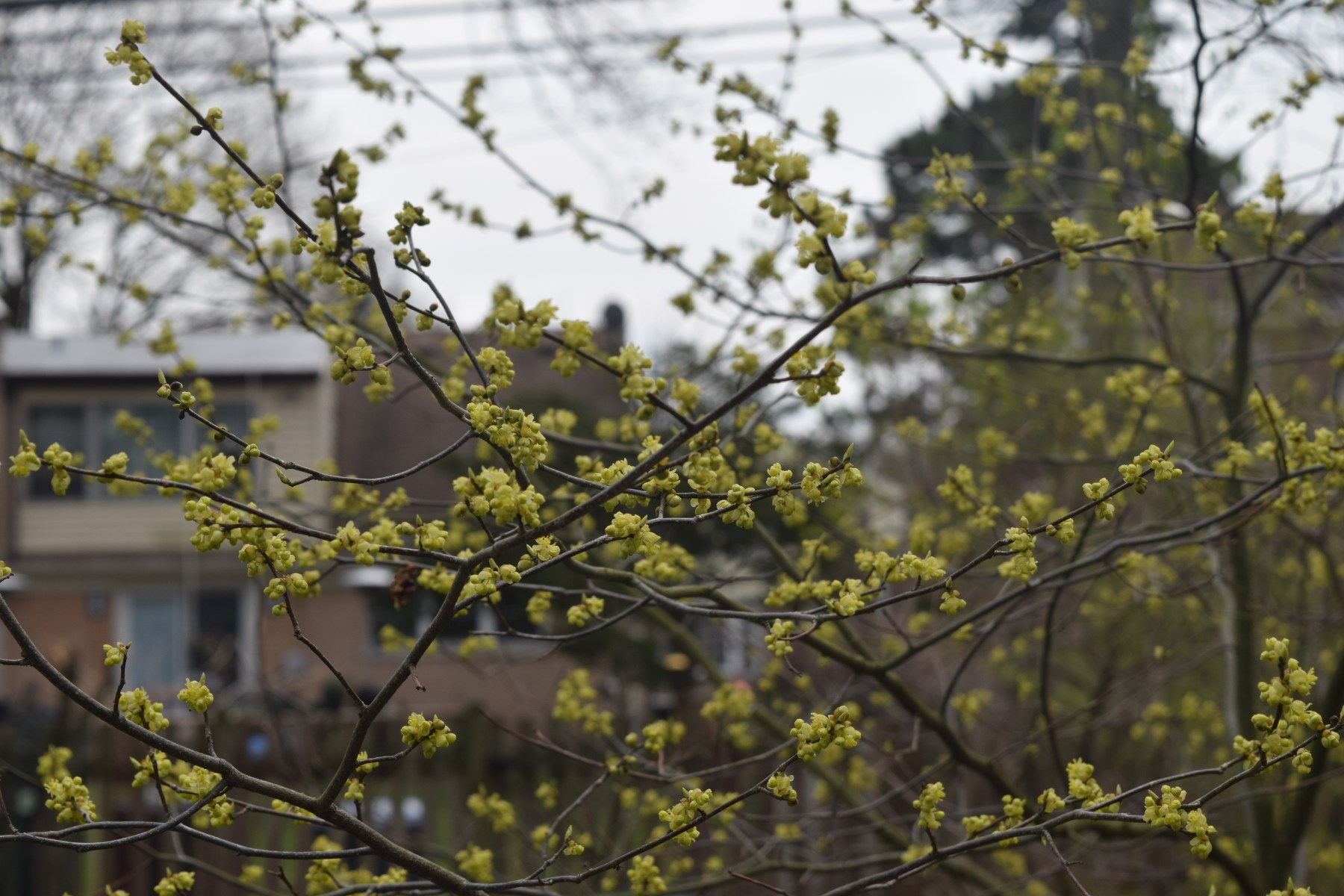
Spicebush (Lindera benzoin) is a native alternative to Forsythia that’s certainly worth considering. It’s a shrub that offers much more than yellow flowers in spring.
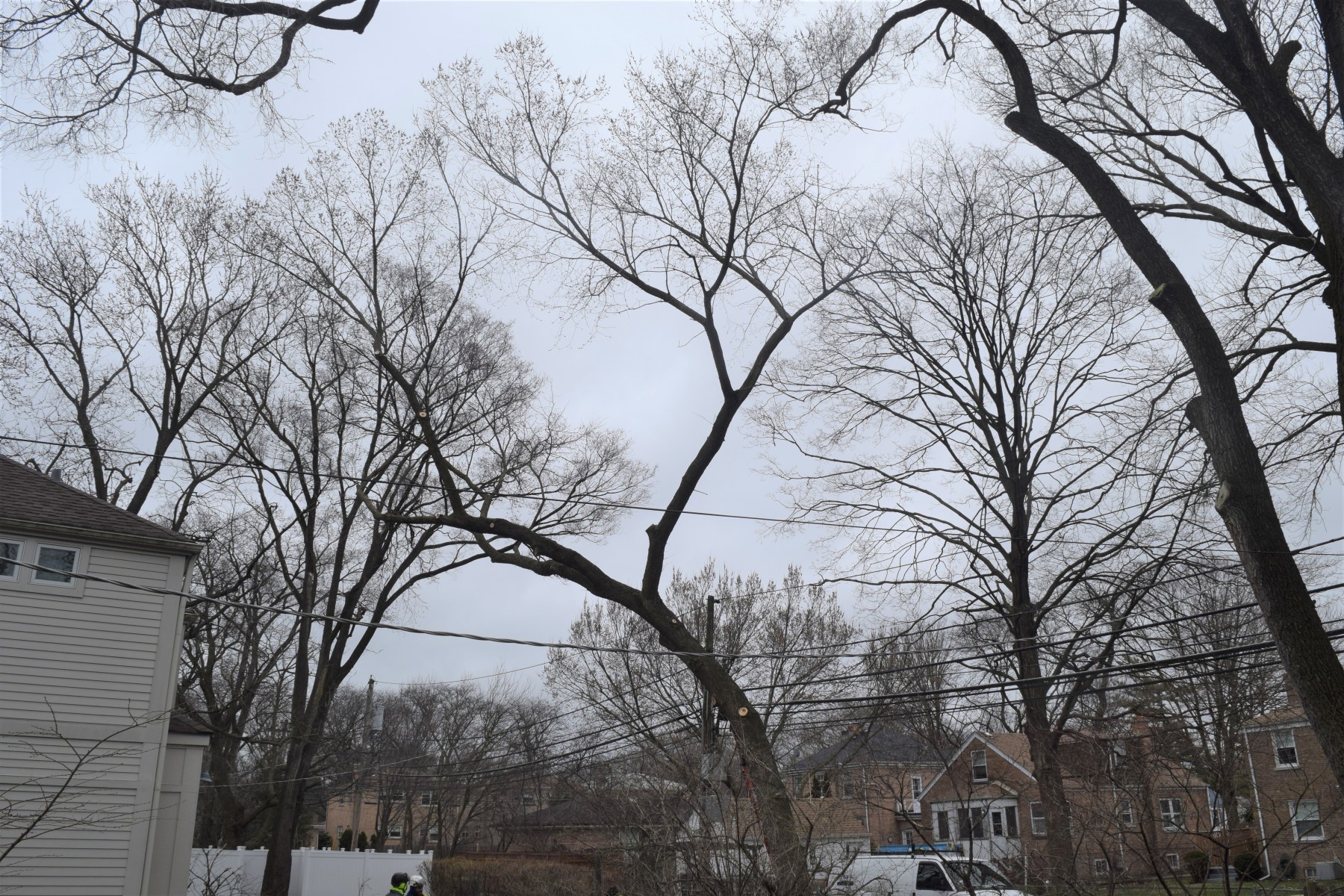
A startling sight greeted me this morning when I looked out the back porch: a crew had arrived to take down one of the 2 big Siberian Elms in our neighbor’s backyard. The other tree was going to receive a hard pruning.
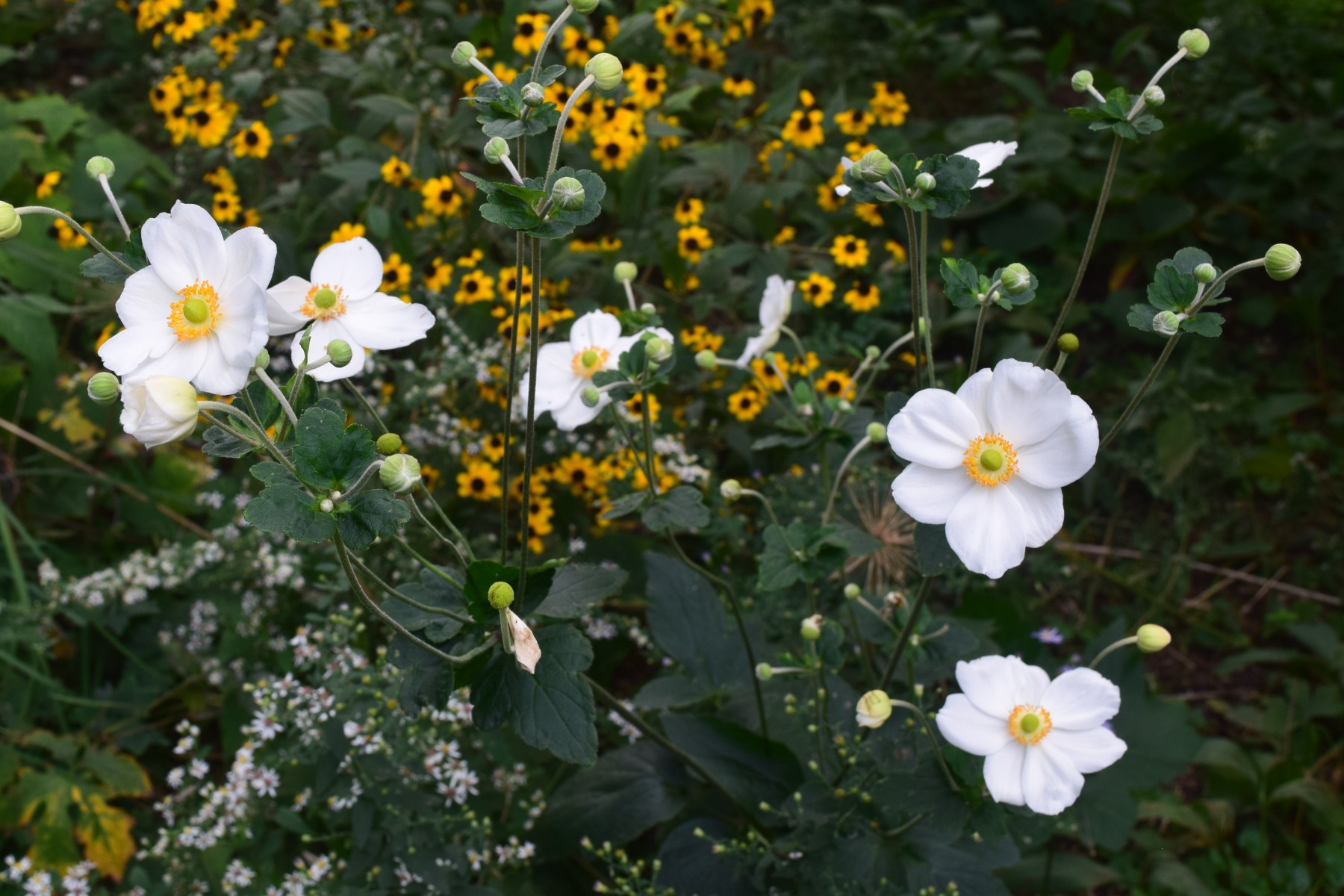
The ‘Honorine Jobert’ Japanese Anemone (Anemone x hybridus) is doing in the shady Back Garden. I’m a sucker for those gleaming ivory flowers with golden centers.
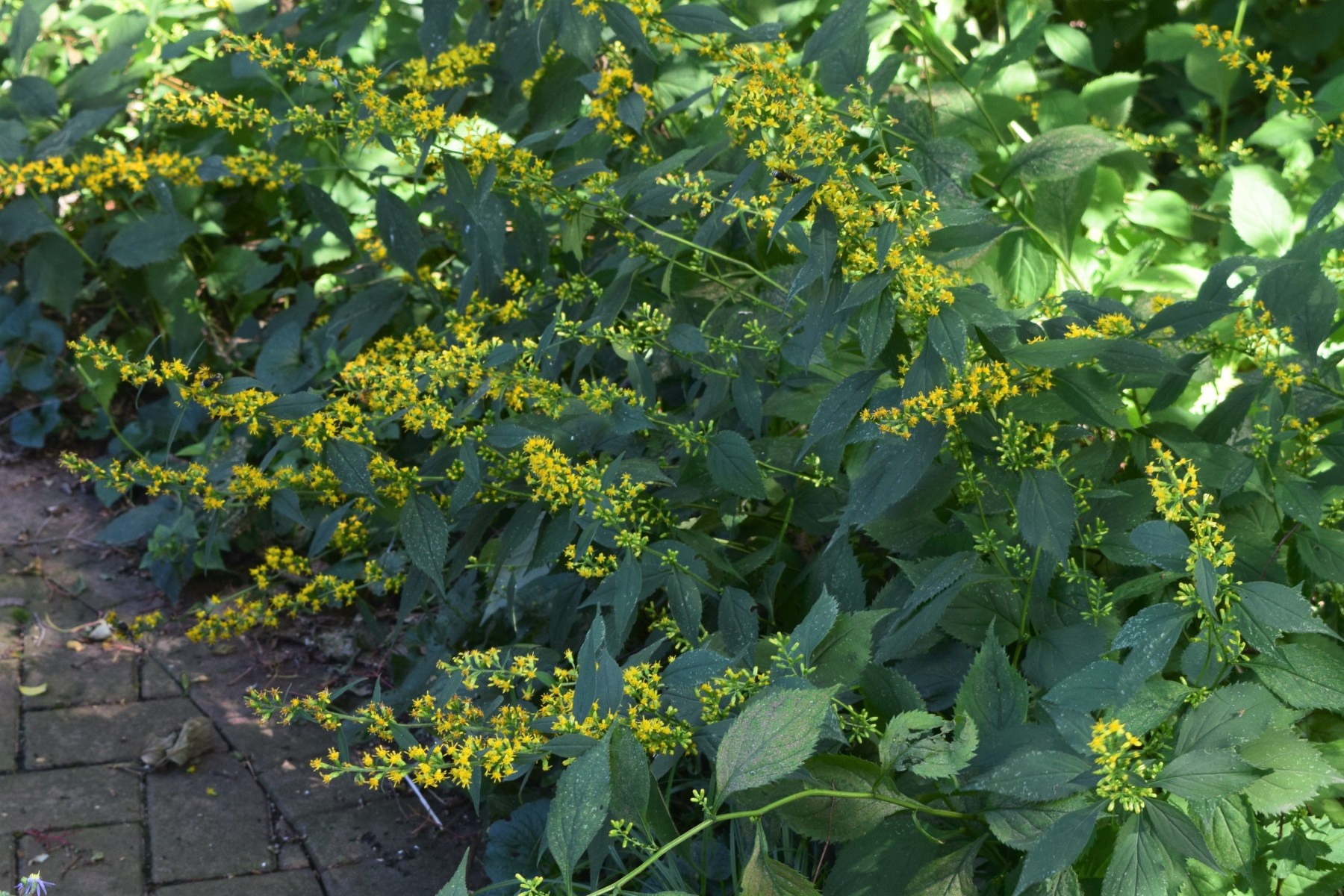
Many people think of Goldenrod as a plant that lives in sunny fields and flowers in wands or plumes at the top of tall stems. There are a number of Goldenrods that do not fit this description, however.

We seem to have begun the transition from summer to fall, which seems like a good time to take another look at the shady Back Garden.
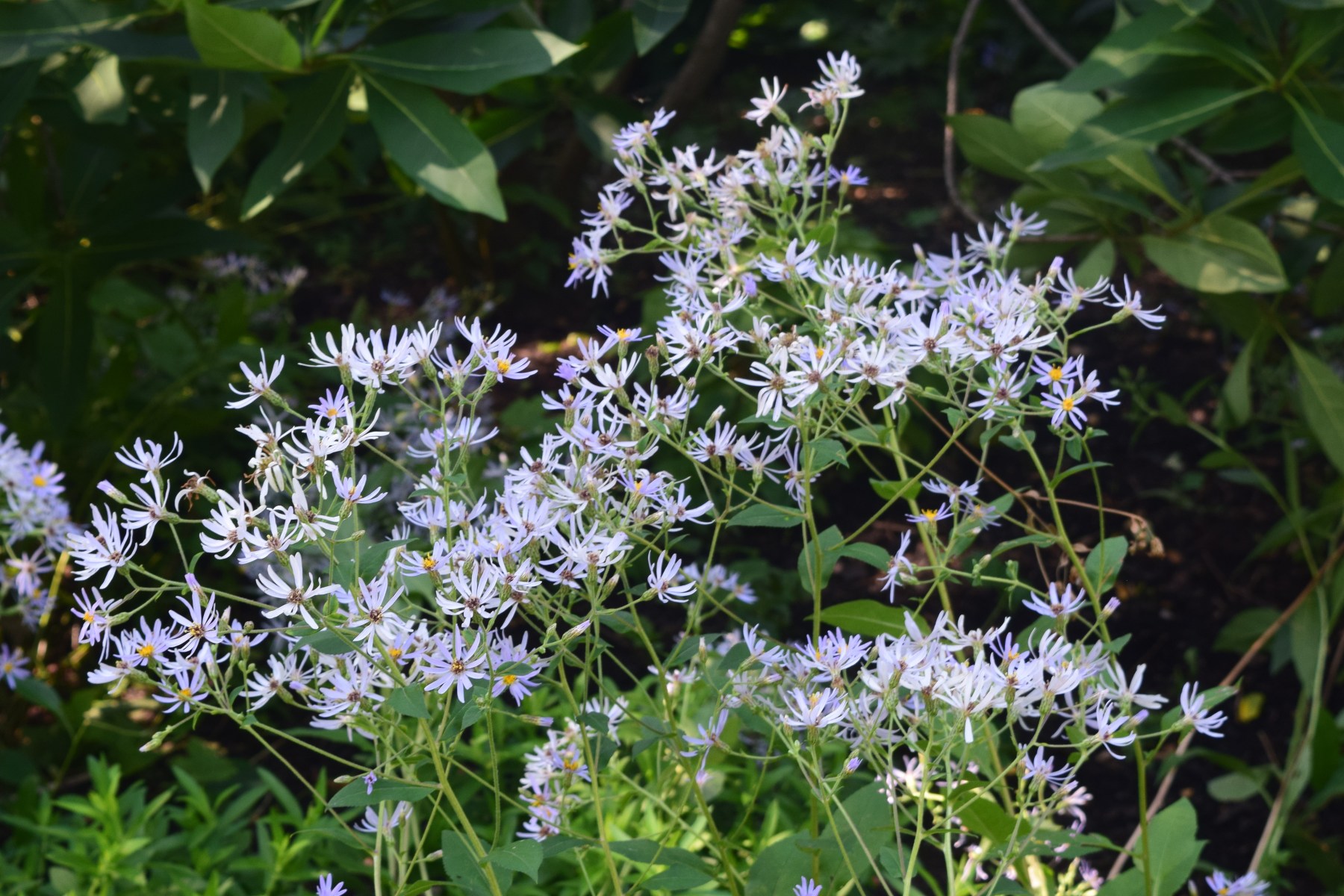
Recently the staff at the Lurie Garden made some interesting changes to the Dark Plate, which is the partly shaded area east of the boardwalk. The Dark Plate tends to play second fiddle to the larger Light Plate that basks in full sun.


 gardeninacity