At a certain point in August, the garden is swept up in a wave of yellow flowers. This is largely due to what I like to call the Susans, members of the genus Rudbeckia.
gardeninacity
Notes from a wildlife-friendly cottage garden

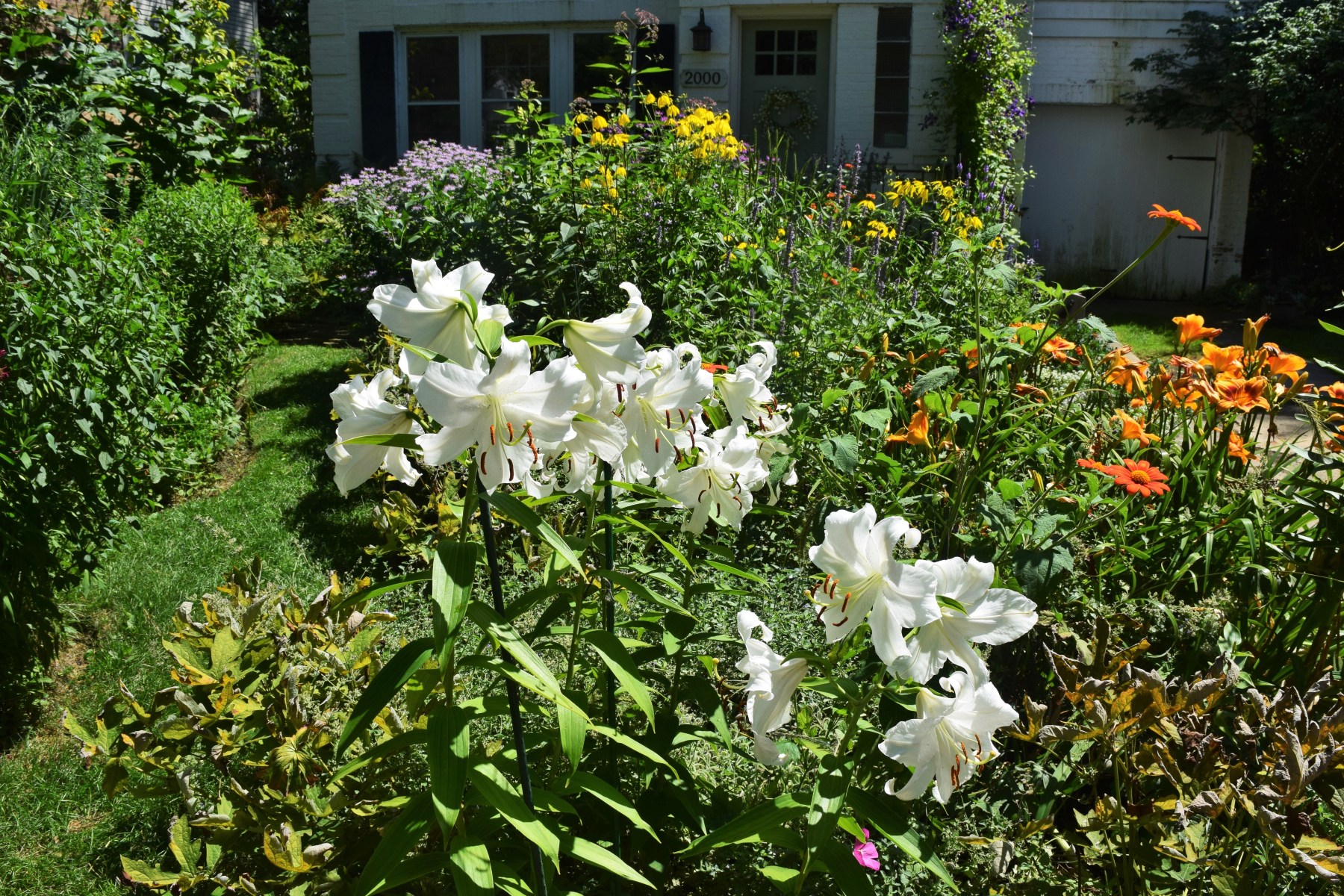
August is normally summer’s turning point. It is usually an August day when you realize that there are more flowers fading than coming into bloom. Though this year has been a little different, with the blooms of a number of plants delayed for weeks. Let’s take a look at the state of the Front Garden …
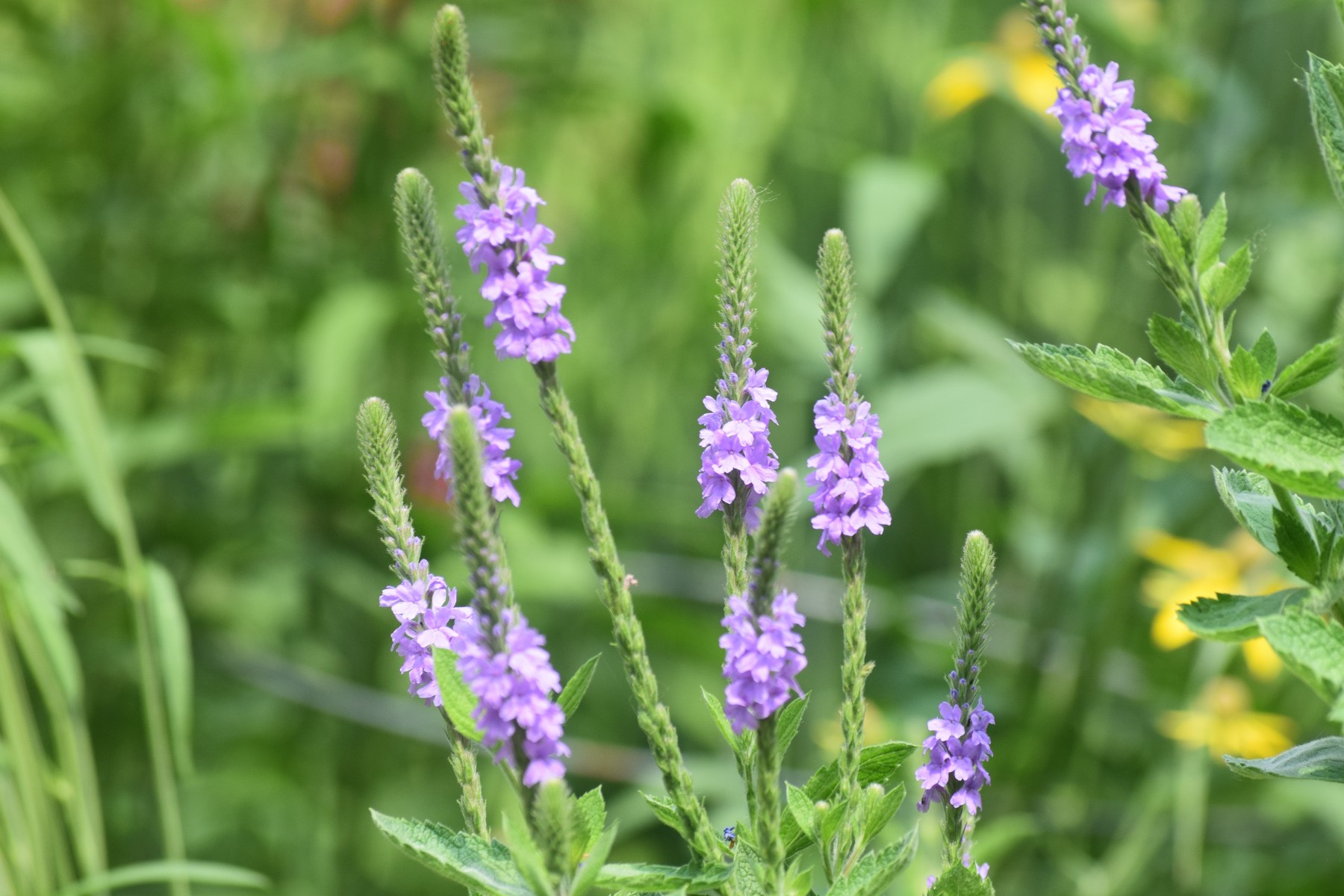
Hoary Vervain (Verbena stricta) is an attractive but not a showy plant. But it has great value from a wildlife perspective. First, let’s deal with the name. “Hoary” does not mean what some of you think it means (don’t bother to deny it). It actually means appearing aged, as in white-haired or grizzled. And in …
The Other Coneflower
When people talk about coneflowers, most often they mean Purple Coneflower (Echinacea purpurea). But there is another coneflower that is underutilized in home gardens. I speak of Yellow Coneflower (Ratibida pinnata).
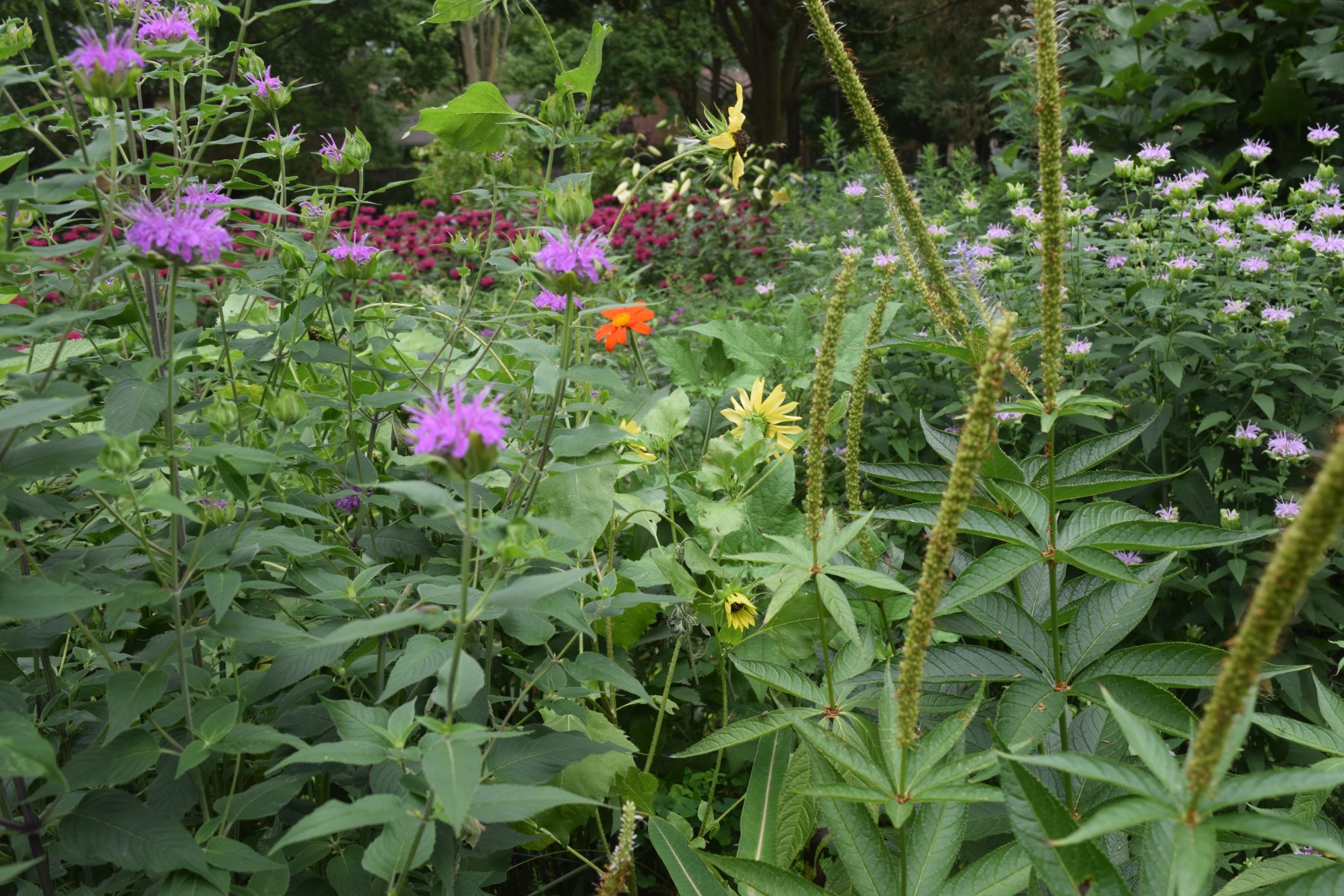
It’s a very peculiar thing. I used to have one clump of Wild Bergamot (Monarda fistulosa) in the Driveway Border, and now I have two.
Scenes from the Back Garden
For today’s post I’ve got just a few peeks from the shady Back Garden.
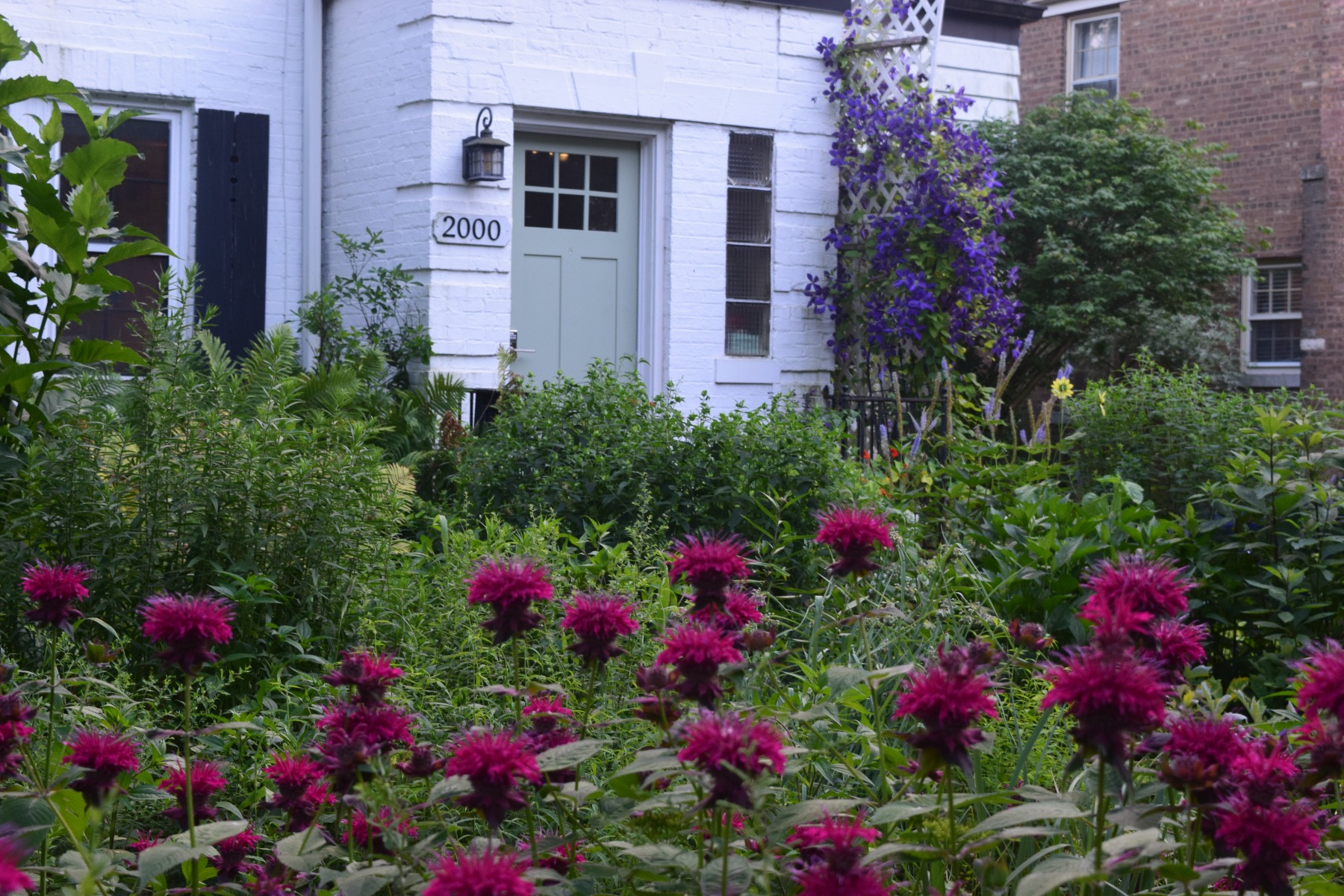
If I were to sum up the current state of the front garden in 2 words, they would be: Bee Balm. Bee Balm, Bee Balm, Bee Balm. Specifically, Monarda didyma ‘Raspberry Wine’. The Bee Balm is so visually dominant in part because so many other attention-grabbing plants are blooming late.

Yesterday we saw what the Front Garden had on offer at the beginning of July. Today we head to the shady back garden, under the dappled shade of Silver Maples and other mature trees.
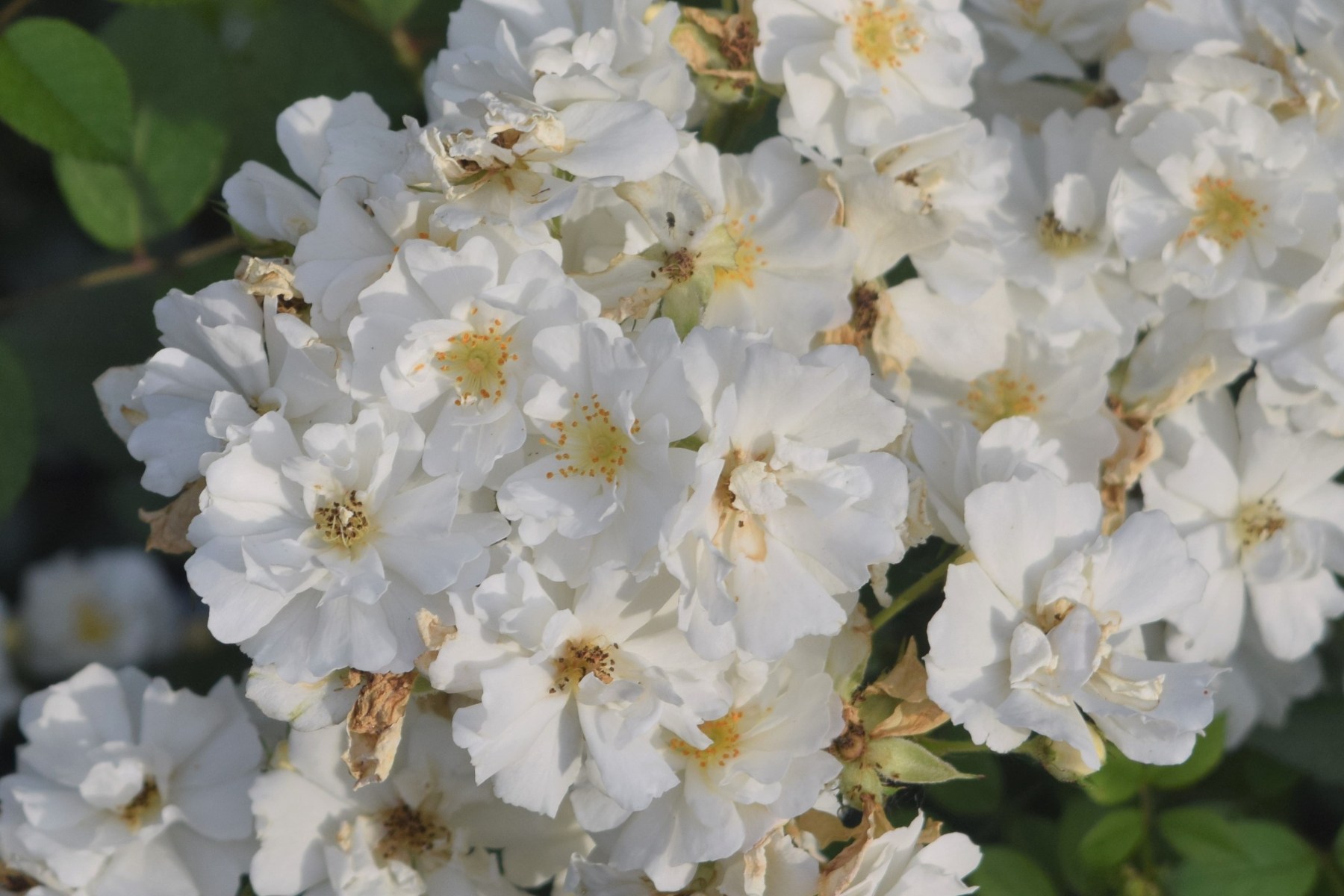
All of a sudden, it’s hot out and feels like summer. But the garden is still clothed in the blues and whites of late spring, especially out front. The reds, yellows, and oranges (but especially yellows) of summer are gathering force, not yet ready to bust out. They are delayed in part because of the …
Trying Something New
I’m trying something new this year: Bush’s Poppy Mallow (Callirhoe bushii). This is a close relative of Wine Cups (C. involucrata), in fact it used to be considered a variety of that species. My understanding is that Wine Cups will spread out more expansively.



 gardeninacity