Little House on the Portland Prairie

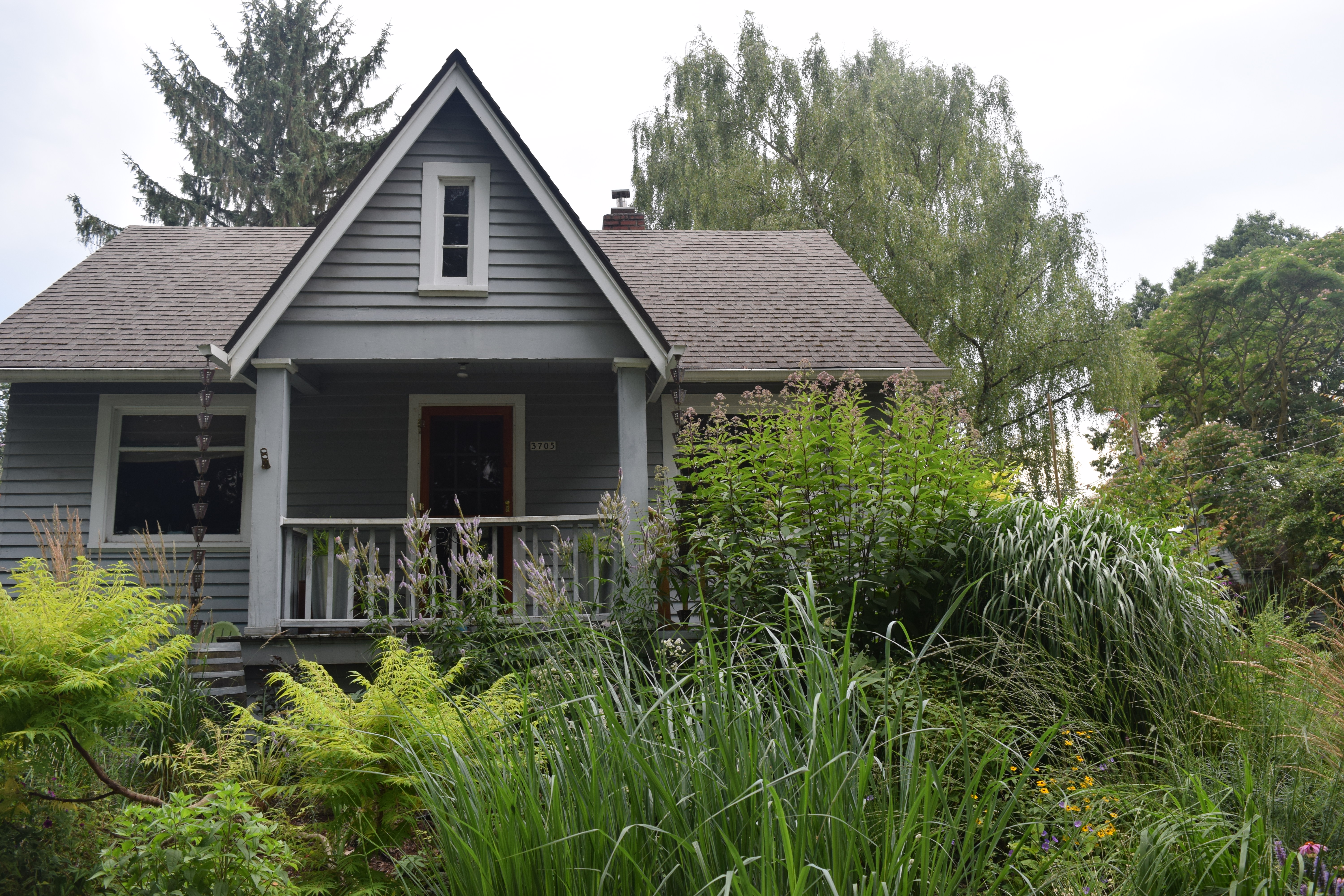
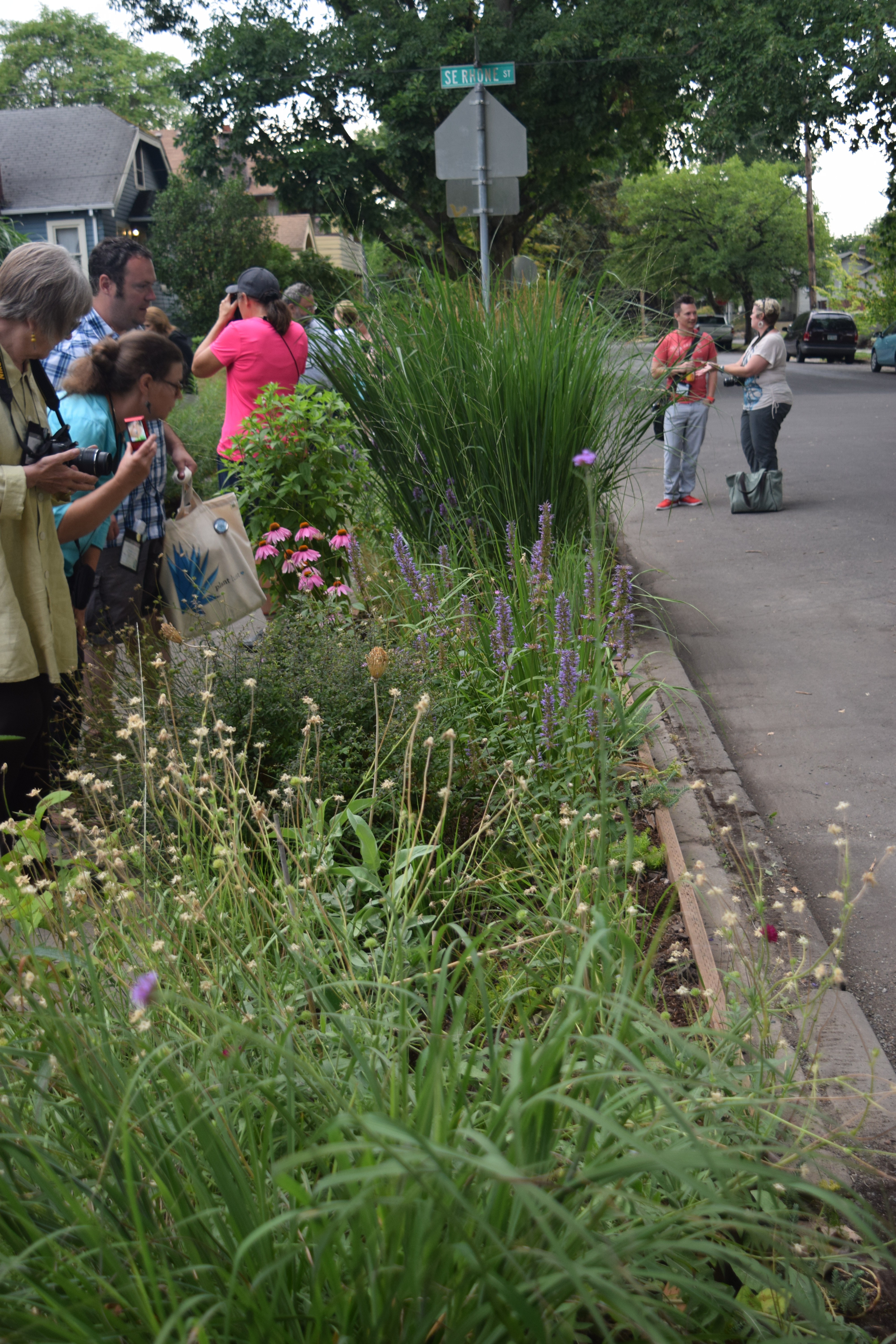
We saw a lot of wonderful gardens during the 2014 Garden Bloggers’ Fling in Portland this past July. If I had to pick one favorite, however, it would be Rhone Street Gardens.

Rhone Street Gardens

This is a garden where it seems every square inch is bursting with exuberant plant life.

2014-07-13 11.53.01

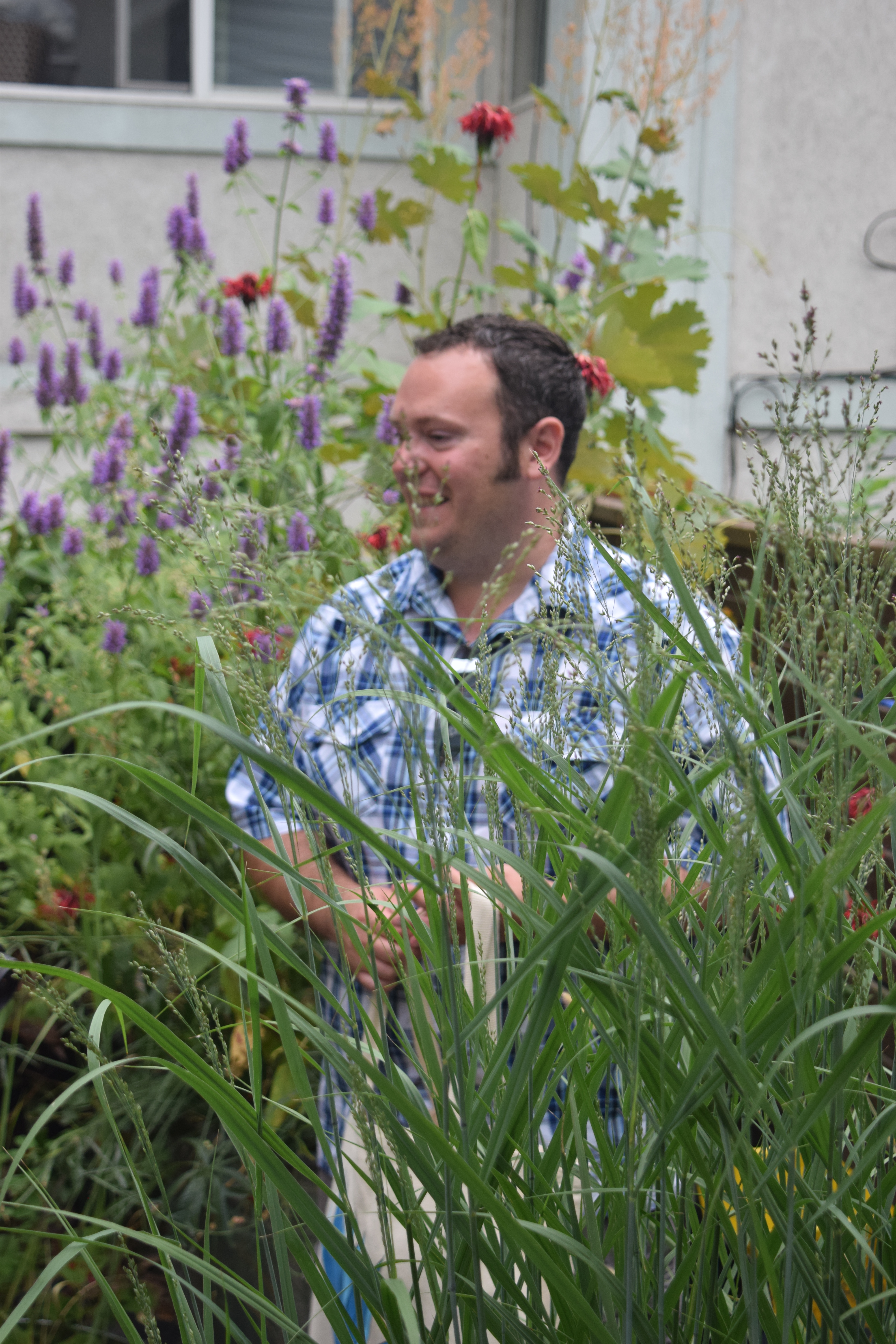
The resident gardener at Rhone Street Gardens is Scott, who was also a principal organizer of the Portland Fling.

2014-07-13 11.27.07 rhone street gardens

Scott is well known for his love of grasses. His garden has its share of colorful flowers, but your attention is really captured by the rich and varied textures of the grasses, with their movement, varying shades of green, and subtle flowers and seed heads. All this tall grass makes me think of Rhone Street Gardens as the Little House on the Portland Prairie.

2014-07-13 11.55.17 rhone street gardens

Raised beds are used to make even the hell strips into bountiful gardens.

2014-07-13 11.35.43 rhone street gardens

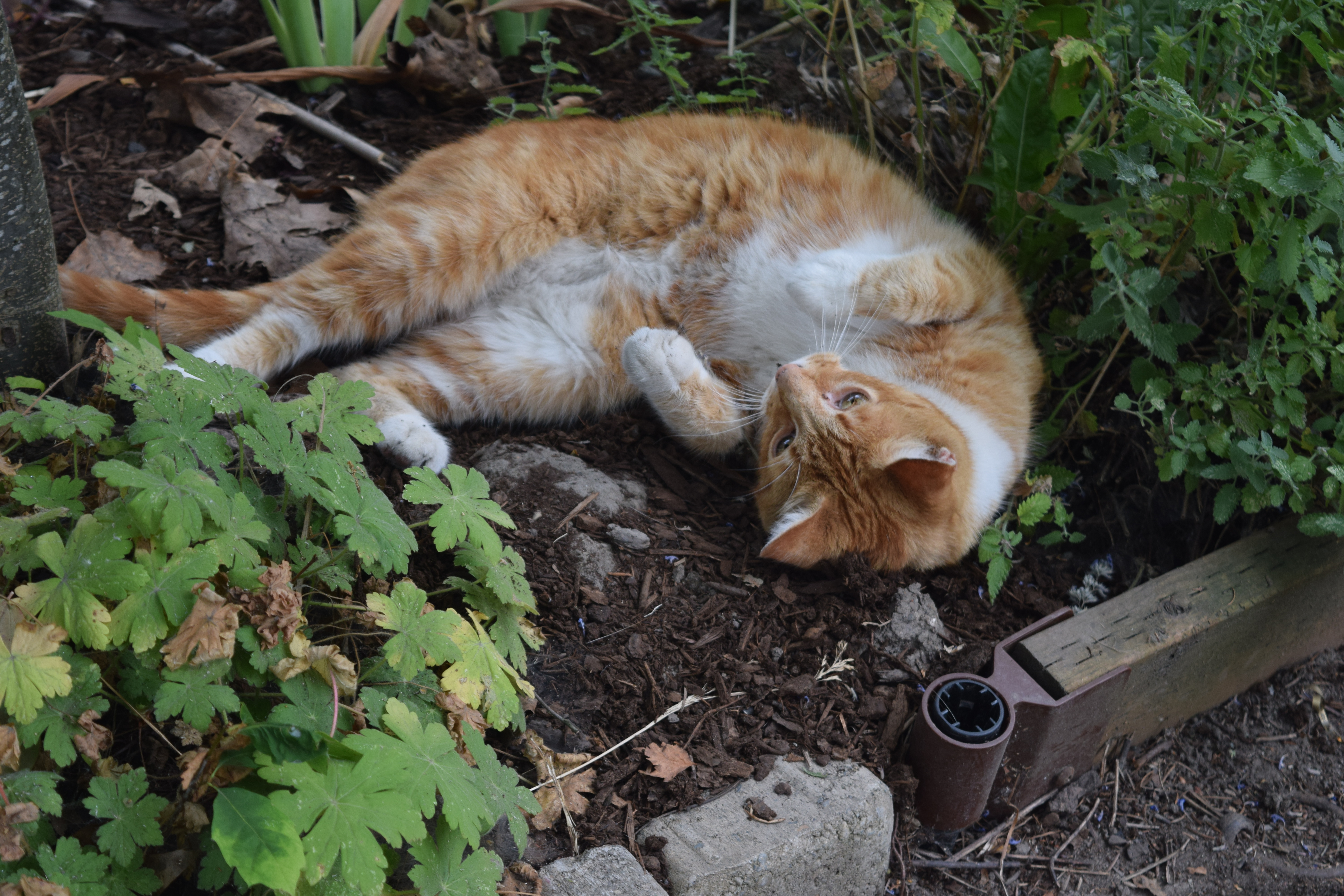
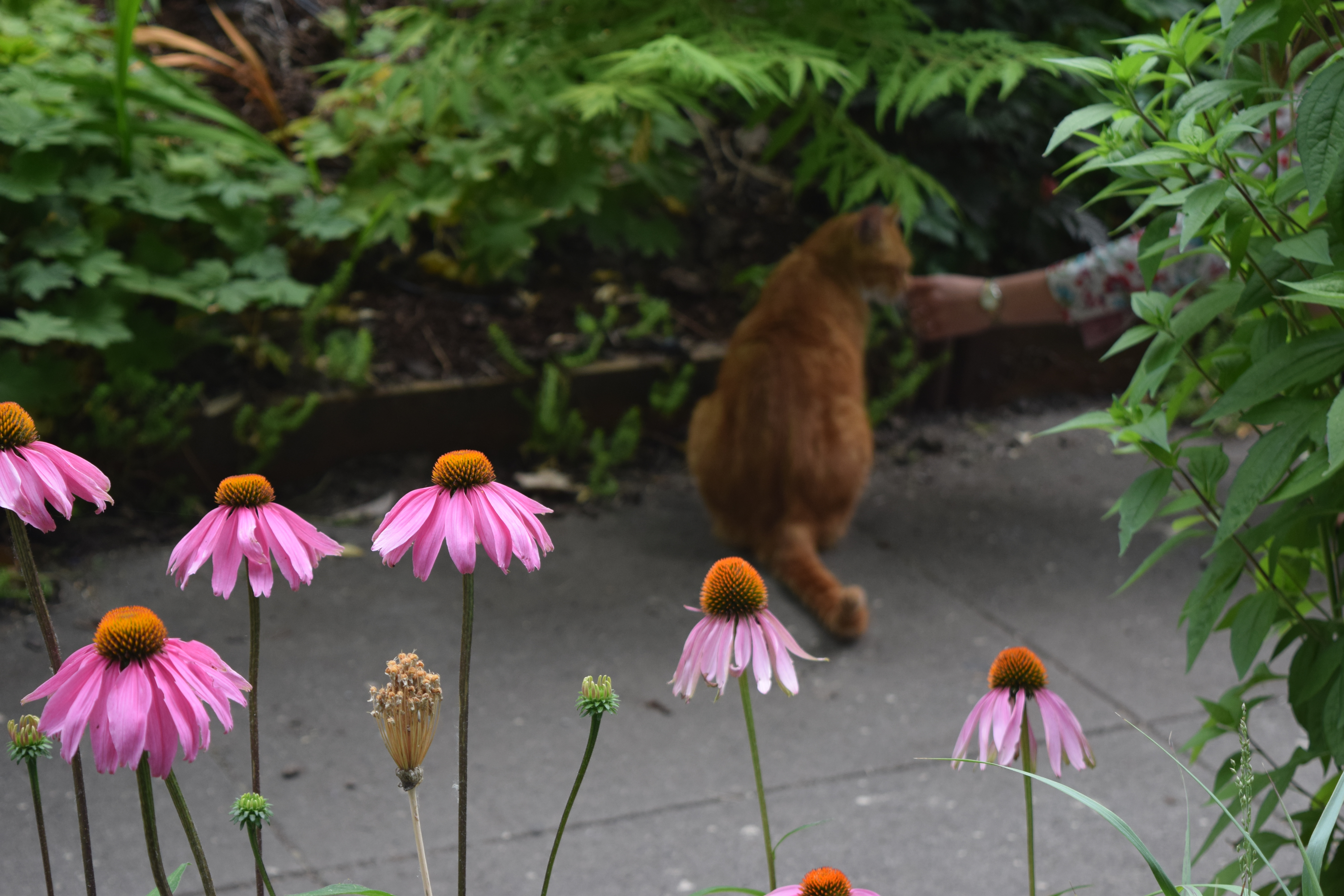
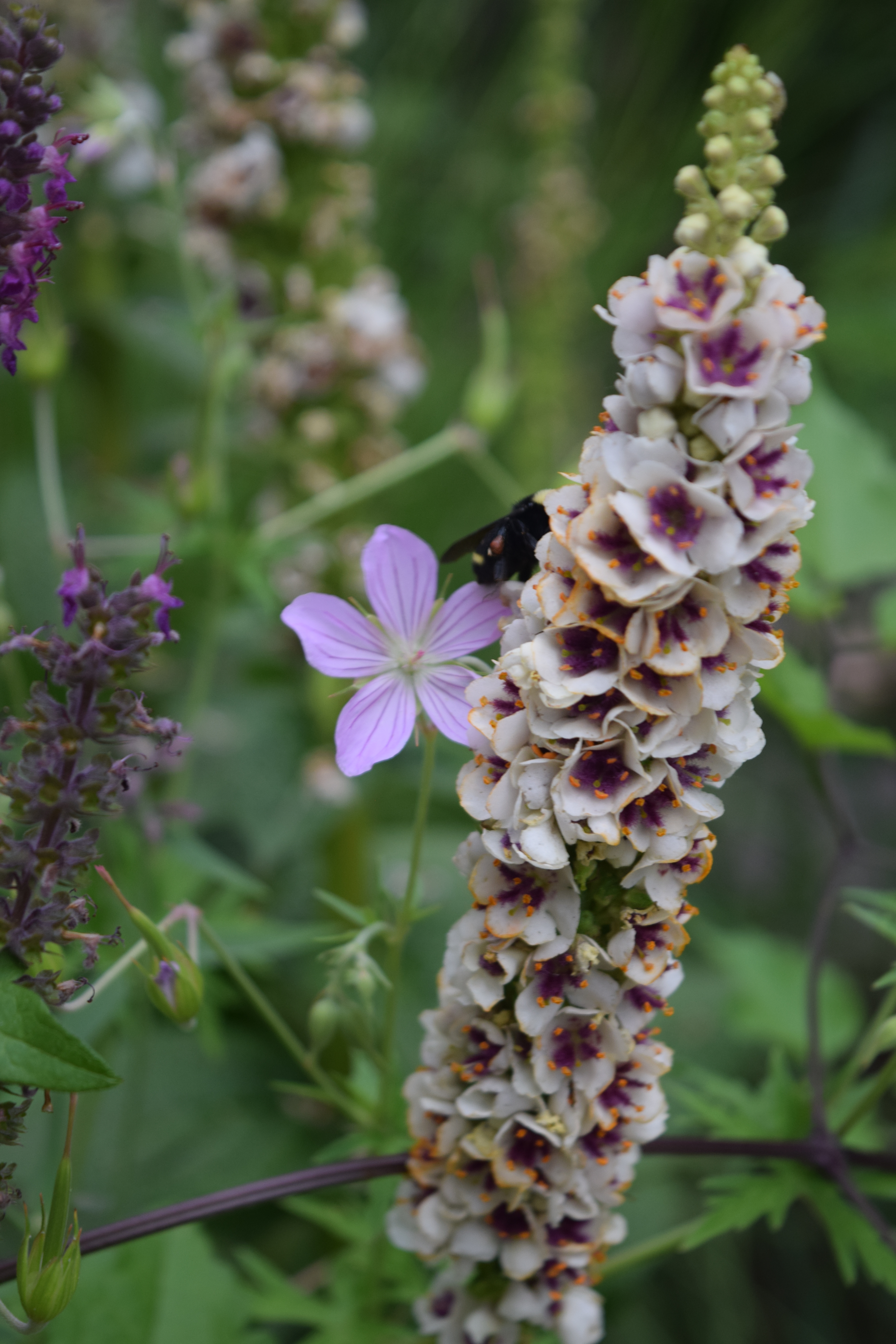
Rhone Street Garden also provides habitat for wildlife.

Pay no attention to the person behind the Rudbeckia.

The colorful wildlife provides contrast to the flowers and grasses.

2014-07-13 12.04.51 Joe Pye Weed Rhone Street Gardens

Scott is not afraid of tall plants. Here’s a happy clump of Joe Pye Weed.

Joe Pye Weed and Fireweed.

Indeed, it is fair to say that Rhone Street Gardens does not neglect the vertical element in its selection of plants. I wonder if I could convince Scott to give Cup Plant a try.

2014-07-13 11.36.41

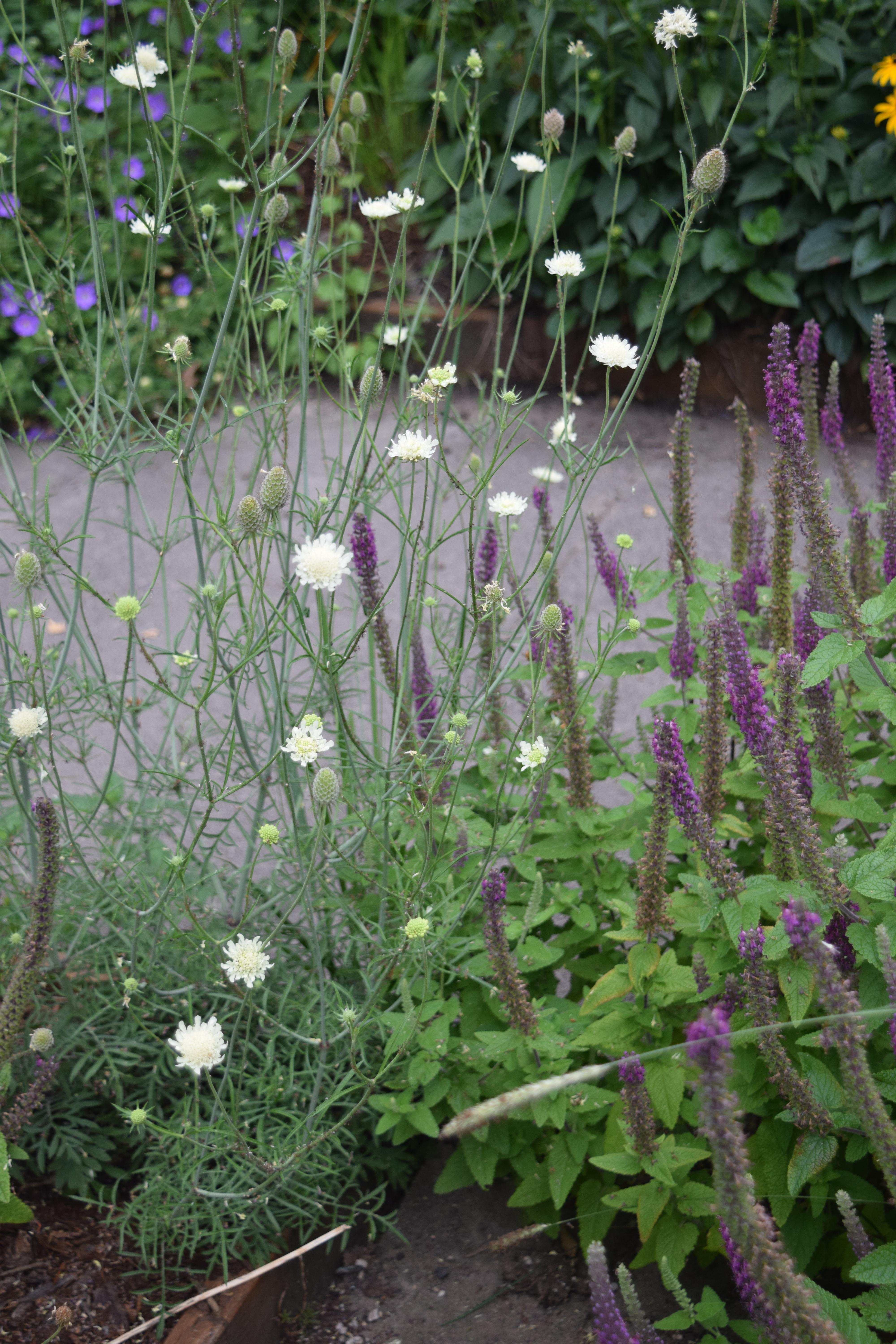
There are many fine plant combinations, not all of them tall.

2014-07-13 11.38.33 Astrantia and Persicaria

Such as Astrantia and – I’m not sure – Veronica?

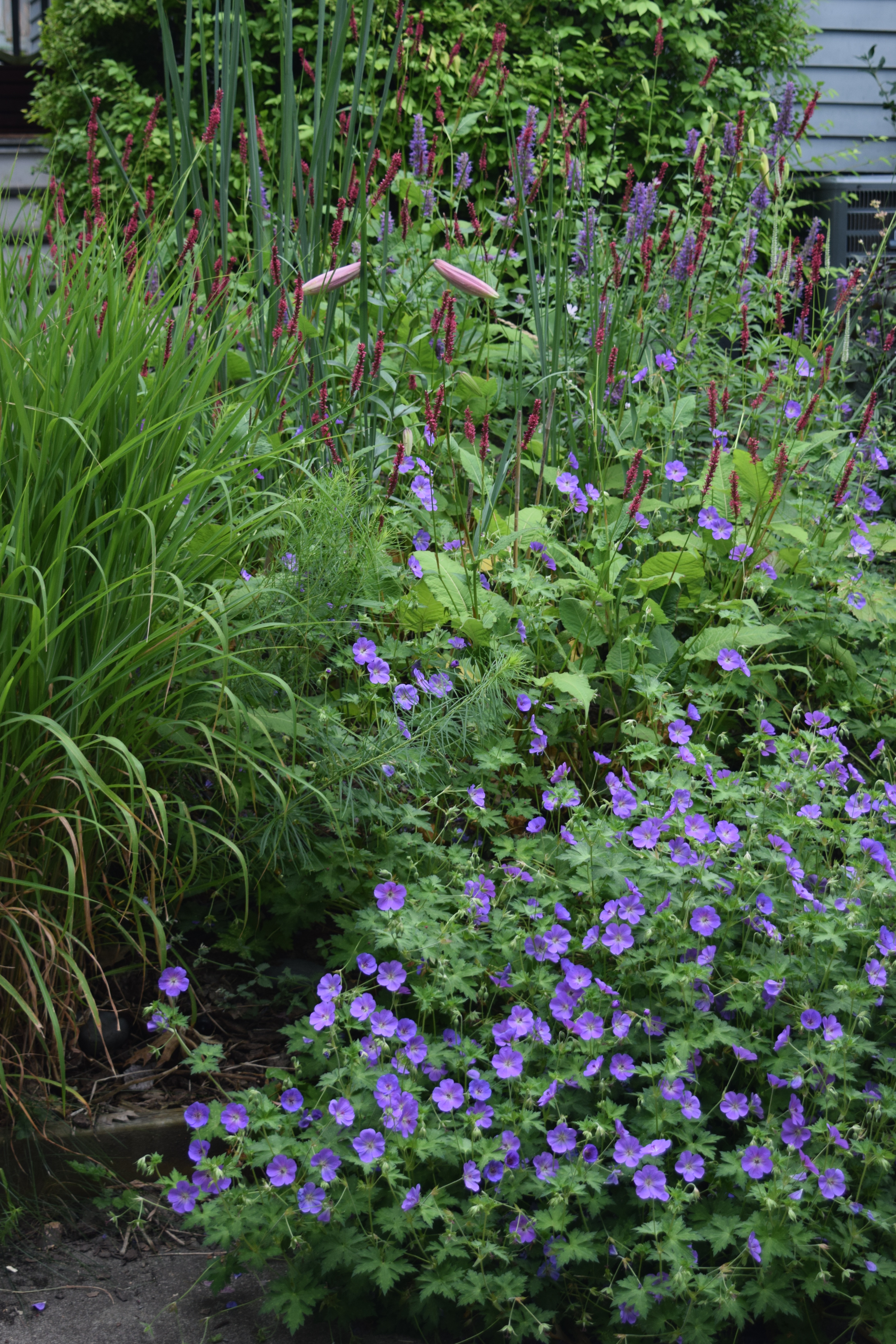
2014-07-13 11.35.19 geranium and persicaria

Geranium ‘Rozanne’ and Persicaria. Scott has inspired me to plant more grasses, but his garden also makes me want to acquire some Persicaria. Looks like some Agastache mixed in there also.

2014-07-13 12.07.05

Persicaria with Allium seedheads.

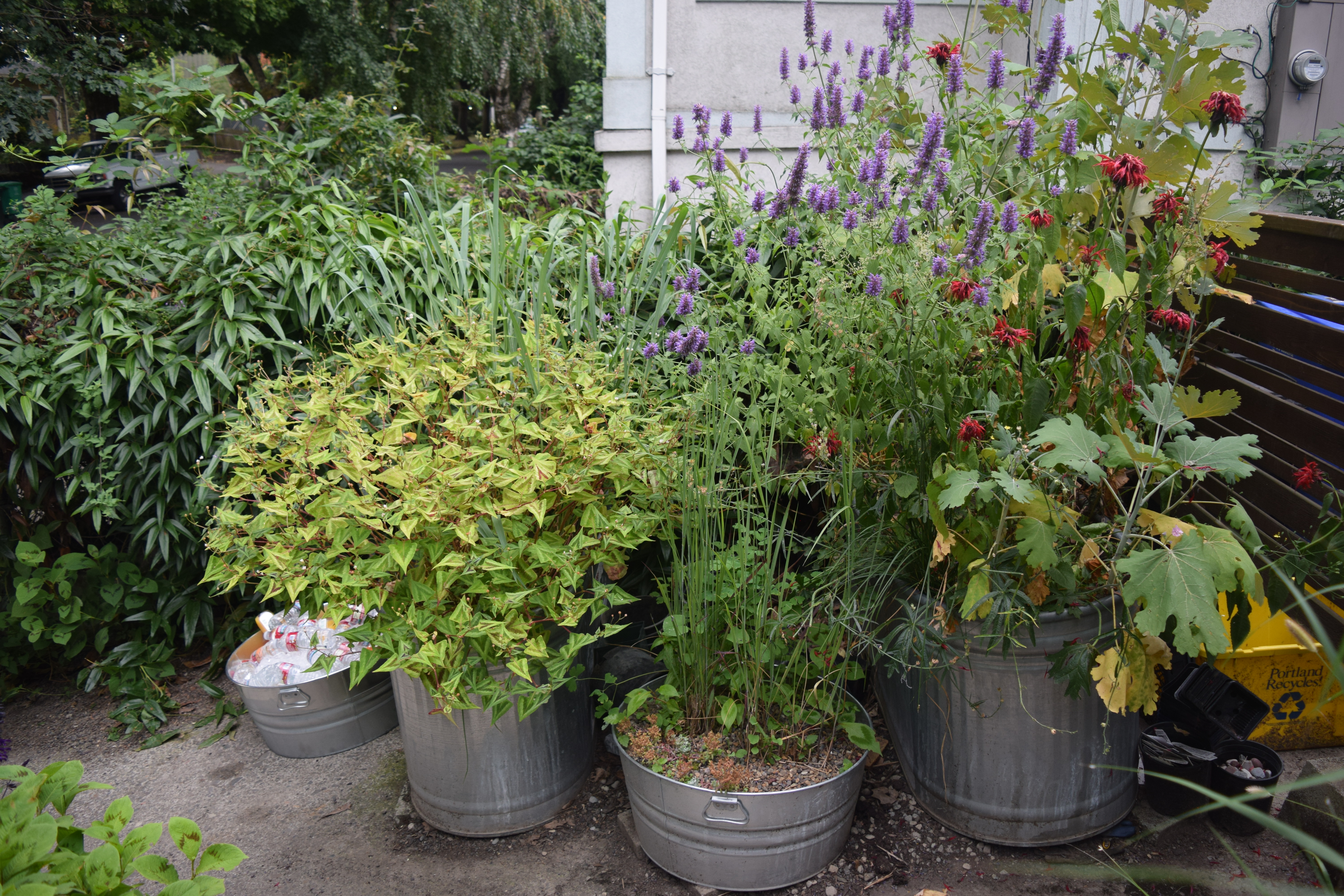
2014-07-13 11.53.31 rhone street gardens

Containers with perennials cover ground that is not hospitable to plants.

Overall, the visit to Rhone Street Gardens was definitely one highlight of the Portland Fling.

October Scenes in the Garden

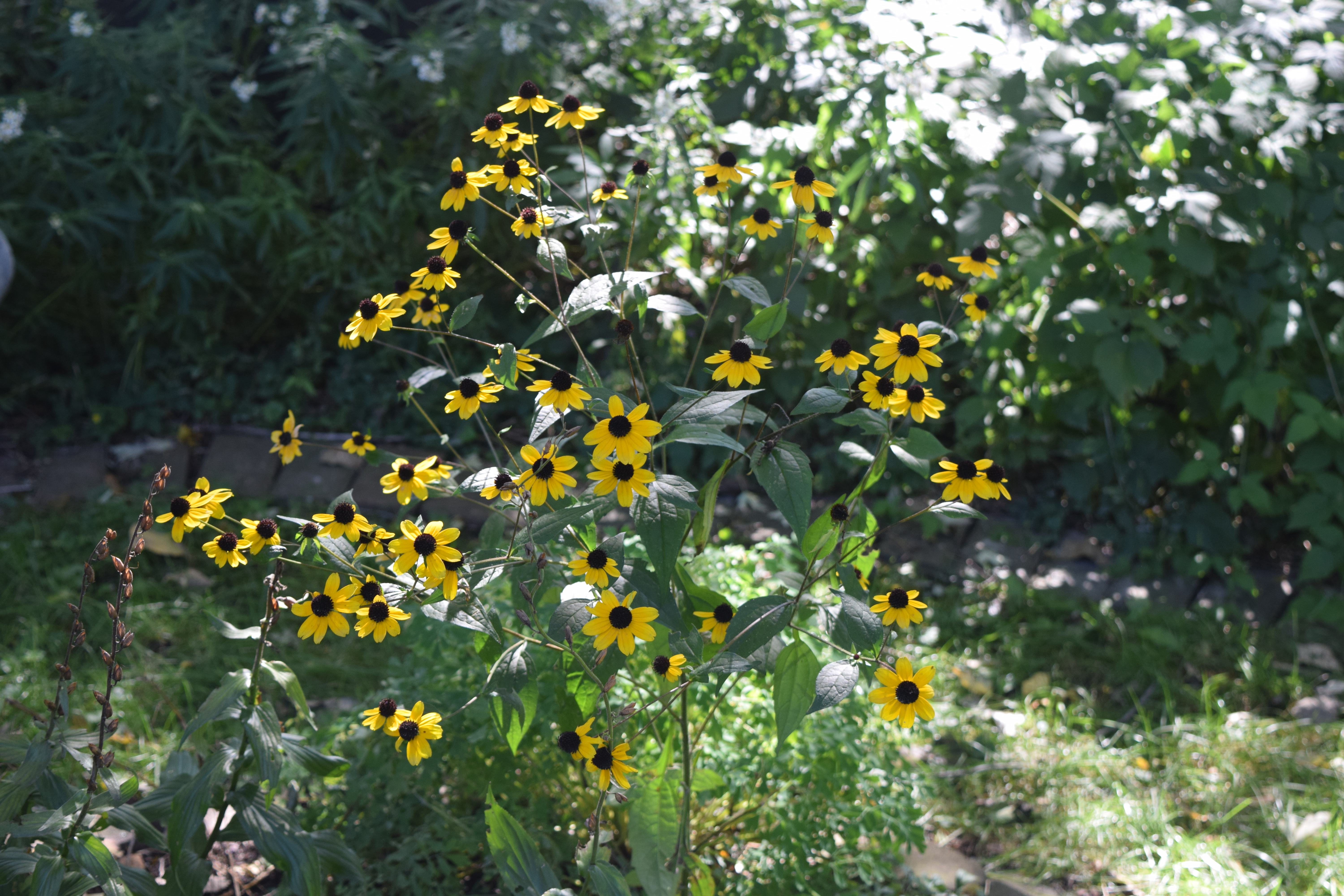
Just a random selection of recent photos, starting with Brown Eyed Susan (Rudbeckia triloba) in the back garden.

2014-10-05 13.37.19 Brown Eyed susan

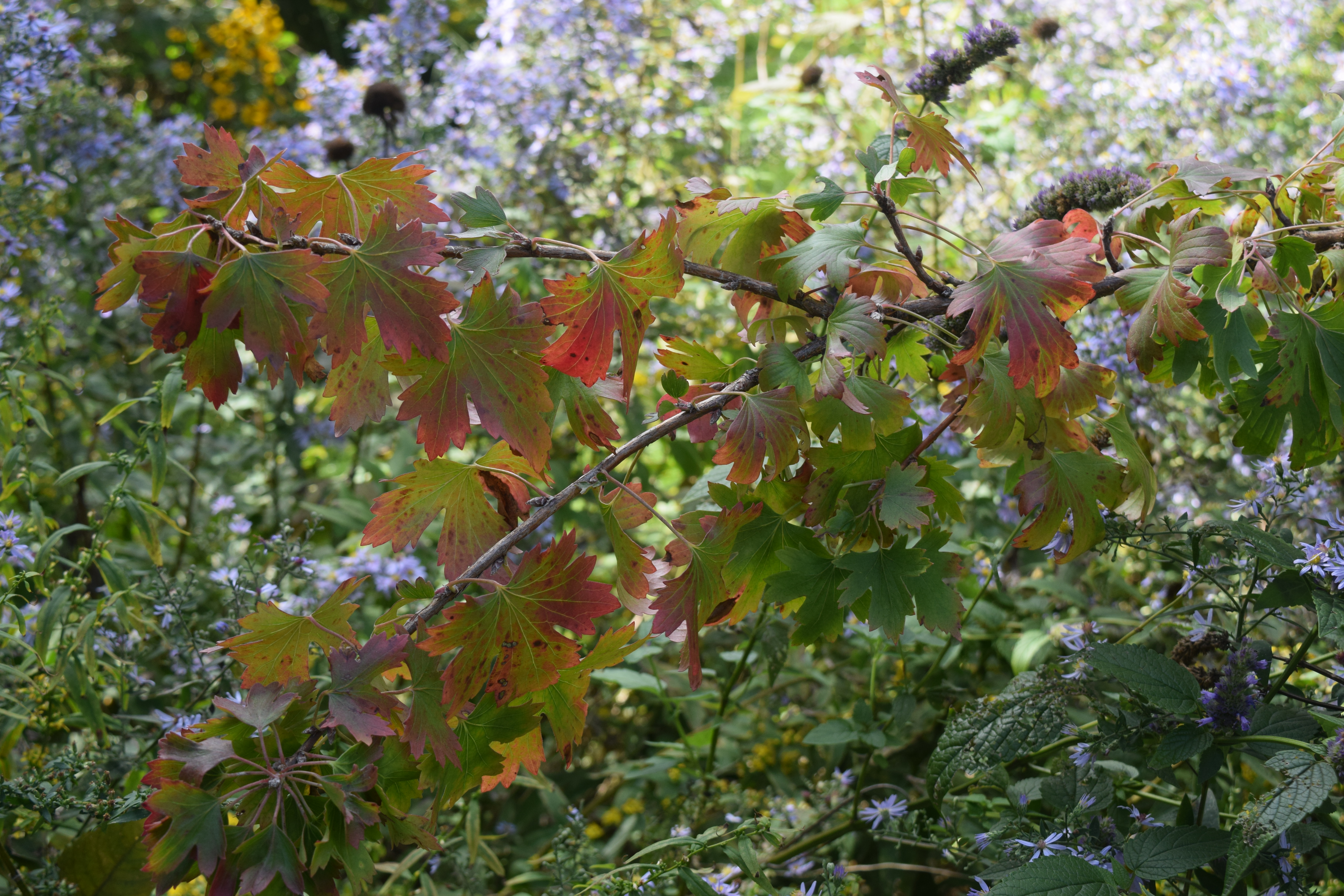
Clove currant (Ribes odorata).

2014-10-05 14.05.56 clove currant

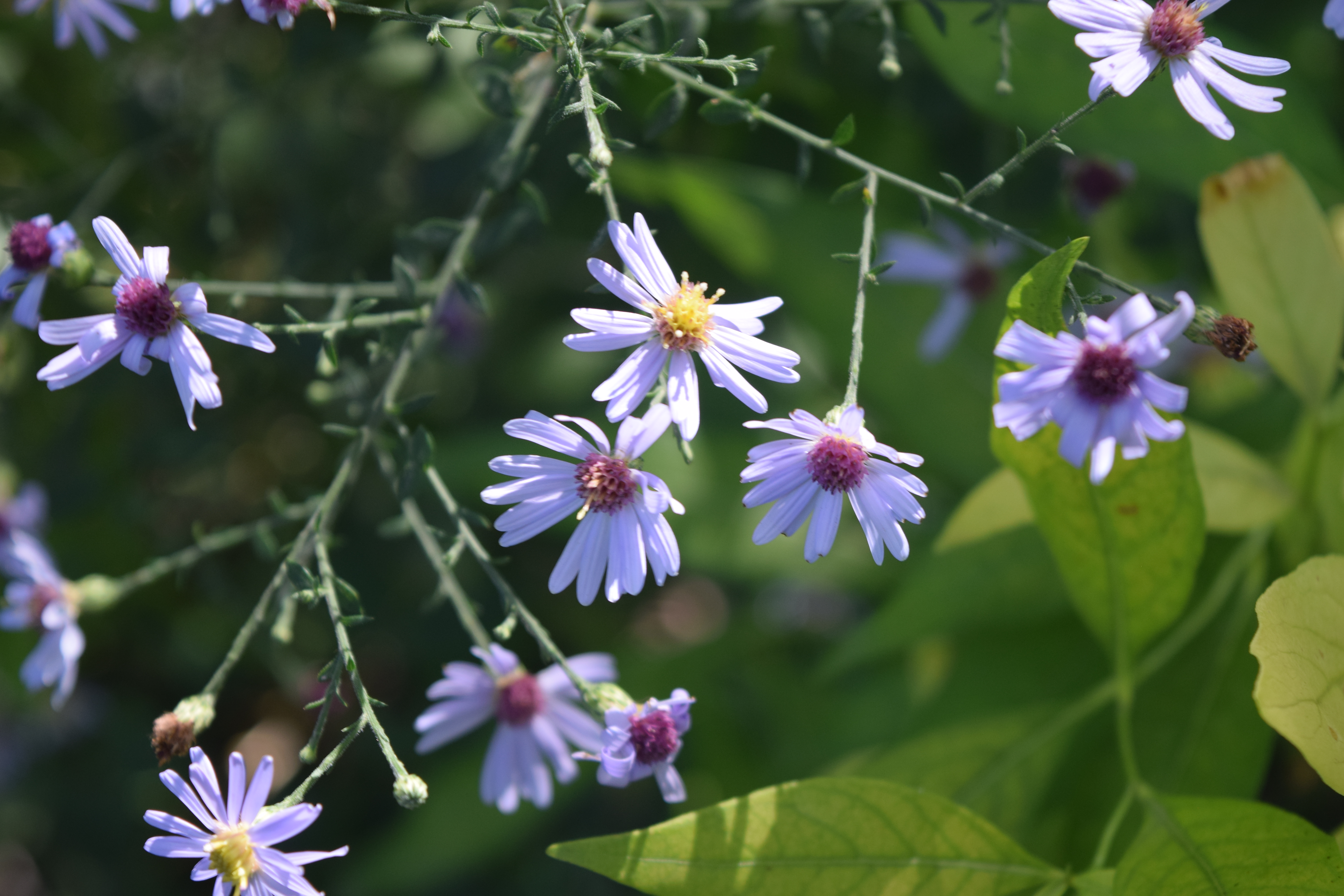
Short’s Aster (Symphyotrichum shortii).

2014-10-05 13.37.51 short's aster

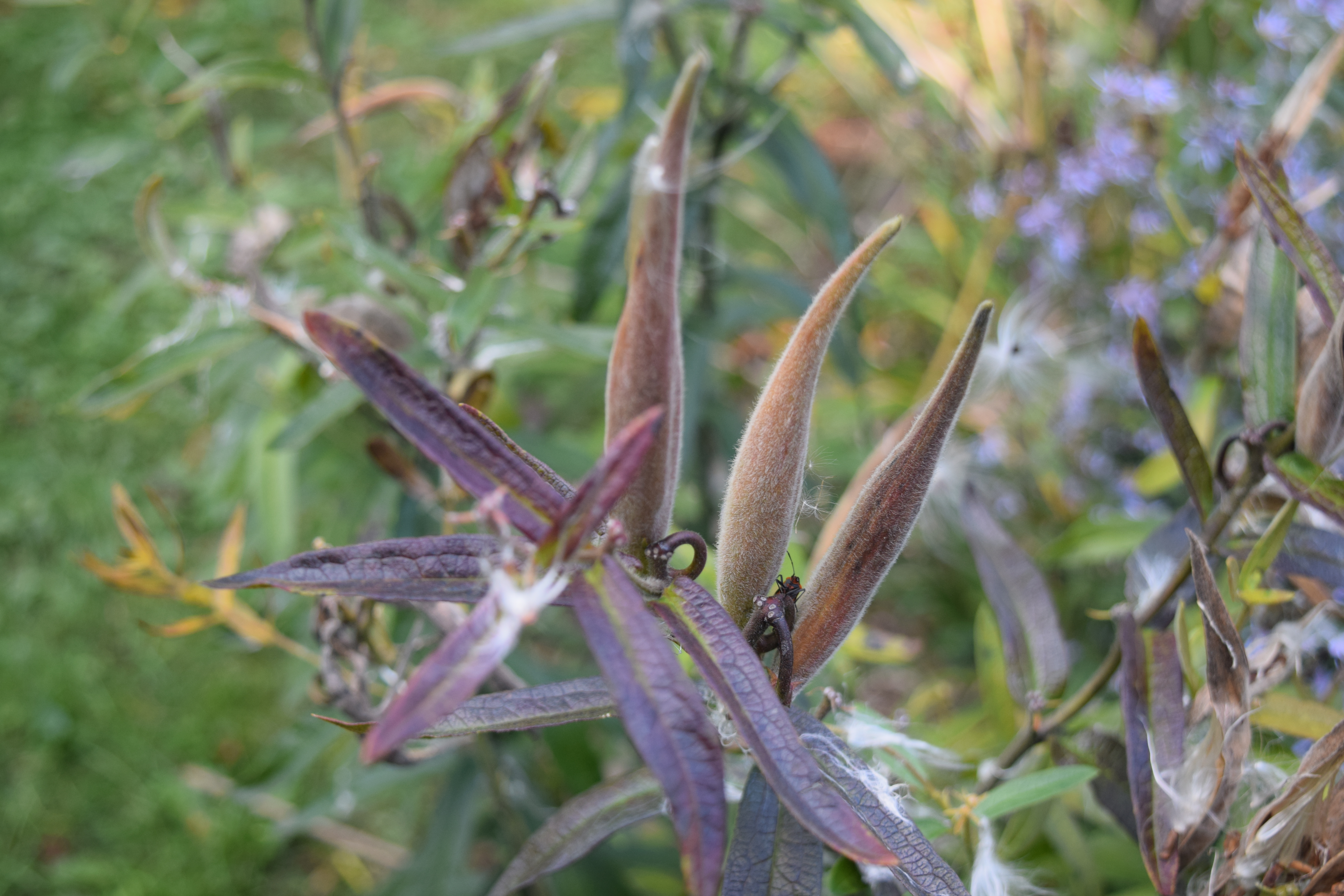
Butterflyweed seed pods (Asclepias tuberosa).

2014-10-05 13.40.21 Butterflyweed seed pods

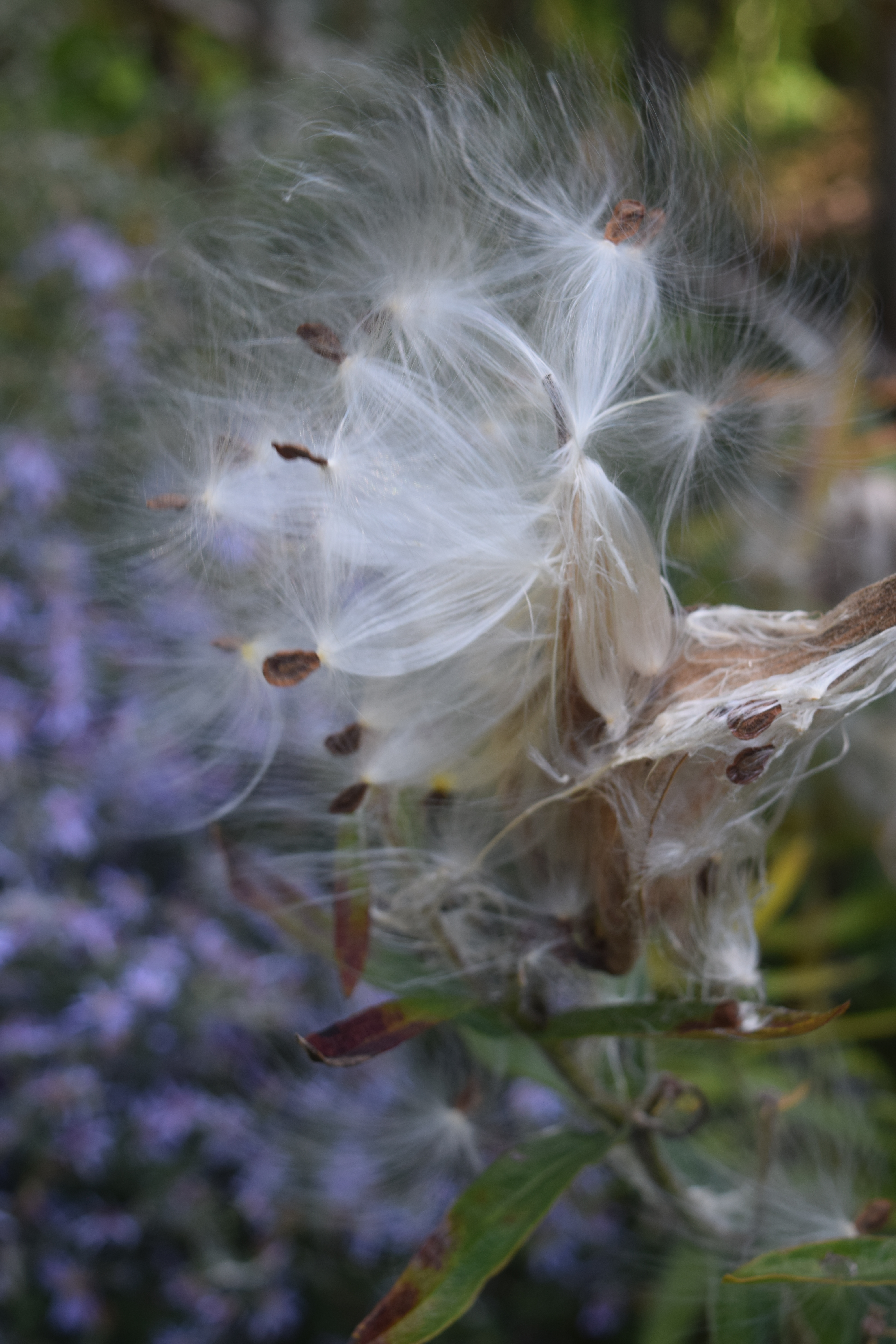
Swamp Milkweed seeds (Asclepias incarnata).

2014-10-05 13.41.03 swamp milkweed

Salvia with Bluestem Goldenrod (Solidago caesia).

2014-10-05 14.01.27 Salvia with bluestem goldenrod

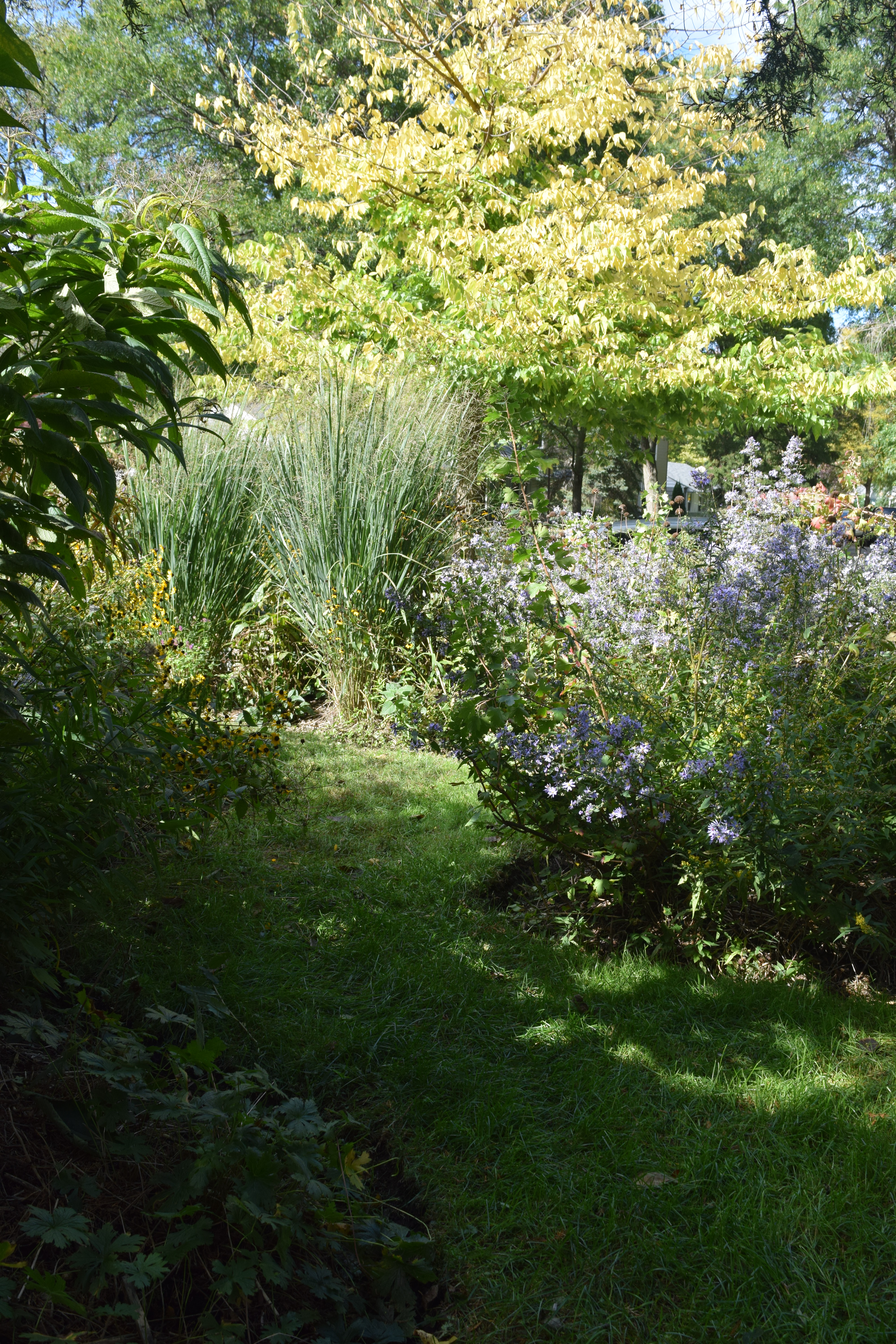
The front garden viewed from the back.

2014-10-05 14.05.34 front garden

The sidewalk border.

2014-10-05 14.06.25 sidewalk border

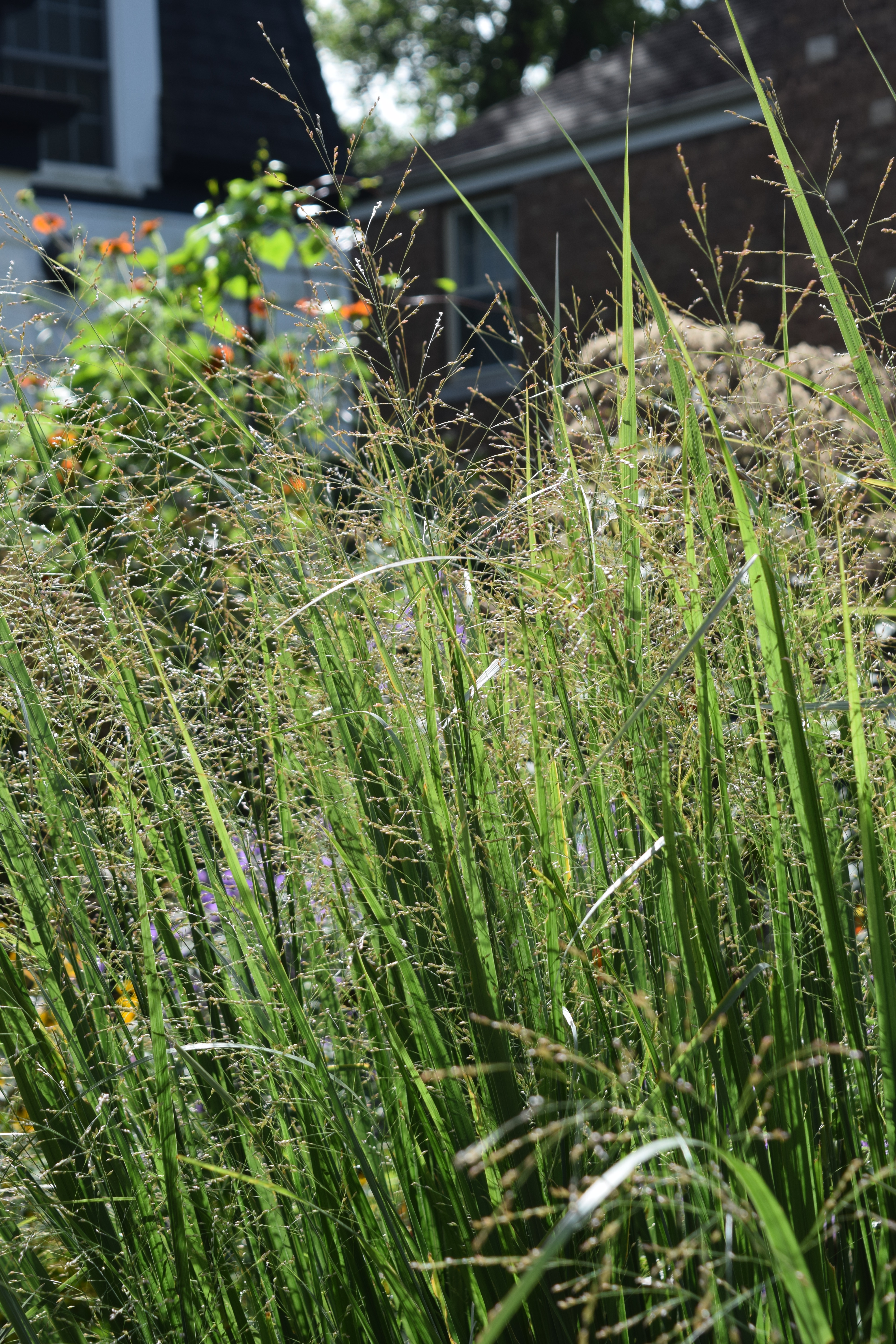
Switchgrass (Panicum virgatum).

2014-10-05 14.08.09

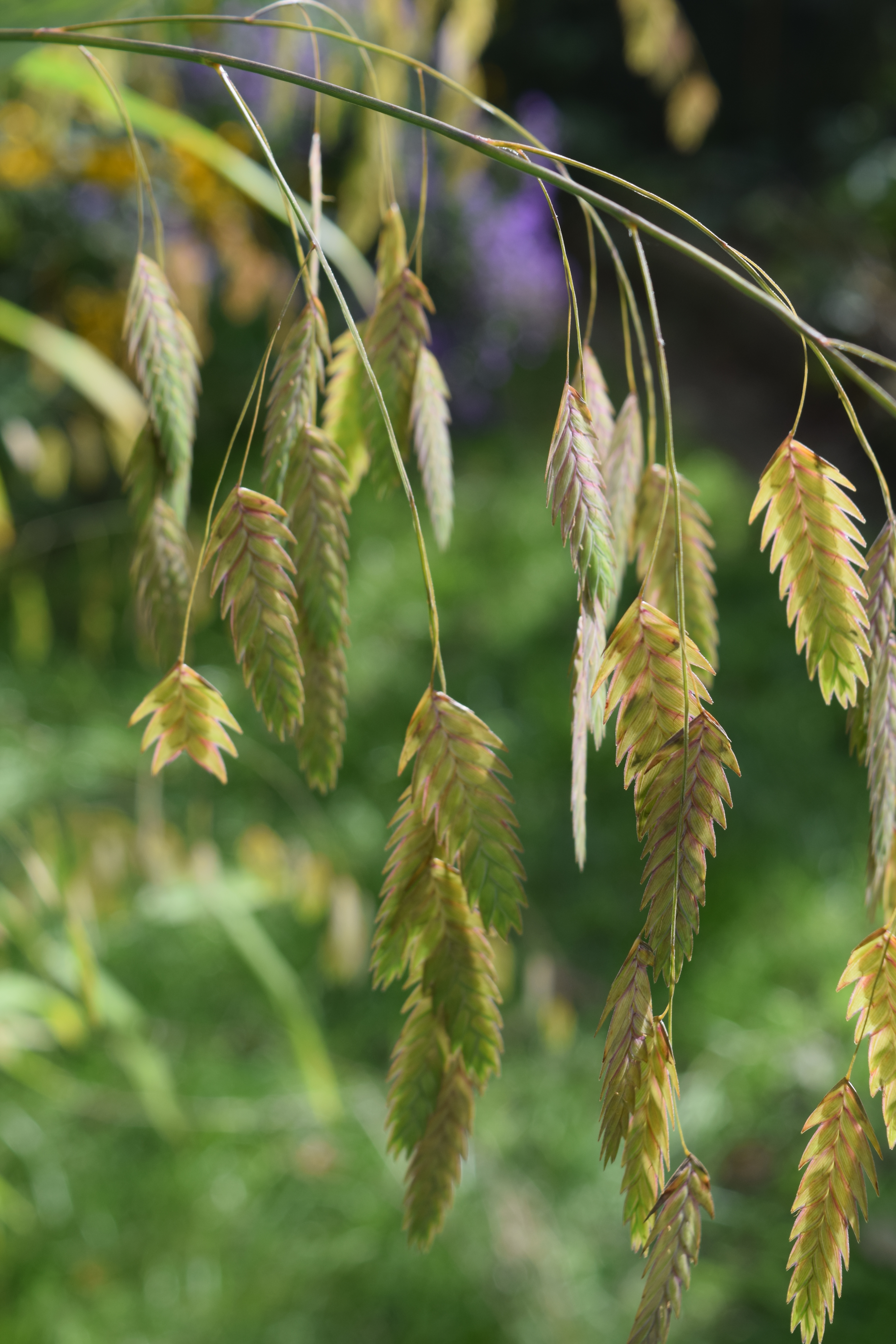
Northern Sea Oats (Chasmanthium latifolium).

2014-10-05 14.09.13 northern sea oats

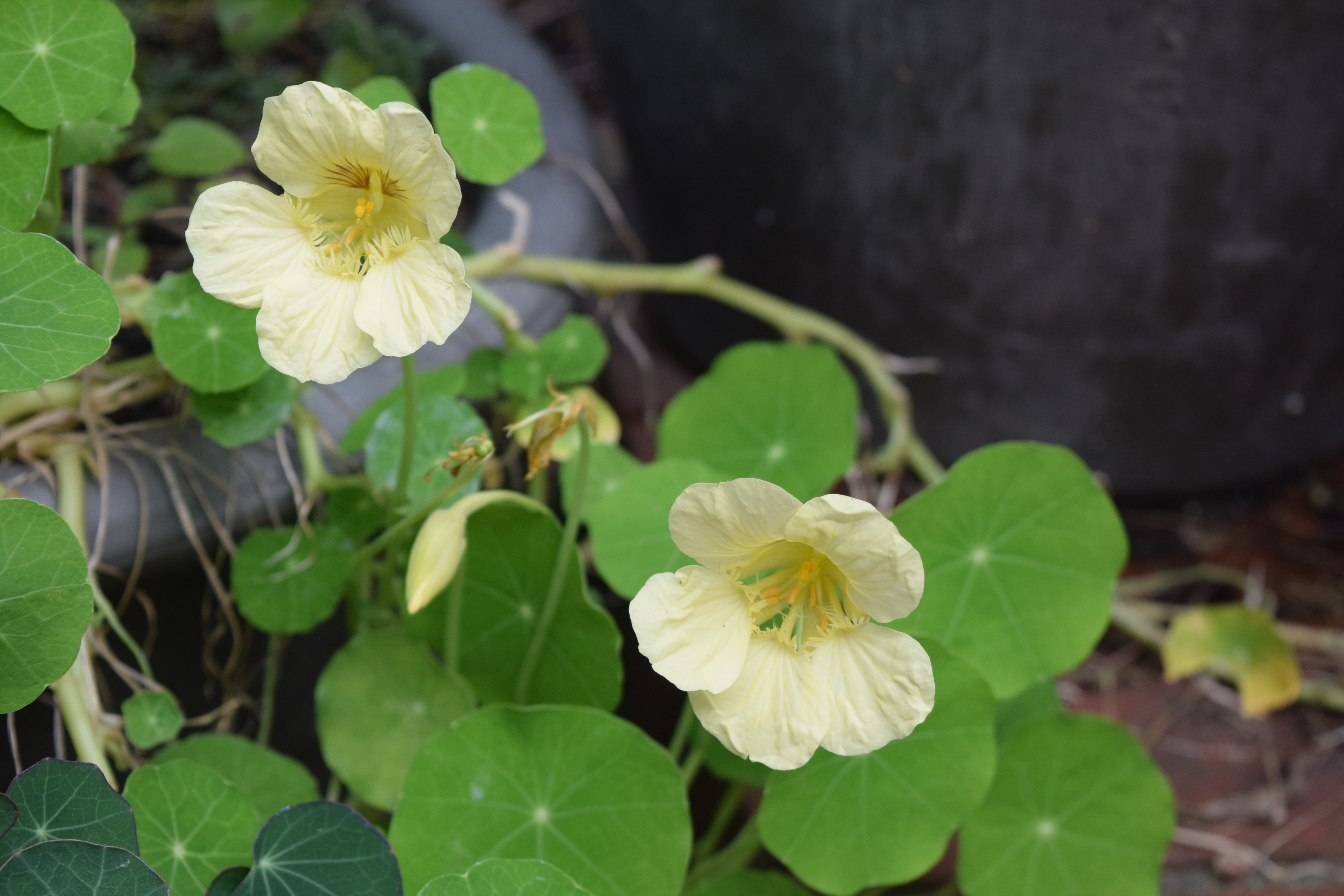
Nasturtiums (Tropaeoleum majus).

2014-10-05 14.10.31 nasturtiums

Happy October!

The Bumblebee, Up Close and Personal

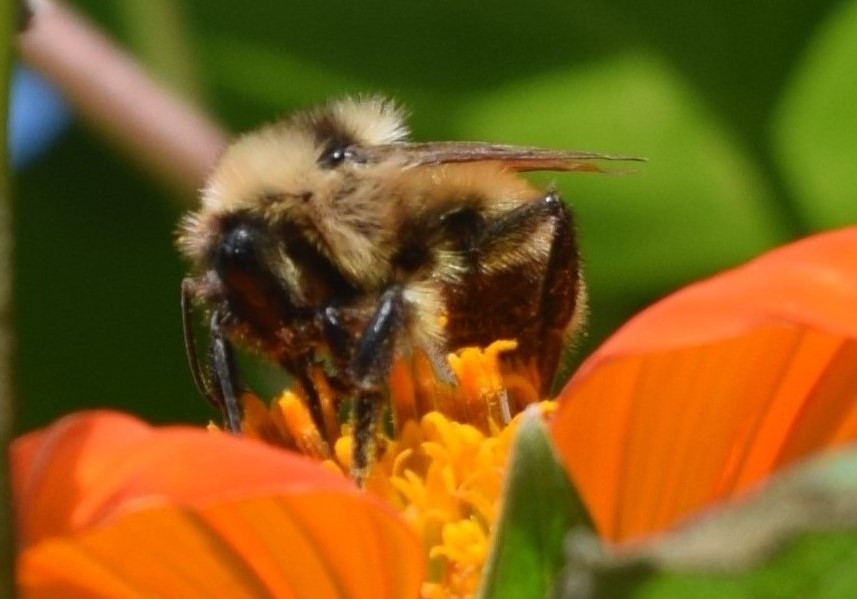
Scientists have determined that Bumblebees are the cutest insects. That’s an official fact. They are the teddy bears of the insect world, furry and rounded.

2014-10-05 14.11.03 Bumblebee

Of course, they are teddy bears with five eyes, two big compound eyes and three little “primitive” eyes.

2014-10-05 14.11.06  bumblebee

There are 46 species of bumblebee native to North America. They are intrepid pollinators who venture out when it is too cold or cloudy, too early in the day, or too early in the spring for most other bee species.

2014-10-05 14.11.15 bumblee

Judy took these pictures on Sunday with her regular lens and I just kept cropping them for a closer look.

Ah, bumblebees. I will miss you over the long winter.

We Have a New Patio! Plus Some Tree News

For the last seven years or so, we have not had a patio. The old patio disappeared when we rebuilt an expanded back porch.

Before the patio. Those are paver samples in front of the table. Everything is covered, of course.
Before the patio. Those are paver samples in front of the table. The furniture is covered, of course.

Since then, we’ve been keeping our limited collection of outdoor furniture on the grass. This had several disadvantages.

  • First, heavier members of our family (I mention no names) would find themselves suddenly sinking towards the ground with one or more chair legs if the soil was nice and soft after a rain.
  • Certain other members of our family who are more easily spooked by insects would frequently be bothered by the sensation of something crawling up from the grass onto her leg.
  • I had to rotate the position of the table or the grass underneath would die.

So we hired a contractor to put in a circular patio made of brick-like pavers. I considered trying to build it myself, but I realized I had neither the time, the tools, nor necessarily the know-how. So we went with a contractor, despite the damage to my DIY cred.

The new patio.
The new patio.

This past week the contractor showed up and got the job done in one day. And it’s pretty nice. We’re quite pleased with it.

As a bonus, the flower bed needs to be brought out to the southeast edge of the patio. Which means I can get more plants!

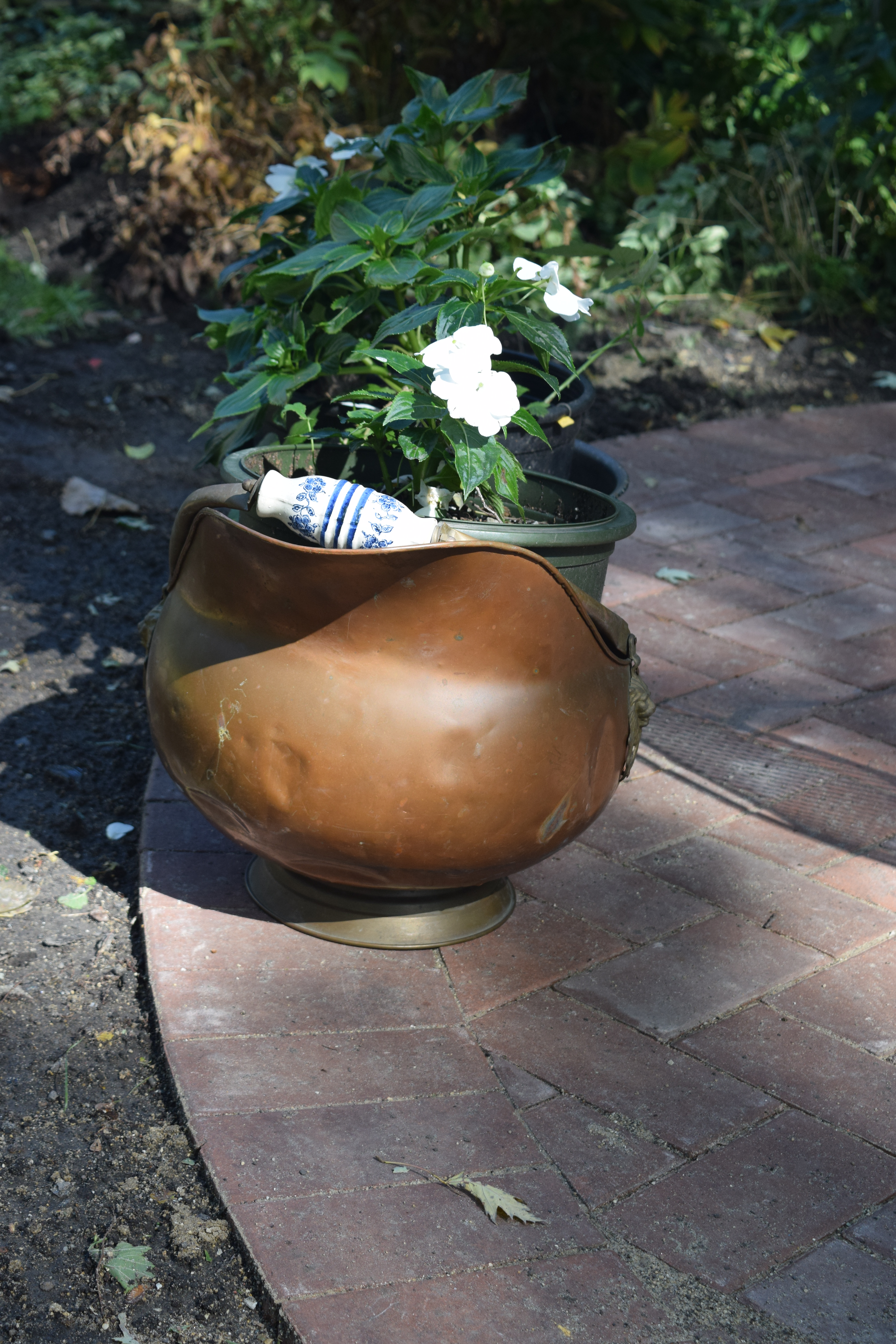
Incidentally, this is an old coal scuttle we found in Wisconsin. I'm using it as a planter by putting a grower's conainer inside.
Incidentally, this is an old coal scuttle we found in Wisconsin. I’m using it as a planter by putting a grower’s container inside. Next year I’ll include more trailing plants to hide the inner container. We also got a blue enamel pot that I’m using the same way.

Plus, the patio provides a context within which buying some White Trillium (Trillium grandiflorum) does not seem extravagant. White Trillium costs about $12 each if you buy four or more from Prairie Nursery. Without the proper context, this seems like too much. However, if I consider the Trillium as part of the cost of the patio, it seems like a much less significant expense.

Another look.
Another look.

On a completely different front, the Evanston forestry crew has taken down the dying Maple (species unknown) in the parkway in front of the Left Bank. I knew this was going to happen, as this tree sported just a handful of leaves and was dropping branches. Still, I was taken aback to arrive home one day and find it gone.

We tried counting the ring and this tree seemed to be 20 years old. I think it died from being planted too deep - it had no root flare.
We tried counting the ring and this tree seemed to be 20 years old. I think it died from being planted too deep – it had no root flare.

I was talking to the new neighbors who live west of us, and we all agreed we wouldn’t mind if the City refrained from replacing this tree. First of all, it’s really too close to a street lamp, and blocks much of the lamplight during the warmer seasons.

Also, without a replacement tree this part of the parkway would be quite sunny and a good spot for a garden. I can imagine it full of Prairie Smoke (Geum trifolium), Wild Petunia (Ruellia humilis), Little Bluestem (Schizachyrium scoparium) and Flowering Spurge (Euphorbia corollata).

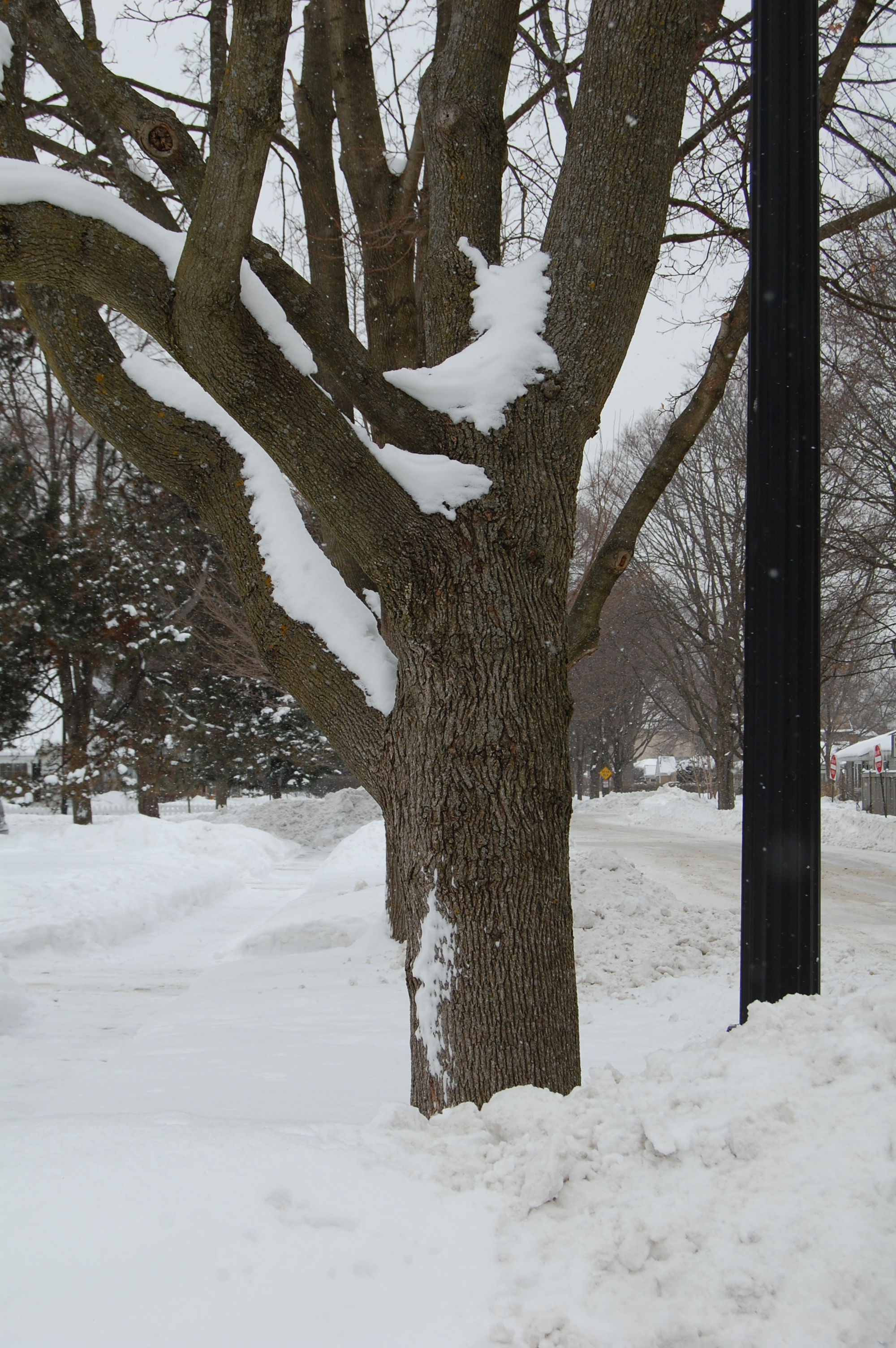
Even while dying, our late Maple had its moments, especially in winter.

Maybe I’ll write the Evanston Forestry Department and let them know we don’t want a replacement tree. (The parkway belongs to the City, and the City plants the parkway trees.) Their hands are full anyway coping with all the dying Ash trees. At this point there’s up to a two-year delay for new parkway trees.

What would you do?

Where Have All the Berries Gone?

Autumn is about fruit. Mists and mellow fruitfullness, as the poet said. In the garden, there’s fruit for people and fruit for the birds. I have lots of the latter.

This year I noticed that lots of the fruit that is supposed to hang around so we can admire it for a while has been gone in a flash.

Grey dogwood berries.
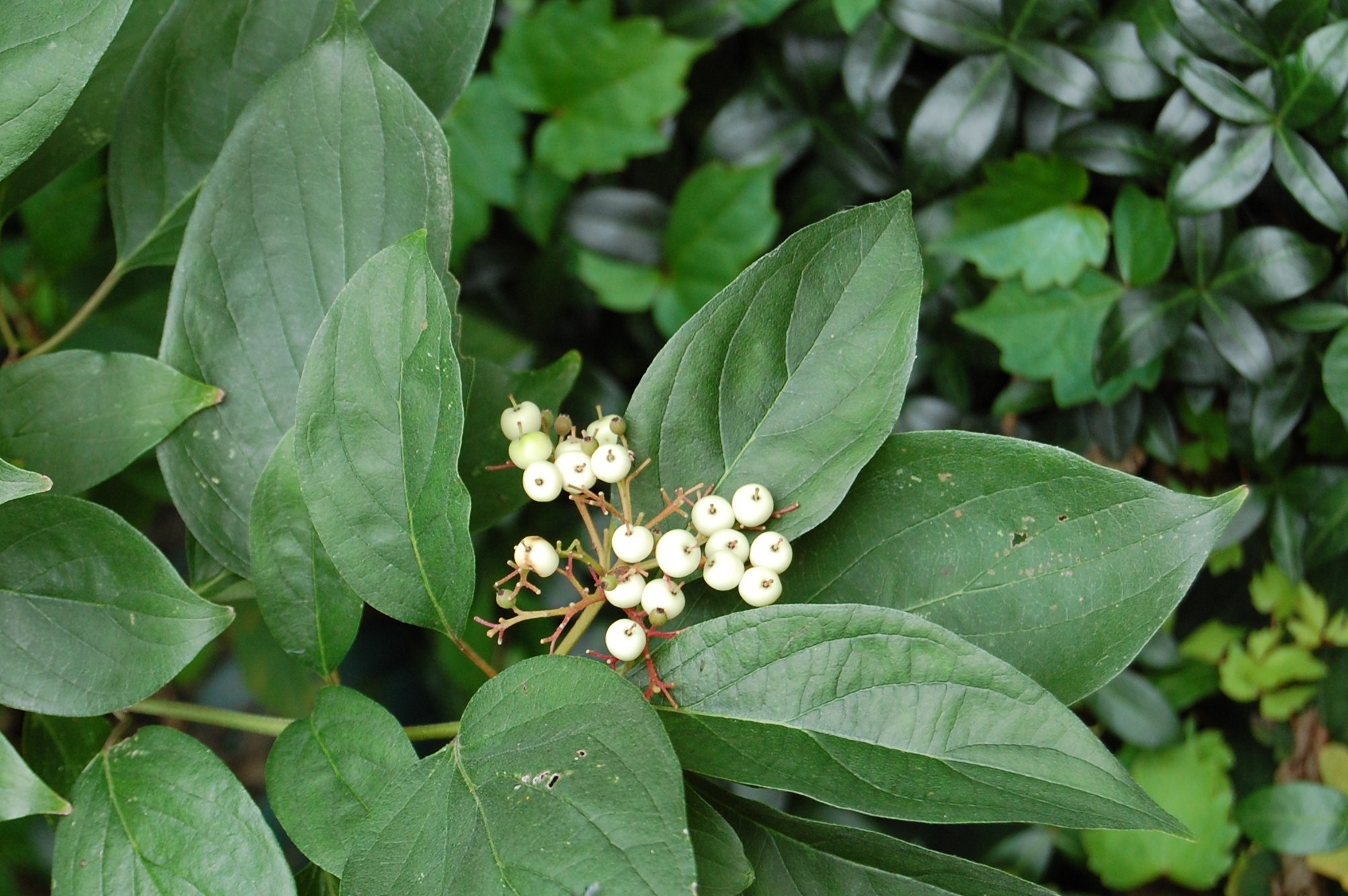
Gray Dogwood berries. Unusual to see this many ripe ones.

Of course, some fruits you expect to disappear quickly. Gray Dogwood, for example, has white drupes that are eaten by birds almost immediately upon ripening. You see the unripe green ones – then they’re gone, eaten up by cardinals, woodpeckers, and other birds.

(I hate to get all botanical, but fruits with a single seed are generally drupes, not berries. Cherries, also, are actually drupes. So you could say that life is just a bowl of drupes, though that doesn’t have the same ring to it. Why am I pointing this out? Because I paid good money for that botany class, damn it.)

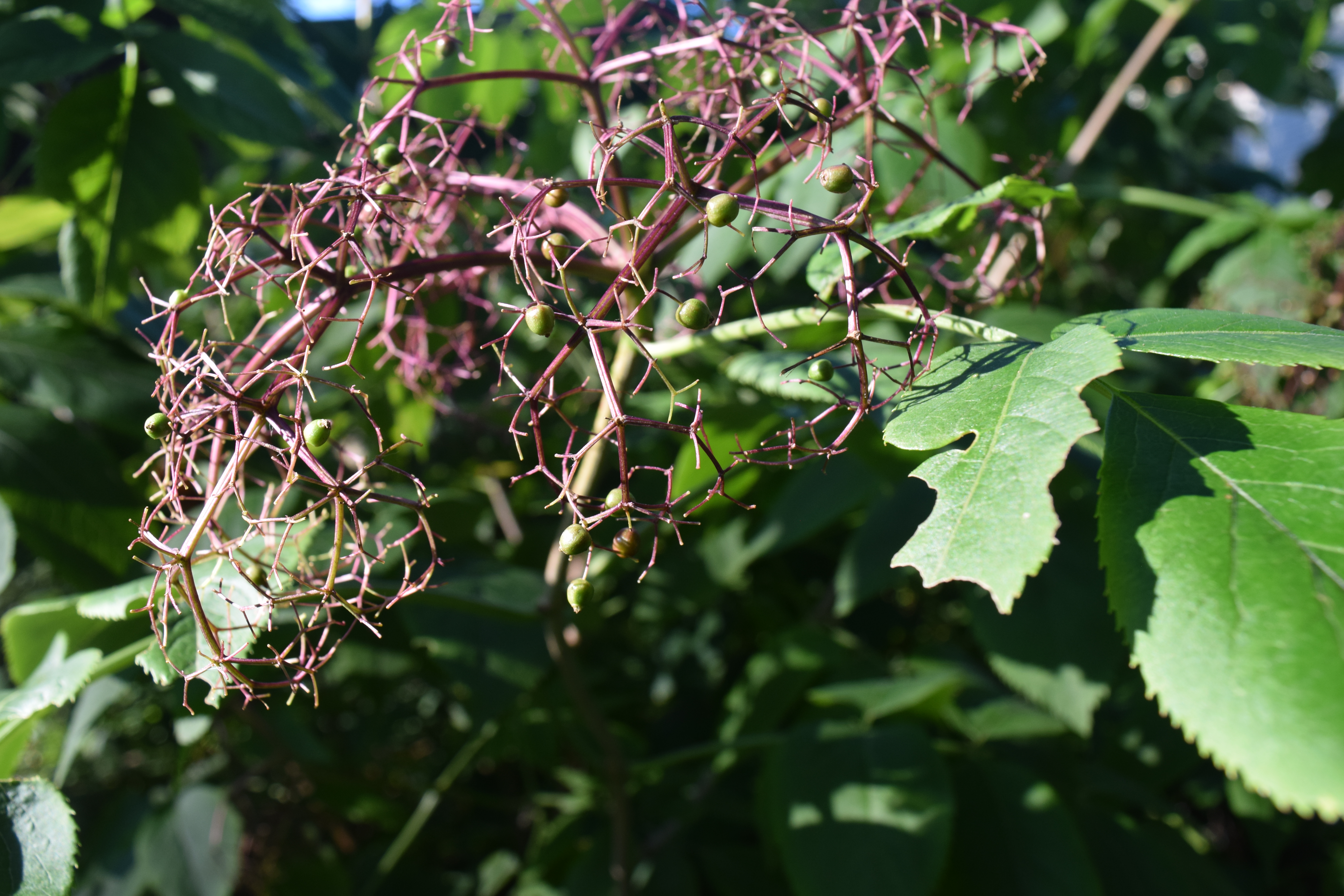
In early September, only a few unripe elderberries remained.

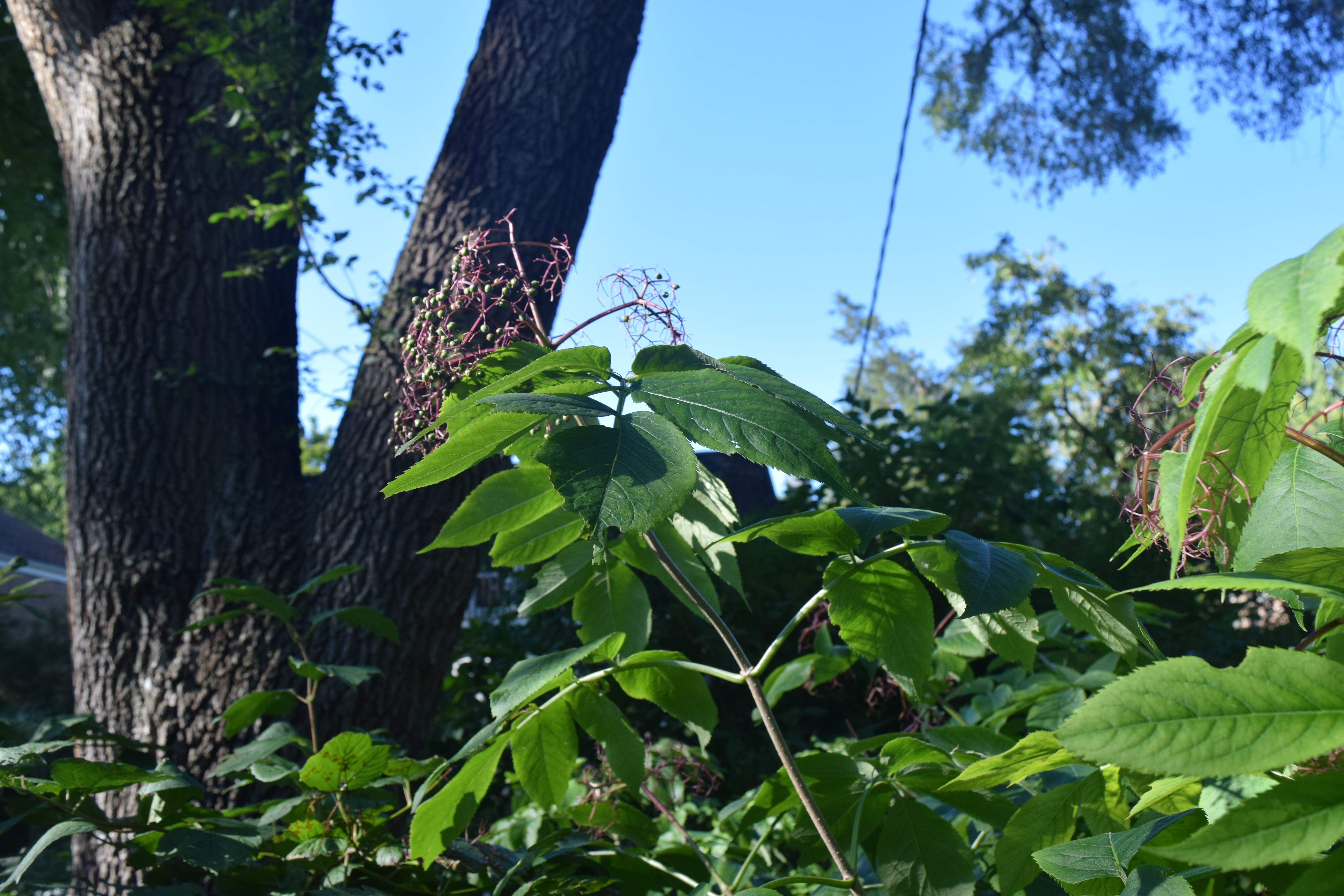
Same thing with my Black Elderberries (Sambucus nigra ssp. canadensis). Elderberries are also drupes, so they should be called Elderdrupes.

All gone!
All gone!

The Elderdrupes are green and unripe, then they’re gone.

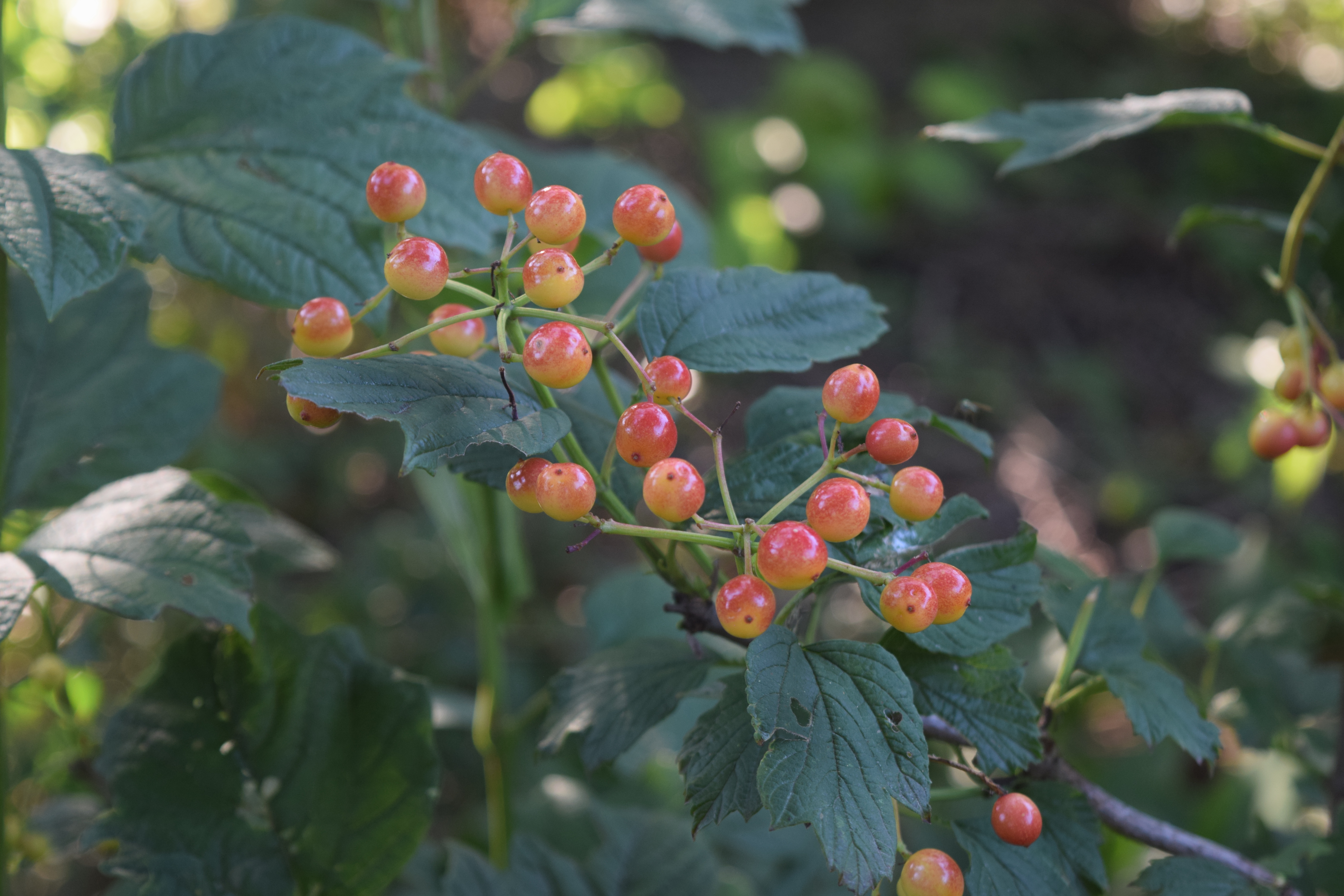
Cranberrybush Viburnum 'Redwing' fruit, not quite ripe, on a young shrub.
Cranberrybush Viburnum ‘Redwing’ fruit, not quite ripe, on a young shrub.

But other plants are supposed to have persistent fruit. Cranberrybush Viburnum (Viburnum opulus var americanum), for example. The shiny red fruit are extremely ornamental and extremely sour. The garden books say that birds won’t eat the fruit until after a freeze, often not until late winter.

Somebody forgot to tell the birds, though. In my garden, all the Cranberrybush drupes were gone by the middle of September.

Fortunately, Cranberrybush has nice red and purple foliage in late fall, plus it’s a host plant for the Spring Azure butterfly.

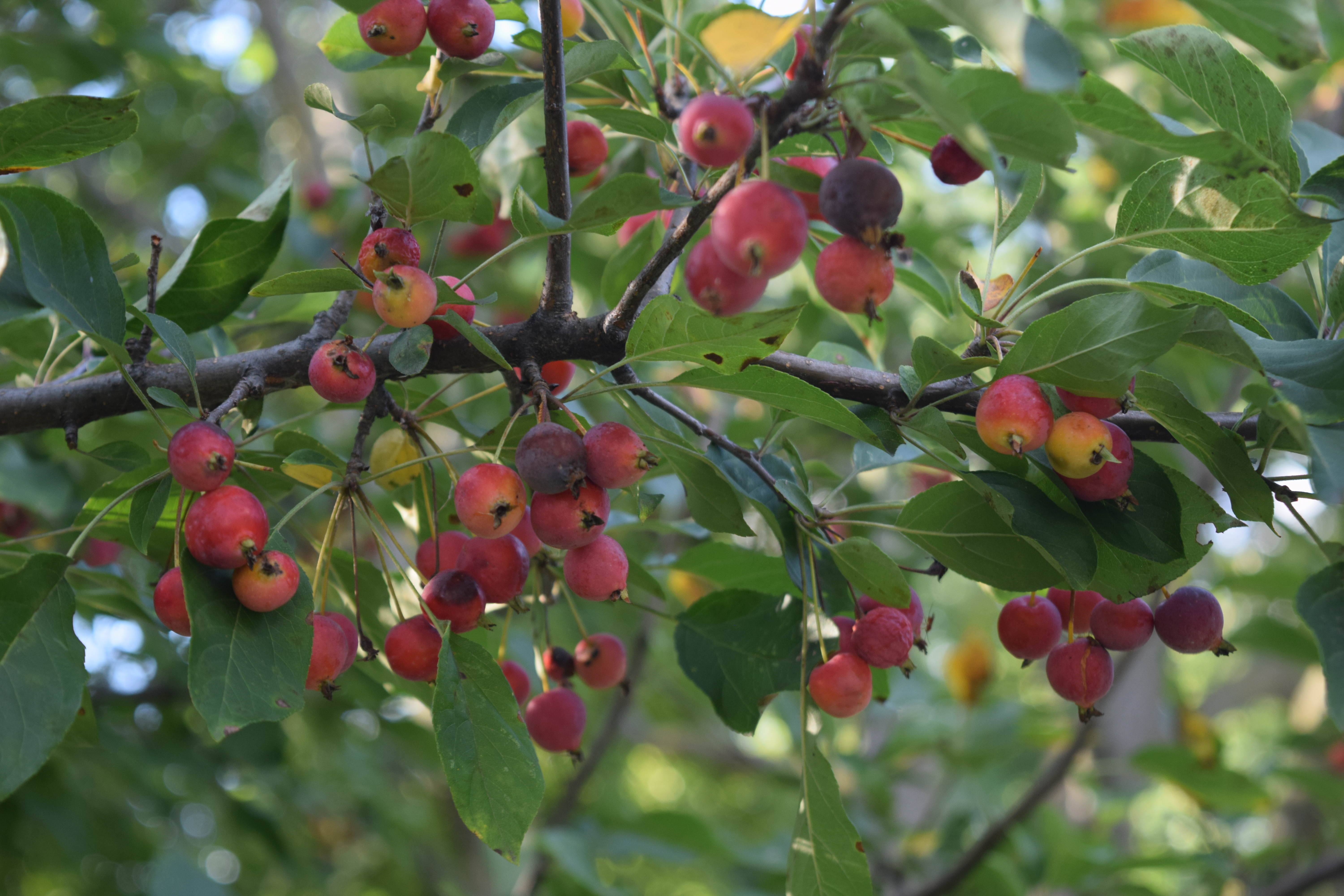
'Donald Wyman' Crabapple
‘Donald Wyman’ Crabapple

Then there’s my ‘Donald Wyman’ crabapple. (Crabapples, like apples, are pomes. As in “I think that I shall never see/a pome as  lovely as a tree.” Ironically, pomes grow on trees.)

Anyway. Experts will tell you that ‘Donald Wyman’ crabapples will stay on the tree until spring. At 1/2″, they are too big for most birds. In the past that seems to have been the case in my garden.
But this year the birds changed their minds. By the end of September all the ‘Donald Wyman’ cranberries were gone.

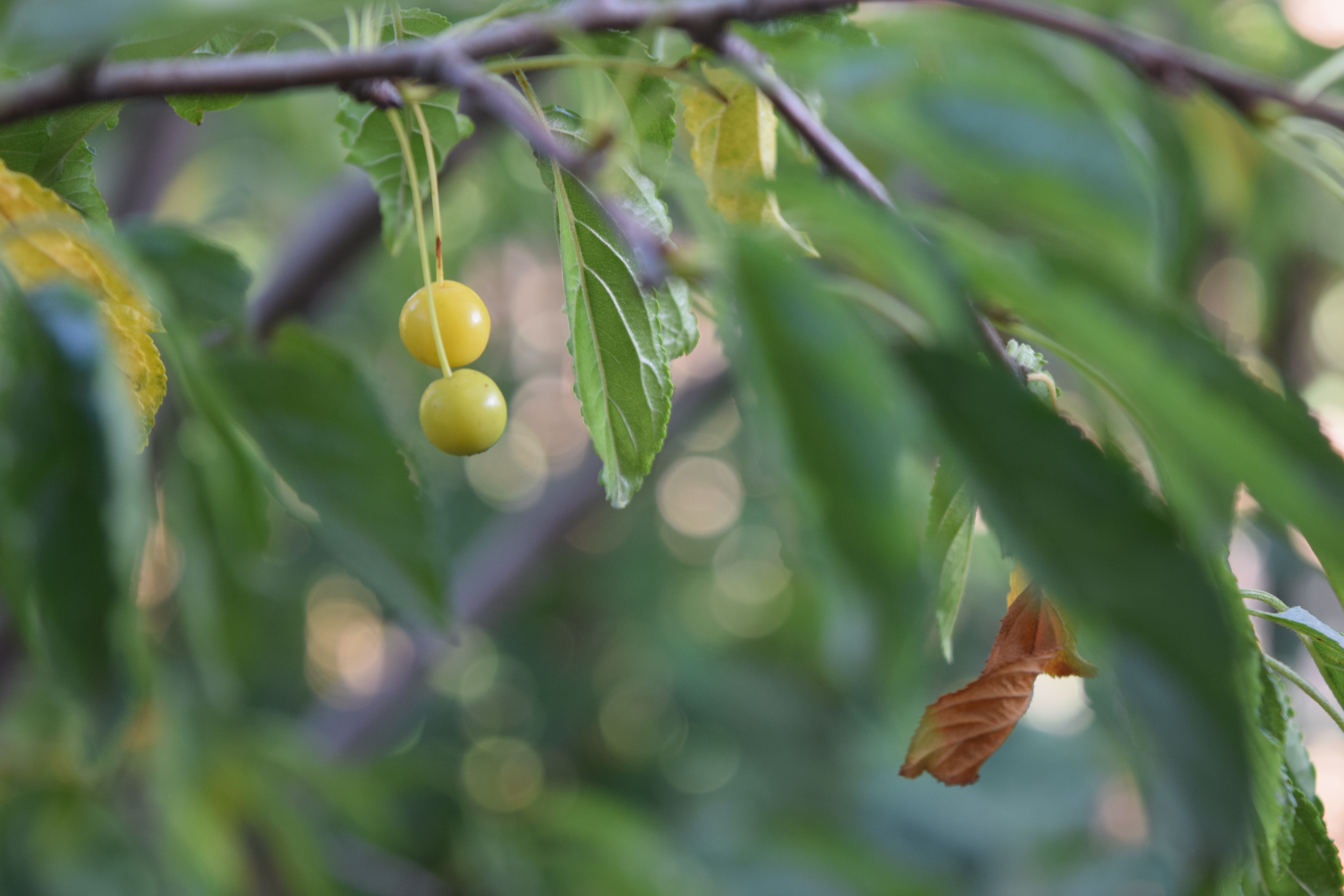
'Golden Raindrops' Crabapple
‘Golden Raindrops’ Crabapple

In July I planted a new ‘Golden Raindrops’ crabapple. Birds are supposed to love the yellow 1/4″ fruit. The new crabapple has just a few fruits, but the birds have ignored them so far.

What’s your favorite ornamental fruit for fall and winter?

Asters Famous and Obscure

I love asters. I love their clouds of little flowers, the way they positively hum with bees, the fresh color that they add to cool autumn days.

Short's Aster
Short’s Aster

In my garden there are a number of aster species, some commonly found in gardens, others more easily found in the wild. I want to write about three of these in this post.

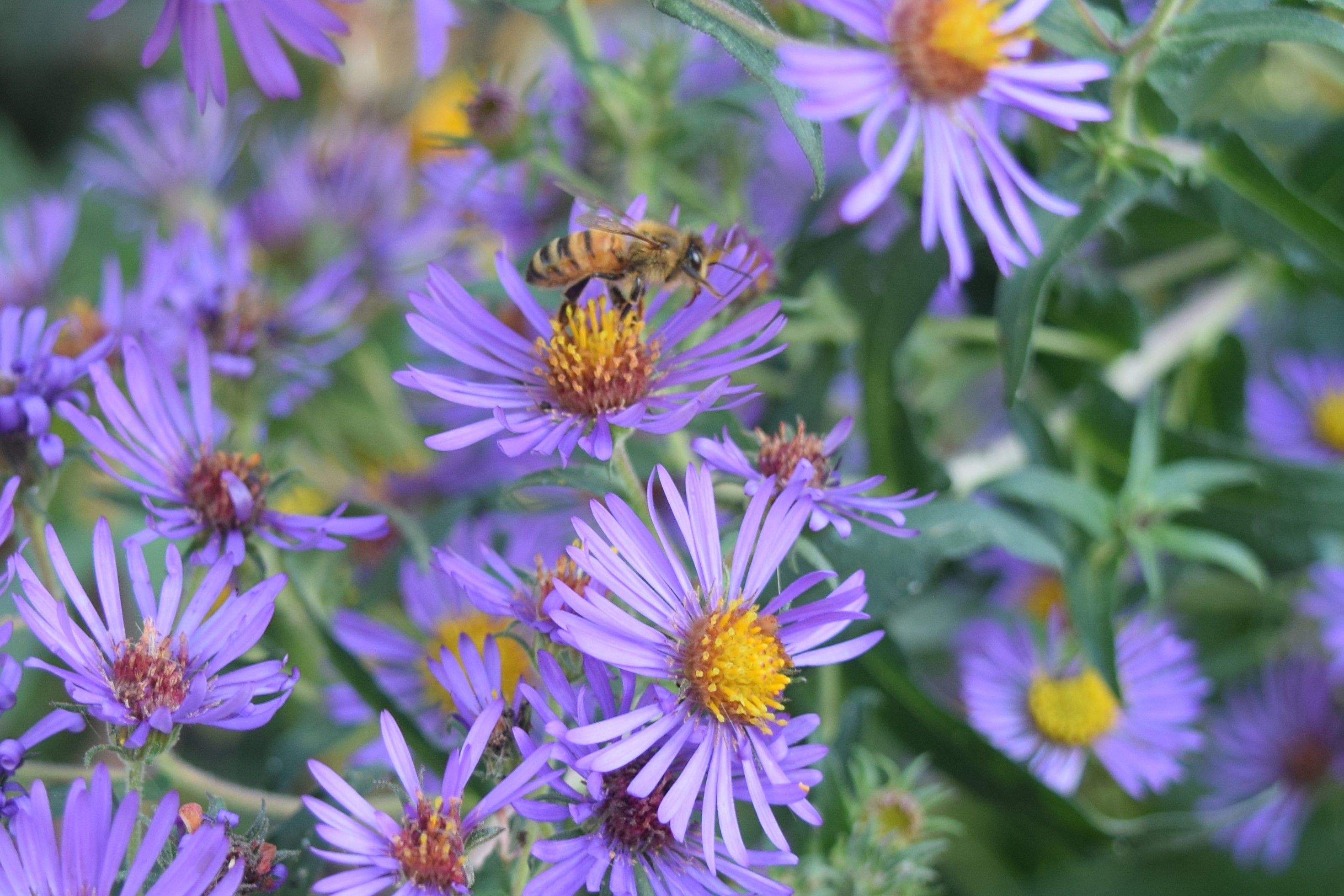
New England Aster in the Island Bed.

New England Aster (Symphyotrichum novae-angliae) is perhaps the most common aster of all. There are at least 70 cultivars developed from the species. I grow the straight species, which is beautiful though it can become shaggy and a bit ungainly. The one above is over six feet tall even after I cut it back by half in early June.

New England Aster up close, with bee.

The petals (ray flowers) are closely arrayed. The flowers of this aster seem more substantial than those of others in the genus.

NE Aster with Metallic Green Bee

Like other asters, New England Aster is popular with bees and other pollinators.

The flowers of New England Aster come in a range of colors.

The flowers range in color from purple to blue to pink. This is an aster that likes sun and moist soil.

Compared to New England Aster, Short’s Aster (Symphyotrichum shortii) lives in obscurity. Which is too bad, because it is a plant with many fine attributes.

Short's Aster up close.
Short’s Aster up close.

The sky blue flowers are rather dainty but fetching, the rays a bit more sparse.

Short's Aster
Short’s Aster

However, they congregate in great numbers, almost covering the entire plant.

Short's  Aster with Blue Stem Goldenrod
Short’s Aster with Blue Stem Goldenrod

Short’s Aster is self-reliant, tolerates shade, and is not too fussy about soil. It grows to about 4′ in my garden, and is much less inclined to flop than New England Aster.

Short's Aster with ferns.
Short’s Aster with ferns.

I also like the name. Pronouncing the specific name shortii (shorty-EYE) makes a person feel more intelligent. All the names ending in “ii” are like that. I don’t know why, they just are.

Also, Short’s Aster is named after Charles Wilkins Short, a Kentucky botanist and physician from the first half of the 19th Century. Short was an avid scientist, an expert on medicinal plants, and an early opponent of slavery.

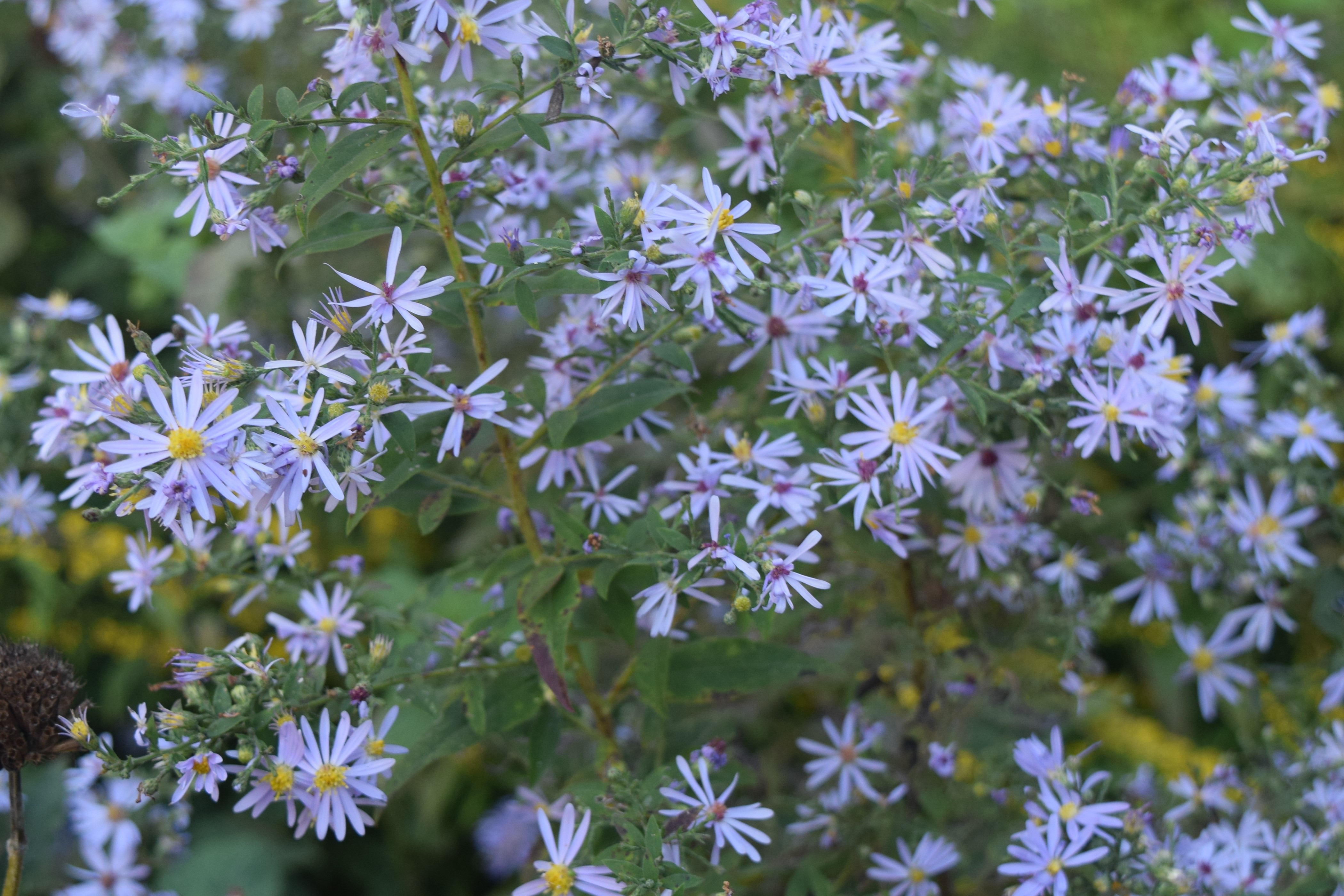
One last Aster I’d like to mention is Calico Aster (Symphyotrichum lateriflorum).

Calico Aster
Calico Aster

Calico Aster is more common than Short’s Aster but far less well-known than New England Aster. There are a handful of cultivars, but again I grow the straight species. The habit is dense and shrubby.

Calico Aster up close

Calico Aster’s flowers are very tiny but very profuse. They are white with maroon centers. They are also extremely popular with pollinators. One of the few times I’ve been stung was when I was trying to remove a Calico Aster that was still blooming.

Do you have a favorite aster?

Fall Planting!

The Left Bank – the bed that lies west of the driveway between the crabapple and the sidewalk – has been born anew. The last three weeks I’ve hardly gotten into the garden at all, but yesterday I spent a good six hours digging out the old and planting the new.

The Left Bank as the makeover begins.

You may recall how I was dissatisfied with the Left Bank, which looked to me like an amalgam of green piles of dirty laundry (perhaps the piles from my old bachelor apartment come back to haunt me). They were a collection of good plants that didn’t go well together. (Hey, maybe that could be a book: “When Good Plants Make Bad Partners“.)

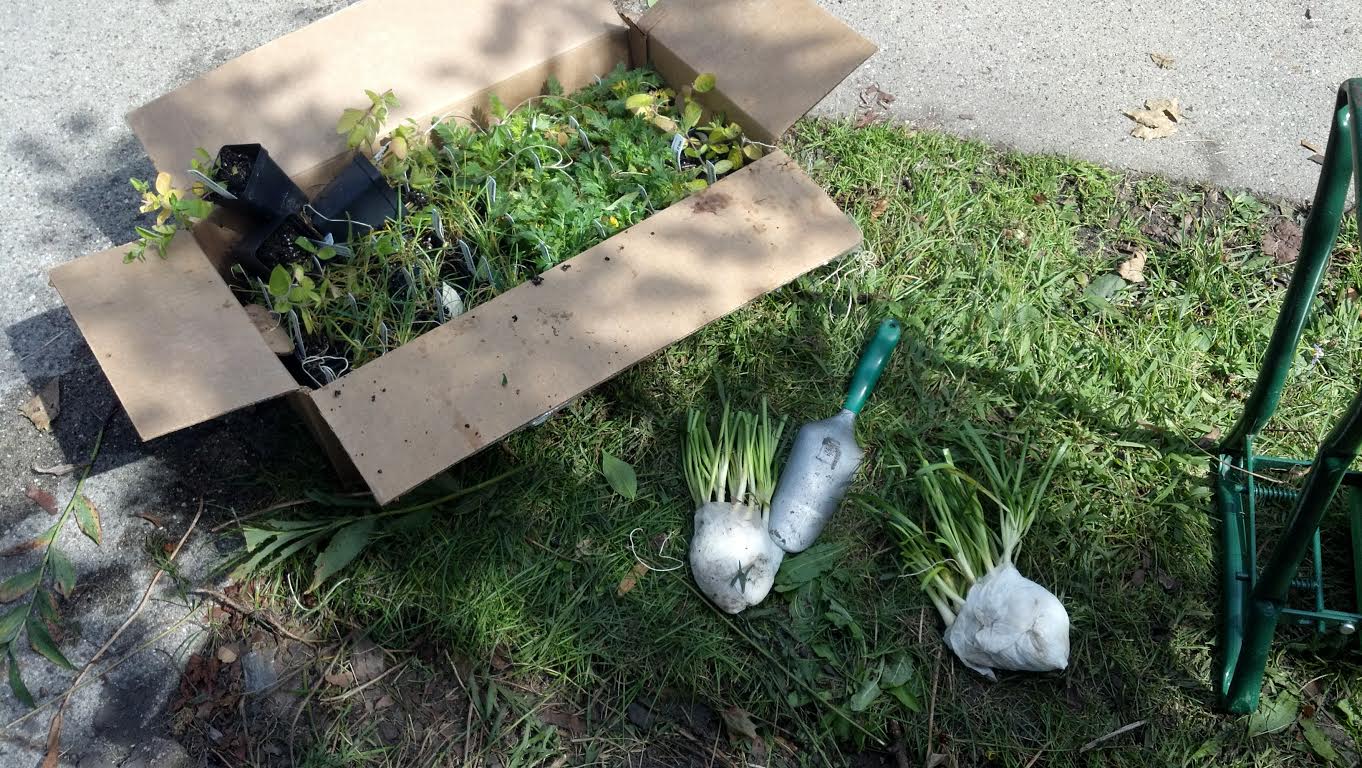
New plants from Prairie Nursery and my friend Rachelle.

Since the new plants had arrived, it was time to get to work. Out went the Smilacina stellata, the Aromatic Aster (Symphyotrichum oblongifolius), the “May Night” Salvia, the Coreopsis palmata. Actually, they did not go easily. Between the Coreopsis, Aster, and Smilacina, the top few inches of soil were a dense mass of rhizomes. I thought at first the soil had somehow become compacted, but it was just all those dang roots. The Coreopsis roots in particular were like iron spaghetti.

No doubt I’ll be battling remaining bits of these rhizomes for years to come, but c’est la jardin.

Prairie Smoke and Starry Solomon's Plume
Prairie Smoke and Starry Solomon’s Plume

What stayed were the Anise Scented Goldenrod (Solidago odora), the Prairie Smoke (Geum triflorum), and the Prairie Dropseed (Sporobulus heterolepsis).  The Dropseed I rearranged to make more of a border along the west side of the bed.

And of course, the many species tulip bulbs. Actually I was quite pleased that I was able to avoid digging up more than a few of the existing bulbs.

Lead Plant. Photo from prairienursery.com.

The new plants had mostly arrived from Prairie Nursery in Wisconsin. There were a whole bunch of Prairie Onions (Allium stellatum), which I used to make a border along the east side of the bed. There were enough Prairie Smoke to make the existing drift of this plant much deeper There were some Wild Petunia (Ruellia humilis), and one Lead Plant (Amorpha canescens).

'Summer Beauty' Alliums at the Lurie Garden.
‘Summer Beauty’ Alliums at the Lurie Garden.

Also, my good friend Rachelle from Talking to Plants sent me some ‘Summer Beauty’ Allium, which are like a larger and showier version of the Prairie Onion. I saw masses of ‘Summer Beauty’ this year at the Lurie Garden and knew I had to have some. Thanks again, Rachelle!

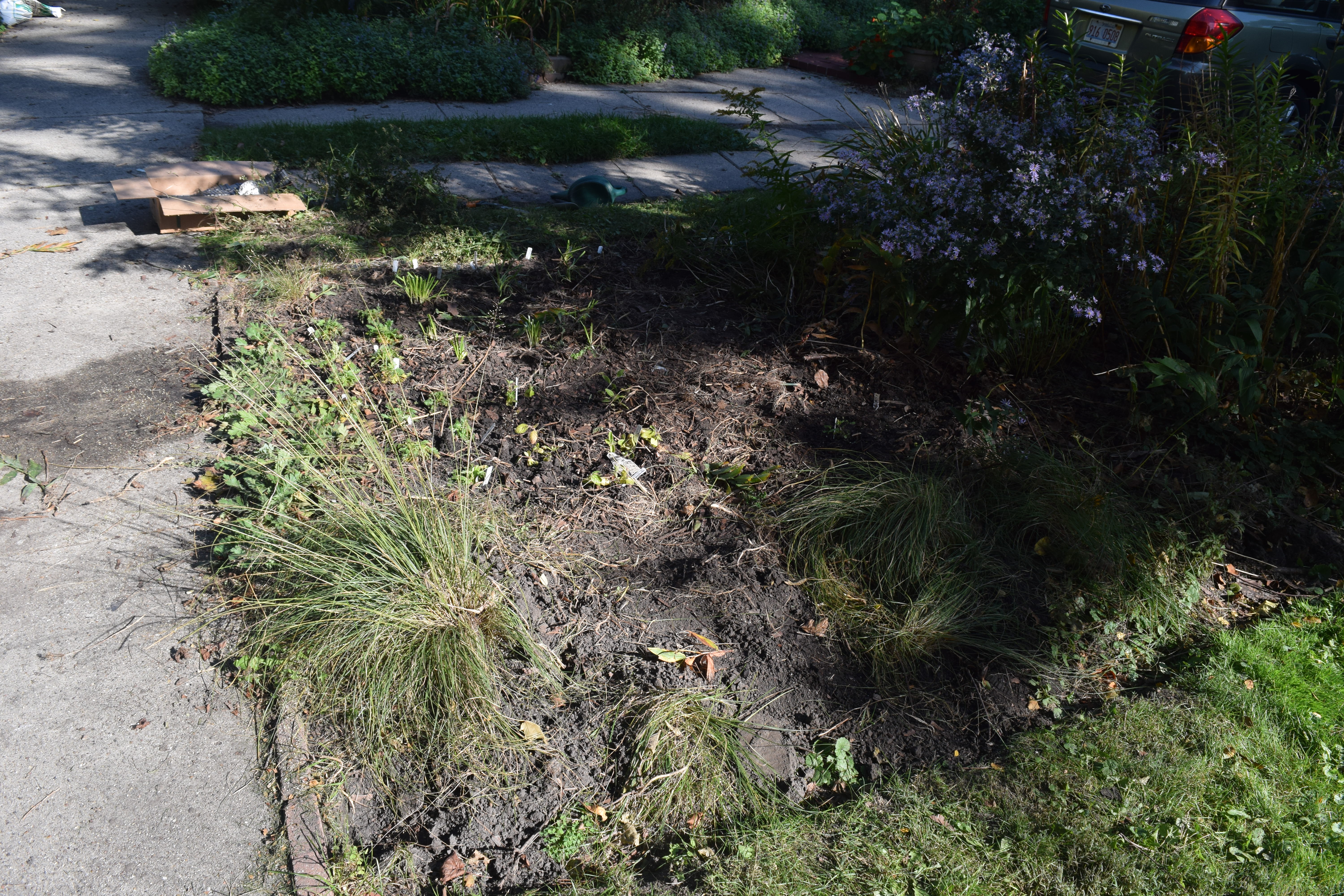
The Left Bank at the end of the day.
The Left Bank at the end of the day.=

By late afternoon I was done – at least for this stage of the makeover. I still have a bunch of bulbs to plant – species and Kaufmanniana tulips, and a few Lilium auratum ‘Gold Band’ – but they have not yet arrived. Which is a good thing, because my back, knees, and thighs were preparing to go out on strike against my brain.

Next year I think I’ll mix in some brightly colored annuals, maybe Zinnias, to contrast with the summer lavender blooms of the Ruelia and Alliums.

Have you done any fall planting yet?

The End of Colony Collapse Disorder?

There was a somewhat encouraging but confusing opinion piece in the New York Times on Friday about the decline of honeybees. 

In the column, biologist Noah Wilson-Rich states that “Scientists I’ve spoken to in both academia and government have strong reason to believe that CCD [Colony Collapse Disorder] is essentially over.” Wilson-RIch claims that there hasn’t been a definitive case of documented CCD in three years.

Bumble Bee, Wild Bergamot
Bumblebee coming in for a landing

My first reaction to the column was to wonder if the author was part of some front group put up by the pesticide industry to counter demands for banning neonicotinoid insecticides. But Wilson-Rich seems to be legitimate: he is a professor of biology at Simmons College in Boston. He is the founder of the Best Bees Company, which installs and manages hives for residential, commercial, and agricultural properties. Profits generated by Best Bees is dedicated to bee research. And he is a giver of TED talks, if you like that kind of thing.
And Wilson-Rich is not saying that all is well, far from it. CCD may be over, but bees are still dying. He says that honeybee losses have stabilized at about 30% a year: “The danger to bees is no longer growing.” I found myself a bit confused about what exactly that means.
2014-07-04 16.28.06 Tithonia and bee

According to the article, bees are still threatened by diseases, insecticides,  and habitat loss. Wilson-Rich advocates moving away from monocultural farming practices and doing more to encourage pollination by native bees. In fact, he cites research indicating that expensive hired honeybees (living in hives trucked from farm to farm) are getting the credit for pollination performed by other species of bee.

Have you seen this article? What did you make of it?

Early Fall Color and Other Scenes From Wisconsin

We stayed at a cabin on Loon Lake owned by our friends Bob and Wendy.

2014-09-15 18.52.17

There was a wonderful small dock jutting into the water,

2014-09-18 17.43.14

2014-09-18 17.48.54 wisconsin

It was perfect for gazing at reflections in the water …

2014-09-18 17.40.52

Not to mention reading, stargazing, and listening to the loons.

2014-09-18 17.59.53

Judy really enjoyed hanging out on the dock. You can see how the water level was unusually high due to all the rains.

2014-09-16 17.58.59

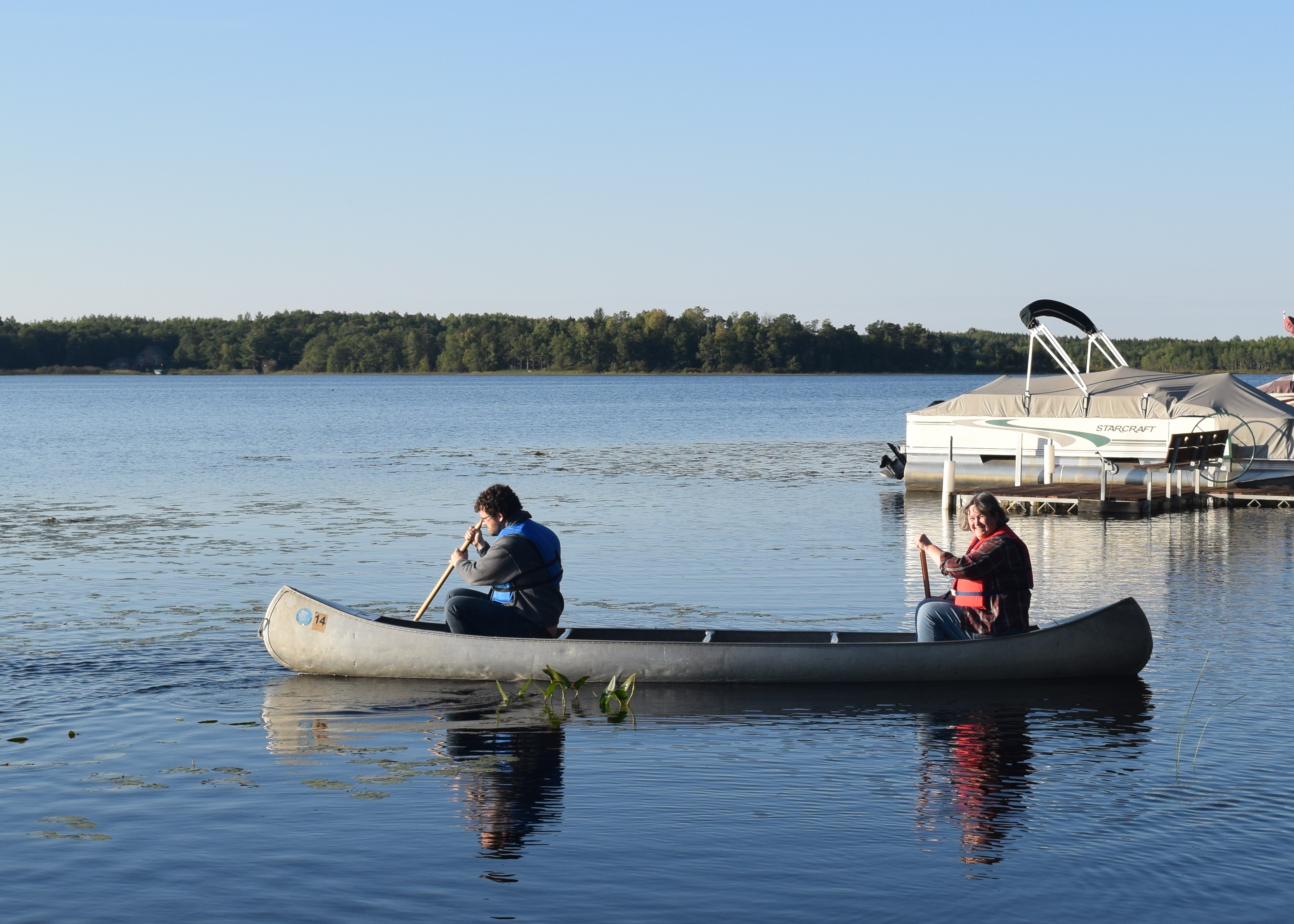
There was a canoe at the cabin and Danny and Judy took it out on the lake.

2014-09-16 18.00.37

They got all the way out there and back without falling into the water.

2014-09-20 14.49.40

We were there for the very beginning of fall color. Most of the color was from the maples.

2014-09-19 14.10.07

But there was also lots of sumac.

2014-09-19 14.04.01

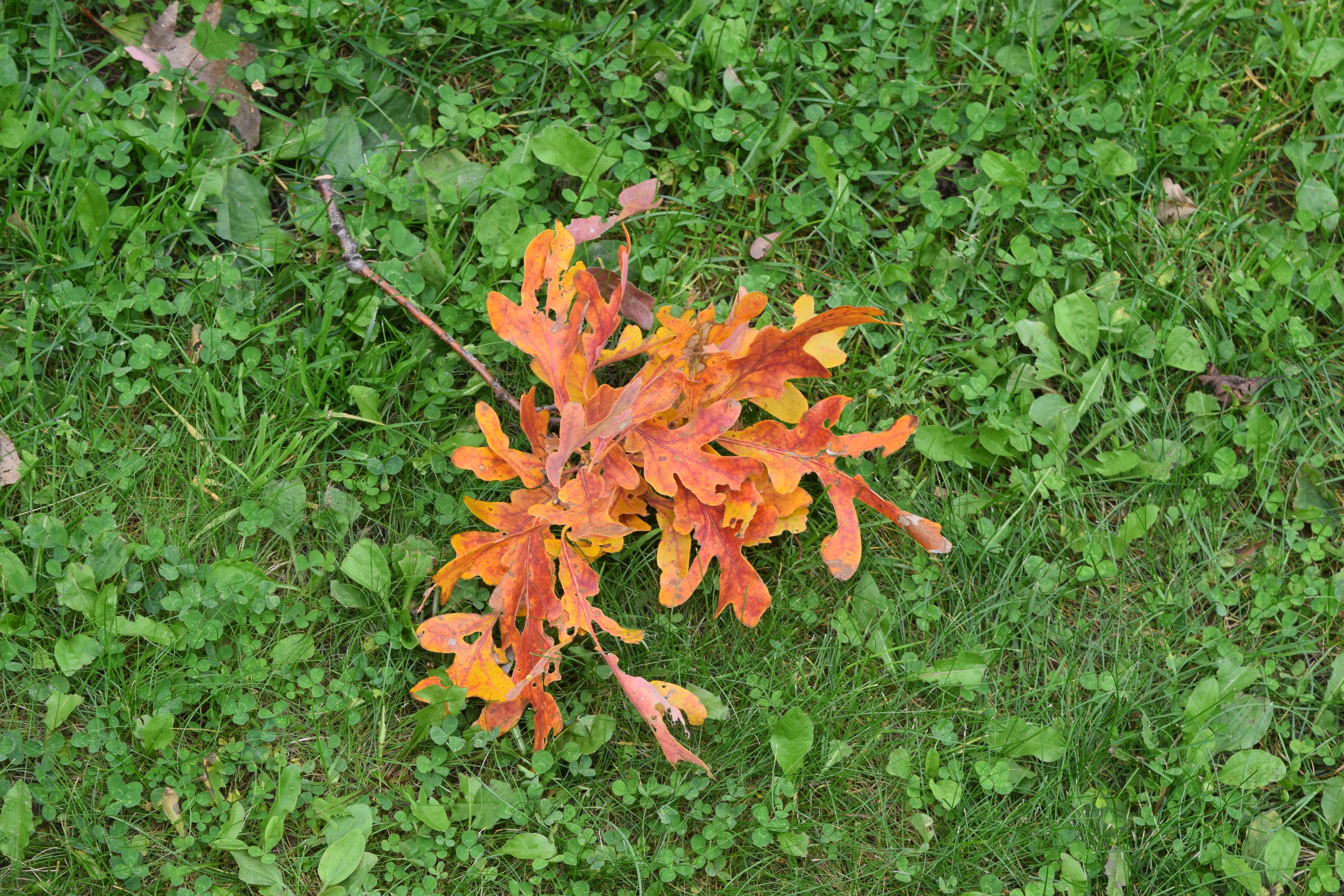
And a bit of oak.

David dragging wooden sections of the dock to the barn.

On our last day at the cabin Bob and Wendy arrived and we helped them bring the dock in for the winter. The disassembled wooden sections were unusually heavy because they were soaked by the high water levels.

2014-09-20 11.19.58

The last stage of bringing in the dock was rolling in the metal frame. Wendy provided essential encouragement.

norske nook

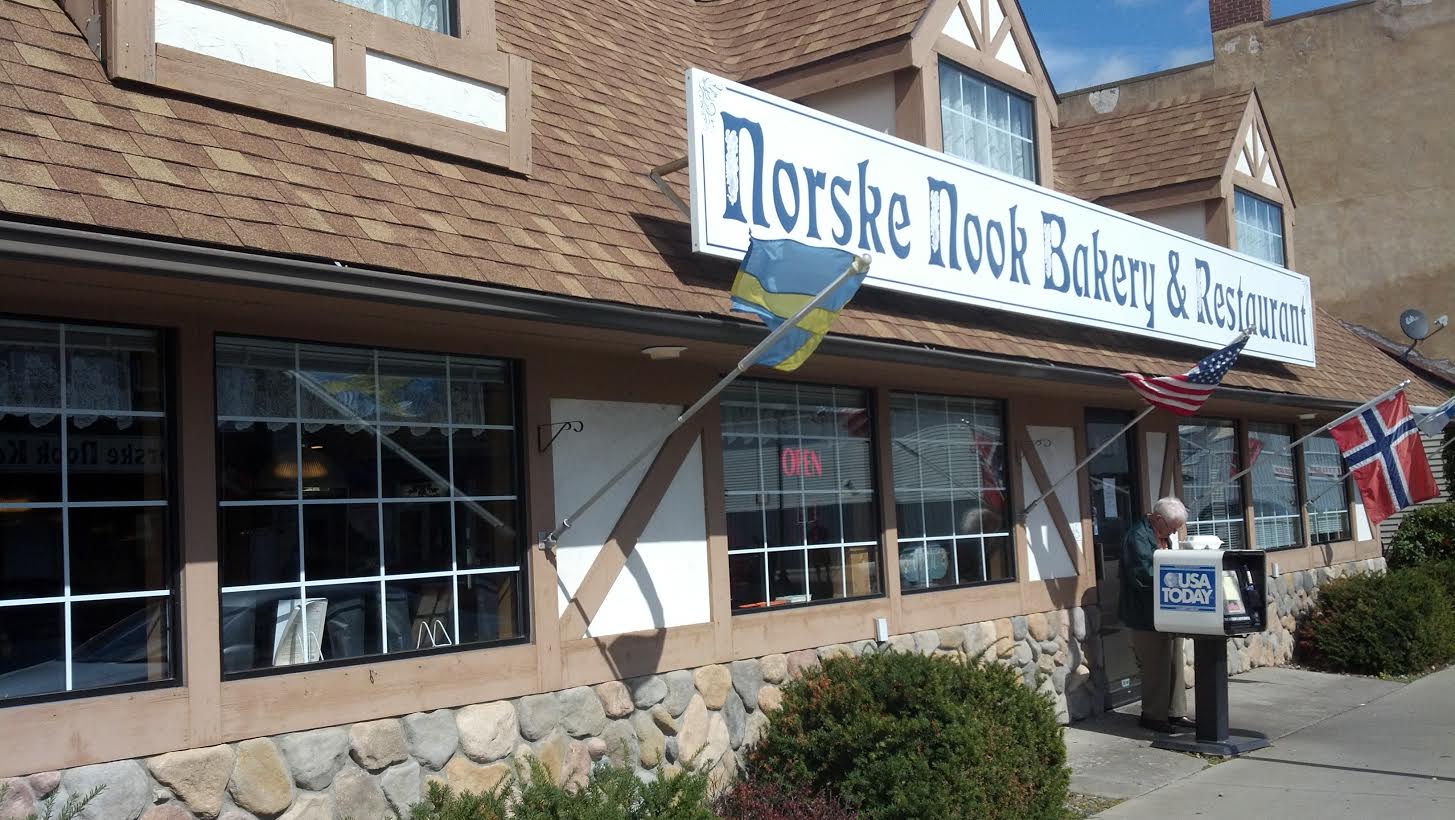
After finishing up with the dock, we drove back to St. Paul to drop off David. The next day Judy, Danny and I made the long drive back to Chicago. We did stop at the Norske Nook in Osseo, Wisconsin, for some pie. If you ever have to drive on I-90 from Chicago to Minnesota, I highly recommend you make a stop. Danny bought a whole chocolate cream pie to bring back to his girlfriend.

Next post: fall planting!

When Beavers Attack

Our week in Wisconsin was about more than just falling out of kayaks. It was also about enjoying the natural world. And we particularly enjoyed the natural world on the day we went hiking at the Hunt Hill Audubon Sanctuary, which was about 30 miles from our cabin.

Some early fall color at Hunt Hill.

Hunt Hill has 400 acres of woods, meadow, and bogs – plus two glacial lakes. It was also one of the few places to hike where you didn’t need an orange jacket to reduce the chance of being shot by a hunter. While the main deer season is in November, in mid-September Wisconsin allows black bear hunting, wild turkey hunting, and crossbow hunting of deer. Hunting goes on in most public lands, but not in Audubon Sanctuaries.

Beaver on the rampage. Photo: Lauren Smith.
Beaver on a rampage. Photo: Lauren Smith.

There was still plenty of mayhem going on, though mostly it was perpetrated by beavers.

I mean, really, look at this.

Walking near one of the one of the lakes we were astounded by the number of trees cut down by the little furry vandals.

2014-09-19 14.13.43 Hunt Hill
Tree placed by beavers across path.

In what may have been acts of rodent sabotage, we found large trees that had been felled so that they lay across hiking trails.

There was no way this tree was going to end up in the water.
There was no way this tree was going to end up in the water. So what’s the point?

I understand about how they use trees to build dams, but many of the trees taken down were not by the water. Perhaps those were just for practice, or it might have just been beavers on a rampage.

Acorns were plentiful.

We were in a part of Wisconsin where the deciduous forest gradually transitions to coniferous, making the woods here especially diverse.

Birch trunks.
Birch trunks.

Birch and white pine mixes with oak and maple.

Jack-in-the-pulpit berries?

Walking through a bog we saw the green fruit of what seemed to be jack-in-the-pulpit. I didn’t think they grew in bogs, and wondered if these might be the berries of pitcher plants – but Google Images made that seem unlikely.

2014-09-19 14.22.13 hunt hill moss

This was a happy place for mosses.

2014-09-19 14.29.05 hunt hill fungus

Not to mention fungus.

We also hiked through some of the meadows, which were traversed by grassy trails.

2014-09-19 14.42.37

You could see how these meadows would easily turn into shrubland and then woods without regular mowing.

Goldenrod, aster, and wild raspberry

There were grasses, asters, goldenrods, and other wildflowers – but also lots of wild raspberry and young woody plants.

Milkweed pods.
Milkweed pods.

The raspberry leaves were turning various shades of red, which combined nicely with the yellow goldenrod and blue aster.

Some kind of shrub dogwood.

We never actually did see any beavers or even much in the way of birds, but I am told that in general the birdwatching is excellent. And they have a very successful bluebird breeding program!

If you find yourself in northwest Wisconsin, near the town of Sarona, Hunt Hill is worth a visit. Just watch out for falling trees.