Danger Garden: Fear Not!

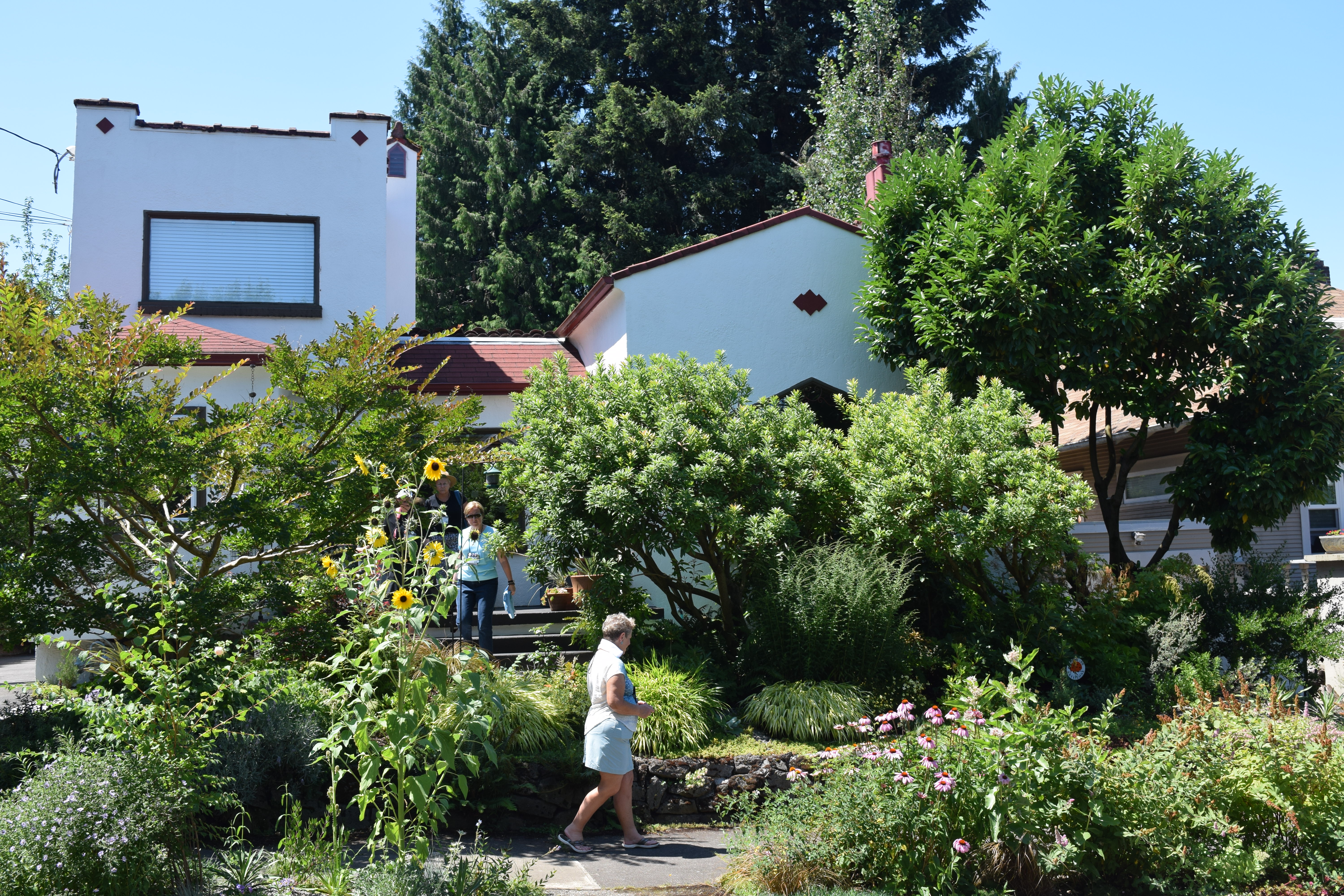
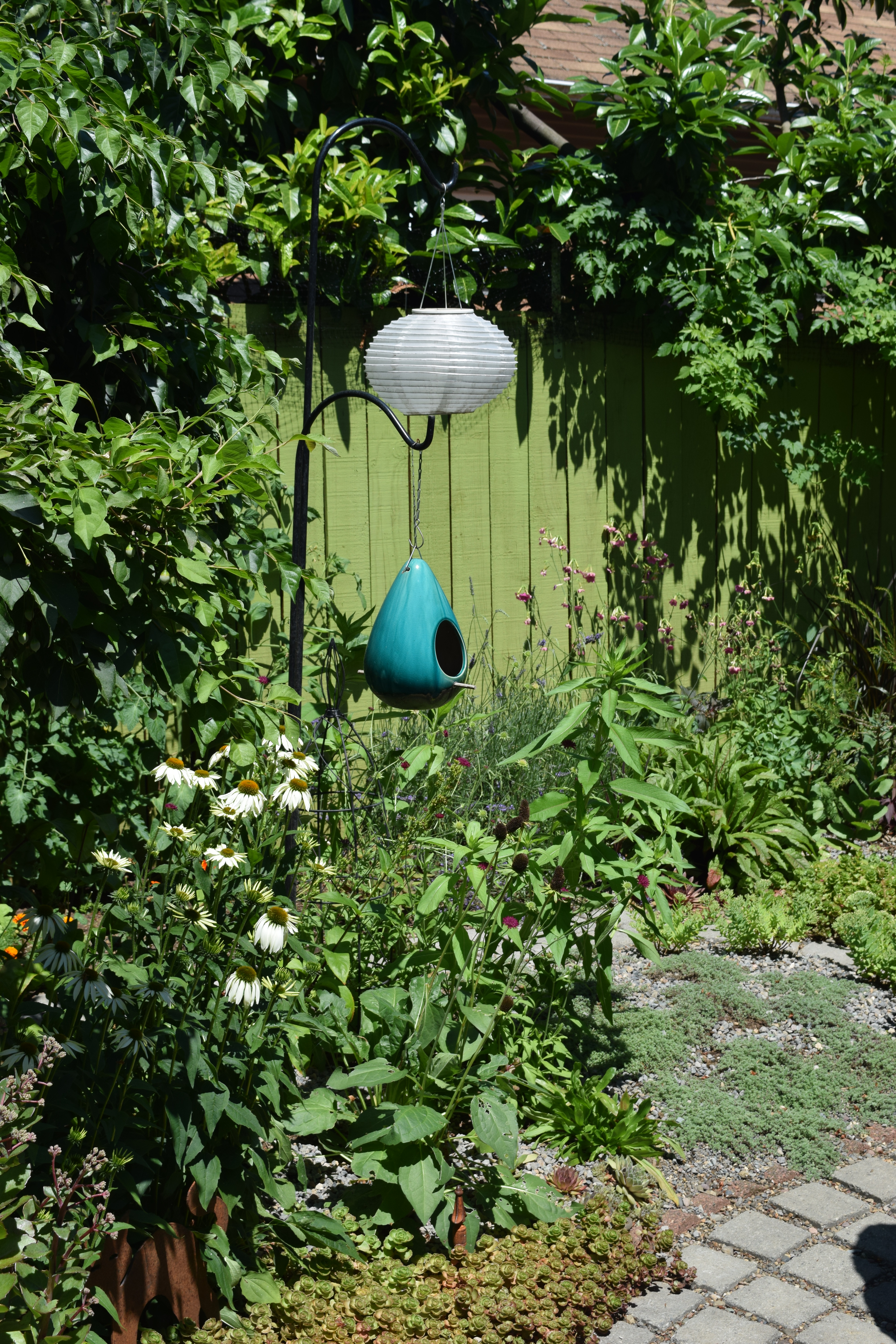
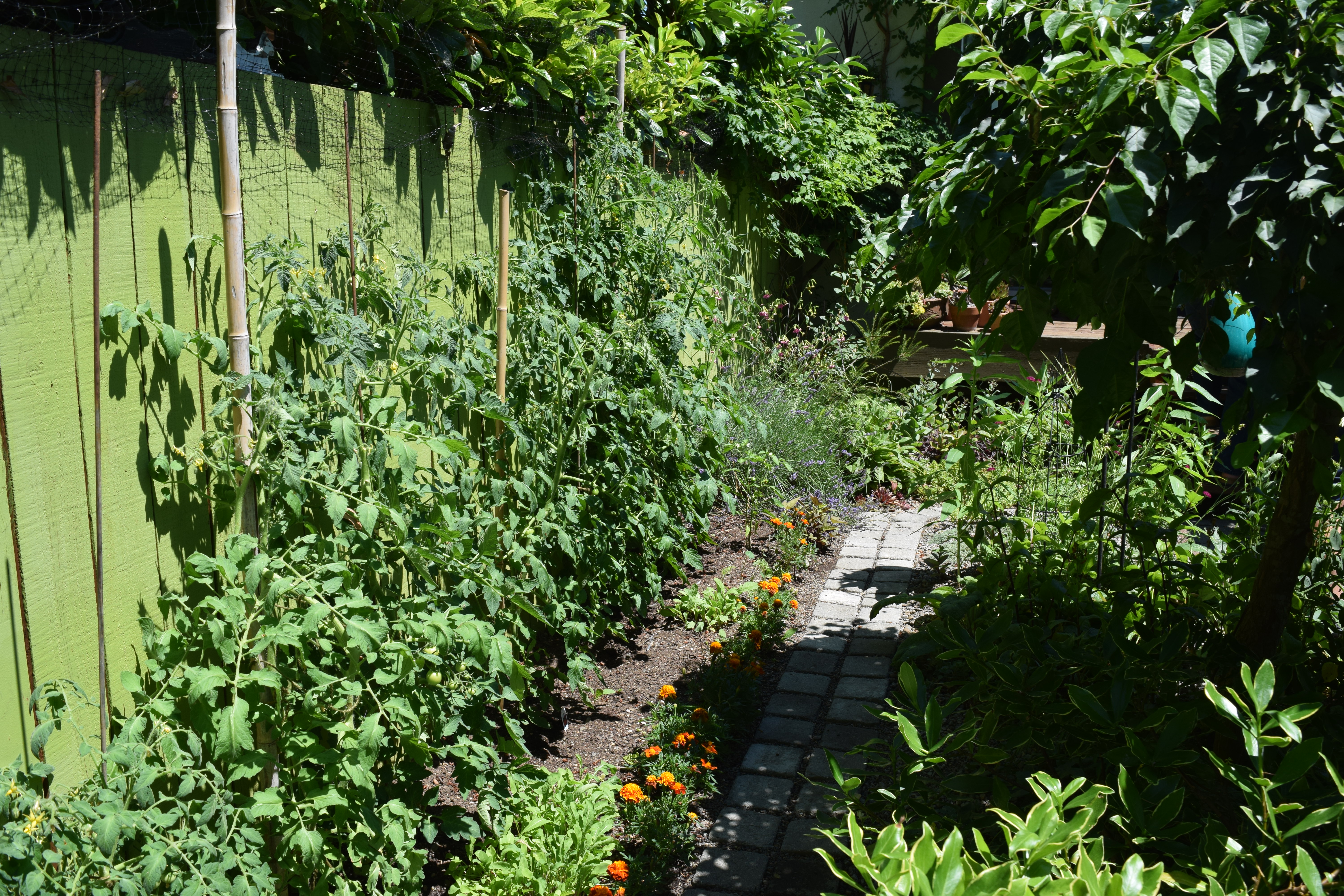
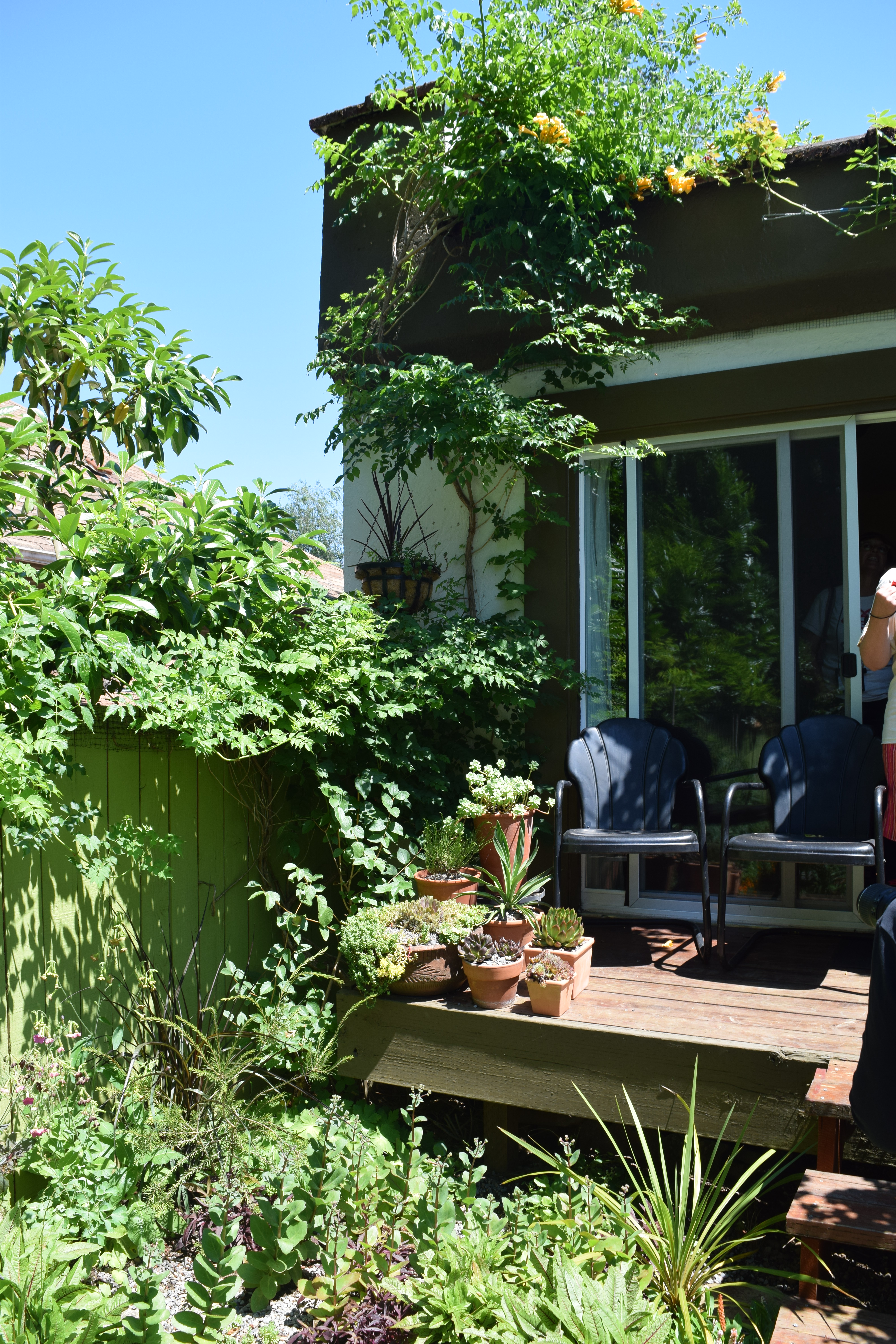
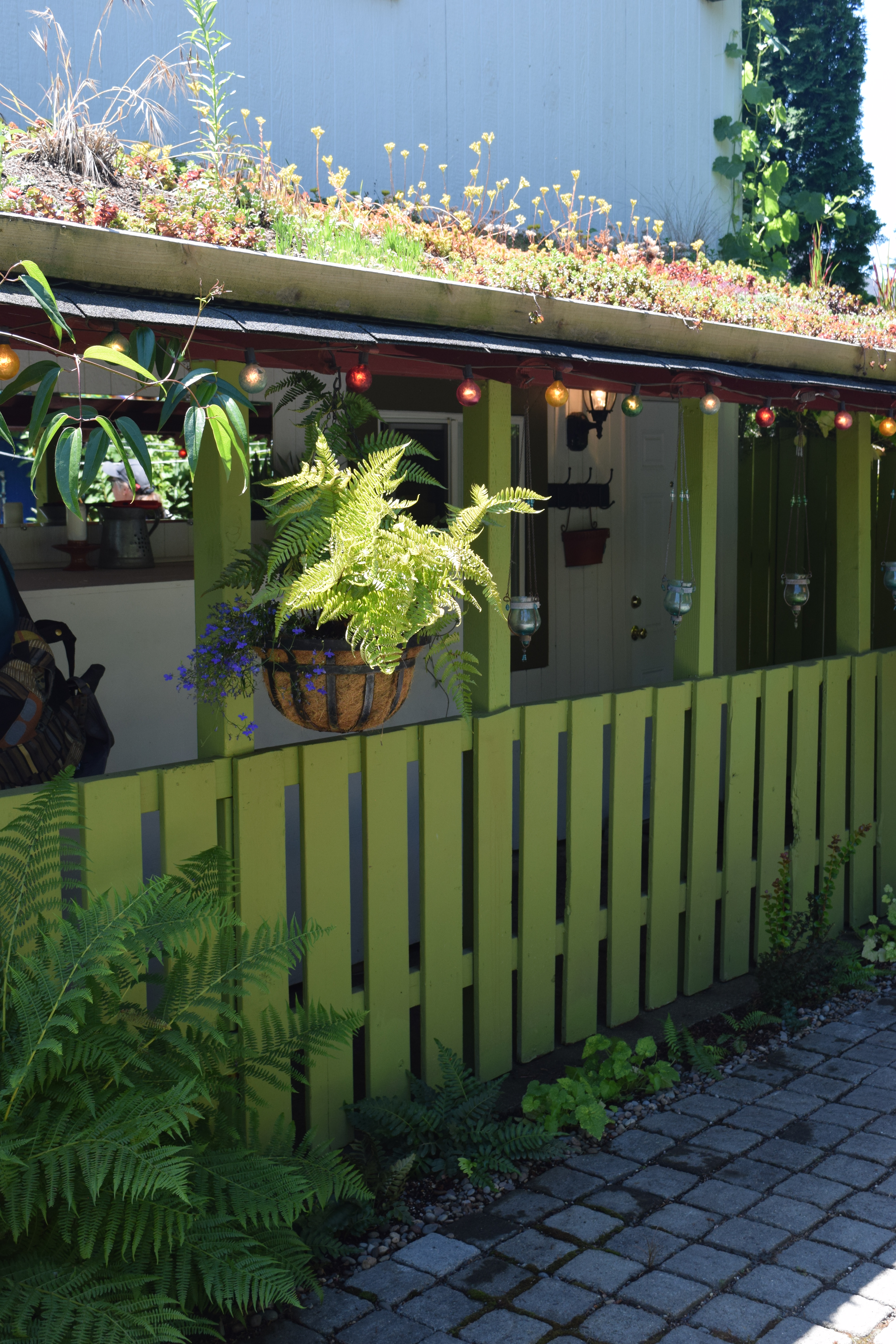
Loree’s Danger Garden was another outstanding spot we got to see during the Garden Bloggers Fling in Portland last July.

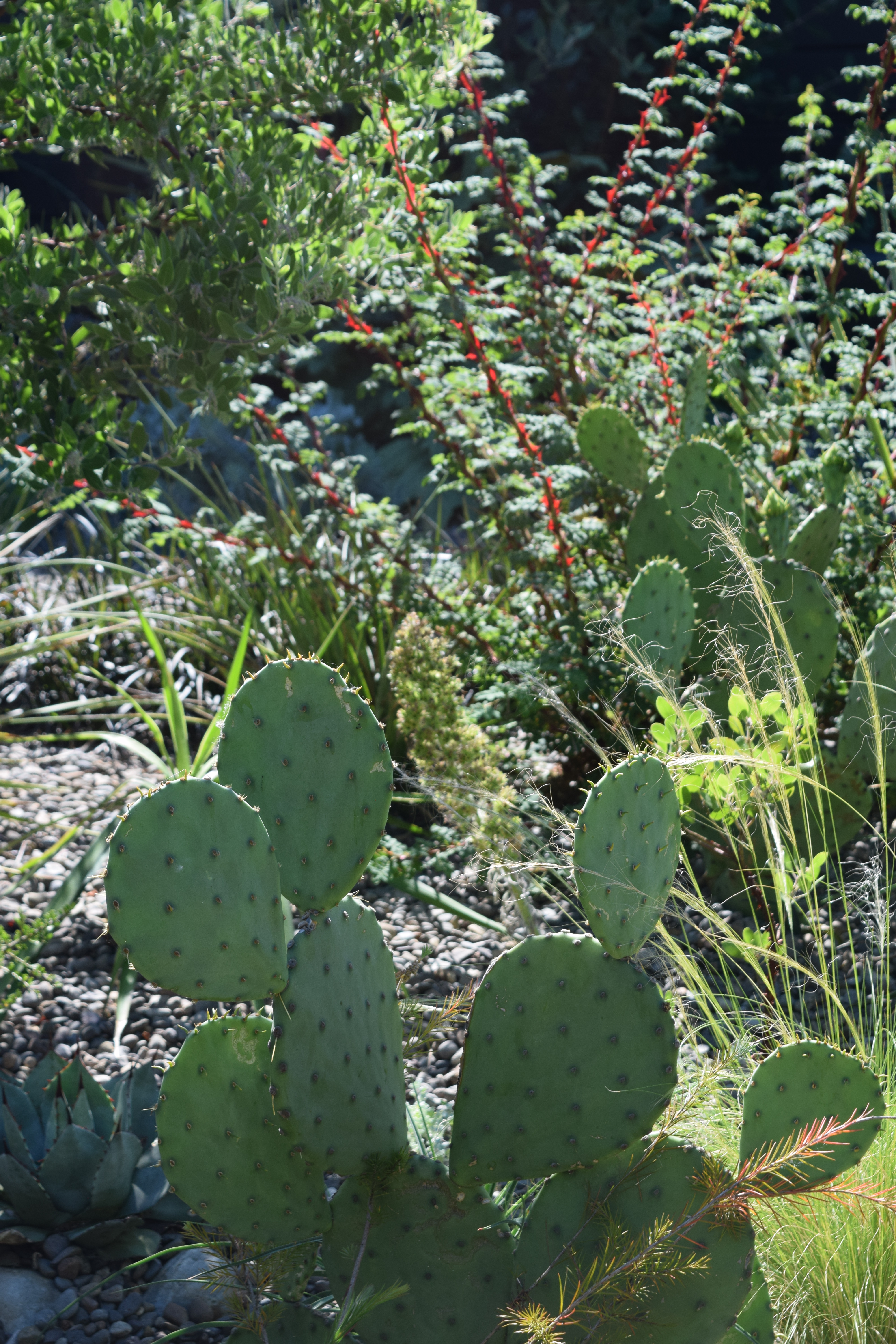
There's a gravel garden out front with drought tolerant plants.
There’s a gravel garden out front with drought tolerant plants.

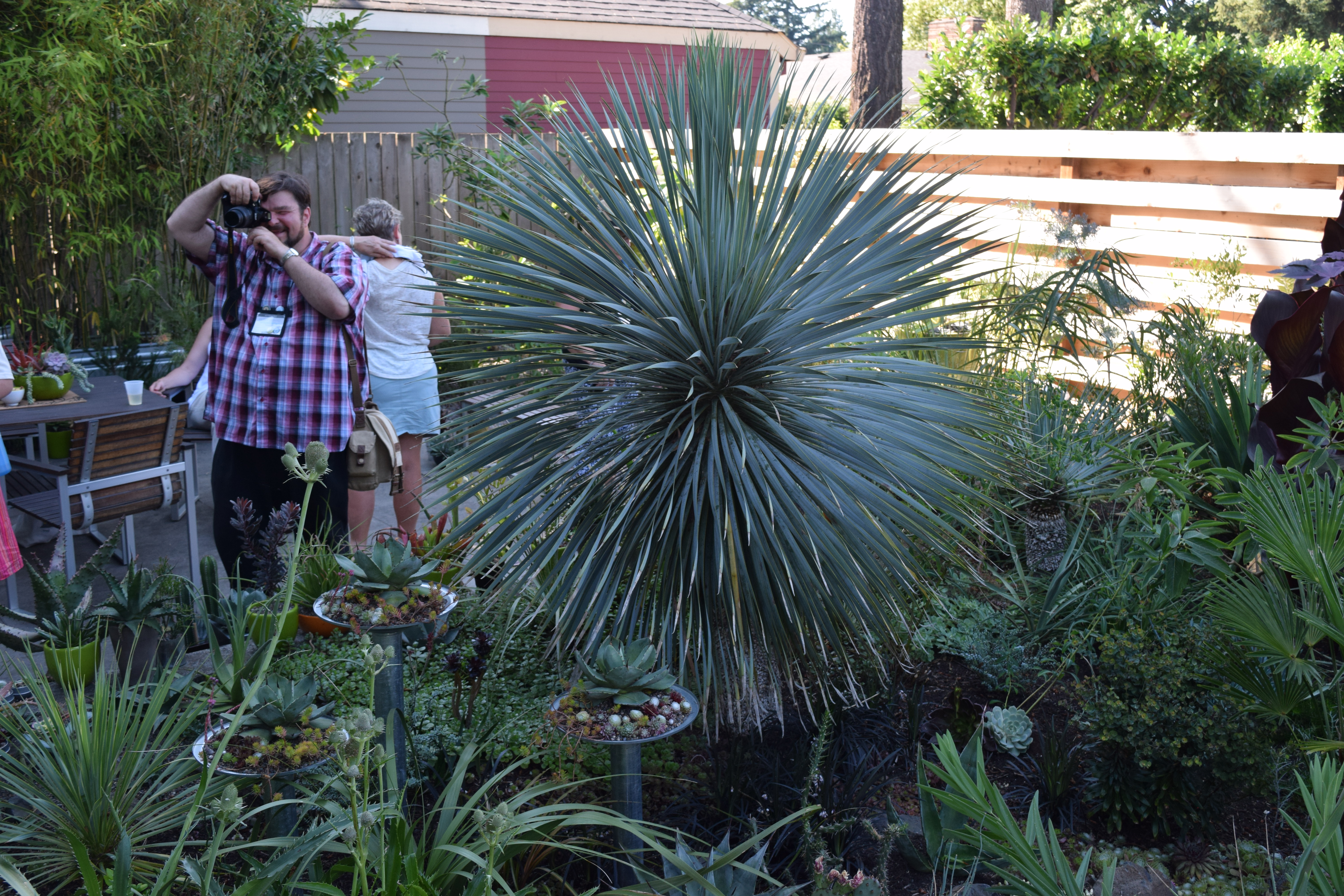
The name comes from Loree’s attraction to pointy, spiny plants. Danger Garden is planted in a style vastly different from my own, and yet I could see its creativity, elegance, and visual power.

2014-07-12 18.12.57
Peter from Outlaw Garden and friend.

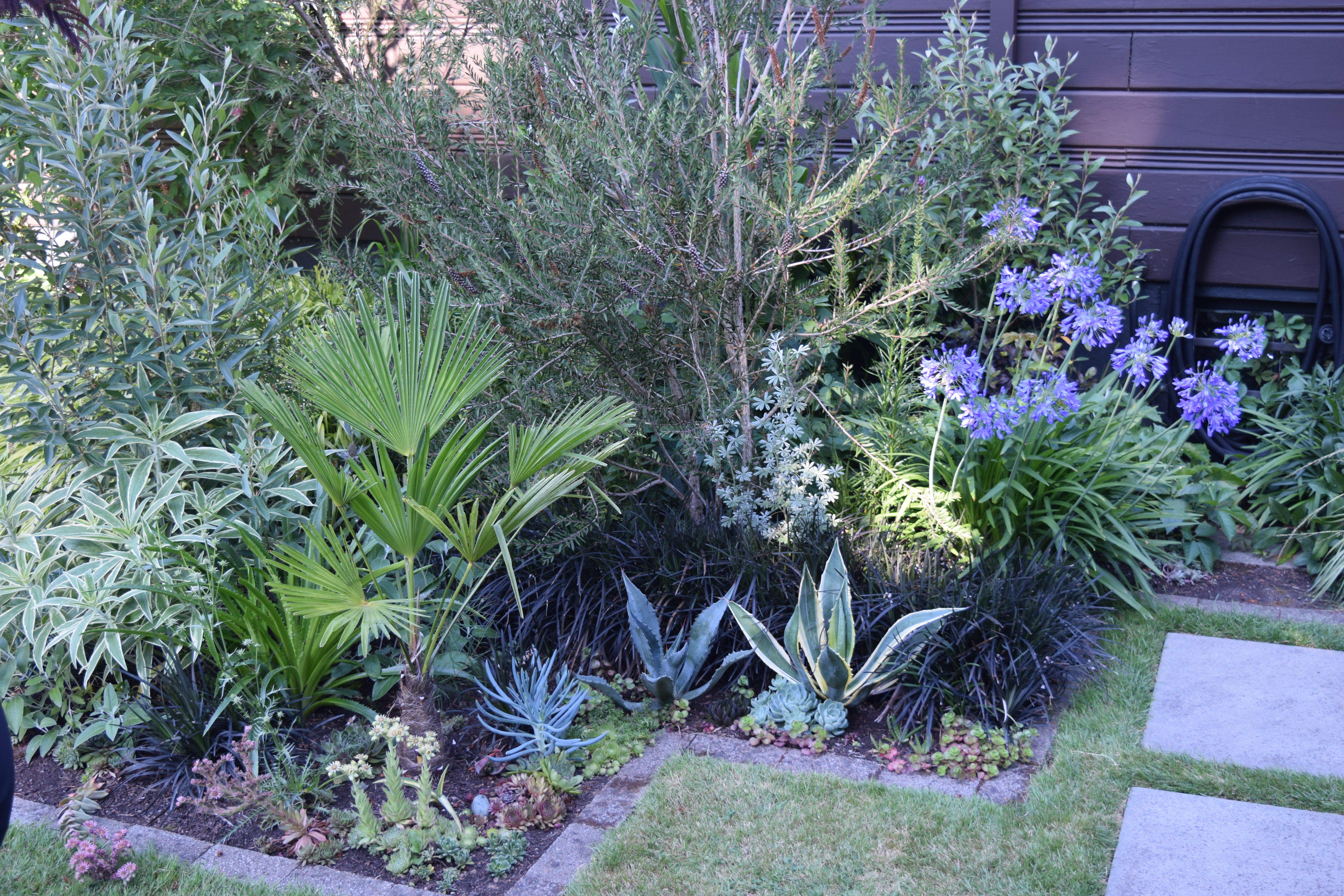
A number of plants are not afraid to stand out from the crowd, and they bring excitement to the overall garden.

2014-07-12 18.55.38

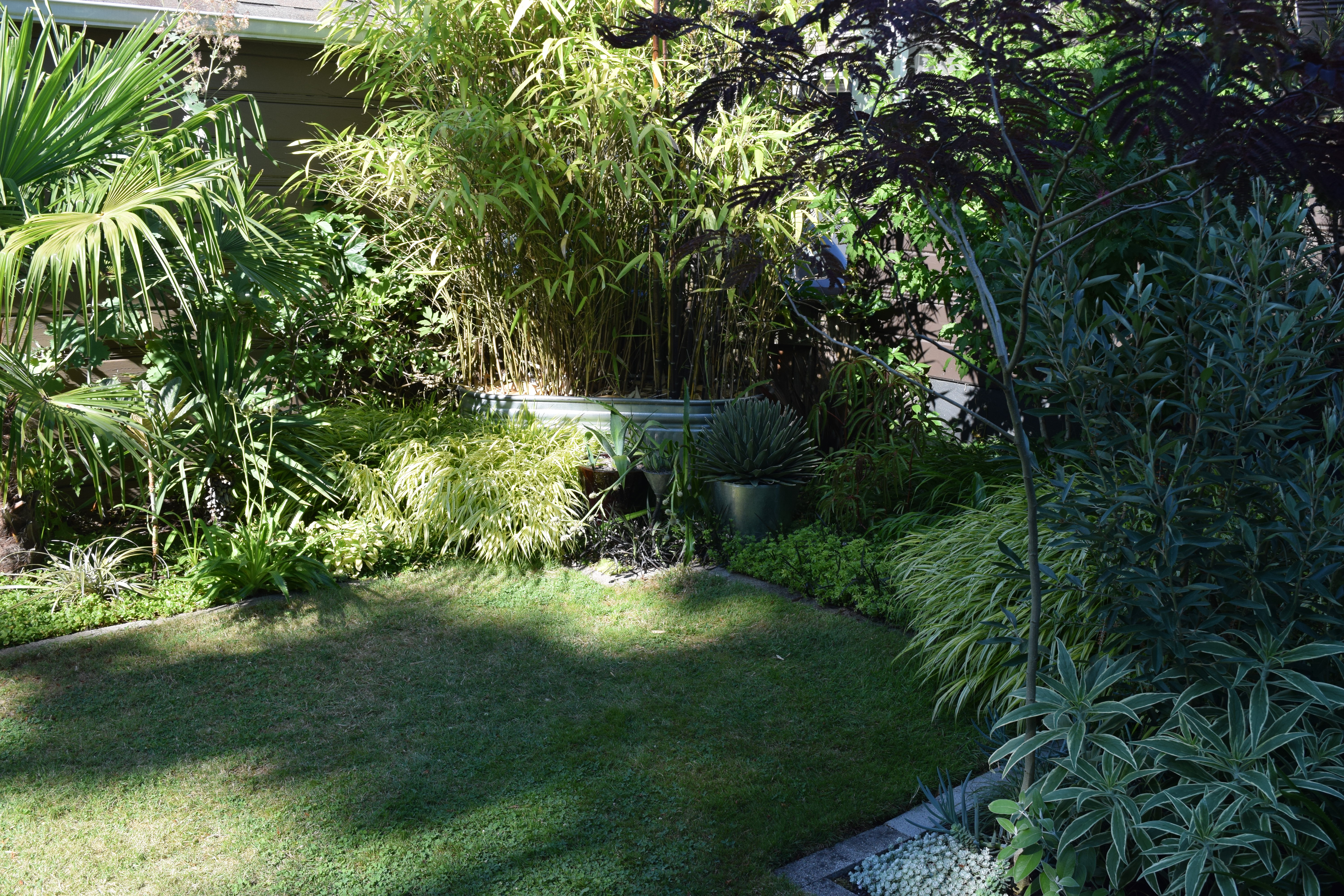
Straight lines and geometric shapes provide a nice quiet frame for the mix of foliage textures.

2014-07-12 18.55.51

The little bit of smooth green lawn also provides a nice contrast to the plantings.

2014-07-12 18.21.47

There are lots of interesting container plantings. Some are in groups.

2014-07-12 18.55.28

And others stand out on their own.

2014-07-12 18.16.31

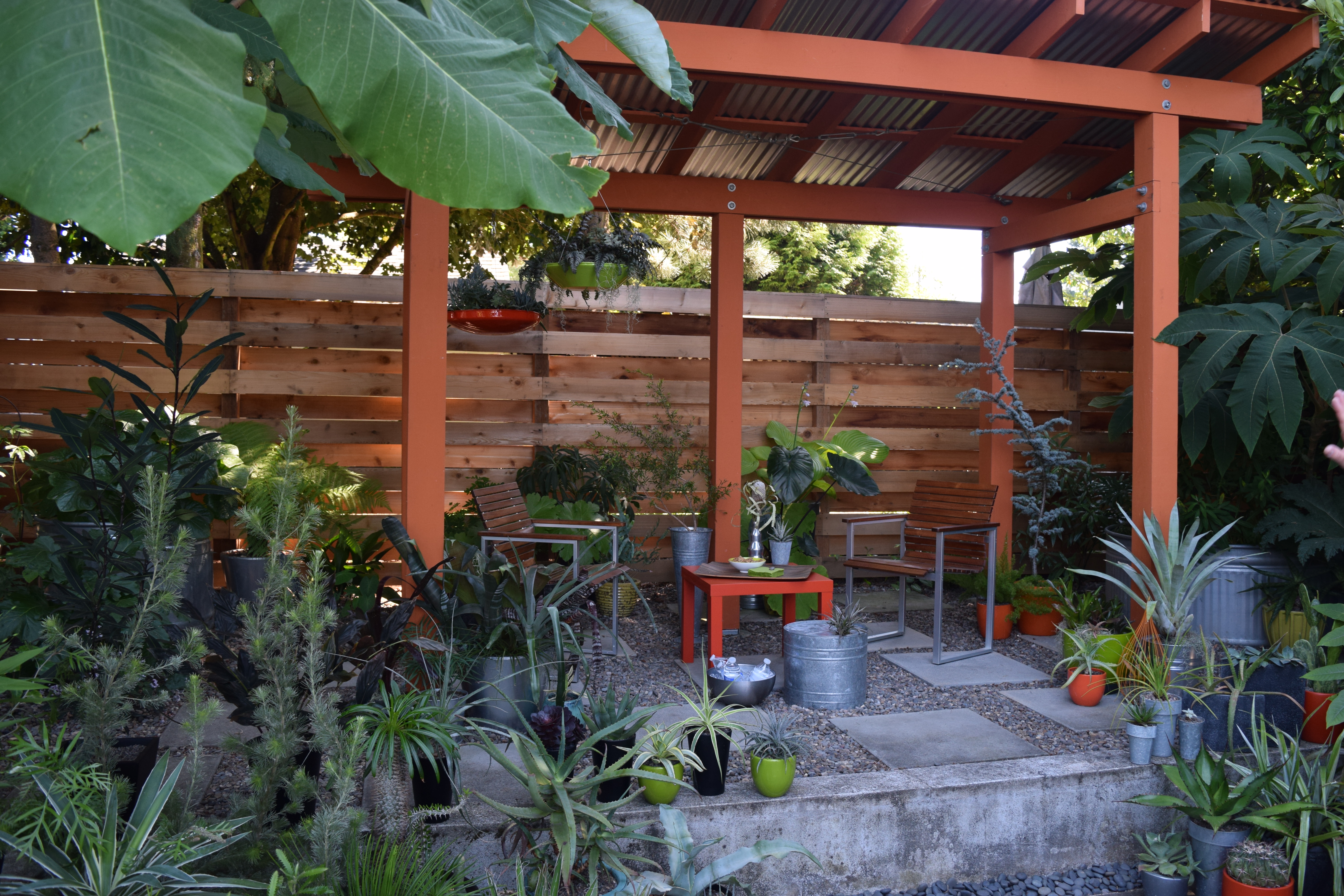
There’s a raised shade pavilion.

2014-07-12 18.15.28

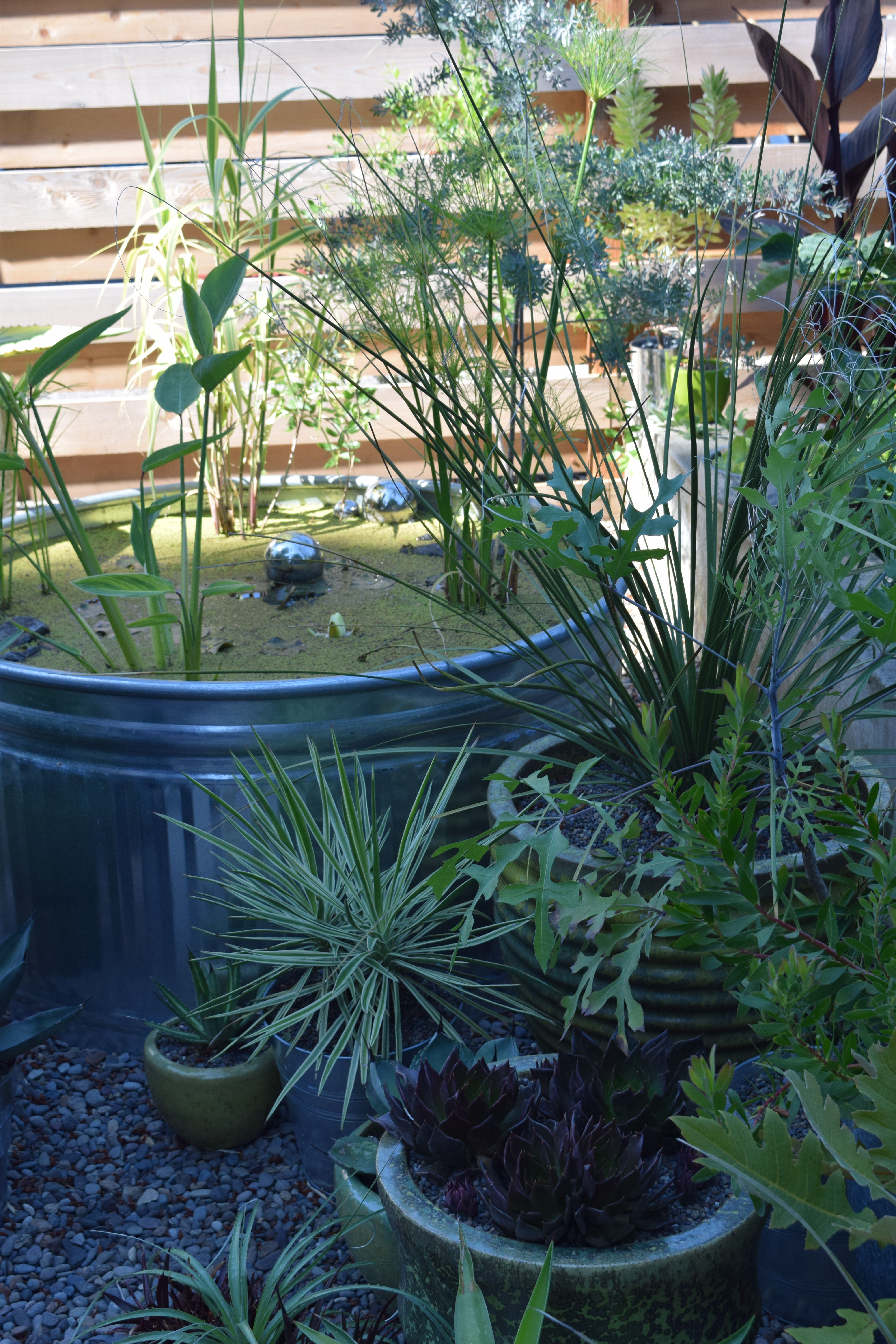
And a water feature in a stock tank.

2014-07-12 18.06.58

Also in stock tanks against a sunny wall: vegetables. Stock tanks seem to be a big thing in Portland gardens.

2014-07-12 18.18.56

Danger Garden isn’t really all that dangerous. The spiny plants did actually draw a little blood from one Flinger. However, one minor casualty out of roughly 100 visiting Flingers isn’t bad. So fear not. Danger Garden is very much worth seeing if you ever get the chance, and your odds of leaving unscathed are actually pretty good.

Amaryllis ‘Miracle’

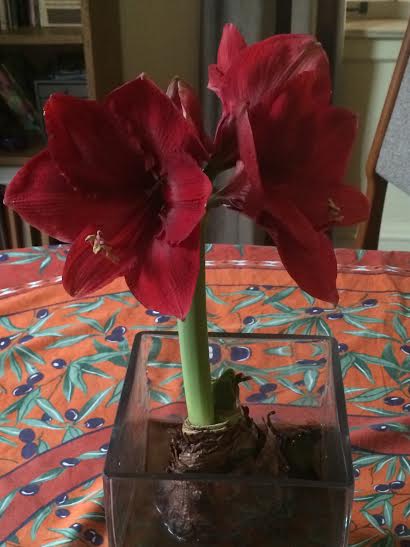
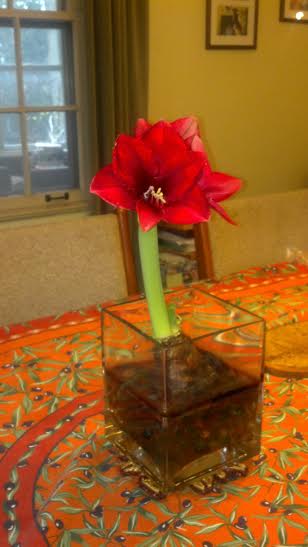
One of my two Amaryllis ‘Miracle’ bulbs started blooming this week.

Amaryllis 'Miracle'
Amaryllis ‘Miracle’

And it’s a good thing, because I needed something that wasn’t on a computer screen to distract me from the dreary scene outside. The days have been not just short, but gloomy and overcast.

amaryllis 4  miracle

I ordered these Amaryllis from John Scheeper’s. ‘Miracle’ is a variety that blooms fairly early and on shorter stalks, though the flowers are not as gigantic as with some other varieties. It’s a deep red that looks nice and warm.

Amaryllis listing to the side.

The second bulb seems intent on sending up its stalk diagonally. Not sure why this is, as it is oriented to the light the same as the first bulb.

I’ve always been confused by the difference between Amaryllis and Hippeastrum. The Scheeper’s catalog uses the terms interchangeably. According to Wikipedia, however, Amaryllis is a genus of plants from South Africa, while Hippeastrum are from South America. Linnaeus had at first put the two in the same genus.  ‘Miracle’ is derived from African bulbs.

Amaryllis 'Miracle'.
Amaryllis ‘Miracle’.

It occurs to me looking at these pictures that one or two Amaryllis really isn’t enough. I wonder if somewhere in the house there’s a wide vase that could hold three or more? or maybe a pot that Judy doesn’t use much?

I’m linking this post with Donna’s Seasonal Celebrations meme at Gardens Eye View.

Are you growing Amaryllis (or Hippeastrum) this holiday season?

The Year in Butterflies

This was a better butterfly year than last year, but there still seem to be far fewer butterflies than just a few years ago.

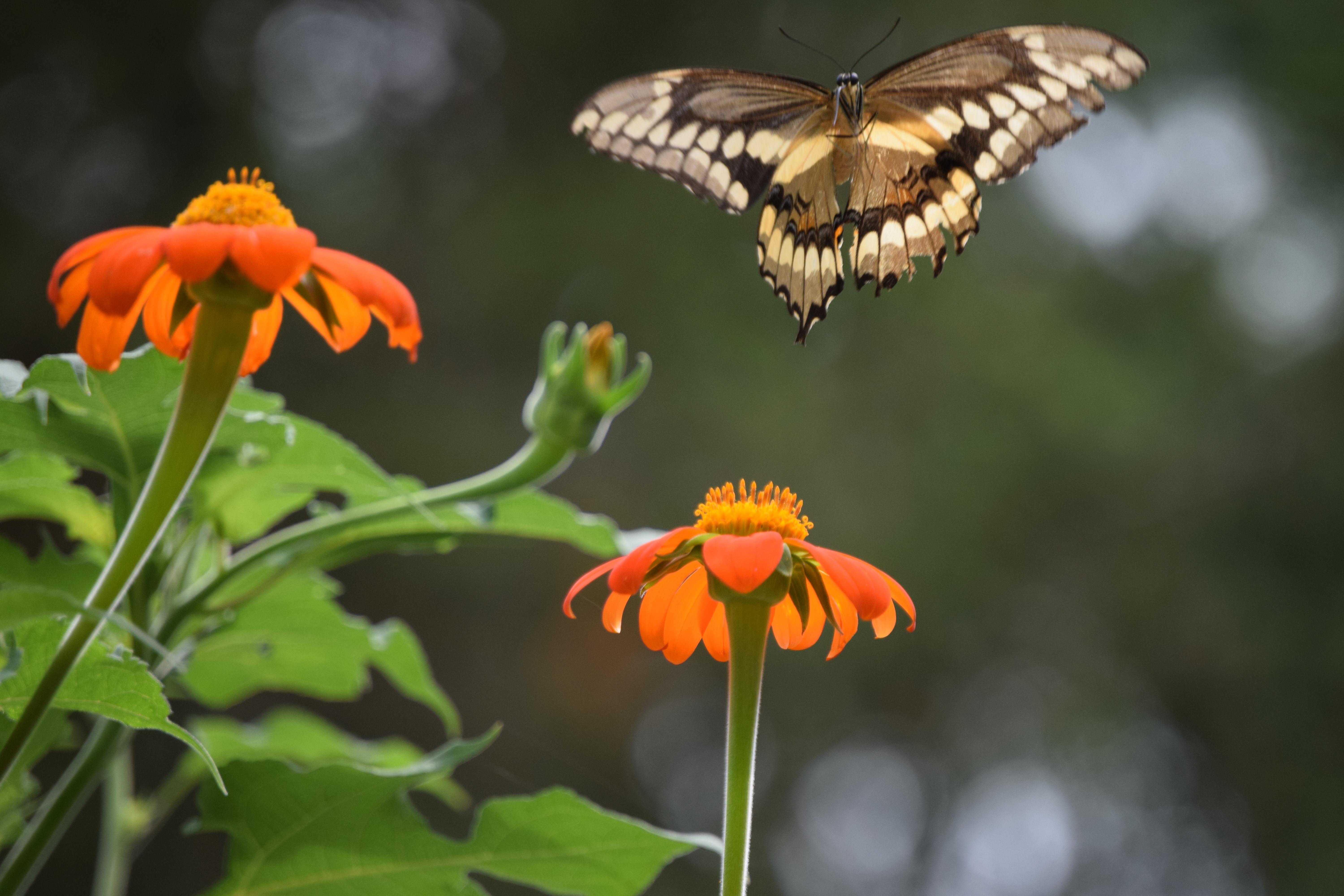
Giant Swallowtail coming in for a landing on Mexican Sunflower.
Giant Swallowtail coming in for a landing on Mexican Sunflower. One wing seems a bit tattered.
Giant Swallowtail
Giant Swallowtail

We had some dramatic visits from Giant Swallowtails. I don’t think Giant Swallowtails are very common in the Midwest, most of their hosts are various kinds of citrus. Rue herb (Ruta graveolens) is the main host in this part of the country. I don’t grow any but would like to get my hands on some.

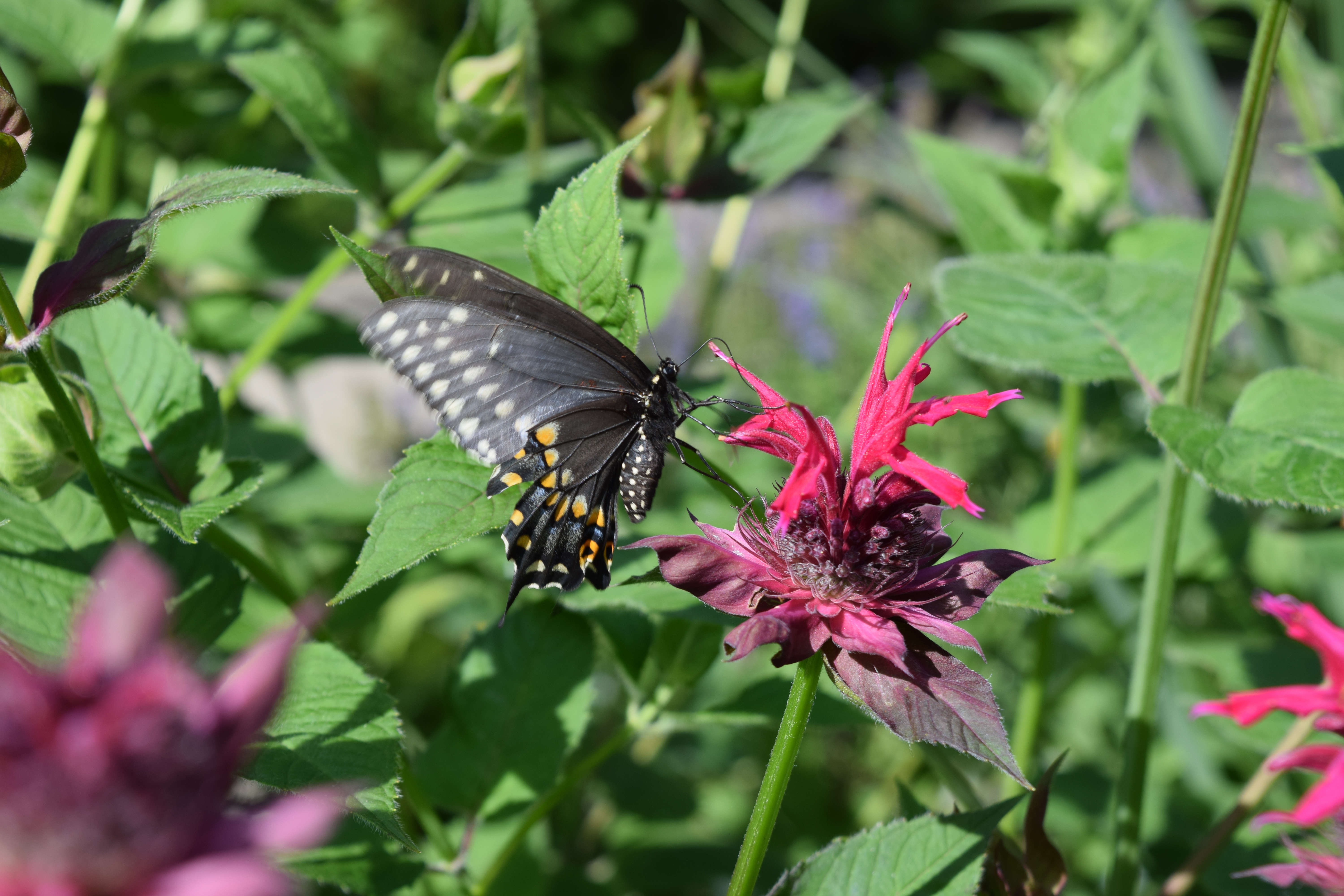
Black Swallowtail sharing nicely with a bumblebee.
Underwing, plus a good view of the proboscis.

In addition to the Giant Swallowtails, we had Black Swallowtails. Black Swallowtail eggs are planted on members of the carrot family, like parsley, fennel, and dill. I have lots of each, but even so I didn’t see a single Black Swallowtail caterpillar.

Tiger Swallowtail
Tiger Swallowtail

Also Tiger Swallowtails.

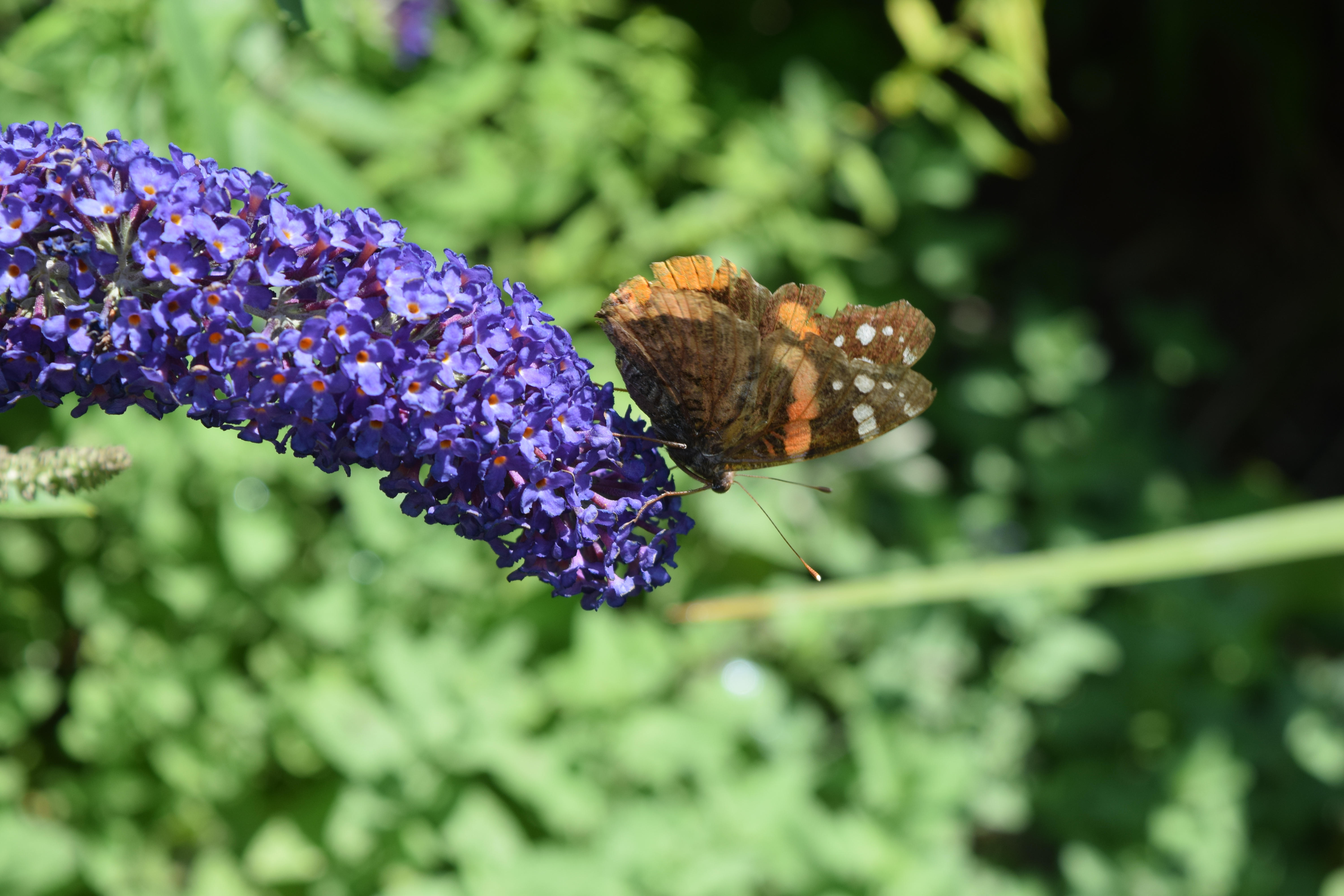
Red Admiral on 'Fascination' Culver's Root
Red Admiral on ‘Fascination’ Culver’s Root
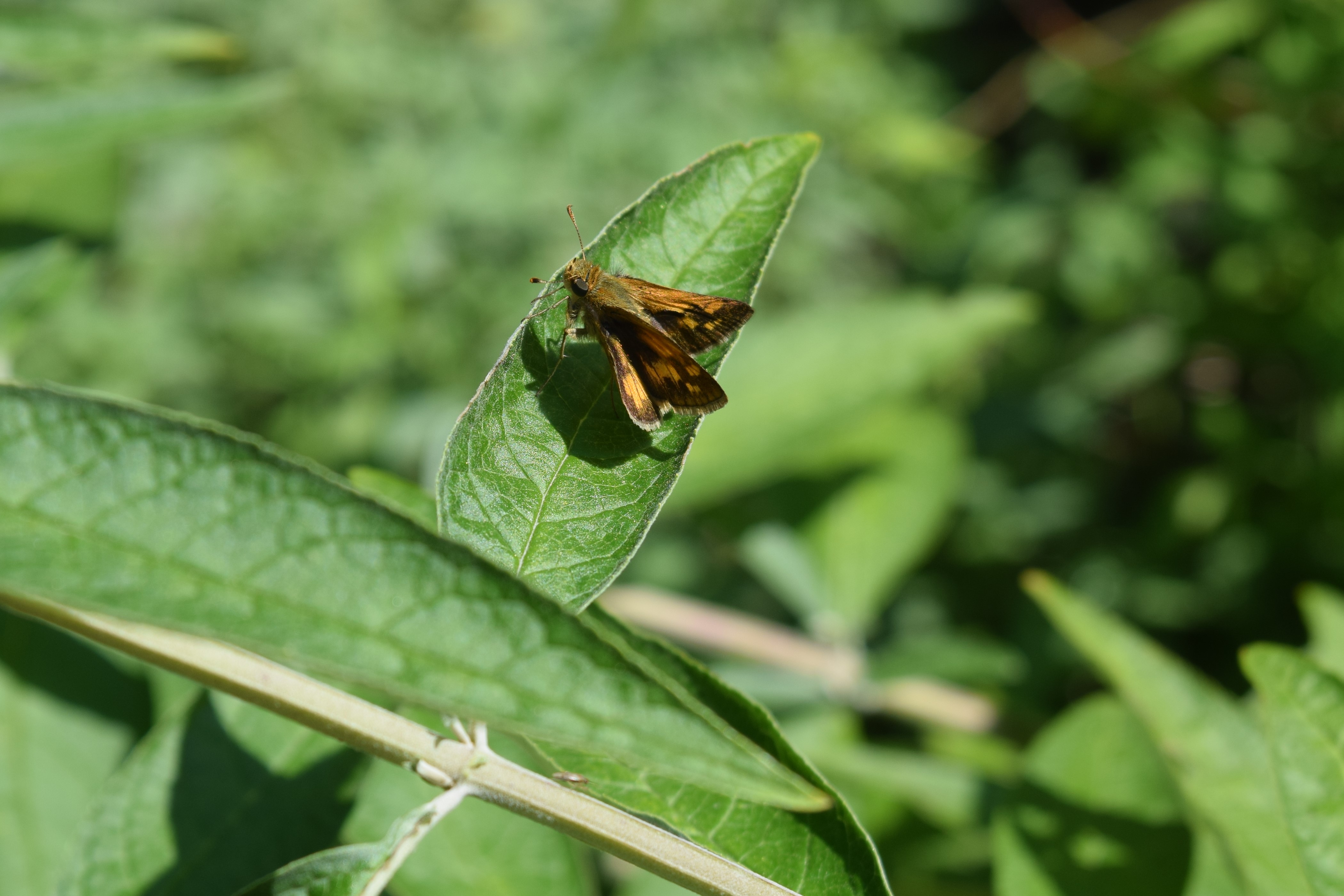
Skipper on Butterfly Bush foliage.
Red Admiral on Butterfly Bush ‘Blue Adonis’

Red Admirals were relatively common this year.

Skipper on Butterfly Bush leaf.

And there were miscellaneous skippers. I’m afraid I don’t know any of the specific skipper species.

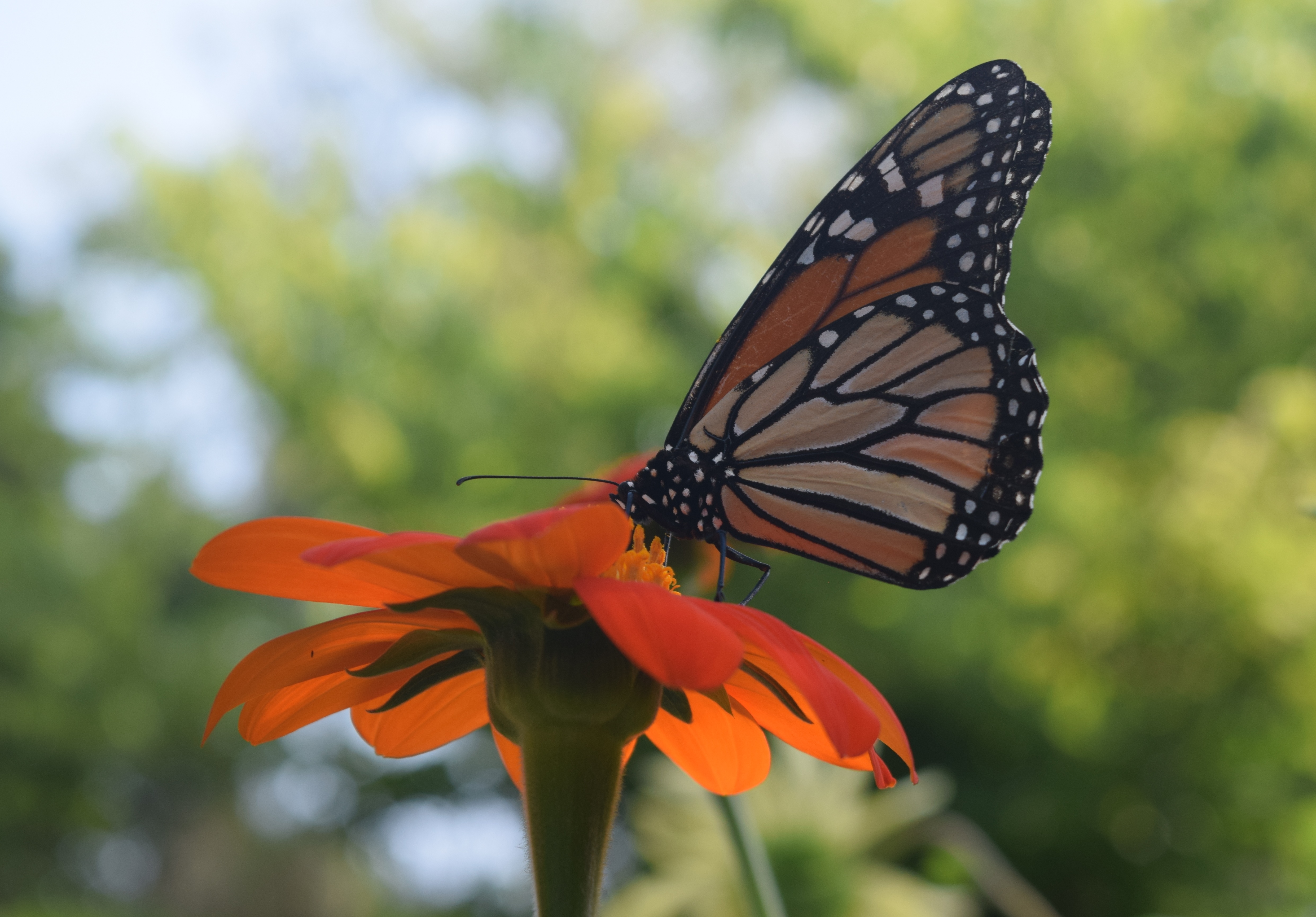
Monarch on Mexican Sunflower.

2014-08-01 08.57.58 monarch butterfly

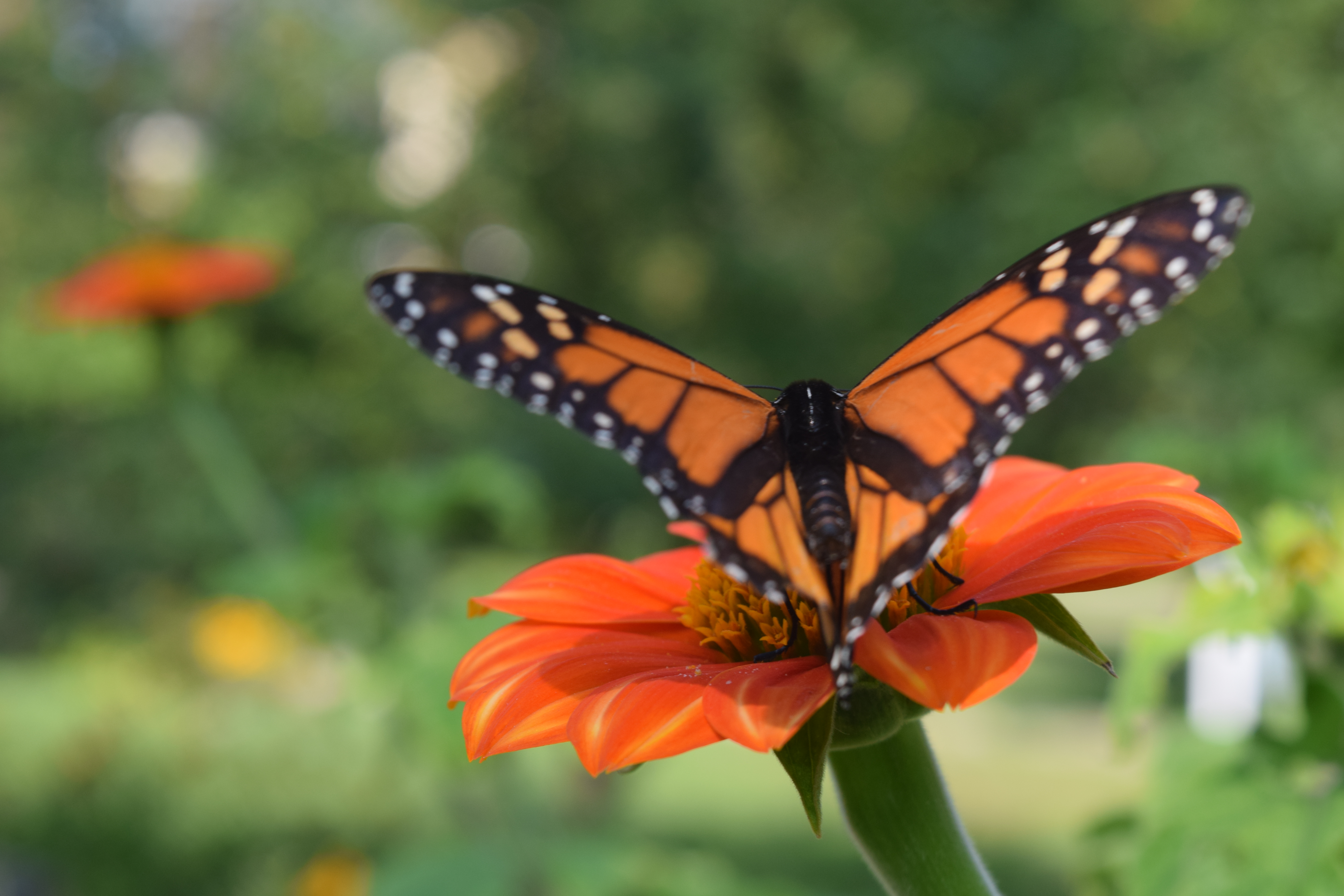
Monarch spreading his wings to catch a few rays.
Monarch spreading his wings to catch a few rays. Nicely color coordinated with the Mexican Sunflower.

Finally, there were Monarchs. Monarchs were a little bit more common in my garden this year than they were last. The most I ever saw was three at one time.’

The decline of Monarchs gets a lot of attention, but butterflies and pollinators are in a general decline. Pesticide use and habitat destruction seem to be the biggest culprits.

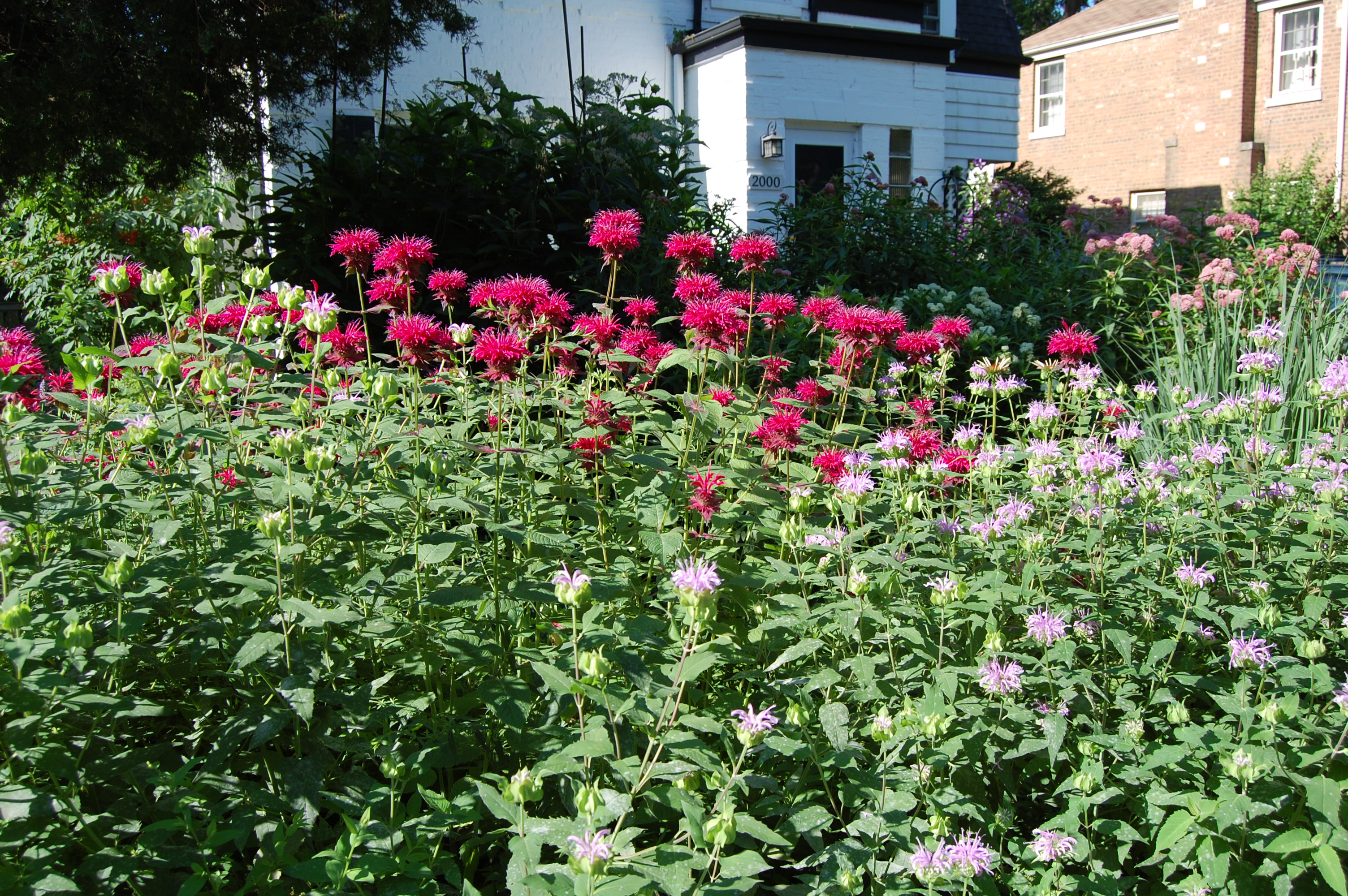
One lesson from this year was that Mexican Sunflower (Tithonia rotundifolia) is a really excellent plant for attracting butterflies. Even when we came fairly close the butterflies seemed extremely reluctant to tear themselves away from the Tithonia. Bee Balm (Monarda didyma) and Butterfly Bush seemed to be this year’s other winners when it comes to butterfly love.

I’m linking this post with Cathy’s Garden Review meme at Words and Herbs and Beth’s Lessons Learned at Plant Postings.

How were the butterflies in your garden this year?

A Turkey Soup with a Difference

After Thanksgiving, after all the turkey meat that can be sliced or snitched has been eaten, is it really necessary to boil the turkey carcass into submission? The answer in our house, apparently, is yes.

And so it was that Judy put three quarts of meaty turkey stock into the freezer, a freezer already fit to burst with frozen homemade split pea soup, frozen homemade vegetable beef soup, etc. Not that I’m complaining, it’s delicious soup. But I do suspect that Judy believes that frozen soup will be the key to survival in the coming Zombie Apocalypse.

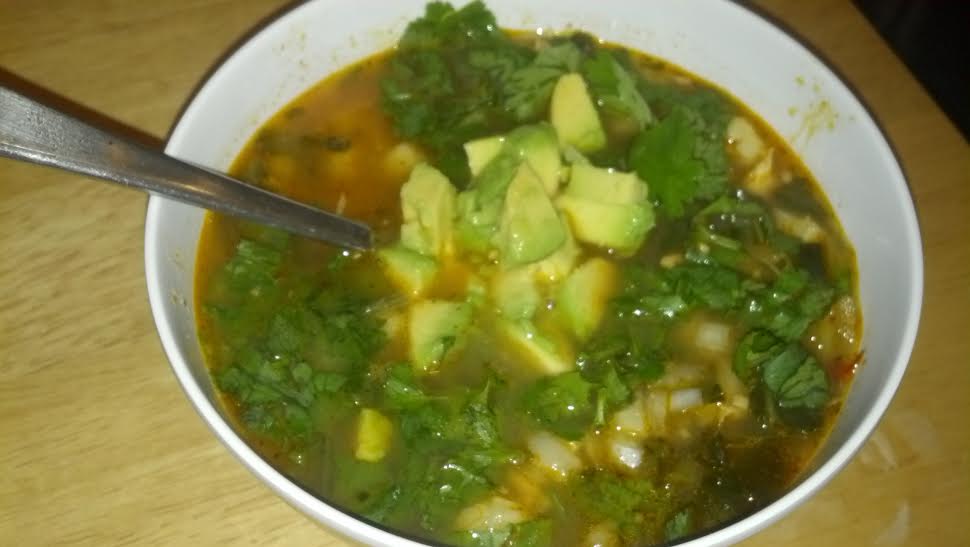
Turkey posole
Turkey posole

Anyhow, yesterday Judy decided to thaw out some of that stock to make turkey posole, using a recipe she found online.

Posole is a kind of Mexican soup made with hominy. Hominy is corn that has been soaked in lye or mineral lime, causing it to soften and greatly expand. In posole it is like eating little dumplings, slightly chewy and with only the slightest hint of a corn taste.

The soup was delicious. If you like your food spicy, you probably want to put in more peppers than the recipe calls for. Without adjustment it tasted a bit bland to us, but spiciness is in the tastebuds of the eater. Judy also added some greens into the soup, just on general principles.

Once ladled into a bowl, we put chopped fresh avocado, onion, and fresh cilantro on the posole. It’s hot and filling, a good winter meal.

Did you grow up eating hominy, or did you (like me) not even know what it was until fairly late in life?

Days of the Little Bulbs

Cathy at Words and Herbs has invited folks to join her in reviewing the garden year, starting with spring. The idea appealed to me as a good antidote to these cold, dark days.

The very beginning of spring is my subject for today. That’s when our spirits are lifted by the very first blooms as well as the fresh foliage that holds the promise of coming delights.

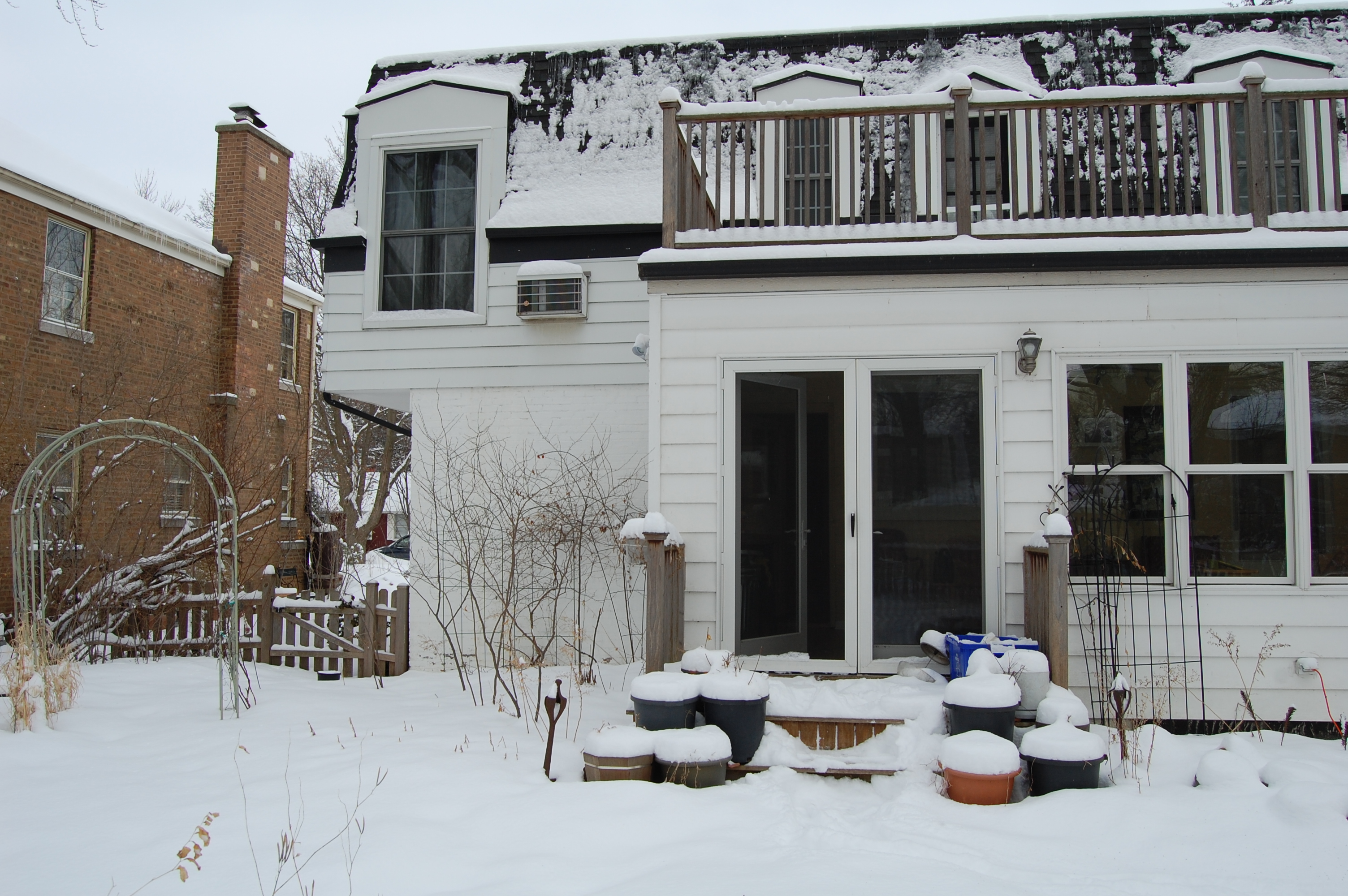
This is what March 2nd looked like this year.

Spring this year was tardy to arrive, as winter hung on through March like a tiresome house guest who doesn’t realize his welcome has worn out.

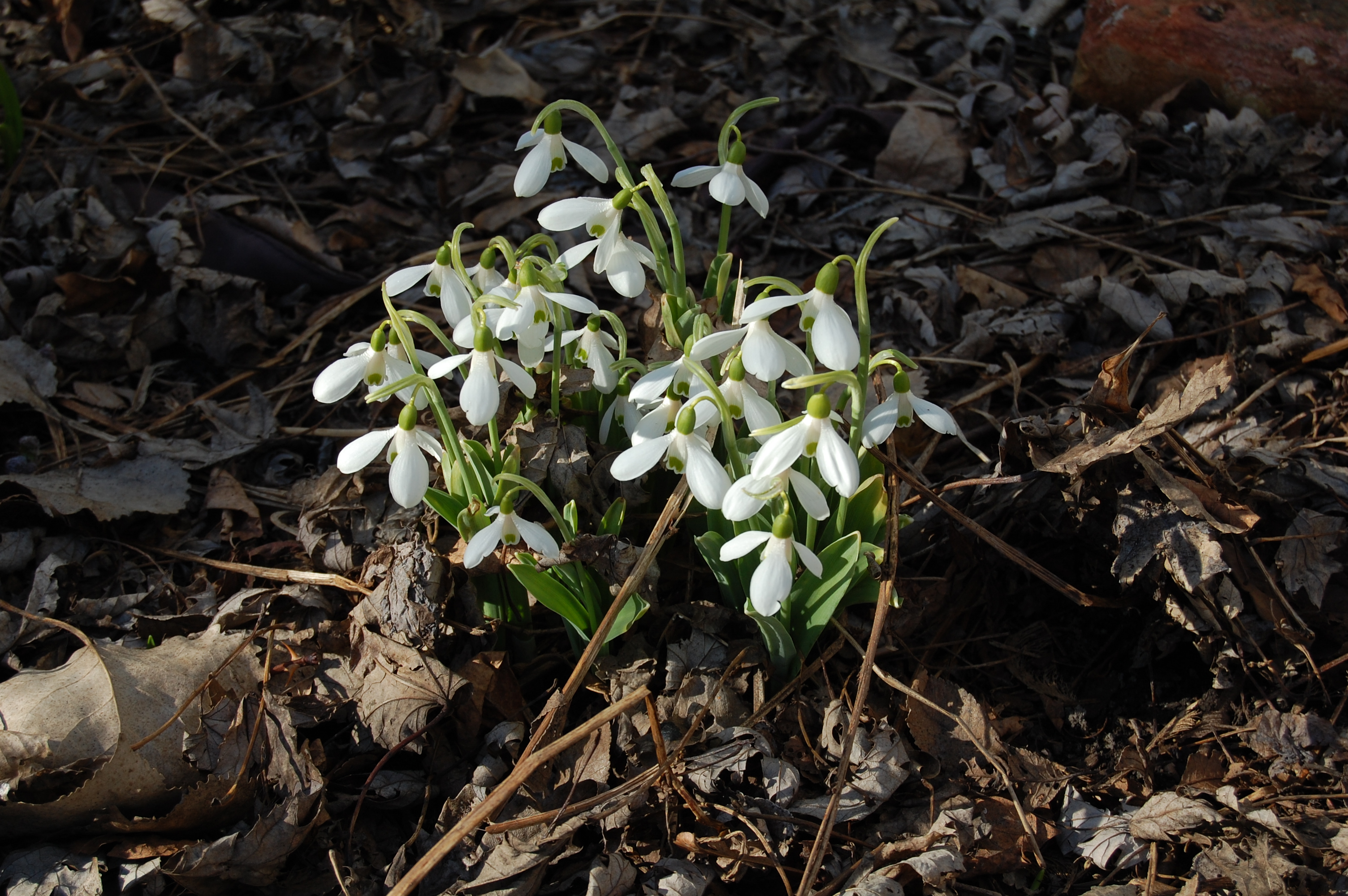
Snowdrops
Snowdrops

Though Snowdrops (Galanthus nivalis) began blooming before the end of March, it didn’t feel truly spring-like until the Crocuses began to bloom in the first week of April.

Snowdrops, Galanthus
Snowdrops blooming among the Hydrangea stems.

The Snowdrops kick off a period of Spring which I think of as the Days of the Little Bulbs.

Tommies.
Tommies.

Most of my Crocuses are the species Crocus tommasinianus, affectionately known as Tommies.

Crocus vernus
Crocus vernus
Crocus chrysanthus
Crocus chrysanthus

Though there are also Crocus vernus and Crocus chrysanthus.

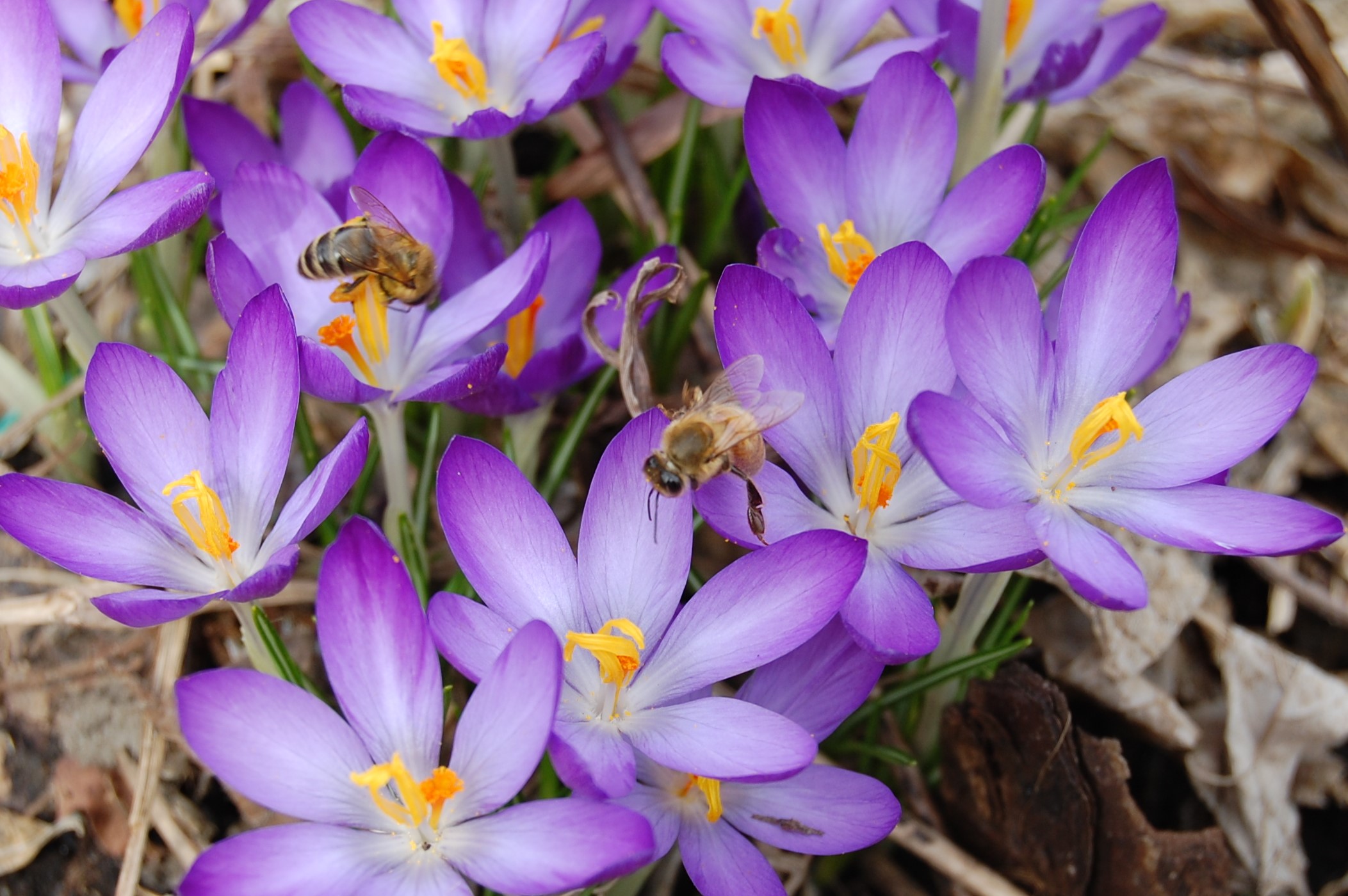
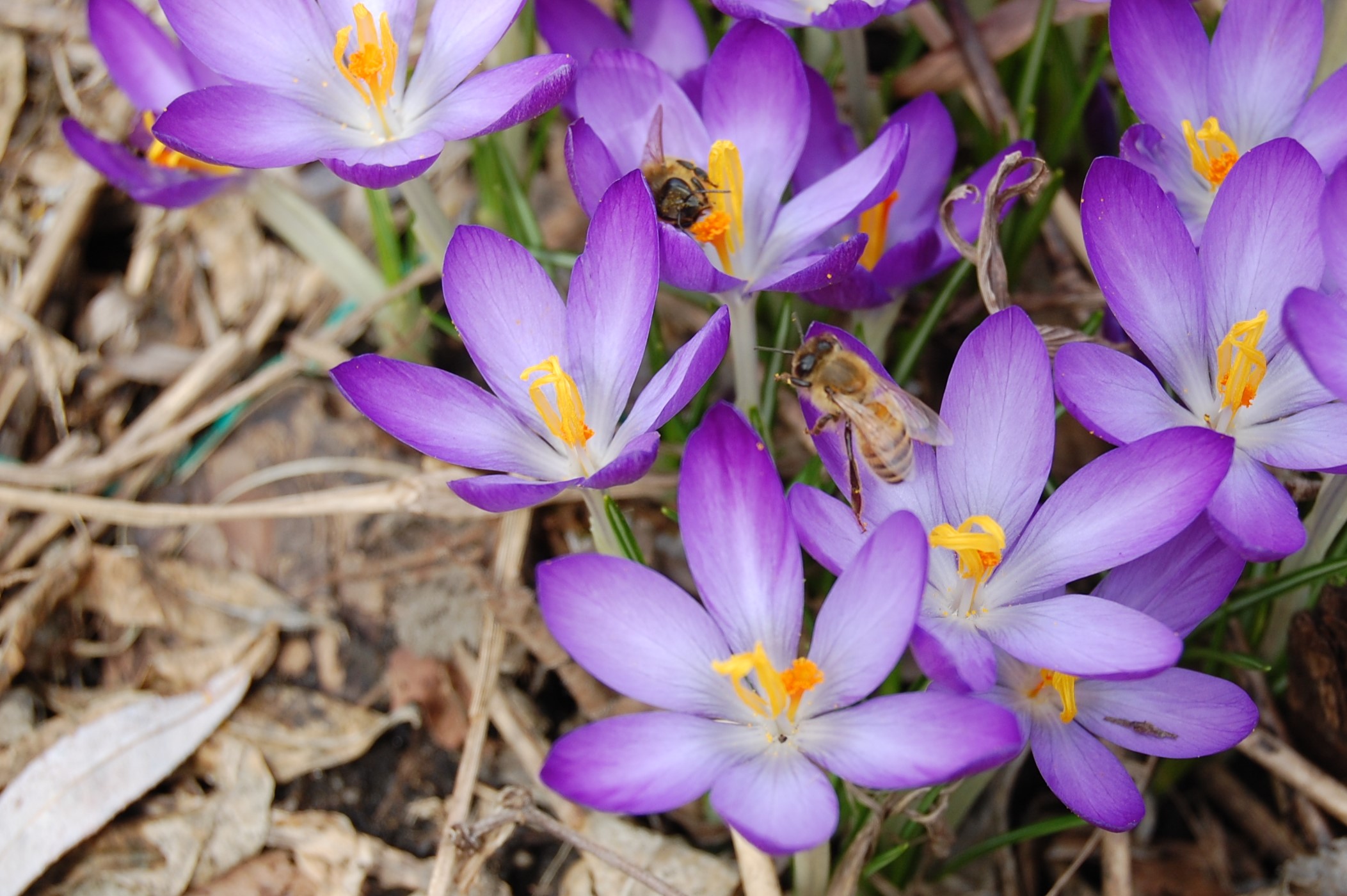
2014-04-06 13.17.59 crocus tommasinianus with bees

2014-04-06 13.18.03 crocus tommasinianus with bees

The bees were happy to see the Crocuses, especially the Tommies, and I was happy to see the bees.

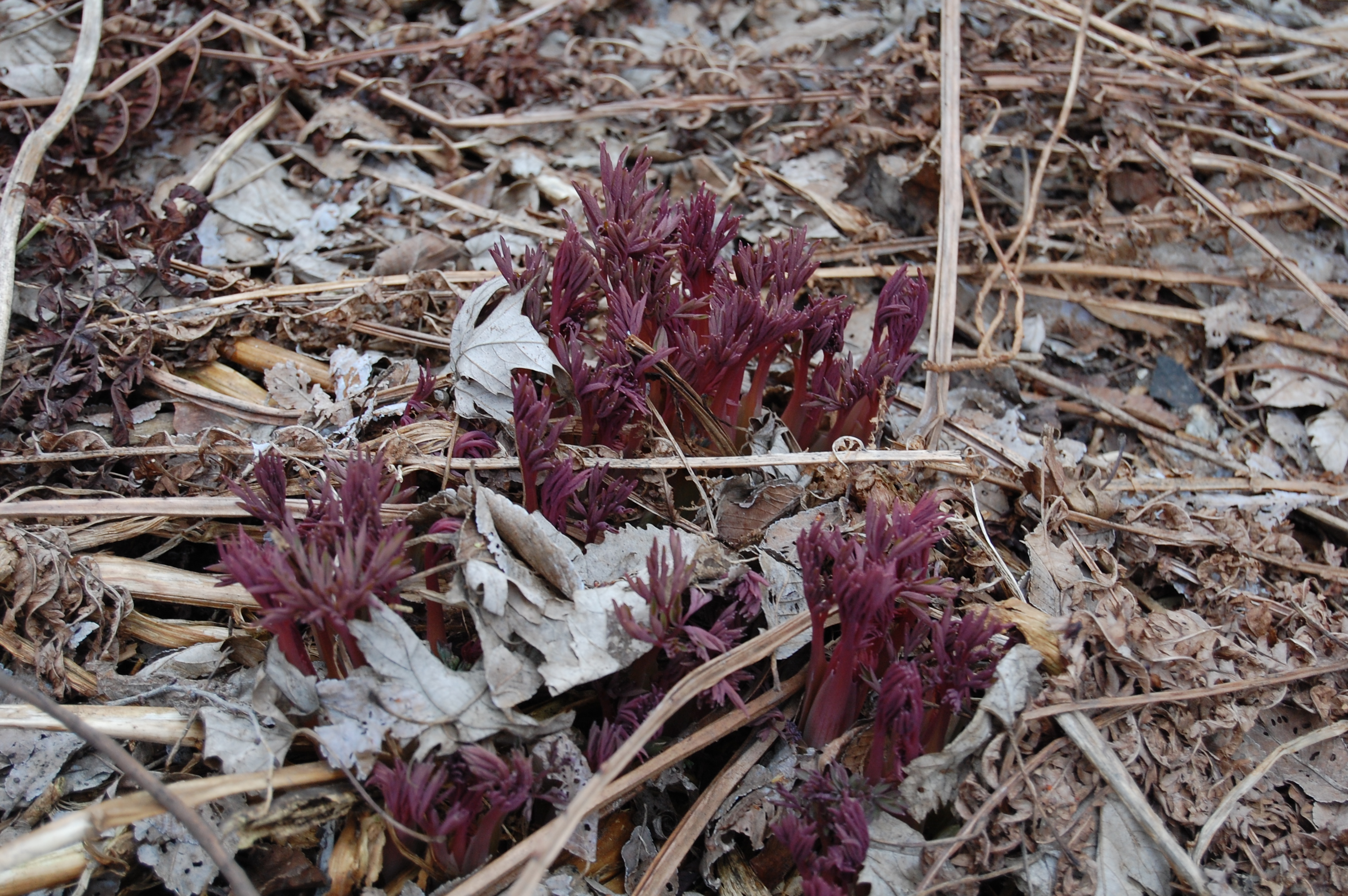
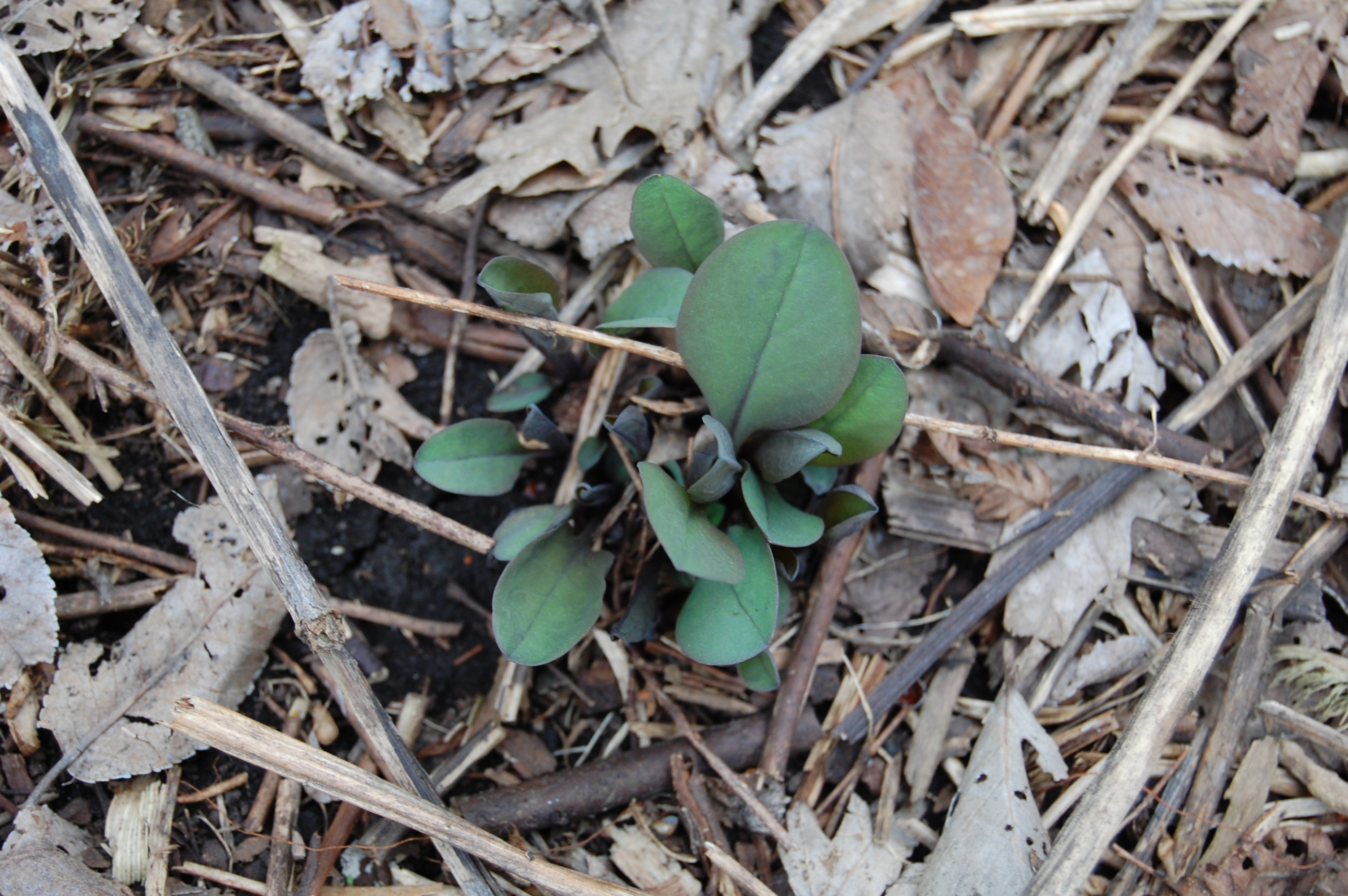
New Peony foliage
New Peony foliage
Virginia Bluebells
Virginia Bluebells
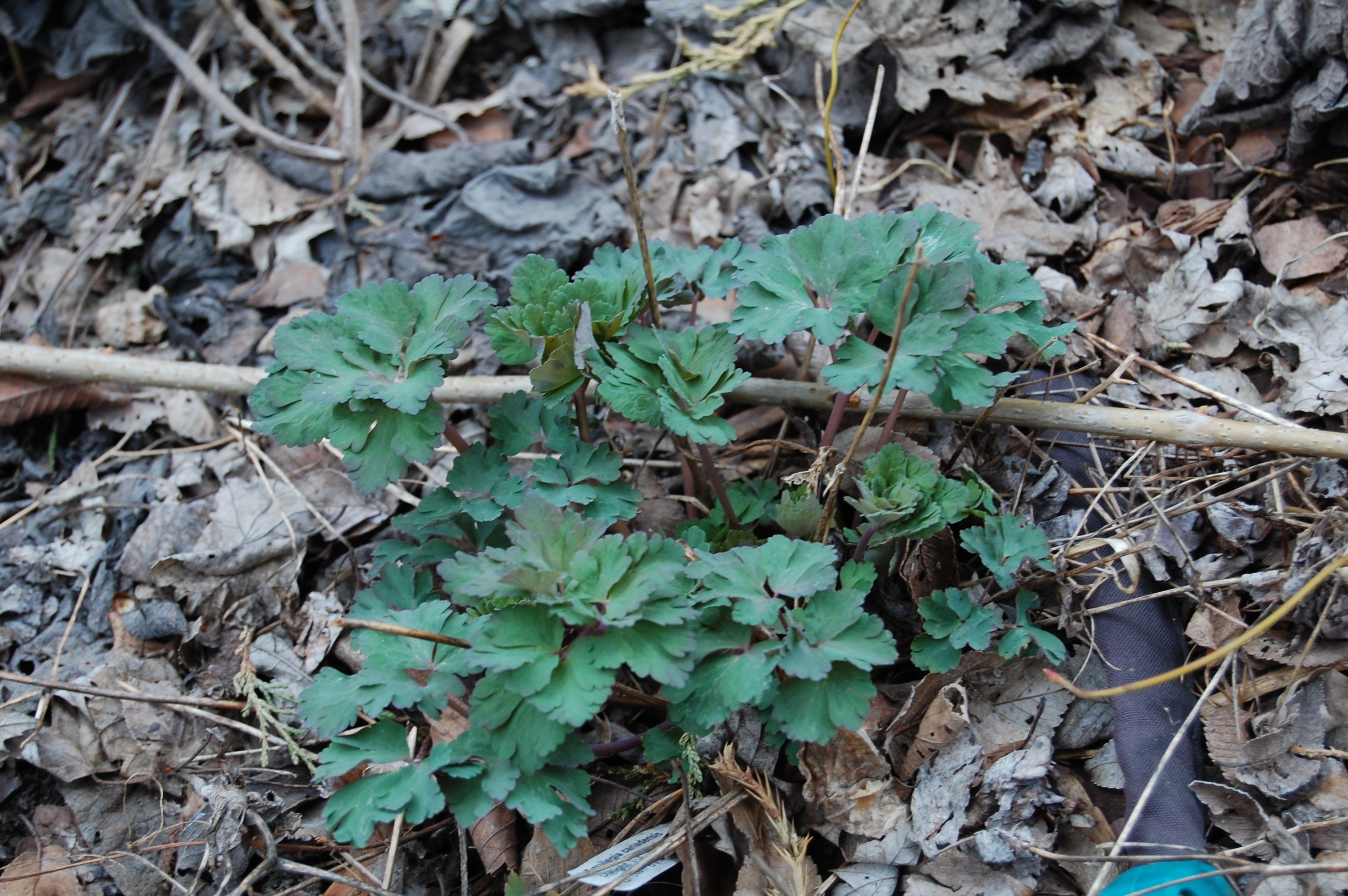
Wild Columbine
Wild Columbine
2014-04-12 11.59.13
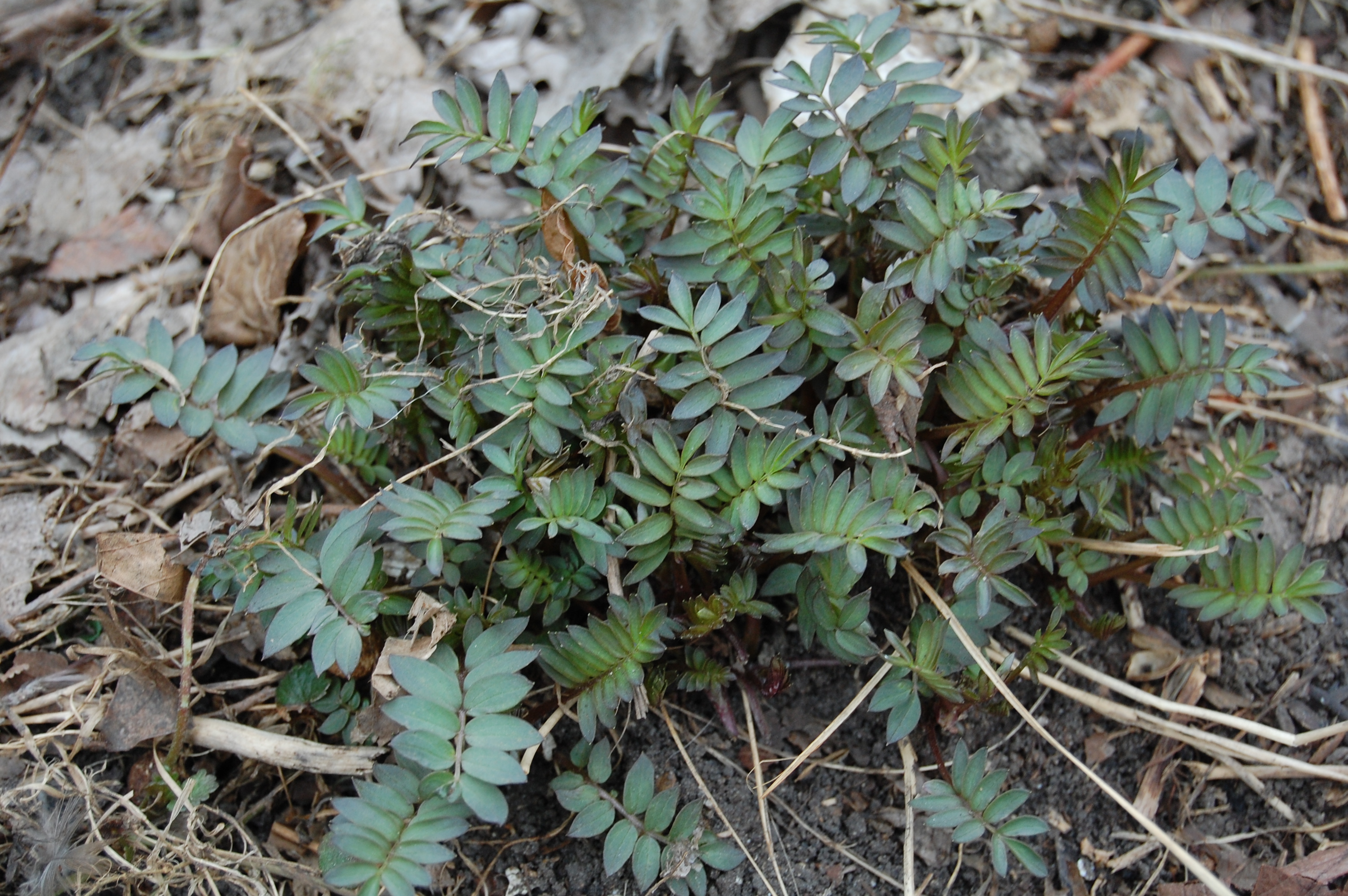
Jacob’s Ladder
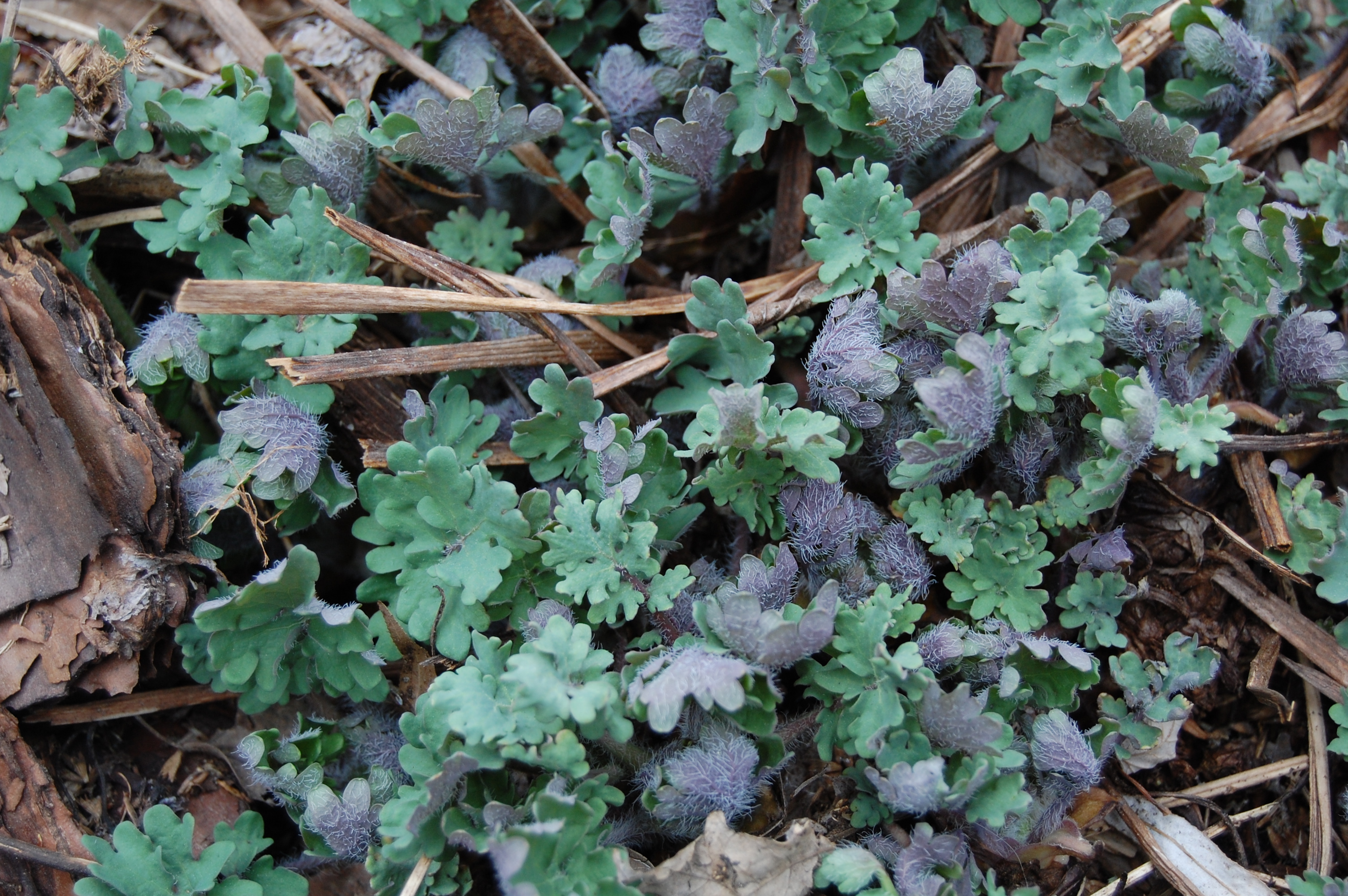
Celandine Poppy
Celandine Poppy. I like how the unfolding leaves look like furry paws.

The Days of the Little Bulbs are also the days when the first foliage of some of my favorite plants emerges.

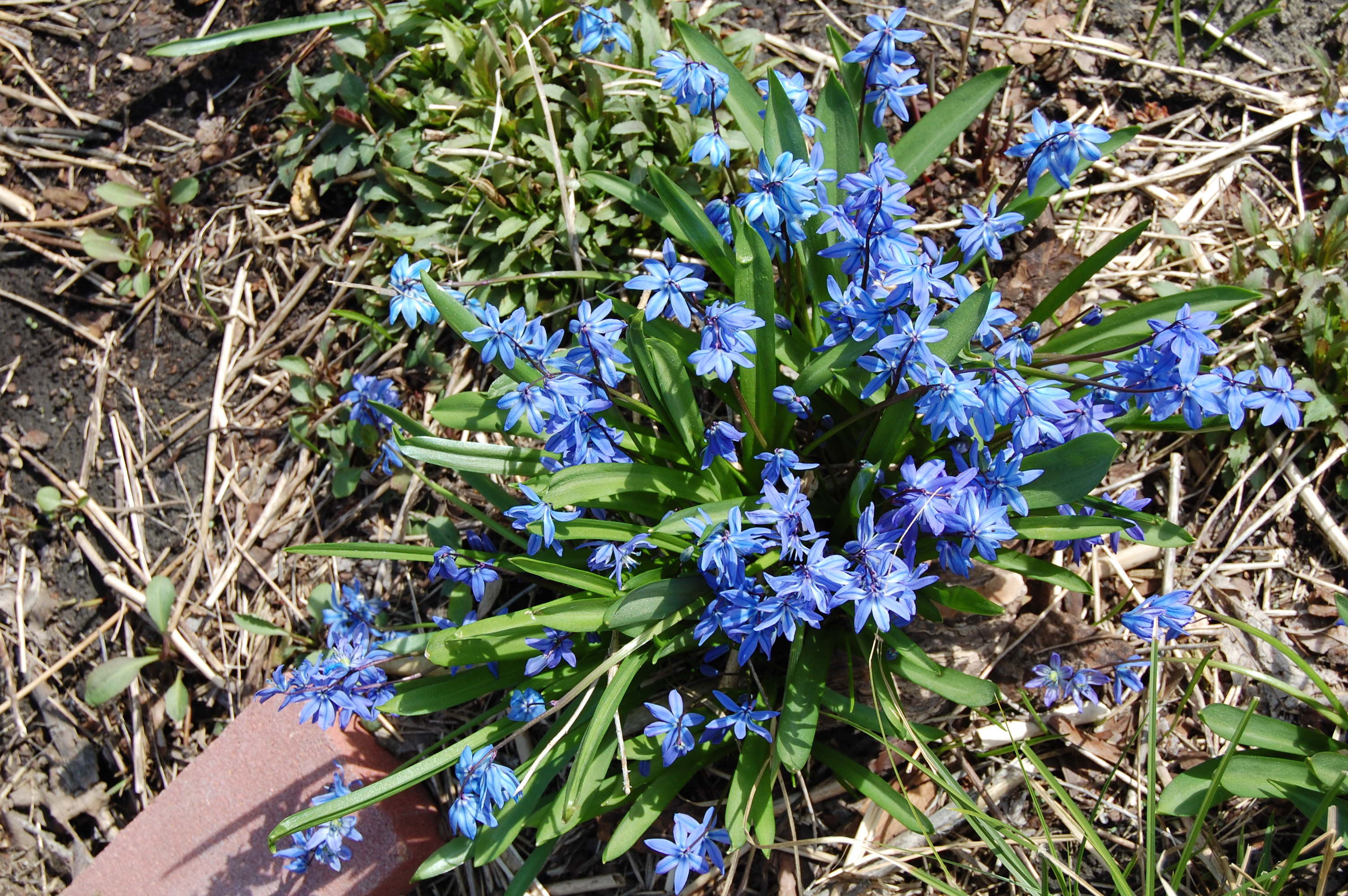
Squill
Siberian Squill

Siberian Squill (Scilla sibirica) are one of my favorite little bulbs. It spreads like mad, which is a good thing, as it disappears in May. Along Lake Shore Drive there is a stretch of Lincoln Park where the mass of blooming Squill looks like a smaller and more placid version of Lake Michigan.

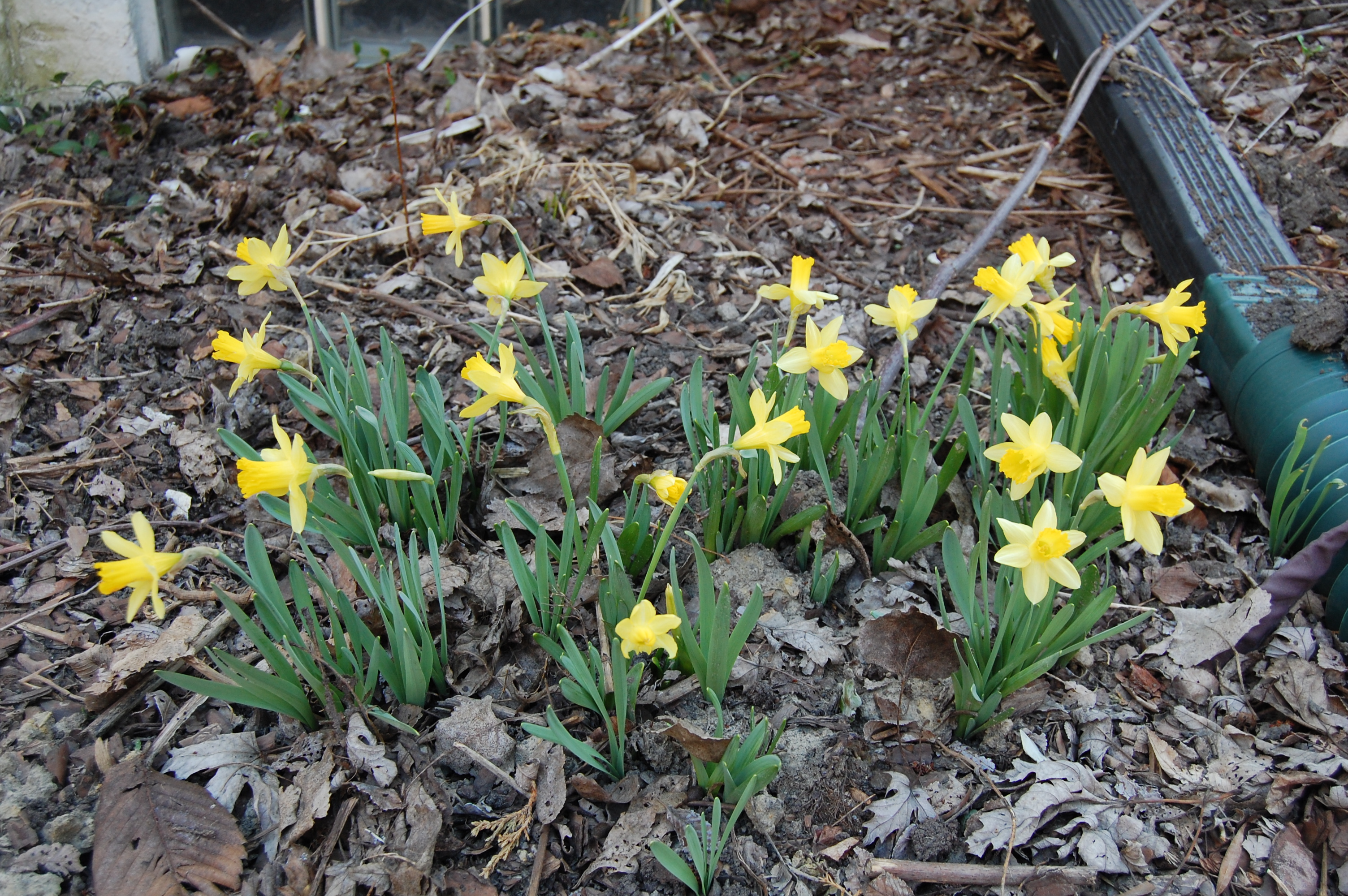
Narcissus 'Tete a Tete'
Narcissus ‘Tete a Tete’
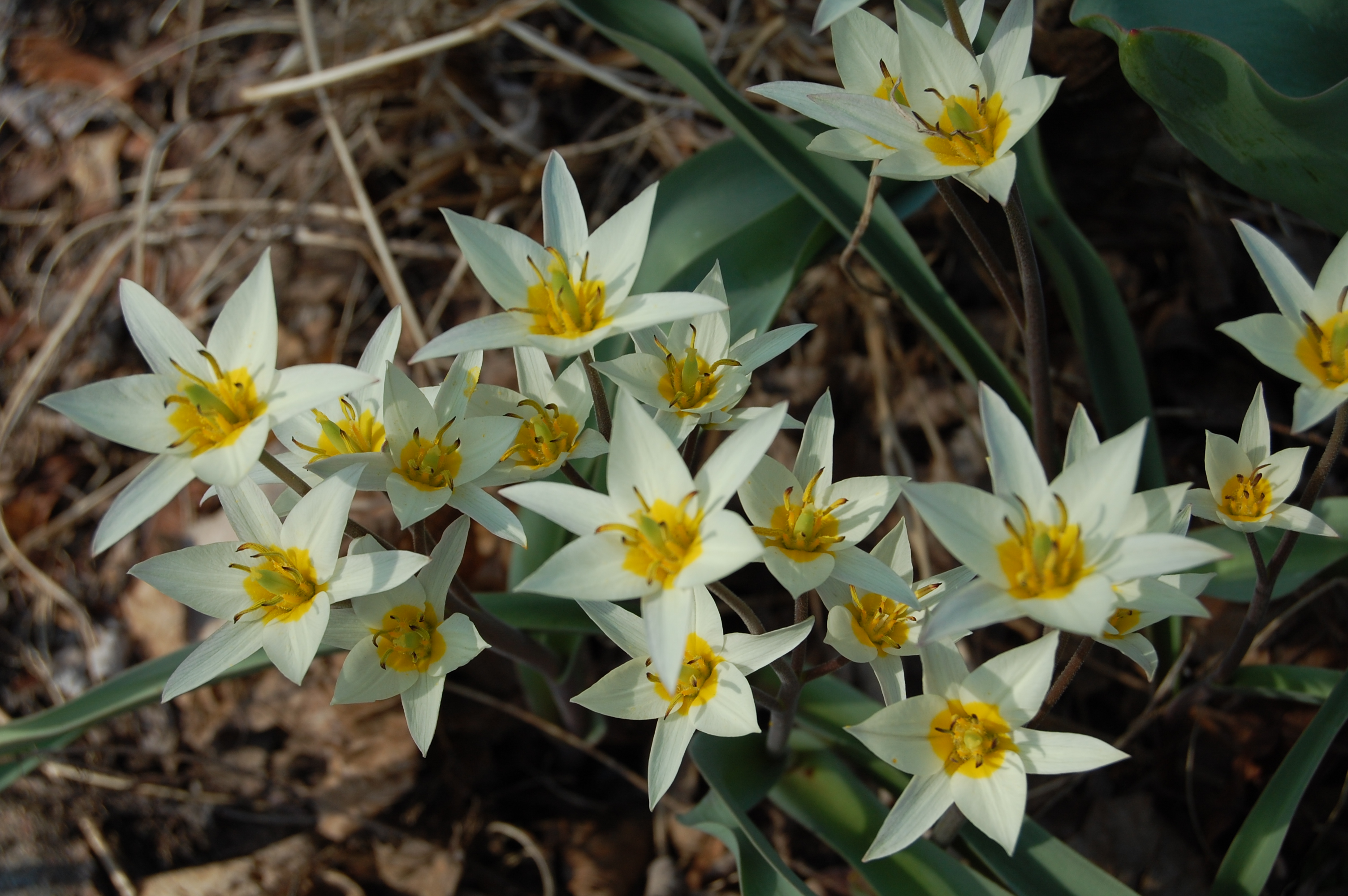
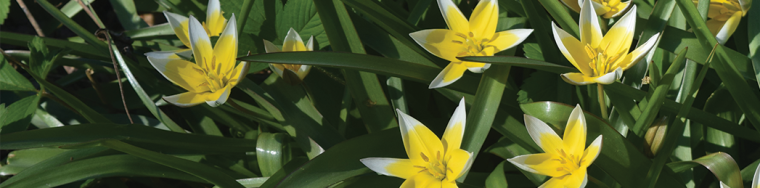
Tulipa turkestanica
Tulipa turkestanica

This year it was not until late April when the first species tulips and Narcissus began blooming. Their appearance marks the beginning of the end of the Days of the Little Bulbs. But remember, as we face another long winter, that the little bulbs are waiting to bring us tidings of a new Spring.

Christmas in Los Angeles. Any Suggestions?

You may know that Judy and I and our two boys take a trip over the Christmas holidays in lieu of buying presents. Now that the boys are in their mid-20s I keep expecting them to tell us they have other plans. However, they are game to keep the tradition alive for another year, which is gratifying.

The Getty Center. Photo from discoverlosangeles.com

This year we are going to Los Angeles for a little over a week. We’ve rented a house which turns out to be the most economical way for four people to take a vacation together.

I’ve only been to LA once before and only for a couple of days. Judy has been there several times, but always for work. So we are looking for tips on stuff to do.

We want to visit some gardens of course, though I am likely to face some harsh restrictions on the number of gardens we can visit. I am pushing for at least three. I visited the Huntington Library last September, and would like to go back.

Huntington Library gardens. Photo from huntington.org.

We’re also interested in museums, outdoor markets, and generally places that are interesting for walking around. Movie star stuff, not so much. Though when it comes to art museums, I have a Nine Paintings and Out policy. This is based on my strongly held belief that after the ninth painting they all pretty much look the same. Judy irrationally refuses to accept the overwhelming logic of this position.

Our style of vacationing restricts us to a limited number of sights. We spend most of our time lazing around, drinking coffee, reading, cooking, having meals, playing cards or board games. I doubt we spend more than three or four hours a day seeing sights.

Photo from discoverlosangeles.com.
Mural on Olvera Street. Photo from discoverlosangeles.com.

So we don’t exactly burn the candle at both ends. This kind of vacation requires good places to have coffee or a glass of wine and read, either a nice patio (which our rental house is supposed to have) or nearby cafes. It also creates more pressure to research good sights, as we aren’t going to see many of them.

So, for those of you who know LA, what do you recommend?

A City Garden for People and Critters

So another garden that we visited during the Portland Garden Bloggers Fling was that of Tamara, who writes the blog Chickadee Gardens. I liked that this wildlife-friendly garden is on a 50’x100′ city lot.

2014-07-12 15.46.39 chickadee gardens

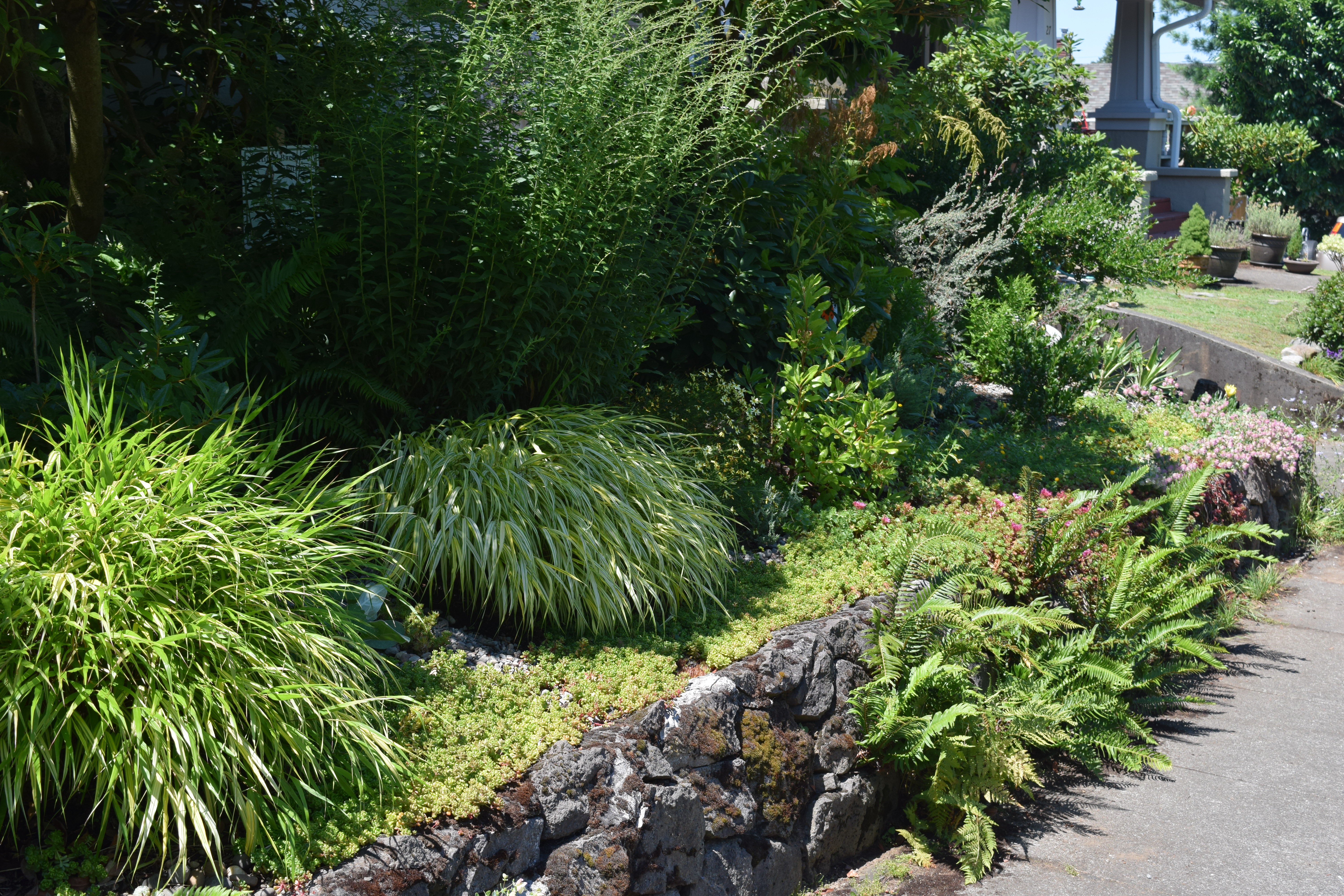
The front has a pleasing mix of small trees, perennials, annuals, and grasses.

2014-07-12 15.45.38

In the parkway the mix of plants looks full but not wild or overgrown. That’s a Fling coach back there.

2014-07-12 15.45.23  chickadee gardens

Parts of the front were in strong sun, others were partly shaded by trees.

2014-07-12 15.23.35  chickadee gardens

2014-07-12 15.44.32 chickadee gardens

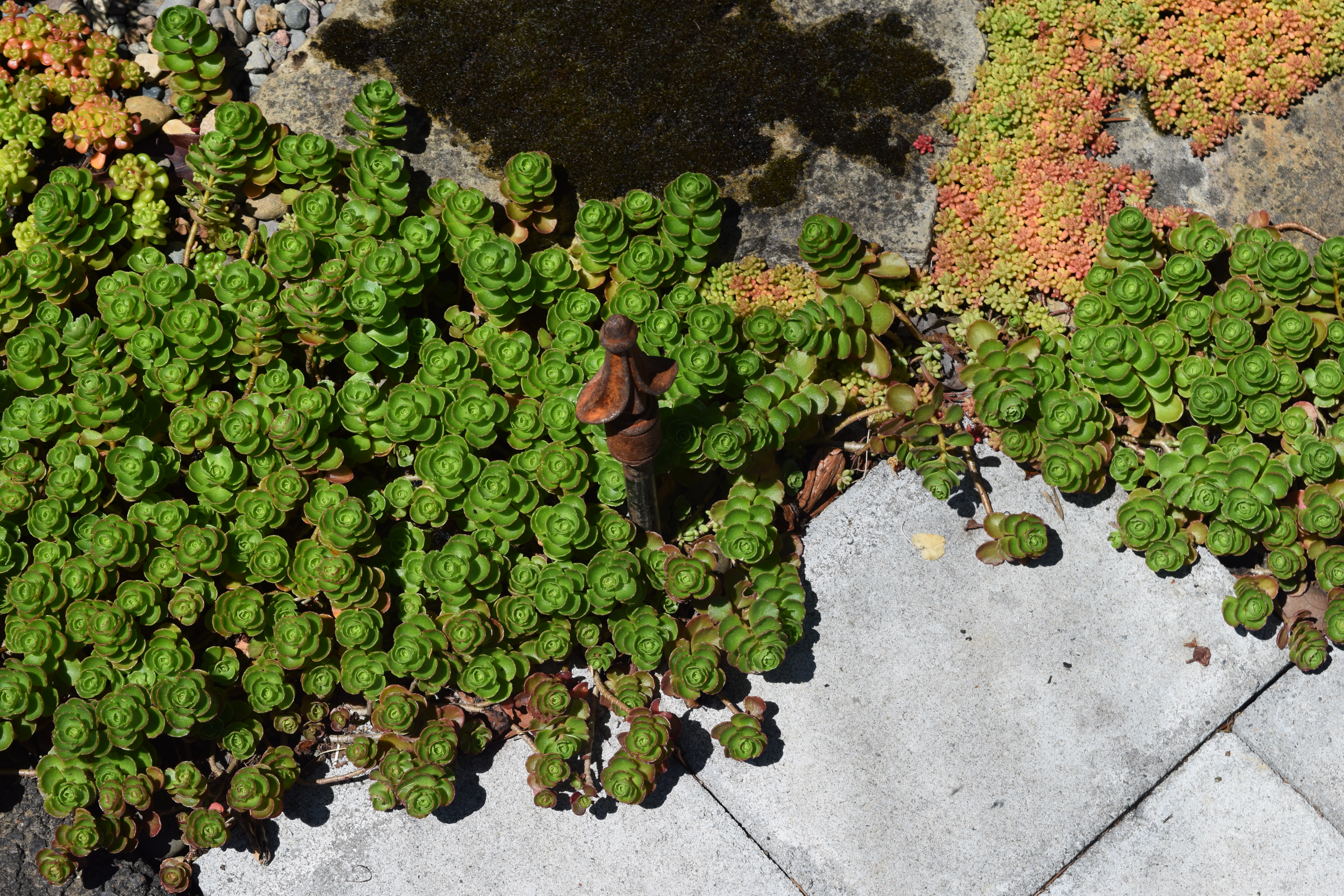
I liked the use of these tiny sedums (?) as a groundcover.

2014-07-12 15.20.58 chickadee gardens

Tamara’s garden has a seal of approval from the Backyard Habitat Certification Program, a collaboration between the Portland Audubon Society and a regional land trust. This program sounds much more substantial and exacting than the one run by the National Wildlife Federation.

2014-07-12 15.42.02  chickadee gardens

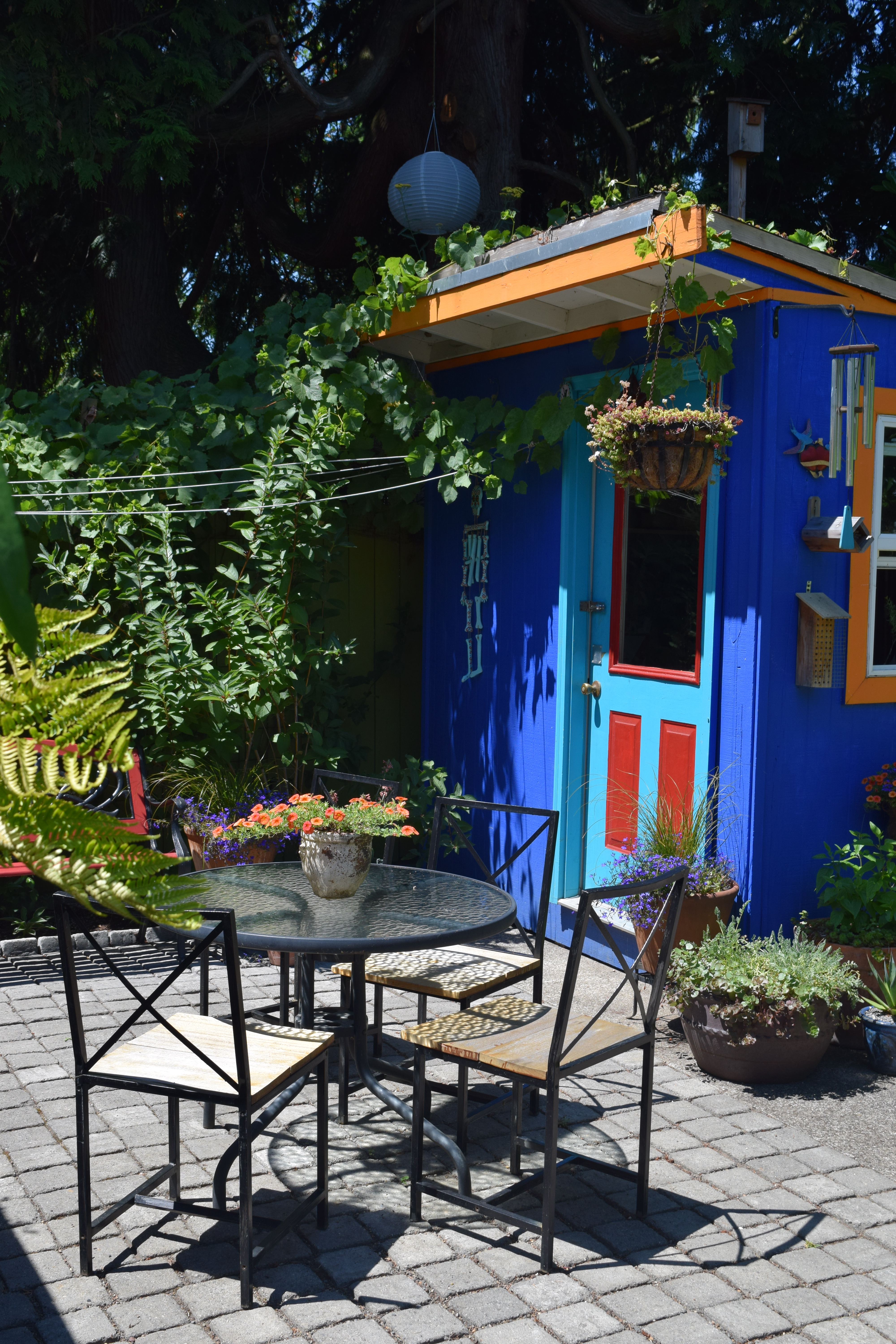
The back garden has a sort of courtyard feel. Seeing this garden shed made me want to fly back home and paint my house blue or turquoise.

2014-07-12 15.29.34 chickadee gardens

Tamara welcomes birds and other wildlife with feeders, bird baths, brush piles, bat houses, and 200 plant species native to the Pacific Northwest.

2014-07-12 15.34.42 chickadee gardens

Space is also made for growing fresh food for the human inhabitants of Chickadee Gardens.

2014-07-12 15.30.42 chickadee gardens

The house opens onto a deck overlooking the back garden.

2014-07-12 15.32.33 chickadee gardens

Check out the green roof.

There was a lot more to this garden, which had the feel of a lush oasis. Unfortunately I did not get a chance to talk much with Tamara, but clearly she is a skilled and creative gardener.

Book Review – Sissinghurst: Vita Sackville-West and the Creation of a Garden, by Vita Sackville-West and Sarah Raven

Judy and I visited Sissinghurst late last summer, and we both loved it. Even so, I wish I had read this book before we got there. It certainly would have helped me to appreciate even more this remarkable garden, which began as the estate of writer Vita Sackville-West and her diplomat husband, Harold Nicolson. It is currently managed by the UK’s National Trust.

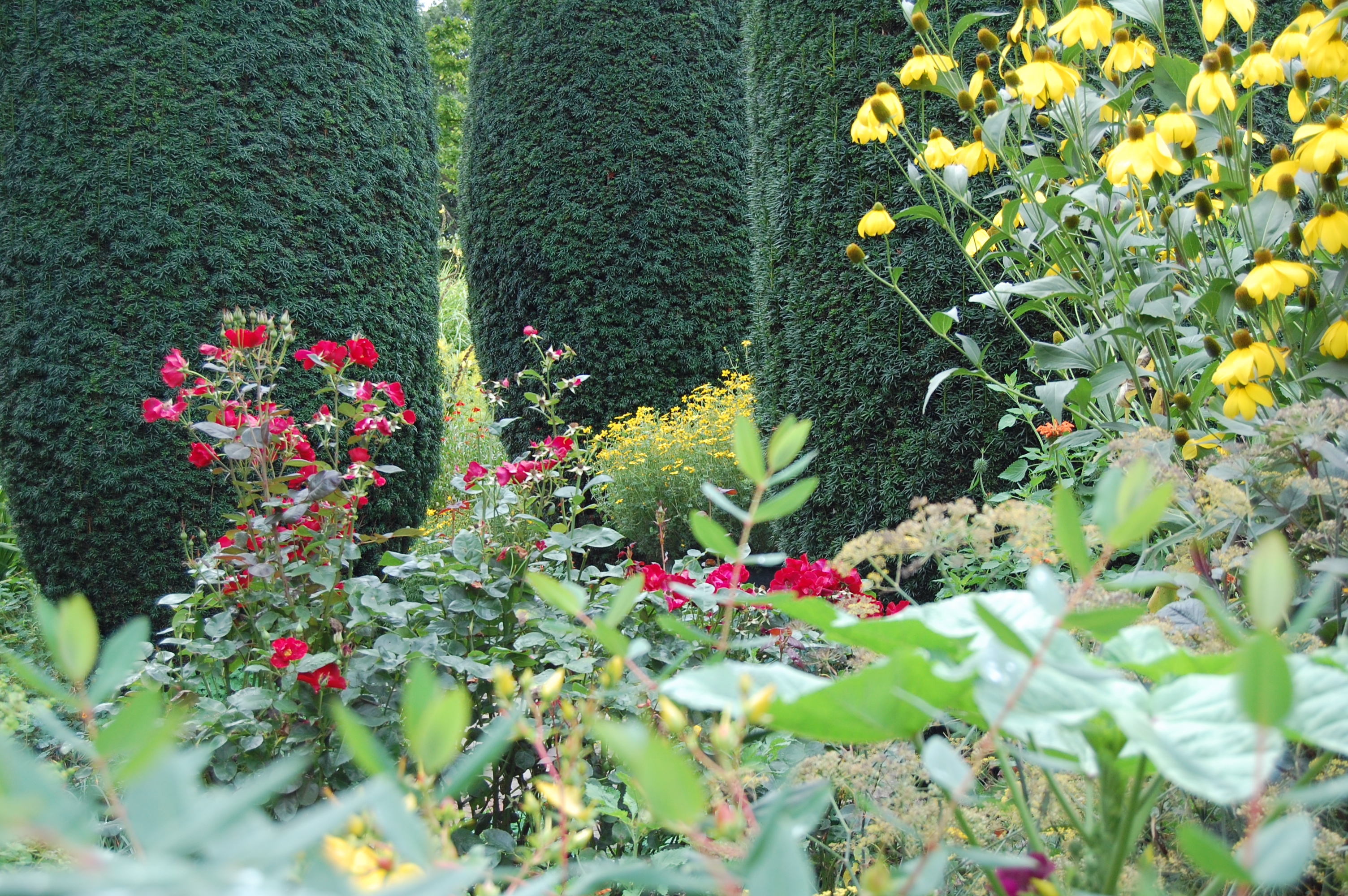
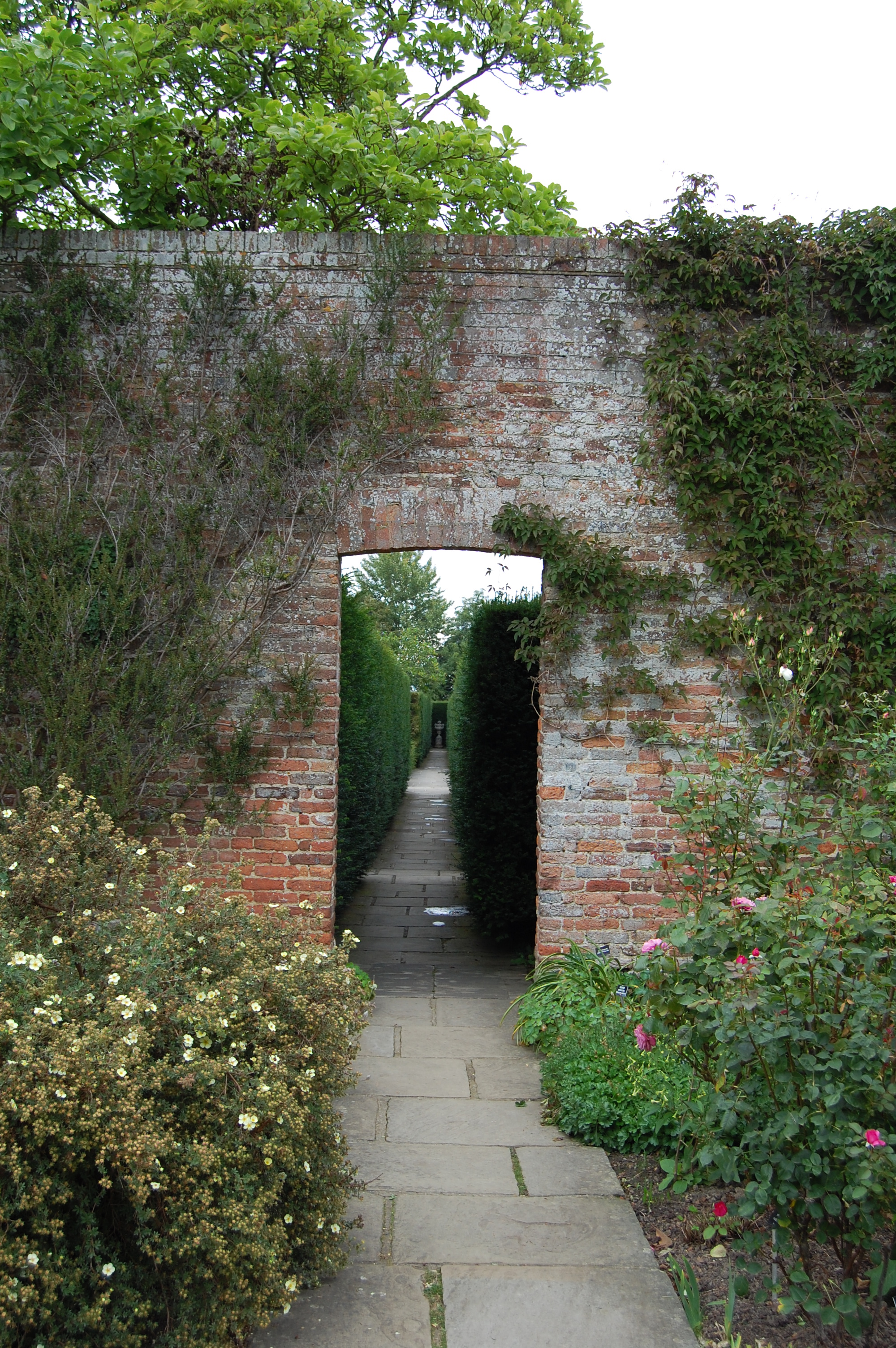
2013-09-12 10.18.31 Sissinghurst
This photo and those that follow were taken by Judy during our visit to Sissinghurst last summer.

Some readers may be confused by the authorship credits on the front cover of Sissingurst, Vita Sackville-West and the Creation of a Garden. After all, Sackville-West died in 1962, so she did not actually collaborate with Raven in writing the book. Rather, Raven selects passages from Sackville-West’s voluminous writings about her garden, particularly from the weekly column that was published for 11 years.

Raven then adds context and explanation. She is well qualified to do so. A well-known garden writer in the UK, Raven is married to Sackville-West’s grandson, has spent time living at Sissinghurst, and knows the garden intimately.

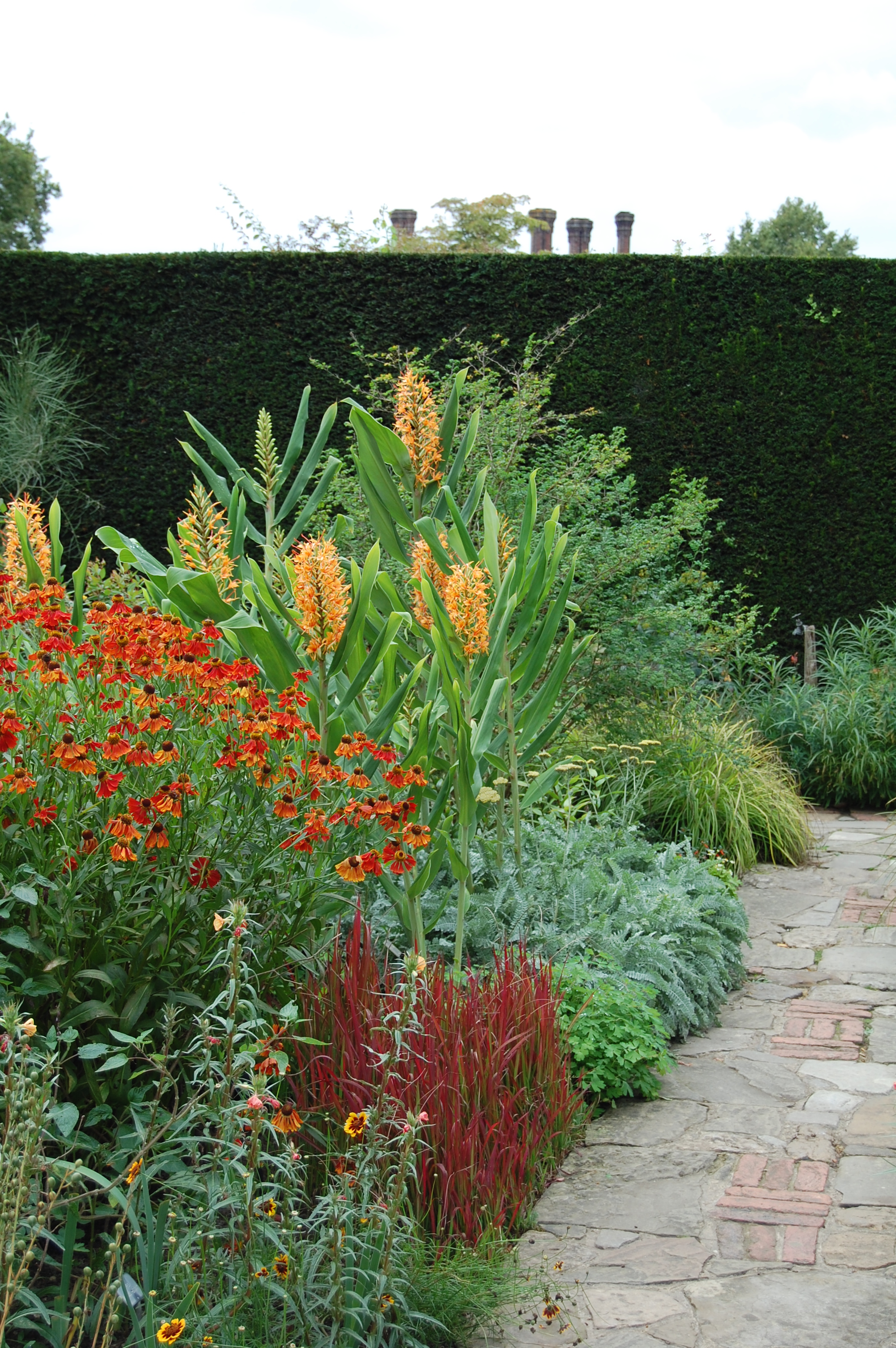
2013-09-12 10.16.29 Sissinghurst

The first part of the book, which covers the history of Sissinghurst and the early collaborations of Sackville-West and her husband to create a garden there, is almost all Raven. She also provides a brief but very interesting more recent history at the end of the book.

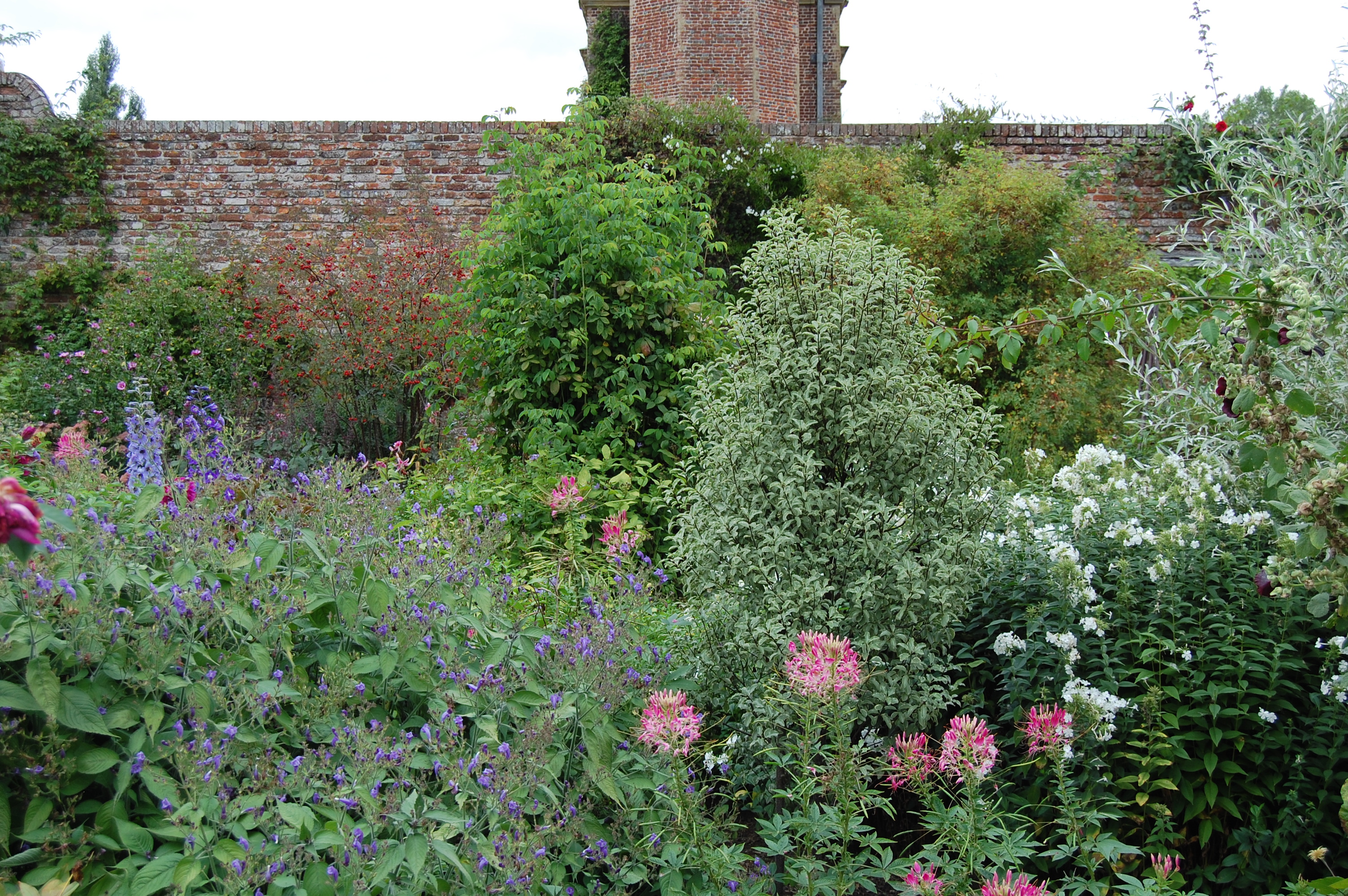
2013-09-12 10.03.38 Sissinghurst

It is mostly Sackville-West in the middle, annotated by Raven. Though she gardened on a far more lavish scale than I, in some ways Sackville-West was a gardener after my own heart. I warm to her when she dwells on her preference for gardens that are bursting and overflowing with plants: “Cram, cram, cram, every chink and cranny … I like generosity wherever I find it, whether in gardens or elsewhere … Always exaggerate rather than stint. Masses are more effective than mingies.”

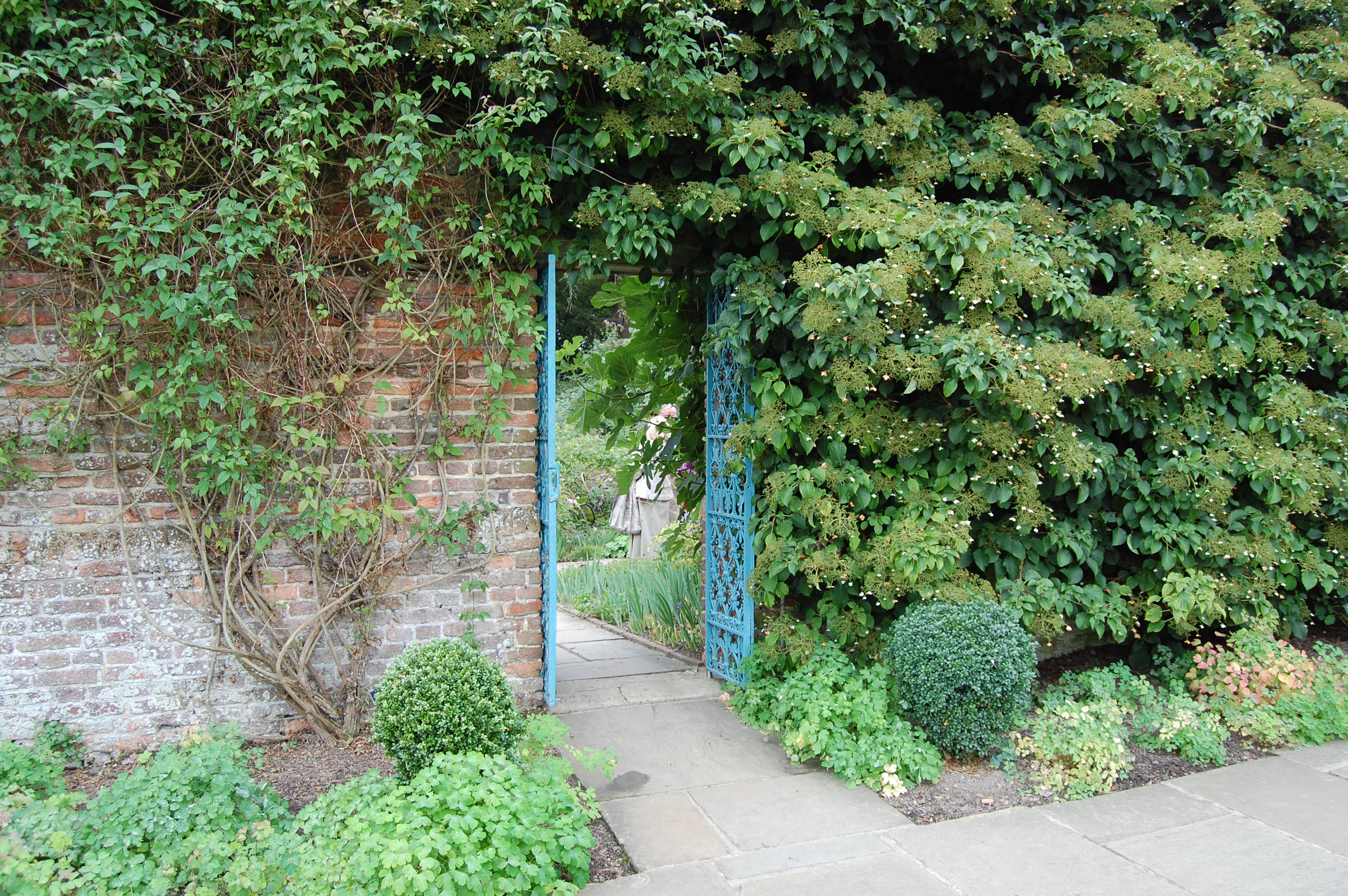
2013-09-12 09.55.45 Sissinghurst

She was also someone who could see the beauty even in humble plants: “I would not despise even our native Viola odorata of the banks and hedgerows … And how it spreads, wherever it is happy, so why not let it roam and range as it listeth?” (I looked up “listeth” and it is an archaic word for pleases or chooses.)

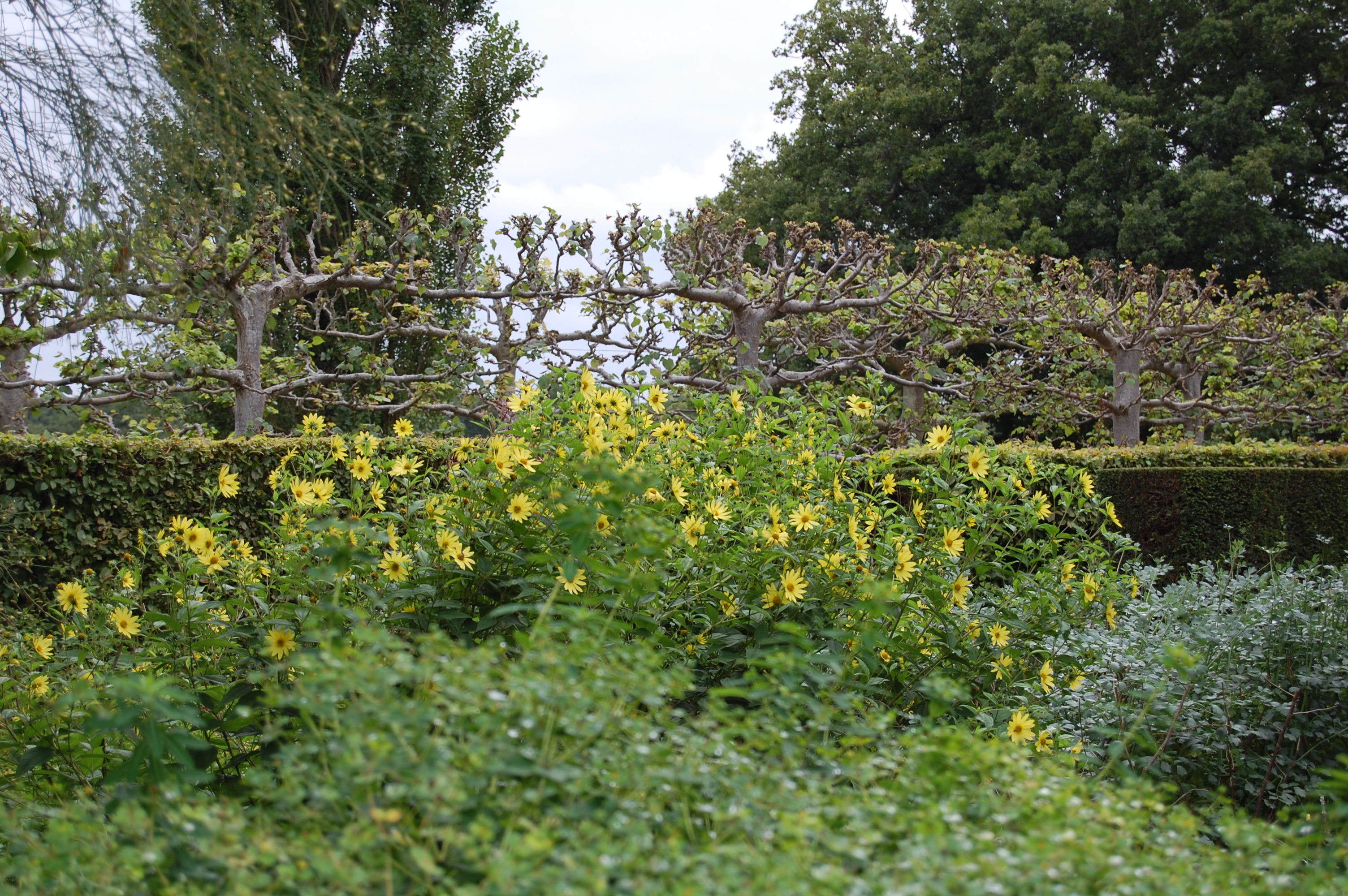
2013-09-12 10.18.24 Sissinghurst sunflowers

One advantage of this book over simply reading Sackville-West herself is the benefit of hindsight. The evolving presence of Sackville-West’s favorite plants at Sissinghurst is reviewed: some species remain (sometimes the same individual), others are reduced or removed for various reasons.

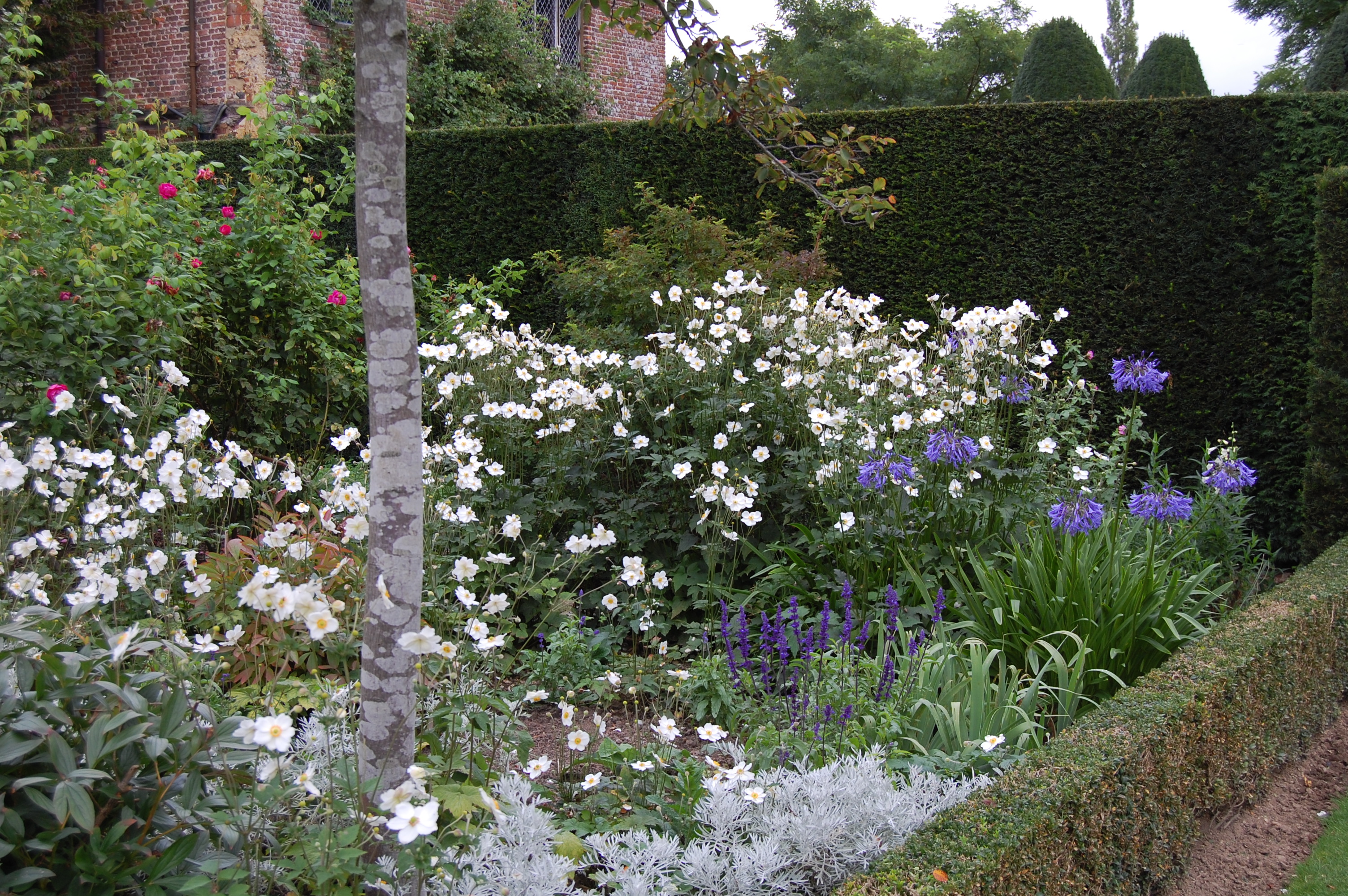
2013-09-12 10.08.05 Sissinghurst

A theme of the book is the creative tension of between orderly structure on the one hand and Sackville-West’s love of unbounded, romantic masses of plants and blooms. Sackville-West exasperated her husband Harold Nicolson, who designed the bones of the garden and liked a bit more formality.

Raven shows how these two elements actually support each other at Sissinghurst. She puts it well when she writes: “An enchanting garden like Sissinghurst is, I would say, at its most beautiful at precisely the point where its informality is about to tip over into chaos.”

2013-09-12 10.10.56 Sissinghurst

The book is nicely illustrated with both color and black and white photos.

Thankful for Coyotes

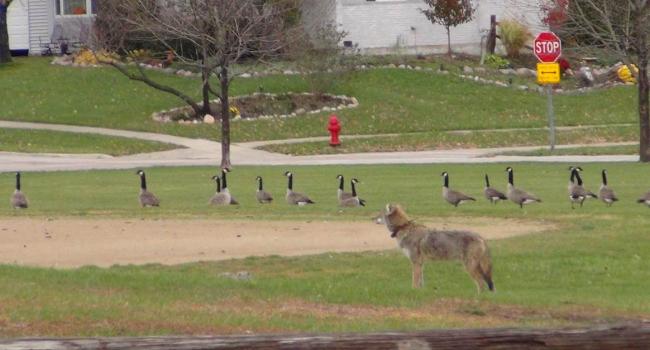
Judy saw a coyote trotting down the street in front or our house a few days before Thanksgiving. Hurrah!

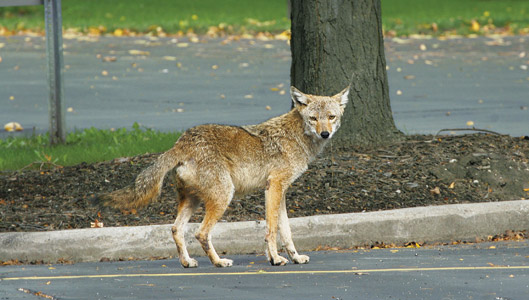
Coyotes enjoy the suburban life. Photo from chicagourbanresearch.com.
Coyotes enjoy the suburban life. Photo from urbancoyoteresearch.com.

I like to think that this means we now have our own neighborhood coyote, maybe even our own pack. We need some predators around here to control the number of rodents, especially (speaking as a gardener) rabbits.

Another suburban coyote.
Another suburban coyote. Photo from urbancoyoteresearch.com.

This may seem heartless, but I think accepting predators has to be part of the ethic of wildlife gardening. Predators are a necessary part of a healthy wildlife community. Without them, things get out of whack, and not just in the form of girdled trees and plants chewed down to the ground. Overpopulation among herbivores can lead to starvation, disease, and extensive damage to the natural flora.

Red-Tailed Hawk on our back fence.

Until now, the most visible predators around our garden have been hawks – mainly Cooper’s and Red-Tailed. It’s distressing when they make a meal of a songbird, though I admit to being much less disturbed when they eat a Starling or Grackle. But if hawks didn’t eat birds, there would be no hawks.

You want that toasted? Coyote at downtown Chicago Quiznos. Photo from NPR.

Getting back to coyotes: it’s possible that they’ve been around here for a while. For the most part, they keep themselves scarce. Though not always, as when a coyote strolled nonchalantly into a Quizno’s sandwich shop in downtown Chicago.

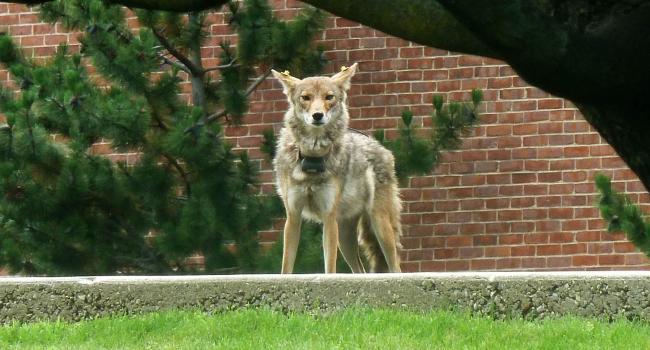
Our coyotes have been studied extensively, and the website Urban Coyote Research is devoted specifically to coyotes of the Chicago area. Researchers have tracked coyote activity by fitting them with collars equipped with radio and even video cameras.

Coyote pup. Photo from urbancoyoteresearch.com.

Some urban coyotes are highly visible, but most stick to more open areas such as parks, forest preserves, utility easements, even industrial zones. They like to avoid people and hunt at night.

Coyotes are at the top of the food chain among Chicago fauna. They eat mostly small rodents. On rare occasions they have been known to hunt white-tailed deer. Researchers have found that, contrary to common belief, coyotes rarely eat pets and pretty much leave garbage to the rats and raccoons.  On the other hand, they do like to eat fruit and sometimes even grass.

Coyote with video collar. Photo from chicagourbanresearch.com
Coyote with video collar. Photo from urbancoyoteresearch.com

Coyote attacks on people are exceedingly rare – in fact, there is no recorded instance of a coyote biting a person in Northeast Illinois. When coyotes have been deemed a nuisance it is often because people leave food out for them or other wild animals such as feral cats. So don’t do that.

Coyotes are not native to this region, they arrived here from west of the Mississippi River. It’s estimated that there are around 2-3,000 coyotes in Cook County, a population that’s been stable since the 1980s.

How do you feel about wild predators around your garden?