Desperately Seeking Swallowtails
While doing some weeding the other day, I was pleased to see a Black Swallowtail butterfly – the first one I’ve seen in our own garden this year.
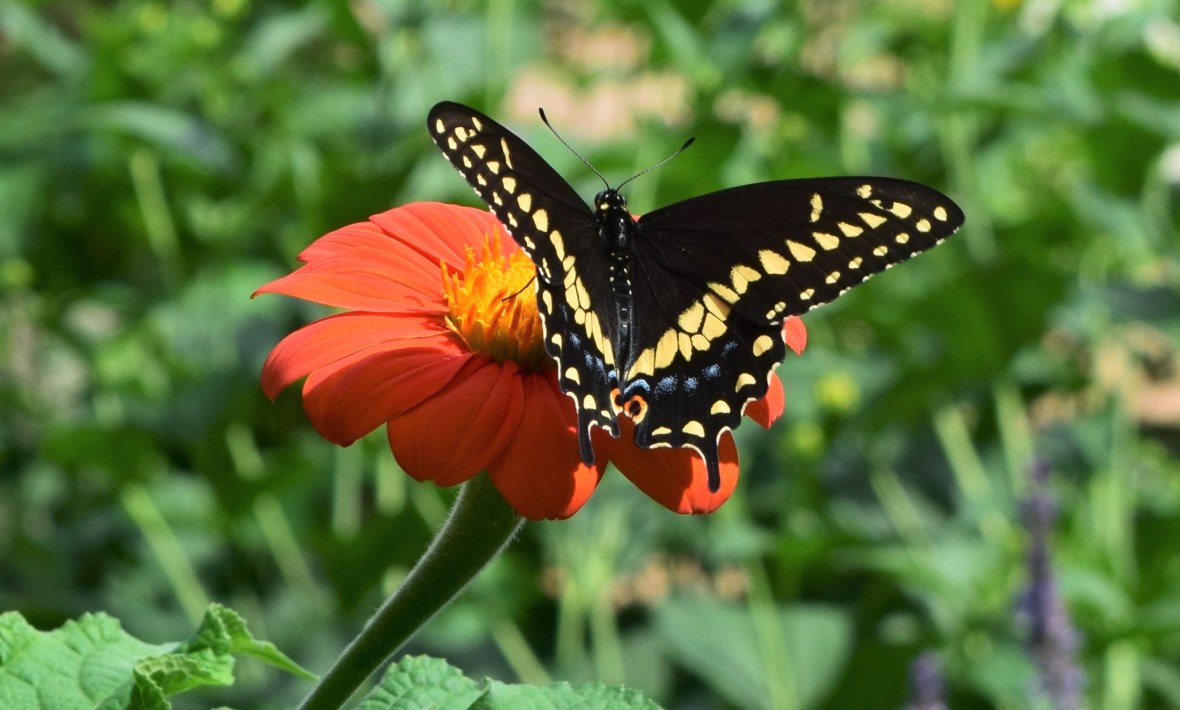
While doing some weeding the other day, I was pleased to see a Black Swallowtail butterfly – the first one I’ve seen in our own garden this year.

I wanted to capture the Lurie Garden while the flowers of early July, especially the Echinaceas, were still blooming their hearts out. Judy was out of town, so I took the camera to work with me a couple of days ago so I could take pictures during my lunchtime walk to the garden.


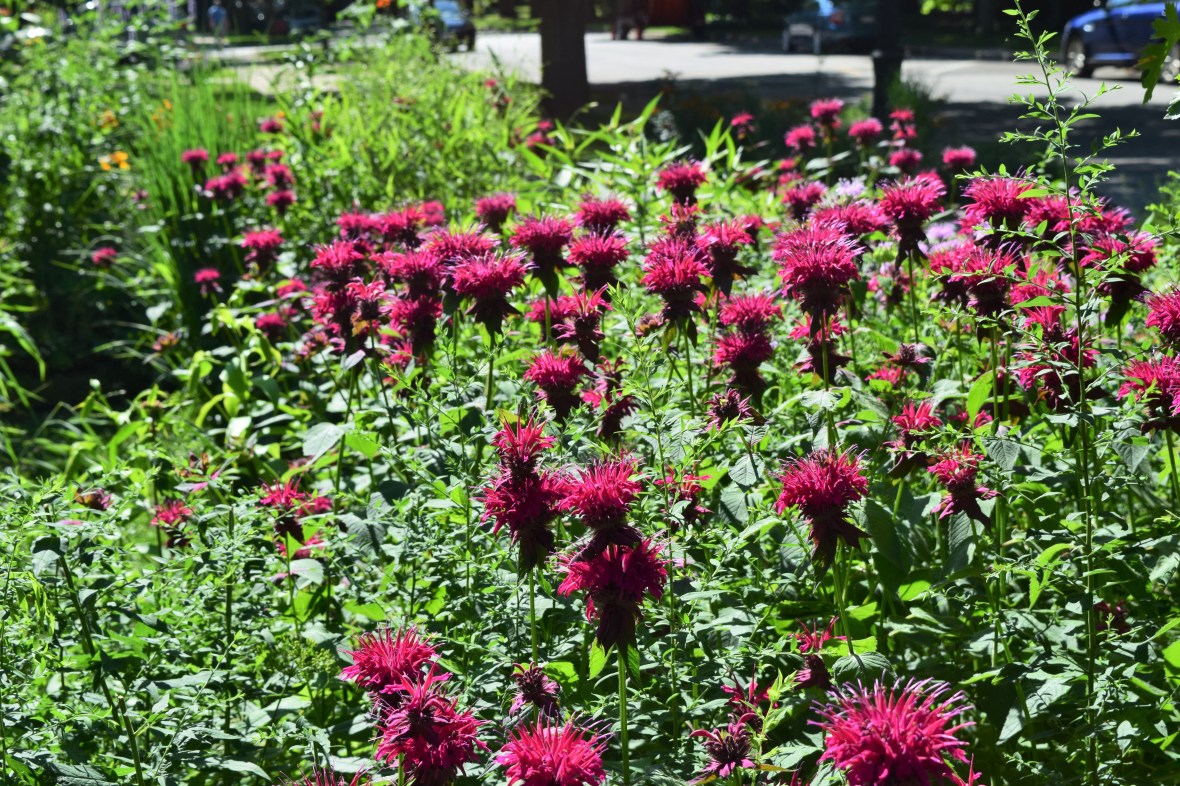
The most noticeable blooms in the front garden at this moment are those of ‘Raspberry Wine’ Bee Balm (Monarda didyma). It’s really dominating the Sidewalk Border.

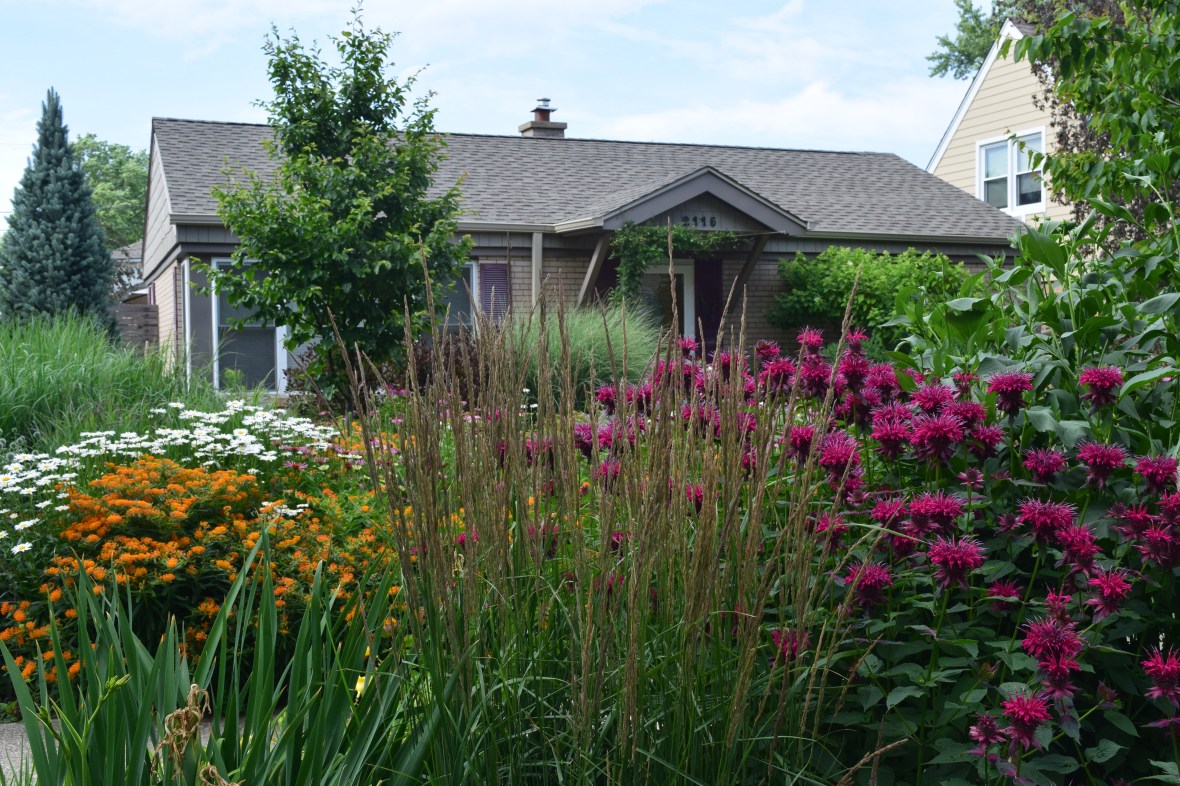
There’s a remarkable garden just a few blocks away from where we live. The owner, Pat, is a garden designer and works in the landscape business. She was nice enough to let me come by and take some pictures of the front.

You don’t see a lot if Purple Milkweed (Asclepias purpurascens) in gardens, not even in native plant gardens. For several years I doted on a small clump of it in the Back Garden Raised Bed. Feeling that the plant should be more widely grown, in 2014 I offered free seeds from my own plants to anyone who wanted them.
I was going to do the same in 2015, but that year the Purple Milkweed didn’t produce any seed pods. Then in 2016, the plant seemed to just disappear. Assuming it had simply faded away, I mourned its loss.


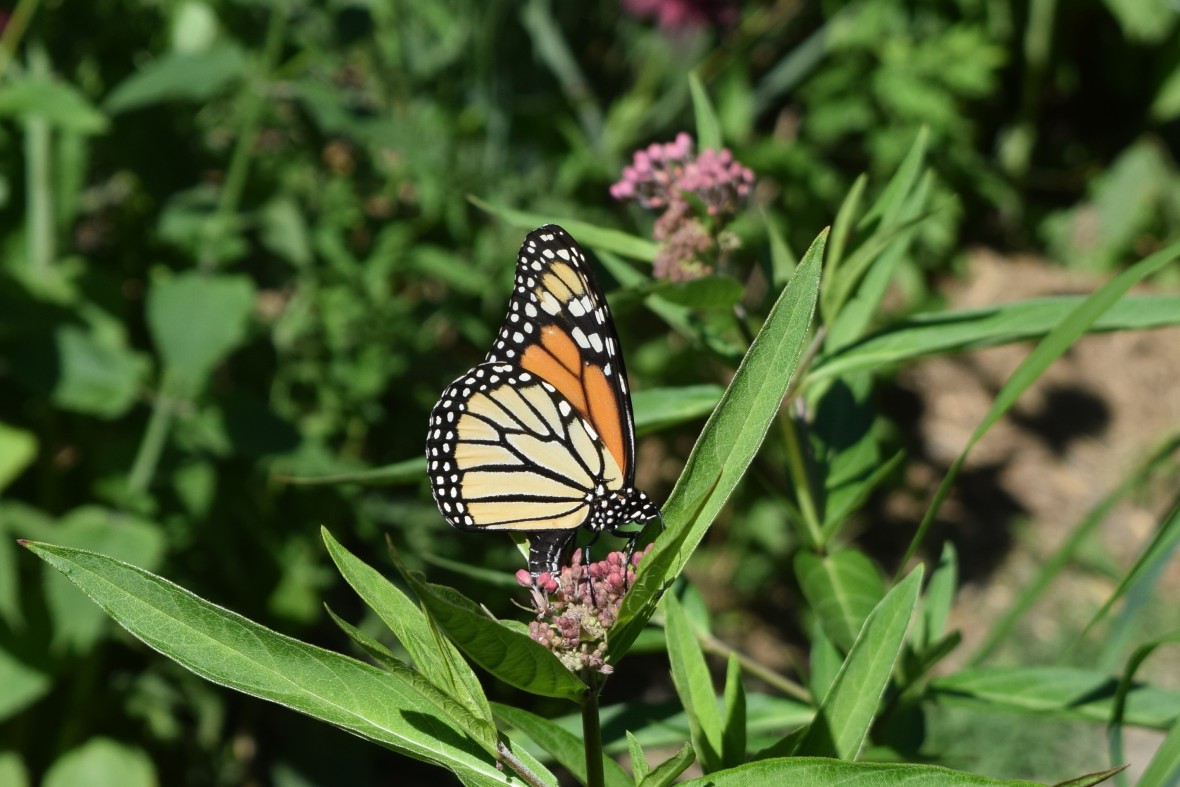
So yesterday I was out in the front garden when I spied a Monarch Butterfly on the Rose Milkweed (Asclepias incarnata). This was the third Monarch sighting of the year, not including some caterpillars on the Butterflyweed (A. tuberosa).

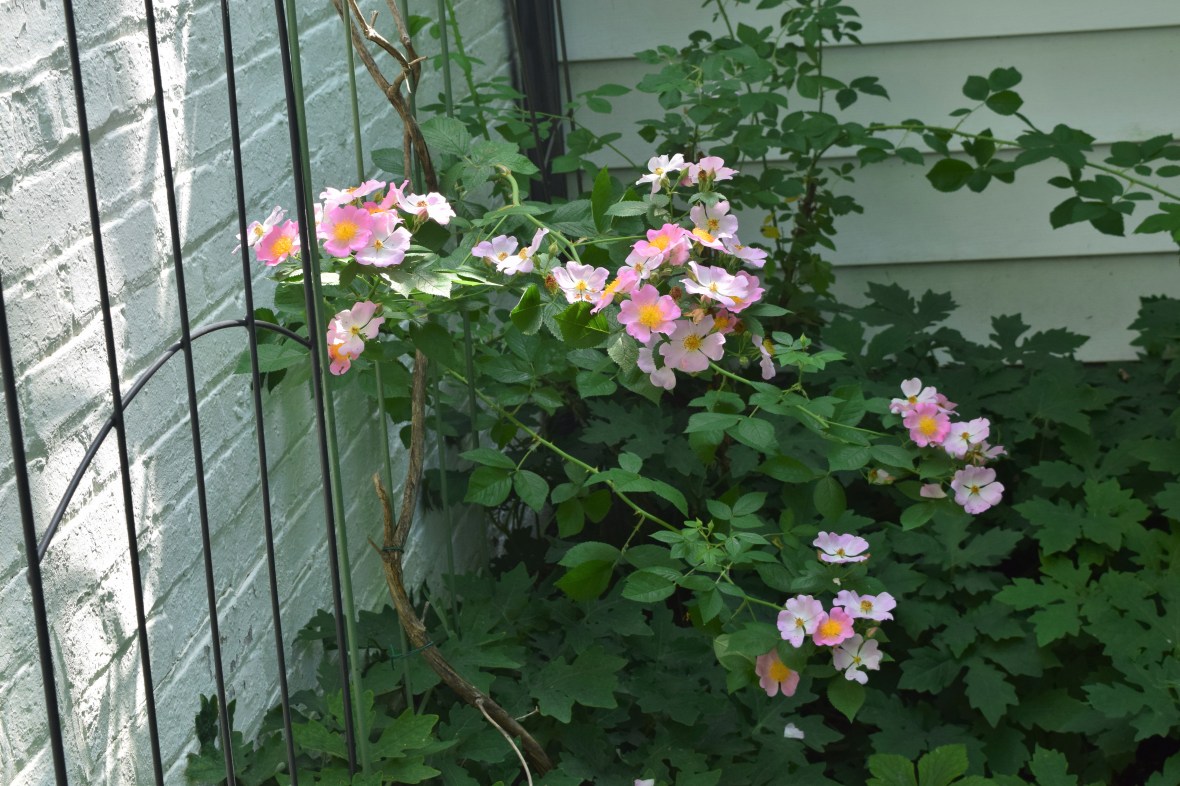
The shrub roses ‘Cassie’ and ‘Sally Holmes’ are past their prime, but Prairie Rose (Rosa setigera) is just coming into its own. This is a wild rose that is native to much of the eastern half of the USA.

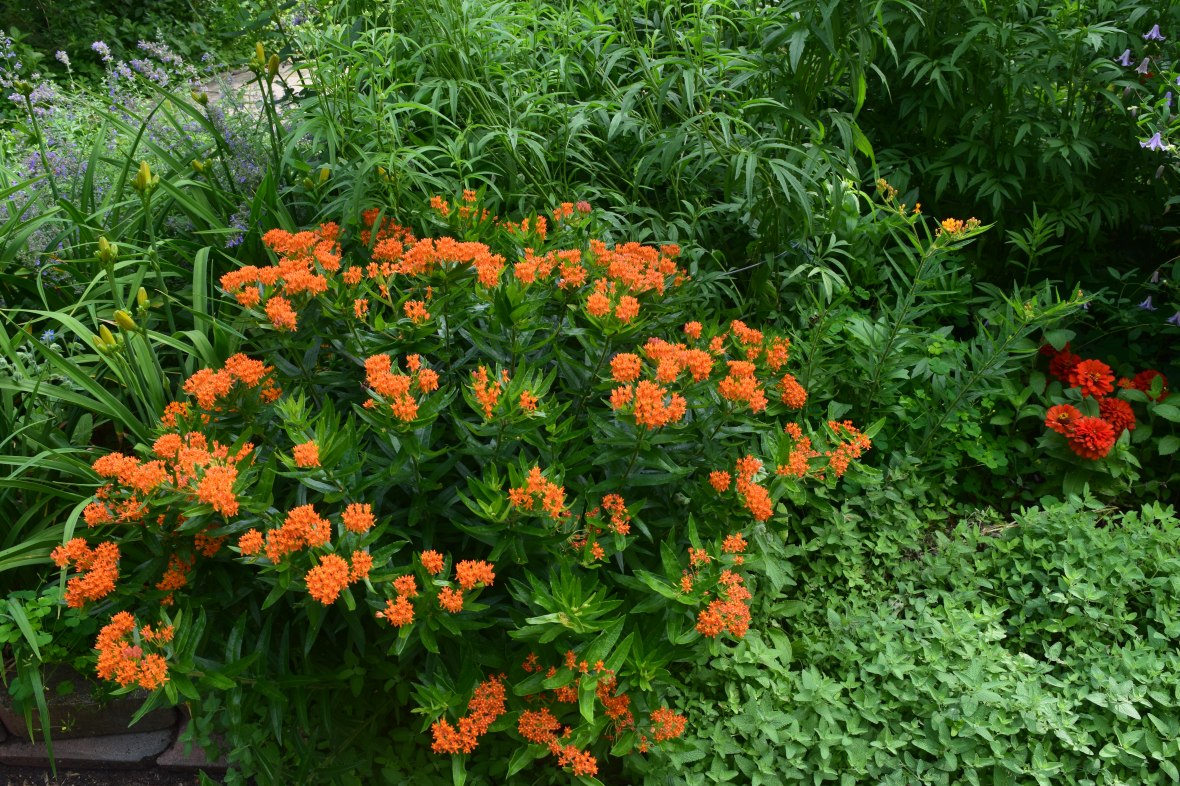
The Butterflyweed (Asclepias tuberosa) is blooming. We have several species of Milkweed in the garden, but A. tuberosa is the first of these to bloom.

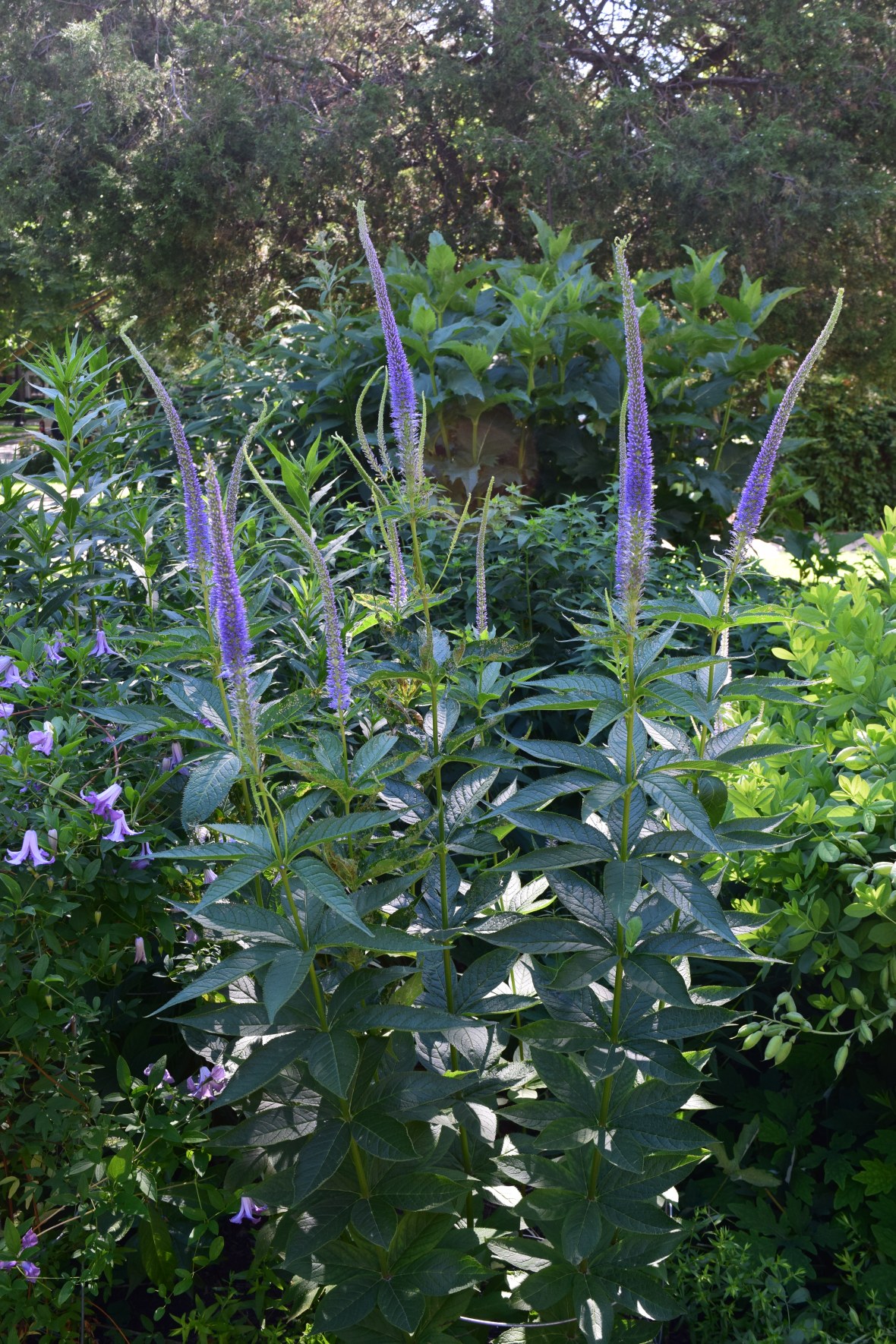
Despite the depredations of the Four Lined Plant Bug, our ‘Fascination’ Culver’s Root (Veronicastrum virginicum) has begun blooming pretty nicely at this point in the year.

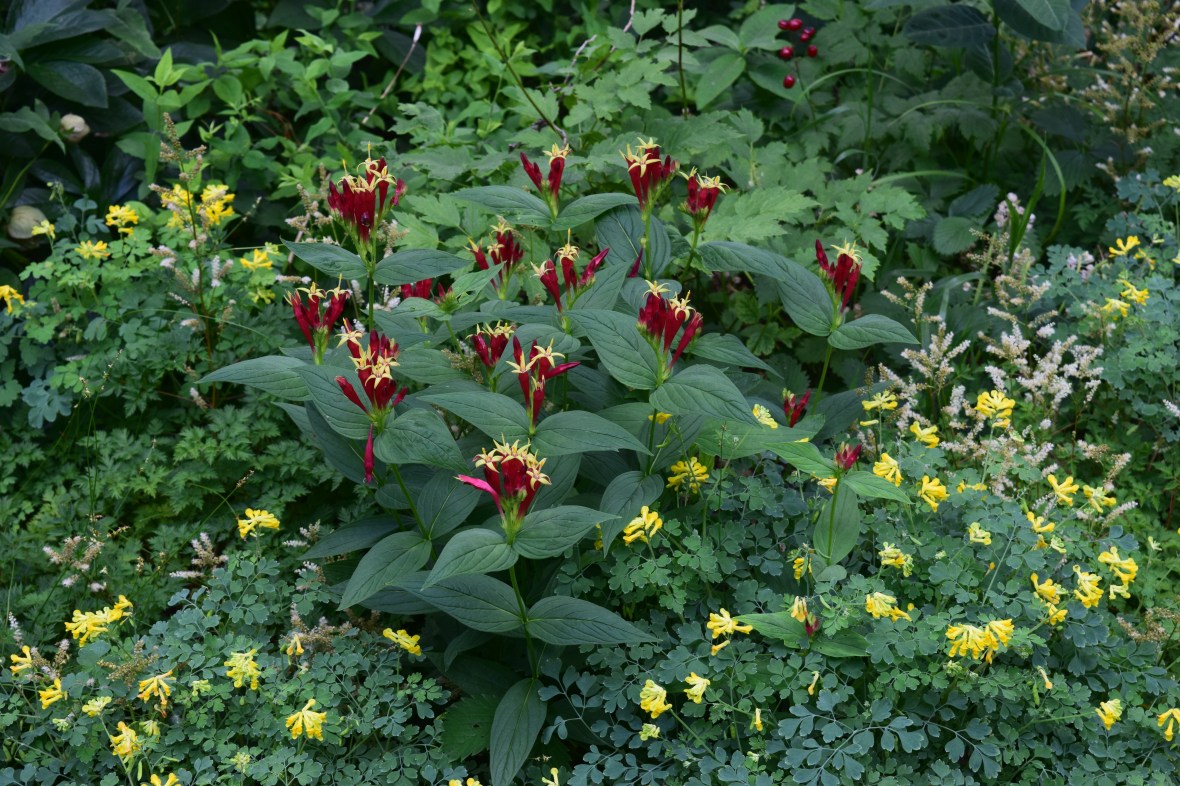
The Indian Pinks (Spigelia marilandica) are in bloom right now in the shady back garden. This is a useful and unusual plant for a number of reasons.



 gardeninacity