Container Tulips Report 2018
My fellow gardeners, the state of the container Tulips this year has been: AWESOME. And people who know me will tell you that I never use that word.
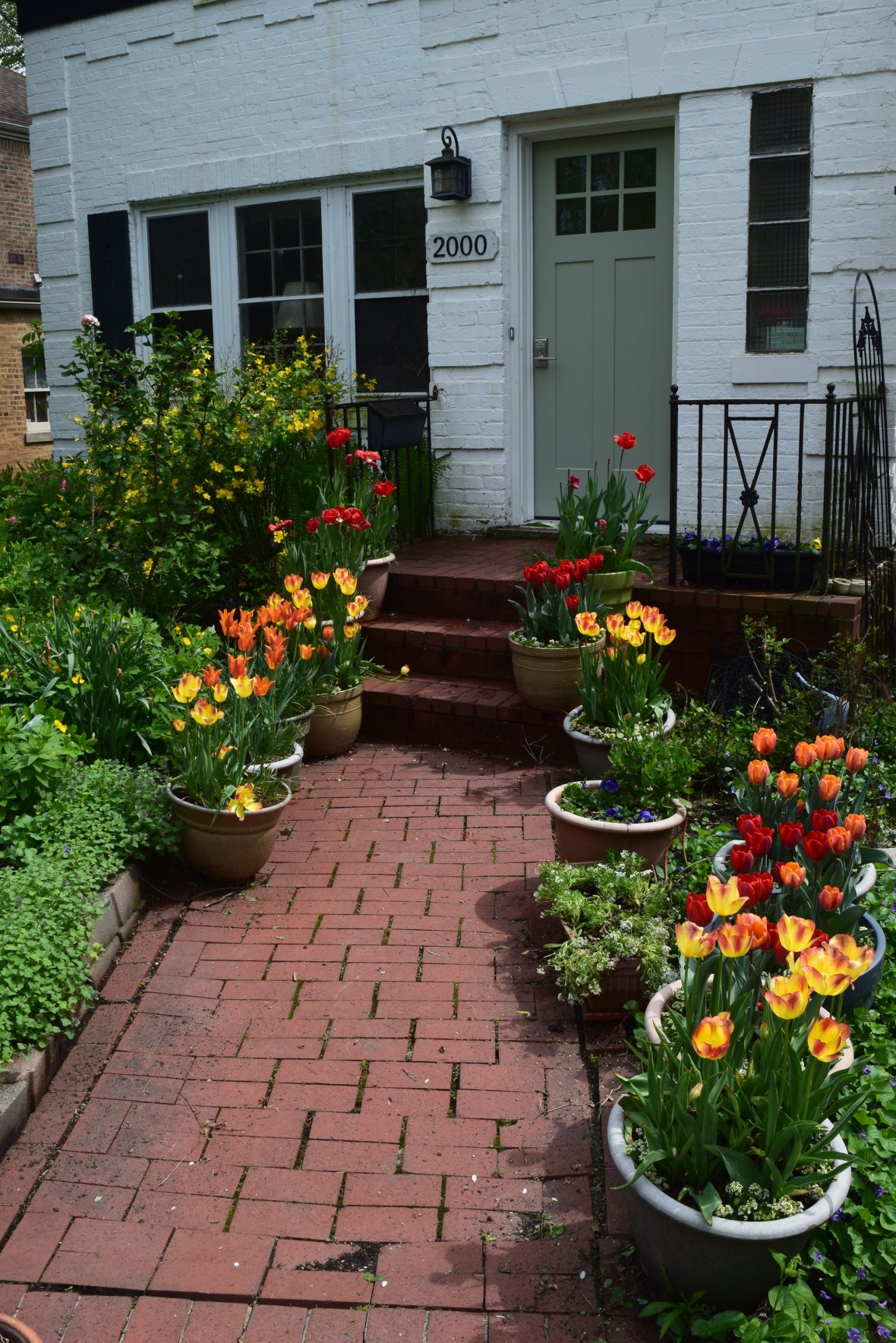
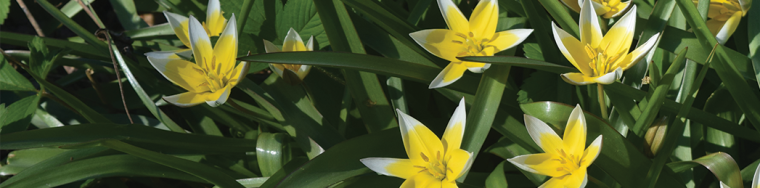
My fellow gardeners, the state of the container Tulips this year has been: AWESOME. And people who know me will tell you that I never use that word.

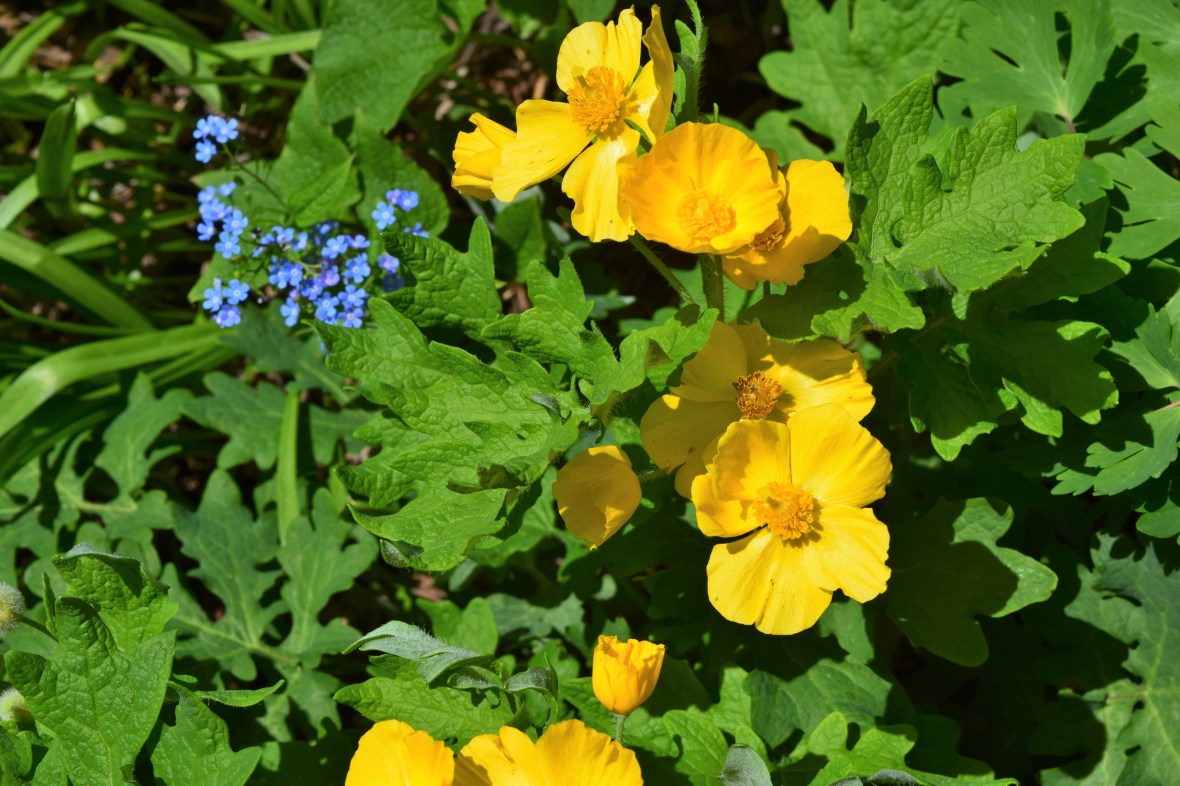
There’s a lot of Celandine Poppy (Stylophorum diphyllum) in our garden and they’re blooming right now. Some people will warn you that this plant is too aggressive. On the other hand, the Lady Bird Johnson Wildflower Center calls it “… a fine species to grow in Eastern wildflower gardens, far less aggressive than the introduced European species.”

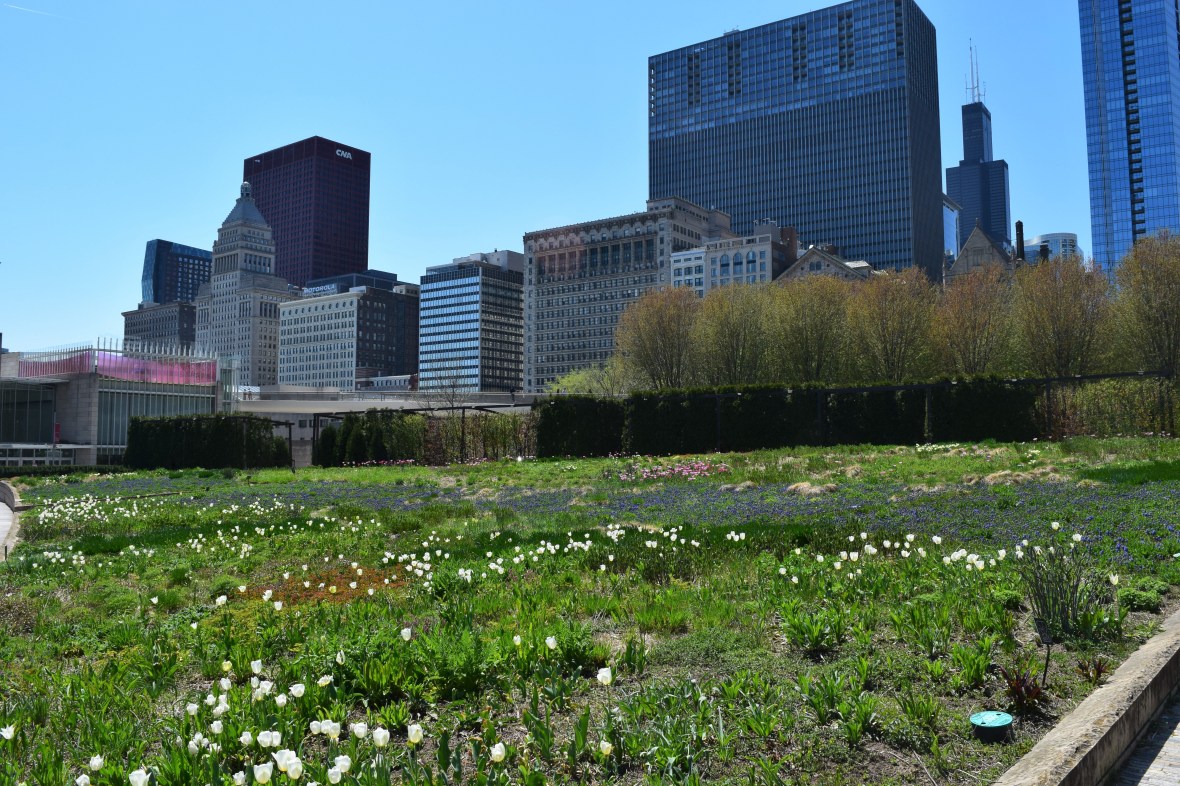
I don’t get to Lurie Garden much in April and May, because I’m constantly out of town. Fortunately, before leaving Chicago on Monday I was able to visit for about an hour. It was time well-spent!

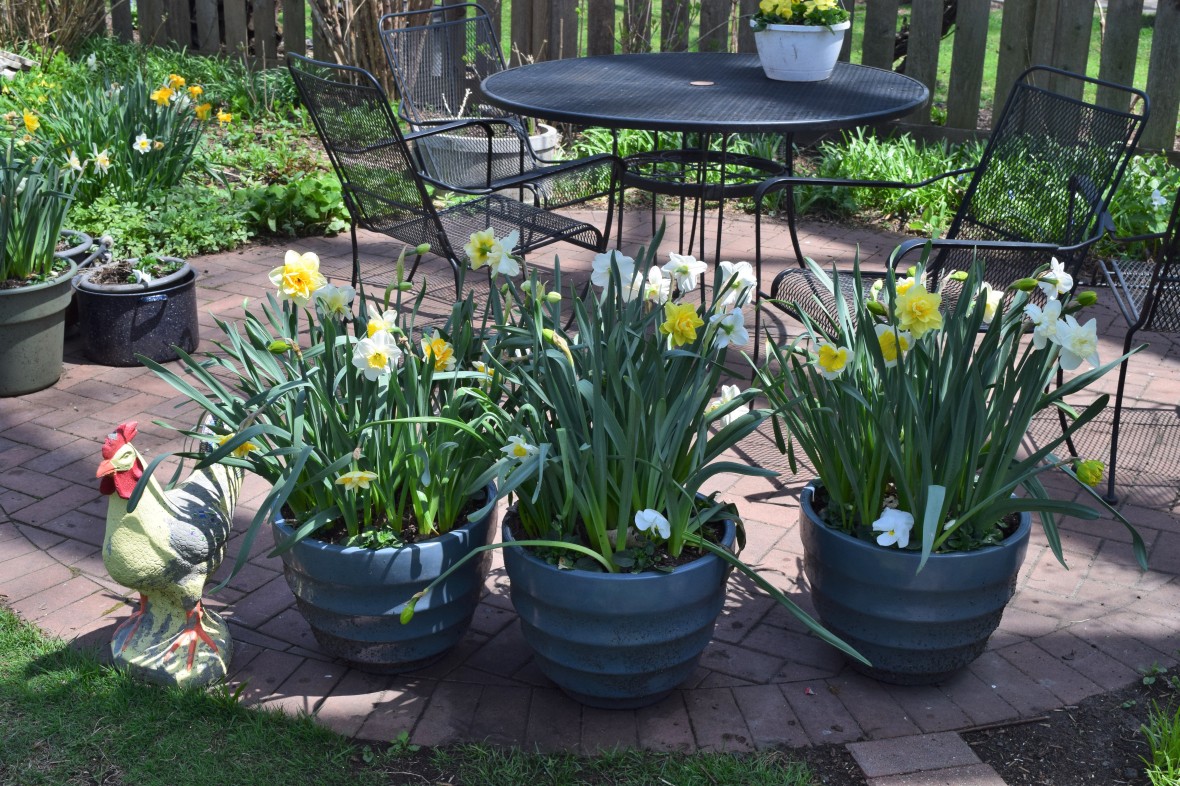
I’m happy to announce that this year’s Daffodils in containers are a great success. The dozen pots planted with Daffodil bulbs last fall are now bursting with blooms.

In several recent posts I have discussed the glacial (pun intended) pace of spring this past April. On Tuesday and Wednesday, though, temperatures suddenly jumped up to the upper 80s (about 30 degrees Celsius for you foreign types). On Monday morning, it was in the 40s and spring was just sitting in the corner, timidly raising its hand and waiting to be called on. By Wednesday, spring was parading around in a bright Hawaiian shirt of many colors, shouting in a powerful baritone that it was in the house.

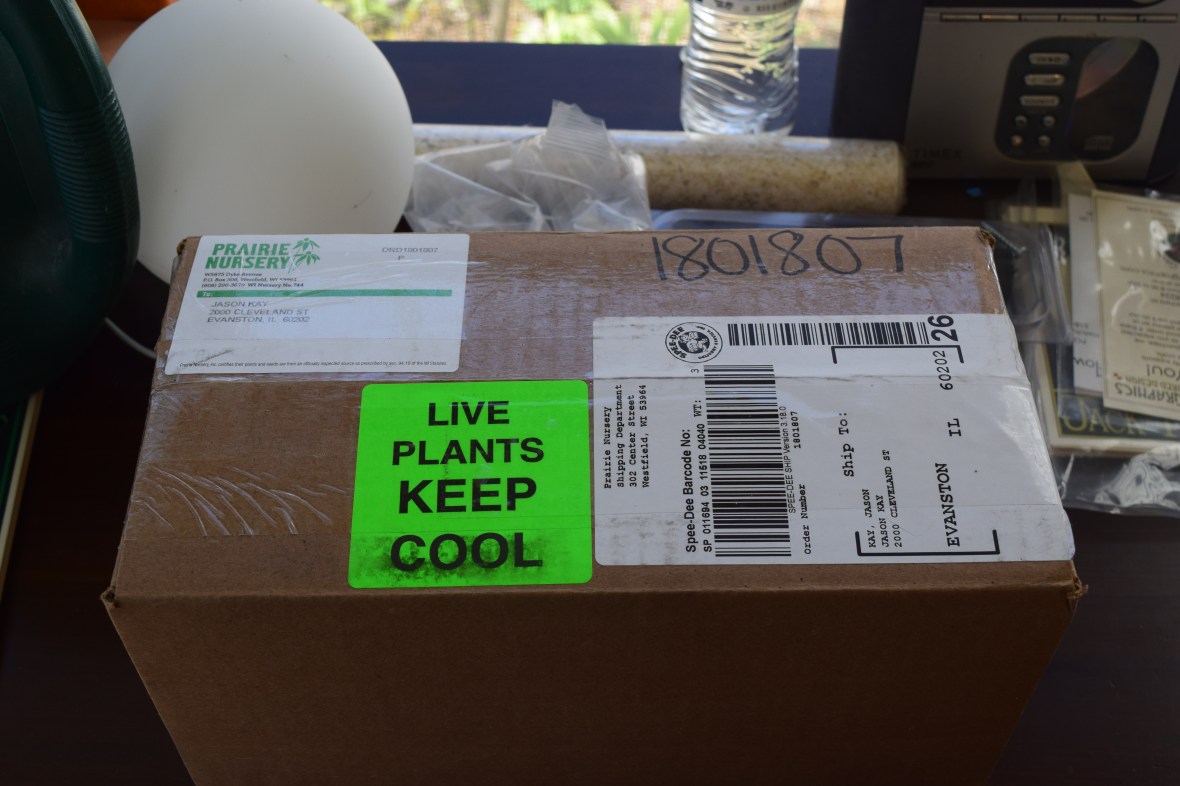
When I got home last Friday I found that our second spring shipment of plants had arrived. Only one species was included: Mistflower (Conoclonium coelestinum). (I think this late spring is wreaking havoc with plant shipment schedules – I’ve got quite a few other species ordered that have yet to arrive.)

Spring around here has not had its breakthrough moment, but it is making progress. This past weekend there was still a distinct chill in the air, but at least the sun was out. (Please note that I took today’s photos, so they are not up to our usual standard).

Perhaps it’s not really art, more like garden tchotchkes (Yiddish for a decorative trinket). Who am I to say which is which? Art or tchotchkes, I wanted more for the garden, especially bird-related items.


We think of Spring as a season that springs into our lives. It is supposed to be a youthful, energetic season, one that is bursting with new life. The year’s Spring, however, is one that approaches timidly. It does not spring, it slowly creeps.


If you enjoyed Peter Wohlebben’s The Hidden Life of Trees, as I did, then you will find much to appreciate in What A Plant Knows, by Daniel Chamovitz. Chamovitz, Director of the Manna Center for Plant Biosciences at Tel Aviv University, presents an explanation of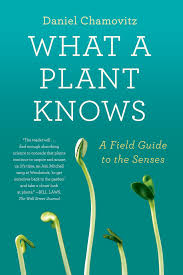 the scientific evidence regarding plants’ abilities to see, smell, feel, hear, remember, and understand where they are.
Plants do not experience these senses as we do. They don’t have eyes or brains; so they cannot see by creating mental pictures the way animals can. However, plants do have photoreceptors very much like the ones people have in the back of their retinas. In plants, these photoreceptors can be found in growing tips and in leaves.
Plants do not grow toward the light because of photosynthesis, they do so because the photoreceptors in the growing tip sense the light. If you cut off the tip, the plant will no longer move toward sunshine. Plants detect different kinds of light and respond to them in different ways. They can also measure the amount of light they are exposed to.



 gardeninacity