Gardening for Native Bees: Interview with Heather Holm

A couple of months ago I heard Heather Holm speak on gardening for native bees at a forum organized by the Lurie Garden. Heather is an award-winning author and widely-recognized advocate and educator for native bee conservation. Educated in Canada, she currently lives in Minnesota. She was nice enough to agree to respond to some written questions for this blog. 

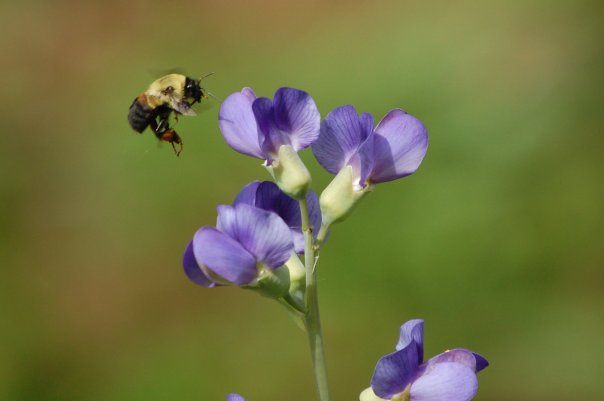
bee and baptisia

The Lurie Garden in October 2018

August and September were busy months, and I’m afraid that I neglected my Lurie Garden posts. But now I’m ready to get back on track with October.

file-25

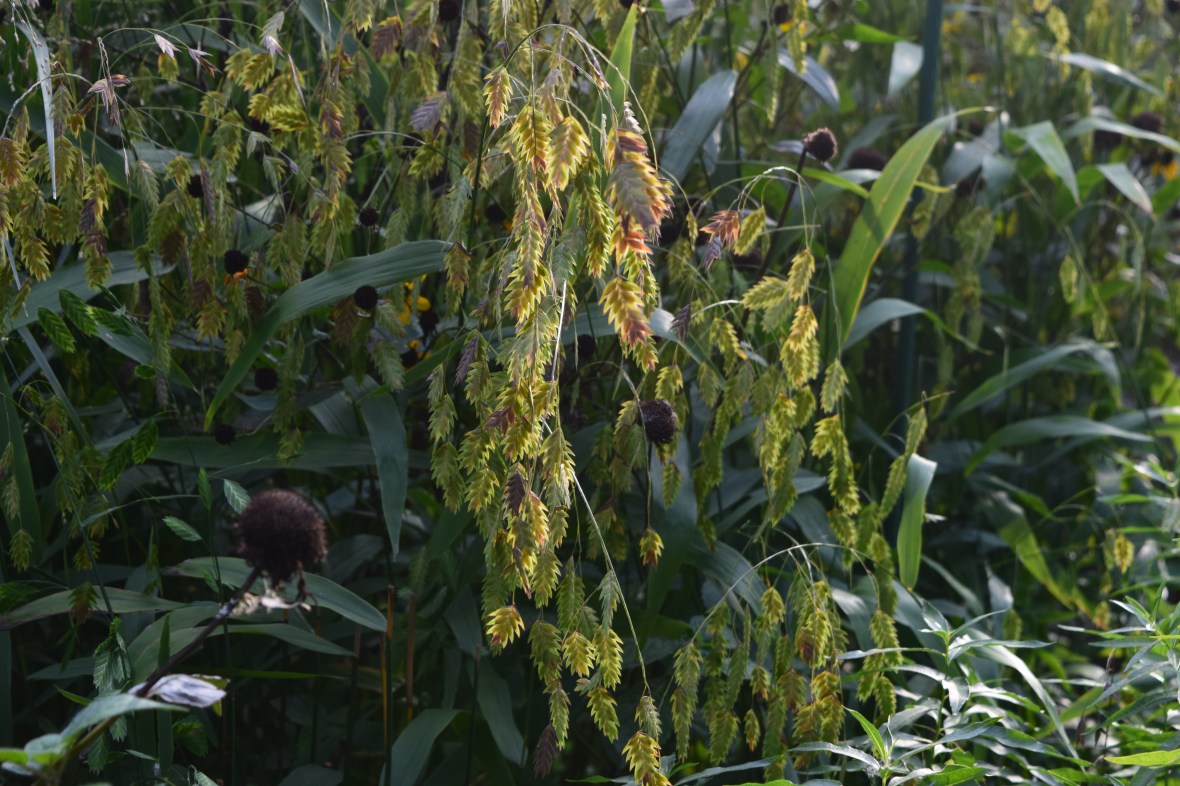
Switchgrass and River Oats

In Autumn grasses take a more prominent place in the garden. In our garden, there are two grasses that do really well: Sea Oats (Chasmanthium latifolium) and Switchgrass (Panicum virgatum). There are also sedges (Carex sp.) that do well, but that’s a different story.

DSC_0304
River Oats

The Early Bird Catches the Bulb

Last week I placed my order for fall bulbs from John Scheeper’s. Normally I order bulbs right around Labor Day, so I was about a month later than usual. But it’s been a busy fall.

tulip suncatcher
‘Suncatcher’

Remembering Our Own Age of Reptiles

For the last few years I’ve been inspired by our friend Pat Webster’s approach to garden art. (You can follow Pat through her blog Site and Insight.) Pat likes garden art that reflects the particular – the life experiences of her and her family, her forebears, the history of her own acreage.

DSC_0293
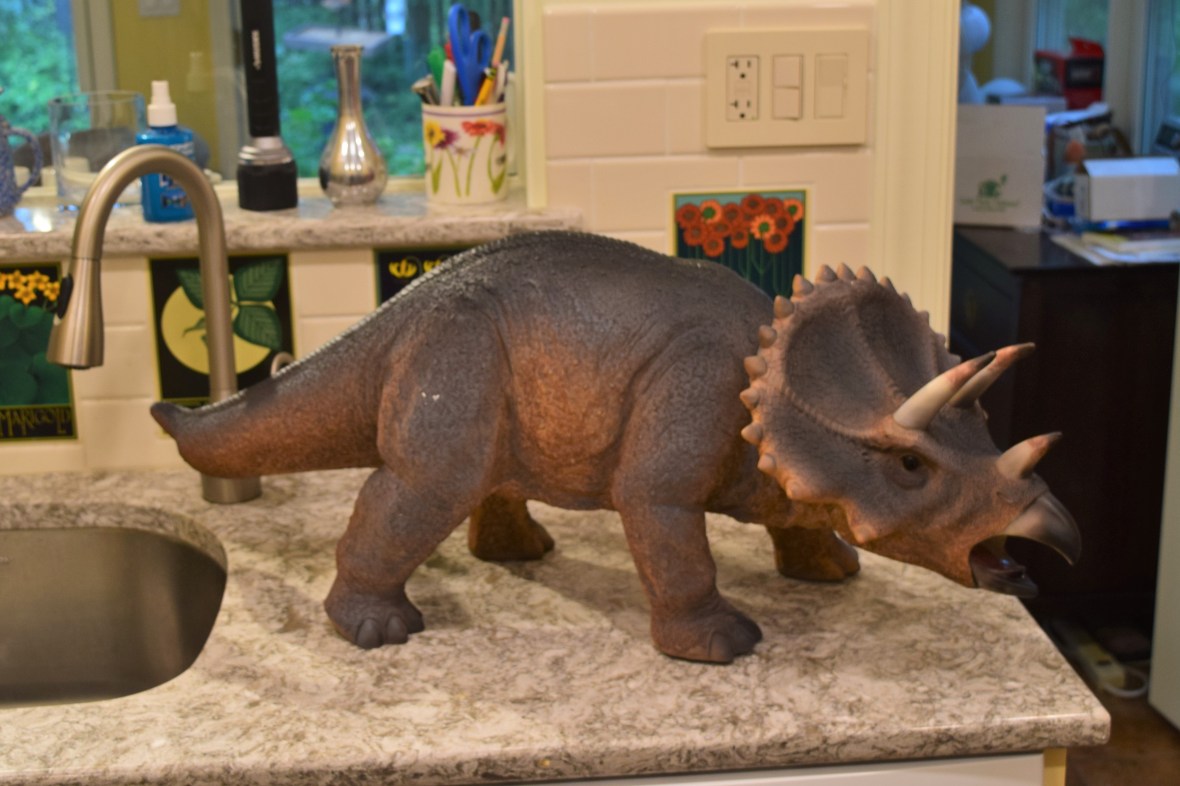
Our new Triceratops before placement in the garden. 

Last Plant Standing: Fall vs. Spring Garden Clean Up

My last post was about seedheads, but I was going to talk about the importance of letting plants stand through winter. However, I got distracted and forgot. So I’m reblogging this post from 2013, which addresses the question of fall versus spring cleanup.

gardeninacity's avatargardeninacity

One way to classify gardeners is based on whether they remove dead plant material in fall or spring. Mostly I’m a spring cleaner.

Birds and bugs are my primary reason. The other day I watched goldfinches feeding on the seed heads of yellow coneflower (Ratibida pinnata), one of the late season sights I love. These and other seed heads are basically free bird feeders. And the tiny seeds left on the ground will attract sparrows and buntings in spring.
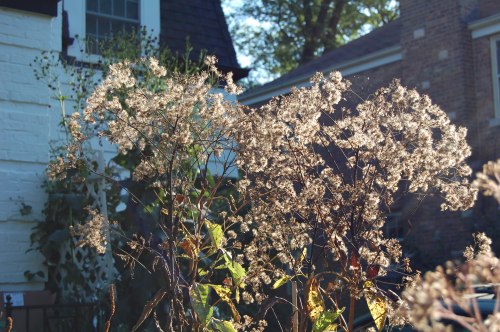
Joe Pye Weed Sweet Joe Pye Weed seed heads in fall.

Plus, there are all kinds of eggs and hibernating critters in the stems and under the leaf litter. Let them be and you are more likely to have a diverse and healthy population of insects. This is a positive thing as it reduces the chance any one insect species will become a serious problem.

Some people  are very enthusiastic about the…
View original post 267 more words

Season of Seedheads

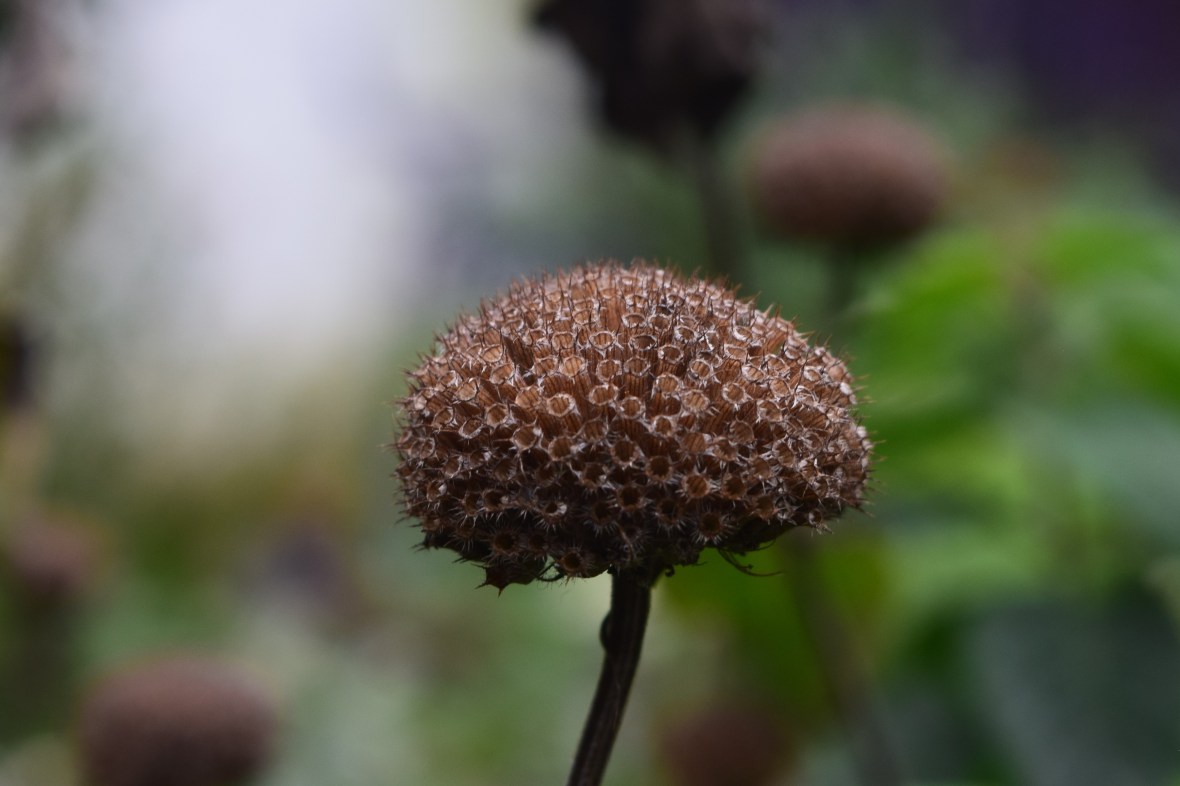
As the days get shorter, flowers become scarcer and the garden fills with seedheads.

DSC_0083

A Galaxy of Asters

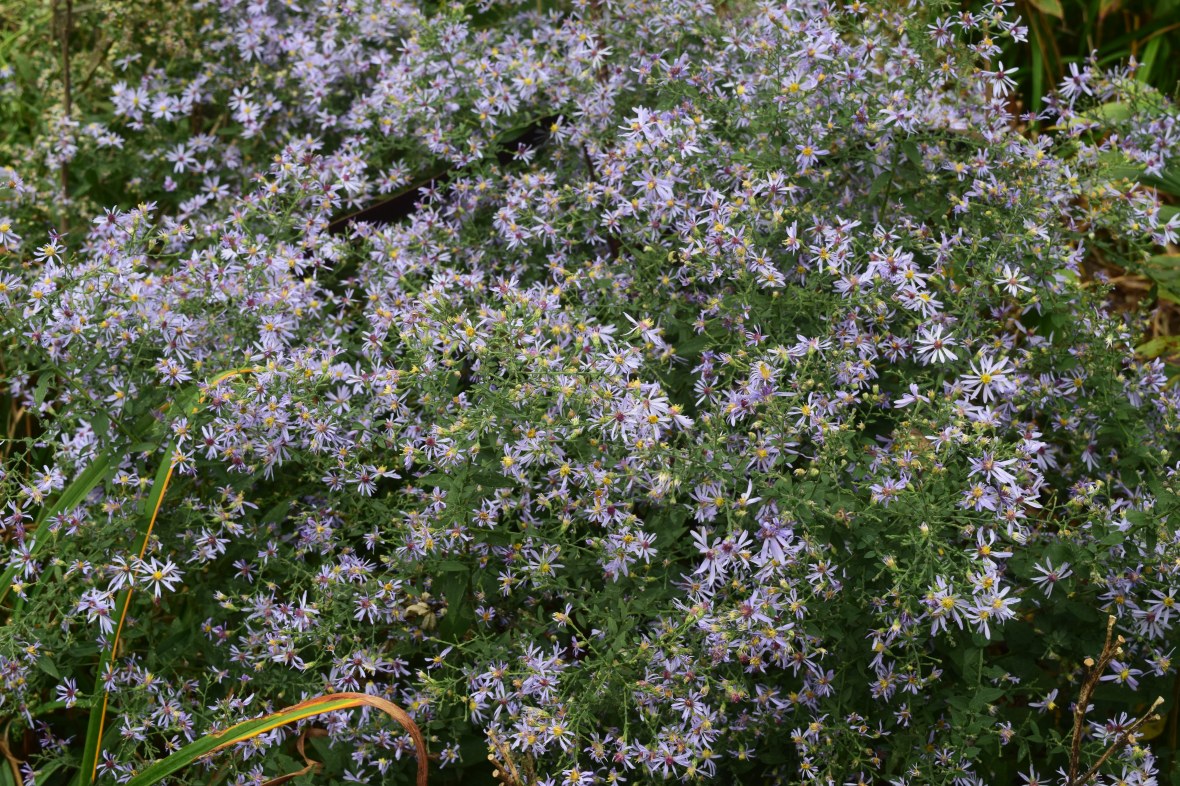
Aster means “star”, which seems appropriate. They look like the heavenly stars that we see from an earthbound perspective. And so they are at their best when blooming in great masses, a Milky Way of asters.

DSC_0050
Short’s Aster

Reminders of Brighter Days

Today is the last day of September, which means that no matter how many lawyers you hire to argue otherwise, autumn has truly begun. It’s simply undeniable. And yet, should we want to deny it, there are certain plants that stand ready to back us up in our denial.

These are the plants that, once the heavy heat of summer has faded away, are inclined to pop up with a few more blooms more generally associated with the months of bright sun and longer days.

DSC_1006

3 Goldenrods for the Shade Garden

Too many people still think of Goldenrods (Solidago sp.) as a weed instead of a garden plant. Resistance to Goldenrods in the garden is built around three misconceptions: 1) Goldenrods cause hay fever; 2) they spread like crazy; and 3) they tend to be too tall and ungainly. (Actually, 2 and 3 are only partial misconceptions.)

DSC_0990
Bluestem Goldenrod in the Lamppost Bed.