The Wave Garden In Richmond Point

The Wave is a private garden overlooking the San Francisco Bay.

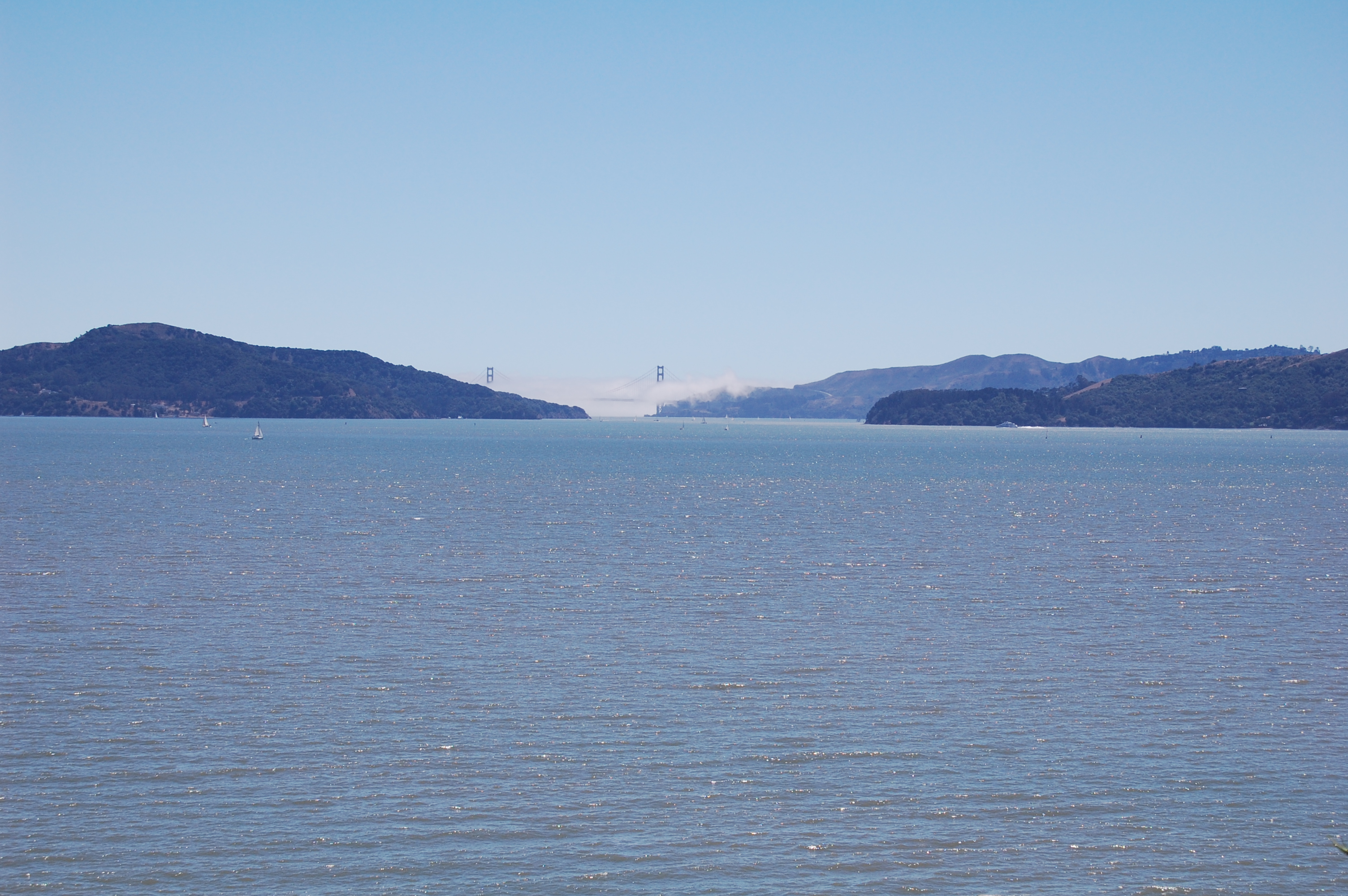
San Francisco Bay

The homeowners bought the lot between their house and the water and turned it into a garden. A great idea, if you have the cash.

2013-06-28 17.11.25
 Golden Gate Bridge shrouded in fog.

We Flingers got there late in the afternoon. We staggered out of the coaches, hot and tired, yet this extraordinary garden got our adrenaline going. “Can’t give up now,” we gasped. “We must appreciate and photograph this garden to uphold the honor of the Fling.”

2013-06-28 17.16.57

Our sense of mission revived, we set to work.

2013-06-28 17.23.48

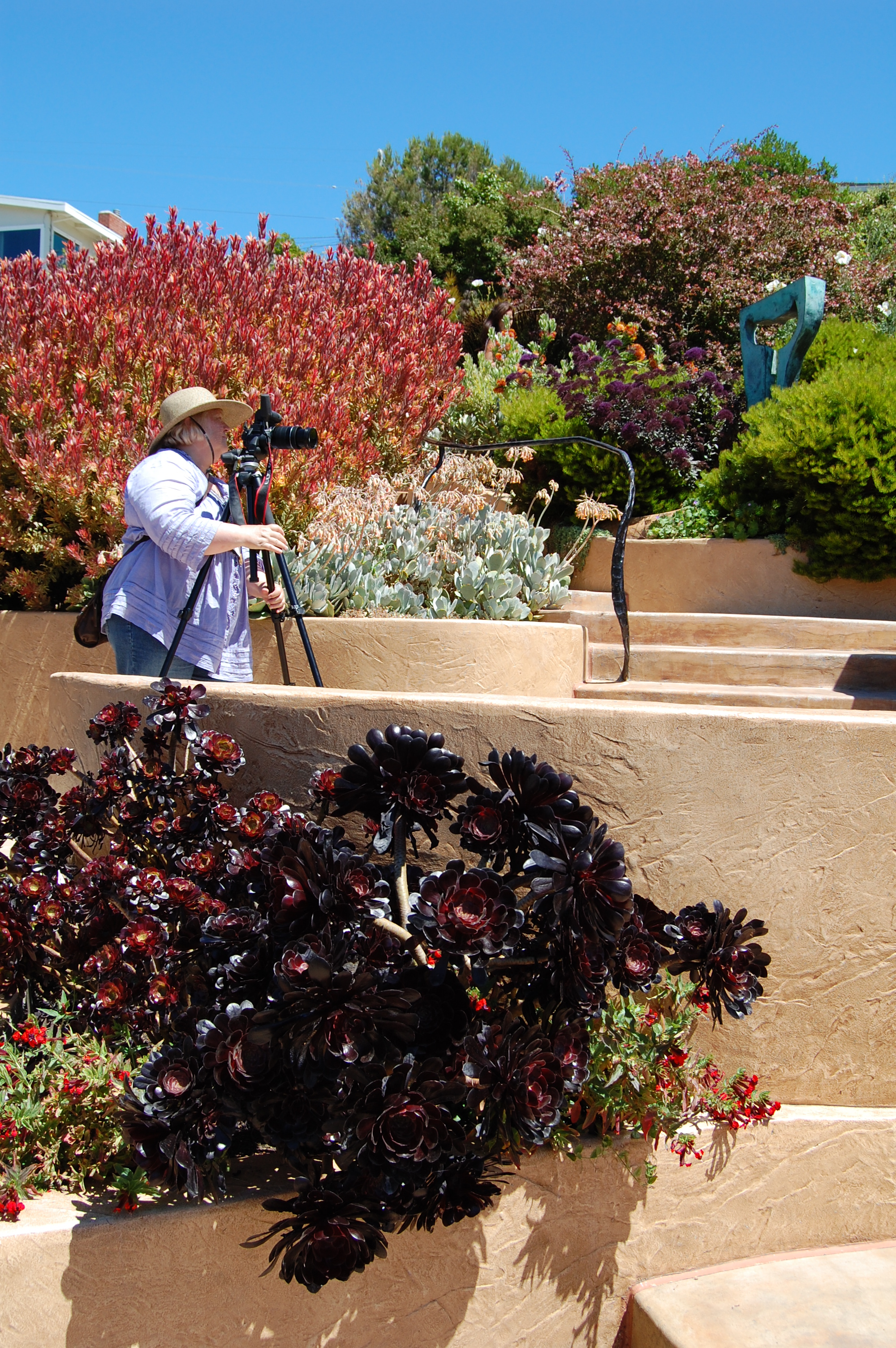
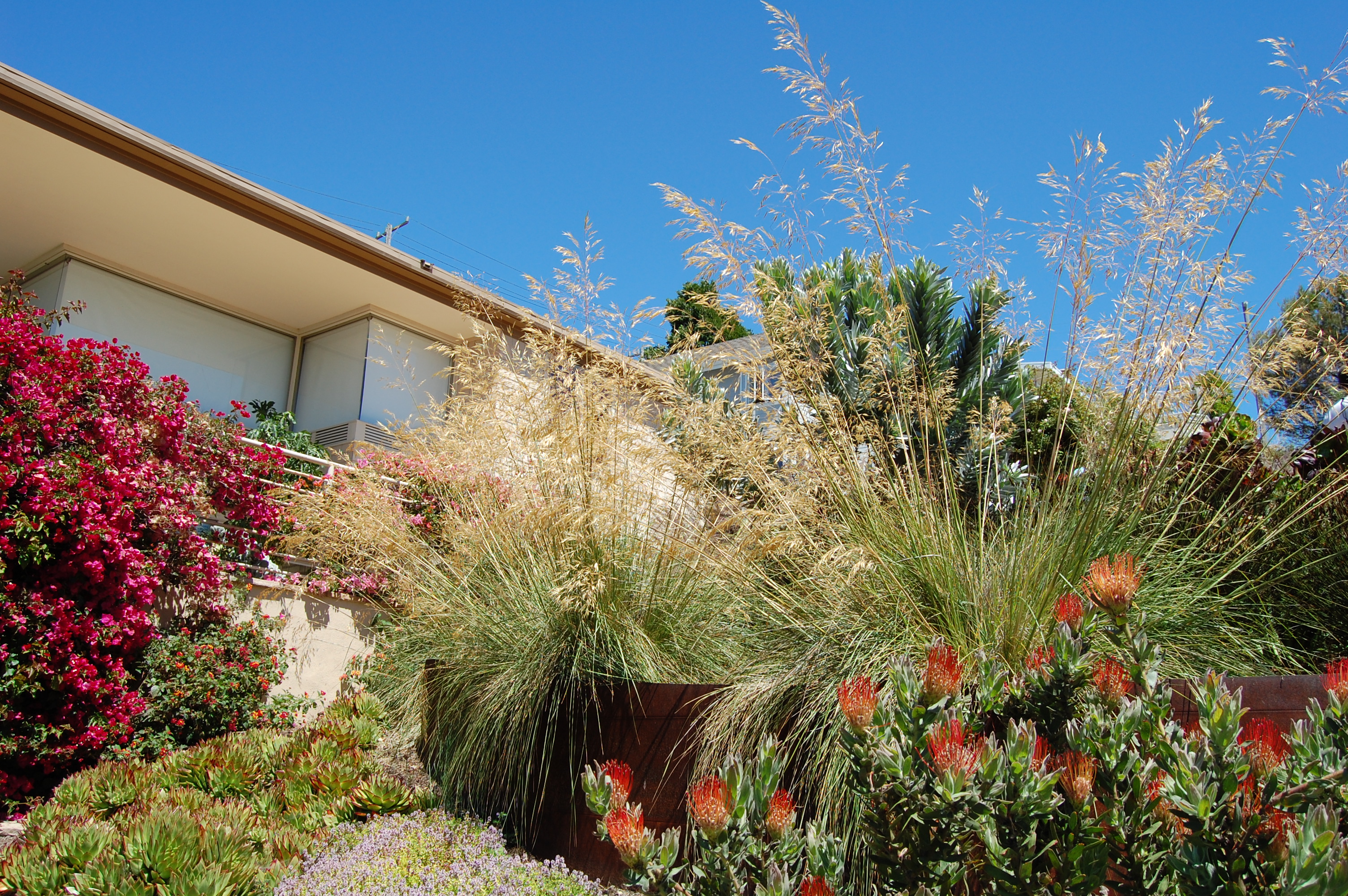
The garden features curving concrete walls and walks fit to the contours of the lot. The beds themselves are also terraced.

2013-06-28 17.45.17

2013-06-28 17.22.22

2013-06-28 17.26.08

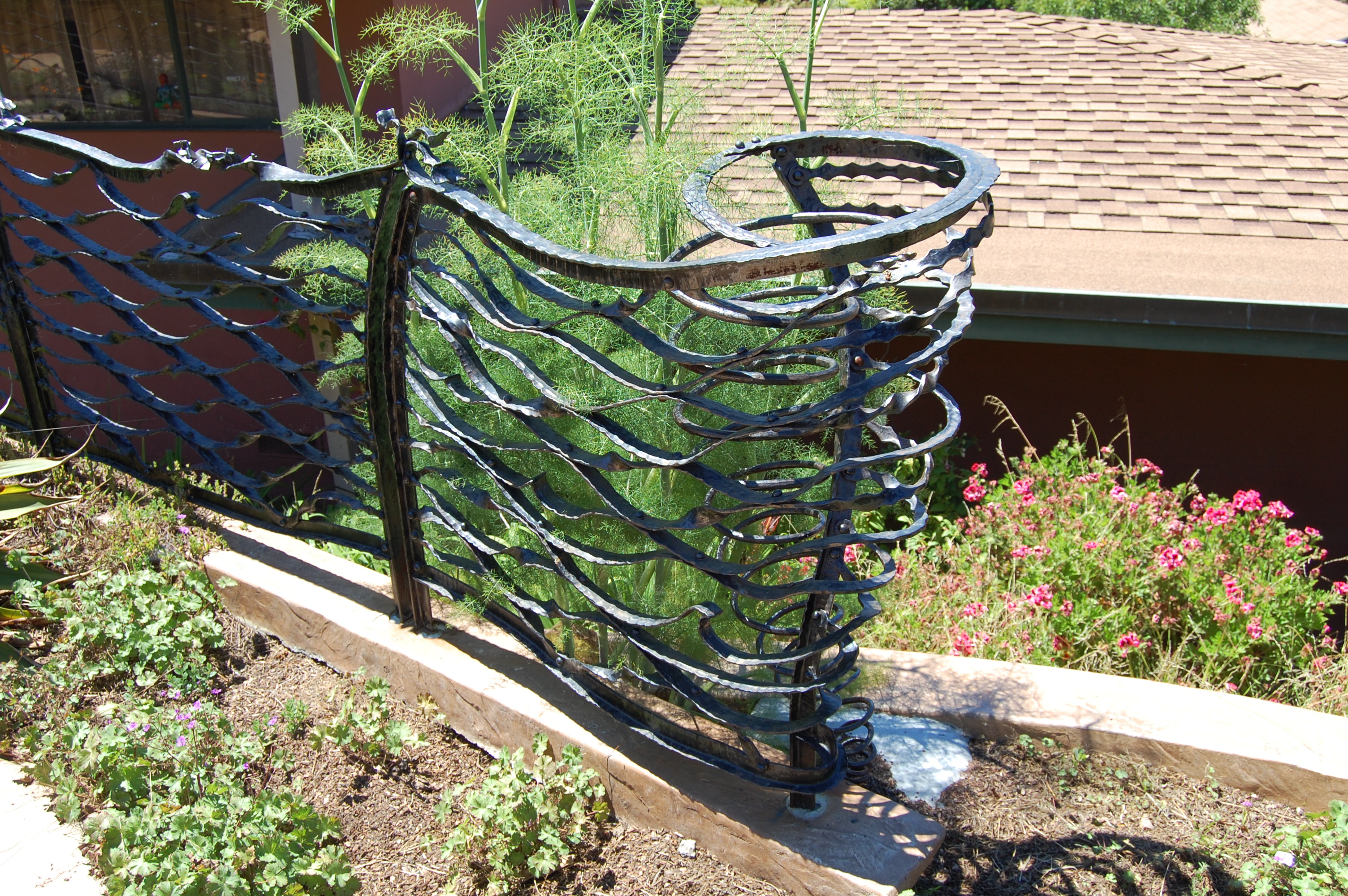
There was custom made ironwork for the railings.

2013-06-28 17.25.27

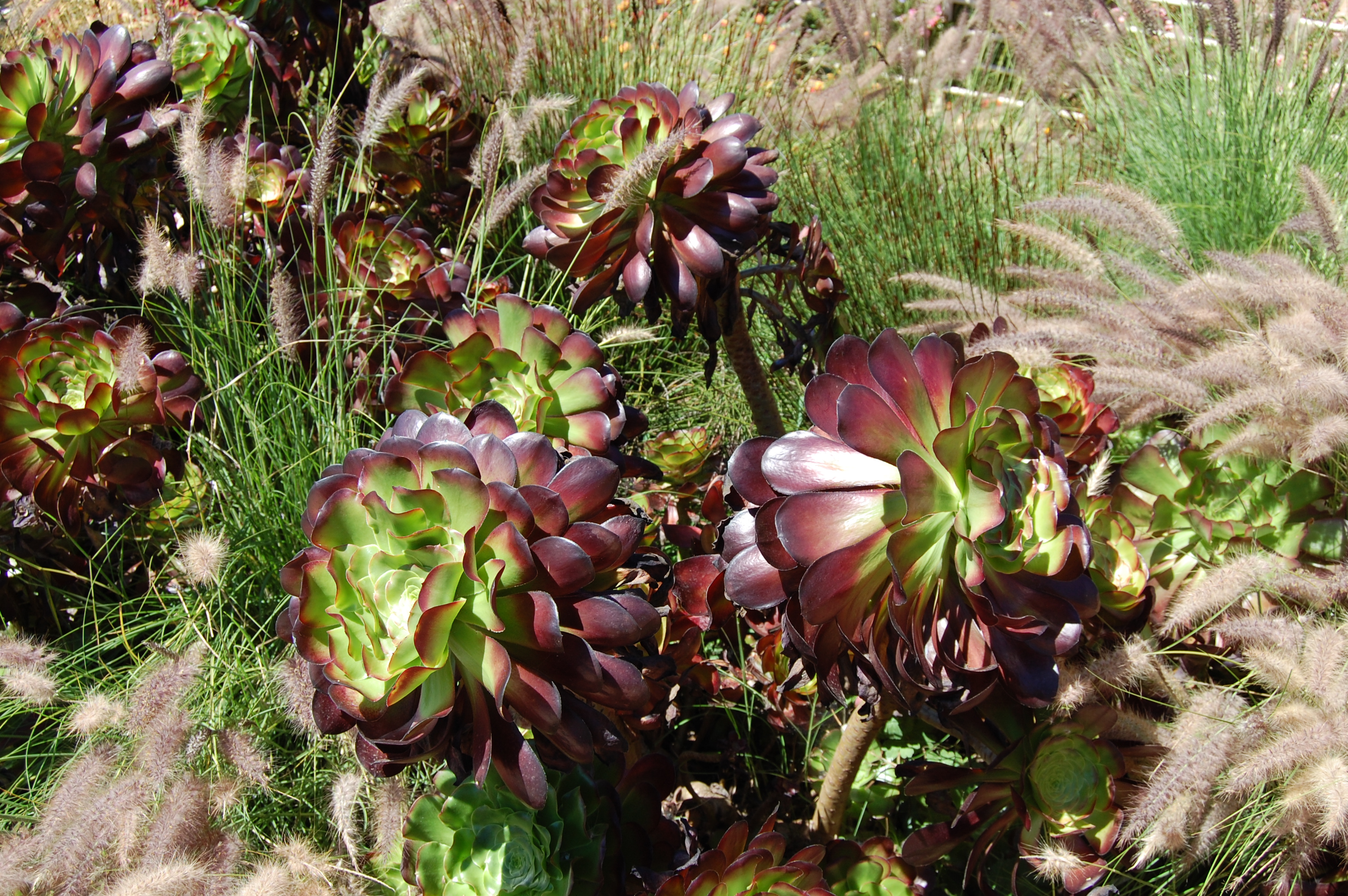
The garden is full of drought tolerant plants adapted to a Mediterranean climate. As I noted in a previous post, I am not familiar with most of the plants found in California gardens, especially the succulents. Helpful Flingers told me some of the names, after which I could remember them for as much as five to ten minutes. Anyhow, here are some of the plants at The Wave Garden.

2013-06-28 17.17.52

2013-06-28 17.26.34

I believe that's Verbena bonariensis in the foreground.
I believe that’s Verbena bonariensis in the foreground.

2013-06-28 17.33.38

2013-06-28 17.27.00

Oh, I know this one! It’s an Aeonium!

2013-06-28 17.36.30

There were a number of bronze sculptures.

2013-06-28 17.21.34

2013-06-28 17.32.14

This is a drought tolerant garden, but also one that requires considerable attention – including some irrigation. Kellee Adams, the landscape designer, told us that there was an ongoing process of editing, as plants were faded away under the harsh conditions or thrived too well.

If I remember right, we were told that a professional gardener devotes about eight hours a week to The Wave, an amount of time that was described as “not enough”. On the other hand, I easily spend more than eight hours a week on my own much smaller garden, so perhaps the wave could be described as “low maintenance”.

From this garden we headed back to the hotel to rest before our Friday evening gathering.

Climbing To New Heights

Many exciting developments in the Garden In A City since returning from San Francisco, hard to know which to write about first. Perhaps the most dramatic involves plants that climb and ramble: My Clematis ‘Jackmanii’, Illinois Rose (Rosa setigera), and Rosa ‘Darlow’s Enigma’. (Alberto – no snide comments, please.)

Clematis 'Jackmanii'
Clematis ‘Jackmanii’

First, Clematis ‘Jackmanii’. I realize there are many other Clematis species and varieties out there that are more uncommon and perhaps more interesting. But still, this is a beautiful plant when it is happy. And ours, planted six or seven years ago, is pretty happy.

In fact, I just had to tie the trellis to the iron railing because the Clematis is threatening to pull the whole thing down. Without the Cup Plant (Silphium perfoliatum) that used to grow in front of it, the Clematis has now covered the whole west-facing wall against which it is planted, and is expressing some interest in taking over the iron railing as well.

2013-07-04 12.02.08
Note the artistically arranged hose at the base.

This Clematis does get plenty of afternoon sun, which is intensified by the white brick wall. The roots are shaded by a Vinca ground cover. I do give it extra helpings of compost and extra drinks of water, which is easy as it is located right next to the outdoor faucet. Otherwise, it gets no special treatment.

Prairie Rose seen from the roof of the back porch

I planted Illinois Rose (Rosa setigera – also called Praire Rose) three years ago in a southwest facing corner. It is mingling nicely with a Trumpet Honeysuckle (Lonicera sempervirens). Illinois Rose is a native wild rose that will climb, and ours has climbed the water spout almost to the roof of our back porch.

Illinois Rose
Illinois Rose from ground level.

This is the first year our Illinois Rose is flowering freely. The show has just begun, as there are many unopened buds. But I can already see how the flowers open a dark pink, then fade almost to white. This gives the plant a multi-colored effect.

Illinois Rose
Illinois Rose, again from above.

Illinois Rose is a very vigorous plant, and I have read plenty of warnings that it will demand a lot of space. However, I always take such warnings as a challenge to be overcome. So go ahead, Illinois Rose, make my day.

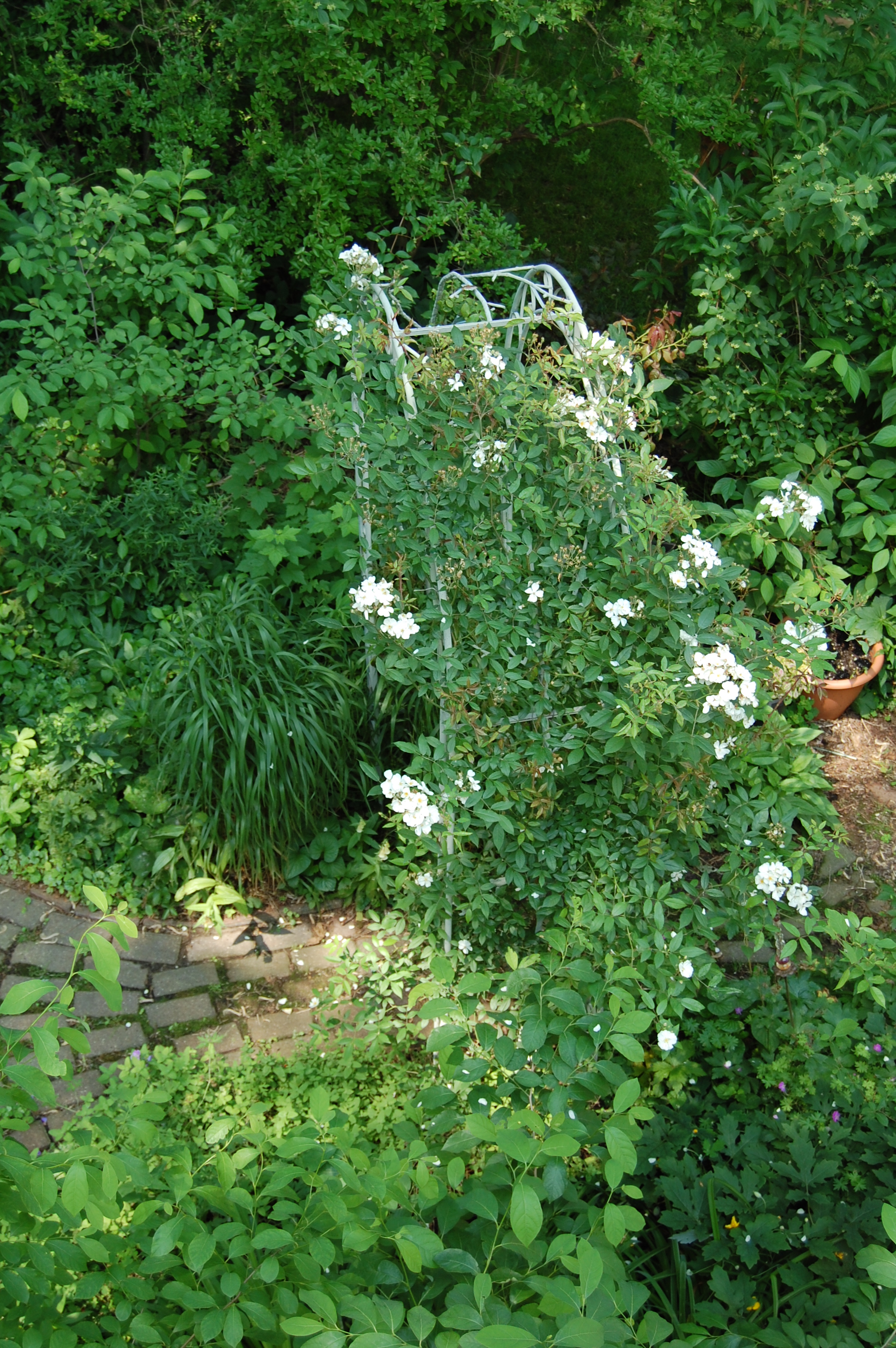
‘Darlow’s Enigma’ is considered a rambling rose. I have no idea what the difference is between a rambler and a climber, but then I also don’t really care. What I do care about is that ‘Darlow’s Enigma’ is filling in nicely on its side of the arbor near the entrance to the back garden.

Darlow's Enigma
‘Darlow’s Enigma’

‘Darlow’s Enigma’ has sprays of small semi-double white flowers. It is a robust plant. It hasn’t shown any sign of disease and I haven’t sprayed it. Unlike most roses, it is tolerant of some shade.

'Darlow's Enigma' blooming on our arbor, seen from the back porch roof.
‘Darlow’s Enigma’ blooming on our arbor, seen from the back porch roof.

The flowers are fragrant, and you can smell their sweet scent as you walk under the arbor.

Do you have ramblers or climbers in your garden?

There Should Be More Places Like This

We got back from the Garden Bloggers’ Fling last night, and found that our own garden has been progressing at breakneck speed: flowers blooming, buds swelling, vines twining, berries ripening, seeds sprouting. I’ll post about these developments shortly, as soon as Judy is able to get out with her camera and take some pictures.

Annie's Annuals
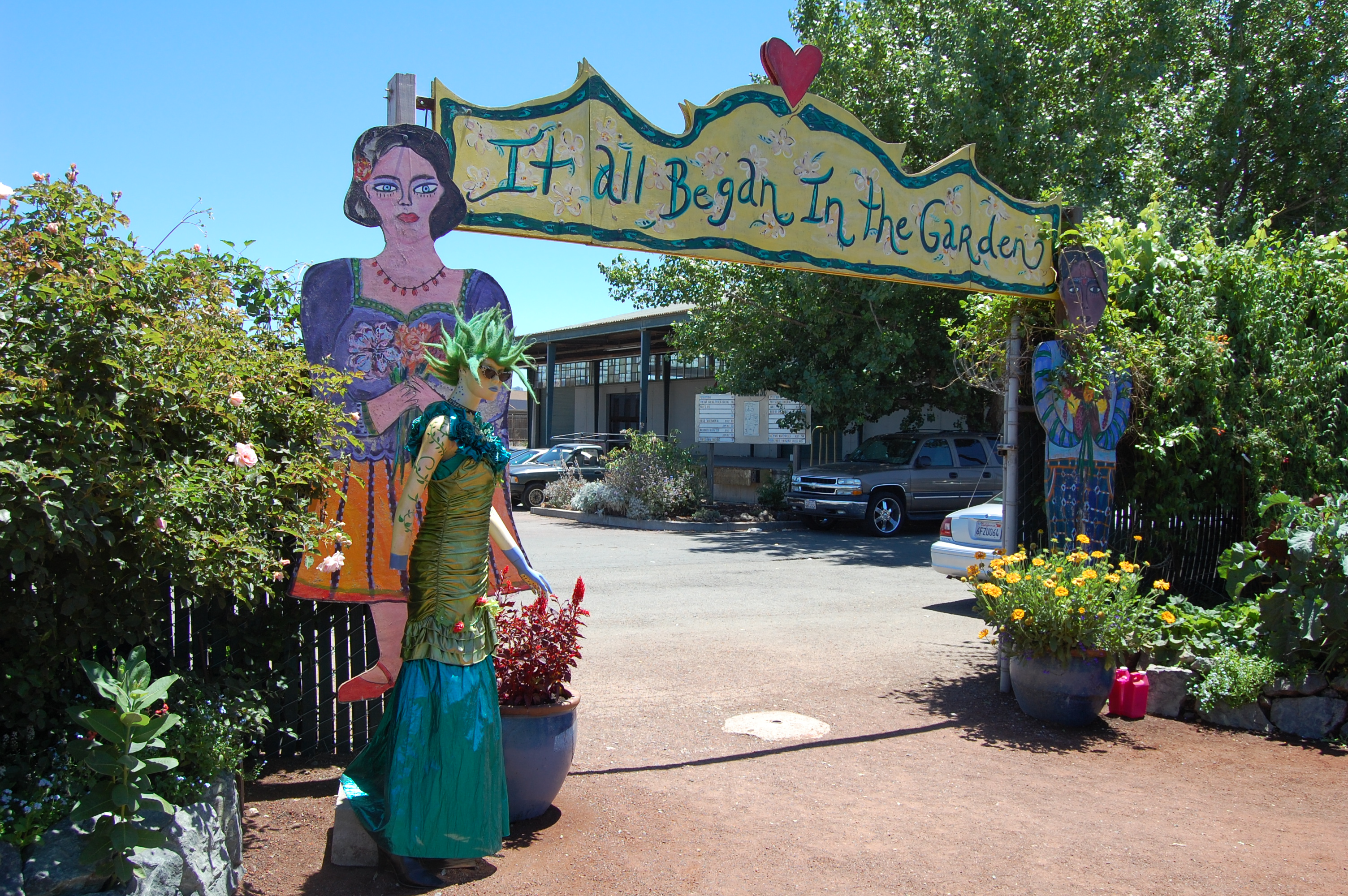
The entrance to Annie’s Annuals and Perennials

In the meantime, I really have to mention that the organizers of the 2013 Fling did an outstanding job, particularly Kelly Kilpatrick and Andrea Fox. Remarkable that such a quality event was organized entirely by volunteer labor.

Annie's Annuals
Plants, lots of plants …

For now I’m going to post about another highlight of the Fling: a visit to Annie’s Annuals and Perennials. Annie’s is a grower and seller of herbaceous garden plants, and I have to say I wish there were more nurseries and garden centers like them.

For starters, the wide selection of plants. Wandering the aisles of Annie’s is like going on a plant-finding expedition in a new country. They have standard favorites, sure. But they also have many lots of unusual California natives, heirloom, and cottage garden plants.

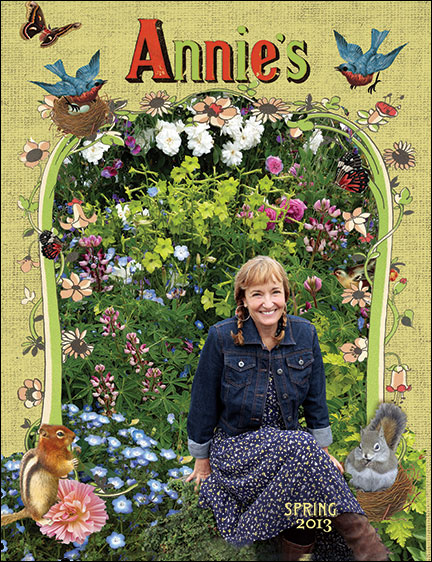
Annie Hayes on the cover of the Annie's catalog.
Annie Hayes on the cover of the Annie’s catalog.

Plus, Annie’s has a real focus on offering good quality plants without marketing gimmicks. For example, Annie’s founder Annie Hayes explained to us that she does not use growth regulators. Growth regulators can induce early blooming – they are the reason you see so many plants at the Home Depot in flower weeks or even months before the normal bloom period. The reason: flowering plants sell, especially to inexperienced gardeners.

Annie's Annuals
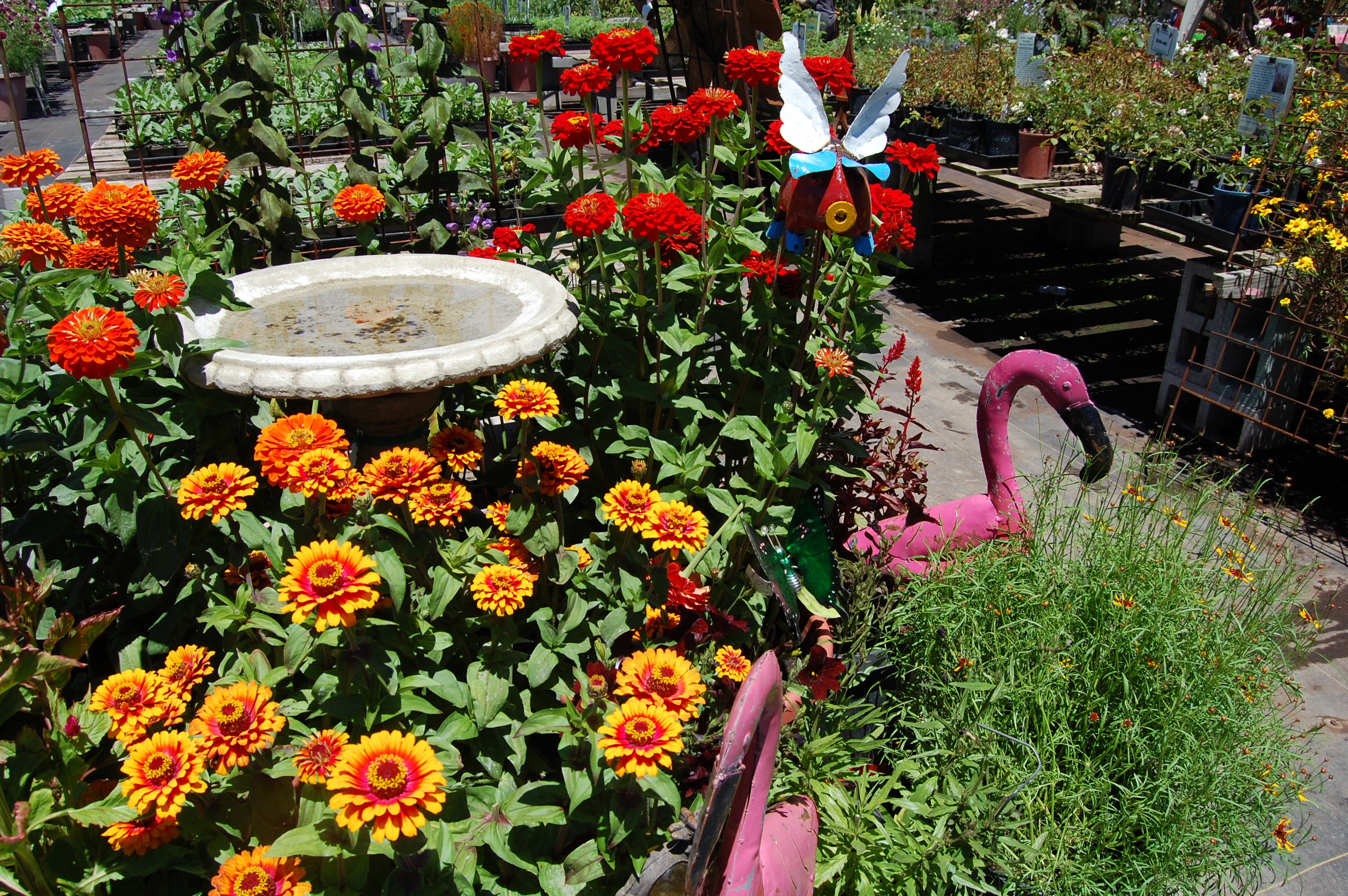
Nice flamingos

But that early flowering can mean that the overall plant is actually weaker and will not perform as well once in the ground. Annie Hayes told us that if you find flowering plants for sale at Annie’s, it probably means they planted too many of them. They aim to sell plants that are healthy and ready to put down roots in customers’ flower beds.

This doesn’t mean, though, that there is a lack of color at Annie’s. There are all kinds of blooming flowers in displays throughout the center.

Annie's Annuals

Annie’s is a no frills operation. Located where land was cheaper, in an economically struggling area, it has been referred to as “the garden in the hood”. The bathrooms are port-o-potties. No cappuccino is available. And while they do have some interesting garden art for sale, there is a general shortage of cutesy stuff.

Annie's Annuals

Annie’s has a mail order operation as well as a retail center. If you live in California or a California-type climate, you might want to check out their website.

Annie's Annuals

As for me, it is probably good that Annie’s does not have a branch in Chicago. I spend enough money on the garden as it is.

A New Twist On The Secret Garden

The second garden we visited as part of the Garden Bloggers’ Fling was something of a secret garden. Like the garden in the novel by Frances Burnett, this garden is hidden away. Not on an English estate, but rather in an apartment building courtyard in a slightly dicey part of San Francisco. To get there, you have to traipse through corridors and down stairs.

Organic Mechanics

Unlike the fictional garden, this secret garden is joyously quirky and beautifully maintained. It is the garden of James Pettigrew and Sean Stout, proprietors of the garden design firm Organic Mechanics.

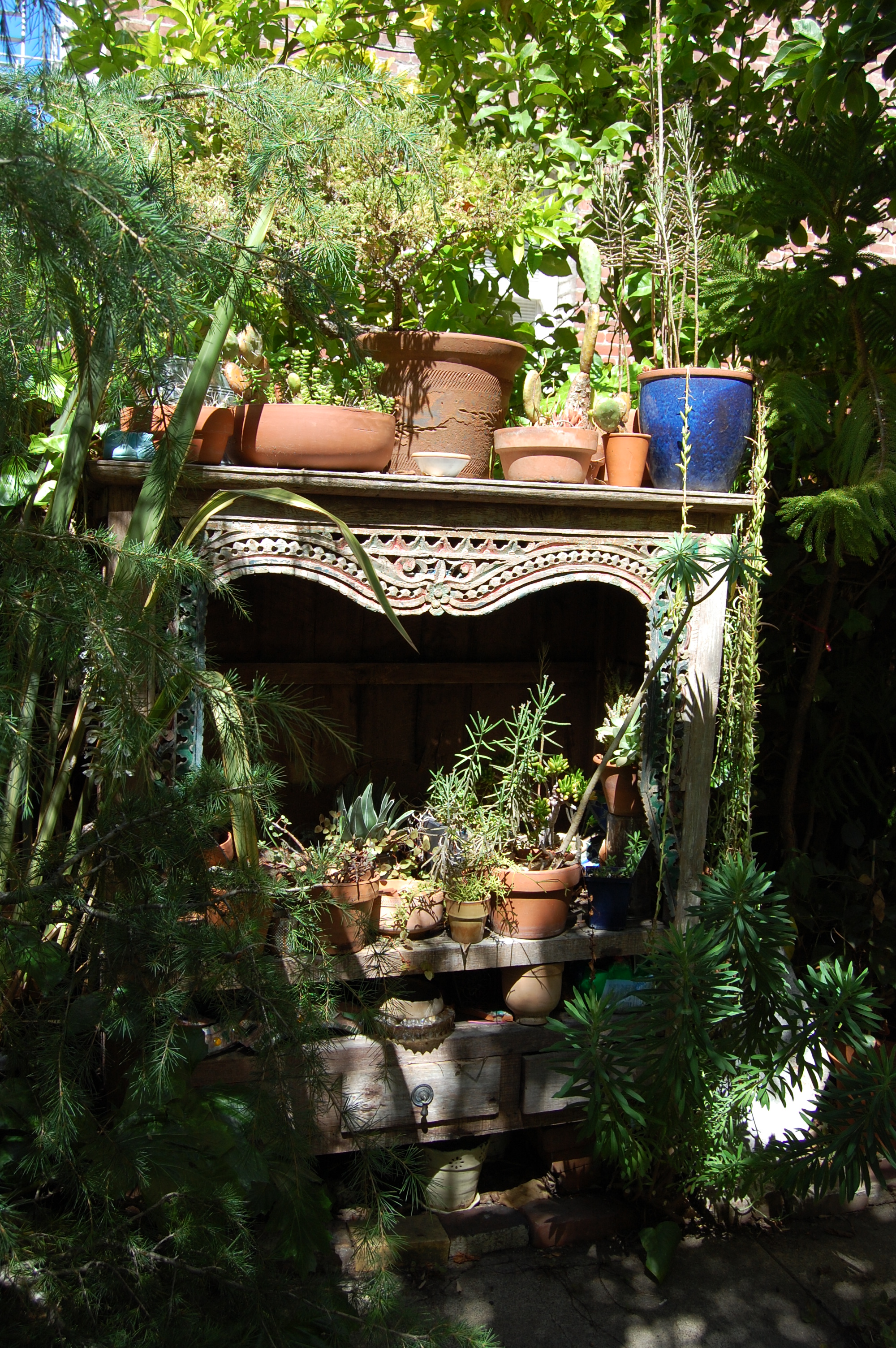
This garden is defined in part by the eclectic assortment of found objects displayed throughout.

Organic Mechanics

Organic Mechanics
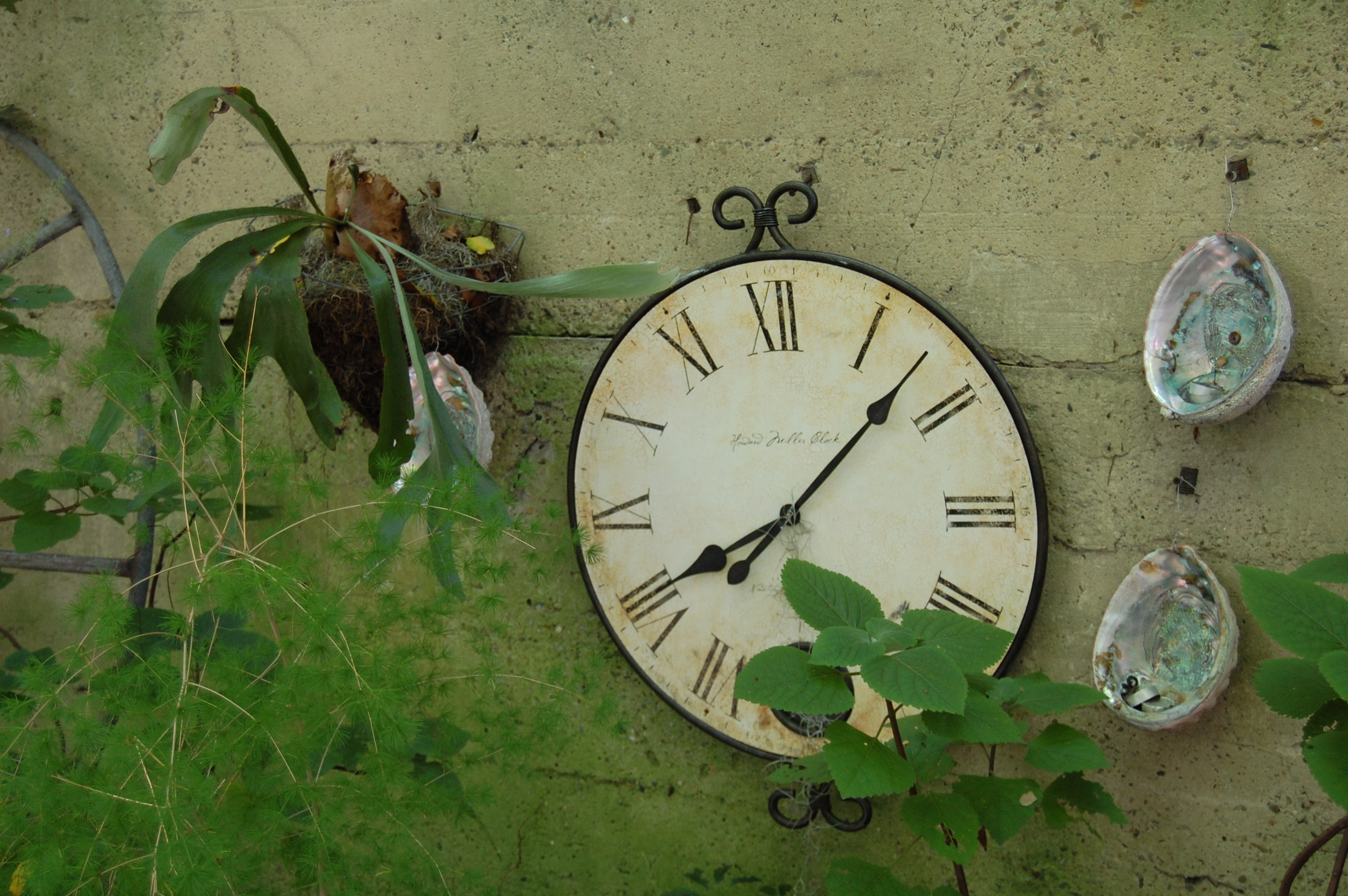
Time seems to stand still in the secret garden … or is that clock broken?

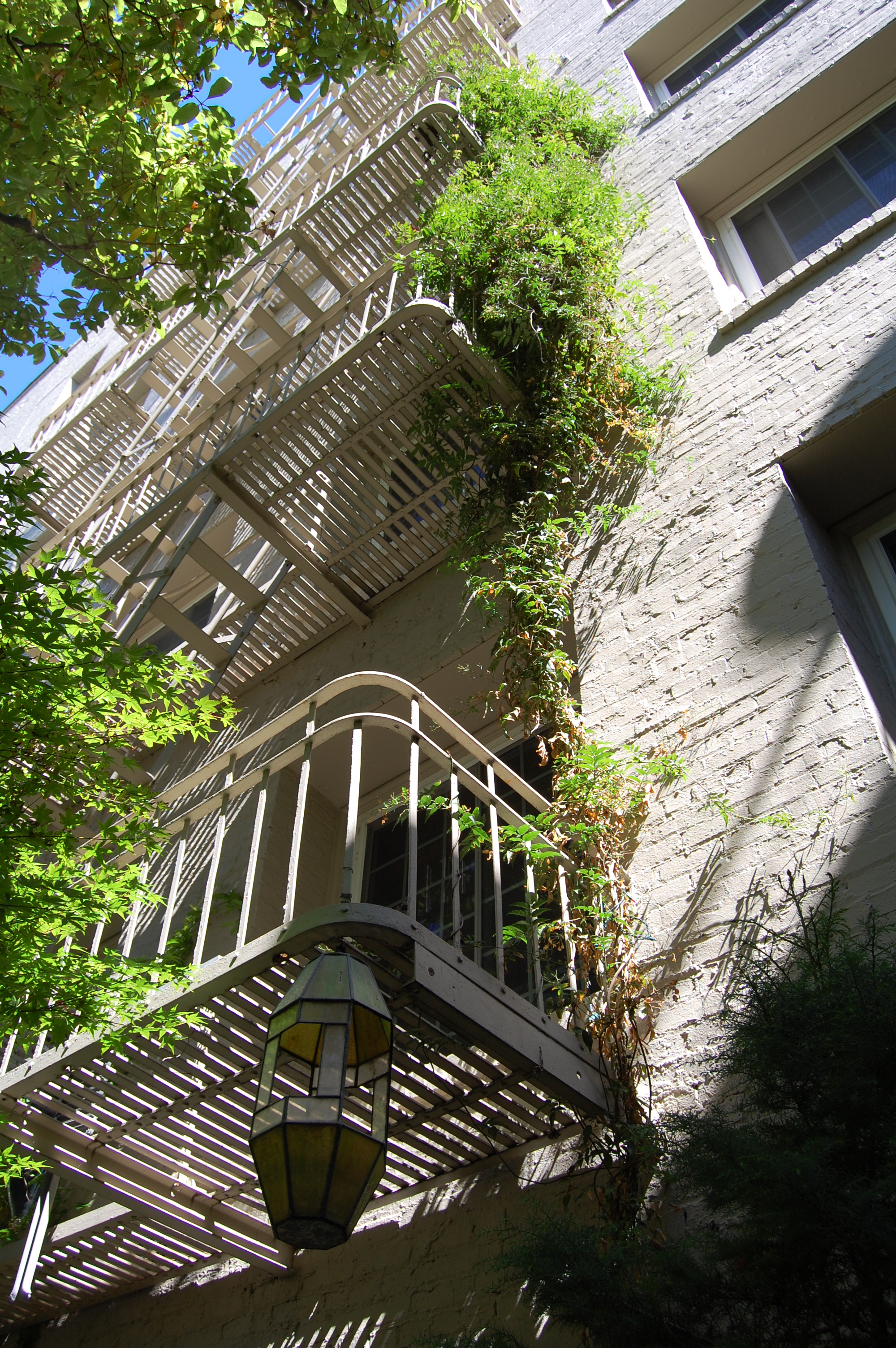
Vertical space is used to soften the feel of the surrounding apartment walls.

Organic Mechanics

Organic Mechanics

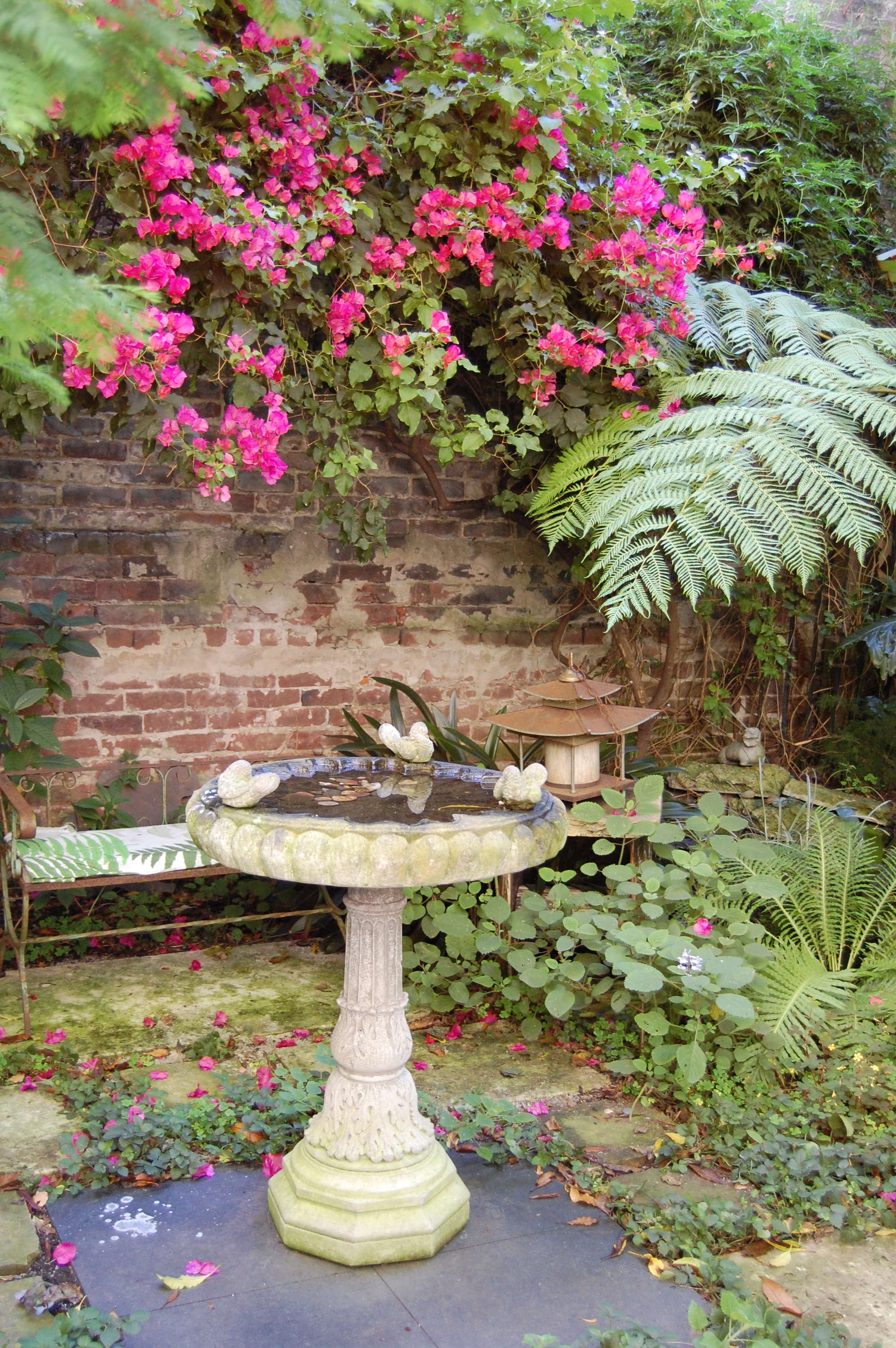
There are water features, of course.

Organic Mechanics

Lots of green in this mostly shady garden, but splashes of color, too.

Organic Mechanics

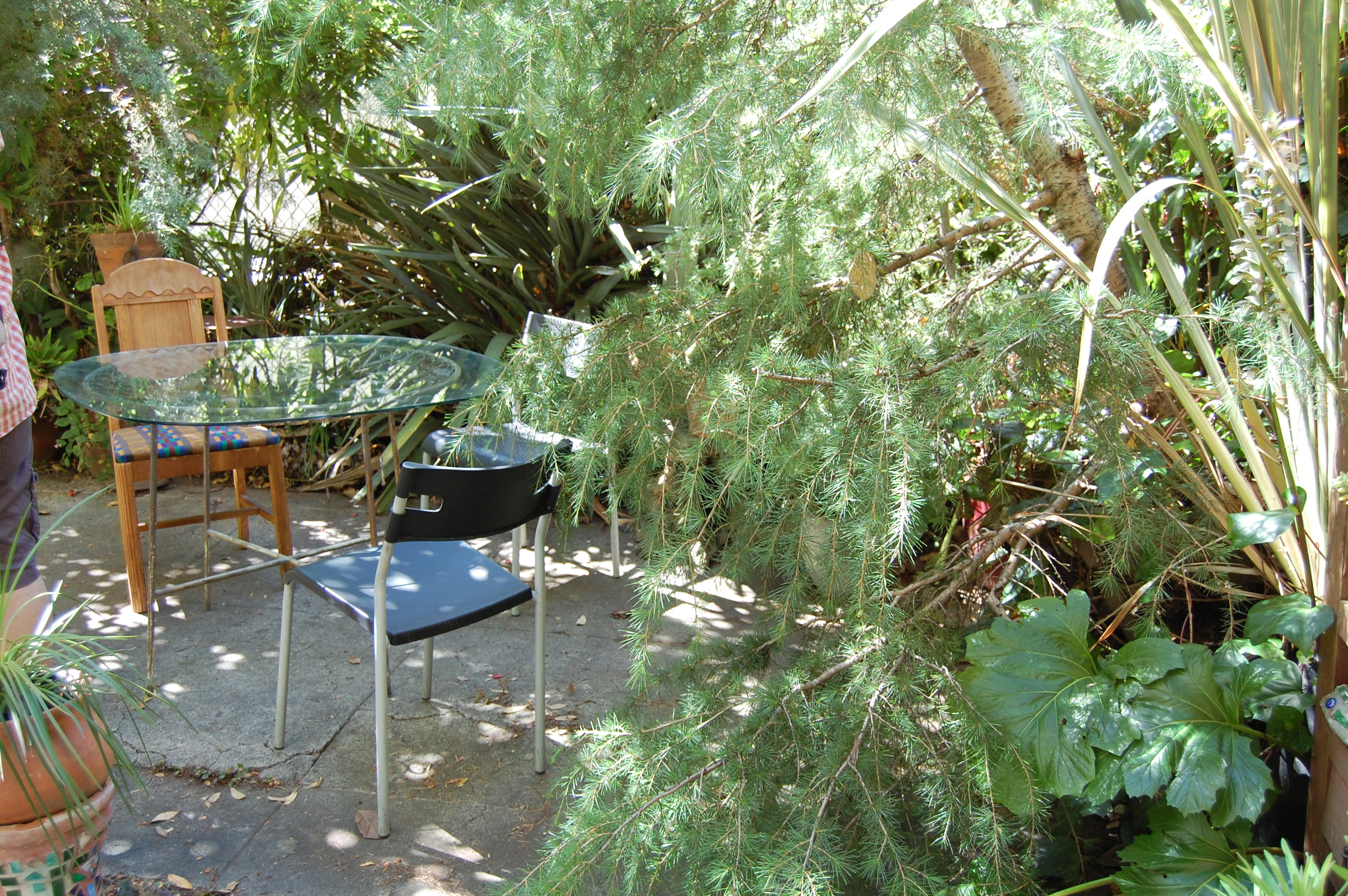
A gathering place for people, and a retreat for the individual.

Organic Mechanics

A metal gate and wire fence divides the garden into rooms.

Organic Mechanics

There are tranquil scenes that balance the quirkiness.

Organic Mechanics

Organic Mechanics

OK, enough tranquility. Bring on the quirky stuff.

Organic Mechanics


2013-06-28 13.34.40

Even a hole in the pavement is an opportunity to exercise some creativity.

Organic Mechanics

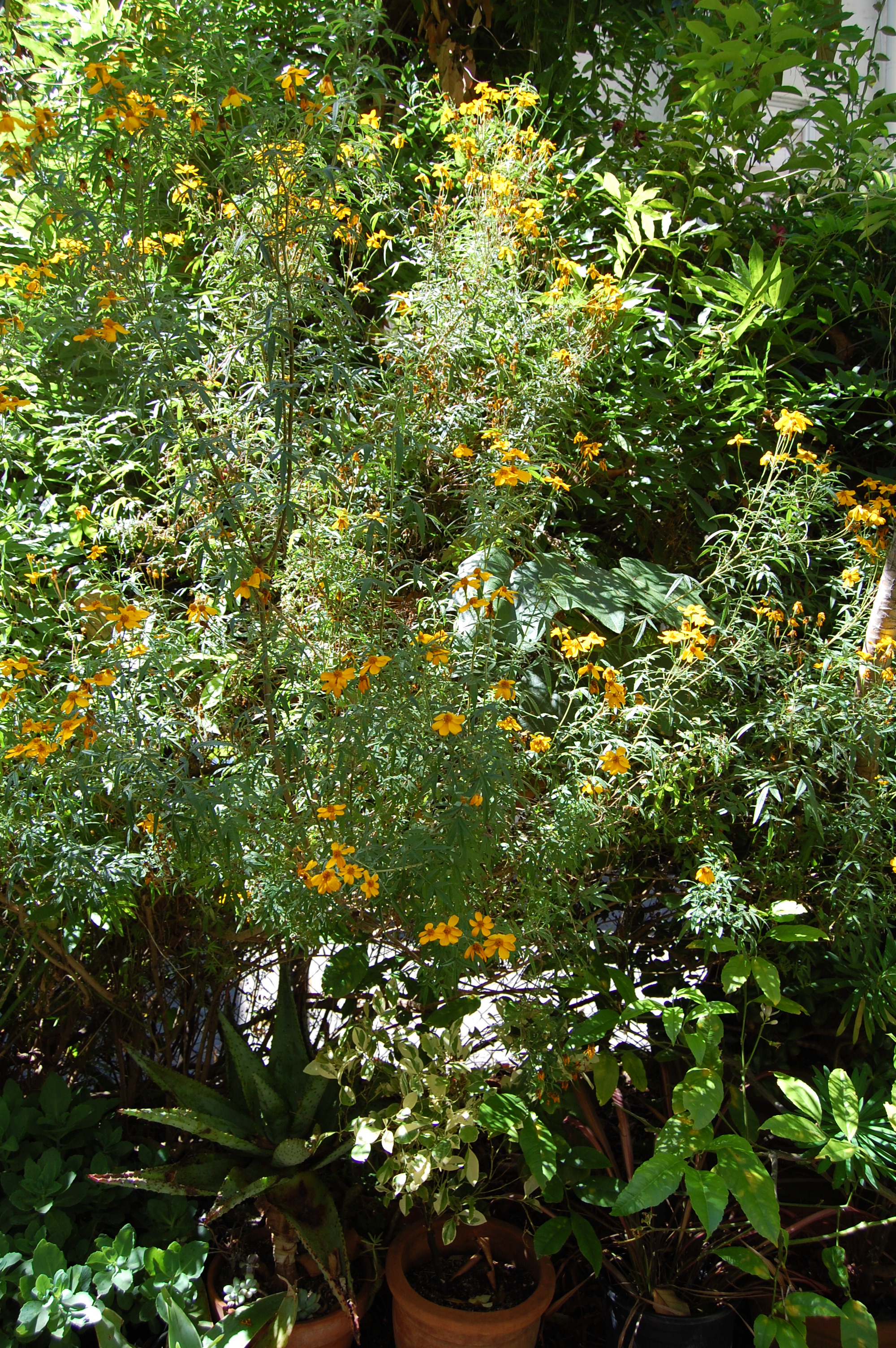
Mexican Marigold (Tagetes lucida). I didn’t know there were Marigolds the size of shrubs. The leaves of this plant, which is also called Mexican Tarragon and is used as an herb, have a lemon fragrance.

Organic Mechanics

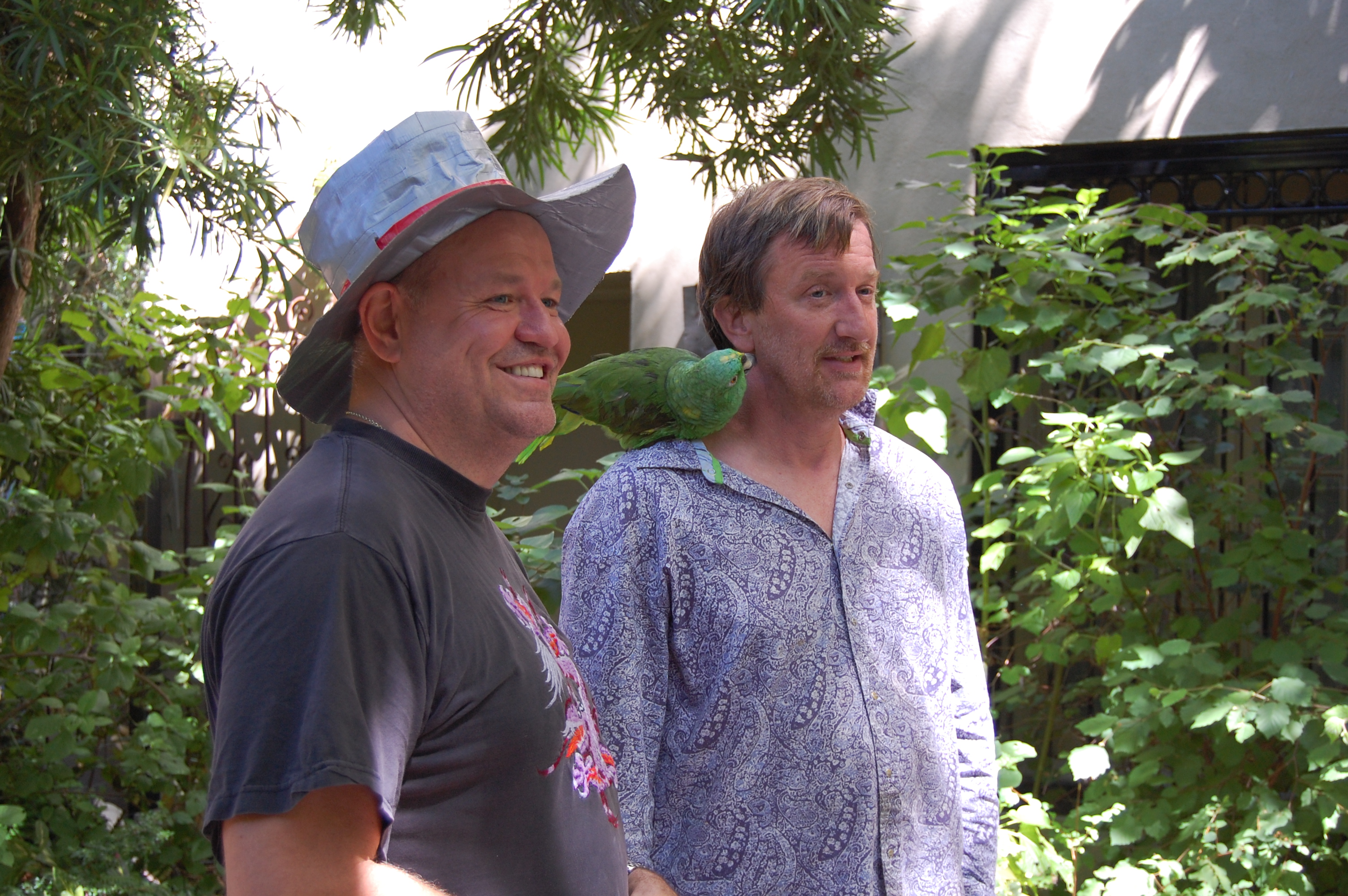
James Pettigrew and Sean Stout, with feathered friend.

2013-06-28 13.50.10

Do you have a favorite enclosed or secret garden?

And Now For A Bunch Of Things That Are Completely Different

So the Garden Bloggers’ Fling started in earnest on Friday. I’ve gotta say we have been seeing some jaw-dropping gardens. Not just creative and visually stunning, but also very different from what I normally associate with the word “garden”.

Gil Sculpture Garden

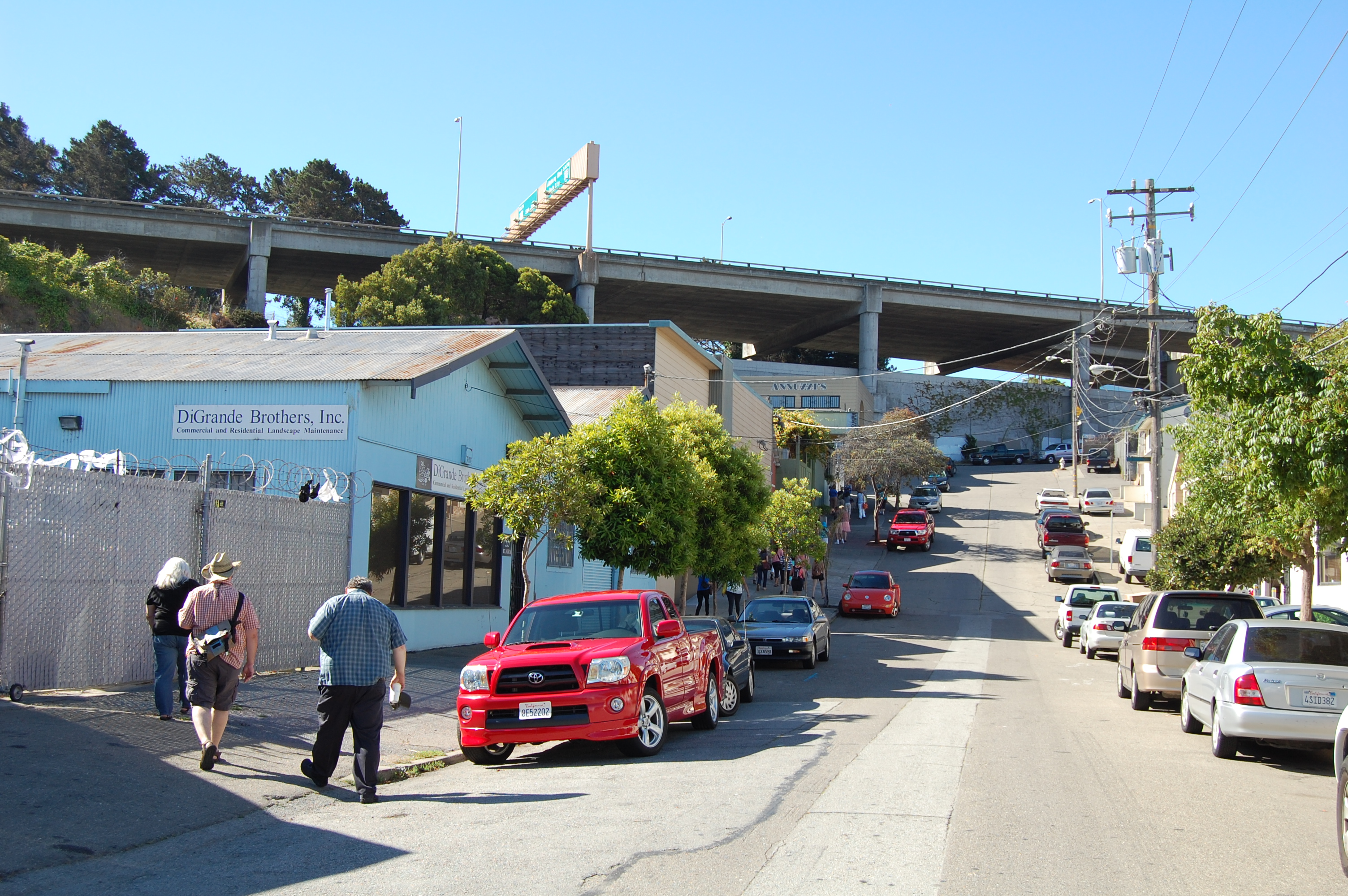
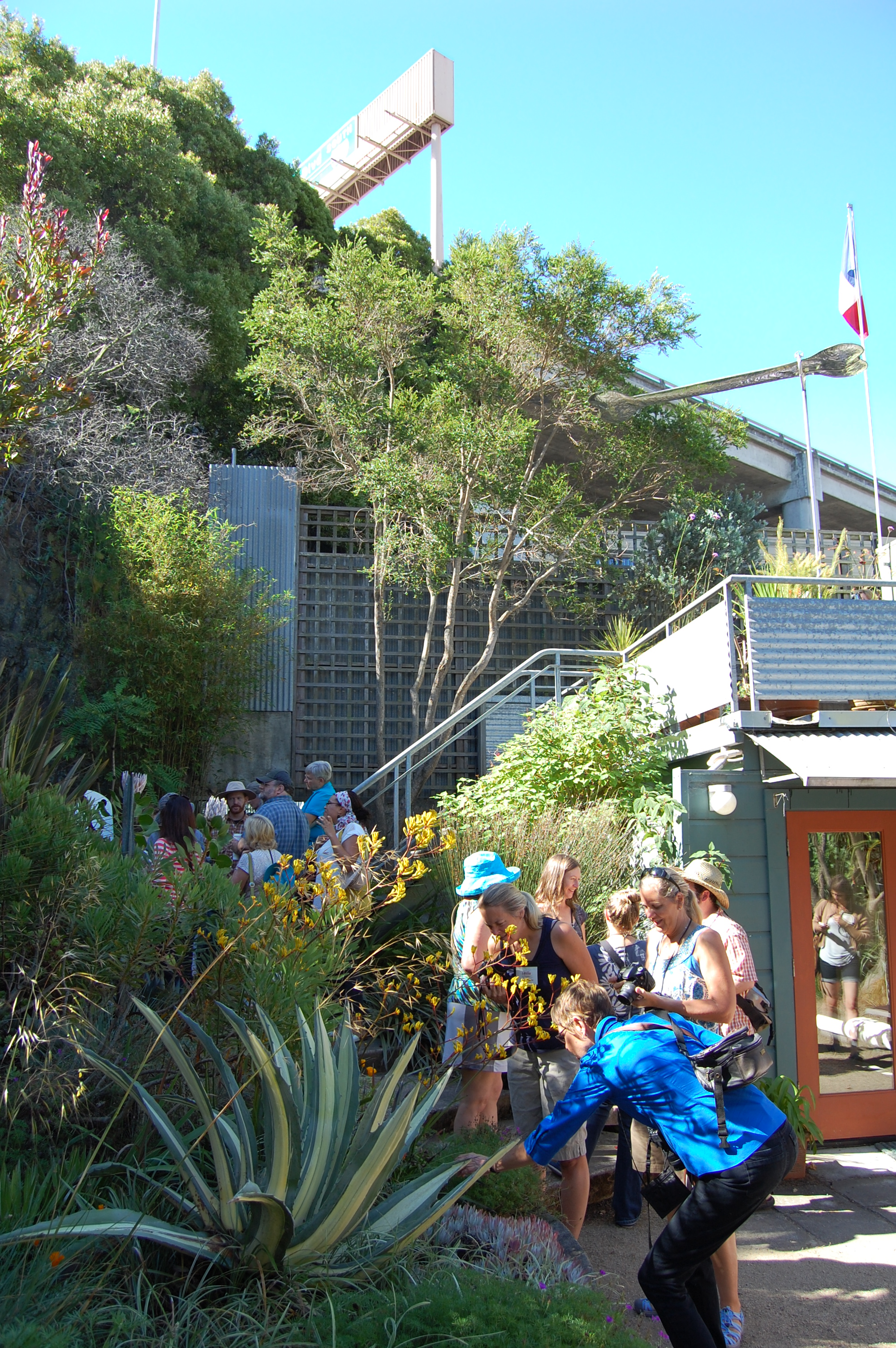
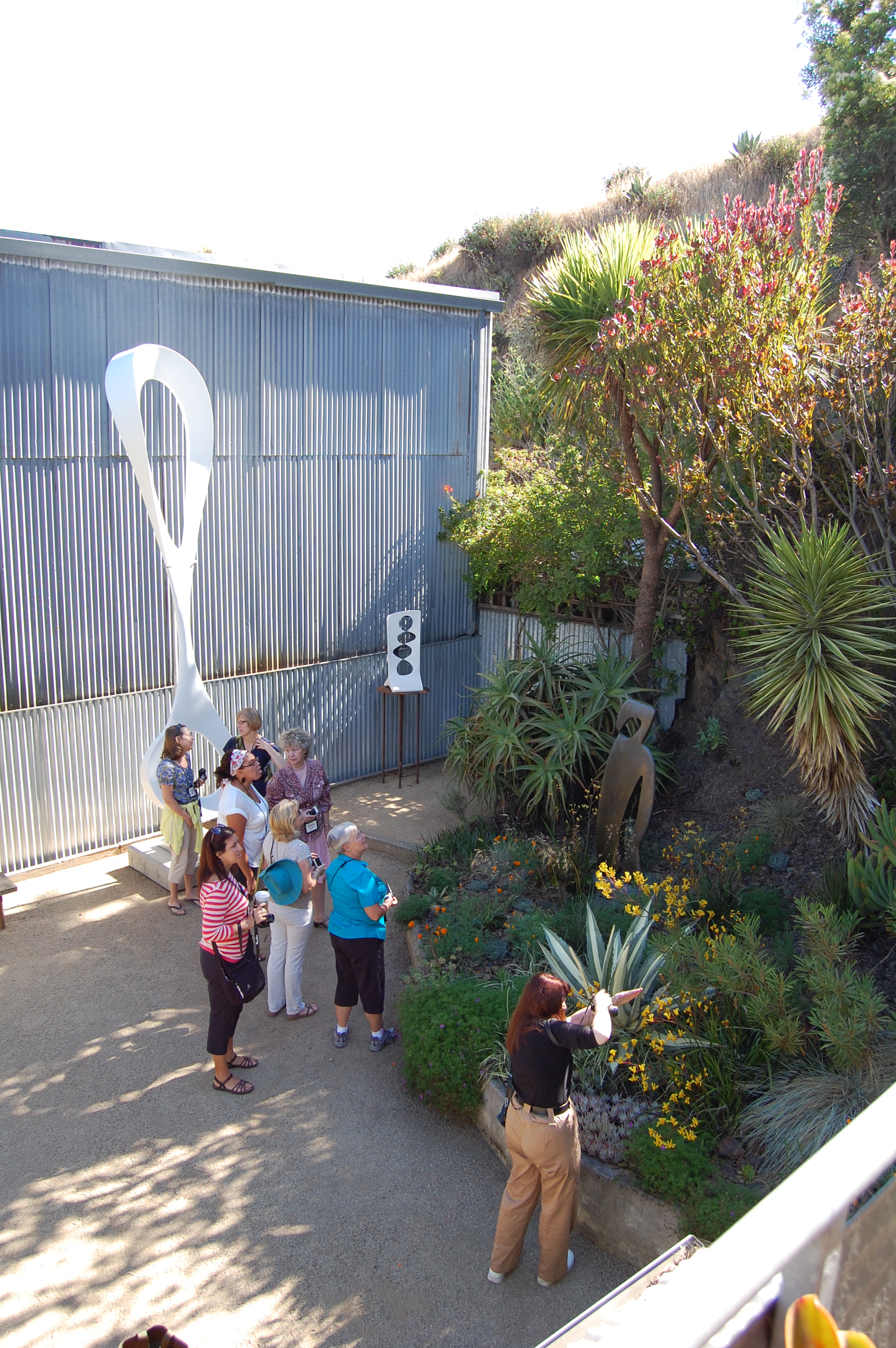
Mat Gil’s Sculpture Garden is built up against a rock face below a highway overpass in an industrial part of San Francisco. The artist lives and works here with his wife, Lesa Porche. The garden was designed and is maintained by Dan Carlson of Wigglestem Gardens.

Strolling over to the Gil Sculpture Garden. Urban enough for ya?

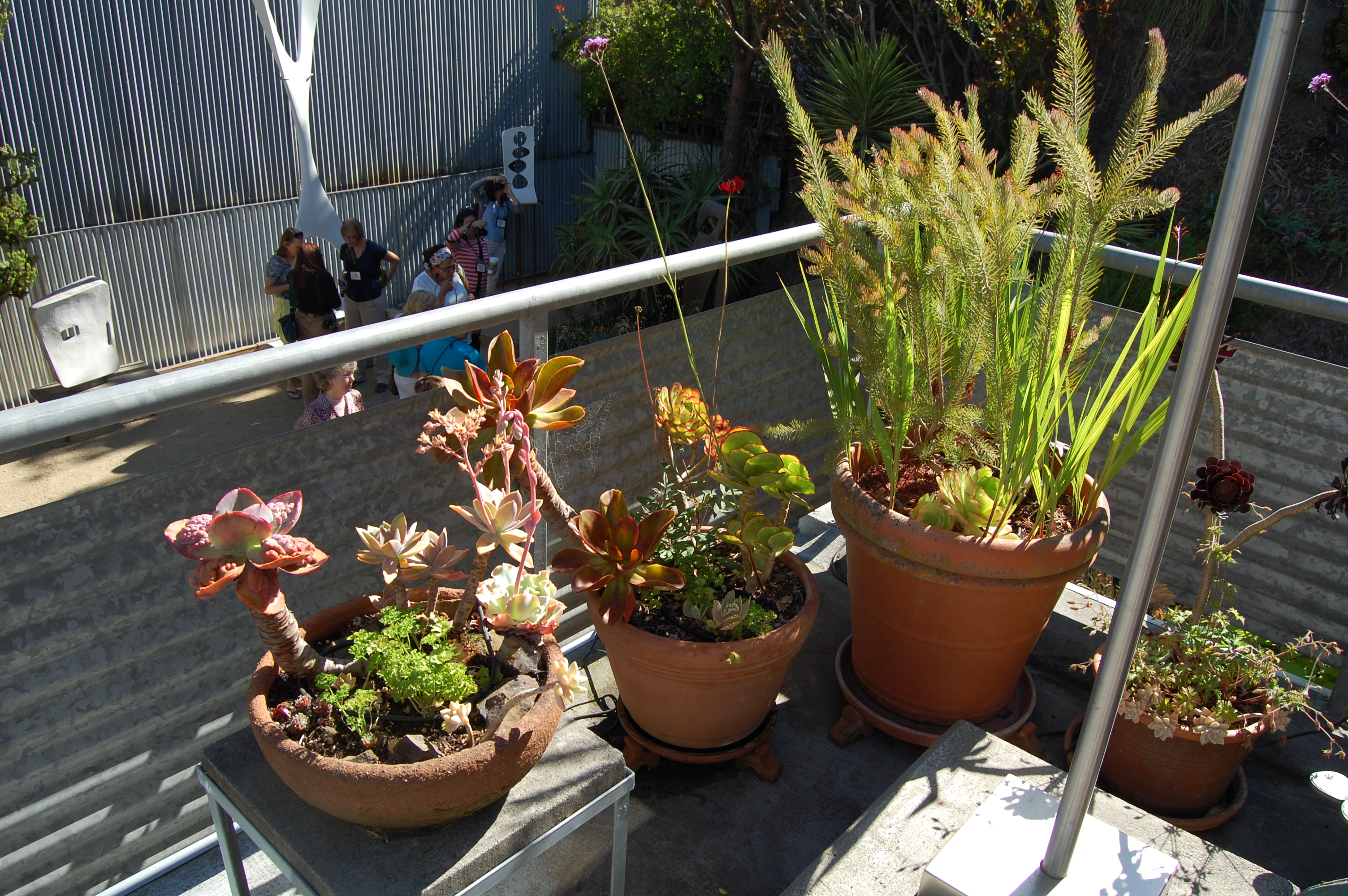
A deck overlooking the garden features containers with succulents and grasses.

Gil Sculpture Garden

The designers found niches for plants all the way up the rock. The flora must tolerate the tough conditions or die. They are either natives or well-adapted exotics.

Gil Sculpture Garden

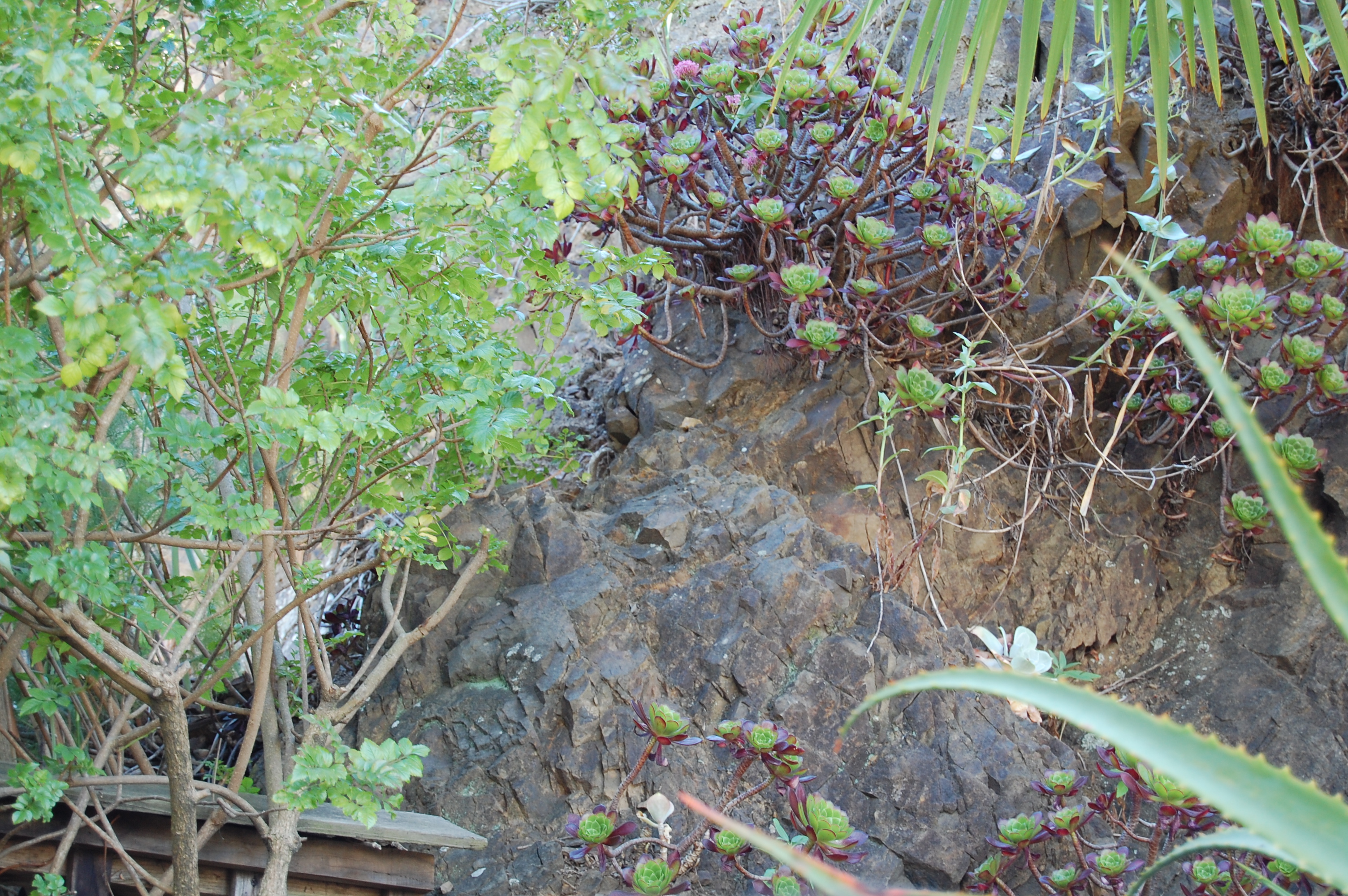
Planting in rock
Plants holding on to the rock face for dear life.

Gil Sculpture Garden

This garden was the beginning of my crash course in the very exotic world of West Coast plants, so I often caught only the Genus name. You’ll have to bear with me. The tree with the red leaves at the top is a Leucadendron.

Leucodendrum

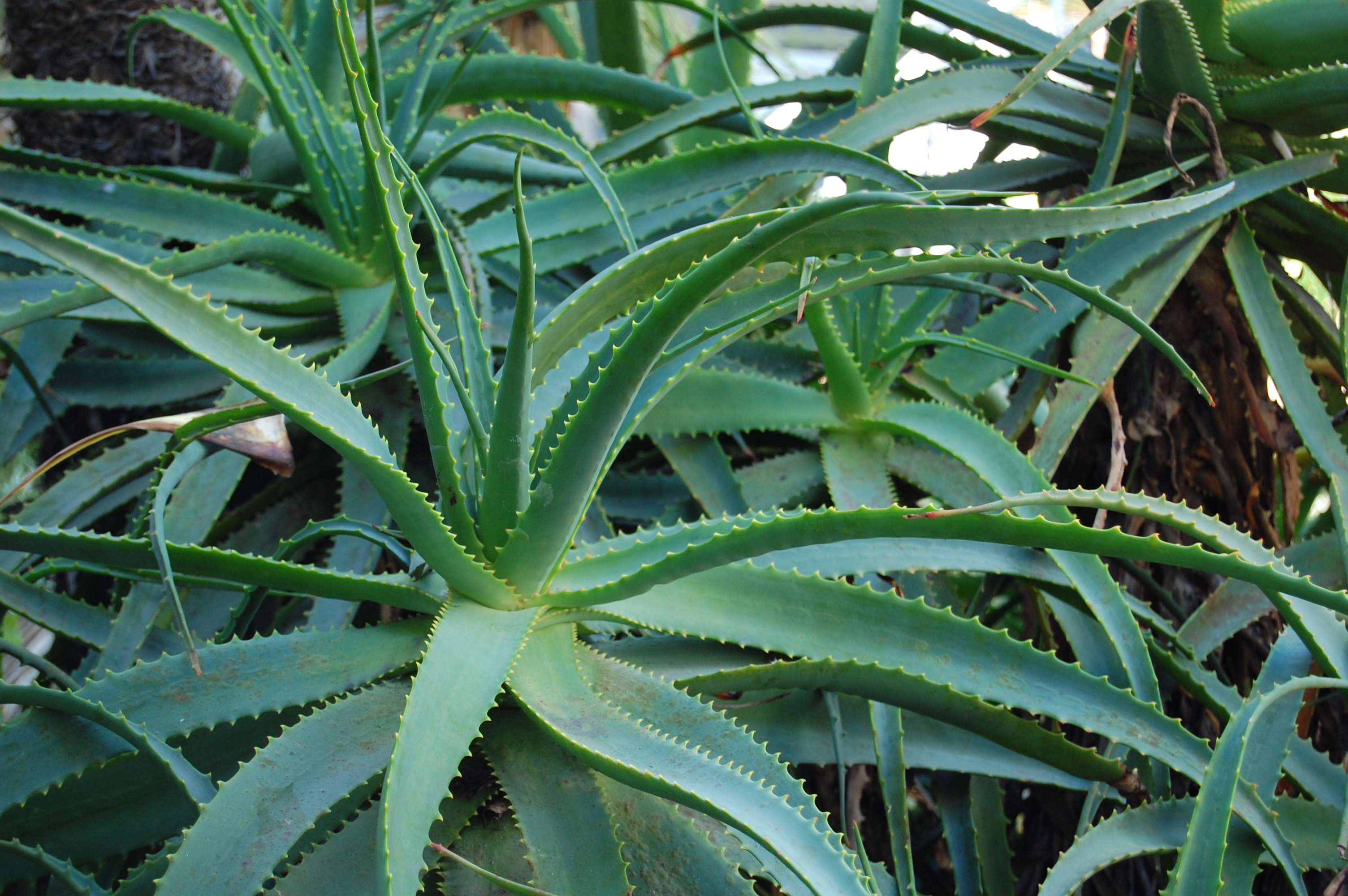
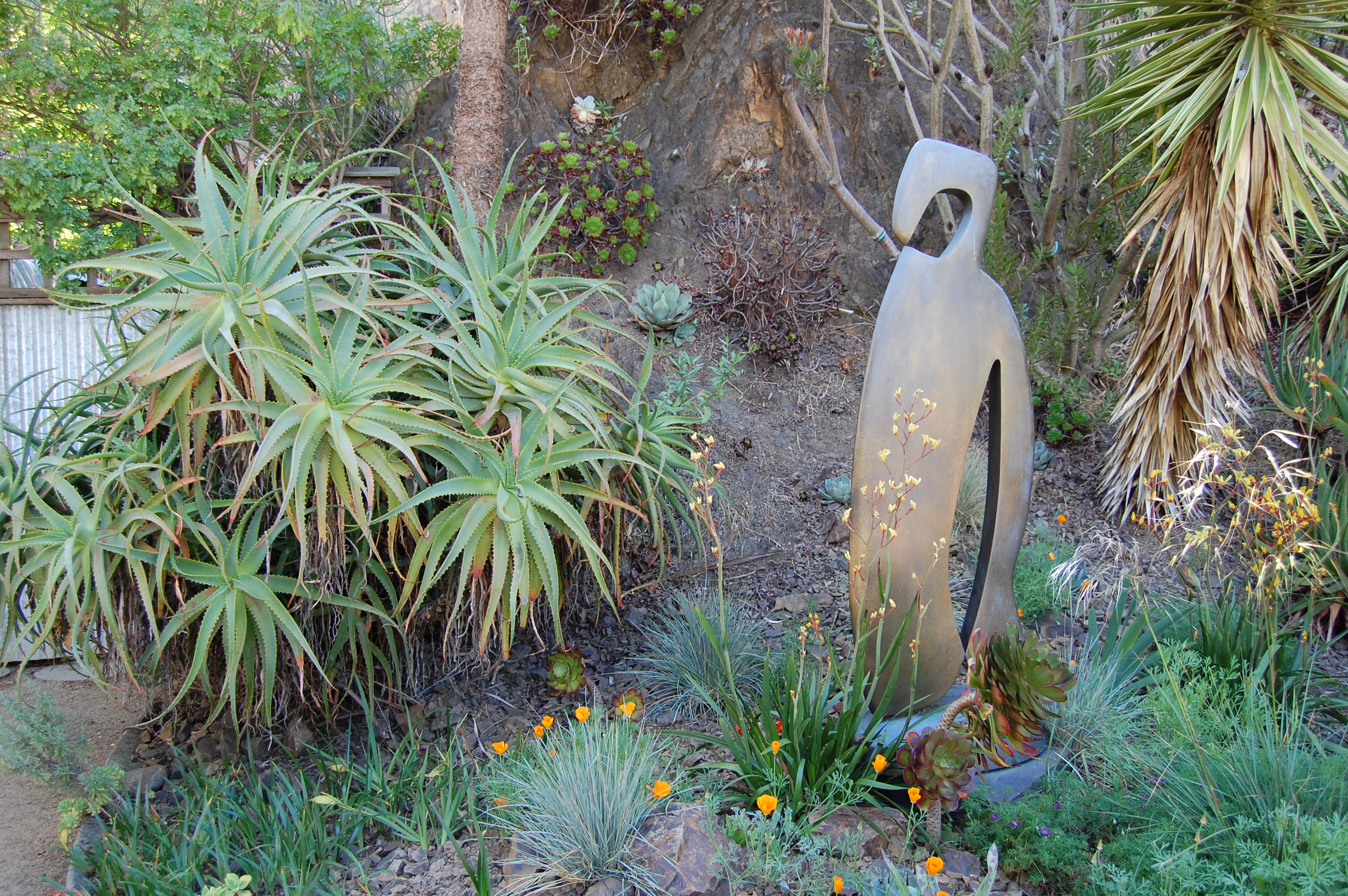
There were plenty of Agaves. If this is an Agave. UPDATE: Thanks to Hoov from Piece of Eden, I now know this is an Aloe arborescens.

Agave

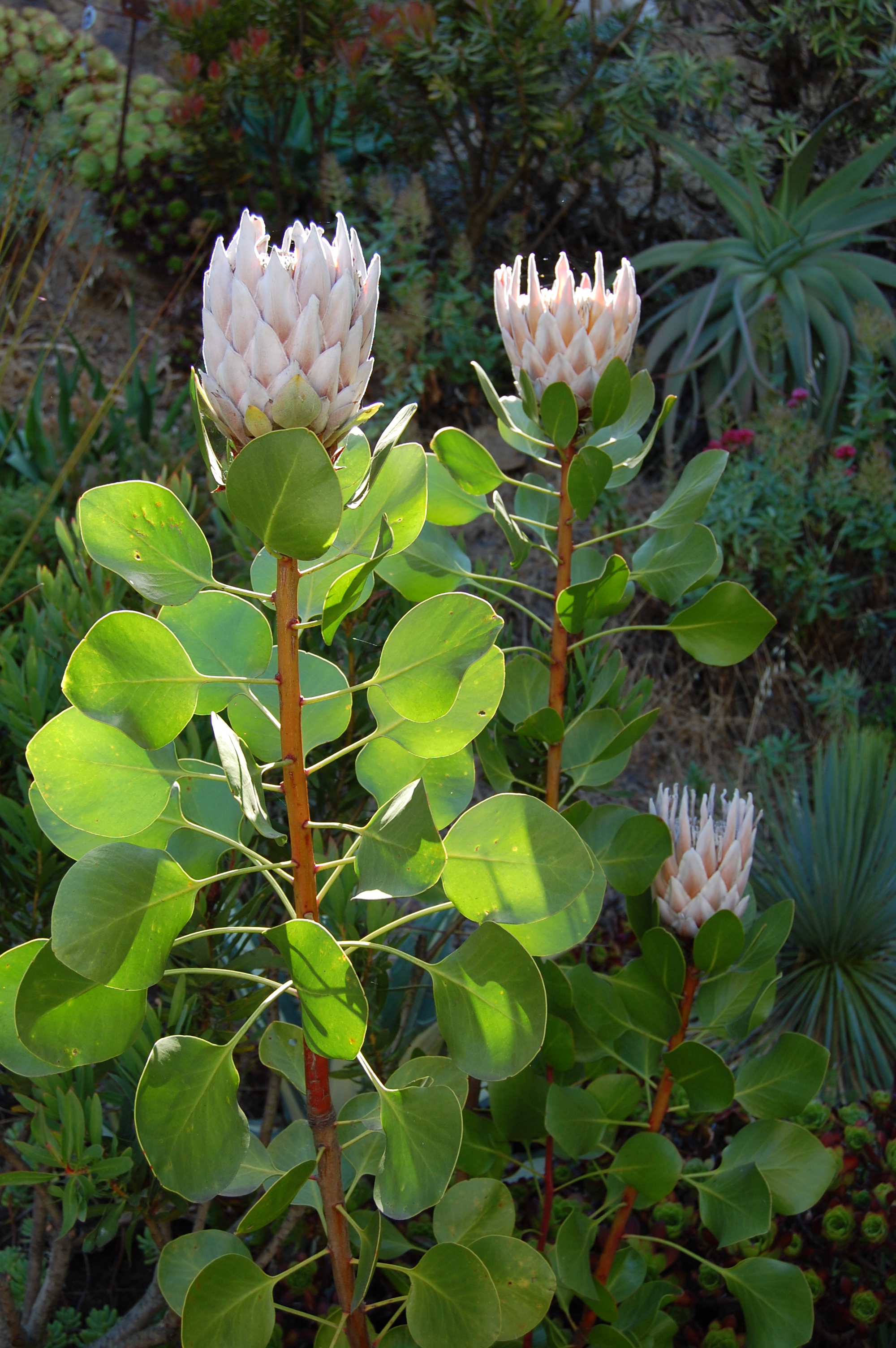
The thing that looks like walking Martian artichokes is a Protea. I was kind of fascinated by this plant.

Protea
Protea – or walking Martian artichokes?

It’s a sculpture garden, so there are sculptures. Gil’s studio is on ground level.

Gil Sculpture Garden

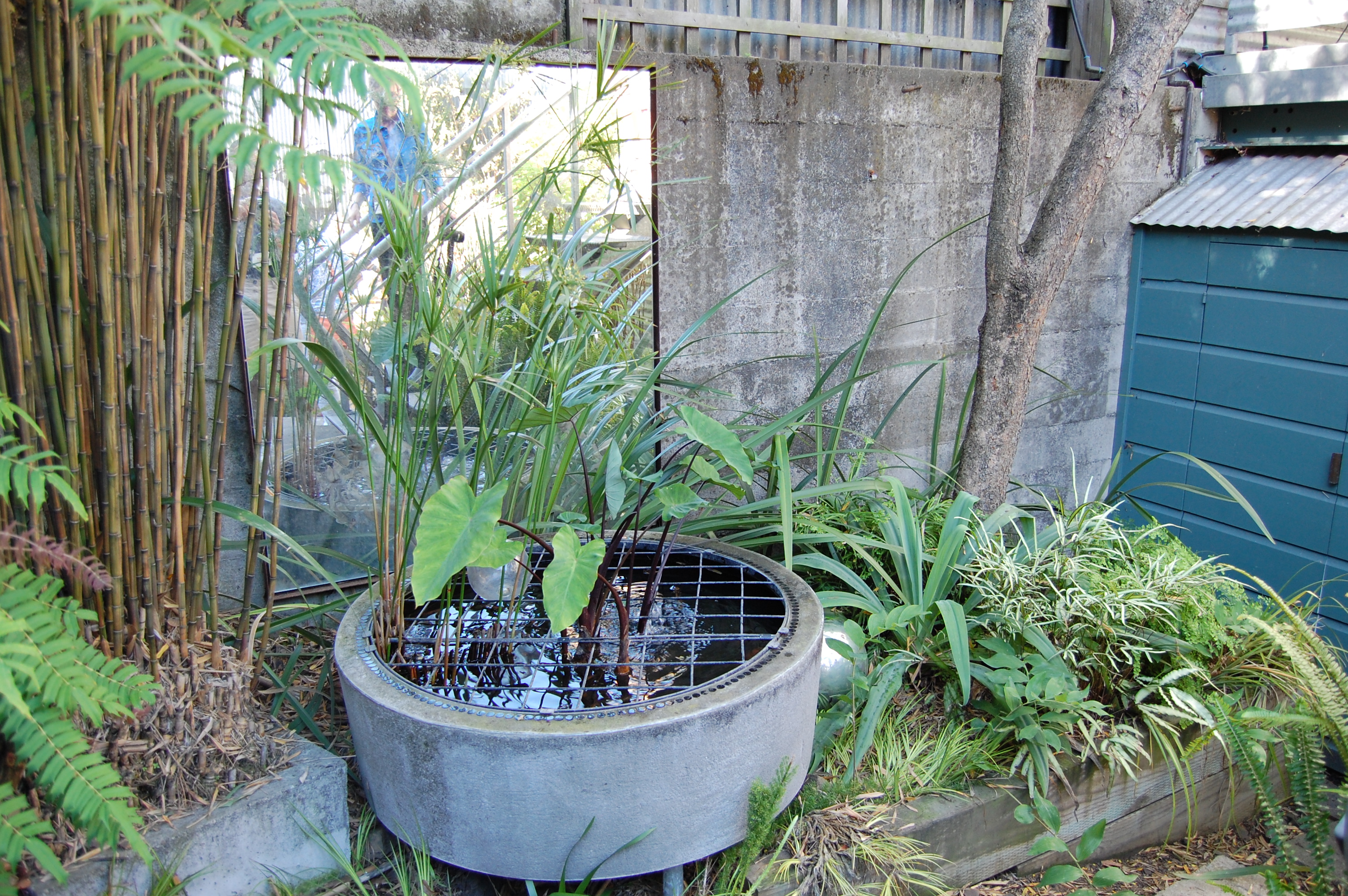
In a shadier spot, some bamboo and a water feature. The grill is for keeping out raccoons.

2013-06-28 12.11.52

Here is the ground level entrance to the garden.

Gil Sculpture Garden

If I weren’t so tired I would try to say more about this garden. I’ll just conclude by noting that the garden amazed me in three ways. First, it seemed to fit in a remarkably natural way into what I would consider an extremely unnatural place for a garden. Second, it had such a fully three-dimensional feel – it was a garden with a verticality that seized your attention, drawing you to views from above, below, and across. Finally, it was a space that felt very enclosed and at the same time exciting and inviting.

In The Land Of Sunshine

So, Judy and I have been reunited here in the San Francisco Bay Area. Yesterday I arrived and noticed at once that it wasn’t raining. The weather, in fact, has been just beautiful.

San Francisco Bay
View of the Bay from North Berkeley.

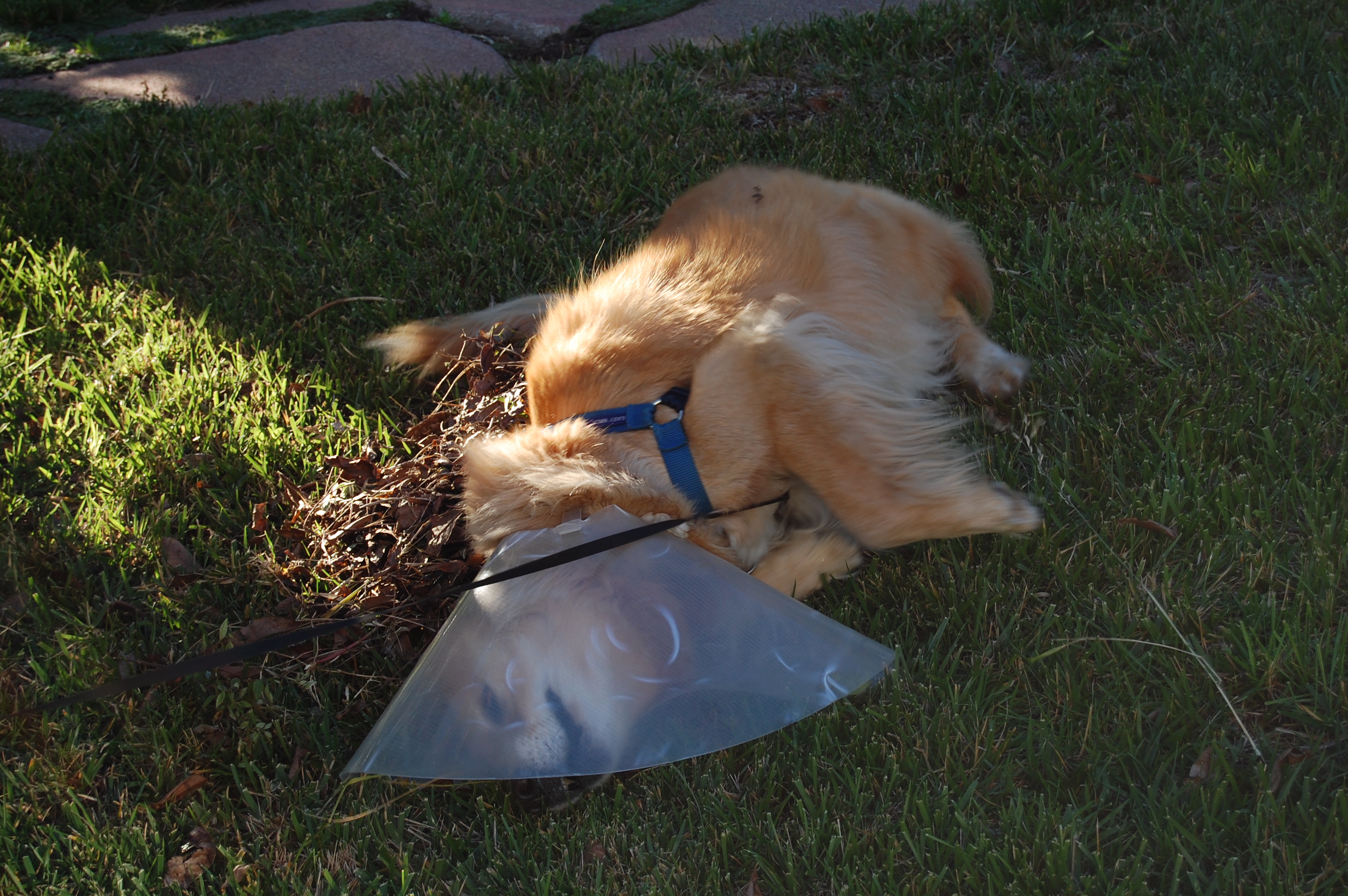
Wednesday night we stayed in Berkeley with our friend Margy and her faithful companion, Teddy The Dog With The Plastic Collar.

Teddy
Teddy

We all took Teddy for a walk and I noticed something else: I had  no idea what many of the plants were. When it comes to gardens, California is a different country.

California flowers.
What is this flower? Beats me.

Not that this is a bad thing. I loved the Bougainvillea, the Jacaranda trees, and above all the jasmine with its almost overpowering sweet scent.

Passion Flower
Passion Flower, I think

The following day, after a leisurely morning and lunch, we took the BART into San Francisco and checked into our hotel.

After some rest, we were whisked by bus, along with other Fling attendees, to a reception at the Alameda home of Shirley Watts. We got to poke around her unique and beautiful garden while eating tamales and drinking beer and wine.

back garden shirley watts

This pergola is topped with a large mound of wisteria.

pergola 2

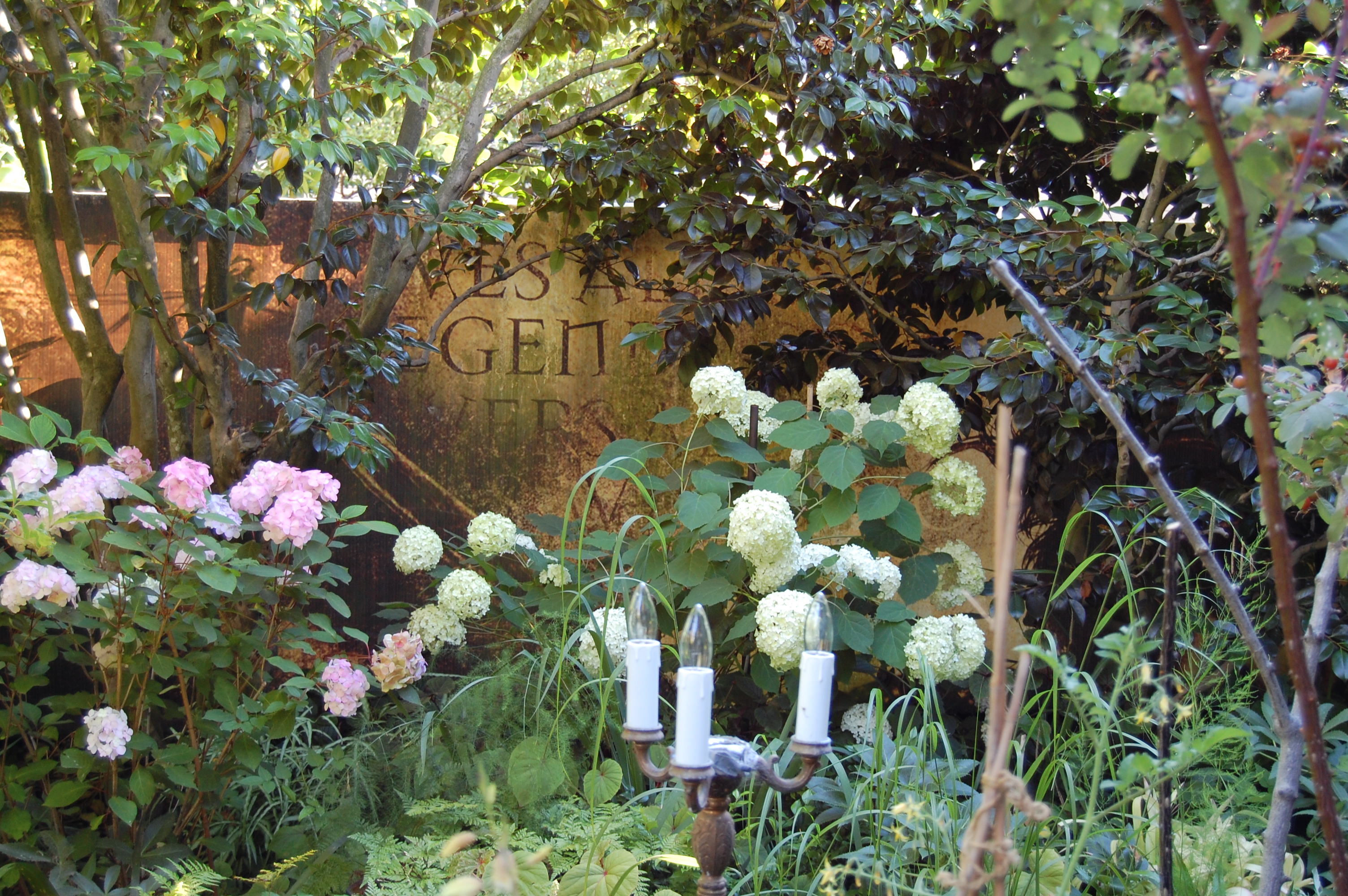
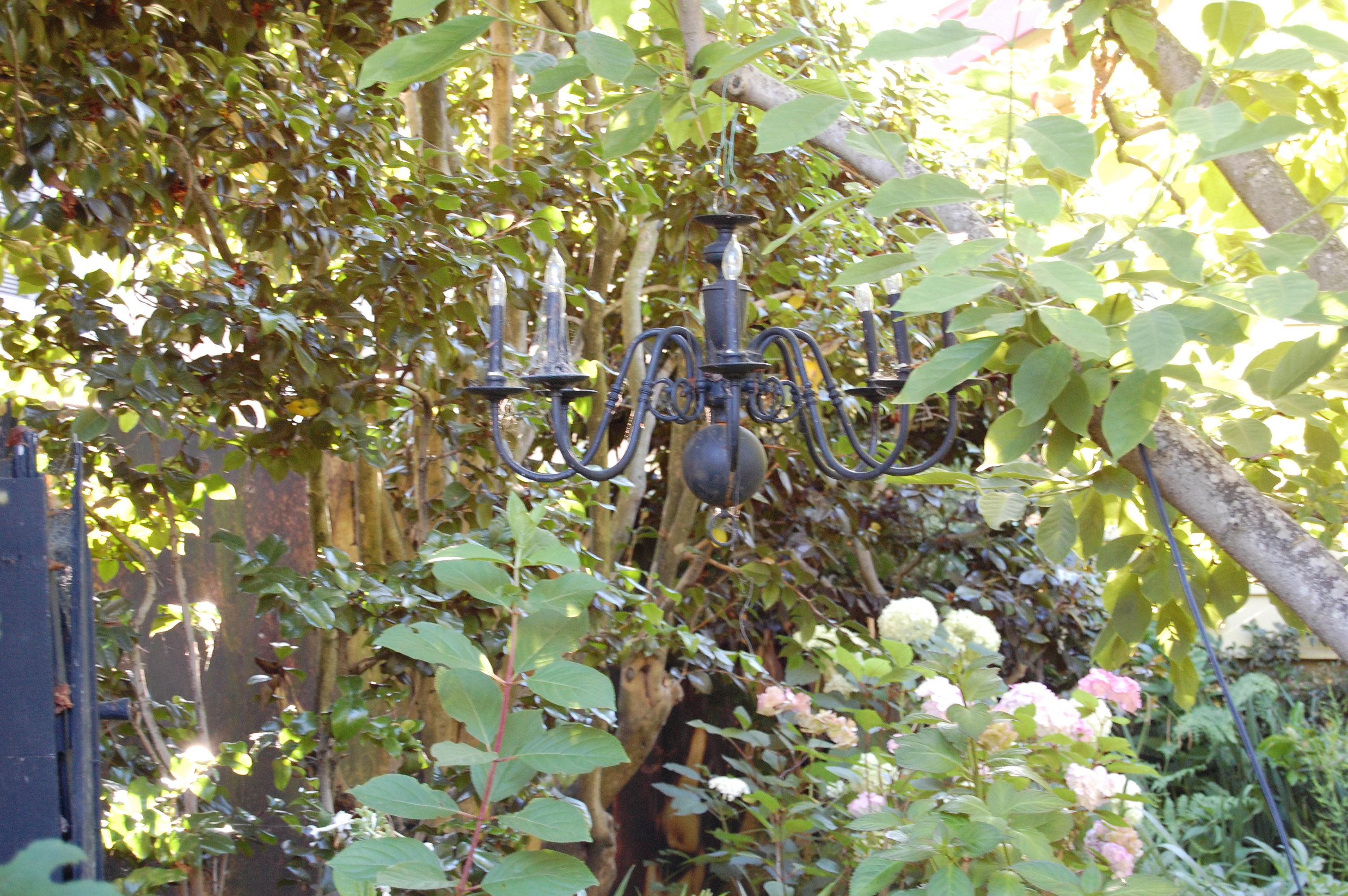
Every garden needs a chandelier.

Garden Chandelier

A very unusual water fountain.

fountain

Tomorrow we will have a busy day including a visit to Annie’s Annuals and the Matt Gill Sculpture Garden.


Who’ll Stop The Rain? (From Knocking Over My Plants)

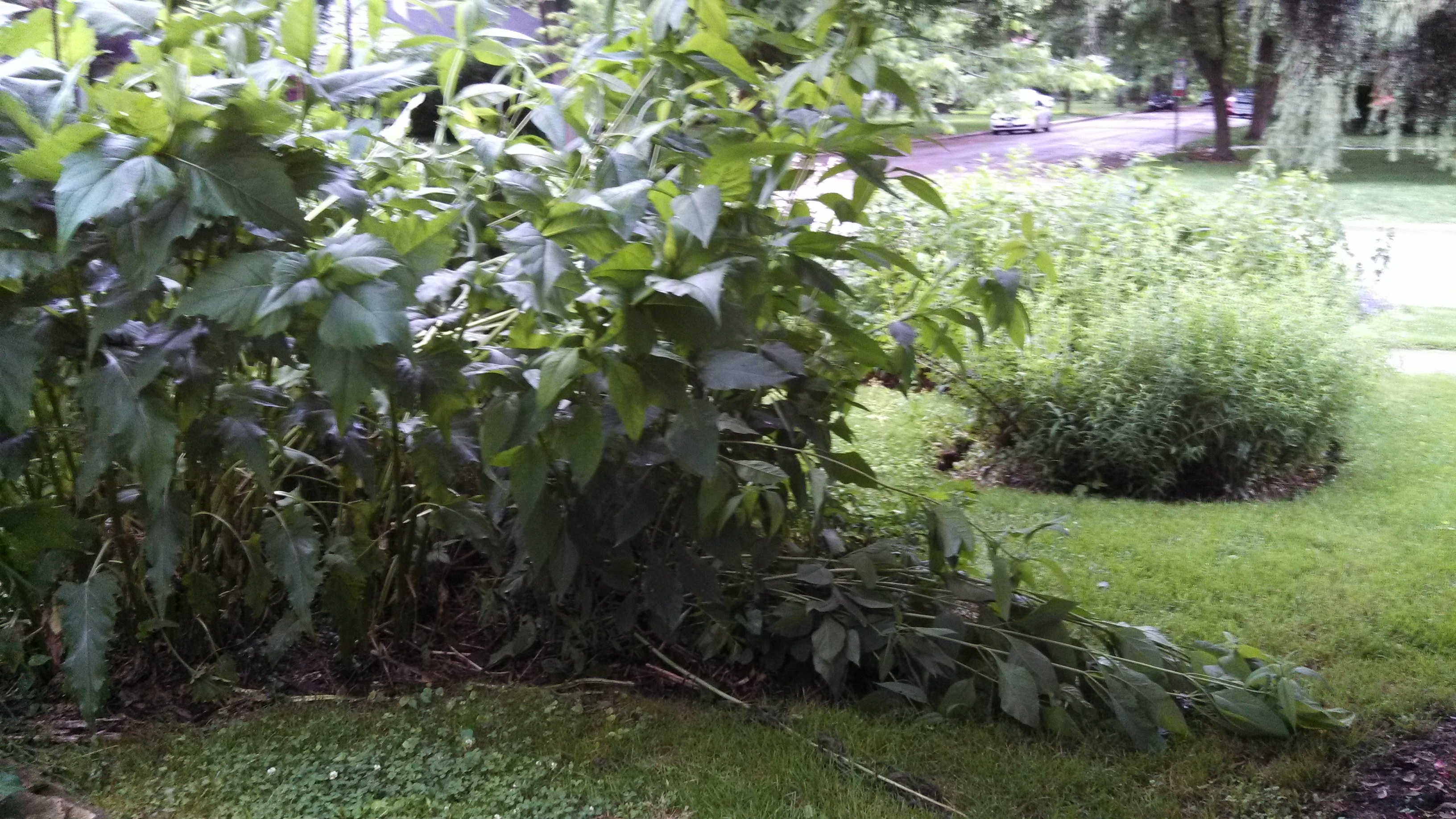
When I got up this morning, after a night of wind and rain, this is what I saw (note: as Judy is travelling, I took all the pictures in this post with my phone):

Sweet Joe Pye Weed
Sweet Joe Pye Weed after having rather too much to drink.

Is it really possible that just one year ago we were desperate for rain around here? It has been a rainy spring, including some impressive thunderstorms today and yesterday. And the verbatim weather forecast from AccuWeather.com for our area is as follows:

  • Wednesday: A few strong thunderstorms.
  • Thursday: A shower or thunderstorm.
  • Friday: A shower or thunderstorm possible.
  • Saturday: The chance for a couple of showers or thunderstorms.
  • Sunday: A shower or thunderstorm possible.

Who knew there were so many ways to say: “We think it is going to rain.”

Of course, we haven’t suffered from catastrophic flooding as some have, so my complaints are pretty minor in the big scheme of things. And for the most part all this rain is making the plants pretty happy.

However, some of my tall plants are literally keeling over from the force and weight of all this water. Most notably, the Sweet Joe Pye Weed (Eutrochium purpureum), Swamp Milkweed (Asclepias incarnata), and Cup Plant (Silphium perfoliatum).

Swamp Milkweed
Swamp Milkweed going from vertical to diagonal to outright horizontal.

I’ve already done a fair amount of staking, so the damage could be worse.

In any case, I spent a couple of hours this morning restoring plants to verticality where the staking was incomplete or inadequate. This I do mostly in two ways. First, by tying together bamboo stakes into an X shape placed so as to hold plants up without making them look too constrained.

The really big babies, the Sweet Joe Pye Weed and Cup Plant, get staked with twine to 10′ lengths of rebar. The rebar is pretty well hidden once these guys reach their full height. I had already put up some of the rebar last week, this morning I put in the rest.

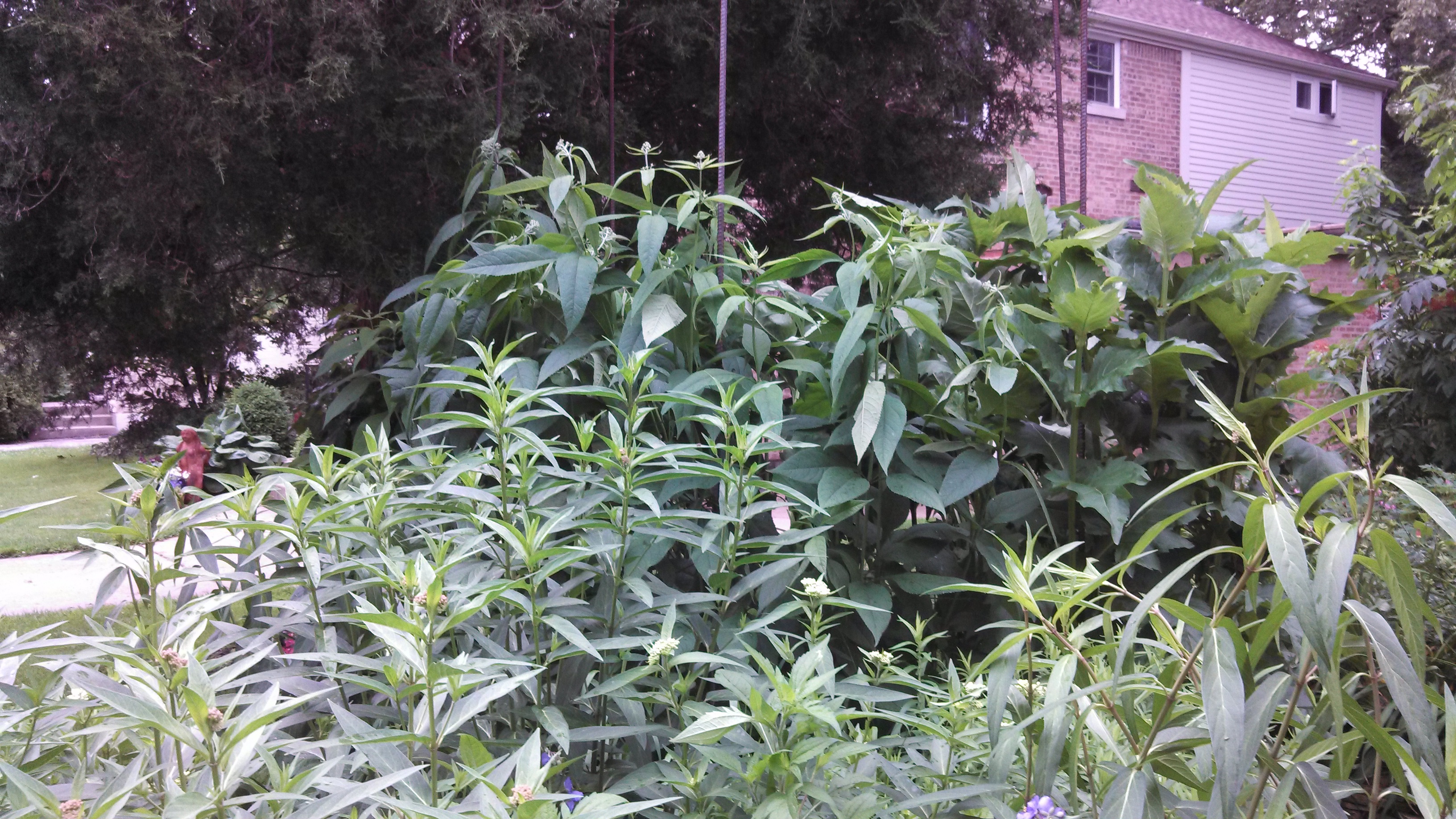
By the time I was done, things were looking reasonably upright.

Swamp Milkweed, Sweet Joe Pye Weed
An upright attitude restored (pretty much)

Have you also been thinking of the old Creedence Clearwater Revival song, wondering just who will stop the rain? Any emergency staking going on in your garden?

Tomorrow I am heading to San Francisco for my first Garden Bloggers’ Fling, looking forward to meeting some of you there!

Farewell, Woodland Sunflower

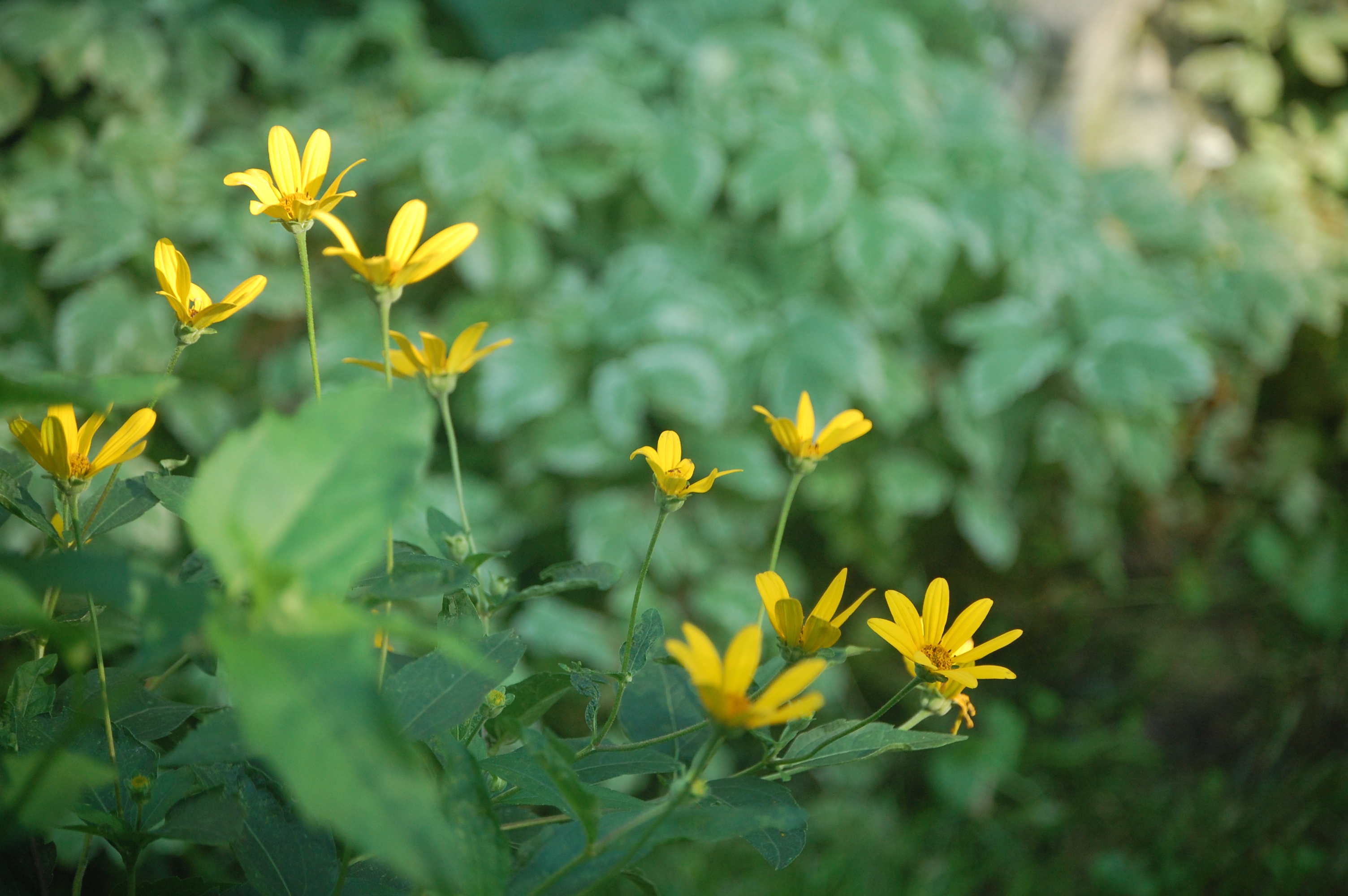
The Woodland Sunflower (Helianthus strumosus) in the back garden is no more. It was growing in a little bed I carved out along the brick path to the alley gate that Judy and I built.

Woodland Sunflower
Woodland Sunflower

Woodland Sunflower is one of very few sunflowers that does not need full sun or something close. I was tempted by the catalogue’s promise of large yellow flowers brightening up areas of dappled shade. Woodland Sunflower’s performance was never all that impressive, though.

There wasn’t much of a “wow” factor in the flower display. Plus, the stems were rather weak and tended to flop even after cutting back. I suppose the shade may have been a little too dappled, but still.

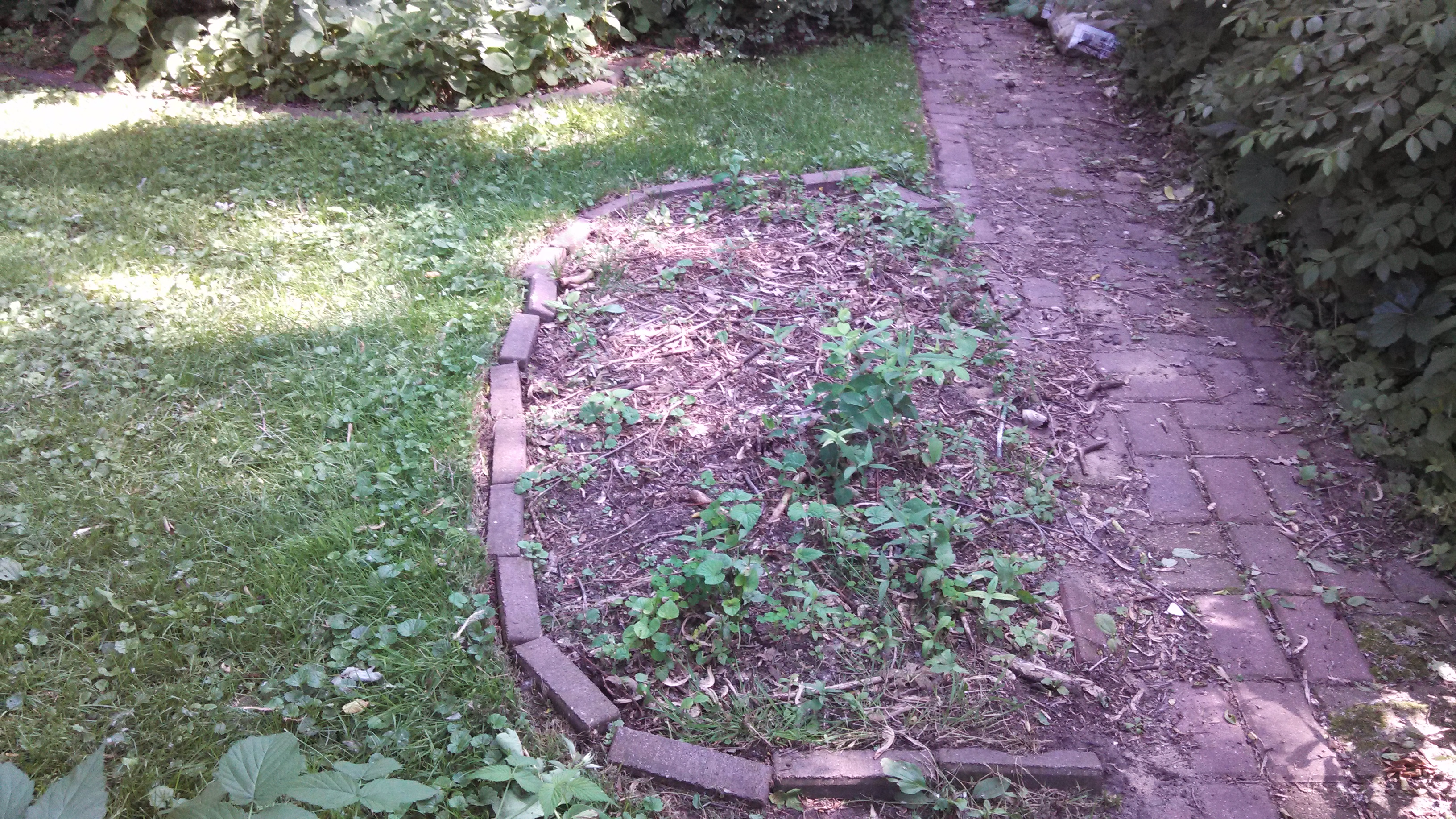
Nevertheless, for at least six years Woodland Sunflower came up and bloomed reliably. Until this year, when just a few stems came up, so that the Woodland Sunflower bed looks like this.

Woodland Sunflowers
The bed formerly occupied by Woodland Sunflowers.

There are some weeds and an invasive shrub honeysuckle trying to establish themselves, and that’s about it.

What happened? Might have been last year’s drought, because this spot got virtually no supplemental watering. Also, sunflowers are allopathic (that is, they use chemicals to inhibit the growth of other plants), and I have heard the theory that over time they will actually poison themselves if kept in the same space.

In any case, the real question is: what am I going to plant in this little bed now? I’d like to grow some compact shrubs like Itea virginica ‘Little Henry’. However, Judy is likely to veto any shrub. If I plant perennials, I want it to be something that does not require staking or cutting back. Maybe Bleeding Heart (Lamprocampnos spectabilis) with some ferns? Epimediums?

It’s a spot with dappled shade, can get kind of dry in a hot summer but also gets lots of water in spring because of how the garden drains.

Anybody have any suggestions? Also, what am I going to put in this spot during the summer if I don’t plant anything permanent before fall? Maybe wood chips with some containers? Also, has anybody had a different experience with Woodland Sunflower?

Clip Clip Here, Clip Clip There …

This weekend I’ve been implementing a second round of cutting back my perennials. For some reason, whenever I do a lot of pruning or cutting back in my garden, I get a mental image of the Cowardly Lion getting a haircut during the scene from The Wizard of Oz when everybody is singing “Merry Old Land of Oz”. As a result, I find myself humming along. This movie made a big impression on me as a child, at least after I got over my fear of the flying monkeys.

Golden Alexander
Golden Alexander (with yellow flowers) blooming its heart out at the end of May, as seen from street.

But that is not the point of this post. The point is that what, when, and how I cut back has changed with both experience and the weather.

Golden Alexander
Golden Alexander foliage after cutting back, end of June

Normally I do my cutting back in late May. The purpose is to keep large summer and fall-blooming perennials more compact. Anise Hyssop (Agastache foeniculum), goldenrods (Solidago species), and all but the shorter asters (Symphyotrichum) were all cut back by one half to two-thirds. This year the cool spring delayed cutting back so that I wasn’t finished until early June.

Baptiisia australis, Blue Wild Indigo
Blue Wild Indigo blooming on June 3.

Also, some plants didn’t need cutting back. Last year the Golden Alexander (Zizia aurea) got so big and bushy by mid-May that it needed a restraining hand. This year the Golden Alexander got a late start but sent up its flowers at the normal time – but at a more modest height that did not require a garden sheers.

Baptisia australis, Wild Blue Indigo
Wild Blue Indigo after today’s haircut, just after it finished blooming.

On the other hand, in early June I did cut back the Salvia nemorosa ‘May Night’ and S. x sylvestris  ‘Blue Hill’ in order to prevent them from flopping and opening up, as they did last year. (Didn’t work, by the way, but that is a subject for another post.) They were not all that tall to begin with, so I only sheared them back modestly.

This second round of cutting back at the end of June is not something I did last year. It is aimed primarily at spring-blooming perennials that need substantial trimming to keep their habits neat, prevent self-sowing, and create space for plants waiting for their turn in the spotlight.

Salvia 'May Night', Golden Alexander
Salvia ‘May Night’ with Golden Alexander, 2012

This weekend I cut back the Blue Wild Indigo (Baptisia australis), which had just finished blooming, by about half. I had never cut this plant back before but it is recommended by Tracy DiSabato-Aust in her book, The Well-Tended Perennial Garden.

I also cut back the Golden Alexander, now that it is forming seed heads. Some of the foliage was turning an attractive burgundy, something I had not noticed before.

The Blue Star (Amsonia tabernaemontana) is still putting out a few blooms, but in the next week or so I’ll cut it back substantially. Again, this is not something I’ve done in prior years, but it is recommended in DiSabato-Aust’s book. I am receptive to this suggestion because the Blue Star does get pretty unmanageable as the summer wears on.

Blue Star, June 3 of this year

Have you been spending a lot of time lately cutting back the plants in your garden?

Judy Visits The High Line In NYC

Judy was in New York a couple of weeks ago for work, and being an excellent and supportive spouse she took the opportunity to visit the High Line and take lots of photographs. The High Line is a public park that uses abandoned elevated train tracks as a platform.

High Line
New York’s High Line park.

The design was done by the landscape achitecture firms of James Corner Field Operations and Diller Scorfidio and Renfro.

High Line
An elevated meadow in the city.

By the way, today is Judy’s birthday. Happy birthday, Judy! Sadly, we are not together as she is now in California for work. She does an ungodly amount of travel. However, we will be meeting out there next week and attending the Garden Blogger’s Fling together.

High Line

The High Line is a public space providing all kinds of opportunities for public use. There is space for just sitting, and maybe have lunch outside.

High Line

Lots of space for strolling, of course. Judy said the width of the park seemed to be about 10′ to 30′.

High Line

Couples can get to know each other better.

High Line

The High Line is similar to Chicago’s Lurie garden in that the views take in the strikingly urban and a kind of idealized natural beauty. The High Line is different, though, in that the city and the garden are on much more intimate terms. This girl on a balcony is just a few feet from the High Line.

High Line

When I first heard about the High Line I thought it would be a sort of massive green roof, but that is not really the case. Yes, there are low-growing drought tolerant plants, but there are also deep-rooted prairie plants, shrubs, and trees.

High Line
Looks like a Himalayan Birch, maybe? Notice it is growing up out of the train tracks.

Serviceberries ripening in the city air.

High Line

Yarrow and Salvia growing among the grasses.

High Line

White False Indigo and Prairie Dock that hasn’t sent up any stalks yet. Not sure what that orange flower is.

High Line

Knautia, Salvia, and grasses.

High Line

Purple Coneflowers.

High Line

Heuchera on one side, and Goatsbeard on the other.

High Line

What looks like a white cultivar of Pale Purple Coneflower.

High Line

Oh, I can’t forget the garden art.

High Line

Now, you would never find this statue in a Chicago park. Jeez, put some pants on.

High Line

Oh, and it wouldn’t be New York without a hot dog cart.

High Line

Would you like to see this kind of public garden in your town?