The No-Neck Tulip and Other Spring Bulb News

The spring bulbs in our garden are starting to transition from the first to the second act of their annual performance. In my garden, the first act is about just the Snowdrops and Crocuses.

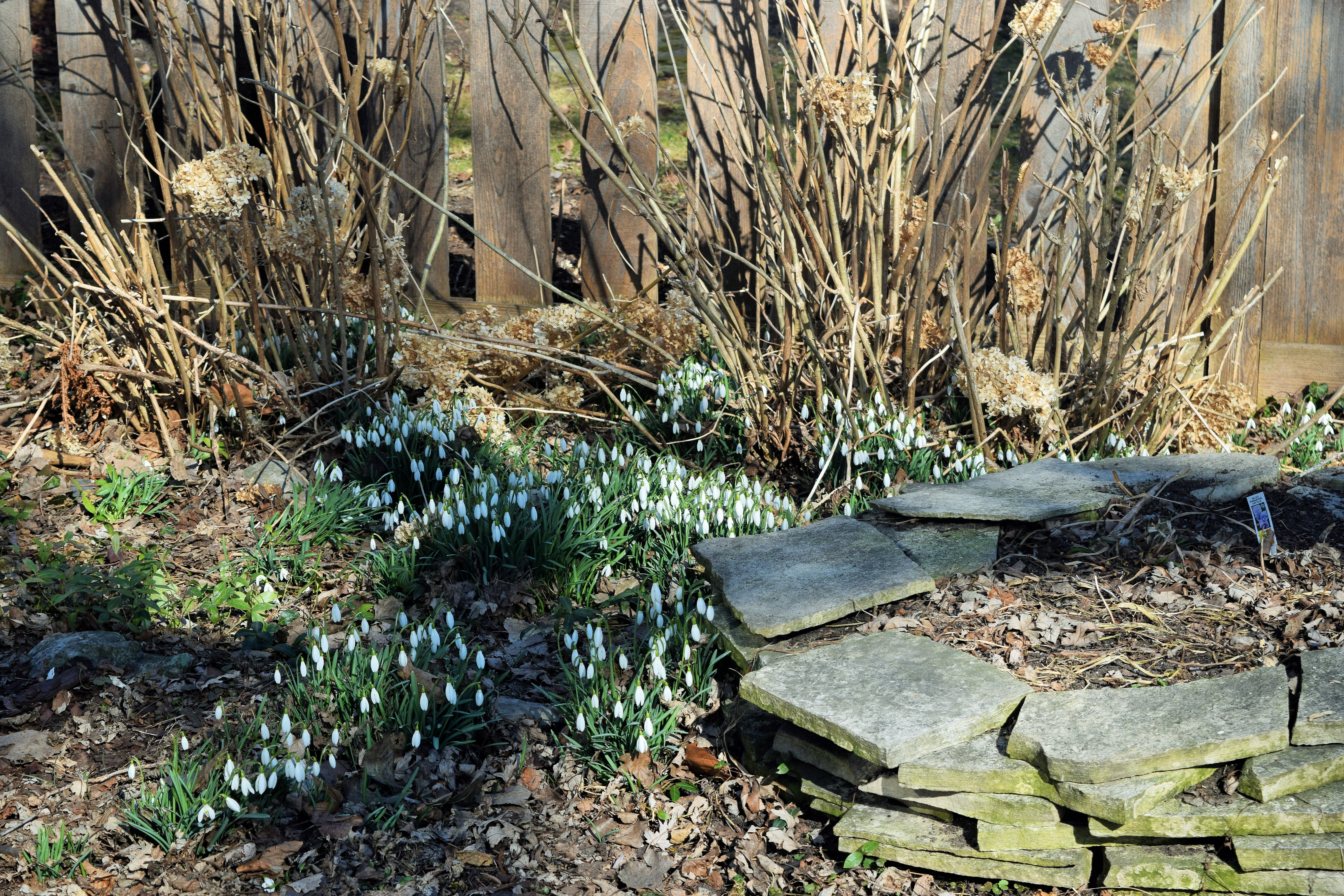
Snowdrops just past their peak.
You can see some of the flowers here have faded.
You can see some of the flowers here have faded. Notice the foliage of Virginia Bluebells nearby.

The Snowdrops (Galanthus nivalis and G. elwesii) are just past their peak.

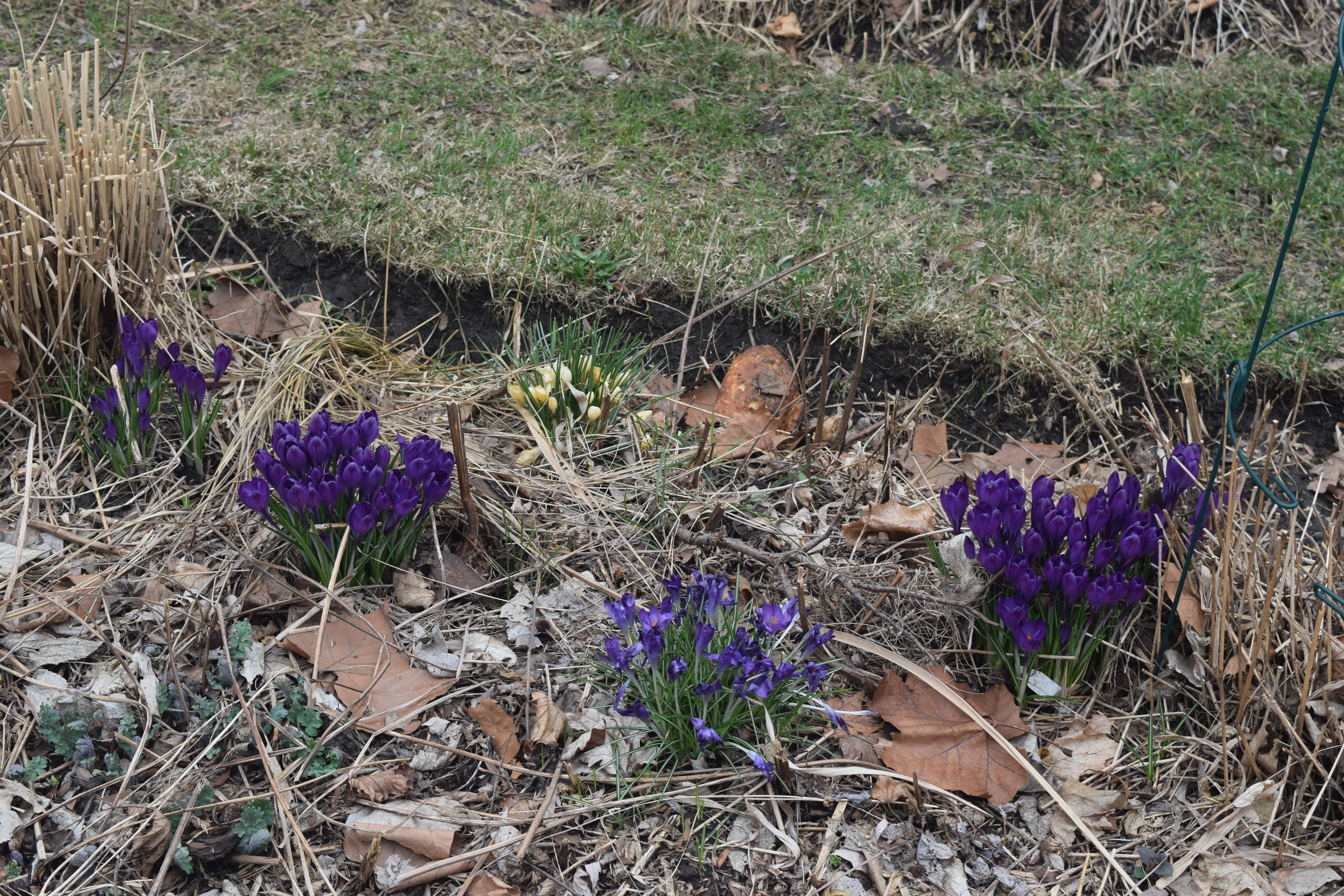
Crocuses in the sidewalk border.
More Crocus in the sidewalk border.

Some early Crocus (various species) are fading, but are replaced by others: purple, violet, yellow, white. The blooms are remarkably cheerful, but they do not last very long. I never did write down the names of the varieties I planted, darn it.

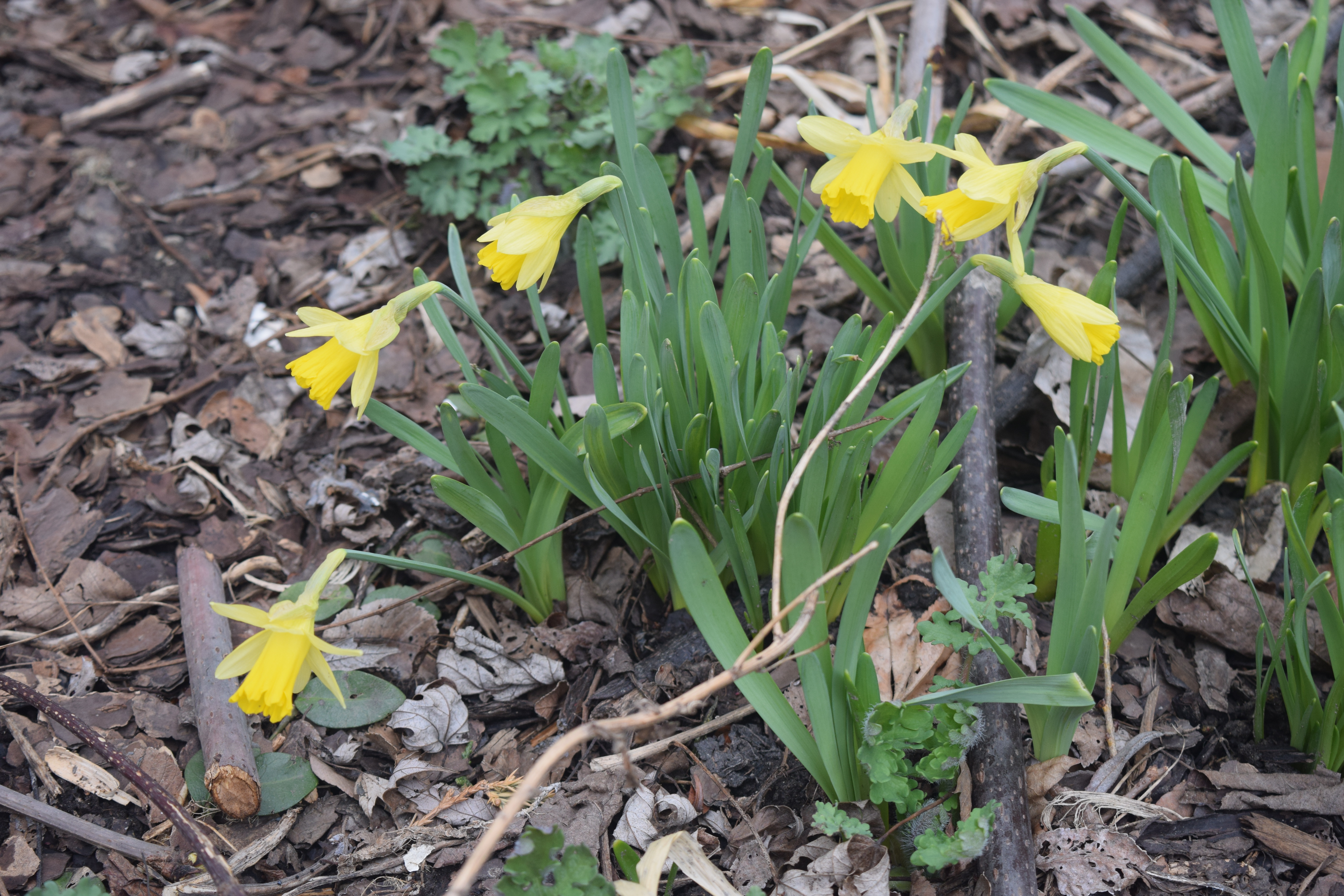
Narcissus 'Tete a Tete'
Narcissus ‘Tete a Tete’
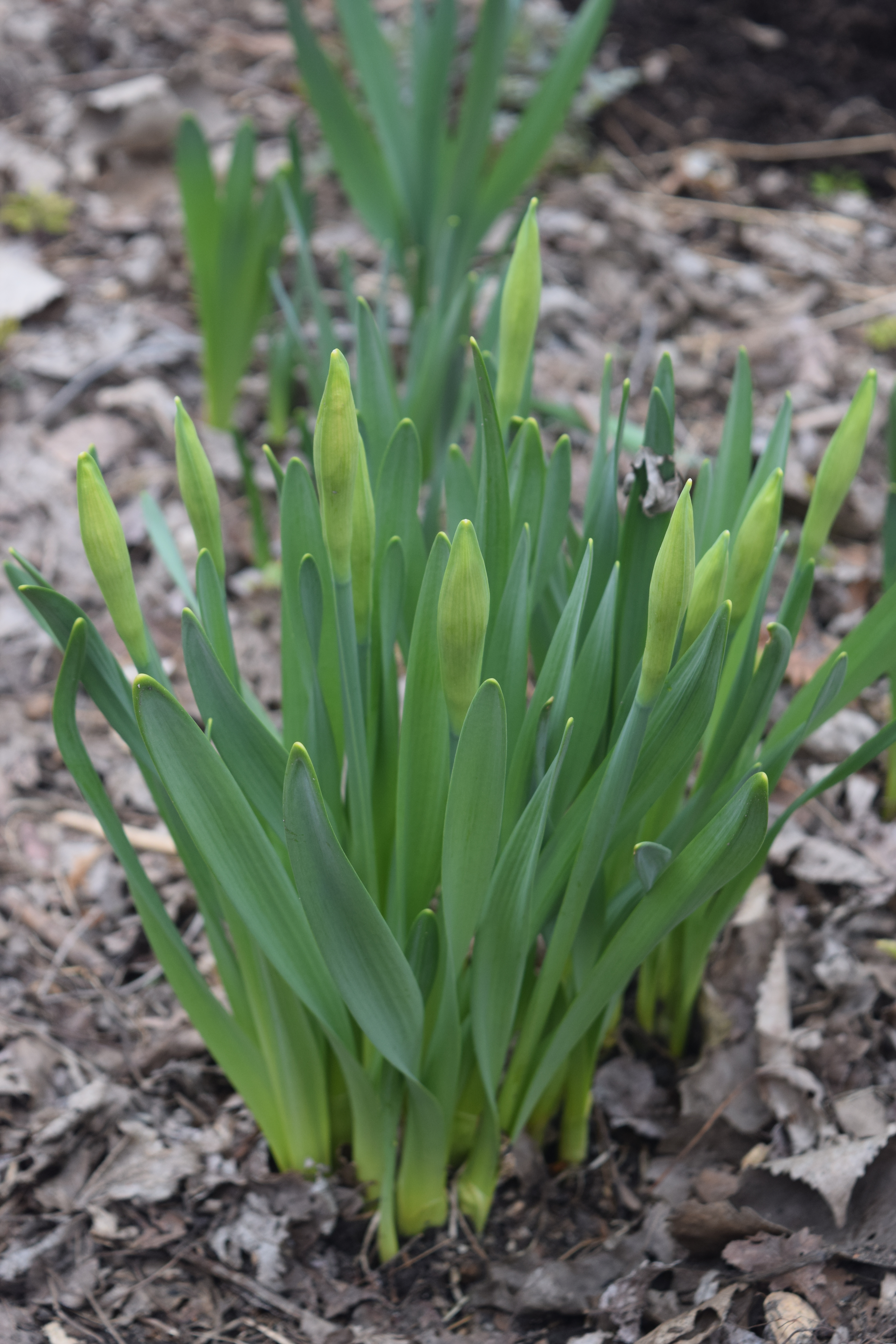
Narcissi in bud.
Narcissi in bud.

Narcissus ‘Tete a Tete’ is the first to bloom, but other varieties are just in bud and will need another week or two.

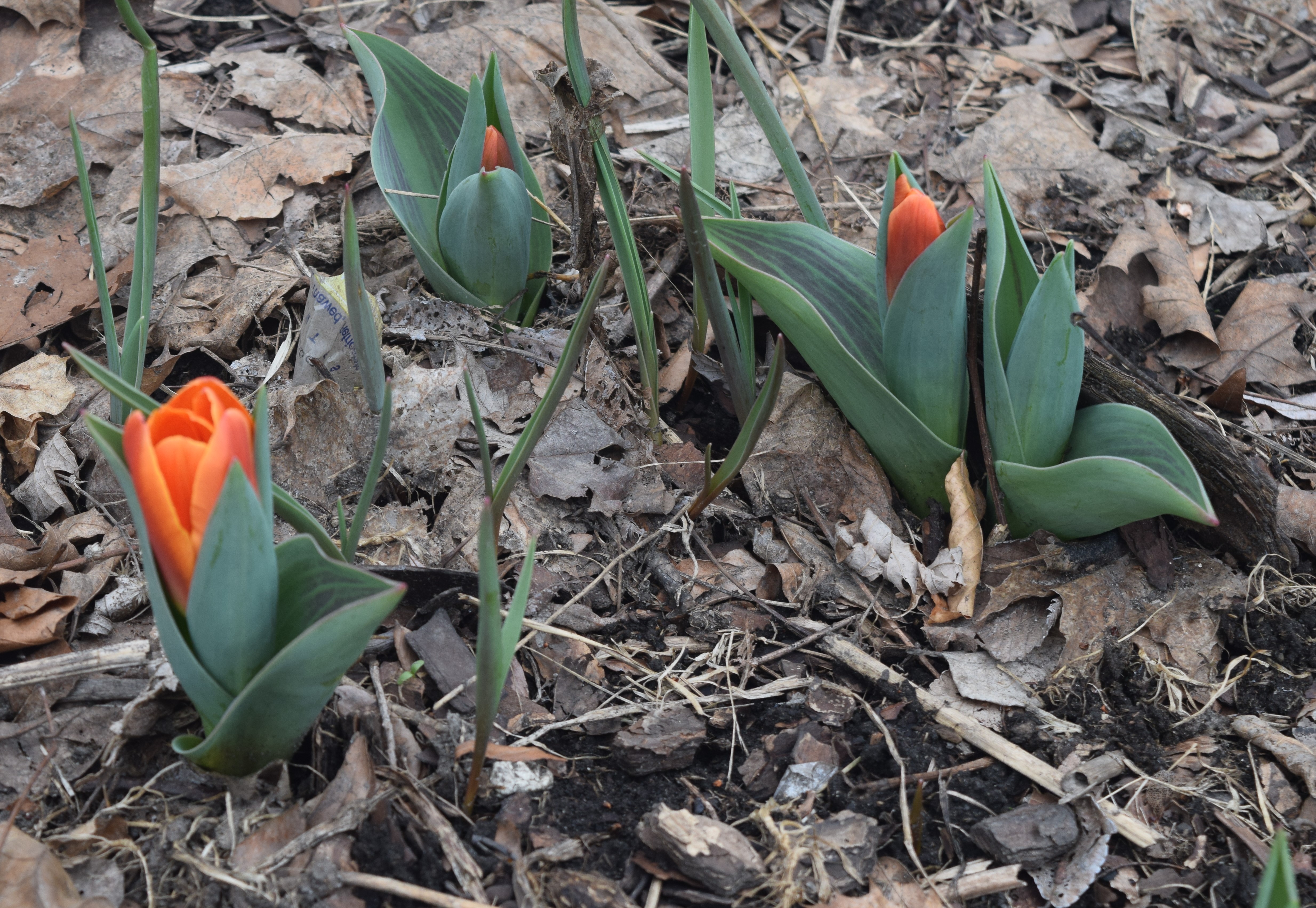
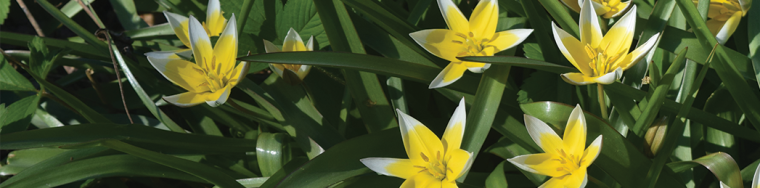
'Early Harvest', or as I like to call it, 'No-Neck Tulip'.
‘Early Harvest’, or as I like to call it, ‘No-Neck Tulip’.

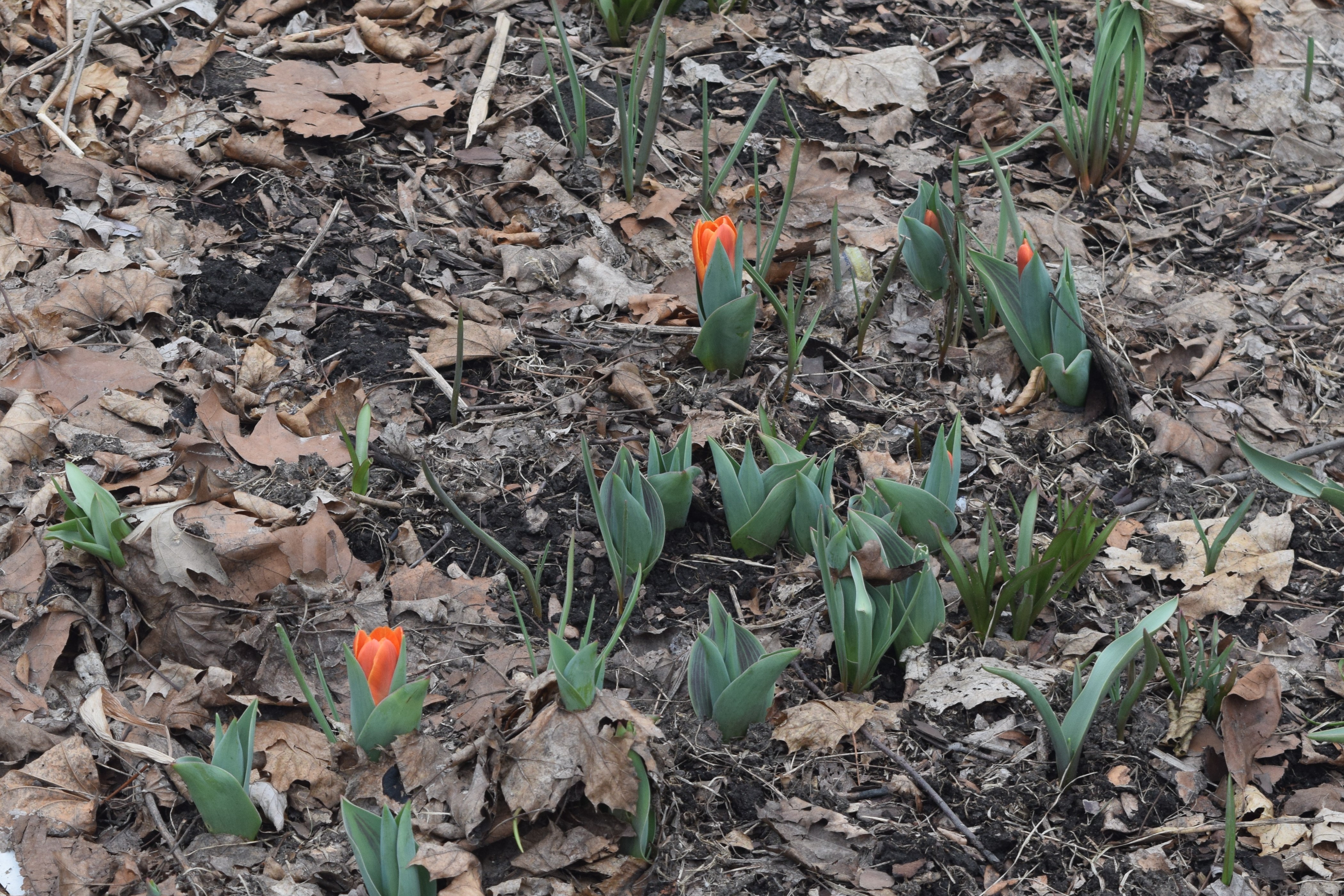
Tulipa kaufmanniana ‘Early Harvest’ is also showing just a few of its very first flowers. This is a new variety for me, and first time I have seen a tulip’s tepals fully colored while still cradled in the foliage. Pictures I have seen of ‘Early Harvest’ show short but visible stems. I hope the stems eventually grow on mine, otherwise I will have to call them the No-Neck Tulip. I also have a bunch growing in pots, but they are not yet showing any blooms.

'Early Harvest': can't wait to see them all in bloom.
‘Early Harvest’: can’t wait to see them all in bloom.

Anyhow, I really do like the color of this tulip and it I am eager to see the effect when all are blooming together (I planted 50). ‘Early Harvest’ is a remarkably early tulip and like other varieties of this species has nice mottled foliage.

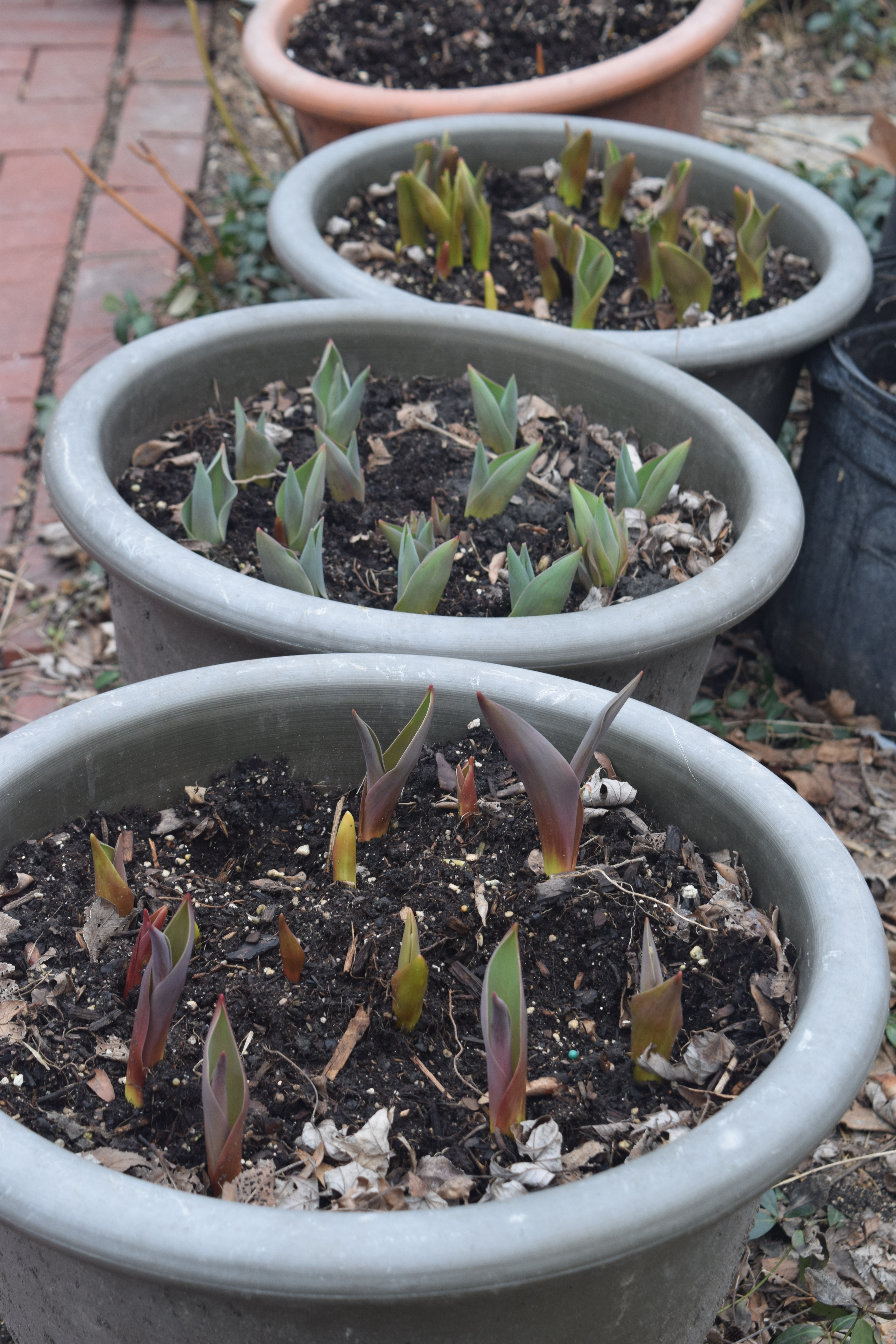
My container tulips. So exciting! I just wish I had remembered to write down which varieties were planted together in which pots.

Foliage has emerged and is growing rapidly in all eleven of the tulip pots. A few are still sleeping, but my most recent count showed 86 bulbs up and accounted for. Also, all five of the bulbs in my one Hyacinth (Hyacinthus orientalis) pot have shown themselves.

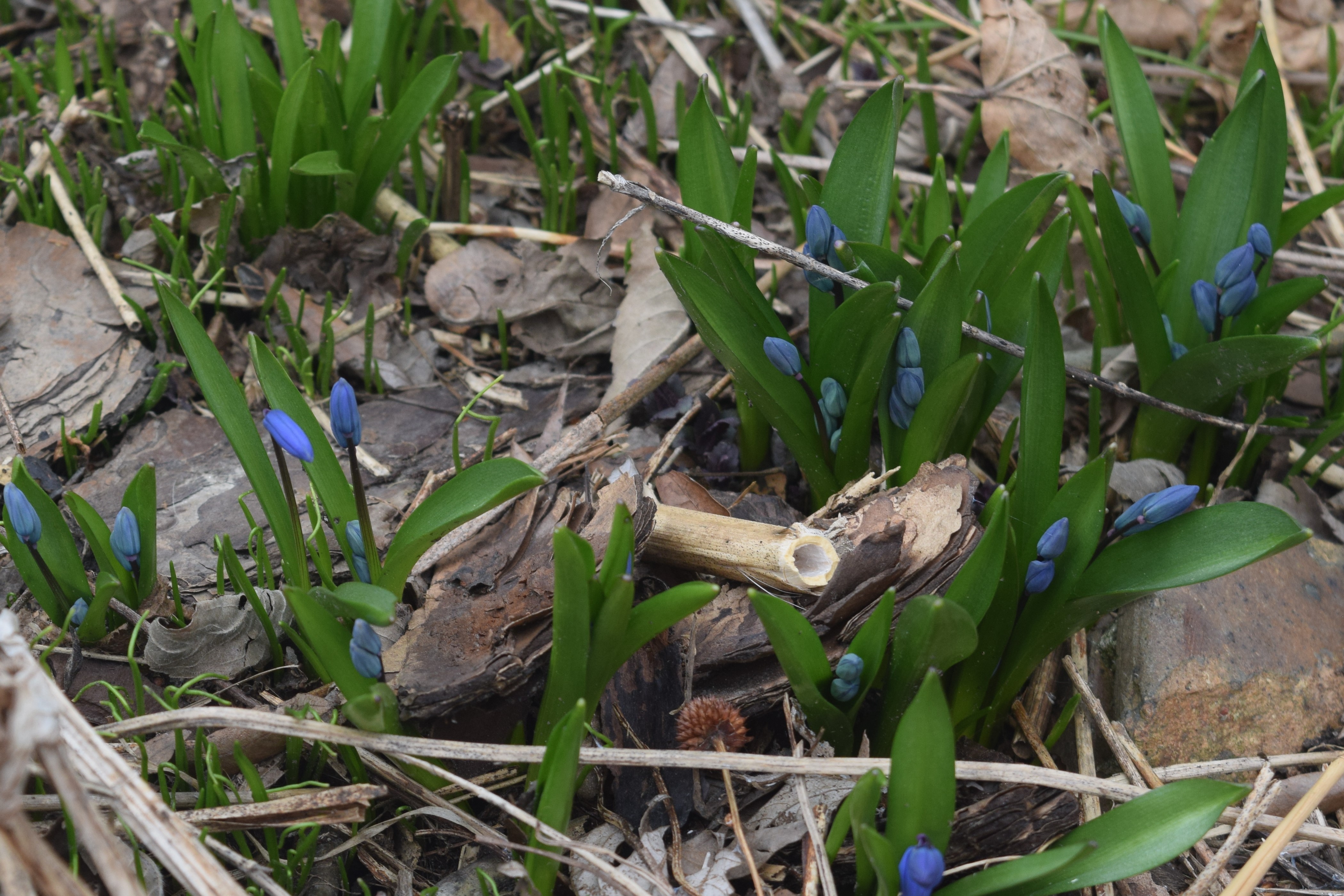
Squill on the verge of blooming.

2015-04-03 10.50.46 squill

Squill (Scilla sibirica) is a supporting player in the second act. It is almost ready to declare its presence on stage with dark blue flowers.

How are your spring bulbs performing this year?

Goodbye to Yew, and Other Developments

Downsizing the Yew.

When I was a kid, my family sometimes took vacations at a cabins-on-a-lake-in-the-woods sort of resort. I remember that at the gift shop they sold a t-shirt that said “I Pine Fir Yew and Balsam, Too”. Anybody else remember a t-shirt like that?

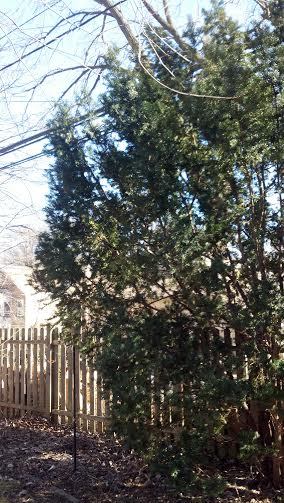
Here's a picture I took of the Japanese Yew with my camera. The photos in this post are all mine, Judy's been travelling for her job.
Here’s a picture I took of the Japanese Yew with my phone. The photos in this post are all mine, Judy’s been travelling for her job.

Anyhow, I decided to prune the big Japanese Yew (Taxus cuspidata) in the back garden last weekend for two reasons. First, it was climbing up into the power/telephone wires that are strung along the alley. And second, I noticed that the leader of the new and nearby ‘Golden Raindrops’ crabapple was leaning away from the Yew, which probably meant it was getting too much shade from its neighbor.

Corona folding saw. I gotta say, it worked like a dream. Small but mighty.

So I got my loppers and my nifty little Corona folding saw (swag from the Portland Garden Bloggers Conference) and went to work.

Now, I should say that we don’t really like this Yew, and have been tempted to get rid of it. It’s dark and hulking and boring – it just stands there, doesn’t fruit or flower or change color or anything. Although, it’s a good screen for a section of the alley. Plus it’s the only evergreen we have, and the birds like to hang out in it.

Here's the side of the Yew facing the 'Golden Raindrops' crabapple.
Here’s the side of the Yew facing the ‘Golden Raindrops’ crabapple.

My intent was not to give the Yew a flat top haircut. Rather, I wanted to find the stems that were either giving the most shade to ‘Golden Raindrops’ or messing with the wires.

I really love pruning, it’s very satisfying. Once I got going, I was sorely tempted to keep at it until there were only a couple of stumps left. But I restrained myself, and finished after about 1/3 of the Yew was removed.

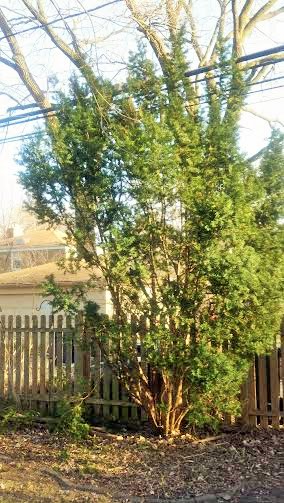
Here's an After picture. Some stems are still as tall as the wires, but they are growing in front of and not through the wires.
Here’s an After picture. Some stems are still as tall as the wires, but they are growing in front of and not through the wires. Sorry these shots aren’t better, it’s not easy to see the changes.

When she returned home, I asked Judy how she thought my pruning job looked and she answered, “Well, it doesn’t look any worse than it did before.”

Container Tulips Coming on Strong

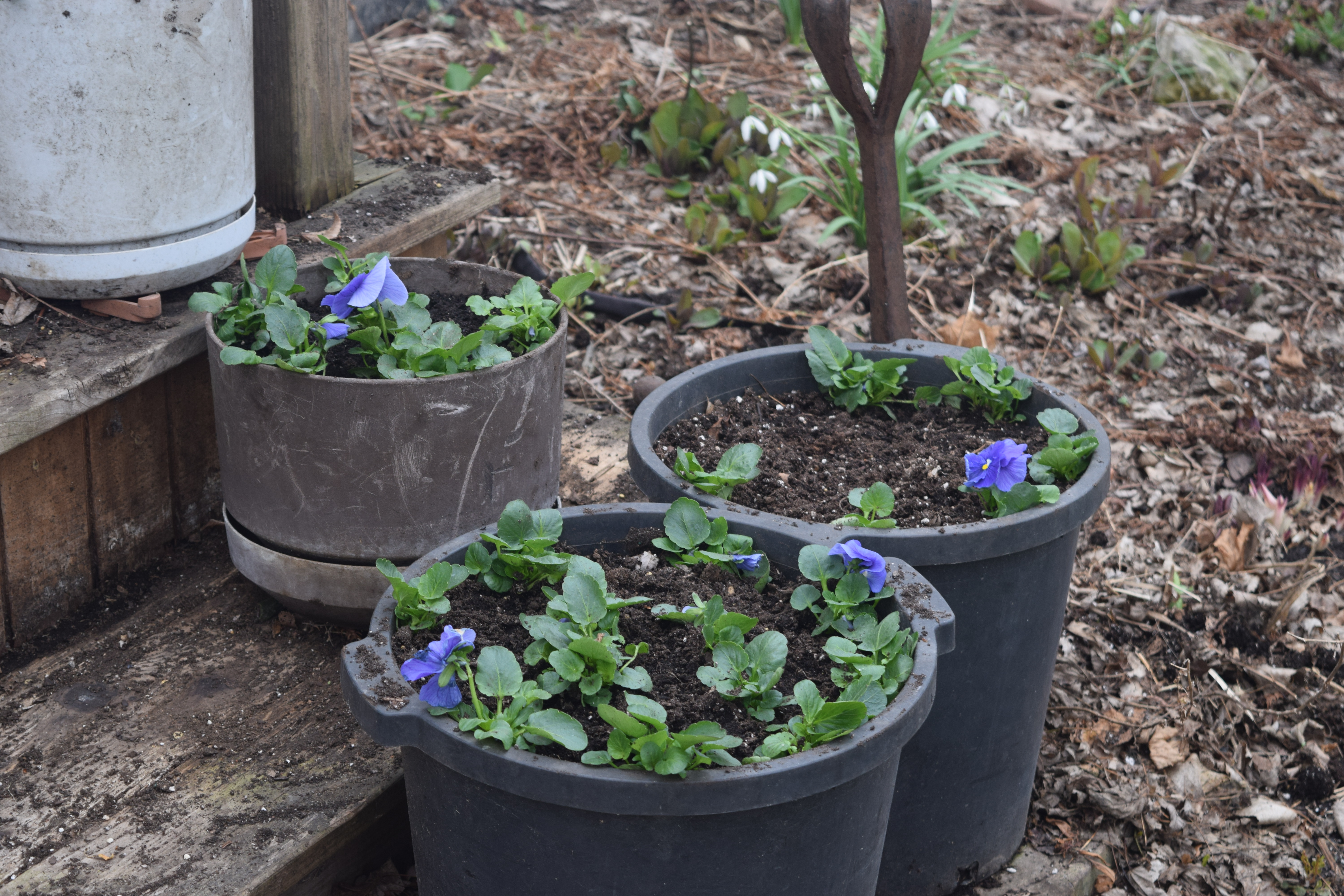
Container tulips
Container tulips

There are now 65 tulips (out of 120 planted) coming up in 10 of the 12 containers – only two have yet to show any signs of life. Hope to see the remainder of the tulips before long. Plus all five of the ‘City of Haarlem’ Hyacinths (Hyacinthus orientalis) have shown themselves.

Crocuses are Blooming

Crocuses blooming in the Sidewalk Border.

Though it is annoying that they won’t all bloom at the same time. Here are some Crocus tommasinianus.

More on tulips and crocuses in future blogs!

The Five Worst Plant Names in the Universe

There are days when I ponder the deeper questions: Why is there evil in the world? Why is it that in our house 1-2 of my socks lose their mates in the laundry every single week (and I’m the one who does the laundry)?

That comes to an average of 78 socks a year – where do they all go?

Also, why are there so many plants, including some very nice plants, that have such awful names?

The scientists at Stanford University’s Institute for Post-Modern Botanical Studies (IPMBS) have been researching that last question. They have not yet gotten to the causes of awful plant names.

Senior researchers from the IPMBS.

However, using the most advanced technology, they have been able to measure plant name awfulness. With their pioneering technique (patent pending), they have identified the five most awful plant names in the universe. So here they are, ranked in order of least to most awful.

(Trigger Warning: This blog post may be upsetting to younger or more sensitive readers.)

Old Fashioned Bleeding Heart
Old Fashioned Bleeding Heart.

Lamprocapnos spectabilis. I have written about this before, but the name really bugs me – and, of course, the great minds at the IPMBS. What is generally called Bleeding Heart used to be Dicentra spectabilis. Now Dicentra is a nice name, it rolls off the tongue with elegance: Dicentra … But of course the taxonomists had to replace Dicentra with Lamprocapnos, which is clunky and clumsy and almost hurts your mouth when you say it.

Ilex vomitoria. Bad enough that Yaupon Holly got this name at all, what’s worse is that the name is actually a libel. Native Americans made a tea from the leaves and stems for a purification ceremony which included vomiting. Europeans incorrectly thought that Yaupon caused the vomiting. It didn’t. But for some reason the taxonomists don’t consider this to be sufficient reason to come up with a better name. Yaupon has abundant red berries and is common in parts of the Southern US.

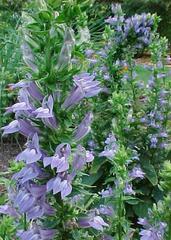
Great Blue Lobelia (Lobelia siphilitica). Photo from Missouribotanicalgarden.org/PlantFinder.

Lobelia siphilitica. Great Blue Lobelia is a lovely perennial for moist soils. At one time it was thought (wrongly) to be a cure for syphilis. Now that we know, couldn’t they change the specific name to something more seemly and, you know, factual? The genus name honors the Flemish physician and botanist Matthias de l’Obel – but in this instance the honor seems rather hollow.

Amorphophallus titanus. This name means “giant misshapen penis”. Common names include Giant Titan Arum, which seems redundant, but whatever. You can actually buy them from Plant Delights Nursery, here’s a link. PDN warns that only “passionate and very serious plant NUTS” should buy this plant. What more is there to say?

And finally, the absolute worst plant name in the universe:

Hydrangea paniculata ‘Pinky Winky’. ‘Pinky Winky’? Couldn’t they have left this plant with even a shred of dignity?

Are there any other plant names that you would nominate for worst in the universe?

Favorite Fragrant Flowers for Future Reference

Joseph Tychonievich has an excellent article on fragrant plants for the garden in the most recent issue of Fine Gardening. (A brief digression: the most recent issue of Fine Gardening is the June issue. The June issue arrived at my house on March 27th. I don’t mean to be picky, but this makes me feel a bit disoriented as to time, or as if I lived in a localized time warp that lagged eight weeks behind the rest of the universe.)

Casa Blanca Oriental Lily
‘Casa Blanca’ Oriental Lily

Anyhow, back to fragrant plants. The reason I said this was an excellent article is that it talks about plants that 1) I have never heard of; and 2) now that I have heard of them I must have them.

For example, Bush Clematis (Clematis heracleifolia). I didn’t even know there was such a thing. But there is (or Joseph Tychonievich is making things up just to be cruel). It is a compact, upright and mounding plant that grows in sun or part shade, is hardy to USDA zone 5, and has long-blooming flowers that smell like Hyacinths. Where has this plant been all my life, and why have I never noticed it in a catalog or at the garden center? For more information on this plant, click here.

Red or Swamp Milkweed prefers sun and moist soil.

Here’s another one that is completely new to me: Pale Evening Primrose (Oenothera pallida). This is a well-behaved Evening Primrose, “intensely fragrant, smelling of almond and jasmine”, according to the article. Allegedly it flowers from late spring to frost, and is hardy from zone 7 all the way north to zone 3. Native to western North America, more info here.

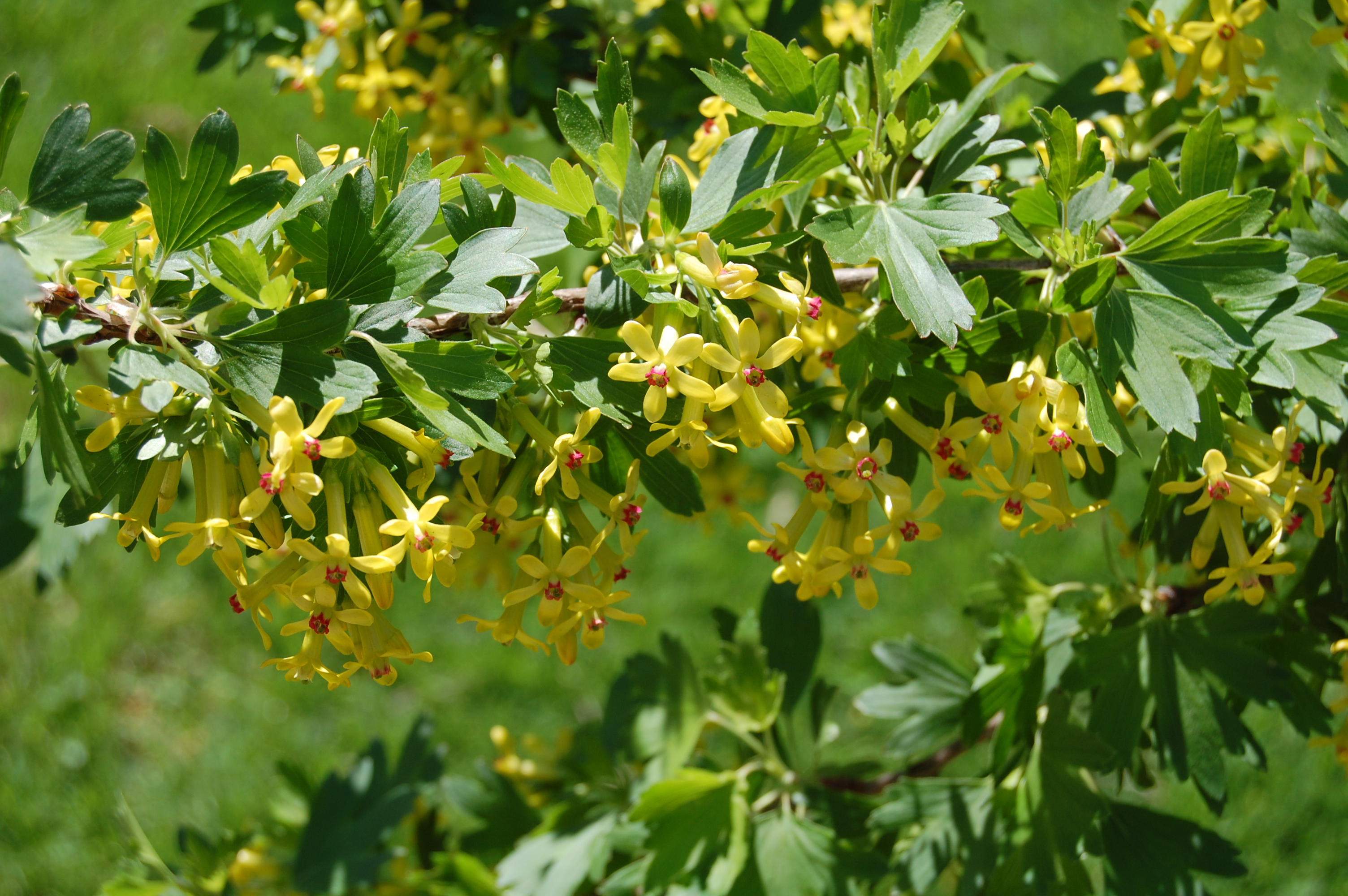
Clove Currant
Clove Currant in flower

I won’t list all the plants described in this article, but I do want to mention one more, one which I had heard of but had no idea that it was fragrant: Thimbleberry (Rubus odoratus). Although given the botanical name you’d think I would have guessed. Anyhow, this is an easy plant native to eastern North America. It produces fruits that are like little raspberries (it’s in the same genus with raspberries and blackberries). The common name Thimbleberry is also sometimes applied to Rubus parviflorus, which grows taller. More info here.

The best fragrant plants I’ve grown in my garden to date are Oriental Lilies, Swamp Milkweed (Asclepias incarnata – smells like vanilla), Clove Currant (Ribes Odoratus), and Sweet Alyssum (Lobularia maritima). But I love fragrant plants, so I’m definitely going to try to make room for some aromatic newcomers.

Do you have your eye on any new fragrant plants for your garden? What are the sweet-scented favorites that you grow now?

Winter Strikes Back

Oh, did I mention that when I got up Monday morning, there were several inches of snow on the ground? And that snow was still falling thick and fast?

Some of you have already seen this picture on Facebook. This is me on Monday morning, getting ready to drive out of town.

I guess that’s because I went into a period of deep denial. The denial was helped by the fact that I had to drive to Springfield, 200 miles south of Chicago – far enough that there isn’t any snow to be seen.

Early spring snowstorms are not too uncommon in Chicago. It was an April snowstorm in 1979, and its bungled cleanup, that resulted in the election of the only woman to be mayor in Chicago’s history. Ever since then, snow removal has been downright fastidious during election years.

Anyhow, I’m driving back to Chicago tomorrow, and I don’t even know if the snow is melted yet (Judy’s also out of town until Sunday). I certainly hope to have a snow-free garden by Saturday.

Goldfinches Getting Ready for Summer

American Goldfinches have been active at the feeders lately. Over the weekend Judy took some photographs of male Goldfinches that show them almost done with molting out of their winter plumage, which is a dull gray.

American Goldfinches at the nyjer feeder.

Some time ago I wrote a post about why male Goldfinches are golden, which you can read here.

Goldfinches
Goldfinches

Basically, it’s all about attracting the lady Goldfinches. In reality it is not summer they are getting ready for, but the mating season.

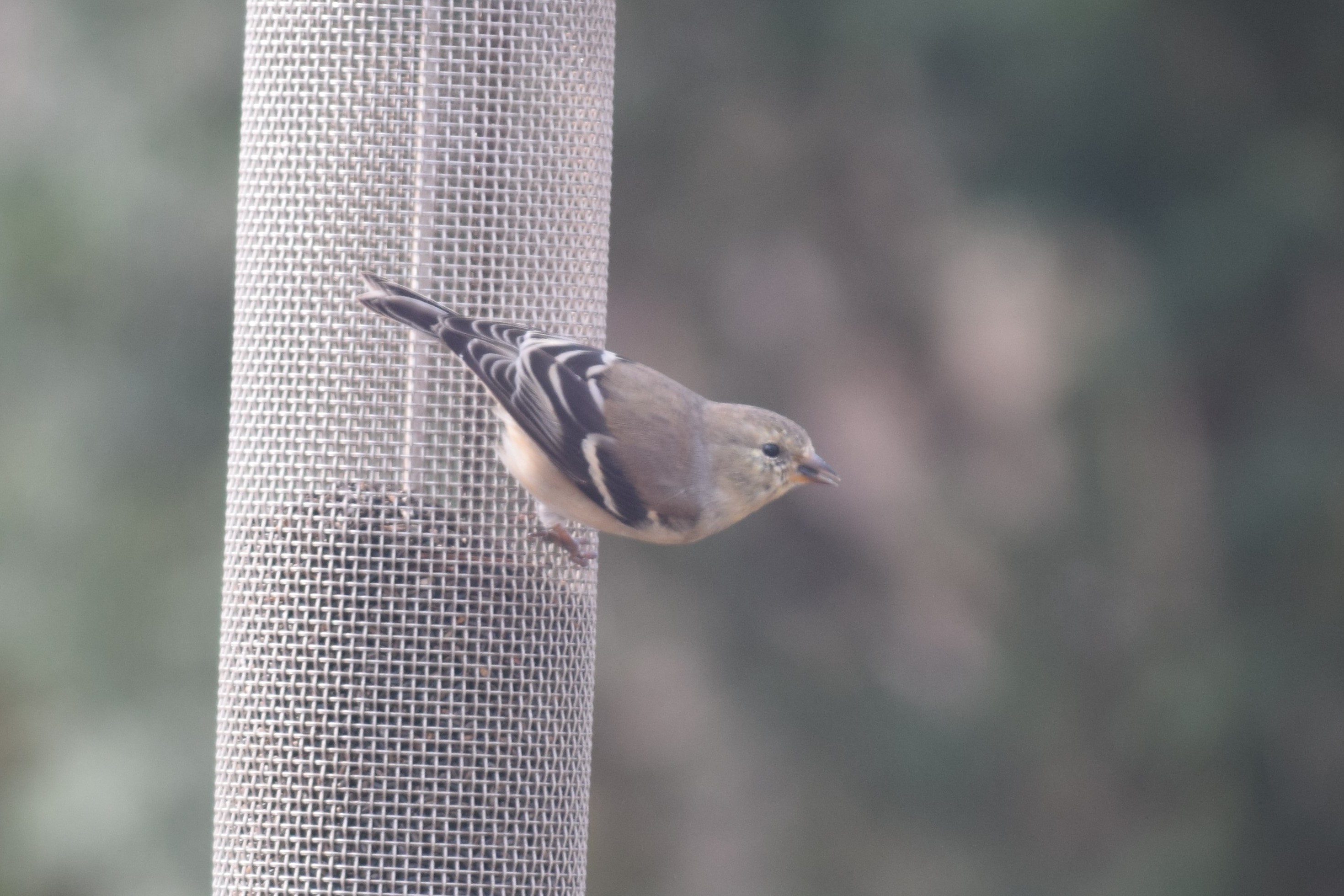
Male American Goldfinch in winter.

Here’s what the male goldfinch looks like in winter.

Molting male American Goldfinch.

And here’s he is early on in the molting process.

Female American Goldfinch

The females don’t bother with bright colors. It’s the males who have to prove themselves, apparently. Whether this is fair or not I leave to the judgement of others.

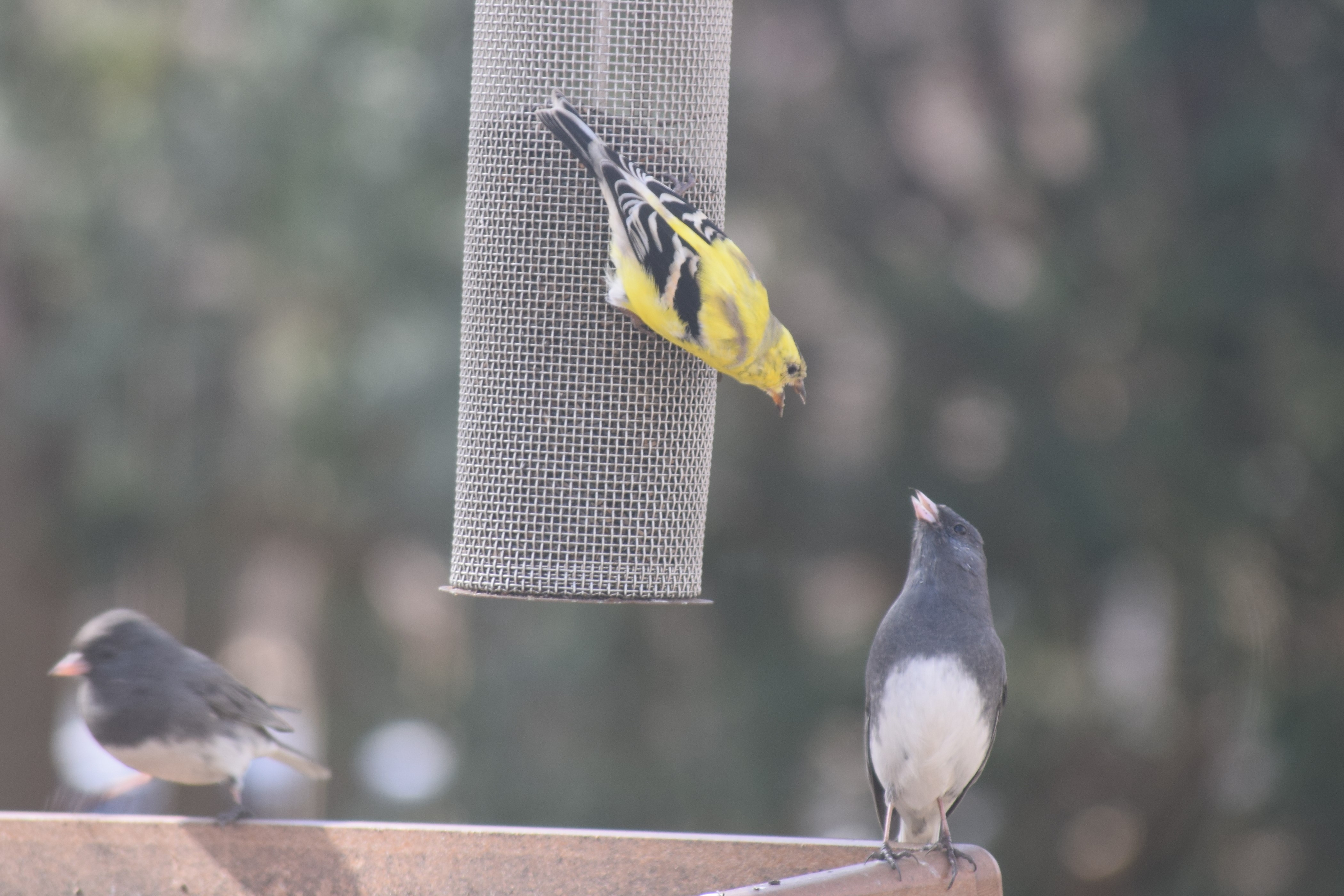
Goldfinch having an argument with a Dark-Eyed Junco.

Though they are more skittish around people than the chickadees, goldfinches are still endearing little birds.

They agree to disagree.

They have an odd, bouncy way of flying and a chattering song, which you can listen to here.

Do you have Goldfinches in your garden?
More Spring Cleanup and Foliage Day

More good progress on garden cleanup this weekend. Mostly on Saturday, which was cool and sunny. Sunday was cold (about 32 degrees F, or 0 C), so I didn’t put in as many hours outside.

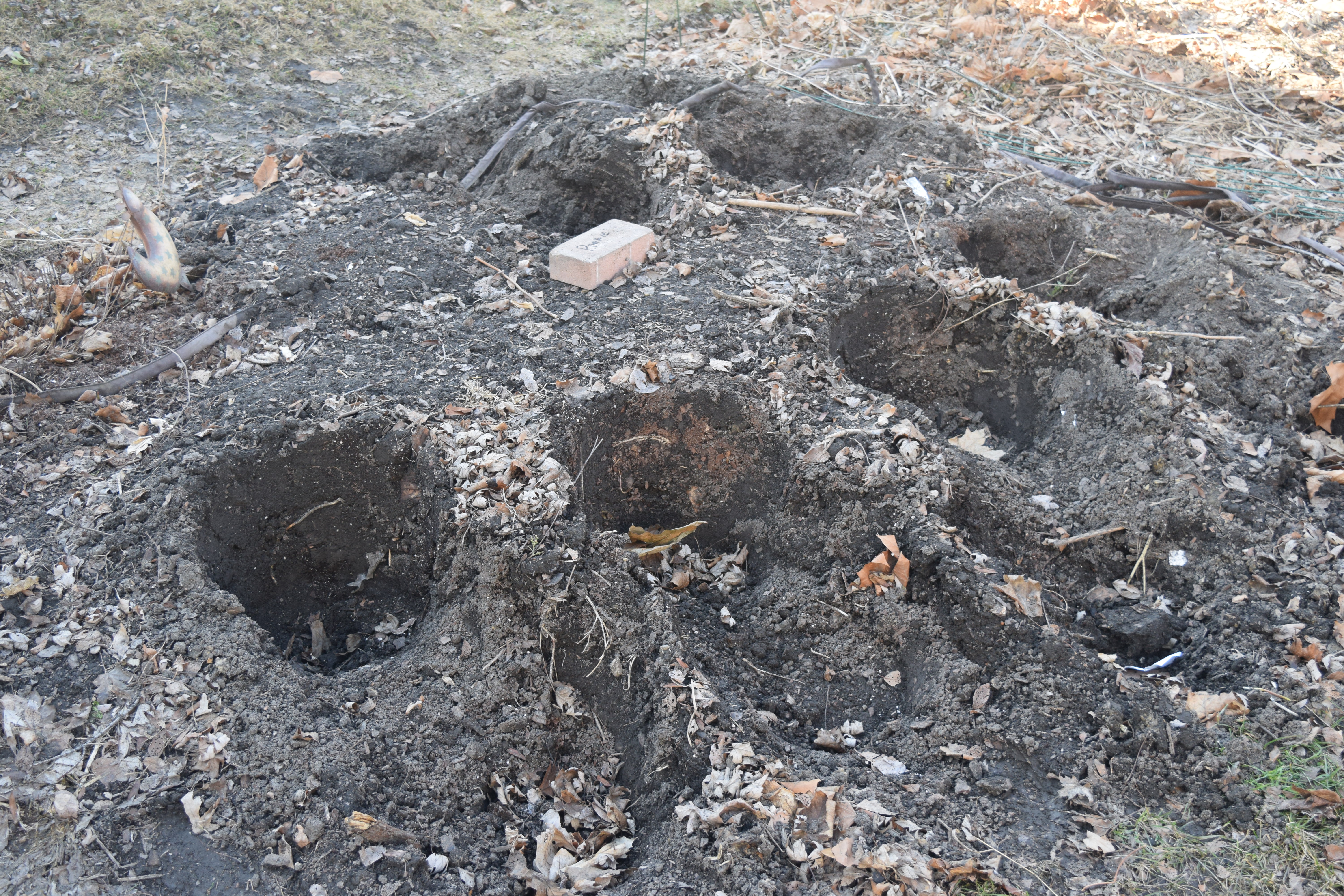
My biggest single cleanup accomplishment was digging out the containers planted with tulips. They had been buried in the cutting/herb/vegetable bed, which now looks like this.

Holes in the ground where the container tulips used to be.

I really wanted to get these containers out of the ground because I figured they would drain better and warm up faster. You do not want your tulip bulbs sitting in too much moisture, and after the melting snow the ground is on the wet side.

Container tulips, still in hiding.

I lined up the containers along the walk and steps to the house.

Container tulips emerge.

There were signs of life in four of the twelve containers. I’m guessing these are ‘Early Harvest’, a variety of Kaufmanniana tulip, which comes up very early indeed.

On the 22nd of each month, Christina of My Hesperides Garden hosts Garden Bloggers’ Foliage Day. Click on the link to see more spring foliage. As for our garden, I’m thrilled to have the little bits of nascent foliage that we have, even if they don’t look like much.

DSC_0528

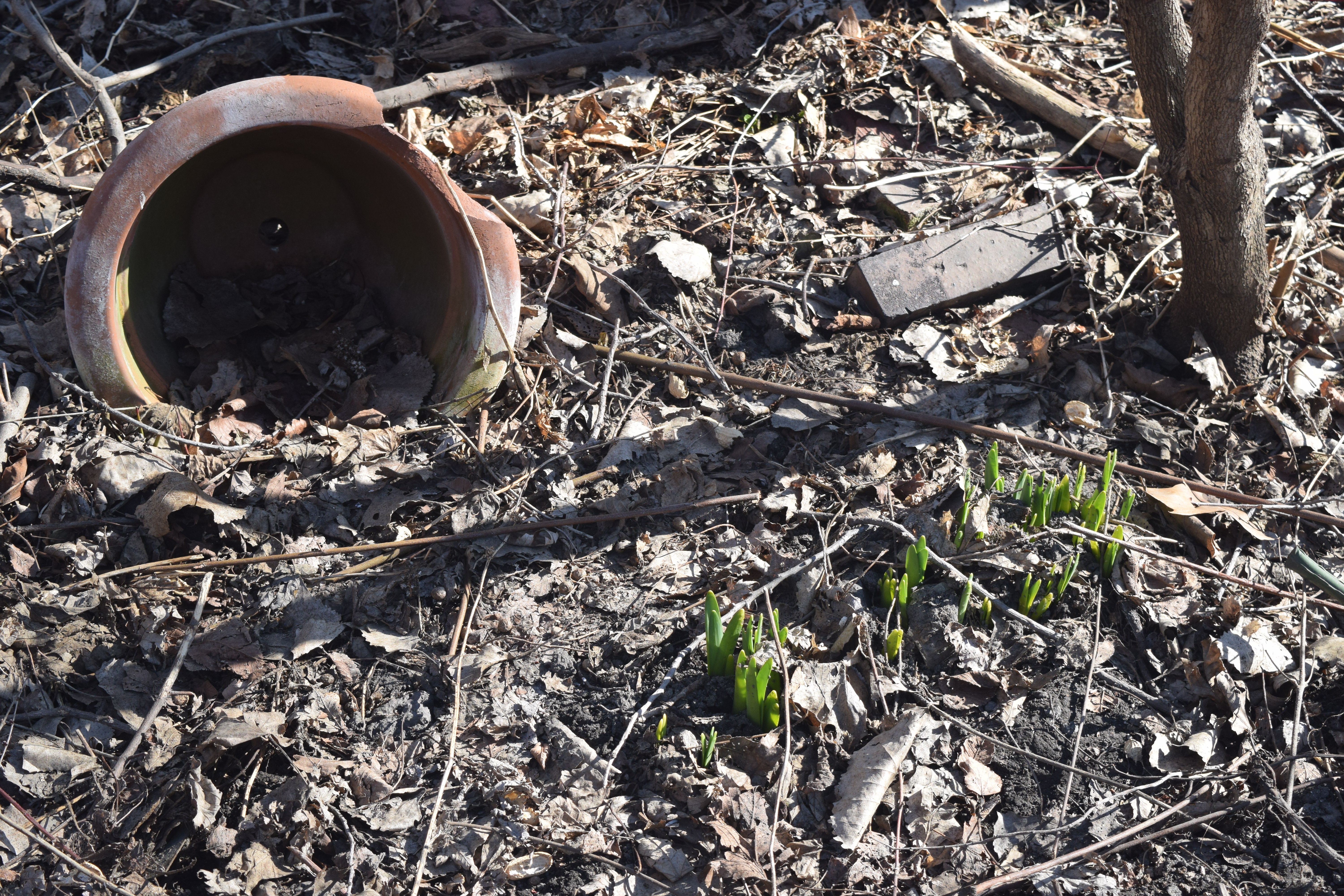
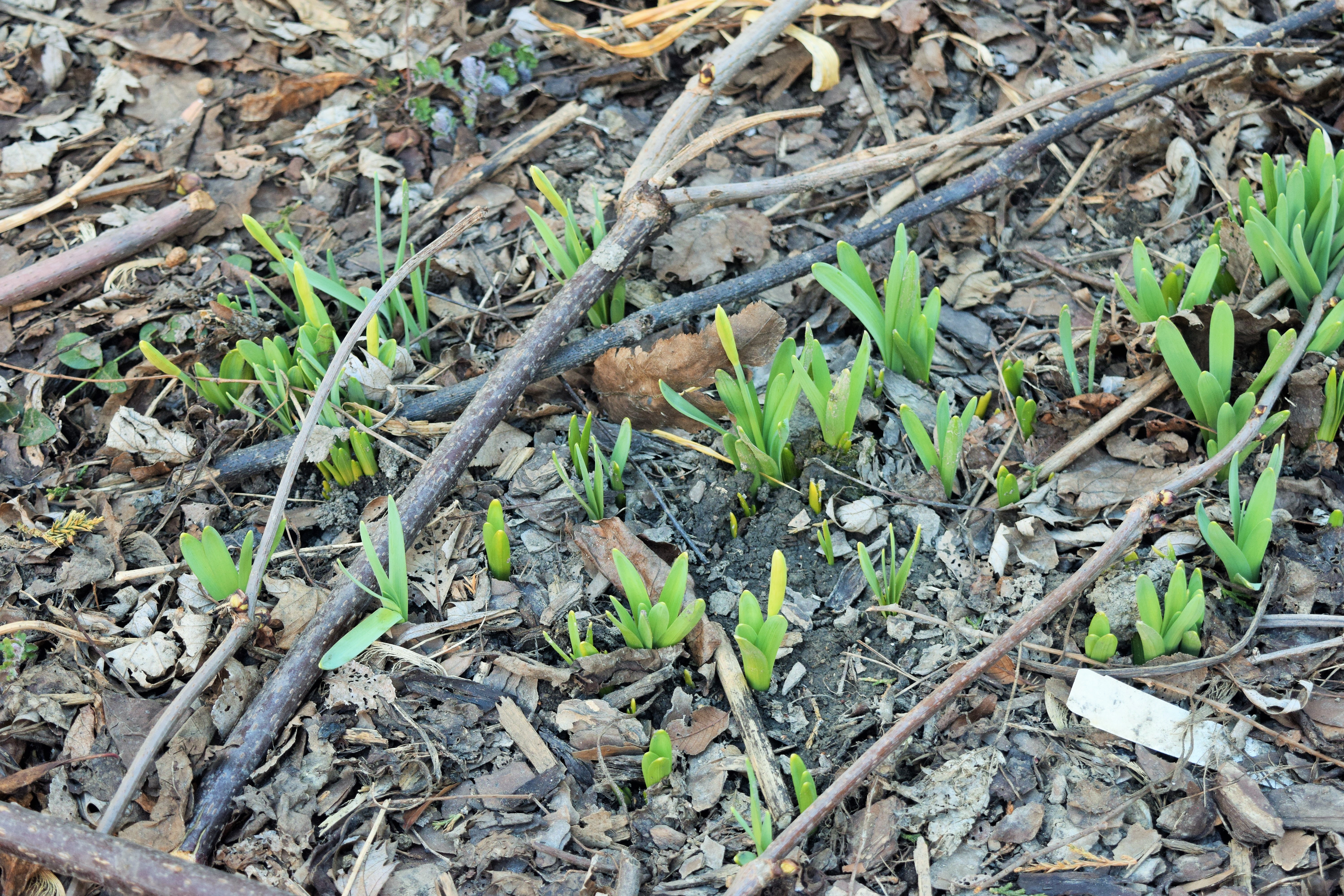
There are Narcissi emerging here and there. Looking at this picture I realize that this is a post only a gardener could love, or like. Who else would care about tiny green bits sticking up out of the mud? And yet to me it is the poetry of spring. But in any case, onwards.
Narcissus 'Tete a Tete', I think.
Narcissus ‘Tete a Tete’, I think.

I think this is N. ‘Tete a Tete’. If you look closely you can see that a couple have the beginnings of flower buds.

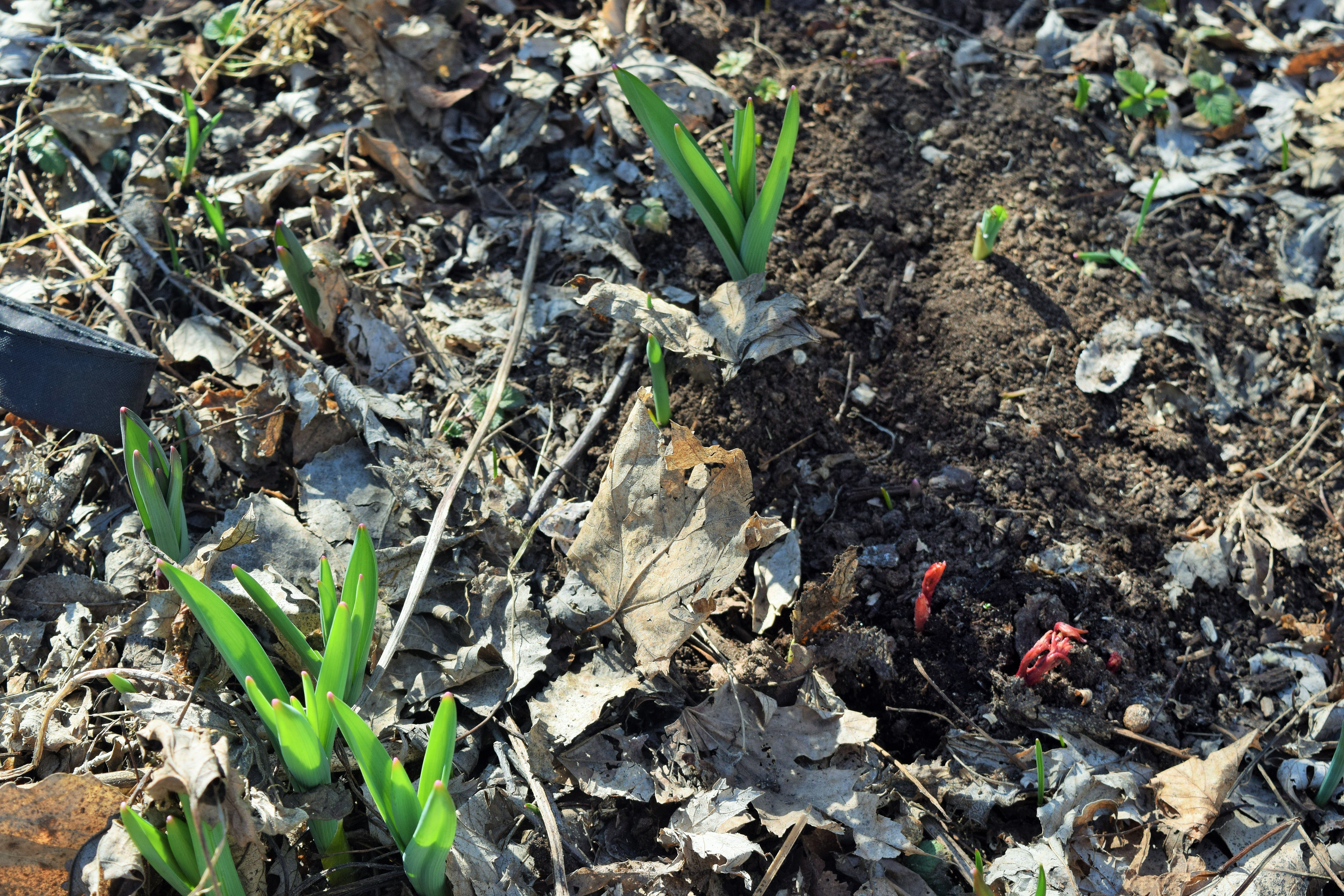
The little red bits would be the peony. Takes your breath away, I know.

Here are some ‘Purple Sensation’ Allium, along with the very beginnings of one of the ‘White Swan’ peony that I planted last fall.

Prairie Smoke
Prairie Smoke

Prairie Smoke (Geum trifolium) is just starting to come to life. I planted quite a few new ones last fall.

DSC_0521
Snowdrops

There are a few blooms, but not many as yet. The Snowdrops have come into their own.

Crocus
Crocus

A few of the crocuses are also in flower. I don’t plant crocus any more, because rabbits and squirrels treat them like gourmet treats. Even so, I am always glad to see them.

More crocus.
More crocus.

Many early spring flowers open and close their flowers depending on how warm or sunny it is. These purple crocus have closed shop until the weather to improves.

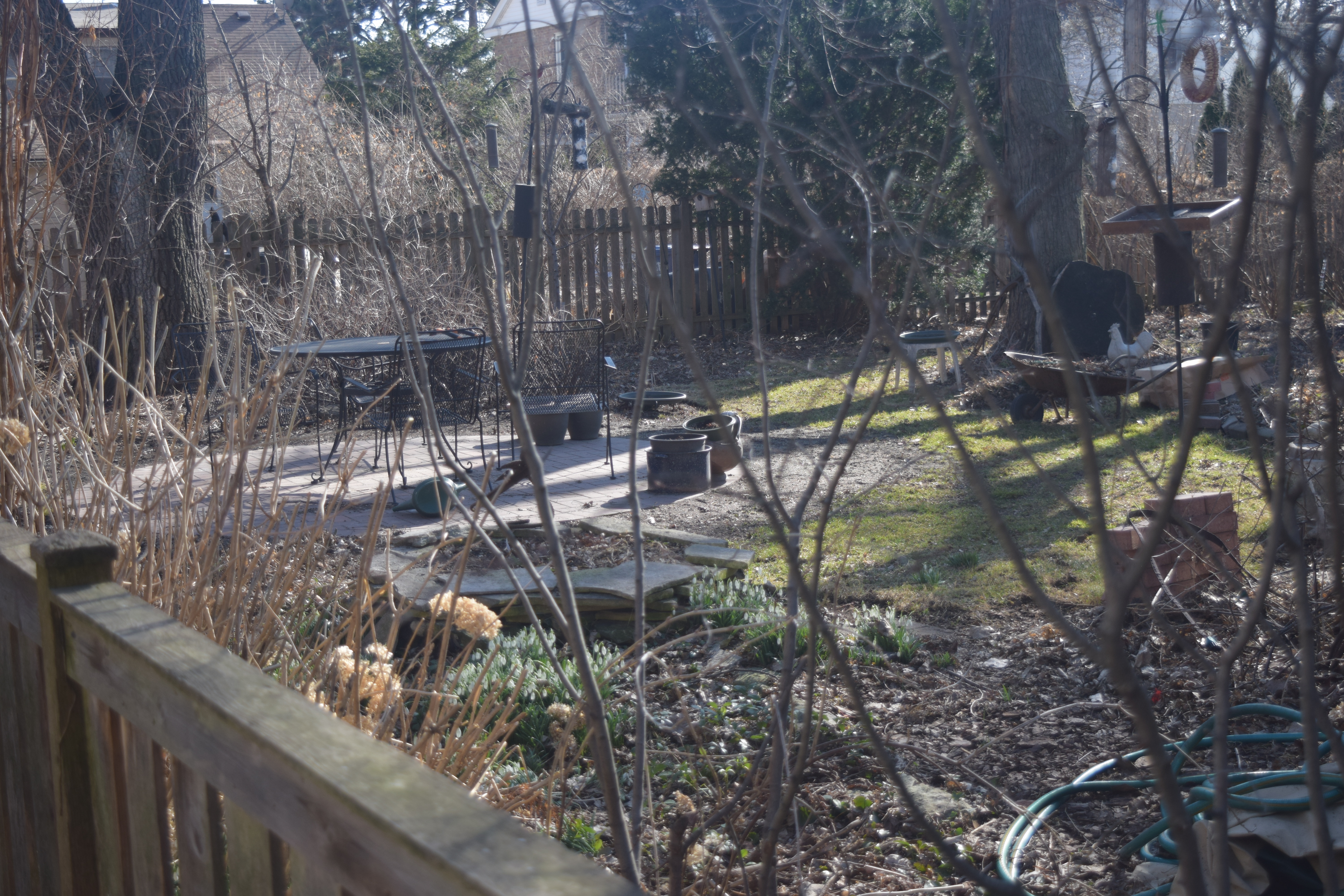
Back garden, March 22, 2015.

Here’s an overview of the back garden.

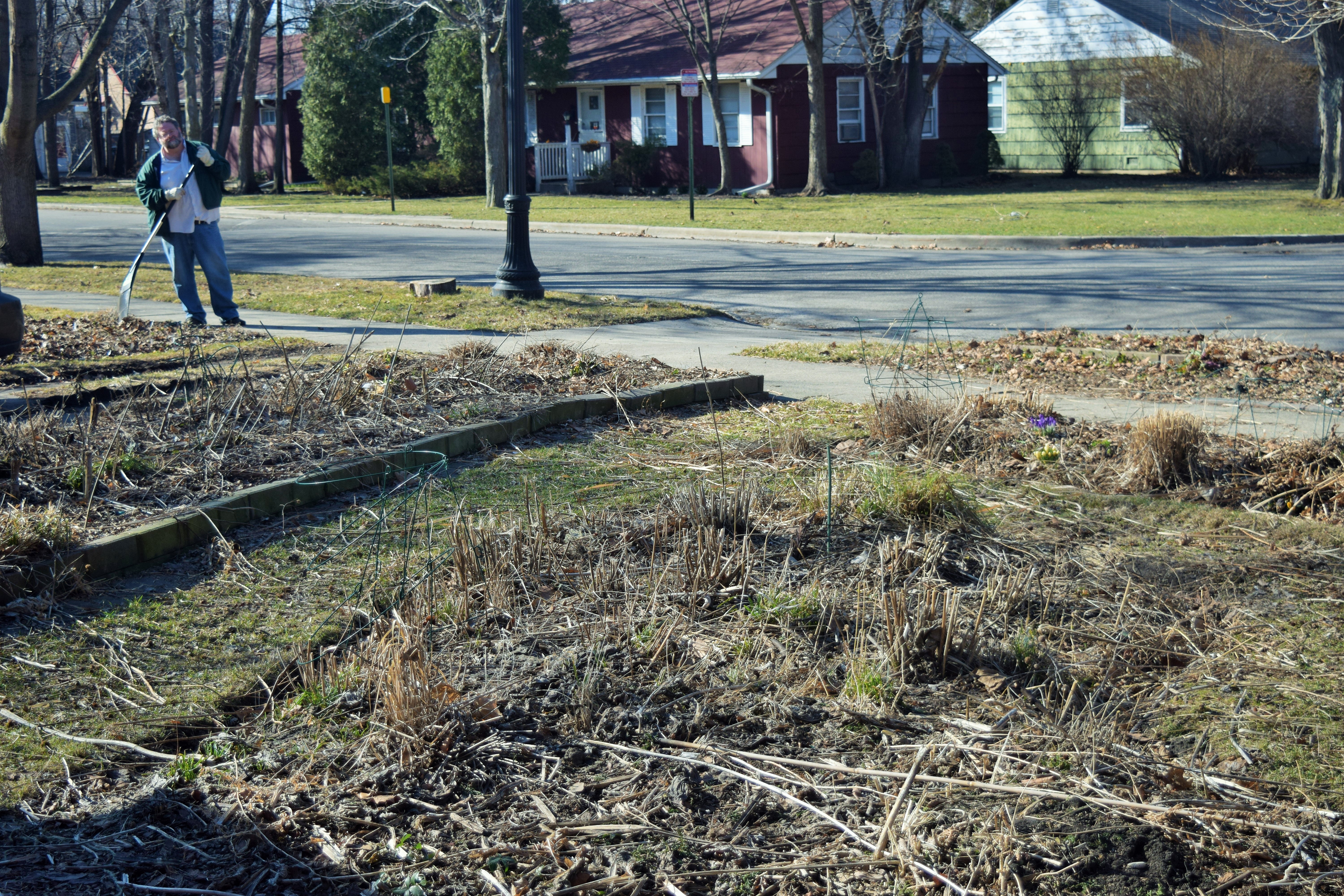
Front garden with gardener, March 22, 2015.

And the front. Basic cleanup is done, now I have to go back and make things just a bit more (but not too) tidy.

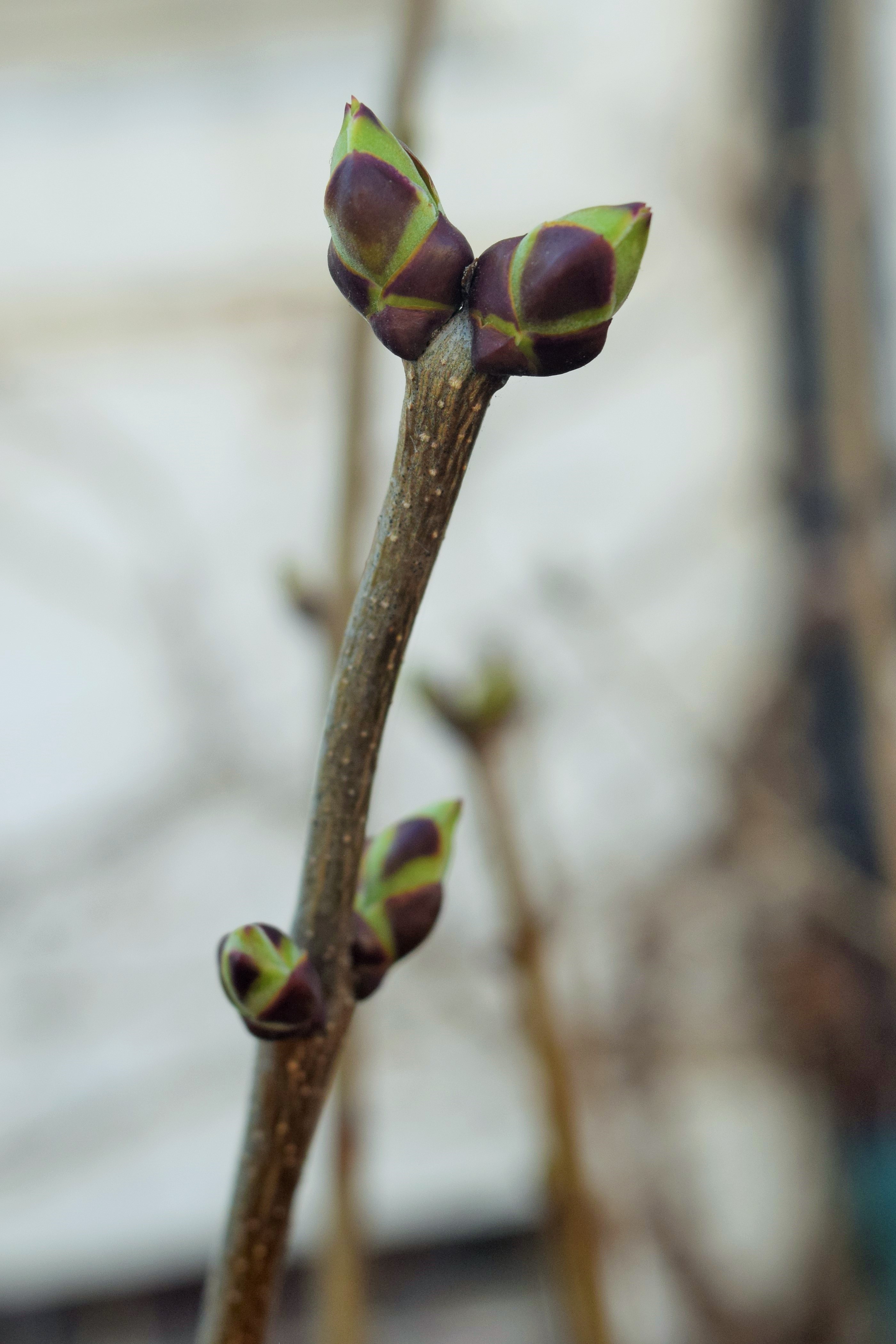
Lilac buds.
Lilac buds.

And the lilac buds, like my expectations of spring, continue to swell.

Book Review: Secret Gardens of the Cotswolds, by Victoria Summerly

Judy and I have been to England just once. We saw some of London, and some of the great gardens nearby: Sissinghurst, Great Dixter, etc. Sadly, we didn’t get to the Cotswolds. home to some of the country’s most beautiful gardens and countryside.

Recently, however, I read Victoria Summerly’s Secret Gardens of the Cotswolds. This book turns out to be a very satisfying substitute if a personal visit to the area is not immediately in the cards.

secret cotswolds

The gardens are not actually secret. The reader is taken along on visits to 20 private gardens that are open to the public to some limited extent. So a reader can, with adequate planning, visit all or any of them.

These are not humble cottage gardens maintained by avid amateurs (though that’s a good idea for another book). These are gardens of the wealthy (and sometimes moderately famous), staffed with at least one full-time gardener. Generally there are photos of at least one of the owners, and often the head gardener as well.

An enjoyable aspect of this book is how Victoria Summerly shares not just the history of these often venerable gardens, but some of their associated gossip also. For instance, I was very interested to read that Asthall Manor was once home to the highly dramatic Mitford family, appearing in the novels of Nancy Mitford as Alconleigh. Elsewhere, there was the story of the famous landscape designer whose plan had to be discarded – but who afterward claimed the garden as her own design anyhow.

Victoria Summerly
Victoria Summerly

The primary pleasure of this book, however, is in the gardens themselves. Garden lovers will enjoy pouring over the photographs of Hugo Rittson-Thomas and reading the author’s descriptions. I was particularly taken by the herbaceous border and vegetable garden at Dean Manor, the borders full of Delphinium and Campanula at Kingham Hill House, and the rose garden at Westwell Manor.

All the topiary and the yew and boxwood hedges I found less appealing, but were still interesting to see.

If you yearn to visit the Cotswolds but never will, or if you are planning a visit and want to see some notable private gardens, Secrets Gardens of the Cotswolds is a very fine book to own.

You Need a Lot of Caterpillars to Raise a Chickadee

There was a column by Douglas Tallamy in the New York Times about a week ago. Tallamy, you probably know, is the entomologist and author of Bringing Nature Home, which makes the case for native plants as a foundation of a healthy garden ecology. All right, I know I write about this stuff a lot, but just hang on. At a minimum you might find some interesting factoids in this post.

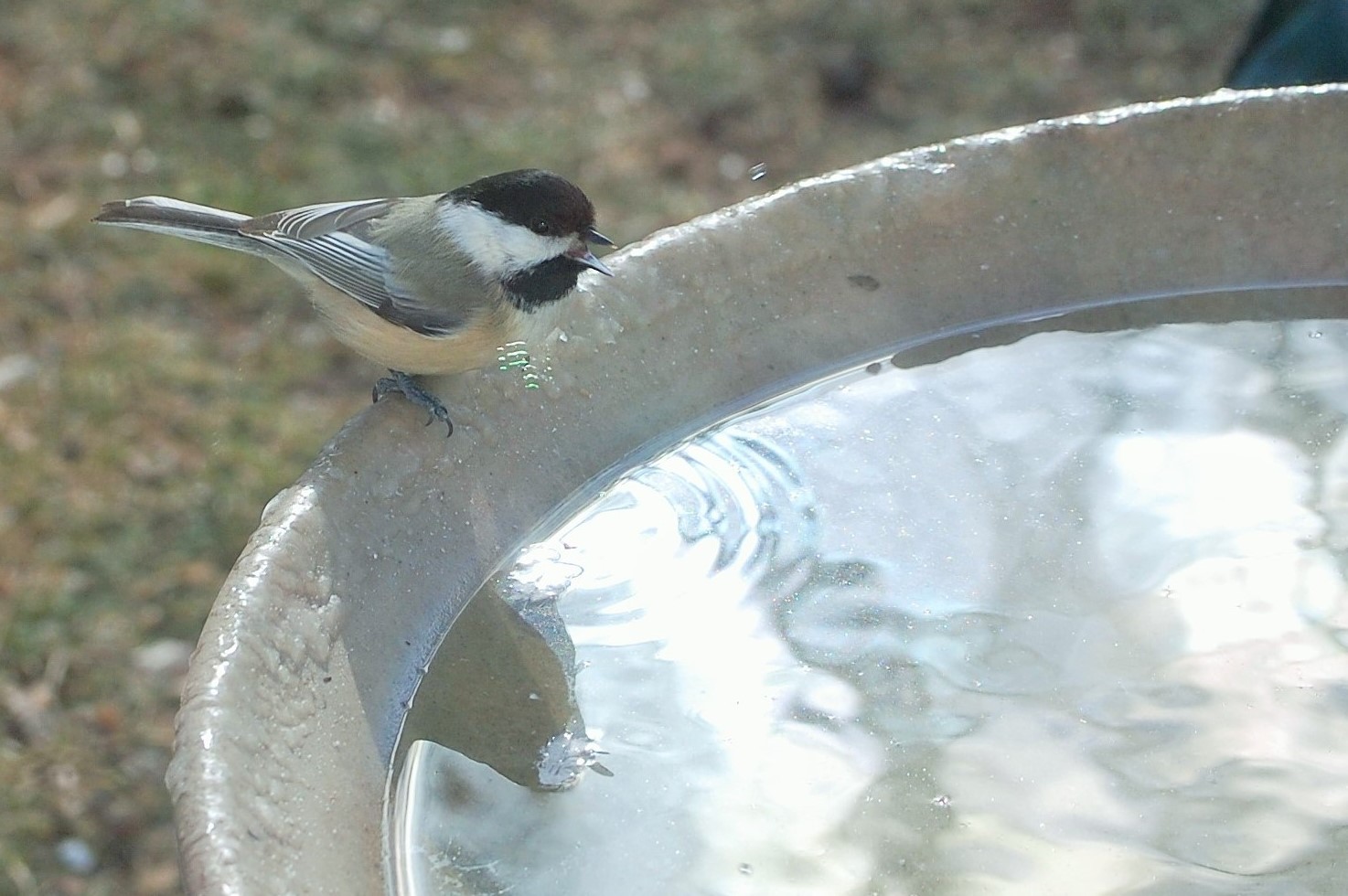
Chickadee at the bird bath.
Chickadee singing at the bird bath.

Anyhow, Tallamy writes about the huge number of caterpillars it takes to raise a clutch of chickadees. Both the mama and papa chickadee stay busy from 6 am to 8 pm fbringing their offspring an average of one caterpillar every three minutes. Baby birds in general need insects for the protein – seeds and berries won’t cut it.

So the Chickadee parents need to find 350 to 570 caterpillars every day, depending on the number of chicks. Multiply that by the 16 to 18 days it takes to fledge, and that’s a total of 6,000 to 9,000 caterpillars to bring a clutch of chickadees to maturity.

Tallamy then returns to his familiar argument about how native plants support more insect life. He says that when he examined a native white oak, he found 430 caterpillars comprising 19 species. On a nearby Bradford pear, he found just a single caterpillar.

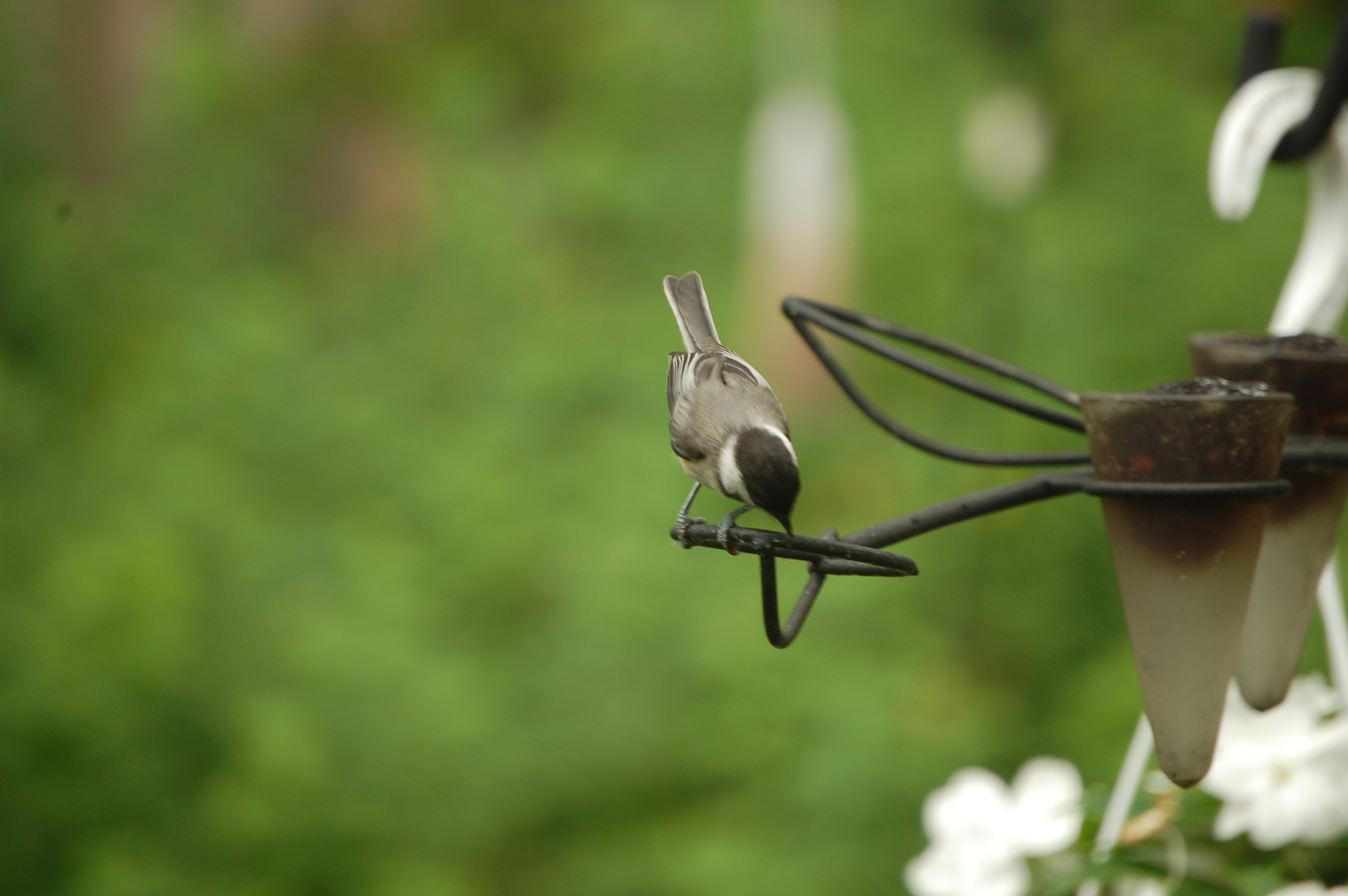
Chickadee
Chickadee

You don’t have to be a botanical nativist to accept the lesson here: if you want chickadees or other birds, you need plants that support insects – not just with flowers, but with digestible leaves as well. Perhaps these are not necessarily native plants, especially in parts of the world where plants have been migrating around for a much longer time. But if you want a garden full of birds, you may want to think about your selection of plants a little differently – and keep away from the pesticides.

Incidentally, I find it is impossible not to be fond of chickadees. They are little birds with a big personality, bold and lively and relatively comfortable with people. They also have a “gargling” call that can take you by surprise. Here’s a link to the songs and calls of Chickadees. Listen to the last two calls at the bottom to see what I mean.

Notes on Spring Clean Up

Just because there are patches of snow on the ground does not mean it is too early for spring clean up. Quite the contrary, since the ground in early spring tends to be either 1) frozen; or 2) a muddy mire. Of the two, frozen is better.

Not too early for spring clean up.

Where possible I like to pull the dead stalks by hand. This can be easier than using a cutting tool. Sure, it looks a bit ragged, but I don’t mind that so much. And as the plants grow in that raggedy look gets covered in green.

My favorite plant for spring clean up is the Cup Plant (Silphium perfoliatum). The stalks are up to 10 feet tall, and they make a very satisfying CRACK when you pull them from the crown. When they make that noise I want to shout “TIMBER!” Either that, or: “AND ANOTHER HOME RUN BY ERNIE BANKS!” But I don’t, because the neighbors might not understand.

spring clean up 3 15
A pile of Cup Plant stalks.

Milkweeds (Asclepias), on the other hand, tend to have softer stems that won’t break cleanly and need a cutting tool. Nepeta stems also do not pull out easily. I grab them by the handful and cut them with a secatur. I have a lot of Nepeta, and when I cut them back in the spring it feels like I’m giving a haircut to a mastodon.

Spring clean up in the garden is a time of agony (ouch!) and ecstasy. Ecstasy because, as was the case this past weekend, I am OUTSIDE, enjoying SUNSHINE and MILD TEMPERATURES! It makes me feel like I have just been brought back from a semi-comatose state and have returned again to the Land of the Living.

Either a zombie or who put in too many hours in the garden last weekend.
Either a zombie or someone who put in too many hours in the garden last weekend.

The agony, on the other hand, comes from the intensive use of joints and muscles (mainly those involved in bending and kneeling) that have been taking it easy for the past few months. The worst of it, for me, is in the knees and thighs. And so in the early weeks of spring I can often be seen staggering around on stiff legs like a television zombie. Also, getting in and out of chairs can involve a lot of groaning. Certain persons (who lack a basic sense of compassion) have criticized this groaning as excessively noisy.

I will say that I have a gardening bench and kneeler that does help to reduce the overall amount of agony.

Pulling Nepeta with the help of my garden bench/kneeler.

Spring clean up provides a reintroduction to the neighborhood. There are a lot of people I only see when they pass by as I’m working in the front garden. This is particularly true of people with dogs and/or small children. Just this past weekend I met a young couple with two little girls, ages six and four. They have lived down the street for three years and yet this is the first time I’ve met them.

The younger girl was riding a tricycle with a little basket holding a doll. I asked if she was giving her doll a ride and she pointed out to me that it wasn’t a doll but a baby. What’s more, she explained that she was carrying other important cargo in her basket, including a stick and a key chain.

I’m linking this post to Beth’s Lessons Learned meme at Plant Postings, as well as Donna’s Seasonal Celebrations at Garden’s Eye View.

How do you feel about spring clean up – is it a pleasure or just a chore?