The Leaning Fountain of Cleveland Street

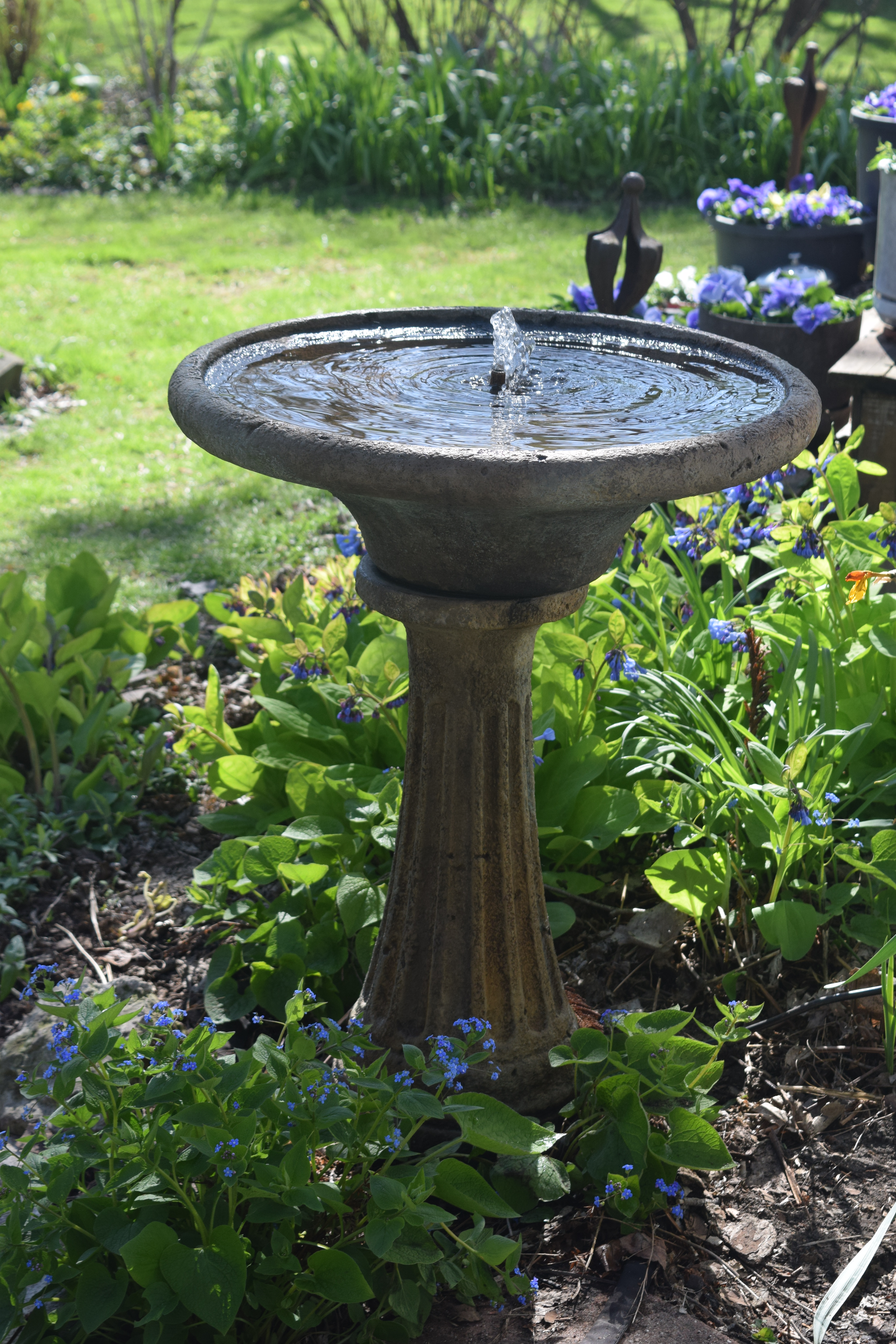
We got a new fountain/birdbath this weekend. It’s cast stone, which is really a variety of concrete. It was fabricated to look old, sort of the landscaping equivalent of pre-washed jeans. I like it, though.

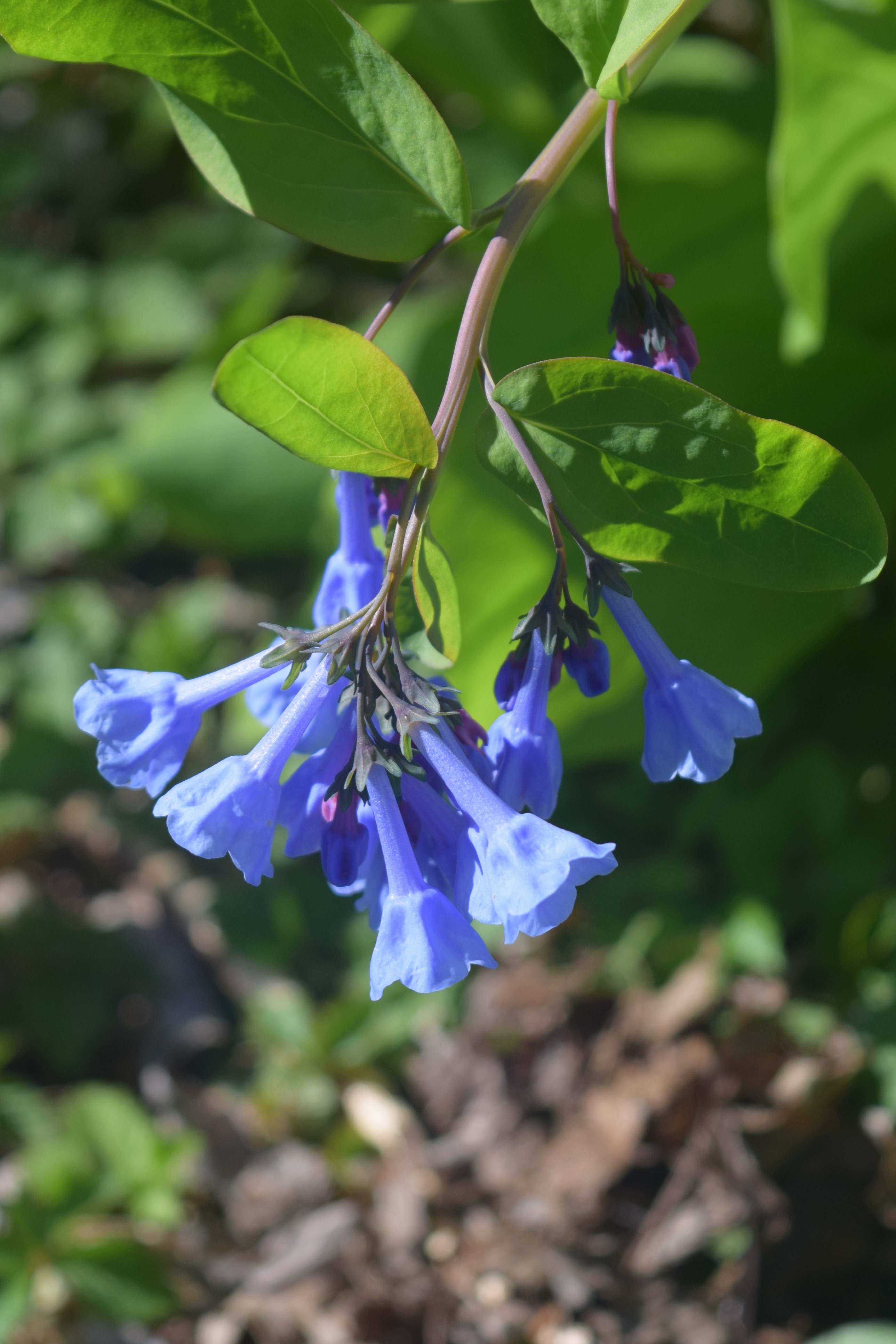
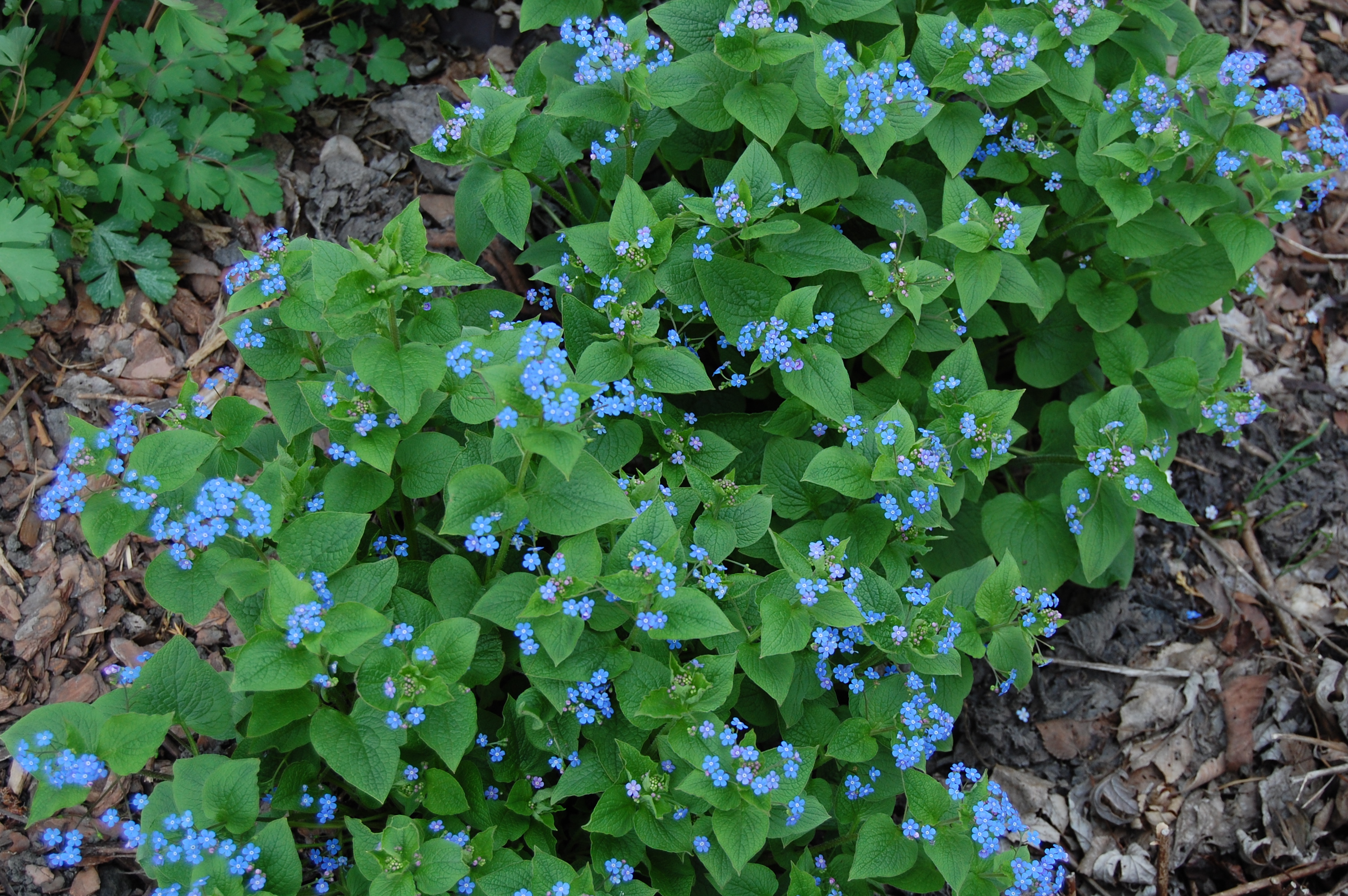
The new fountain, surrounded by blooming Virginia Bluebells and False Forget-Me-Not.

What happened to our old fountain/birdbath? Well, it was very nice, but it was also extremely heavy. Too heavy to carry into the garage for winter.

One winter I was not sufficiently careful protecting the fountain from moisture. Come spring, there was a crack in the base. I spent the next couple of years repairing cracks which kept reappearing.

The old fountain.
The old fountain.  If you look carefully you can see evidence of a couple of cracks.

Over time I got tired of this, especially as cleaning the old fountain was a major chore. This was partly due to heaviness, and partly due to all the stuff that would fall into the water held in the base. Finally we decided it was time for the old fountain, which had been in service about 10 years, to retire.

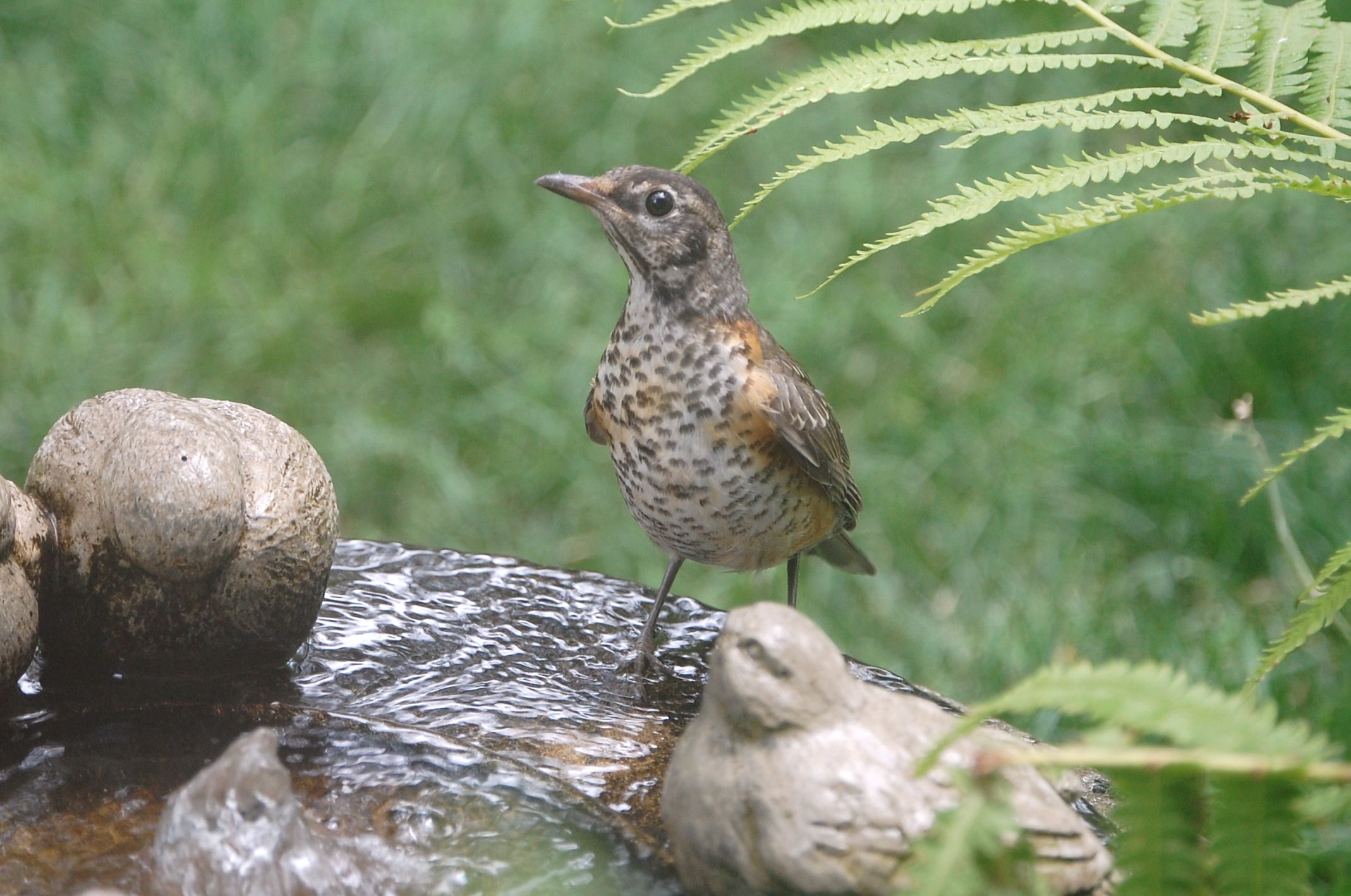
Juvenile robin at the old fountain.

The new fountain is a lot lighter and can spend winter in the garage. It should also be much easier to clean.

The water is deep enough for avian drinking and bathing, but not too deep (songbirds only like a depth of two or three inches). It’s also taller, which should make it easier to take pictures of bathing birds from inside the house.

Like the old fountain, the new one makes a nice gurgling sound, which is pleasing to people and also attracts birds.

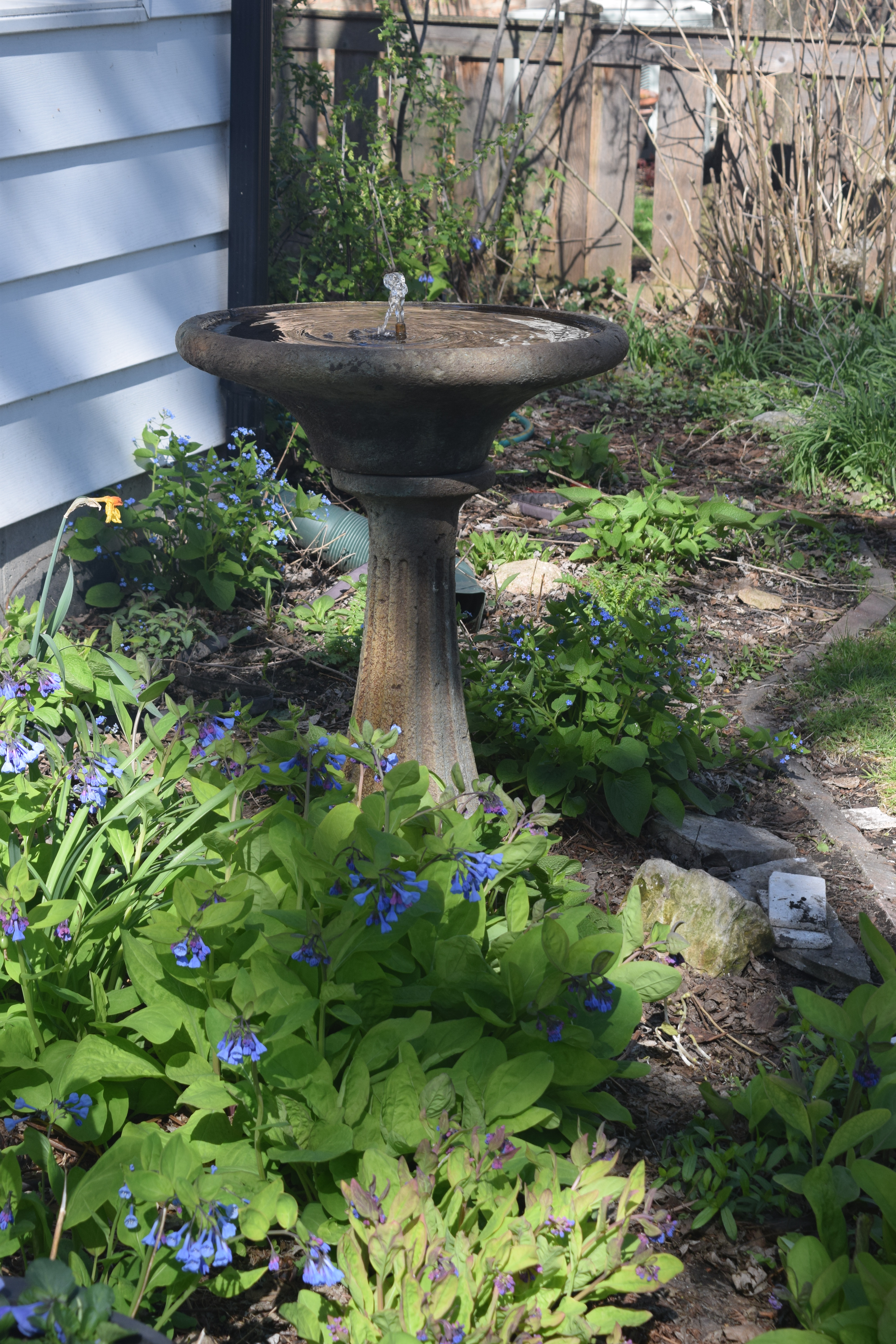
Getting  the new fountain level was a major challenge. That’s partly because it is standing directly on the ground, which is sloping and soft. The first time we turned on the pump, we stood back and realized that the fountain was leaning as if it were trying to walk into a stiff wind.

Eventually we got it close to level by means of shimming. I know about shimming because of Mr. Dawson’s high school carpentry class. According to Mr. Dawson, the key to getting doors to hang at the correct angle is sliding matchbook covers under the hinges – shimming.

Another view of the new fountain.

The same principle applies to fountains. No matchbooks were used, but flat rocks, odd pieces of tile, and wood chips were all utilized. However, given the softness of the ground, keeping the fountain level will clearly be an ongoing project.

I feel a little bit guilty for not making my own fountain with some kind of DIY project. I’ve read lots of articles about how this can be done. However, Judy vetoed any DIY fountains, which caused me to feel simultaneously relieved and also slightly offended that she lacked faith in my DIY abilities.

Anyway, I like this new fountain, and I think some sort of water feature is a really good thing to have in the garden. Does your garden have a water feature, and are you happy with it?

The Lincoln Memorial Garden in April

These days I have to spend a lot of time in Springfield, about 200 miles south of Chicago. Twice in the last two weeks I was able to get off work in time to take a walk at the Lincoln Memorial Garden, which is located on 100 acres along an artificial lake.

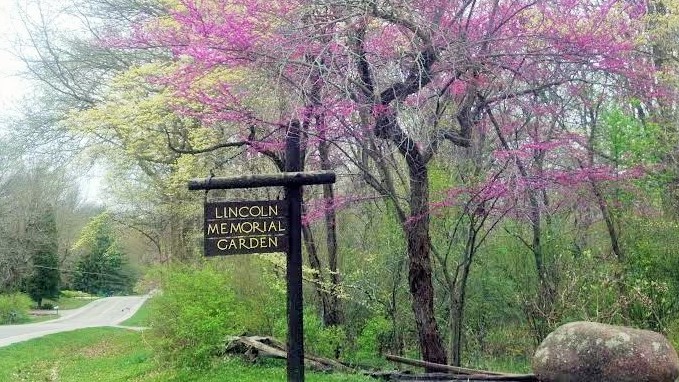
Entrance to the Lincoln Memorial Garden.

Let me stop here to apologize for the quality of these pictures. I took them all with my phone. During the first visit it was very overcast, during the second visit the light was better but everything was waving around in the wind. Both visits occurred during the last hour or so of sunlight. But it’s a garden with an interesting history so I wanted to do this post even without good photos.

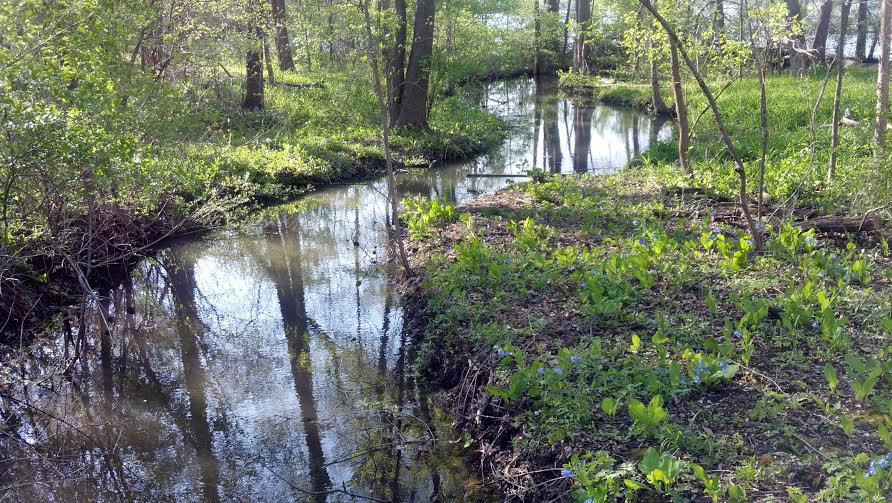
A path along the shore of Lake Springfield, which was created in the 1930s by damming what was then Sugar Creek.

This garden was created through a labor of love. A member of the Springfield Garden Club spearheaded the idea of a different sort of memorial to the 16th President, who lived in Springfield for most of his adult life. In 1935 she persuaded the City Council to donate the land, which initially consisted of farm fields along the newly created lake.

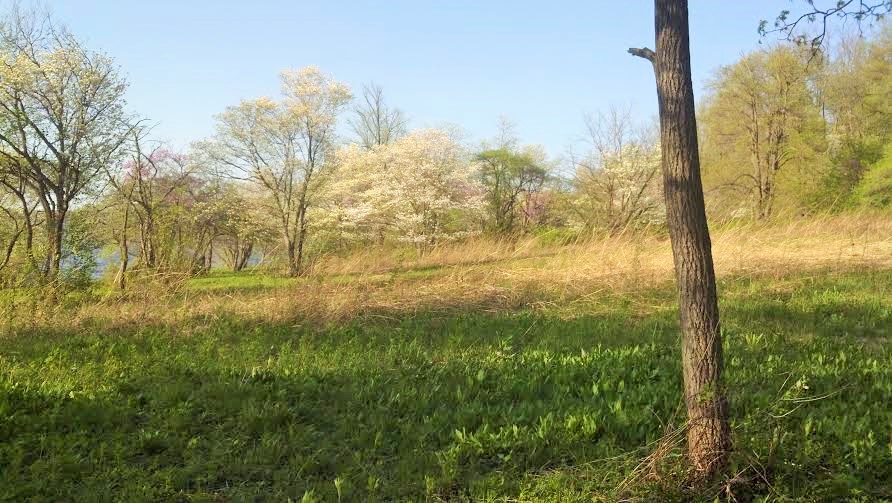
lmg fieldwcornus lincoln memorial garden

The landscape architect Jens Jensen donated his time to develop the garden’s design. He transformed the treeless fields into a mix of woodland and prairie. Only plants native to Illinois, Indiana, or Kentucky were used – all states where Lincoln spent parts of his youth.

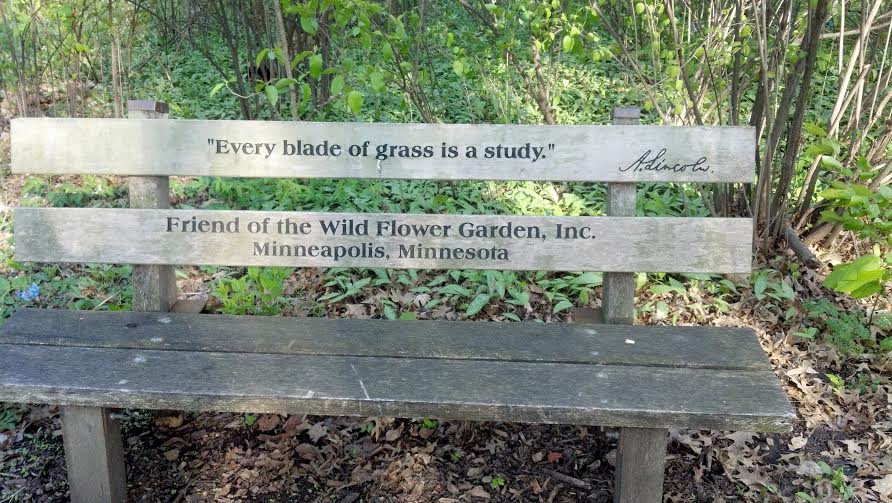
lmg bench2 lincoln memorial garden

Garden clubs from around the country donated funds for the wooden benches, each of which bears a quotation from Lincoln. Acorns were also contributed from many states, and several grew to become some very impressive oak trees.

Redbud
Redbud

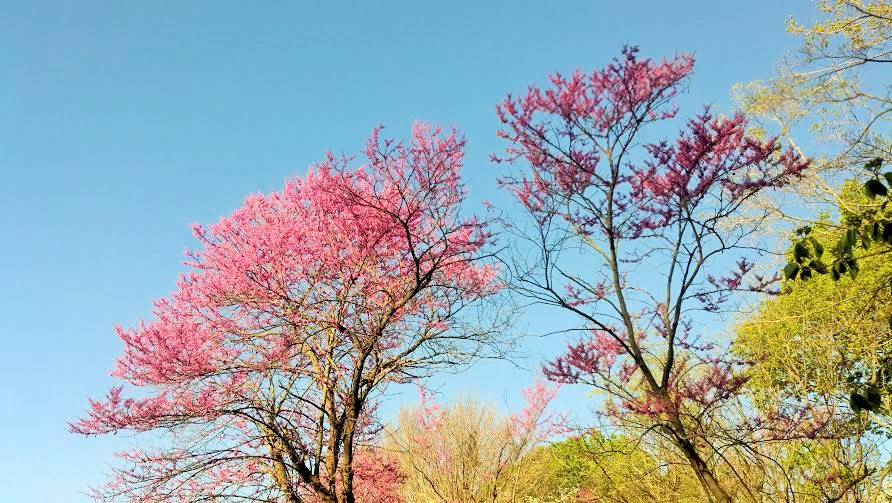
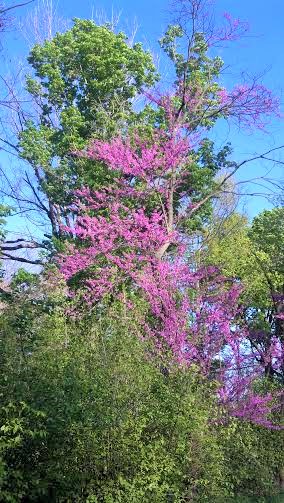
In April, the Redbud (Cercis canadensis) are the stars of the Garden.

lmg redbud7

There are some unusually large old Redbud trees.

Flowering Dogwood
Flowering Dogwood

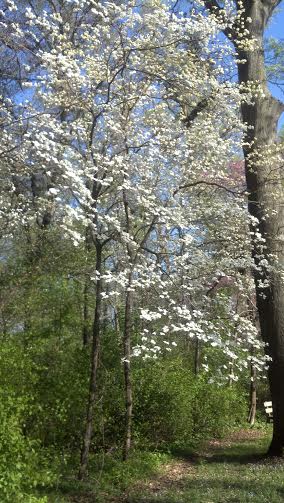
On my second visit, the Flowering Dogwood (Cornus florida) were also at their peak.

lmg cornus3 dogwood

I know these are very common trees in some parts of the country, but I think they are strikingly beautiful. Springfield is right around the northern edge of their hardiness range. In Chicago they are a risky proposition.

The dangly flowers of Carolina Silverbell look like they should be making a tinkly sound.

Along one path Carolina Silverbell (Halesia carolina) were blooming.

A mass of Virginia Bluebells along a woodland path.

There were also lots of woodland wildflowers to be found, including masses of blue and white Virginia Bluebells (Mertensia virginica).

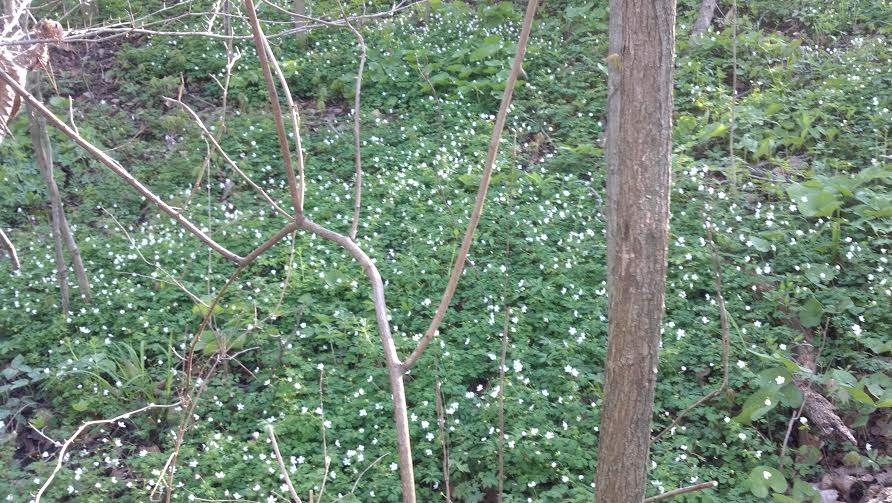
False Rue Anemone carpeting the forest floor.

In many places the ground was carpeted with False Rue Anemone (Enomion biternatum).

False Rue Anemone
False Rue Anemone

Here’s a fuzzy closeup of the flower. The leaves remind me of Columbine (Aquilegia canadensis).

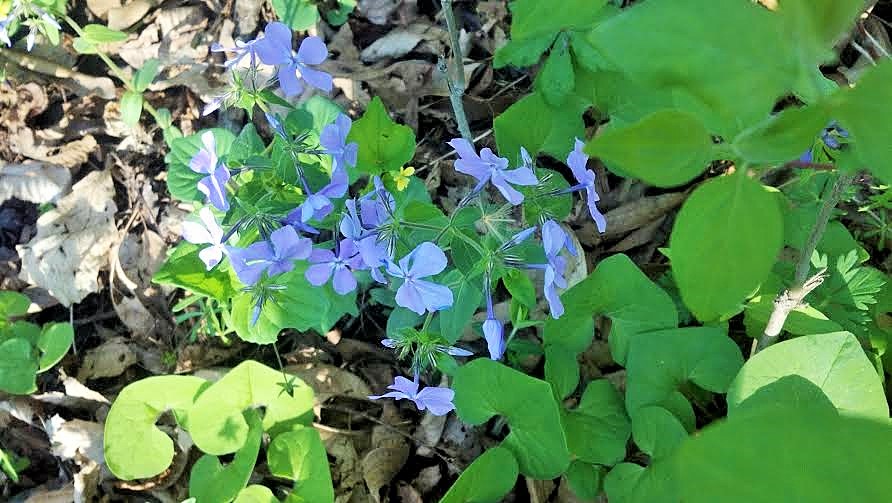
lmg phlox

There was also a lot of Woodland Phlox (Phlox divaritica), and sometimes I caught whiffs of its sweet fragrance on the wind.

lmg stream1

Many more wildflowers could be seen, some already blooming, others not. I hope to visit the Lincoln Memorial Garden every week or so through May (and maybe later, depending on my travel schedule) so I can post more updates.

Our Forlorn Forsythia and the Subtle Spicebush

We used to have a whole hedge of Forsythia along the east side of the house. All had to be dug up a few years ago when we waterproofed the basement. I was not devastated to see them go, as their departure meant it was time for:  Border Makeover! Which means the purchase of all sorts of new plants. But that is a topic for another day.

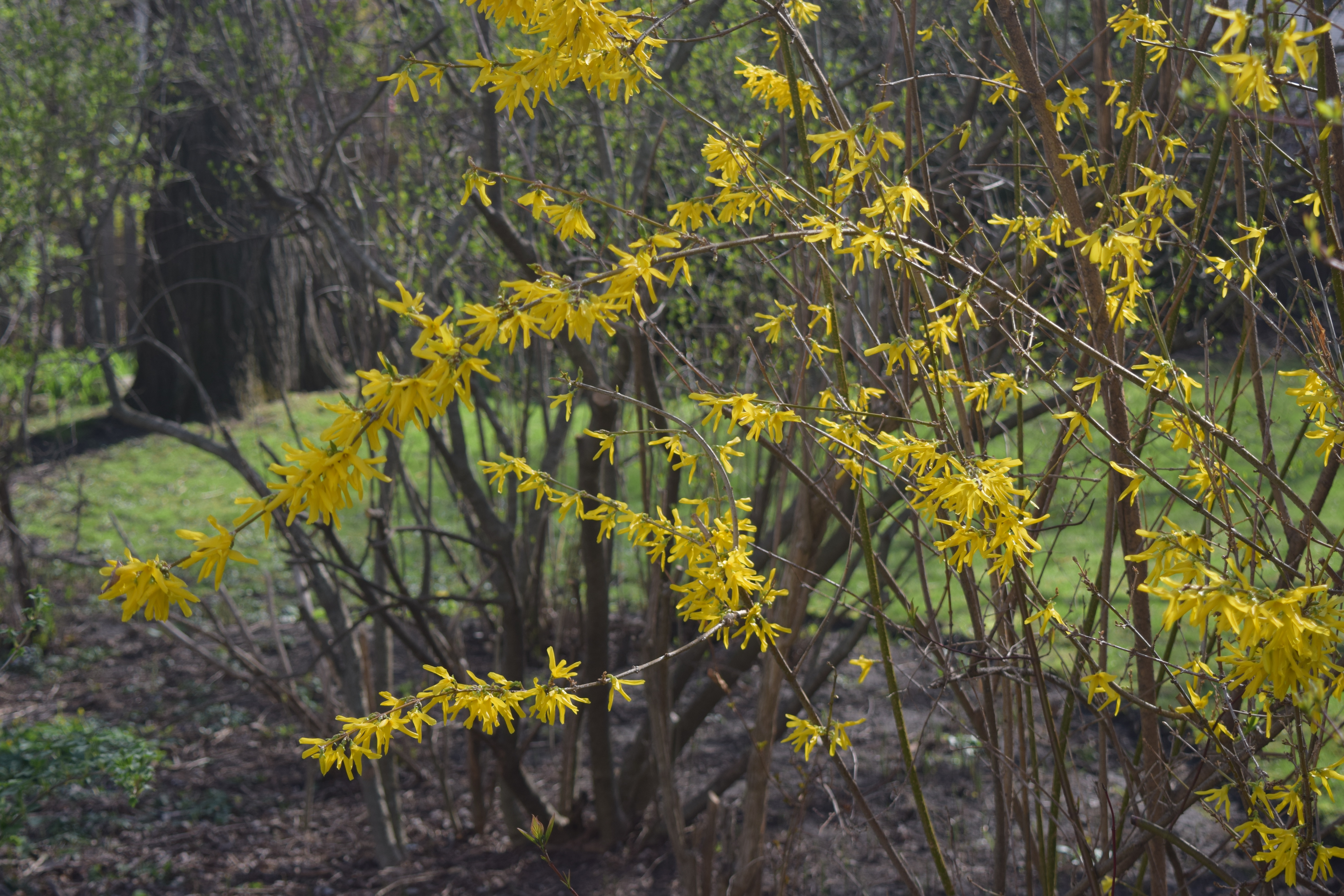
Our depressed Forsythia

There is one Forsythia that remains. It is in the back garden, and it seems depressed. I don’t have a picture of the whole thing, but from this photo you should be able to see that it is blooming sparsely.

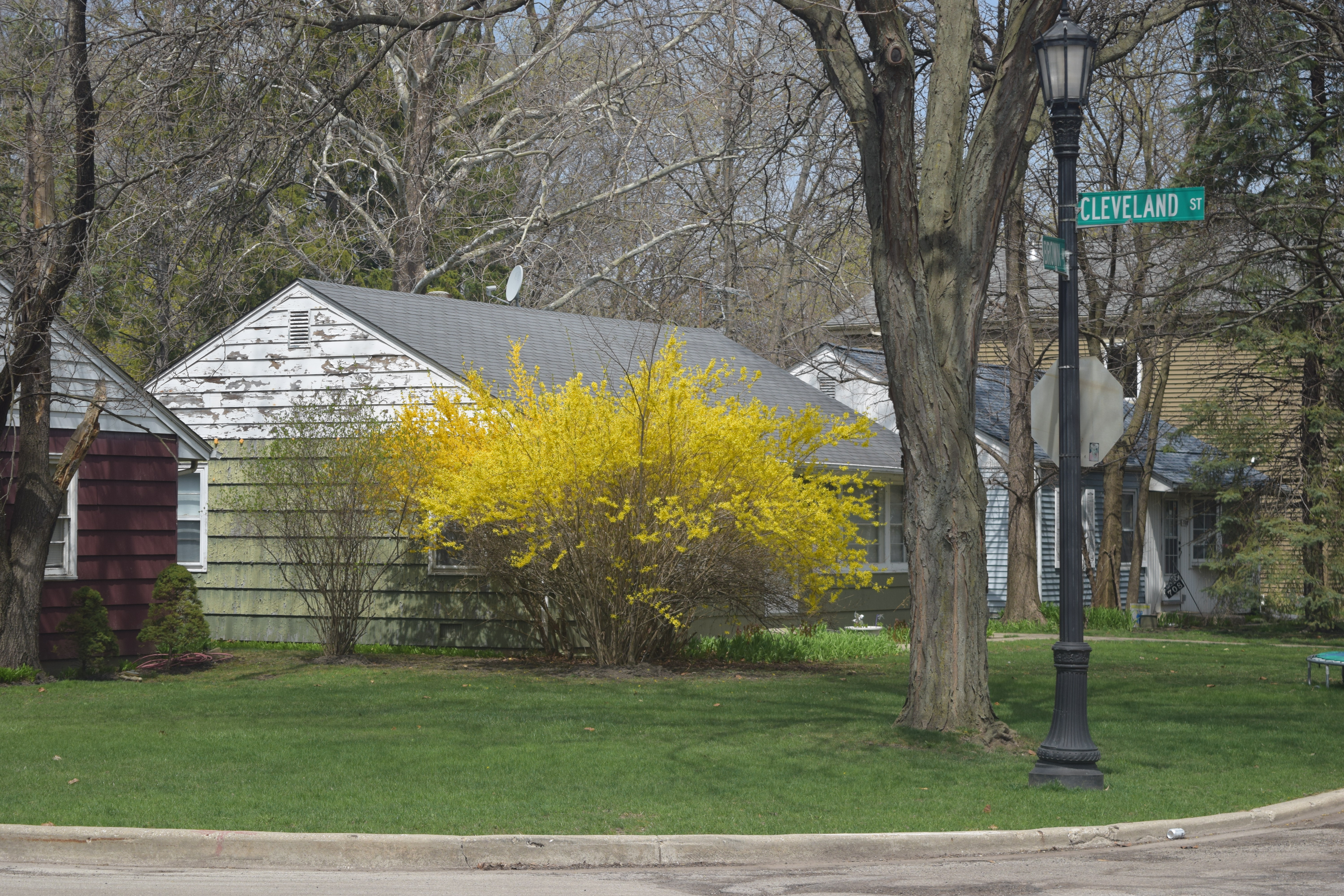
The happy Forsythia across the street.

Across the street one of the neighbors has a fine example of what a happy Forsythia should look like.

We need our Forsythia to perk up. After it’s done flowering (the proper time to prune Forsythia), I was thinking I would cut out the older stems. Also treat it to some composted manure, maybe some fertilizer. I could also try nagging, constantly asking our Forsythia why it can’t be more like the Forsythia across the street.

Do any of you have suggestions for reviving a sad Forsythia?

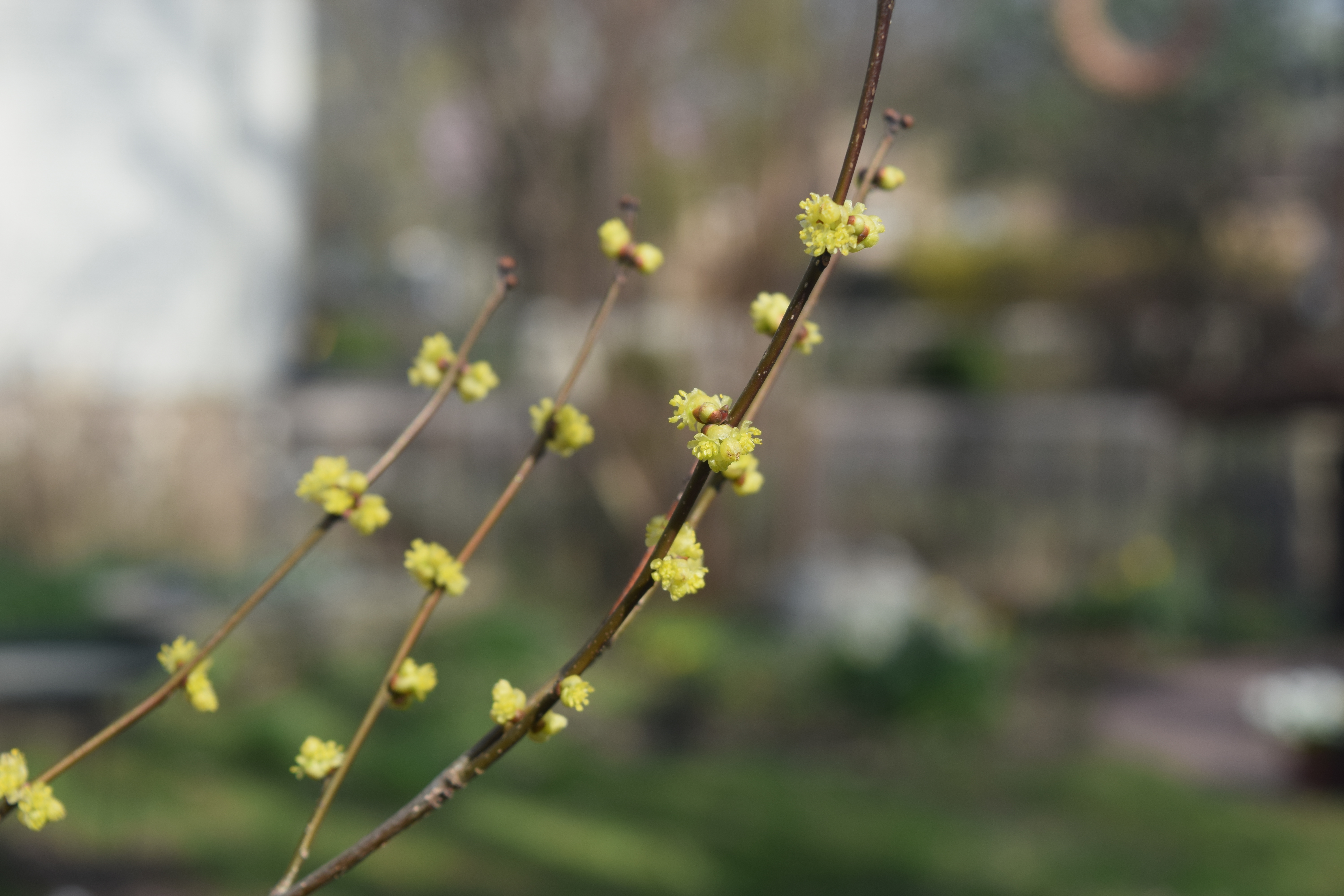
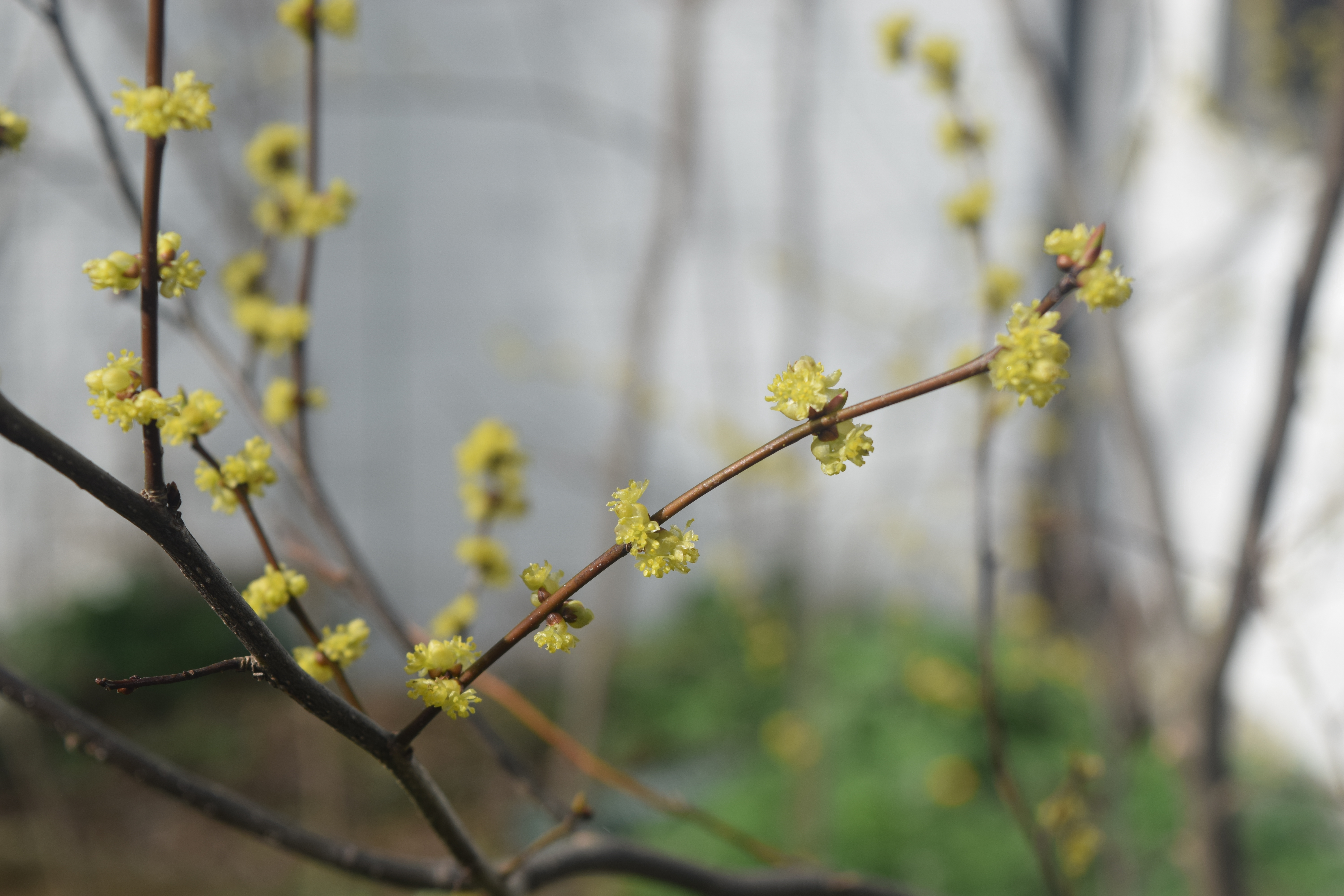
Spicebush flowers.
Spicebush flowers.

Very near our Forsythia we have several Spicebush (Lindera benzoin) that seem reasonably content. Spicebush is a native shrub that also has yellow flowers in early spring.

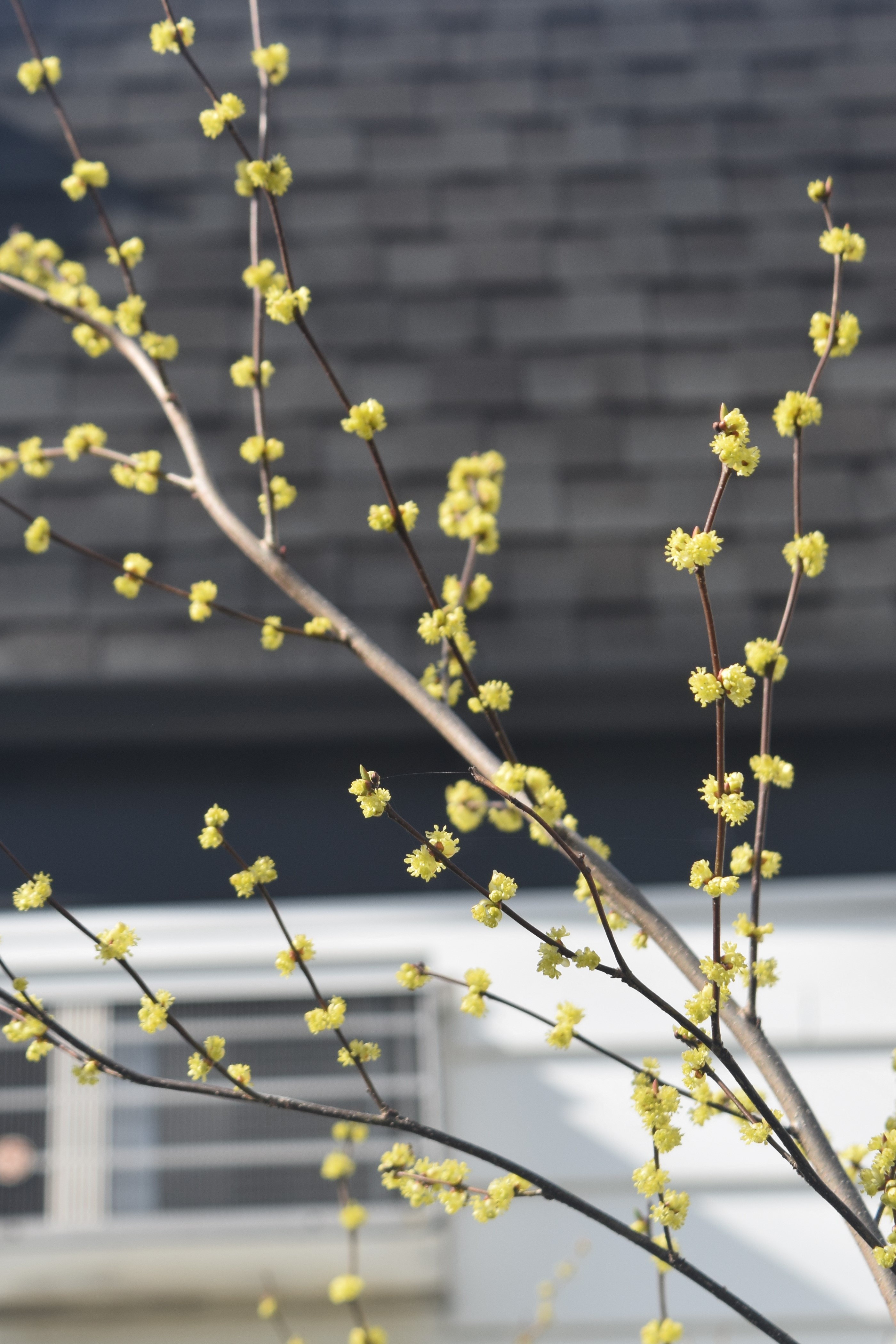
More Spicebush flowers.

While Forsythia (when happy) is like a marching band, Spicebush is more of a string quartet. Its flowers are fuzzy and small, and a softer shade of yellow.

And even more Spicebush flowers.

Spicebush does offer more multi-season interest than Forsythia, in my opinion. The larger oblong leaves are attractive and have a citrus scent if crushed. They provide food for the Spicebush Swallowtail caterpillar, though I personally haven’t seen any.

Spicebush has red fruits (loved by birds) in late summer and decent fall color.

But back to the sad Forsythia. Can anyone offer some advice?

Daffodils Are Delightful, But Tulips Are Better

Let me stipulate that everything is beautiful in its own way, you can’t say one flower is better than another, and so on.

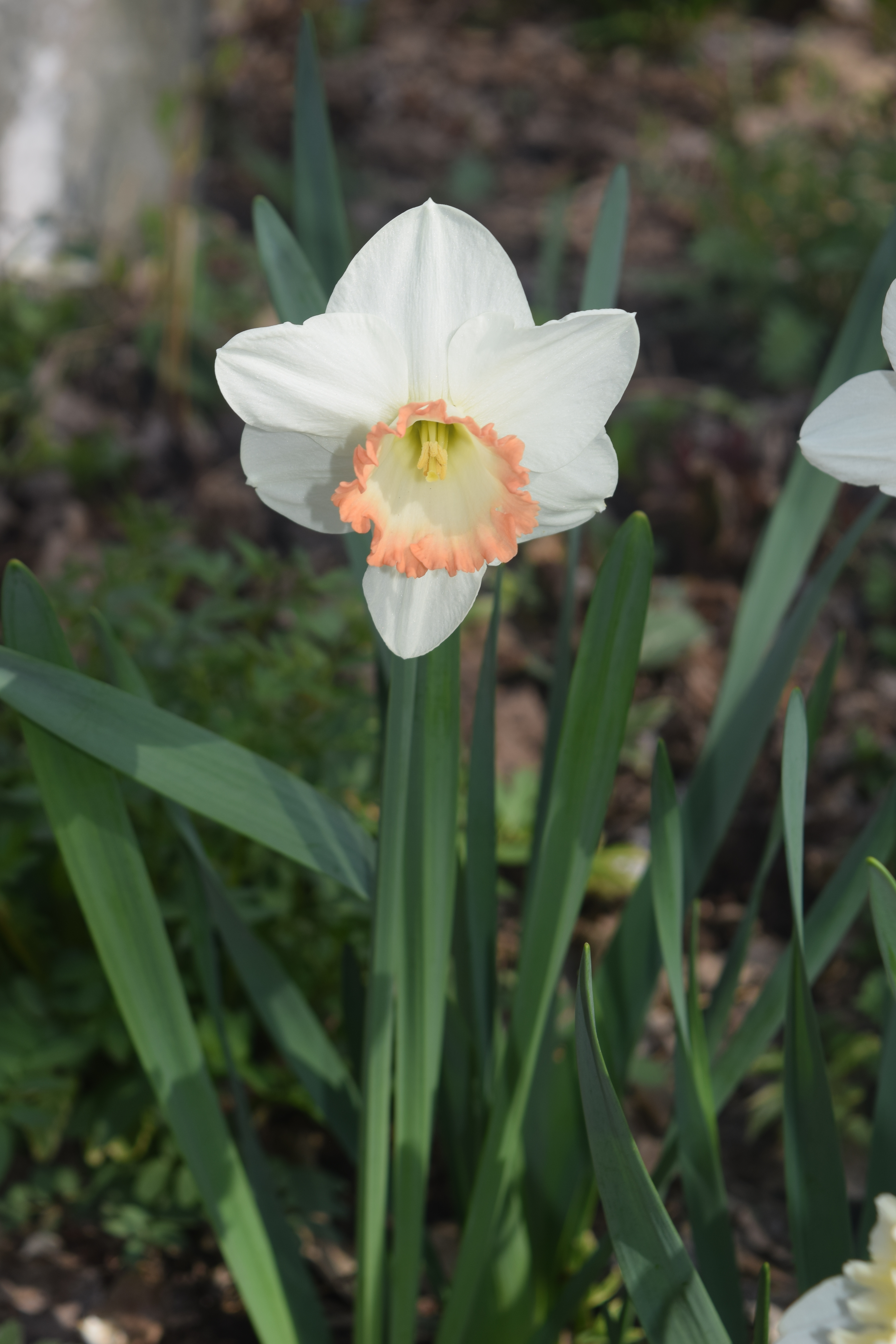
Narcissus 'Pink Charm'
Narcissus ‘Pink Charm’

However. Really you can say that some flowers are better than others, and when it comes to spring bulbs, Tulips are better than Daffodils.

Narcissus 'Delibes'
N. ‘Delibes’

This isn’t just an opinion, it is backed up by research done at Princeton University’s Center for Horticulture and Advanced Thought (CHAT).

Narcissus 'Delibes' and 'Ice Follies'
N. ‘Delibes’ and ‘Ice Follies’

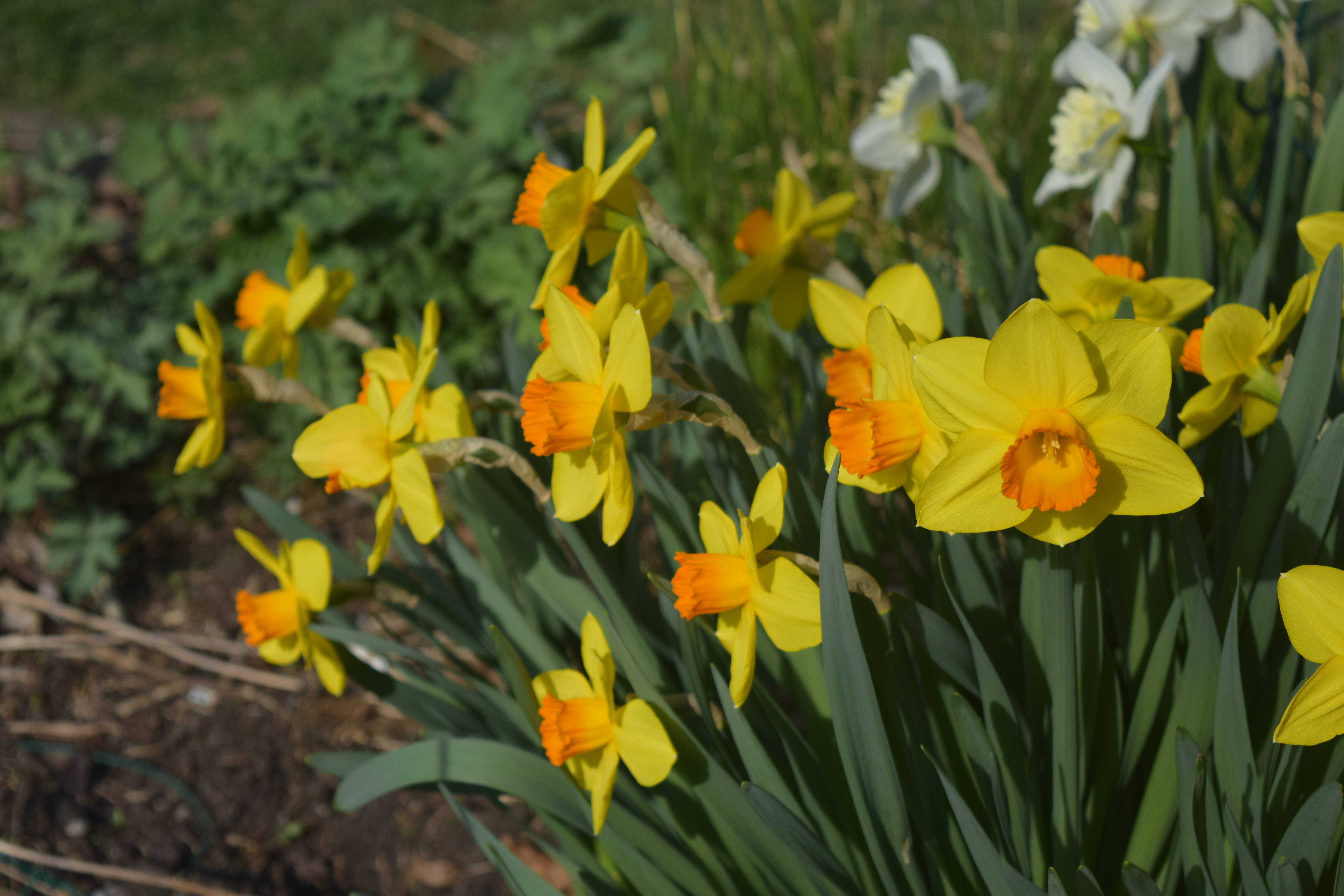
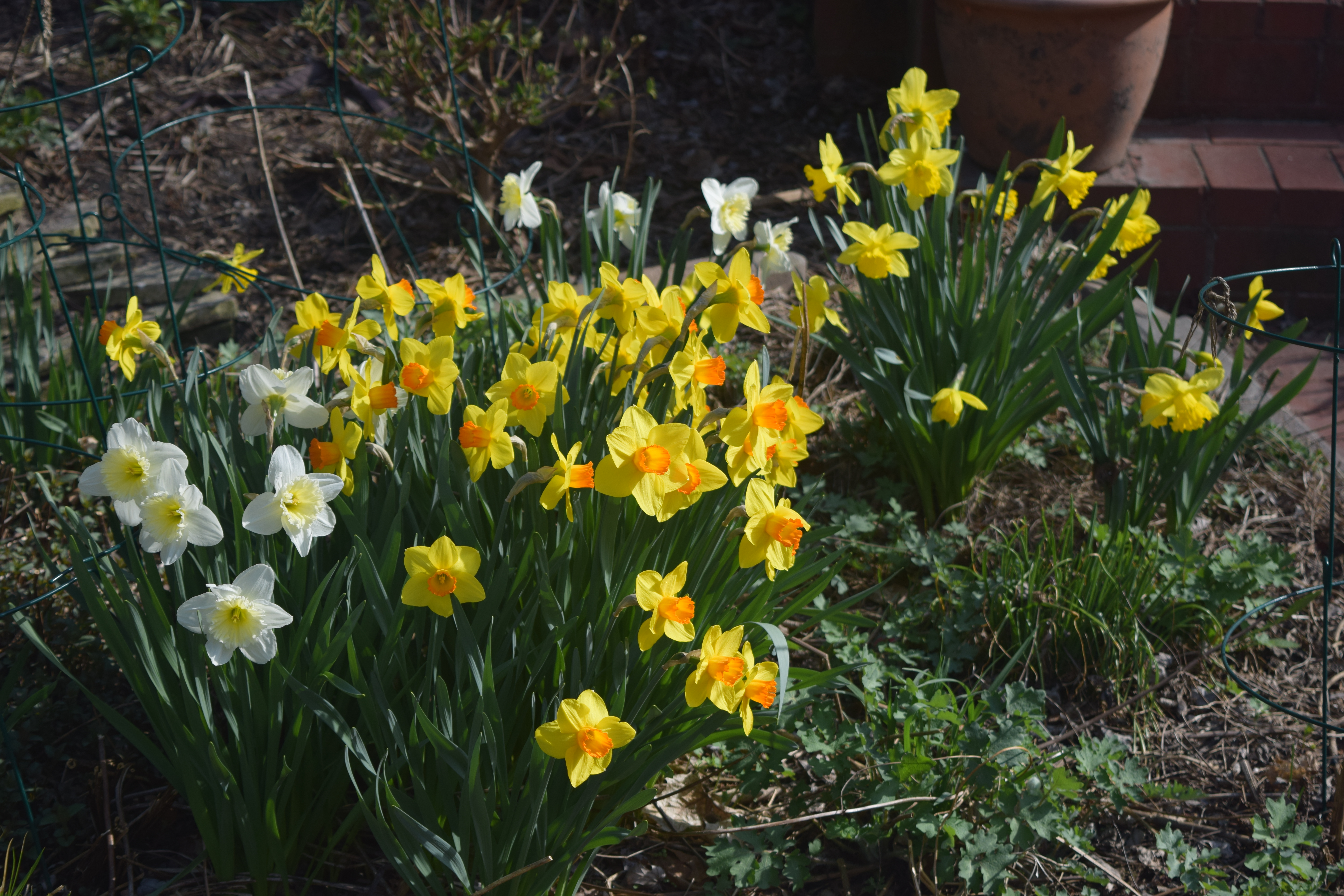
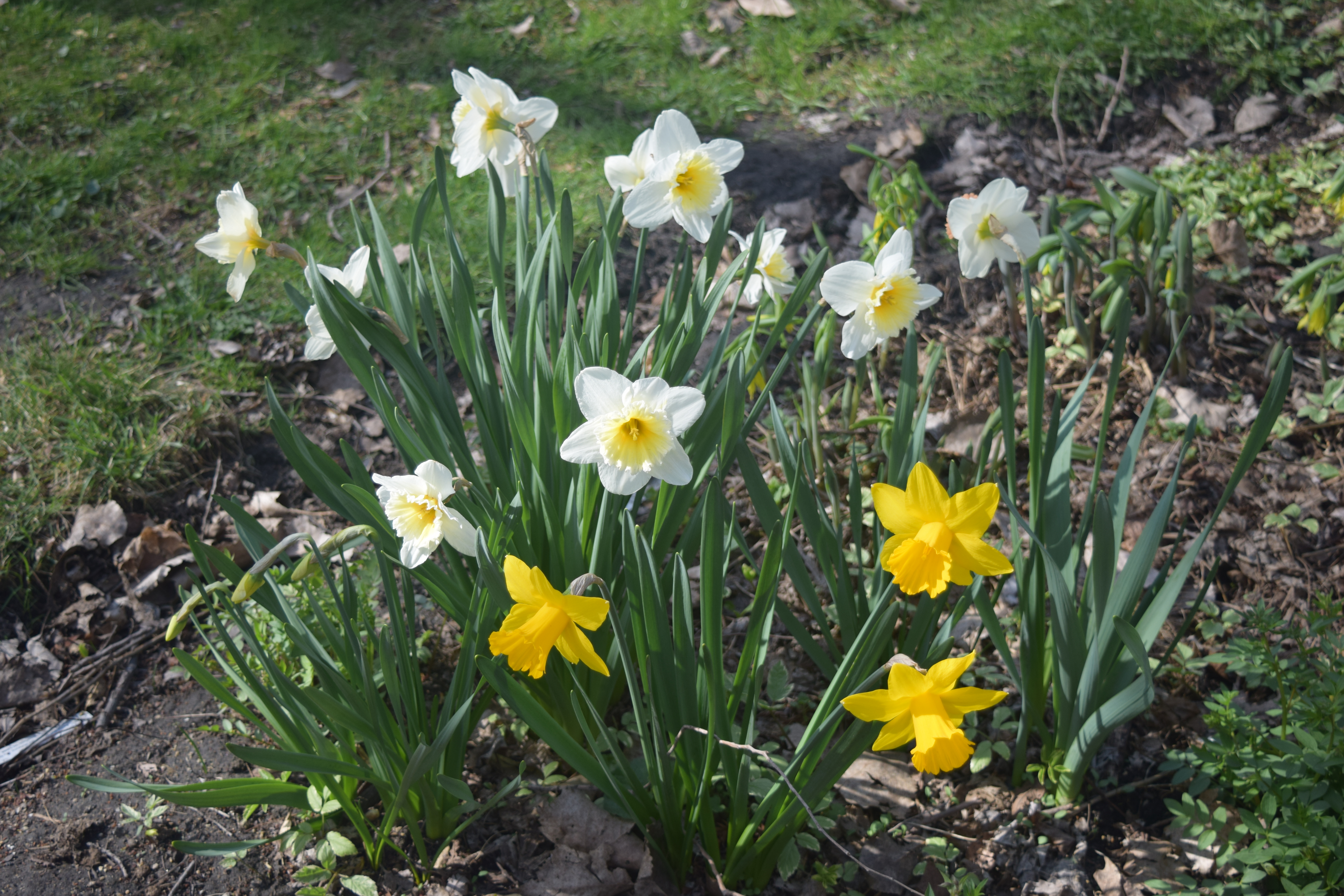
Right now the Daffodils are at their peak in my garden, and I do appreciate them, especially the way they glow in the spring sunshine.

Narcissus 'King Alfred' and 'Ice Follies'
N. ‘King Alfred’ and ‘Ice Follies’

Even so, the superiority of Tulips over Daffodils can be summarized in one word: color.

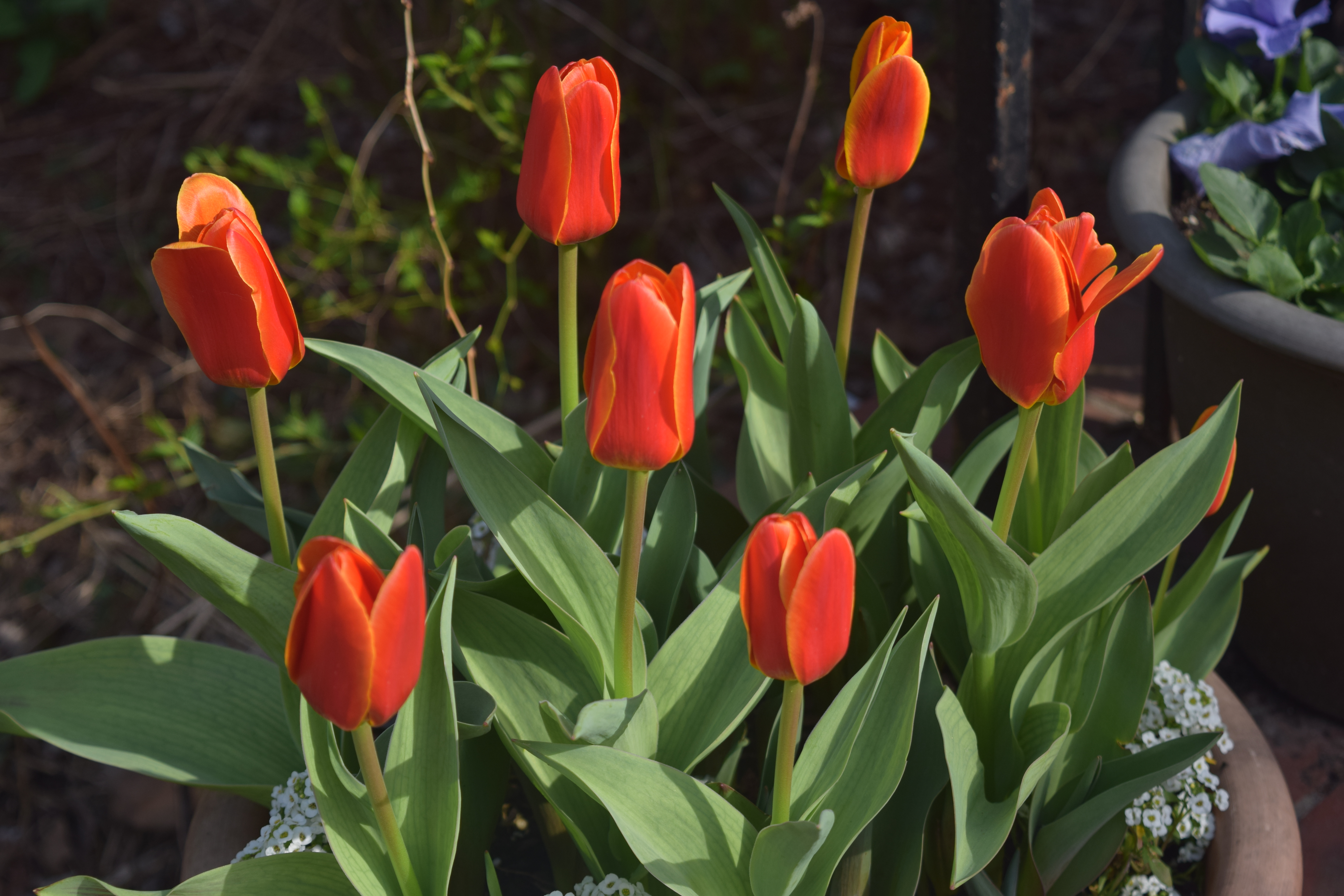
Tulip 'Early Harvest'
Tulip ‘Early Harvest’

Tulips have a wider range of colors, and much stronger colors.

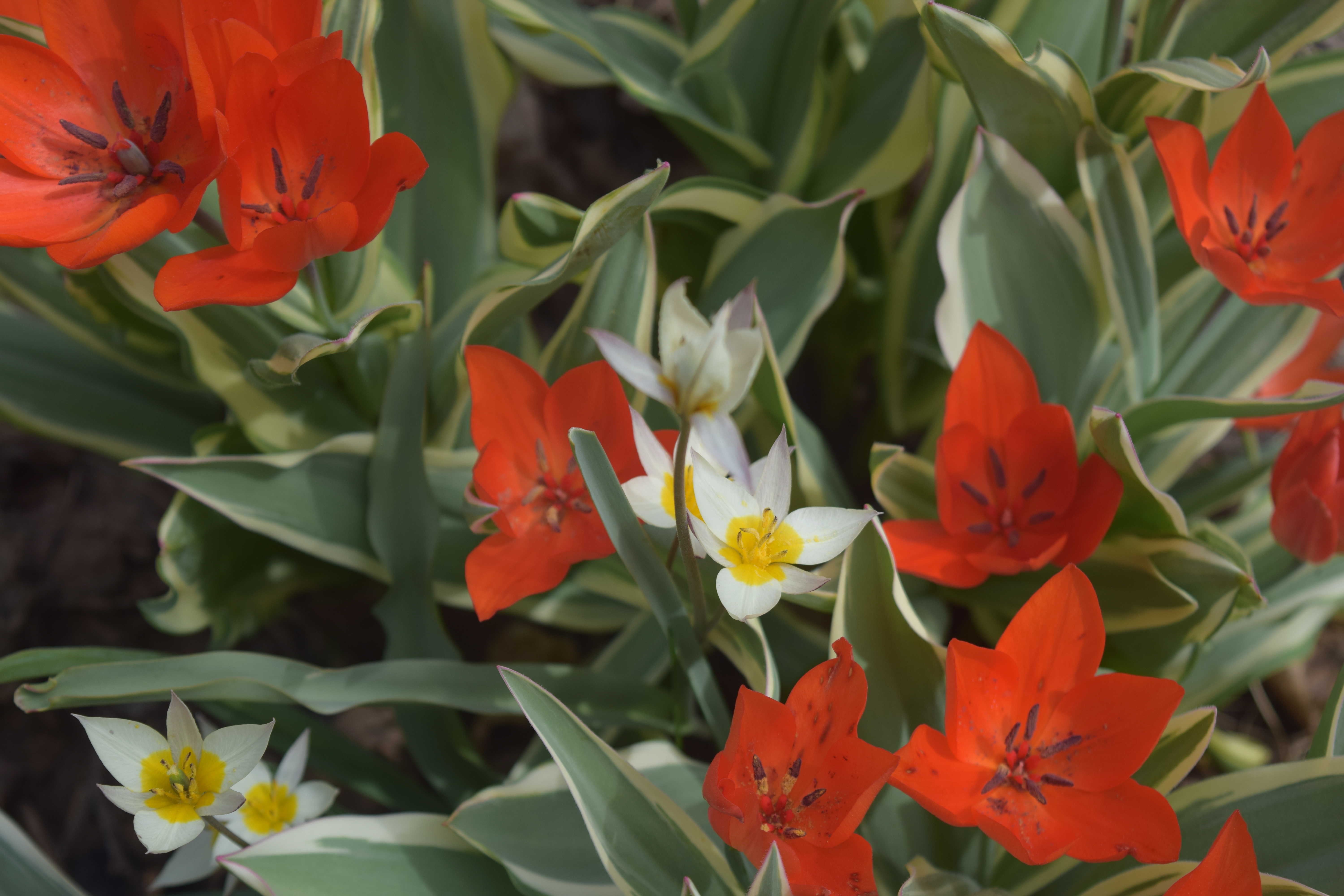
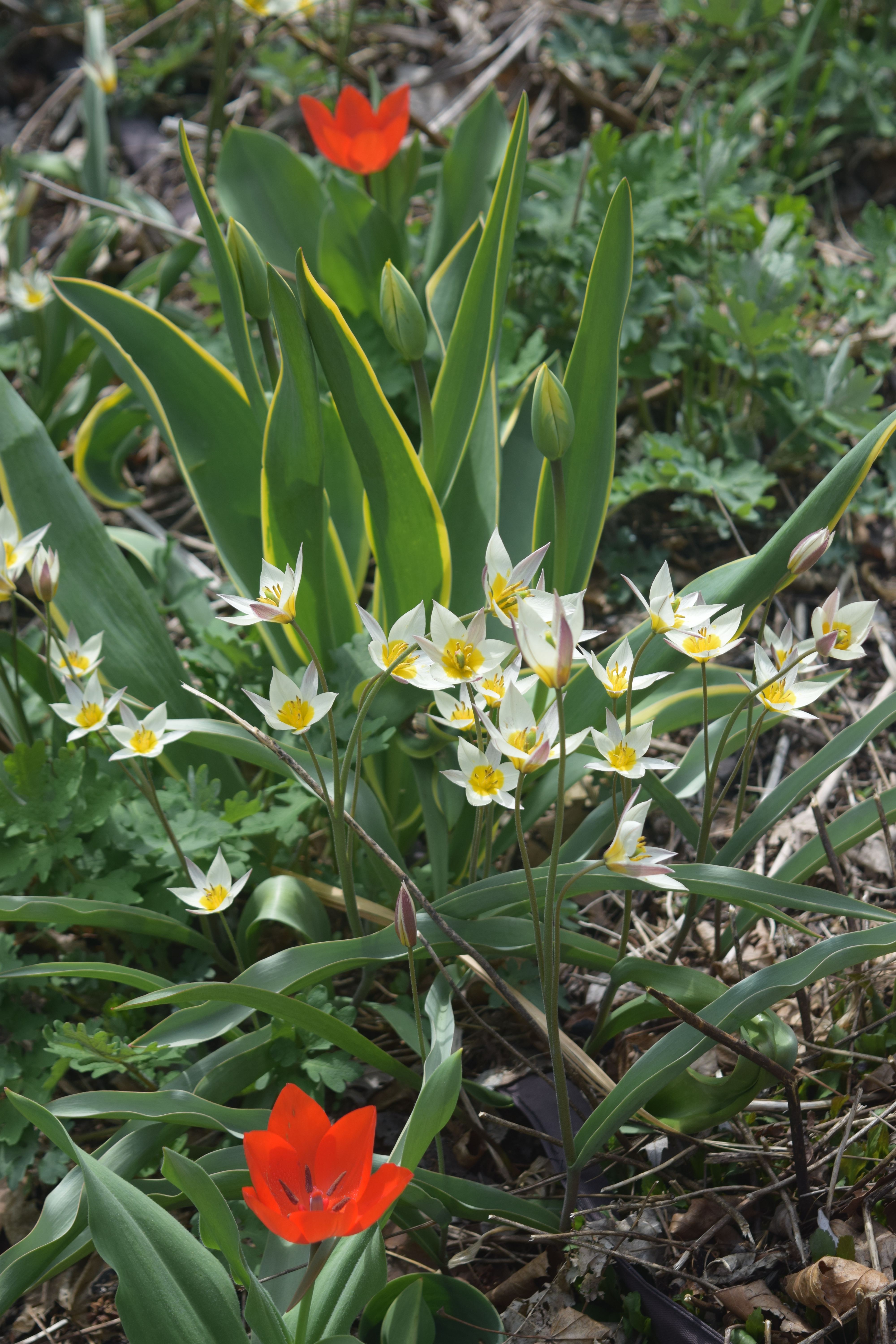
T. praestans 'Unicum' (red) with T. turkestanica
T. praestans ‘Unicum’ (red) with T. turkestanica


There are no daffodils of brilliant red or dark purple or vibrant orange. OK, there are daffodils that have cups of a sort of apricot or orangey pink, but that is hardly the same.

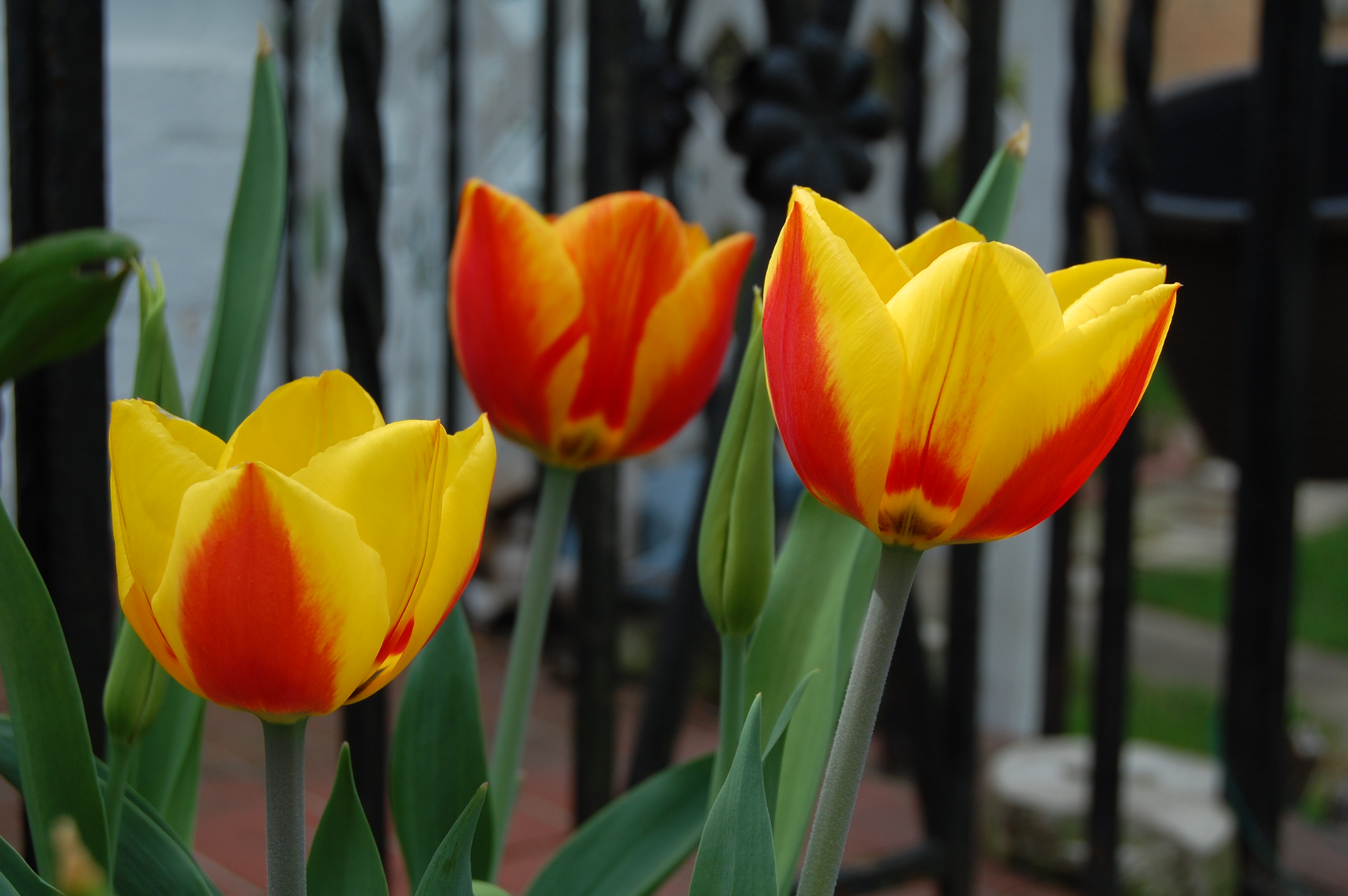
Tulipa 'Flair'
T. ‘Flair’. This isn’t blooming right now, but it’s an example of how colors combine in Tulips but not Daffodils.

Also, colors mix in Tulips much more dramatically than they do with Daffodils. With Daffodils, you may get a perianth (petals) of one color and a cup of another. Sometimes the cup fades from a lighter to a deeper shade. Very nice.

More T. turkestanica

But with Tulips, you can get stripes and swirls and one dazzling color flushed with another.

T. dasystemon
T. dasystemon

Right now my ‘Early Harvest’ Tulips are done except for the ones in a single pot. But as ‘Early Harvest’ exits, T. praestans ‘Fusilier’ and ‘Unicum’ (with variegated leaves) keep my need for brilliant color satisfied.

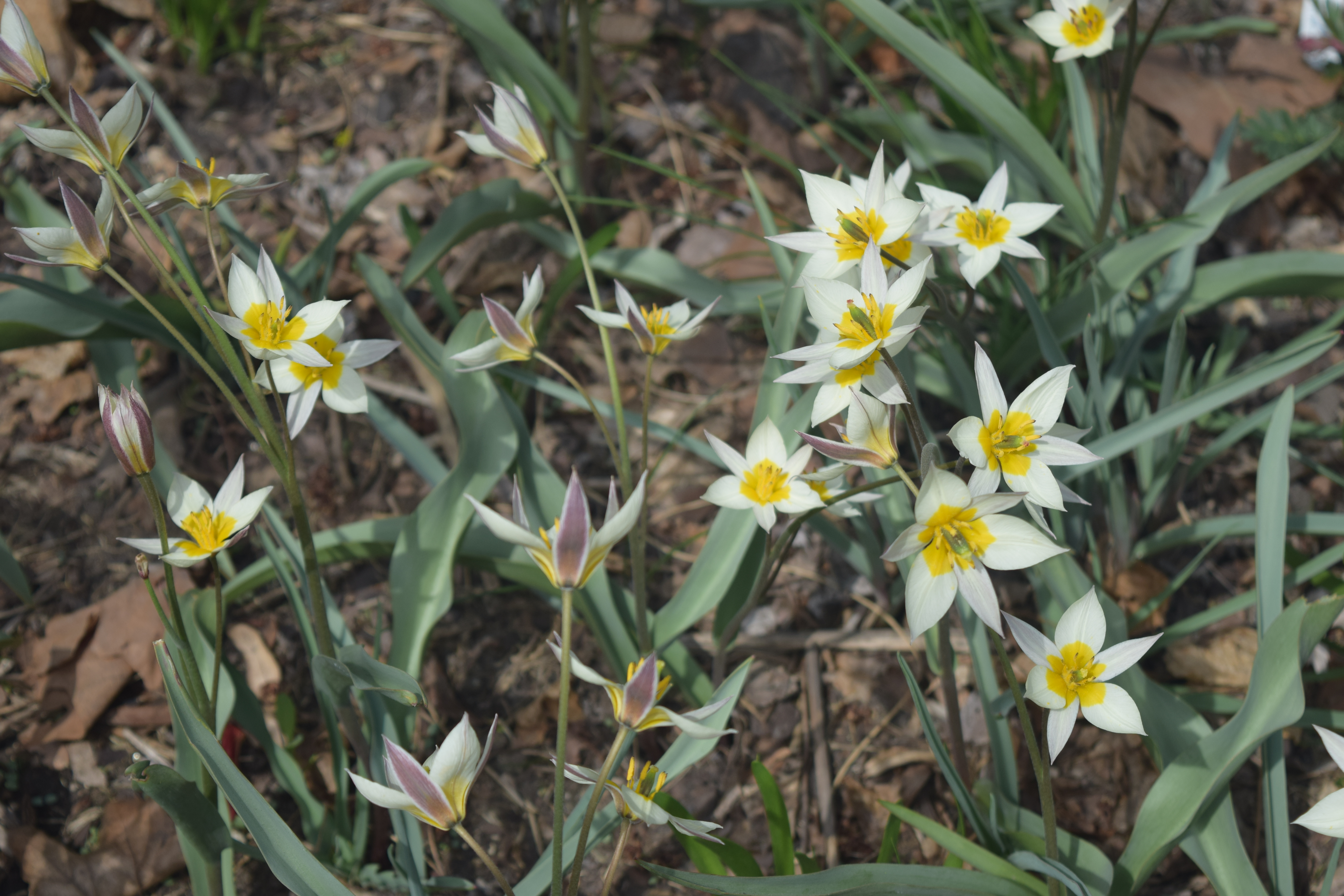
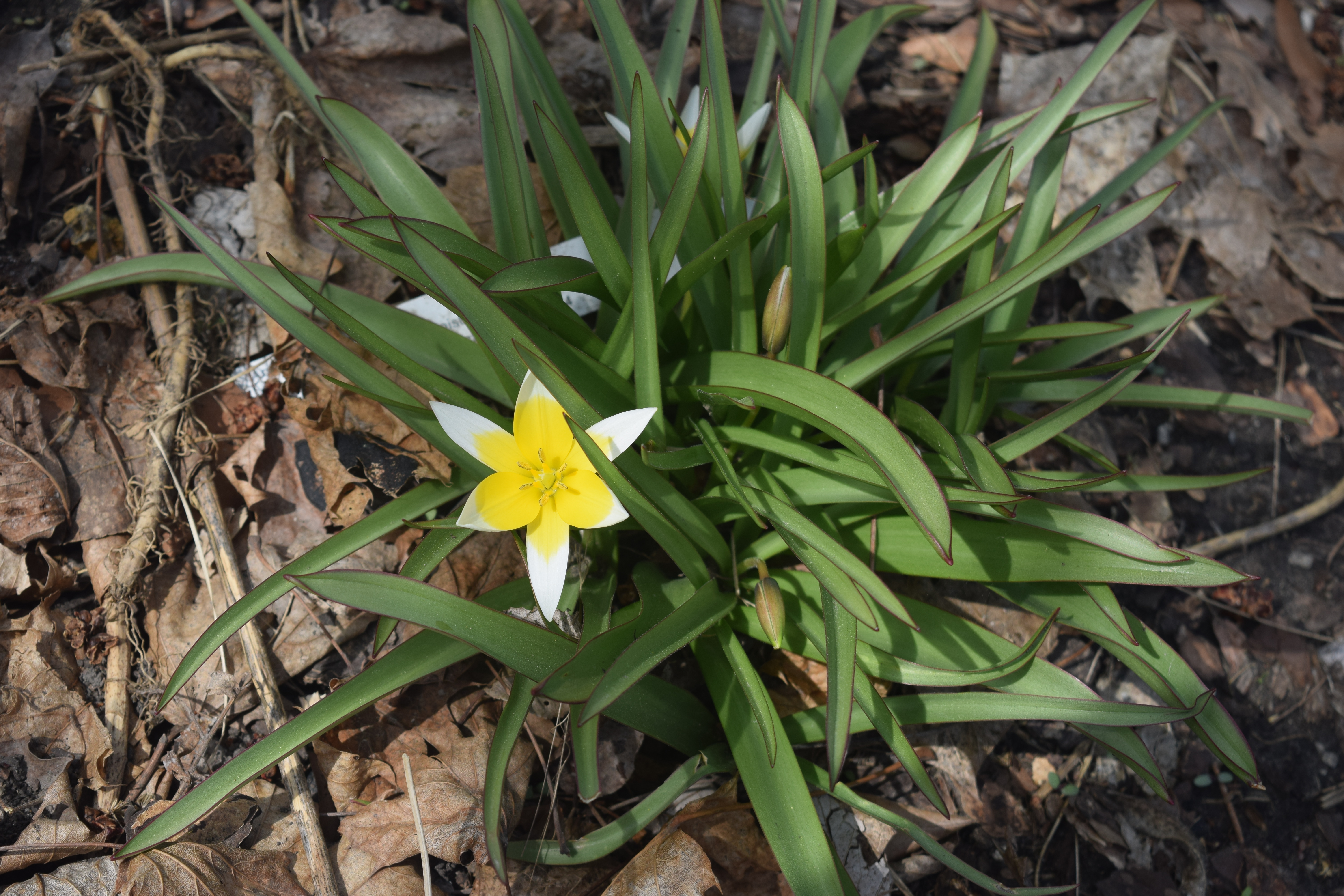
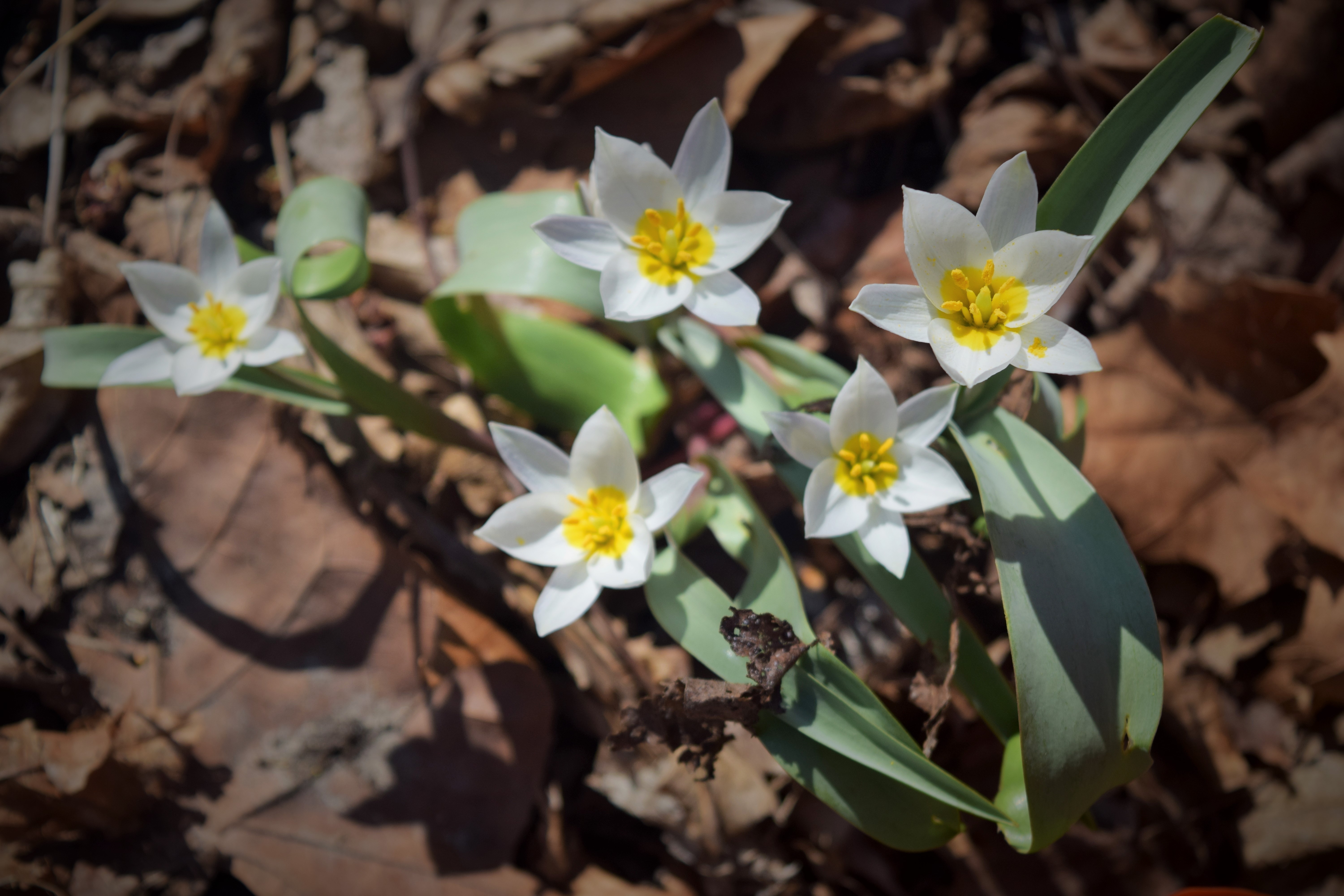
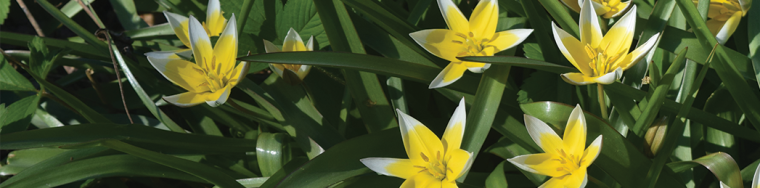
There’s also a few white and yellow Tulip species in my garden: lots of T. turkestanica, a few T. biflora, and the T. dasystemon are just starting to bloom. Many more will make their appearance in the next few weeks.

2015-04-19 11.45.27 tulips

It must be admitted that Daffodils do have one huge advantage over tulips: critters don’t eat daffodils – all parts of the plant are toxic.

Also, as far as I can tell the poets have been more effusive about Daffodils than about Tulips. Tulips don’t have anything to match Wordsworth’s “host of golden daffodils, fluttering and dancing in the breeze.” There is a poem by Sylvia Plath which gives you the feeling she actually hates tulips. If someone knows of a poem which corrects this imbalance, please let me know.

Do you agree with me that Narcissi have their charms, but they are no match for Tulips?


April Leaves Bring May Flowers

Of course you also need rain, but it’s the fresh green leaves of April that herald the flowers of May.

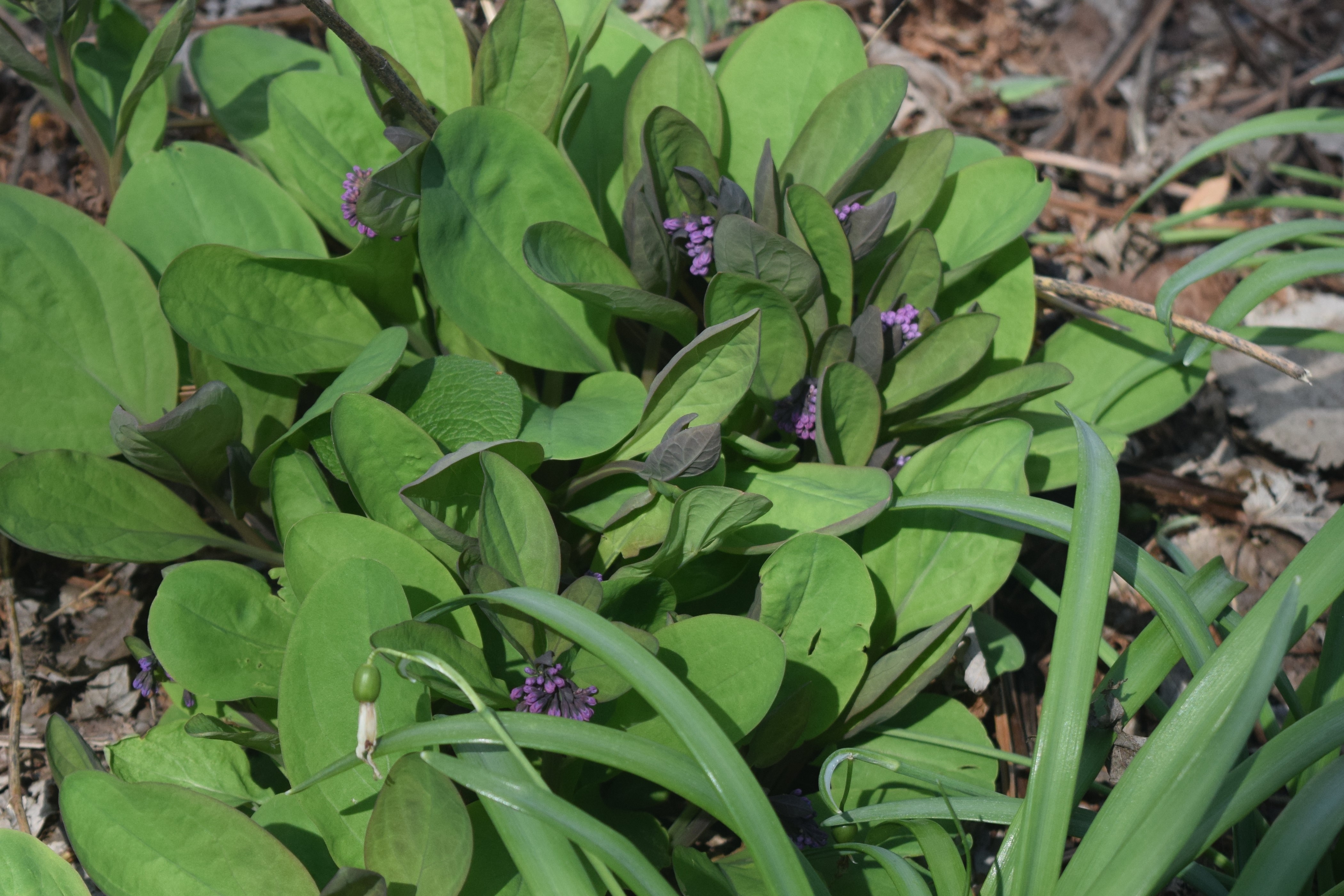
Virginia Bluebells - the little flower buds are visible already.
Virginia Bluebells – the little flower buds are visible already.

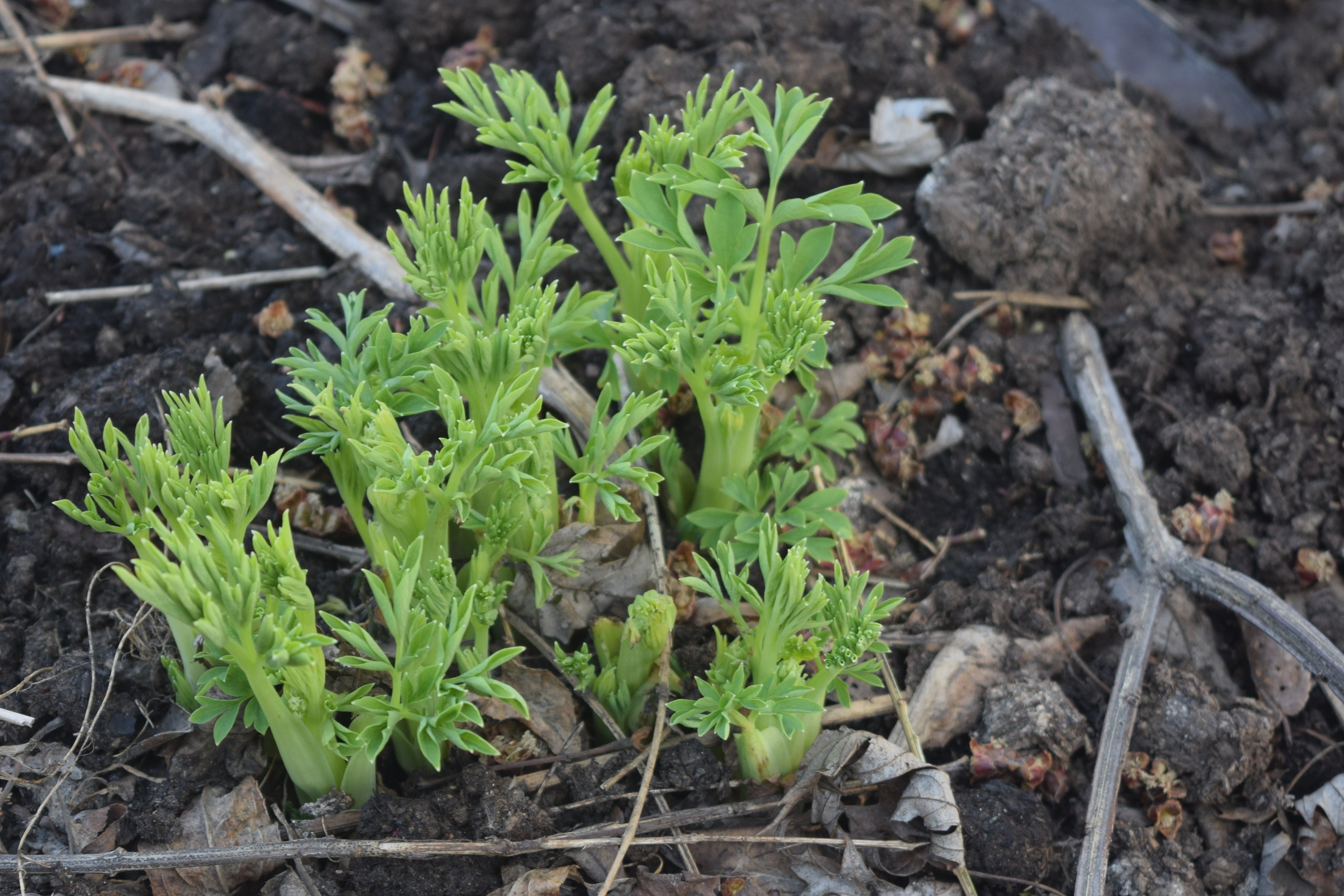
For some this tender new foliage is barely noticeable, certainly unremarkable. However, to me their appearance is a moment of cheerful drama. For example, the blue-green leaves of Virginia Bluebells (Mertensia virginica) which are among the earliest to emerge.

Red Trillium
Red Trillium

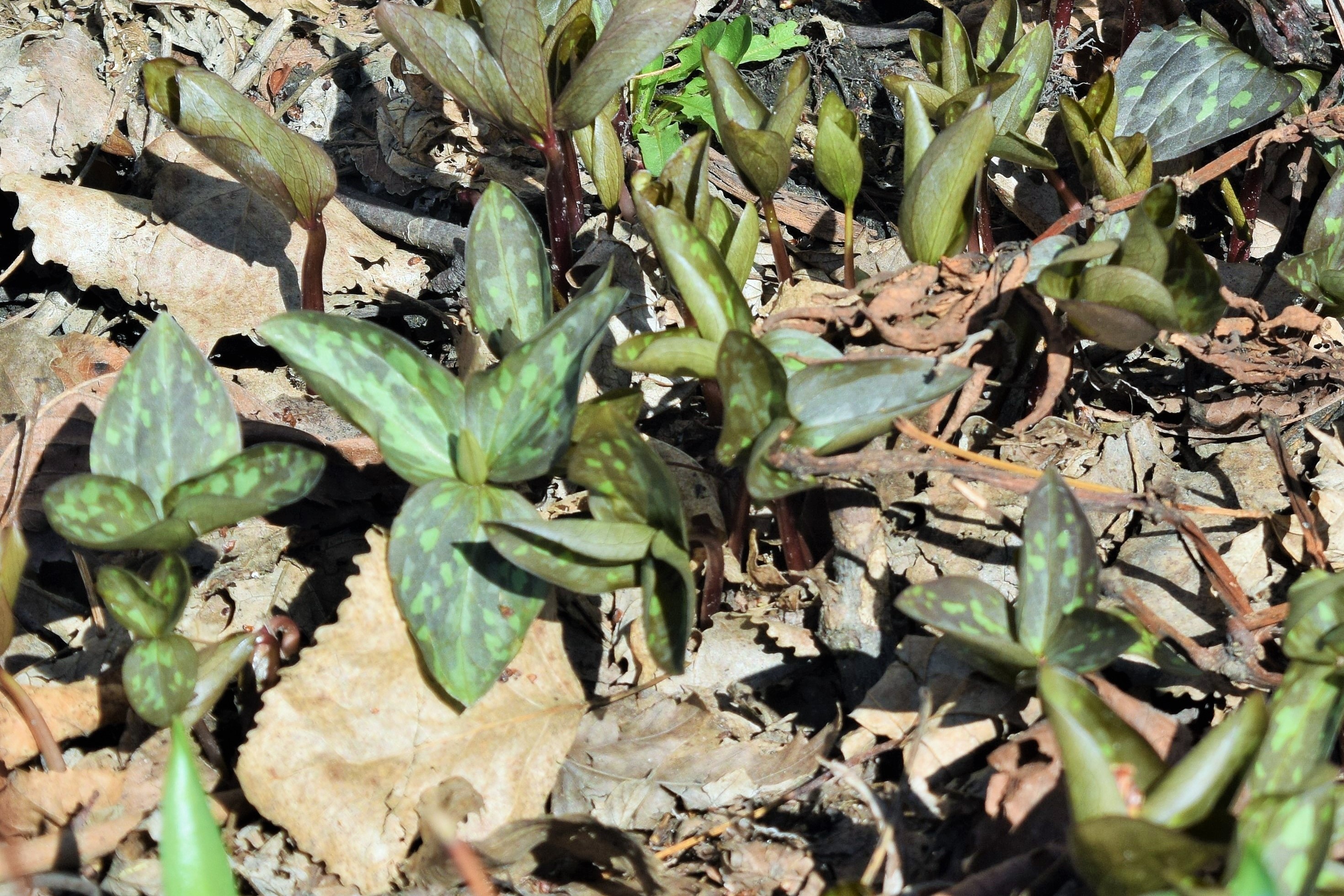
Then there are the spotted leaves of Red Trillium (Trillium recurvatum).

2015-04-11 15.13.58

The bright green of White Bleeding Heart (Lamprocapnos spectabilis var. alba).

Red Elderberry
Red Elderberry

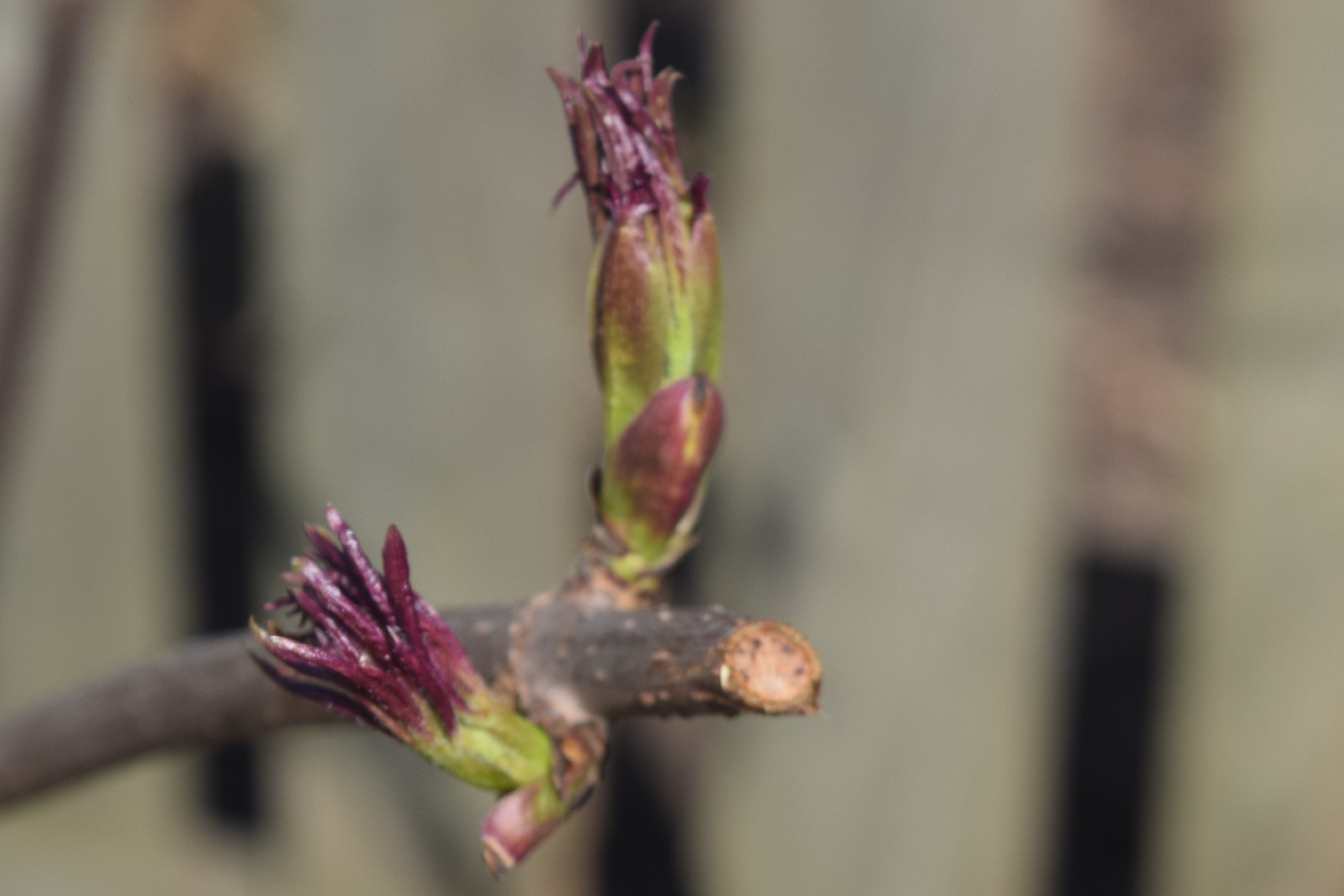
Red Elderberry (Sambucus racemosa L.) buds hint at the color of the fruit that will come in mid-Summer. Unlike Black Elderberry (Sambucus canadensis), this fruit is poisonous to people.

Peony
Peony

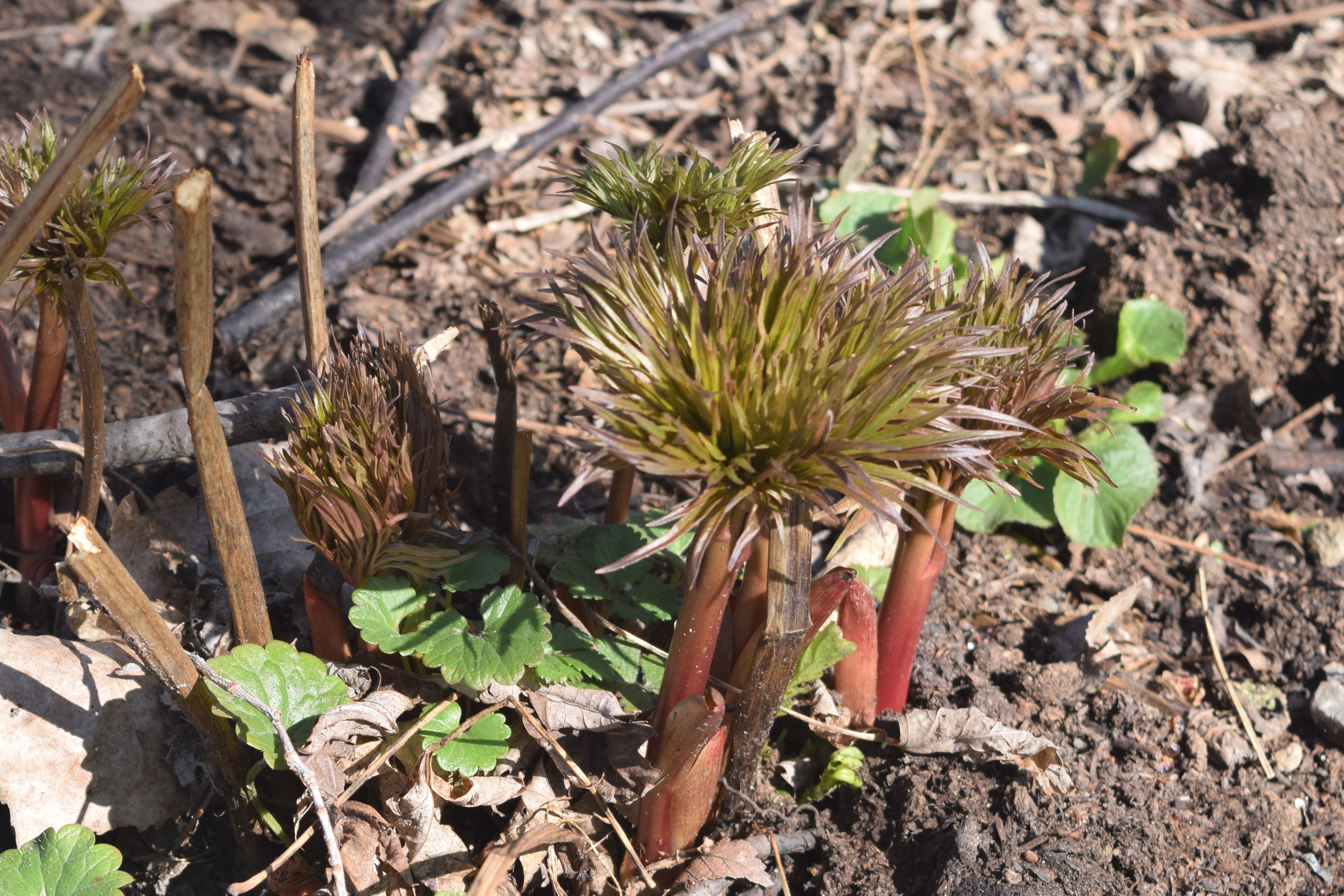
Peony foliage is much looked forward to but also rather strange. This Peony reminds me of the Dr. Seuss characters Thing One and Thing Two, but with green hair instead of blue.

thing

See what I mean?

2015-04-11 15.27.30

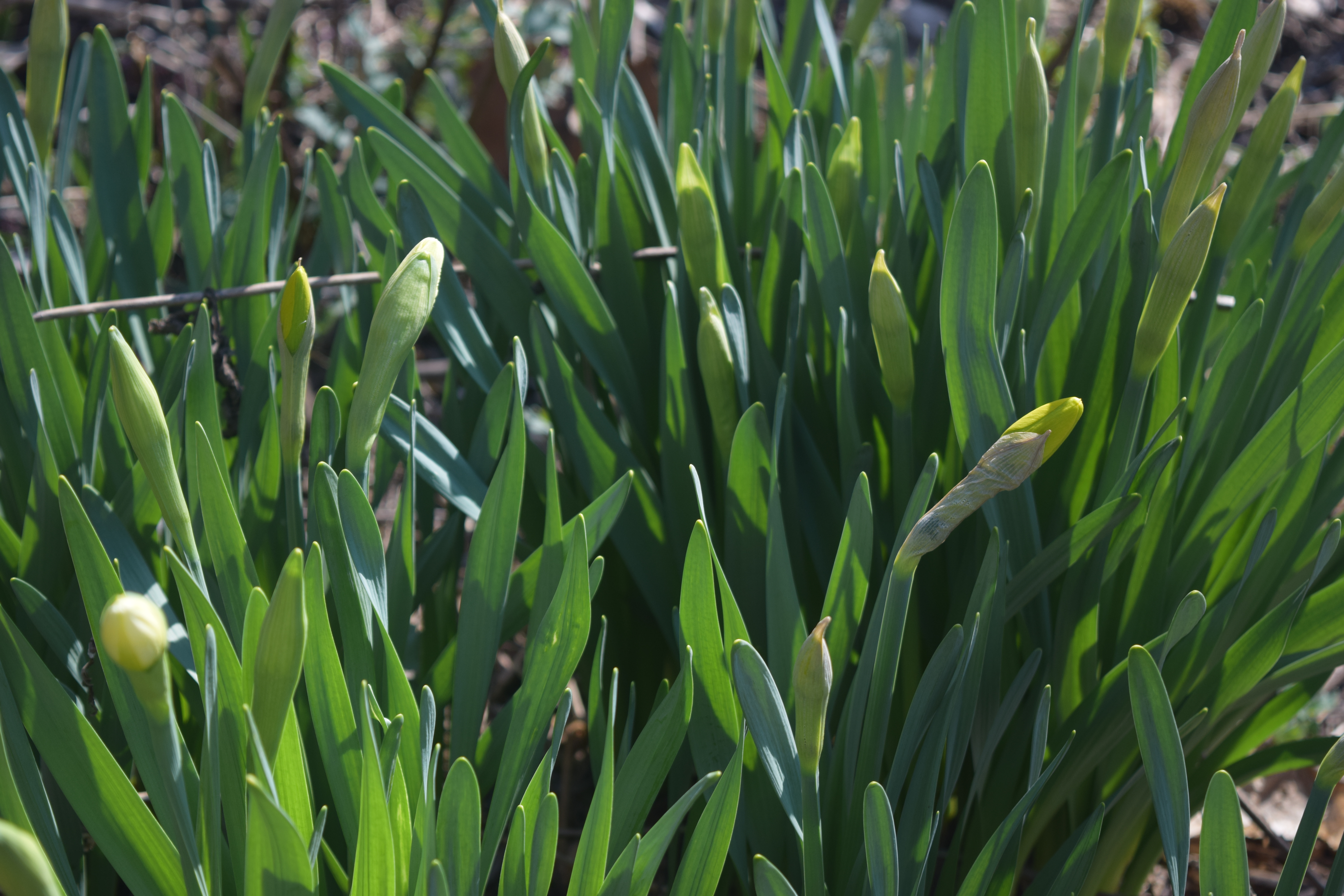
And I cannot resist the grassy leaves of Narcissi that are about to bloom.

For more April foliage, follow the link to Foliage Follow-Up, hosted by Pam at Digging. Do you have a favorite when it comes to the leaves of April?

Tulip Season Begins

Today I am a happy man, for the tulip season has begun in earnest in our garden. What, you say, tulip season in the middle of April?

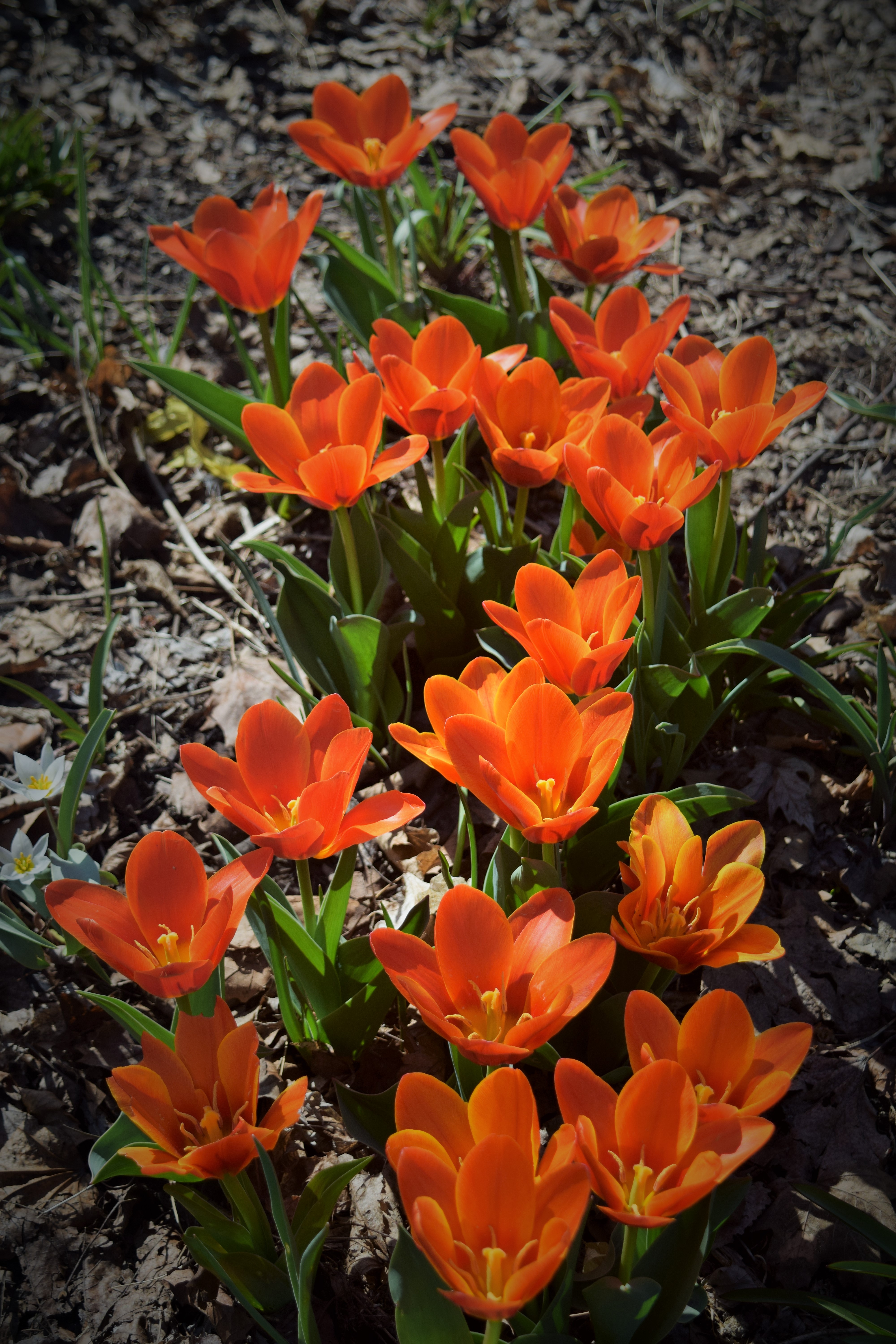
Tulip 'Early Harvest' in the Left Bank Border.
Tulip ‘Early Harvest’ in the Left Bank Border.

Yes, indeed. First, Tulipa kaufmanniana ‘Early Harvest’ has come into its own, blooming in both beds and containers. The no neck phase was just a period of awkward adolescence. The stems are short, but they definitely exist.

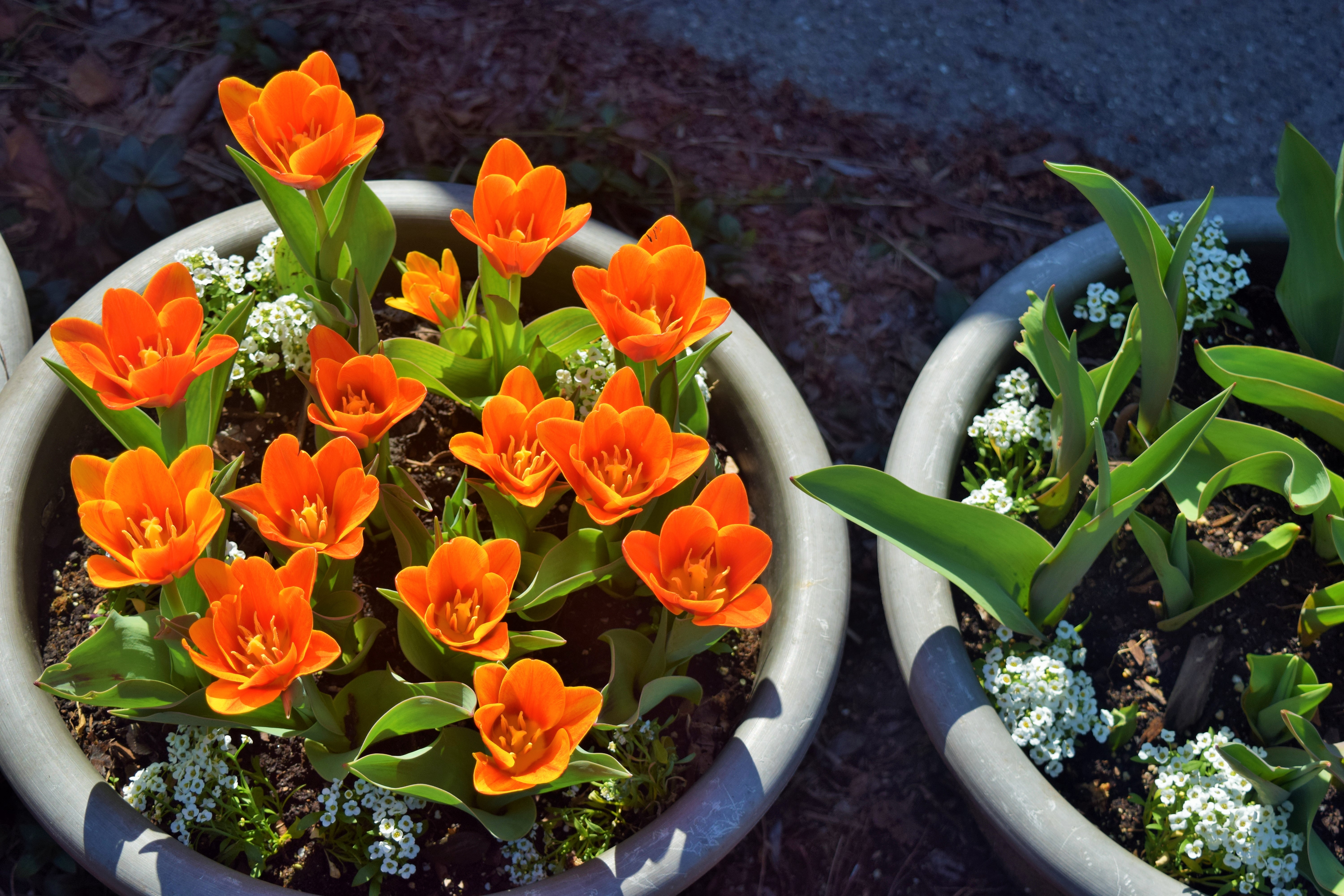
Tulip 'Early Harvest' in container.
Tulip ‘Early Harvest’ in container.

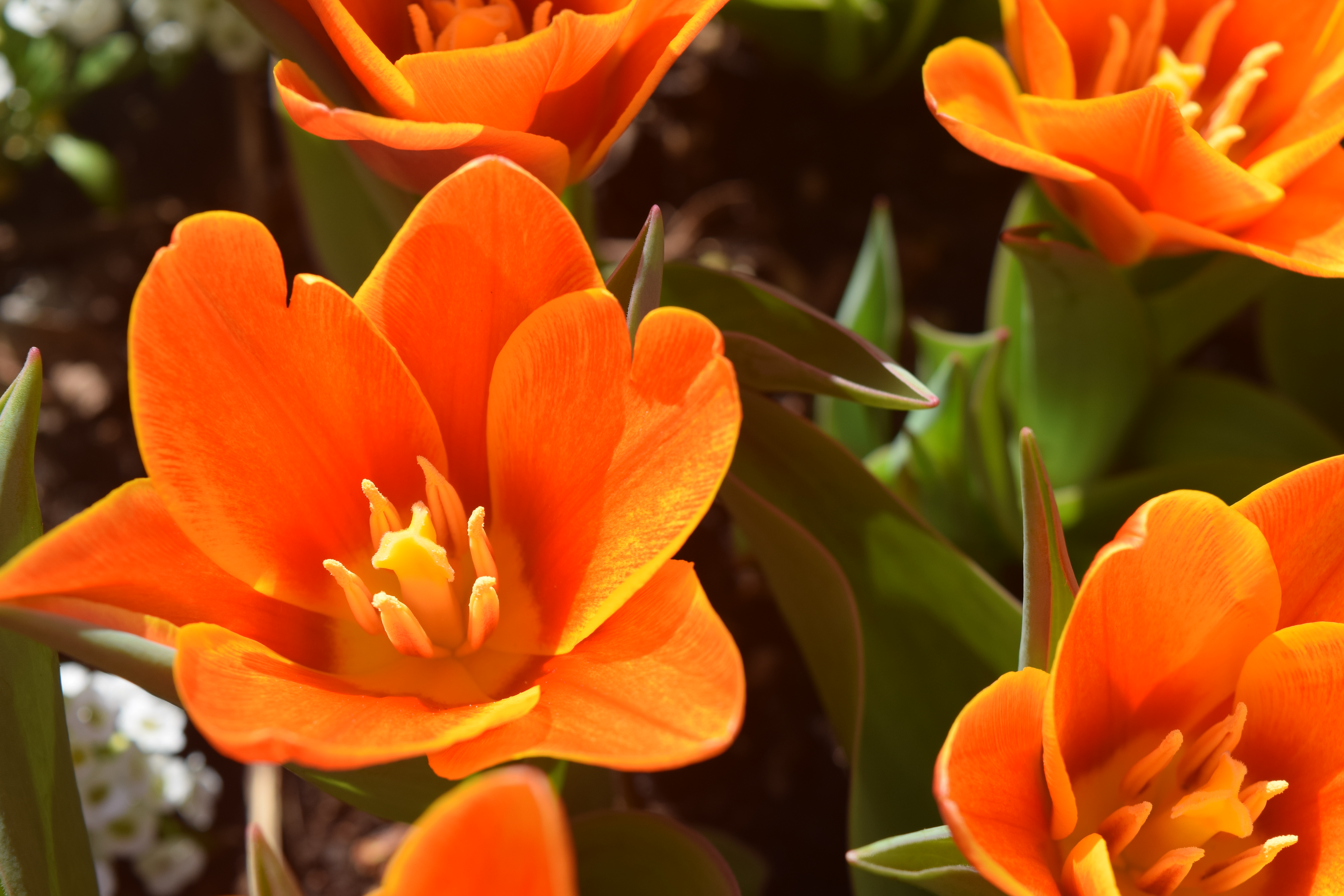
Forget about necks, though – ‘Early Harvest’ has the most glorious color: a glowing orange mixed with red that warms up the chilliest April day.

Tulip 'Early Harvest' close up.
Tulip ‘Early Harvest’ close up.

I could stare at this tulip all day long.

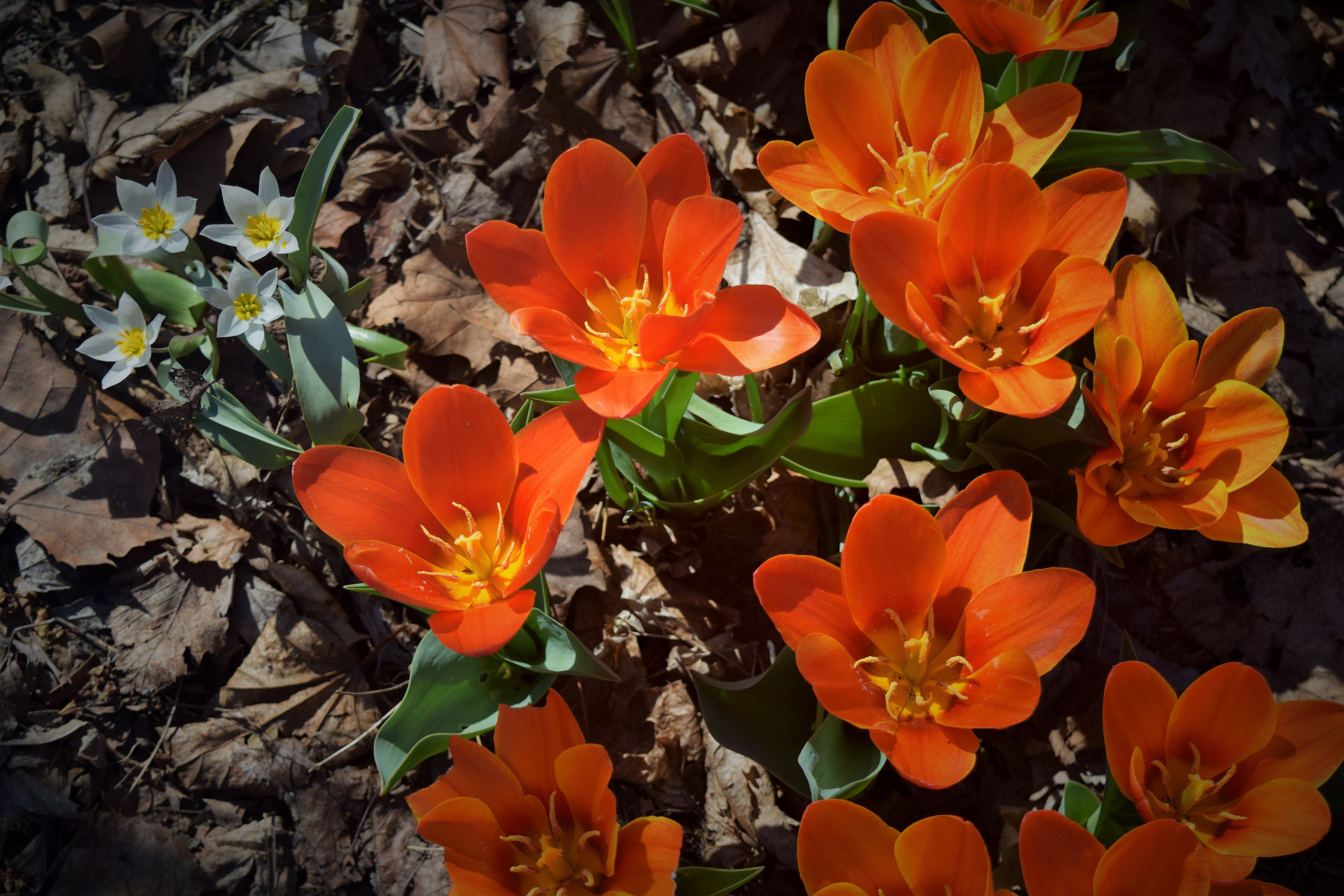
Tulipa turkestanica in the upper left with 'Early Harvest'.
Tulipa turkestanica in the upper left with ‘Early Harvest’.

Keeping ‘Early Harvest’ company is the relatively demure but still beautiful species tulip Tulipa turkestanica.

Tulipa turkestanica
Tulipa turkestanica

Here’s a closeup of T. turkestanica, which is slowly naturalizing in the Left Bank Border.

First of the
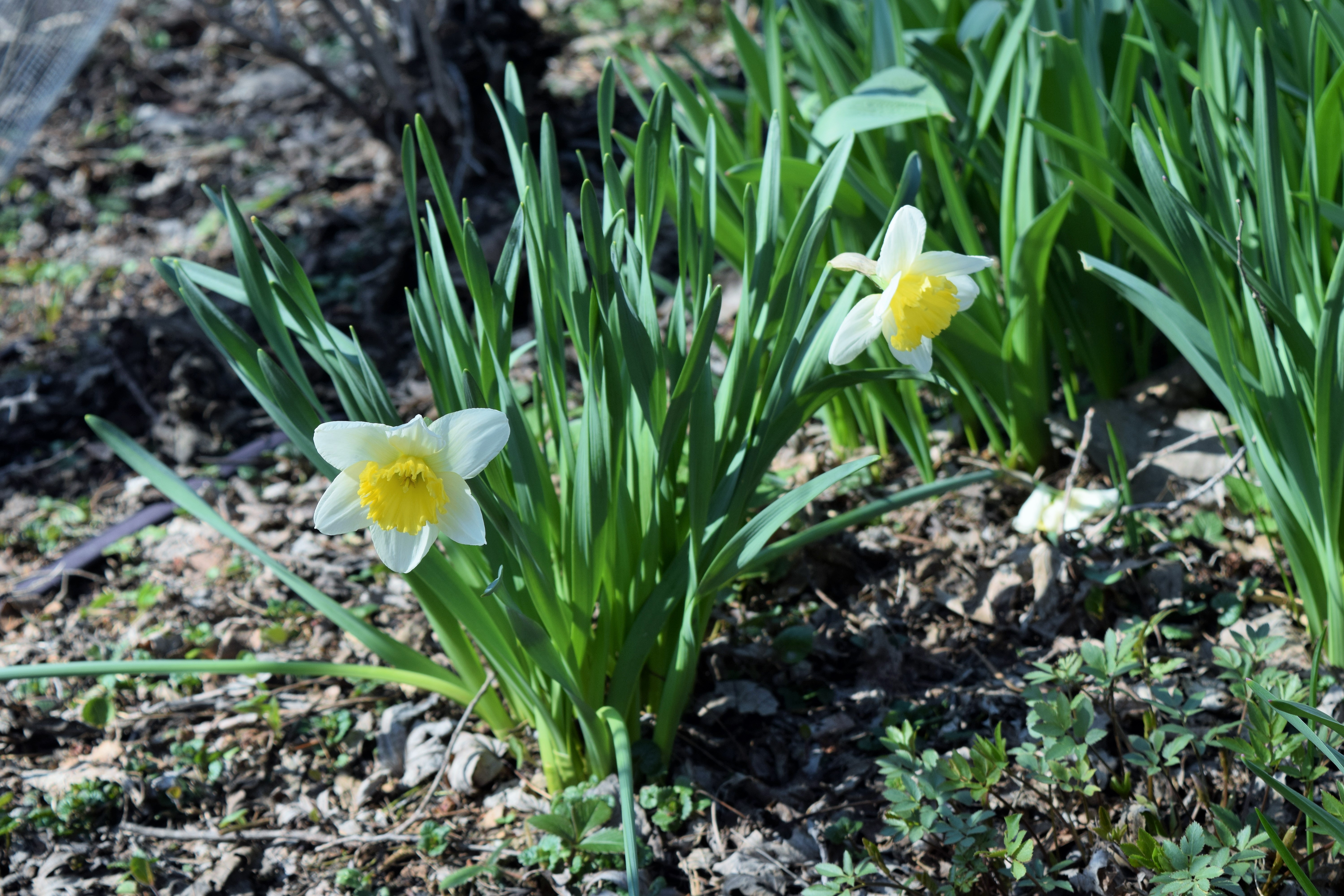
These are the first of the Narcissi to start blooming after ‘Tete a Tete’ – I believe they are ‘Ice Follies’.

Compared to the two early rising tulips, the Narcissi are practically luggards. Narcissus ‘Tete a Tete’ has a few blooms, and the very first of the ‘Ice Follies’ (I think) are showing their flowers of white petals with a yellow crown.

Tommy Crocuses.
Tommy Crocuses.

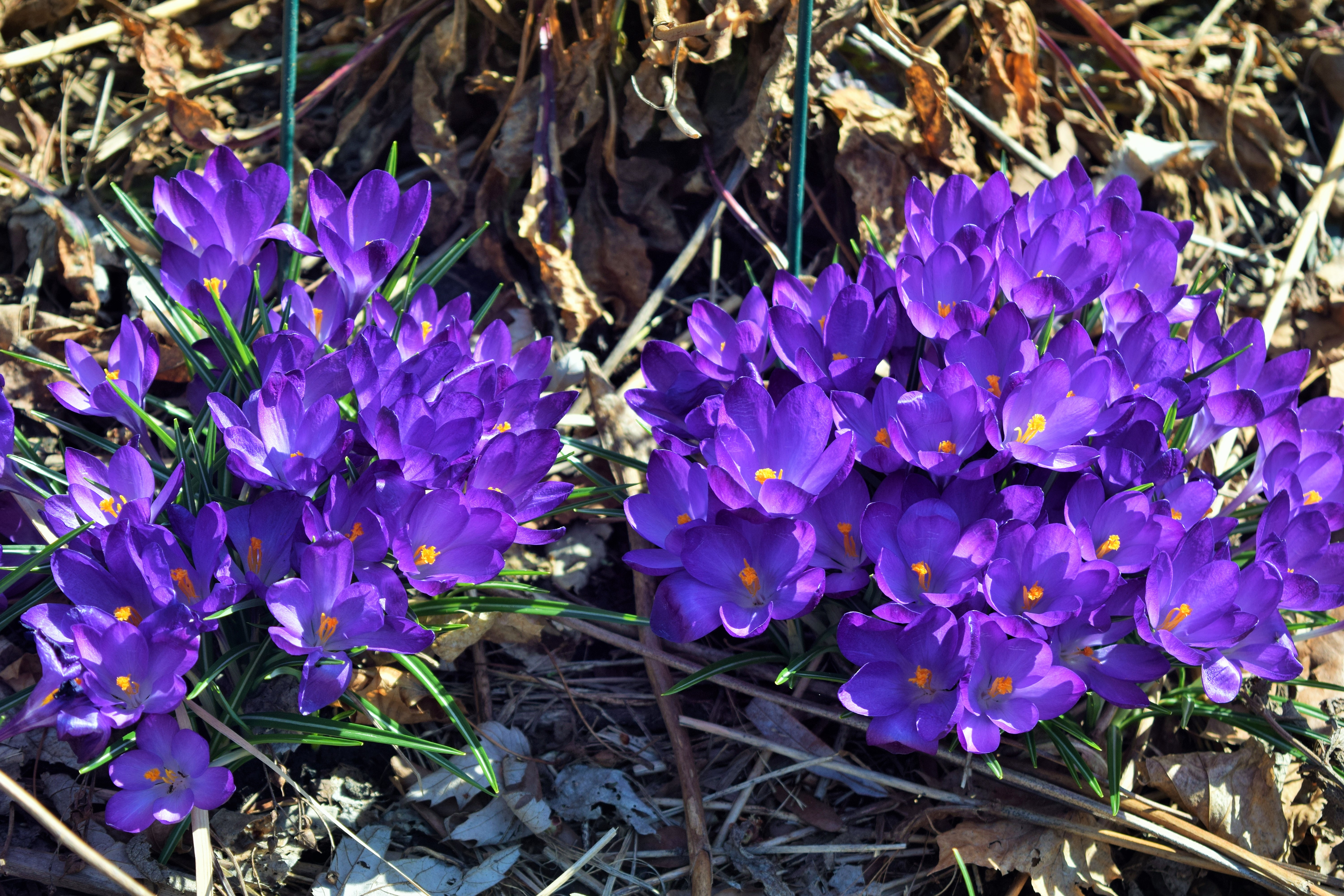
Quite a few Crocuses are still blooming – and by the way, it is correct to say either crocuses or croci, I looked it up. Croci sounds like you could be talking about crocodiles, so I’m sticking with Crocuses. These here are Tommies, C. tommasinianus.

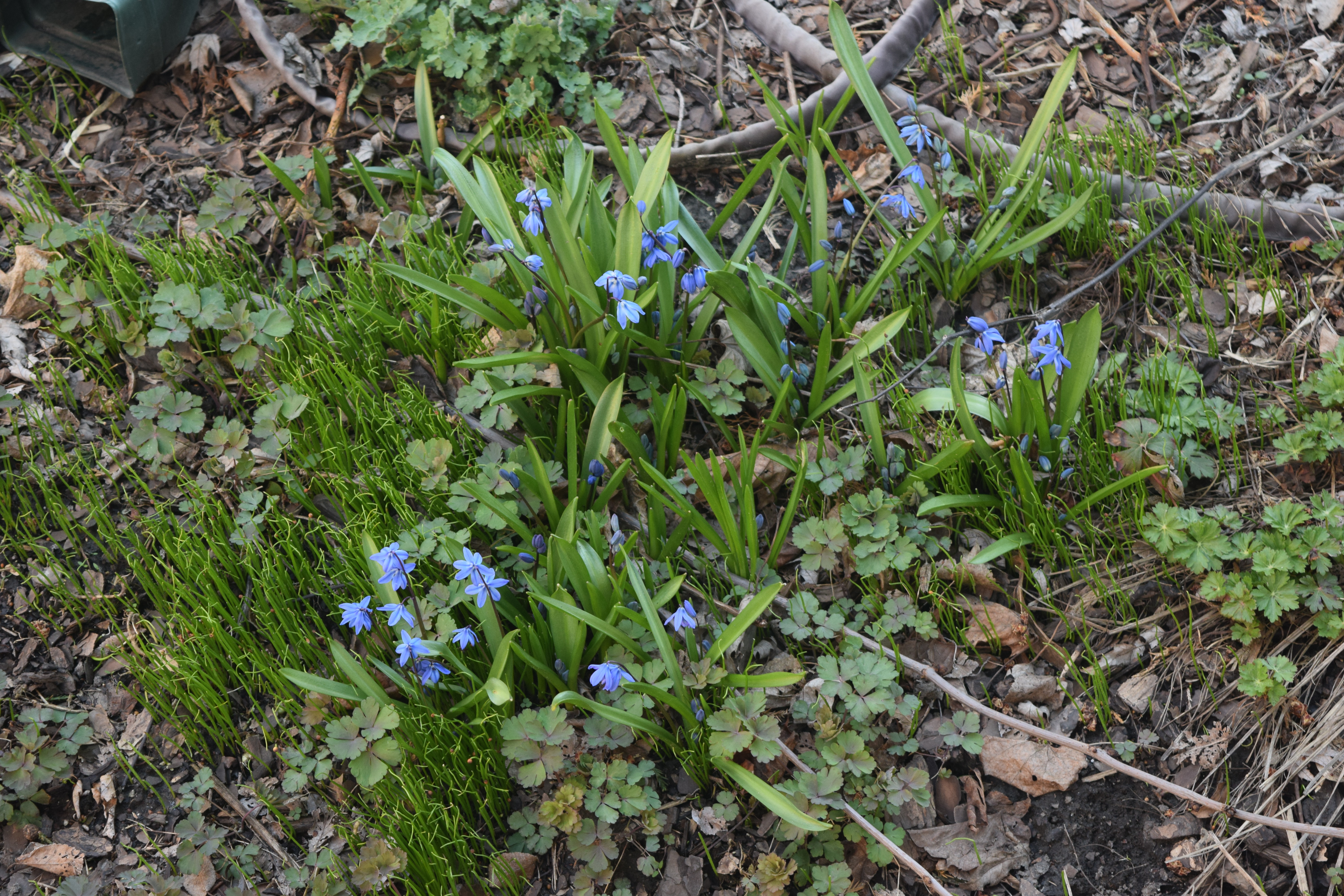
Siberian Squill
Siberian Squill

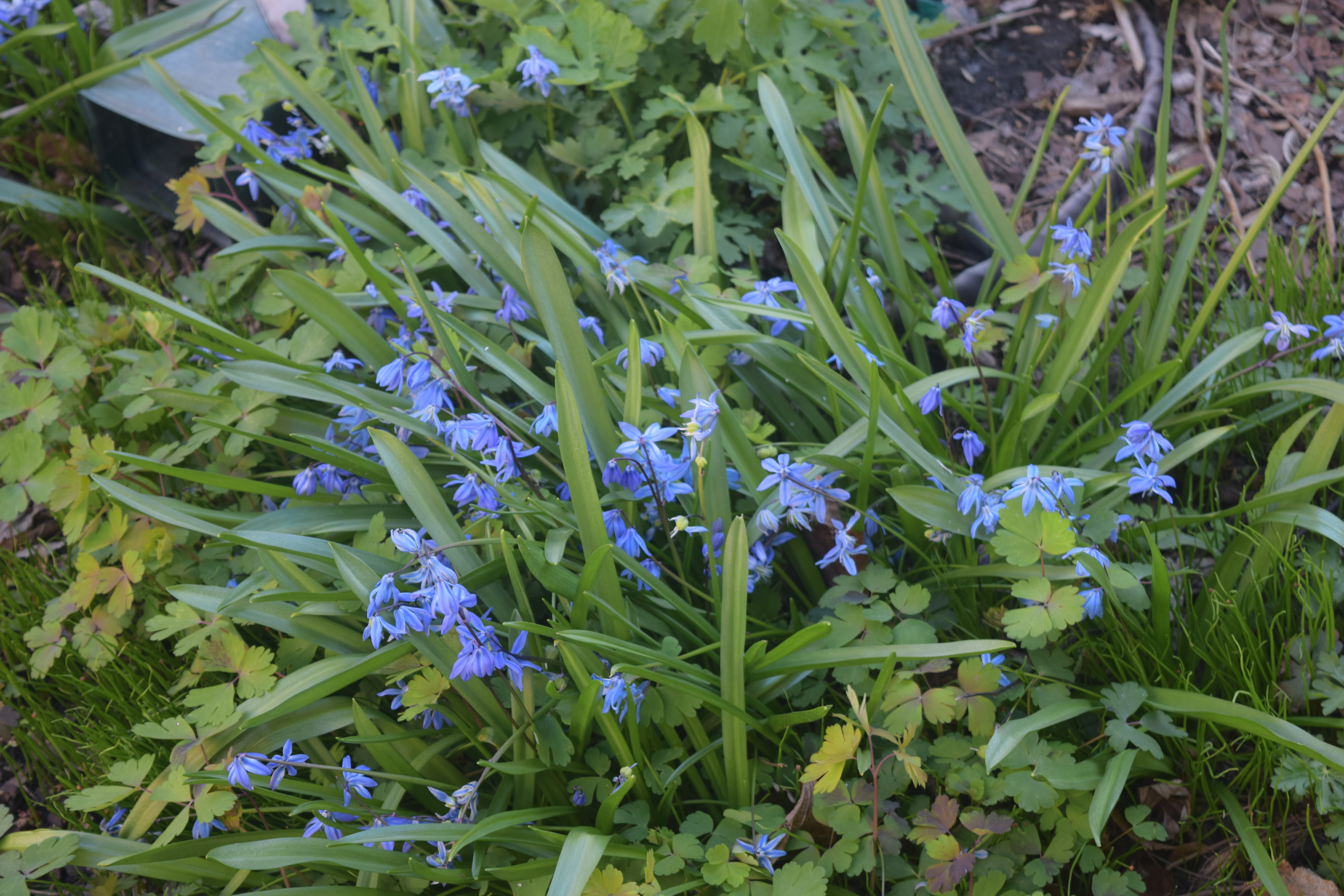
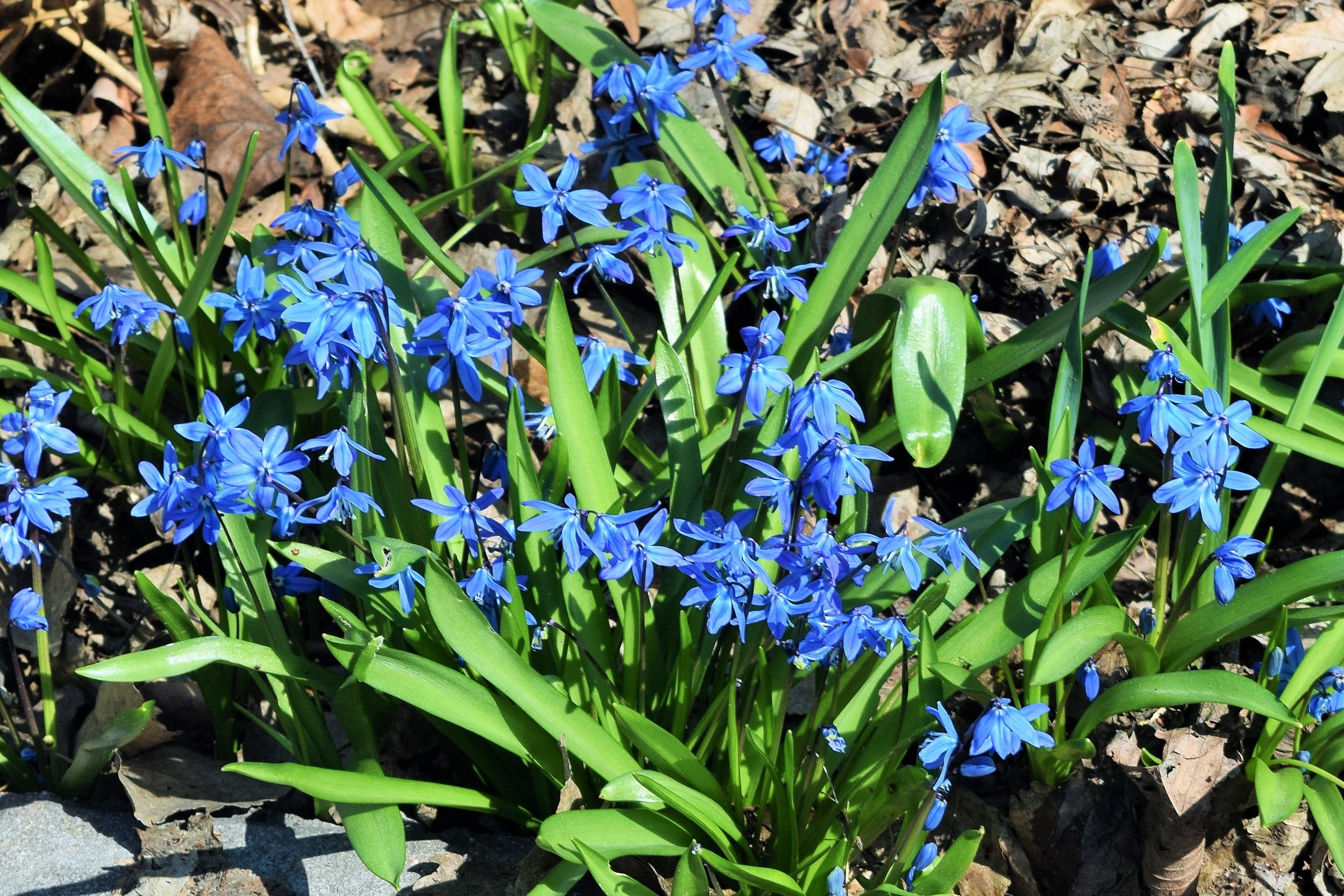
The Siberian Squill are creating patches of clear blue in several spots around the garden. This is such an easy bulb, more people should plant it. It will spread like mad, but who cares? By the end of June it disappears without a trace.

Siberian Squill flowers, baby squill, and Wild Columbine.

To give you an idea of how fast they spread when they’re happy, see all those grassy leaves surrounding the Squill flowers above? Those are all baby Squill, the product of one year’s reproduction. (The other plants with the blue-green leaves are Wild Columbine – Aquilegia canadensis).

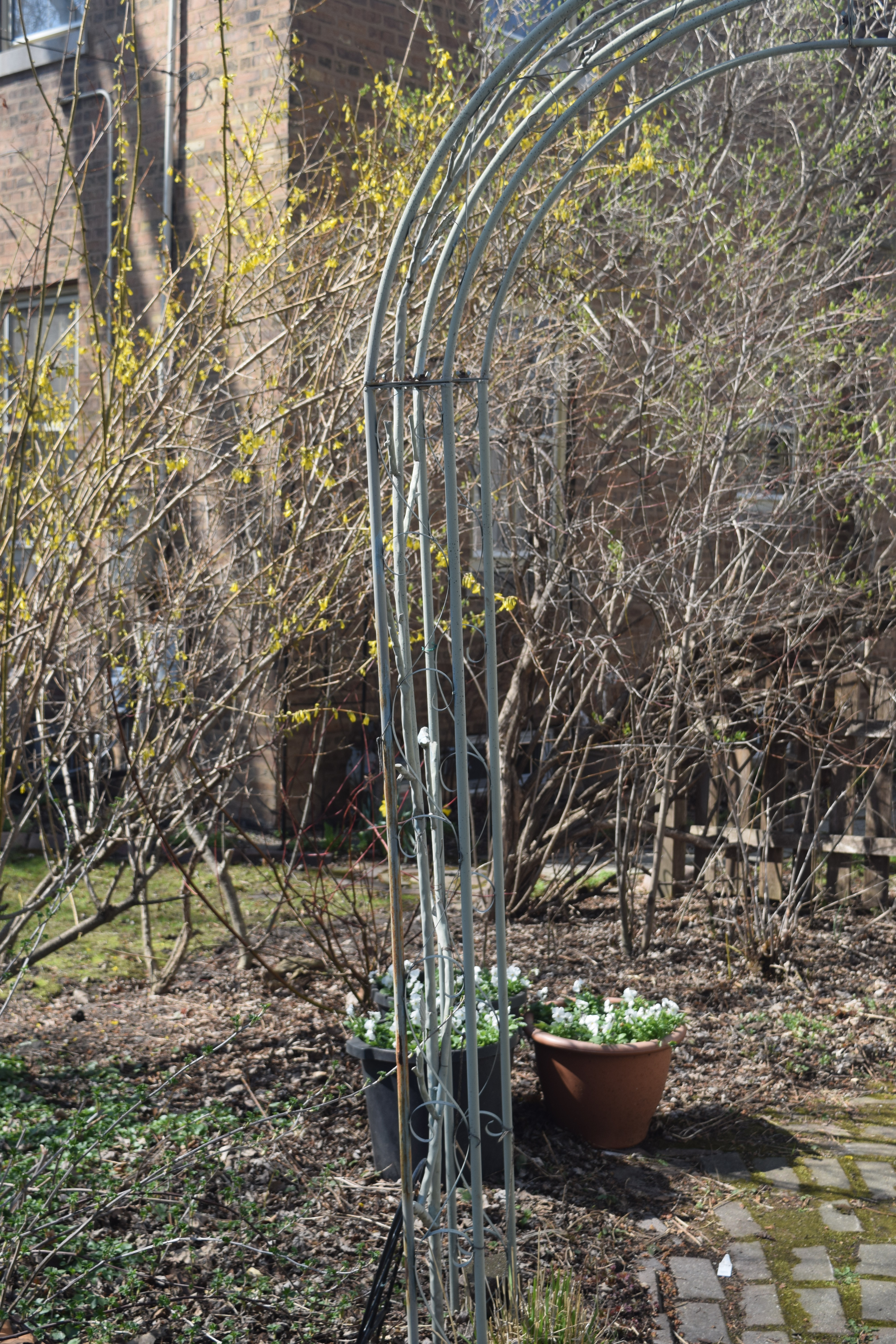
Forsythia in the back garden by the arbor.

I almost forgot to mention the Forsythia, which began to flower a few days ago, though kind of sparsely, it seems to me.

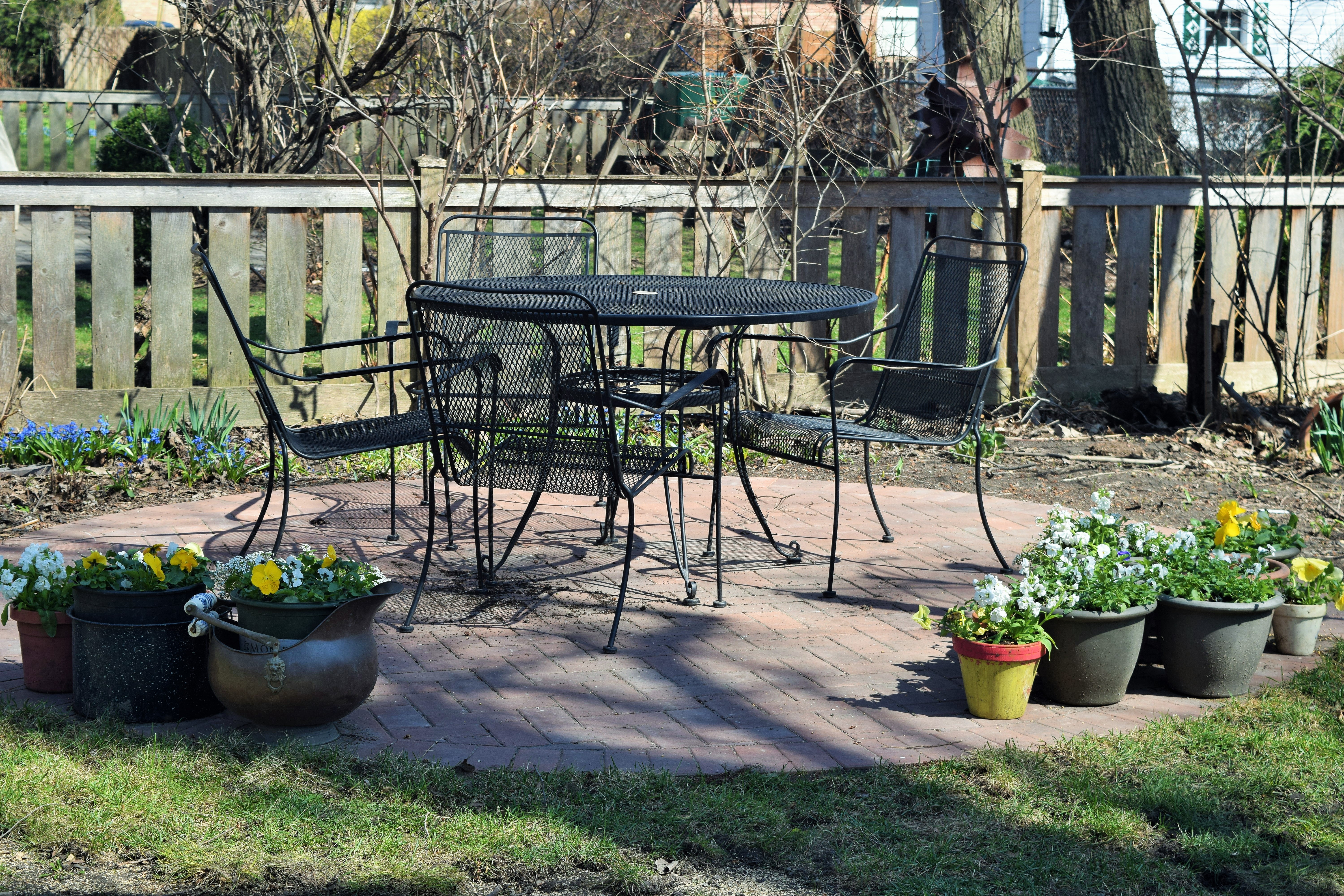
Patio in the back garden with flowering containers.

2015-04-11 15.07.22

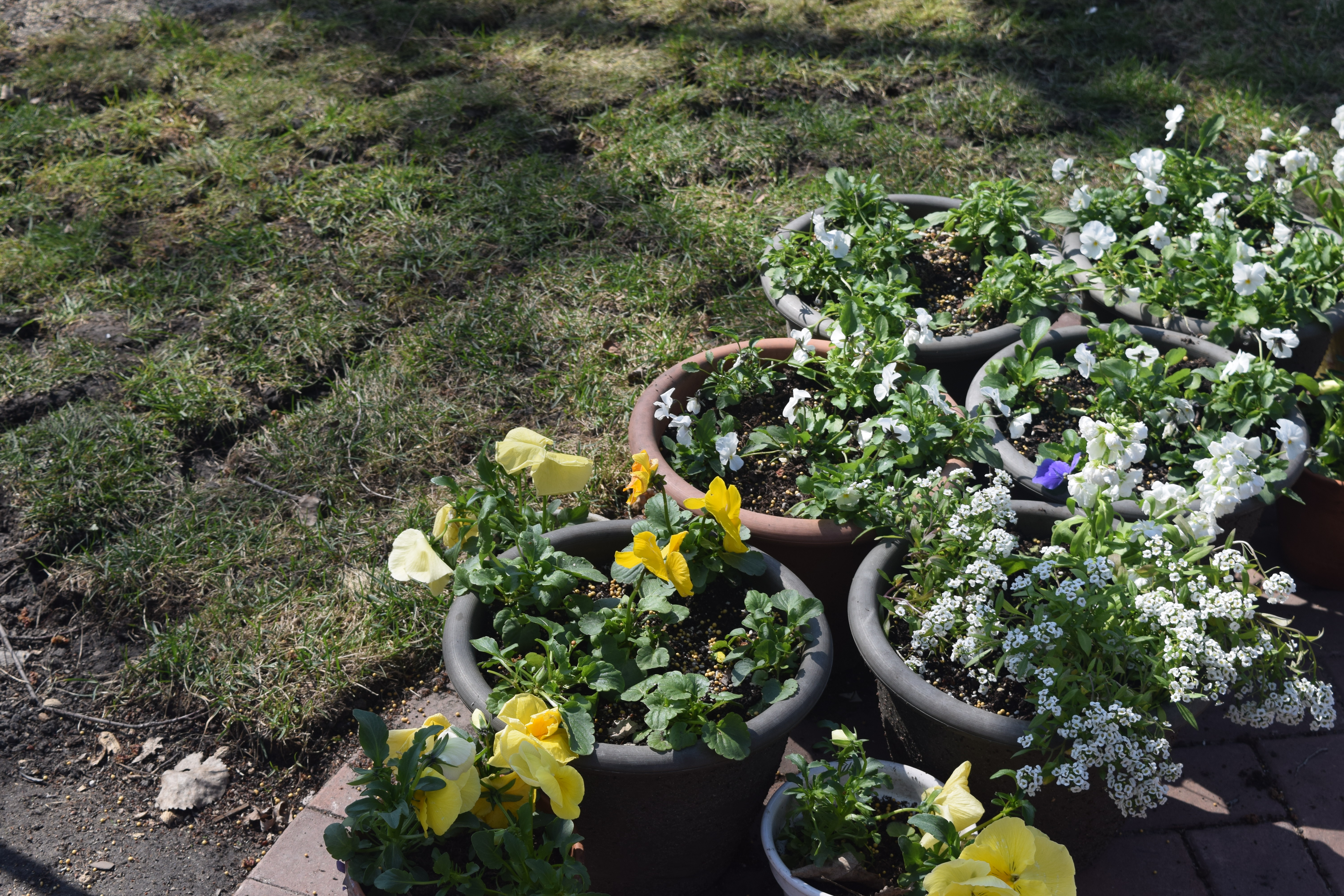
Also in the back garden, the containers are planted with Violas (V. wittrockiana and V. tricolor), Sweet Alyssum (Lobularia maritima). and Stock (Matthiola incana).

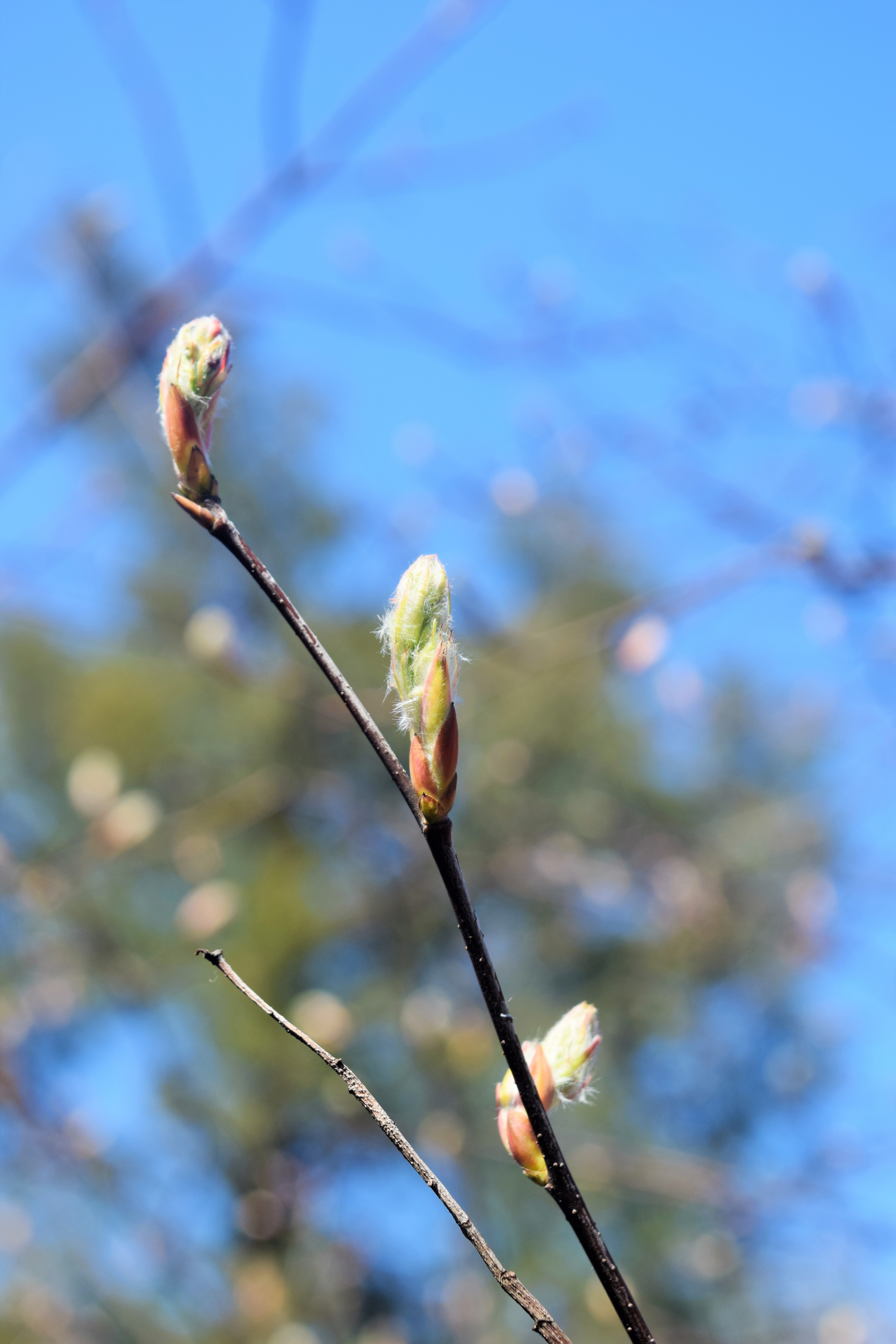
Serviceberry flower buds.
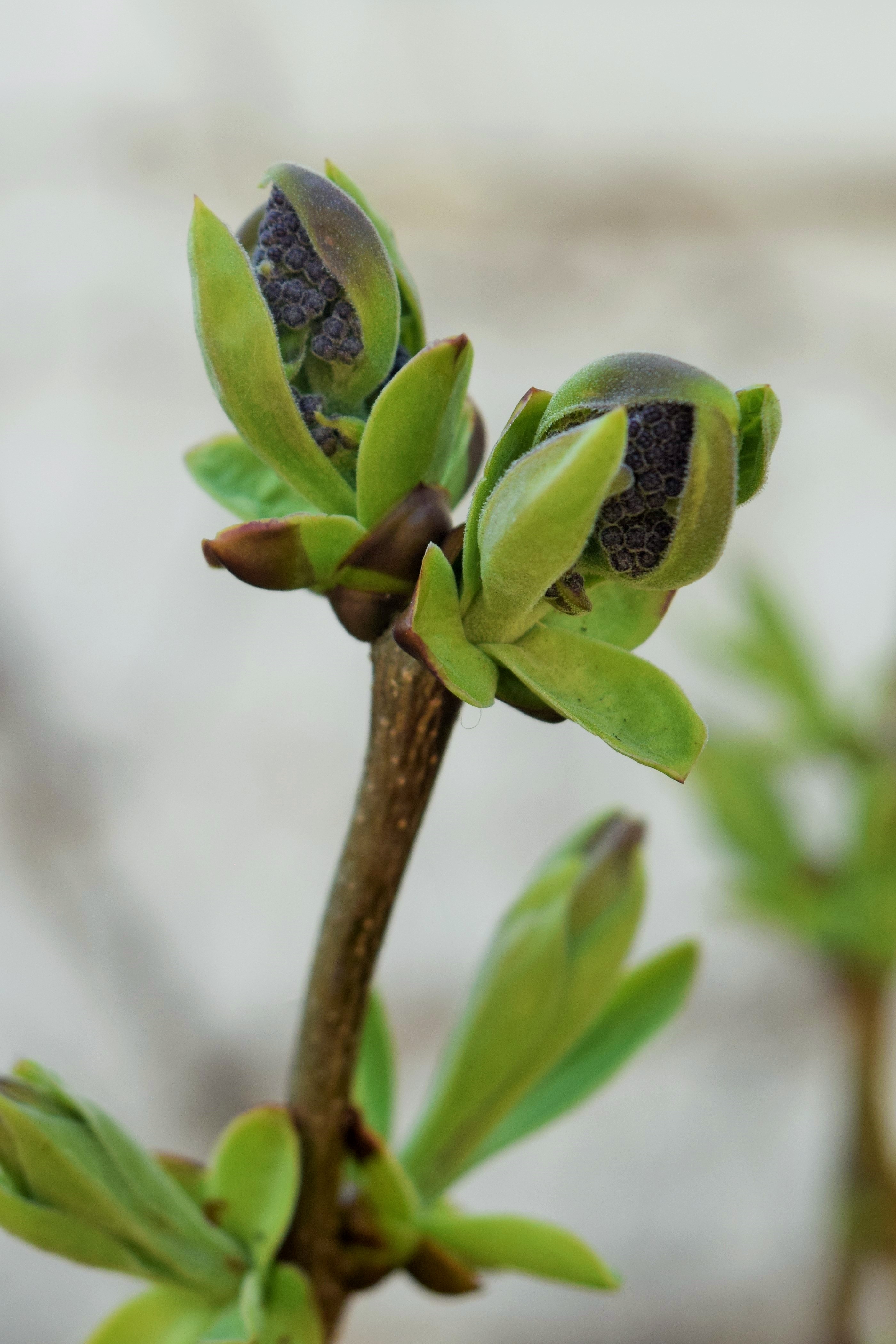
Lilac buds opening.
Lilac buds opening.

All over the garden, there are swelling buds promising even more flowers in the weeks to come.

I’m linking this post up with Garden Bloggers Bloom Day, hosted by Carol at May Dreams Gardens on the 15th of every month. Follow the link to see more wonderful April blooms.

How are the April flowers in your garden?

Be Happy – Plant Sweet Alyssum

One of the things I did this weekend was underplant my container Tulips with Sweet Alyssum (Lobularia maritima). Sweet Alyssum is a fairly common annual – but it should be even more common, because it is a plant with an amazing capacity to make people happy.

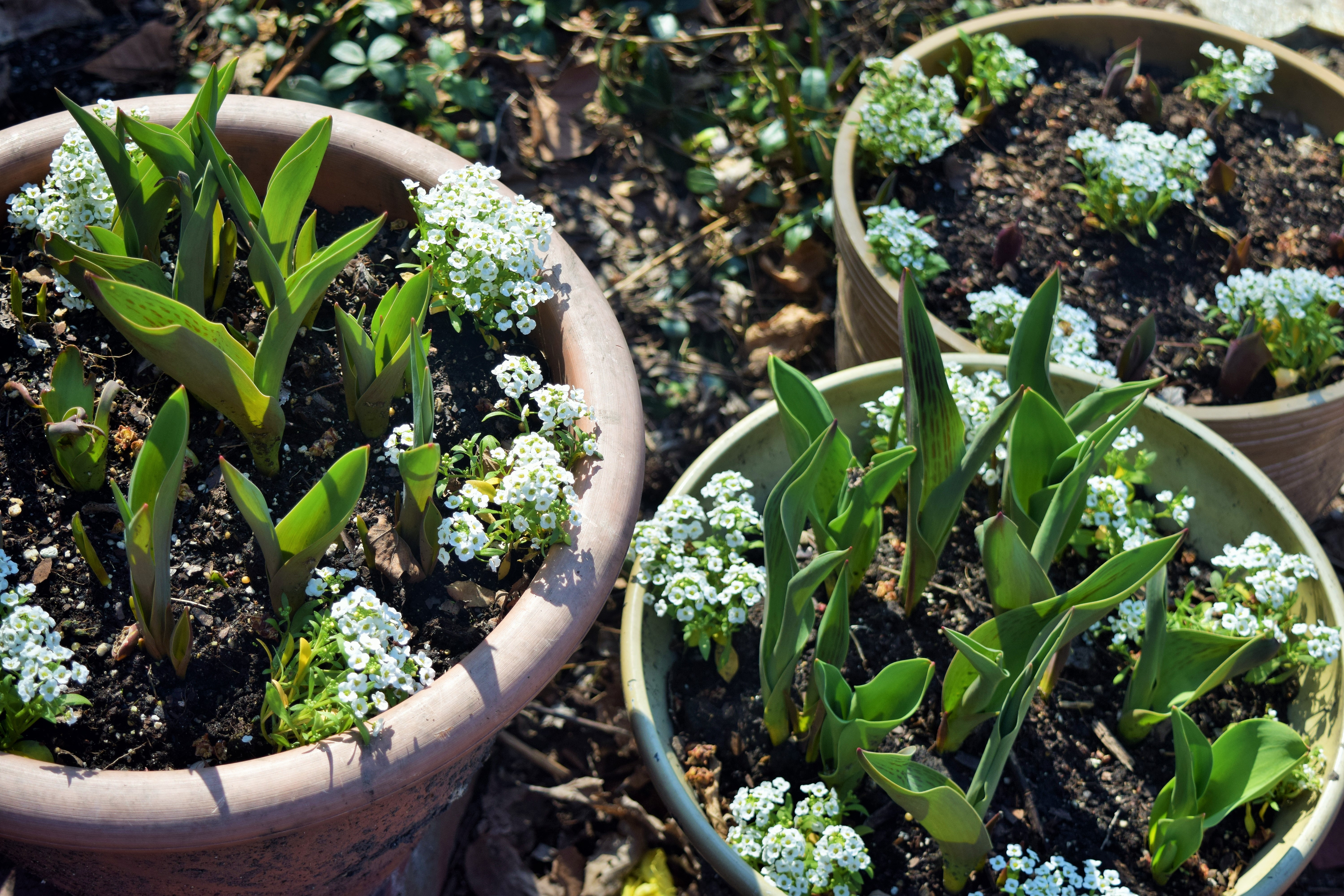
Sweet Alyssum newly planted in the Tulip and Hyacinth pots.

It is easy to grow and just a few inches tall. It can spill charmingly over the sides of containers and the edges of beds and borders. Most of all, though, it has a deliciously sweet fragrance. Now that all the tulip pots are planted with Sweet Alyssum, Judy and I have to sit on the front steps for a few minutes every time we try to leave or enter the house, just to take in that marvelous scent.

This year the dominant Sweet Alyssum cultivar is called ‘Snow Crystal’. I can attest to the fact that ‘Snow Crystal’ has larger flowers and a stronger fragrance. It’s also supposed to have better heat tolerance. As to that, we will see. Generally, Sweet Alyssum can be planted early in Spring but sulks unhappily when the days get really hot and humid. In the past I have just assumed that it will be played out at some point in July.

The Sweet Alyssum I bought was white, but I was tempted by purple and lavender. However, it seemed to me that the white ones were by far the most fragrant, and fragrance won the day.

2015-04-11 15.22.02 sweet alyssum in  tulip pots

A hardy annual here in USDA Zone 5, Sweet Alyssum will self-sow if you don’t interfere, and why should you?

This is an excellent plant for ensuring that your containers don’t show bare earth, so if nothing else I recommend you fill in any empty spots with Sweet Alyssum, or maybe just fill a pot or two with fragrant mounds of this plant.

Do you grow Sweet Alyssum in your garden?

Artisinal Turf Removal

Digging up lawn is one of my favorite gardening chores. Just now I’ve been engaging in this chore because the city removed a dying parkway maple on what I refer to as our garden’s Left Bank, thus creating a new sunny area. (The Left Bank is the other side of the driveway.)

Several books contain advice on how to remove lawn, and I’ve tried a number of the recommended approaches.

I’ve done the smothering with newspaper thing. This works OK, except that you get bits of newspaper blowing around or sticking up through the mulch, unexpectedly reminding you of some headline you would have preferred to forget about. I also once hired someone (at another home) to use a sod cutting machine.

Artisinal turf removal: the work begins.

What I really like, though, is what I call Artisinal Turf Removal. This involves taking a long handled edging tool, outlining your new bed and border, and then cutting out the turf bit by bit.

Sure, Artisinal Turf Removal is labor-intensive and time consuming. However, it has several advantages. You don’t have to wait a year for the grass to be smothered, or pay someone to use a loud, scary machine.

When I practice Artisinal Turf Removal, I cut the turf into long strips about 10″ wide, then cut those strips into squares that I think of as soil brownies. I pick up each square and shake the soil lose, then throw the turf into my wheelbarrow.

This enables me attain a very intimate familiarity with the soil of my new bed, in this case a black loam with lots of worms and few grubs. This is a little surprising given that it has grown nothing but lawn for lo these many years, and has been fed nothing but grass clippings for all that time.

There are a few tricks to Artisinal Turf Removal. For example, this is not an activity where you would want to wear anything that shouldn’t get absolutely caked with soil.

Turf removal complete. Those pavers are for making an edge along the  sidewalk.
Turf removal complete. Those pavers are for making an edge along the sidewalk. Sorry this is a little blurry but it was getting dark and I used my phone.

Today I finished digging up the turf for this new bed, which was very satisfying indeed. I left some grass along the curb so that people can get out of their cars, something I neglected to do on my other parkway bed. I also left a strip of turf as a pathway through.

Now I can’t wait for my new plants to arrive in the mail.

Do you have a preferred method for removing lawn?

Question of the Day: What Vine Should I Grow on this Tuteur?

When I installed the new tuteur in the Driveway Border I was very excited. However, it turned out to be a disappointment. Instead of standing out as a flowery vertical element, the tuteur was obscured  by all the giant plants surrounding it – Tithonia, Joe Pye Weed (Eutrochium purpureum), etc.

The tuteur in its new home, and needing to be straightened a bit I see.

What’s more, I had envisioned the tuteur covered with big blue Morning Glory (Ipomoea tricolor) blooms. This never happened. I got the Morning Glories to grow, but they bloomed sparsely, if at all. One problem was the shade from all those tall plants, but I also suspect that the soil is just too fertile to motivate the Morning Glories to flower abundantly.

So I moved the tuteur as part of this year’s spring clean-up. Its new home is a nice, sunny spot in the herb/cutting/vegetable bed.

What’s keeping me up at night now is: what do I plant on the newly relocated tuteur? I need something of modest size (the tuteur is about 7′ tall) with large flowers that can be appreciated from a distance. Blue or bluish flowers are a plus.
Morning Glory, not sure what variety.

I could try Morning Glories again, which Judy would prefer. However, the soil may still be too fertile for good results with this plant.

The Clematis jackmanii against the house could use a friend on the tuteur.

Or perhaps some variety of Clematis. I have a very happy Clematis jackmanii against a nearby wall. Something that would complement the jackanii‘s big purple flowers would be awfully nice. A variety called ‘Ice Blue’ made itself at home in the back garden last year, but it’s too early to tell if it will be a success.

Another option would be training a rose up the tuteur, again not anything too rampant.

Any suggestions?

Leave No Pot Unplanted

Late last week I made my first visit of the year to Anton’s, one of my favorite local nurseries. To say that they know me there is an understatement. In fact, in spring and summer I make so many appearances that the staff often remind me to punch in my time card.

Violas on display at Anton's.
Violas on display at Anton’s.


What Anton’s has right at the moment is mostly Violas, both hybrid pansies (Viola x wattrockiana) and the smaller Johnny-Jump-Ups (Viola tricolor). But that’s enough for now, as I like to fill my pots with spring annuals as early as possible.

More Violas in cold frames.

Actually, I also bought a few ‘Snow Crystal’ Sweet Alyssum (Lobularia maritima), because I wanted something fragrant. For fragrance I also would have purchased some Stock (Matthiola incana) and Wallflowers (Erisymum), but in fact the ones available had no scent. In the next week or two there will be more varieties and I’ll wait until then.

Filling used shrub containers (5 gallon, I think) with pansies.

Anyway, I needed a lot of spring annuals, because I have a lot of containers. One reason I have a lot of containers is that I hate throwing away the pots that come with the shrubs I’ve purchased over the years. They are often so substantial and solid, it seems wrong to throw them out or even put them in the recycling.

My containers include this ancient wheelbarrow, which is going to rust through at some point.

Lots of containers means I need lots of annuals, especially because I like to cram many plants into each container. If the tag says space every 6″, I space every 3-4″. I find this is the best way to get a container that is overflowing with blooms.

Containers on our new patio. The grass and perennials around the patio have not grown in yet, obviously.
Containers on our new patio. The grass and perennials around the patio have not grown in yet, obviously. Some containers we put in other containers, like the old coal scuttle to the left. I planted the Sweet Alyssum here so we could sit outside and enjoy the scent.

As a result, by the end of the weekend I had planted 4 flats of Violas, or 192 plants. No, I don’t grow them from seed because my schedule won’t allow it. Yes, buying that many annuals is expensive. However, I like to think that buying spring annuals prevents me from spending an even larger sum on lottery tickets, or on an expensive hobby such as sailboat racing or climbing Mt. Everest.

After filling up all the pots, I looked in the garage and discovered a bunch of containers our former neighbors very kindly left me when they moved last fall. So I still need just a few more plants.

Have you filled pots with spring annuals in your garden?