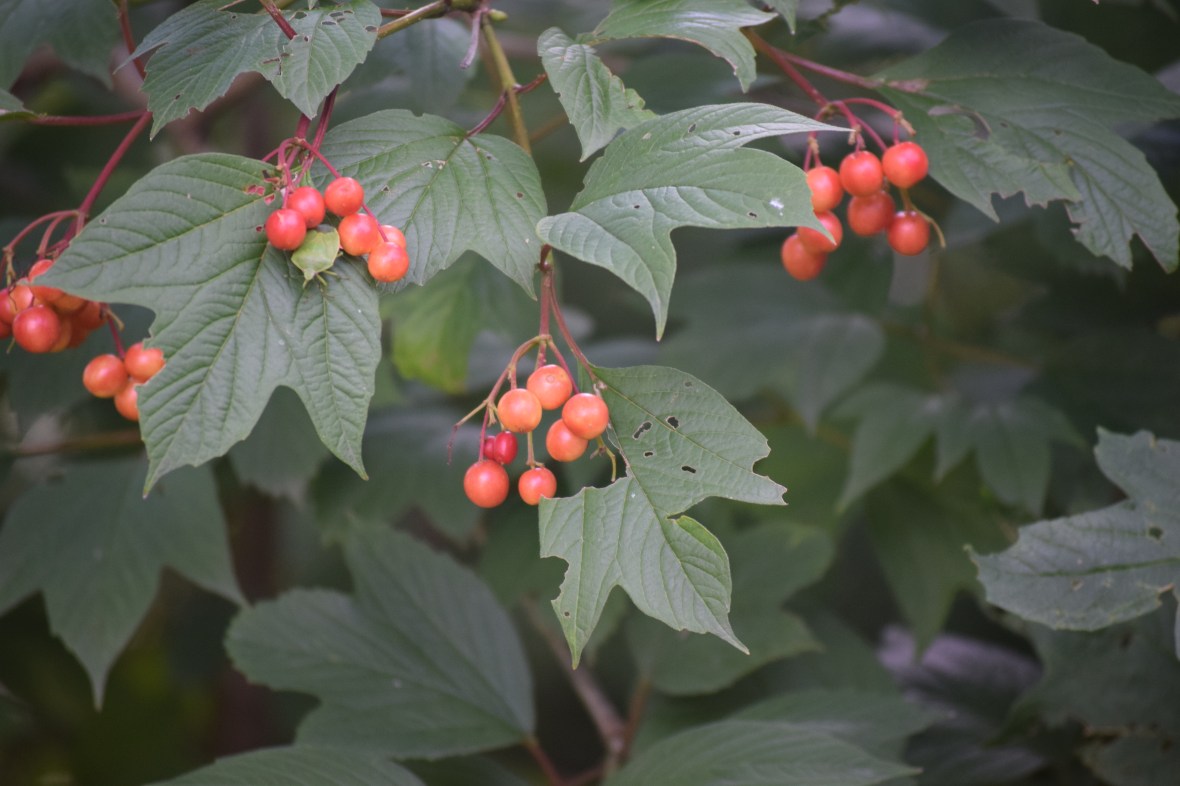
Late in August some of the birds begin to fatten themselves up for their fall journey. At the same time, berries of all kinds have begun to ripen. This, then, is a good time to take stock of what kind of garden buffet is on offer for our avian friends.
A new study by the Pesticide Research Institute indicates that the presence of neonicotinoids has fallen by half in ornamental plants sold by major retailers. Neonicotinoids are a class of insecticide that is widely considered to be a major threat to the future of bees and other pollinators.
The study tested plants purchased from Lowe’s, Walmart, Home Depot, True Value, and Ace Hardware. The presence of neonicotinoids was detected in 23% of the plants in 2016, as opposed to 50% of the plants purchased in 2014.
Lowe’s and Home Depot have pledged to phase out plants treated with neonicotinoids, the other retailers have not.
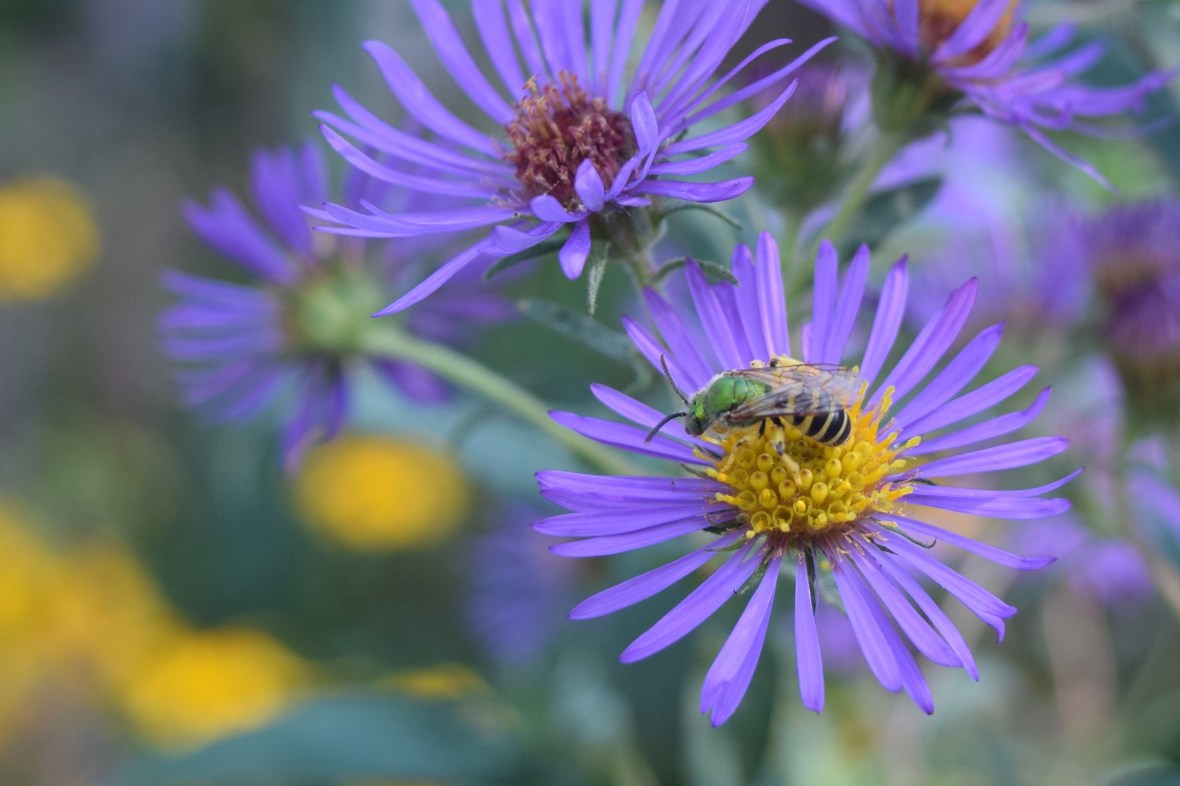
New England Aster with Metallic Green Bee
It’s gratifying to see that a combination of education, publicity, and consumer organizing can have an impact on corporate behavior, an impact that should lead to a healthier environment for pollinators in urban and suburban areas.
On the other hand, consumer power alone can only go so far. According to the US EPA, 70% of US pesticide use is related to agriculture, as opposed to 15% in homes and gardens. (That 15% matters a good deal, especially as it is often applied in concentrations greater than those used in agriculture.) Neonicotinoids are commonly used on corn, cotton, sorghum, and most fruits and vegetables.
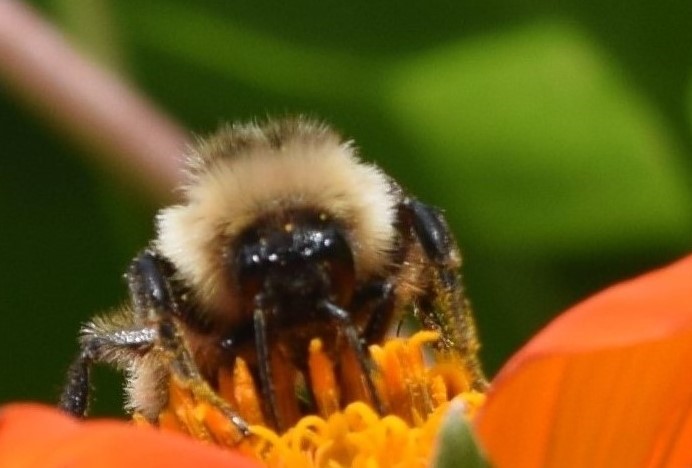
Bumblebee coming in for a landing
I suspect that government regulation will be needed to curtail the use of neonicotinoids in agriculture. Most likely that is not something that will happen in the USA until after a long slog. In the meantime, we can savor this bit of good news for gardeners and pollinators.
I had a happy reunion with the garden after Judy and I returned from our trip late Saturday afternoon. The first thing I noticed were bright swaths of yellow that seemed to dominate the area in front of the house. Yellow – sometimes clear and light, sometimes golden, or shading into orange.
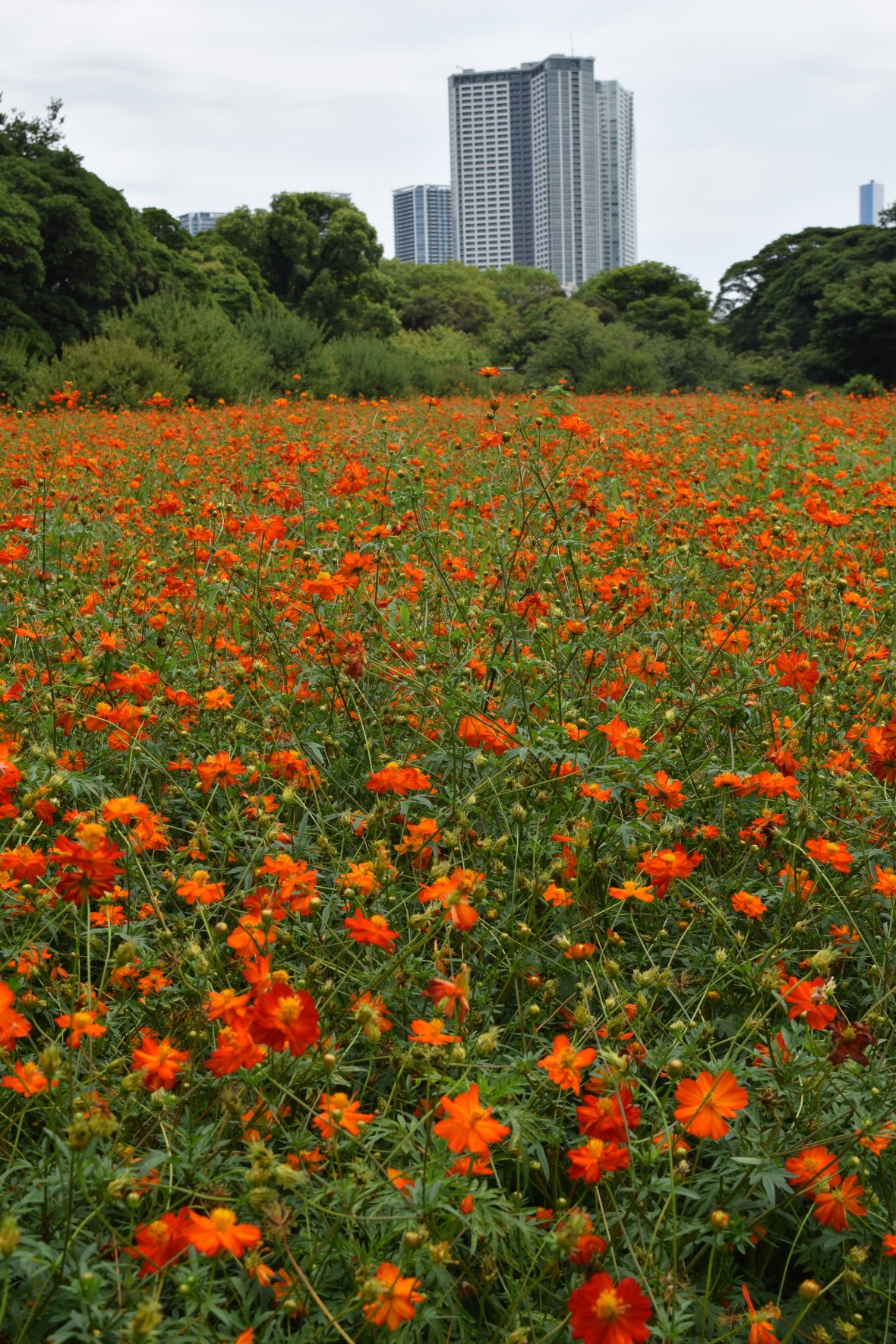
Field of tall orange Cosmos at Hamarikyu Gardens in Tokyo. Leaving for the airport in a few hours. Sorry to leave, but eager to see our garden at home.
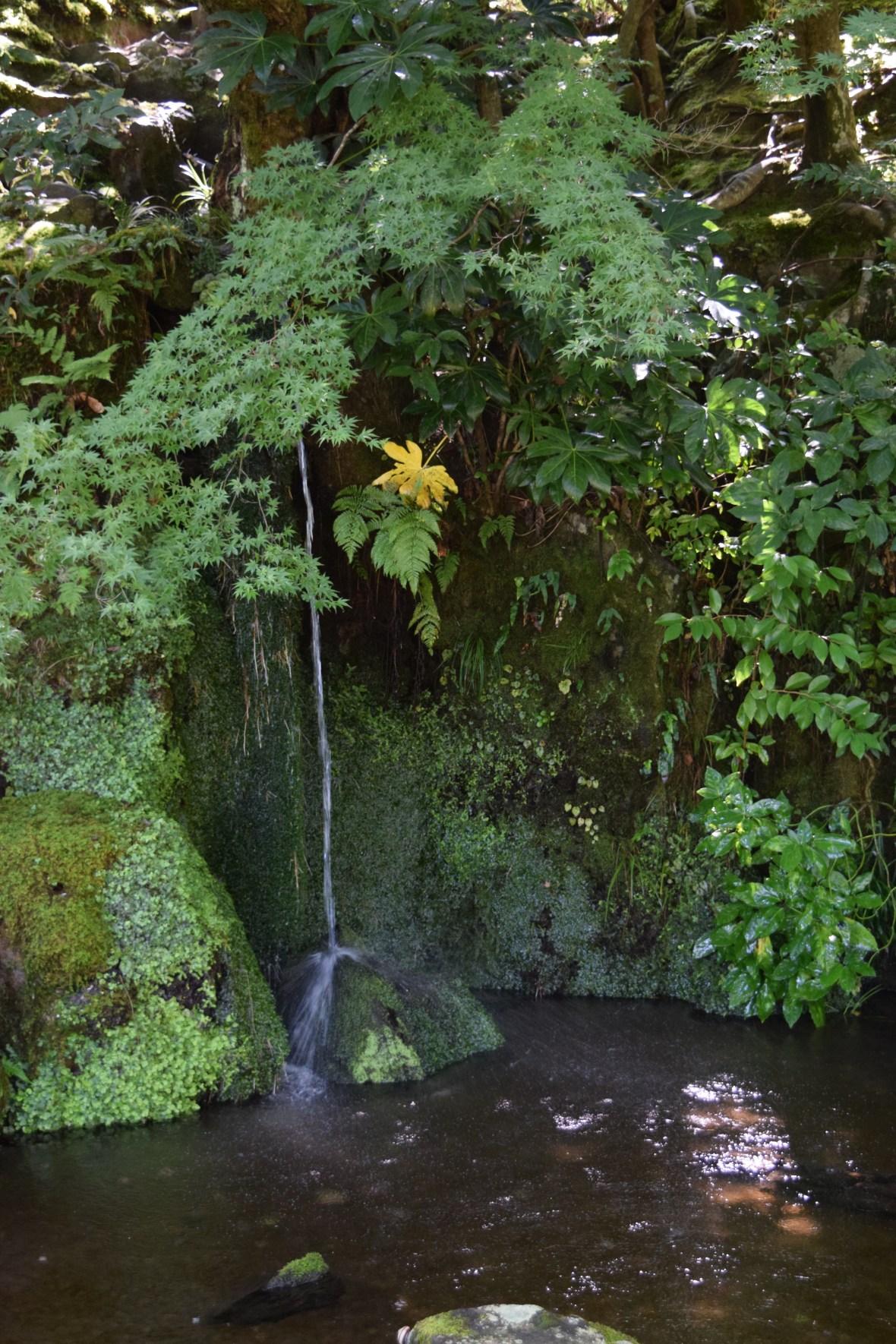
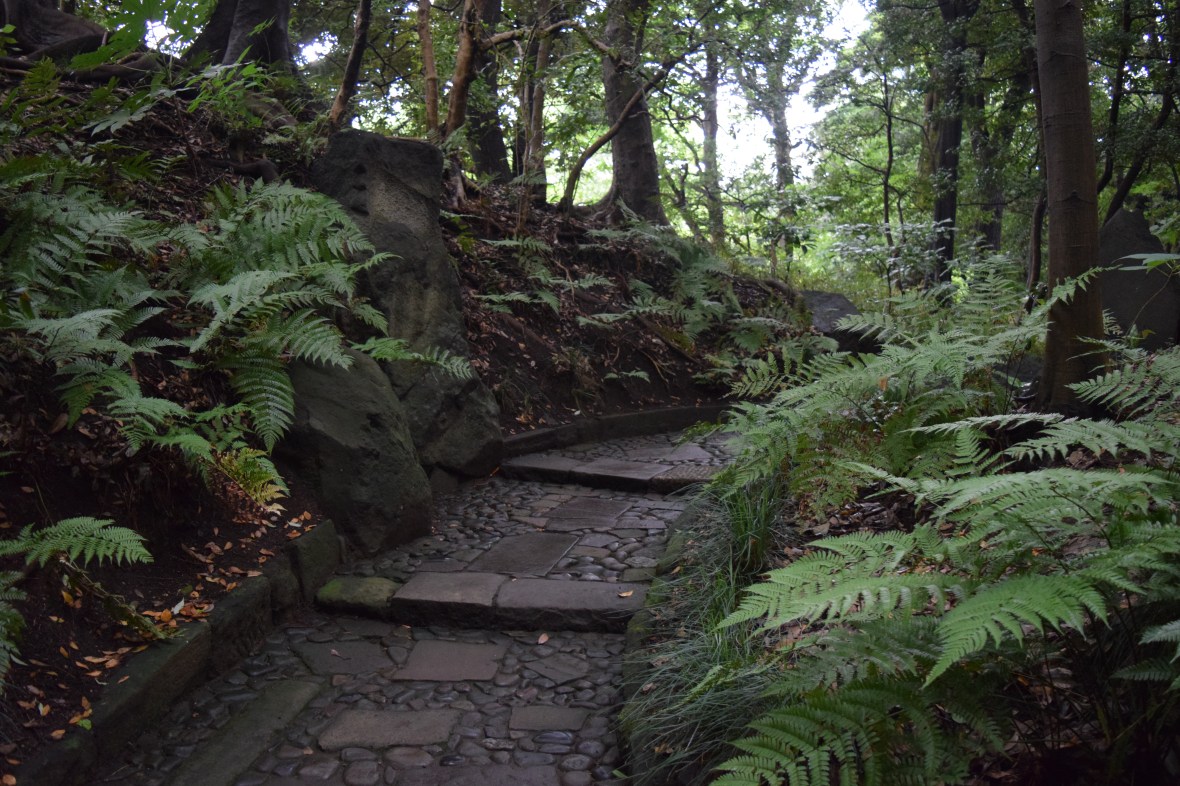
Wondering where I’ve been? Well, here’s a woodland scene from the Koishikawa Stroll Garden, a 15 acre garden in central Tokyo that goes back almost 400 years.











 gardeninacity