gardeninacity
Notes from a wildlife-friendly cottage garden


The Case of the Mistakenly Labeled Lobelias
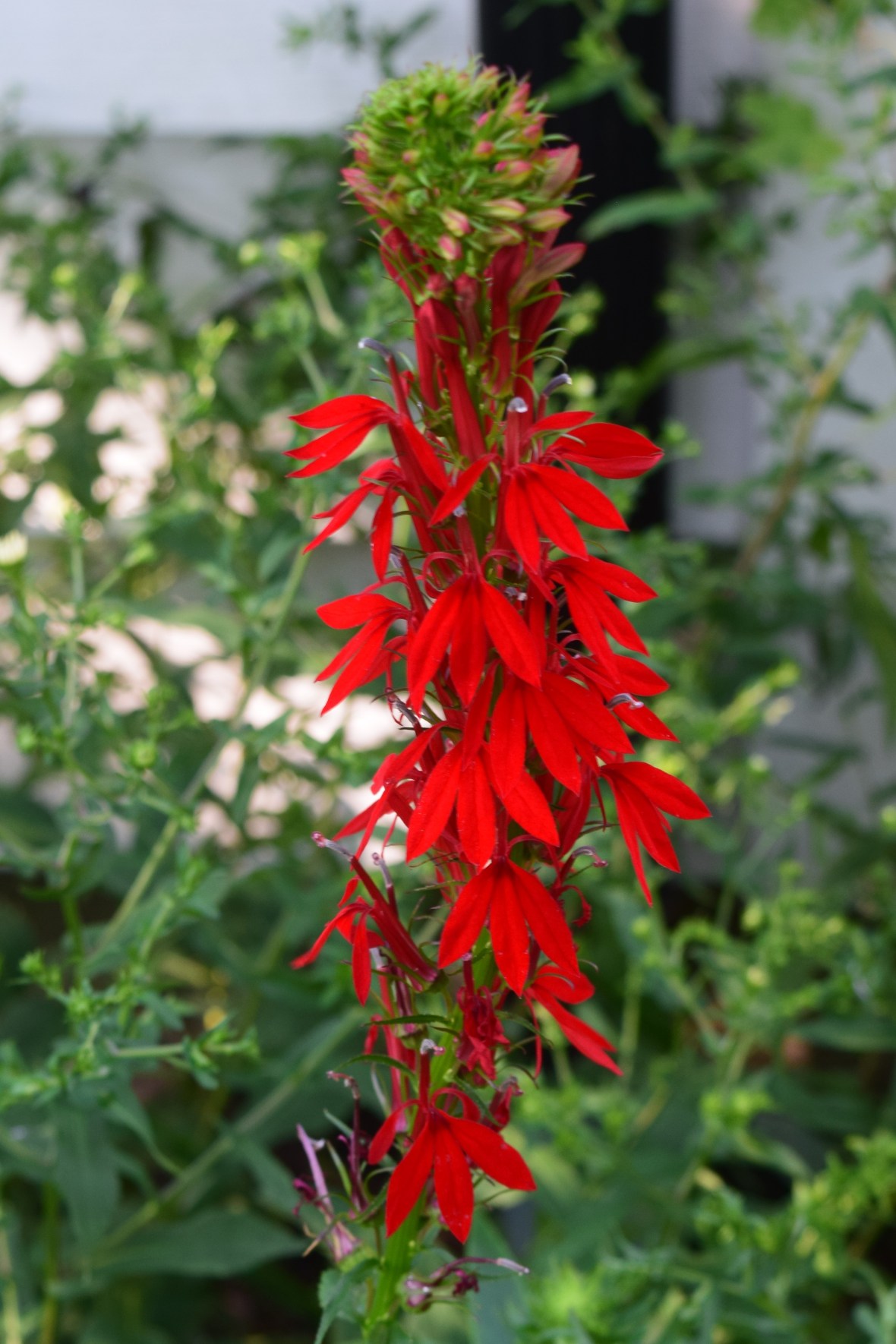
I love Cardinal Flowers (Lobelia cardinalis), but they don’t love me. Which is to say, they always die on me after a couple of years. They’re fairly finicky. They like lots of sun, lots of moisture, and bed sheets with a thread count of at least 1,800.
Share this:

Summer Containers in Sun: An Update
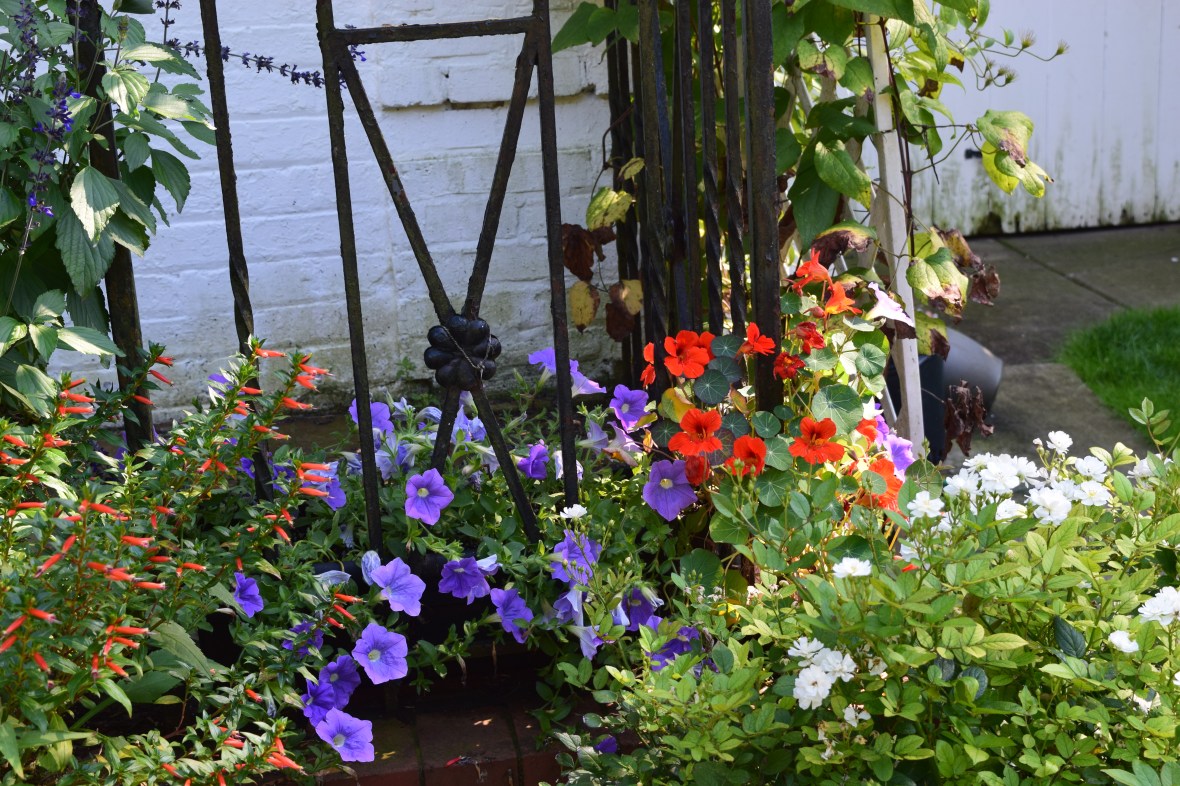
Now that it’s almost the middle of August, maybe it’s a good time to do an update on the flowering containers in the front garden. Overall, my assessment would be: they’re doing pretty well. Not spectacular, perhaps, but certainly pretty well.
Share this:

And Now, the Onion Patch
Remember that song, “I’m a Lonely Little Petunia in the Onion Patch”? That Judy said everybody knew? Well, I asked people at my office and not a single one had heard of it, though they did think it was pretty catchy. Be that as it may, let me now tell you about our onion patch.

Share this:

Little Wild Petunias Near An Onion Patch
Wild Petunia (Ruellia humilis) is a lovely little perennial native to most of the eastern half of the United States. It has Petunia-like lilac flowers, but it is not really a Petunia. It’s not even in the same family of plants – R. humilis is in the Acanthus family, while Petunias are in the Nightshade family, along with tomatoes and tobacco.

Share this:

More Grist for the Natives versus Nativars Debate
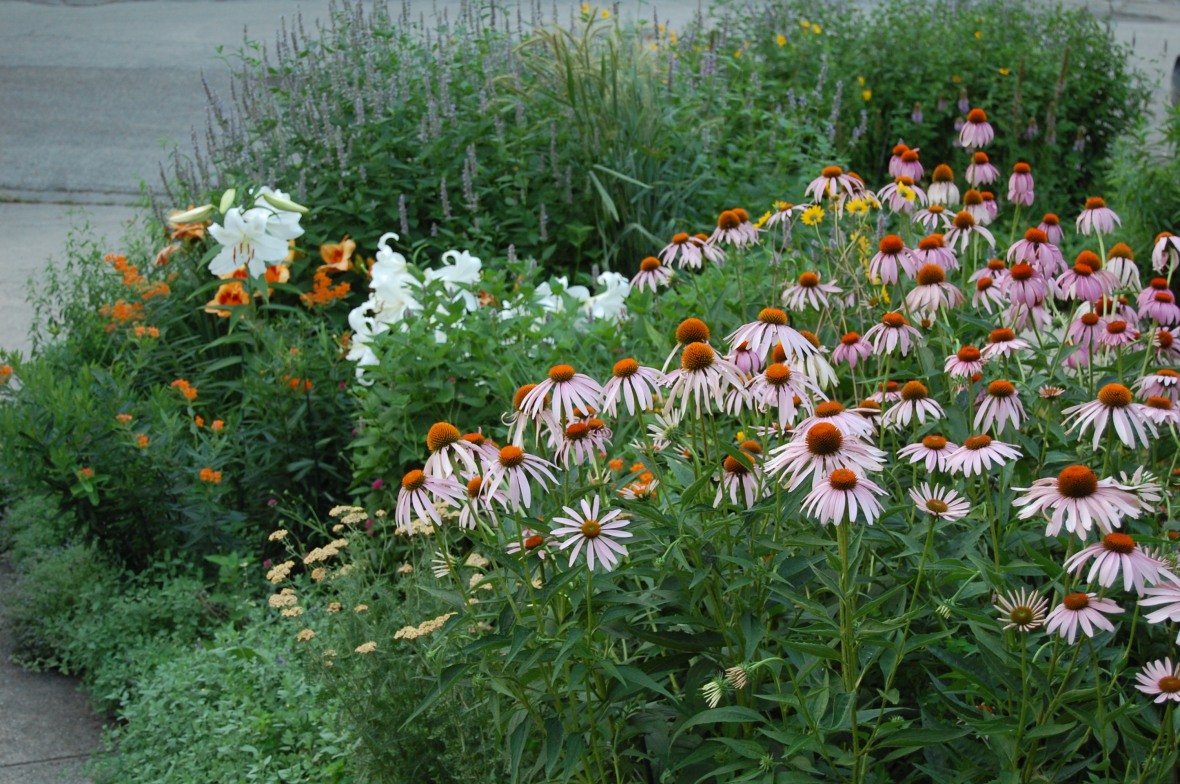
Recently, the blog Humane Gardener published an interesting interview with Vermont ecological garden designer Annie White. For her doctoral research, White had conducted an experiment to determine whether pollinators had preferences for straight species native plants as opposed to named cultivars bred from native plants – “nativars”.
Share this:

Euphoric Over Euphorbia?
No, not euphoric really, though I found it impossible to resist the double alliteration. But I am pleased that the Euphorbia corollata I planted about five years ago is finally establishing itself. This plant is native to Illinois and goes by the common names of Flowering Spurge or Prairie Baby’s Breath. I stick with the latter, which though longer sounds much nicer.
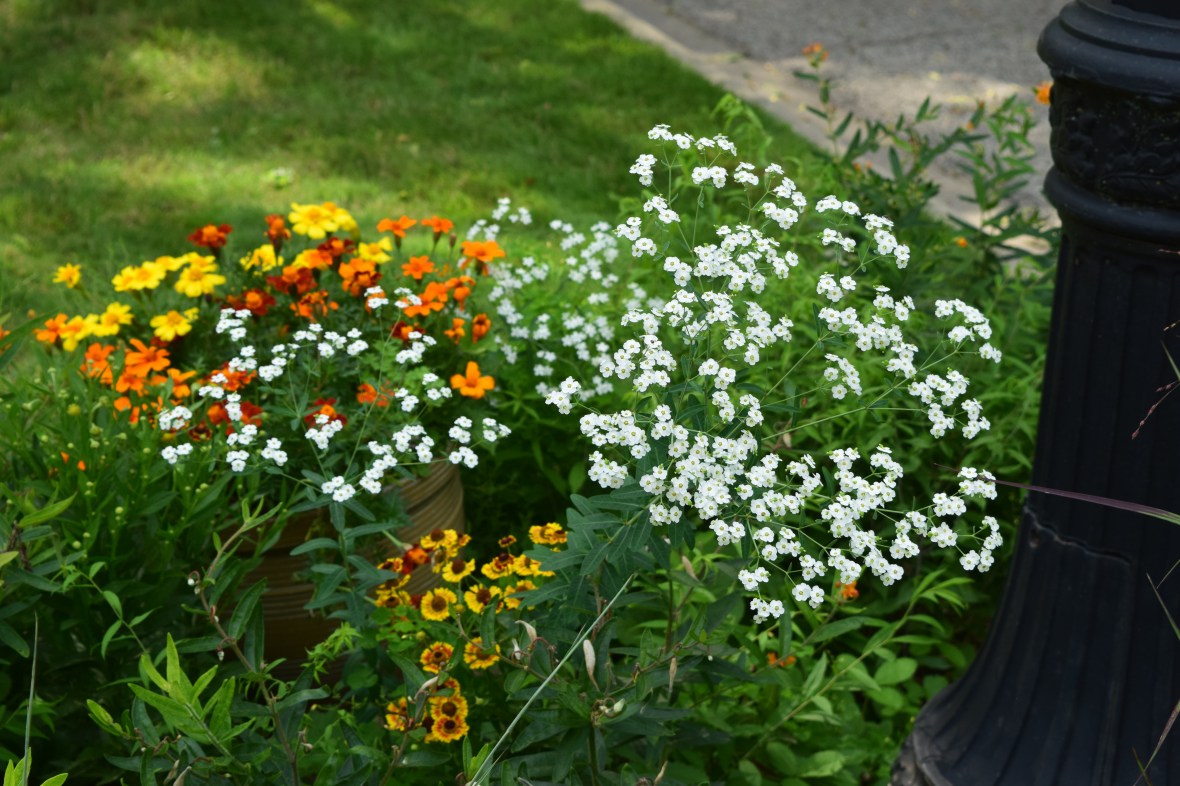
Actually, I don’t like most Euphorbias. Their odd minimalist flowers that don’t look like flowers are unappealing to me. Prairie Baby’s Breath flowers look like flowers, and in my view it is far more attractive than most others of its genus.
This plant has a taproot, and like many taprooted plants it may be slow to establish. It is drought-tolerant and likes sun and medium to dryish soils. Otherwise, it is adaptable to any soil that is well-drained.
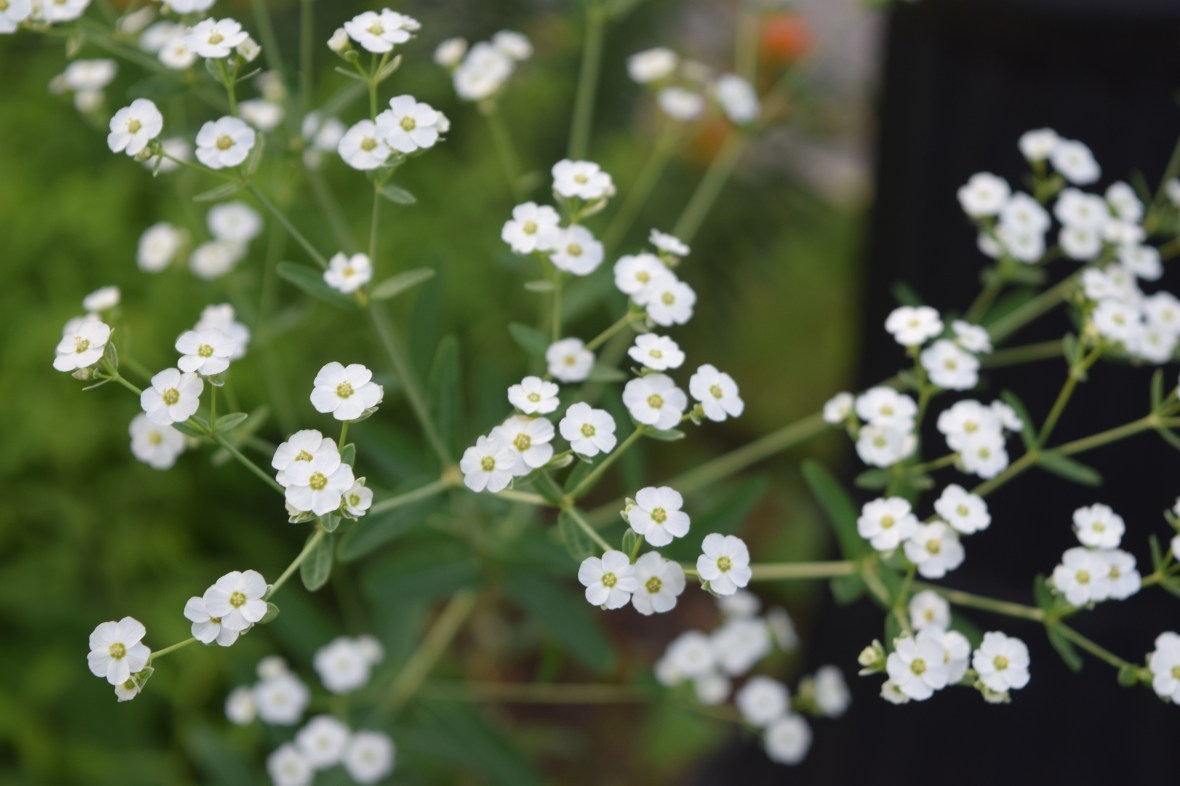
Prairie Baby’s Breath has a very long period of bloom, from four to as much as eight weeks. The seeds are eaten by Mourning Doves and some other birds. The flowers are beneficial for many native bees.
In autumn the foliage of E. corollata can turn a nice red. It also has a toxic sap that can irritate the skin, so please don’t go rubbing the sap on yourself. Apparently the plant has also been used as a laxative, but I can’t say that I’ve tried it.
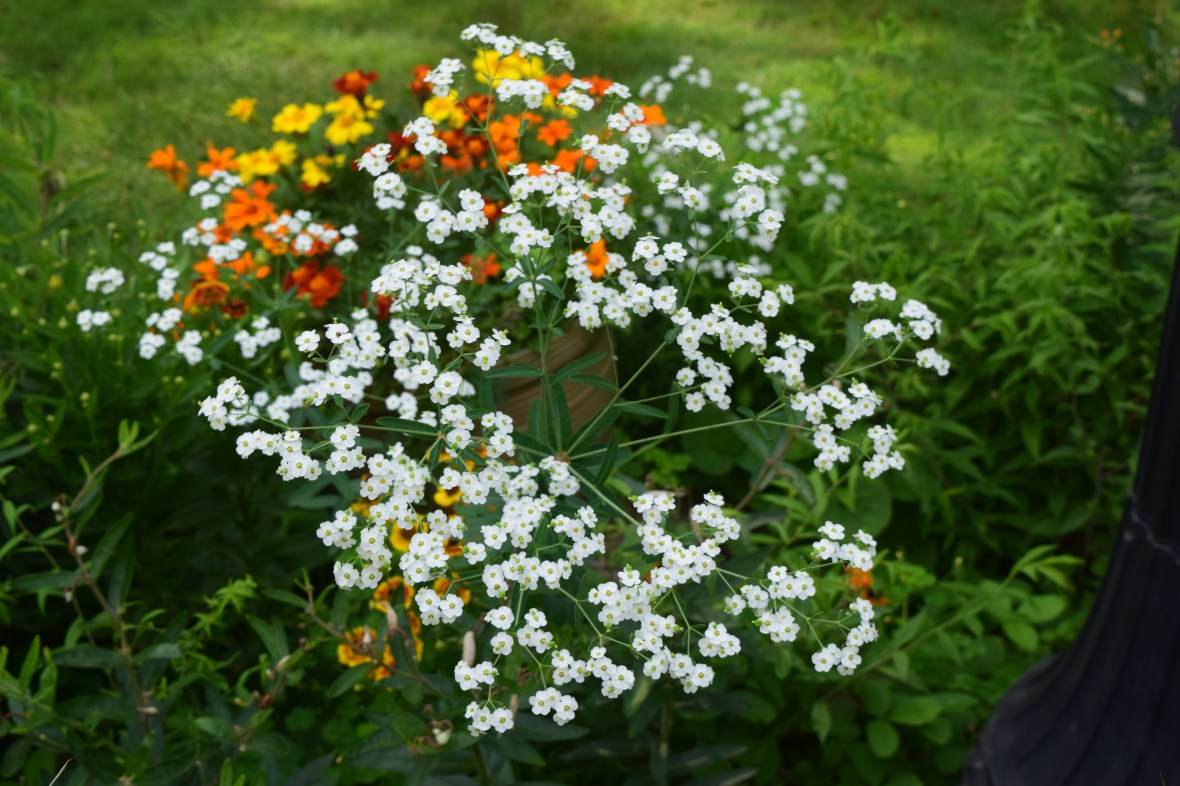
There’s a good deal of this plant at the Lurie Garden, but it’s hard to find in garden centers. If you want some you will probably need to order it from an online nursery specializing in Midwestern natives, such as Prairie Moon.
That’s all for now.
Share this:

A Good Day for Butterflies
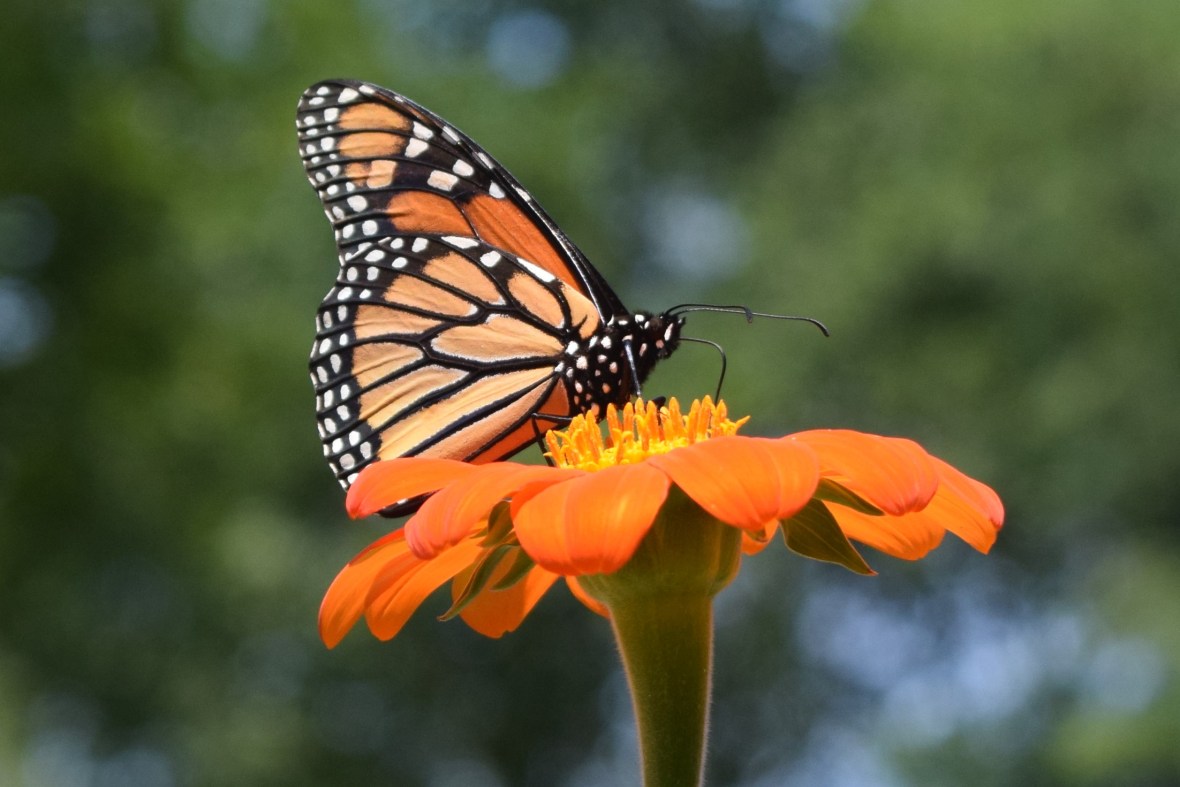
It was gorgeous on Saturday, mild and sunny. I was doing this and that in the front garden when I noticed that we had no fewer than three Monarch butterflies fluttering about. That’s the most we’ve had so far this year, though we’ve had as many as half a dozen in August and September, as the migration southward picks up steam.
Share this:

A Plant Called … Golden Glow
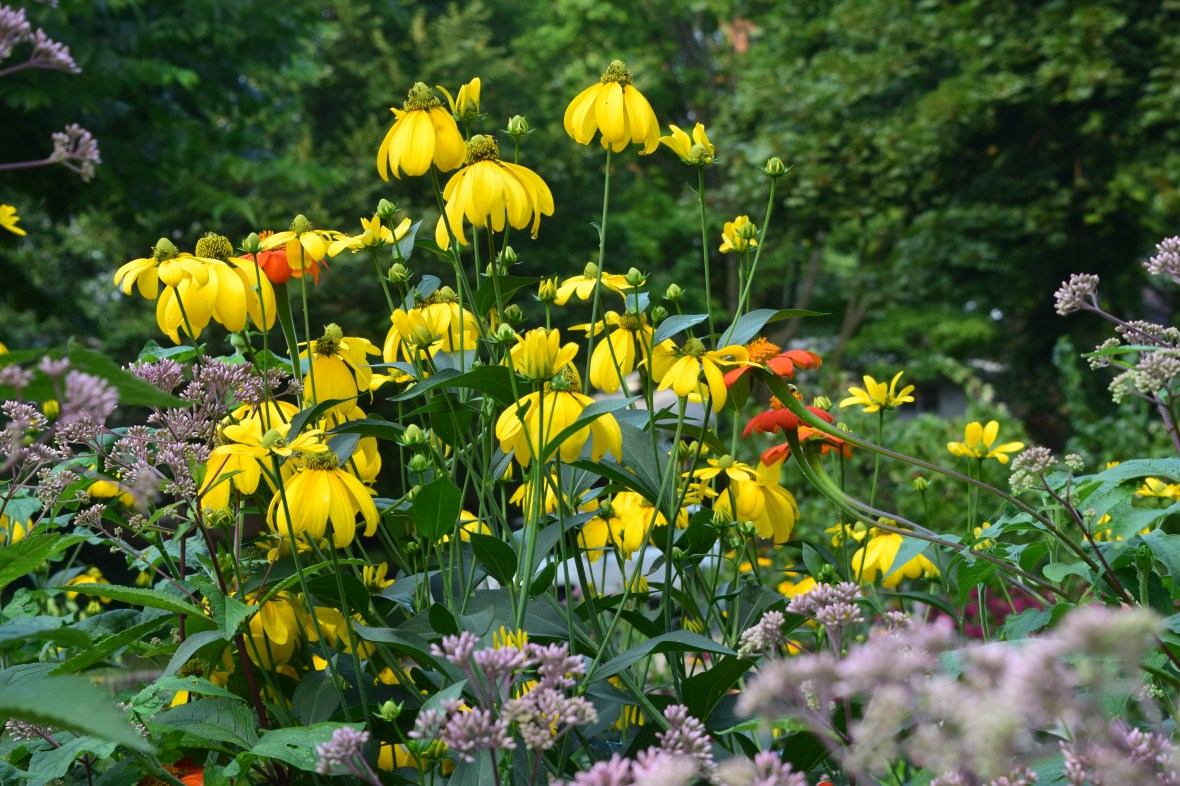
So remember those two substantial-looking plants that were growing in the Driveway Border, except I had absolutely no memory of ever planting them? Well, they’re blooming now, and they turn out to be Rudbeckia laciniata, which also goes by the truly wonderful common name of Wild Golden Glow.
Share this:

Should There Be Blue Chrysanthemums?
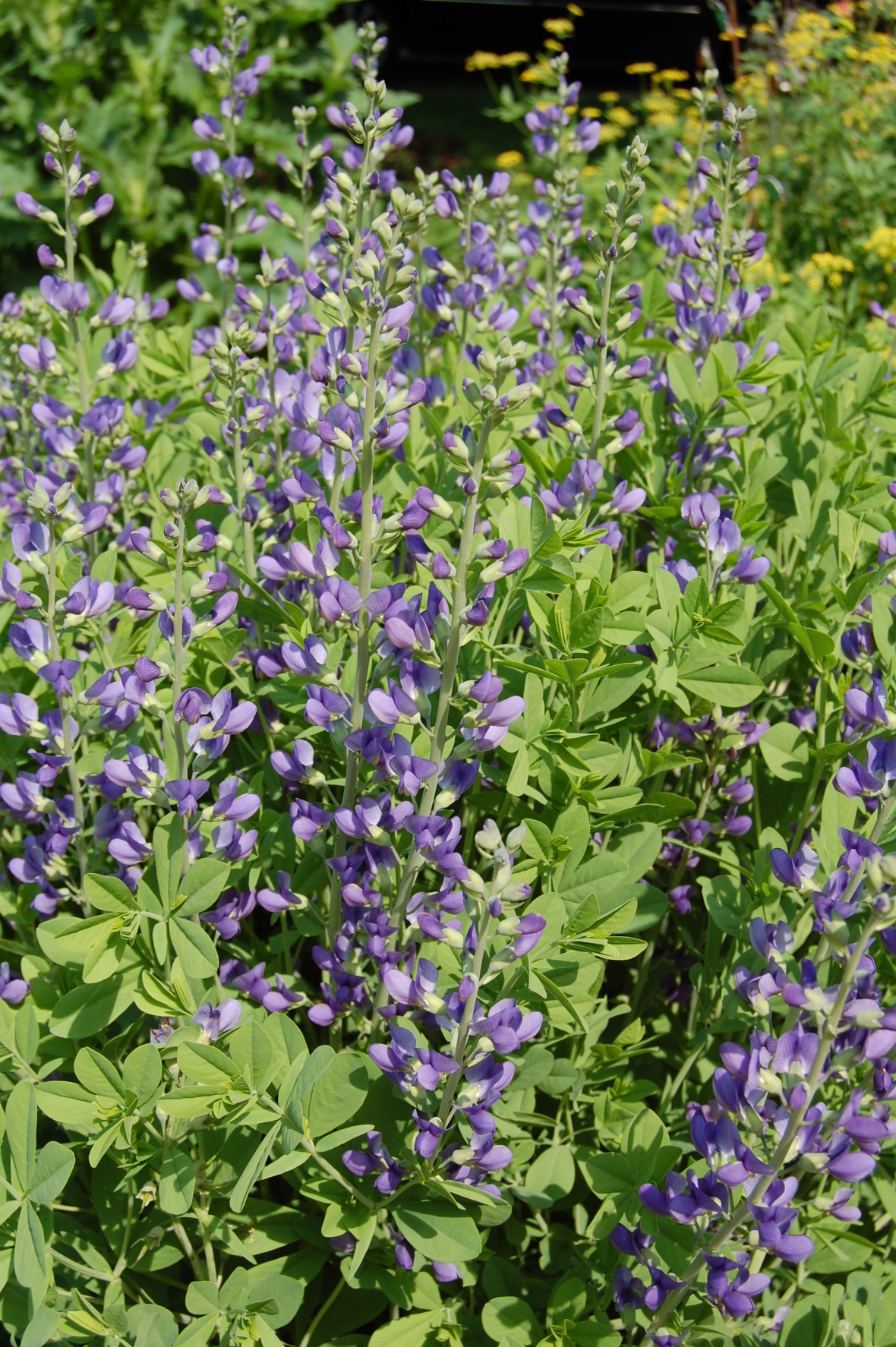
According to a recent article in the New York Times, Japanese scientists have developed a blue Chrysanthemum through splicing in genes from two blue-flowering plants.
Research suggests that blue is the most popular color among people, but blue flowers are relatively rare. It turns out that a plant needs specific genetic machinery to have blue blooms. The pigments in blue flowers are actually orange, red, or purple. With certain plants the pigments undergo a chemical reaction that results in a blue flower.
Share this:



 gardeninacity