A Different Kind of Foundation Planting? Yew Bet!
The Ostrich Bed is what I call the area that is immediately in front of our living room windows. The windows face North towards the street. When we moved to this house ten years ago, this part of the yard was simply a foundation planting of tormented Japanese Yews (Taxus cuspidata). The yews were suffering because they were forced to stay just 3′ tall, whereas they yearned to grow out and up to 15′ or more, as their sister in the backyard has done.
I put the yews out of their misery. I just kept cutting back stems until all that remained were the thick and gnarled trunks. Then I got out my pruning saw and cut the trunks off at ground level. I didn’t try to dig out the roots. I’ve done that before, and it requires a very strenuous effort if you are using only hand tools. This was at an earlier house we lived in, where I also did away with the the foundation planting of Japanese Yews. Digging them out is unnecessary: I’ve never seen these plants grow back from the roots.
I sometimes wonder if I could become a kind of Johnny Appleseed in reverse for Japanese Yews (Johnny Yew Stump?), traveling from place to place and yanking out foundation plantings instead of planting orchards.
But I digress. In front of the Yews there was a shelf of grass that extended a few feet before sloping down sharply about two feet to the main part of the front yard. I dug out the grass and, using flagstones from an old patio, built a low retaining wall in front of the slope, then filled in the gap with topsoil.
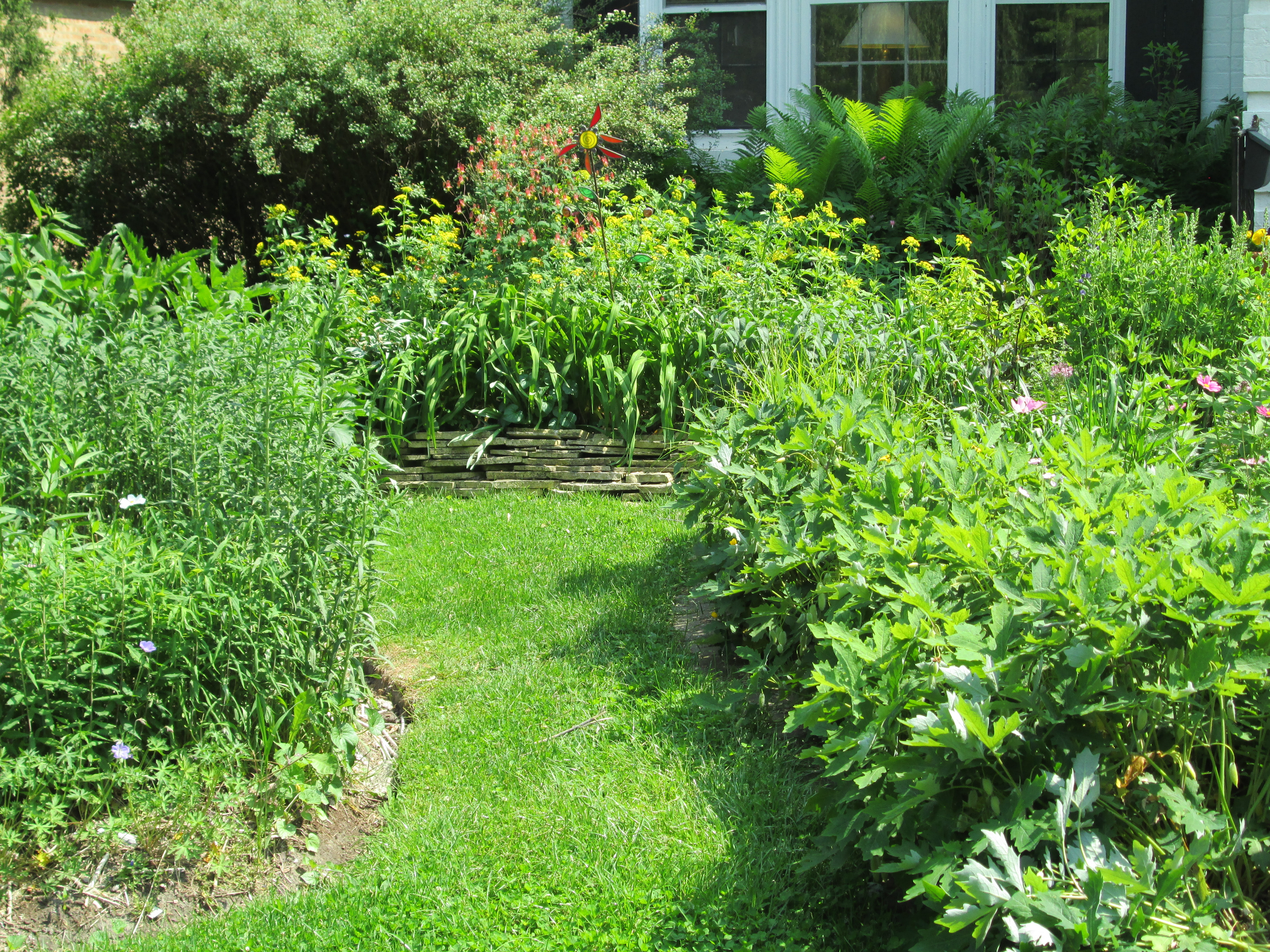
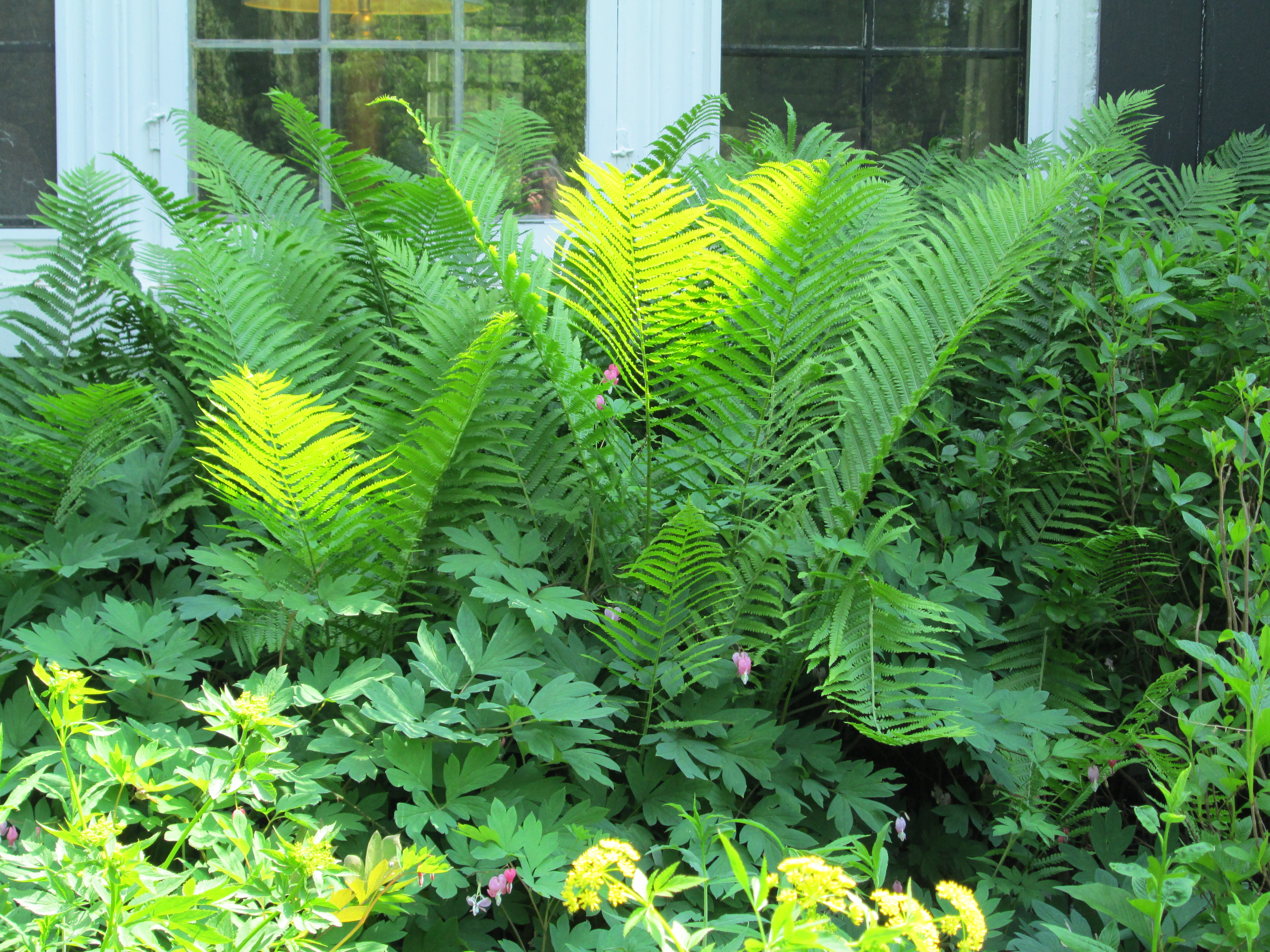
Then came the plants. Along the front of the house I planted ostrich ferns (Matteuccia struthiopteris), who dominate this bed for much of the Spring and Summer and inspired the nickname. These are wonderful plants, in their second year they were already over three feet high, and I’m hopeful that they will eventually reach their majestic potential height of six feet. This would be tall enough to be imposing but not tall enough to block the view from the windows, as our first floor is a couple feet above ground level.
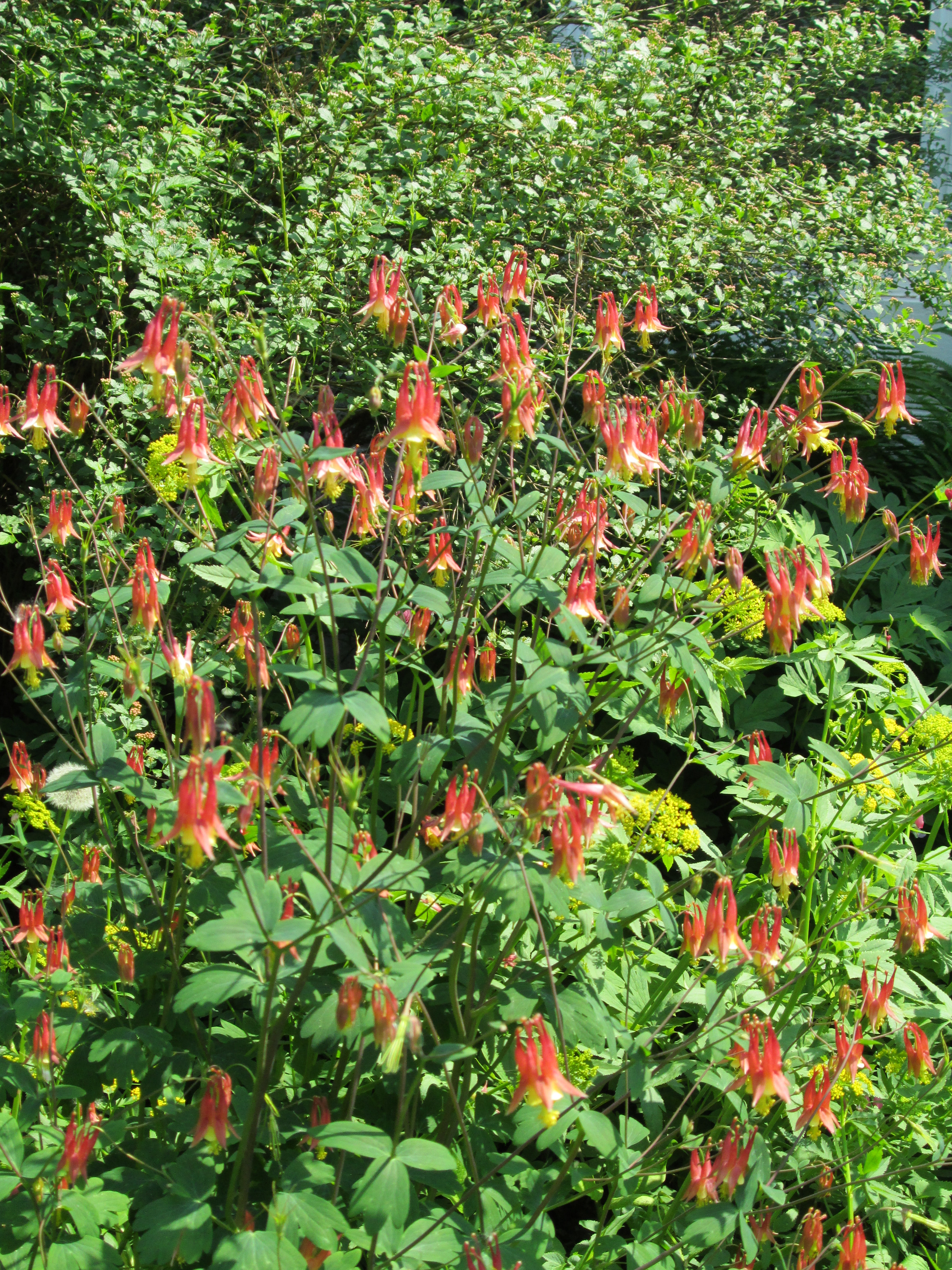
In front of the Ostrich ferns are a mix of columbine (Aquilegia canadensis), old fashioned Bleeding Hearts (Lamprocapnos spectabilis), and Virginia Bluebells (Mertensia virginica) for Spring bloom. There are also Golden Alexanders (Zizia aurea) for early summer. Daffodils and daylilies (Hemerocalis ‘Aye-yi-yi’) are planted along the edge of the retaining wall (the area of this bed that gets the most sun). I also let a couple of Short’s Aster (Symphyotrichum shortii) and Bluestem Goldenrod (Solidago caesia) seed in here and there for fall color.
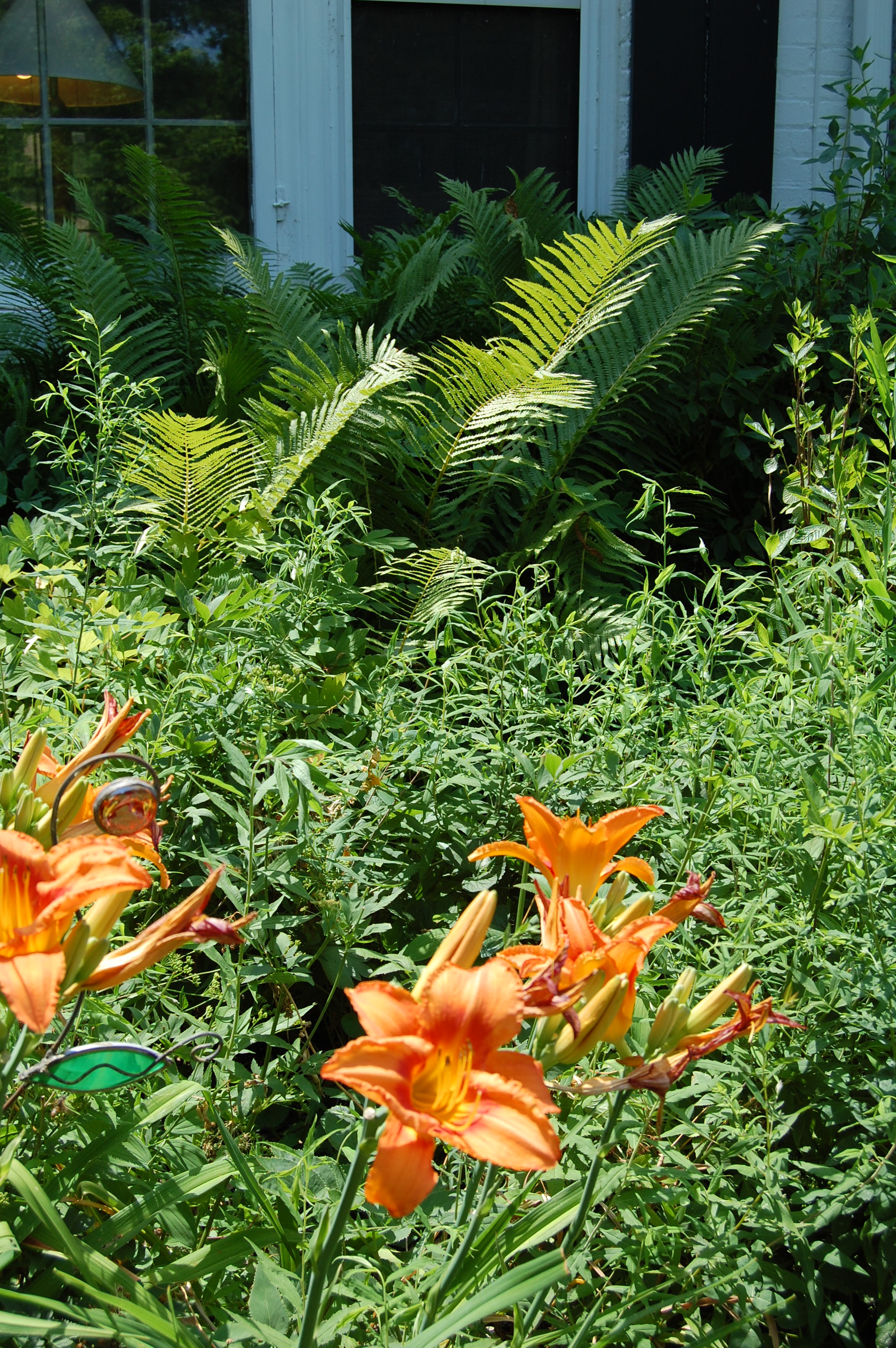
I like my Ostrich Bed, but I’m not completely satisfied. First off, I planted Clethra alnifolia ‘Ruby Spice’ along the concrete landing on the west end of the bed. I think they want a more acidic soil and aren’t very happy. Didn’t bloom at all this year, and last year bloomed very sparsely. I’ve been thinking of replacing them with American Spikenard (Aralia racemosa). White flower spikes in summer, berries for the birds in fall, likes shade, big but not too big – why not?
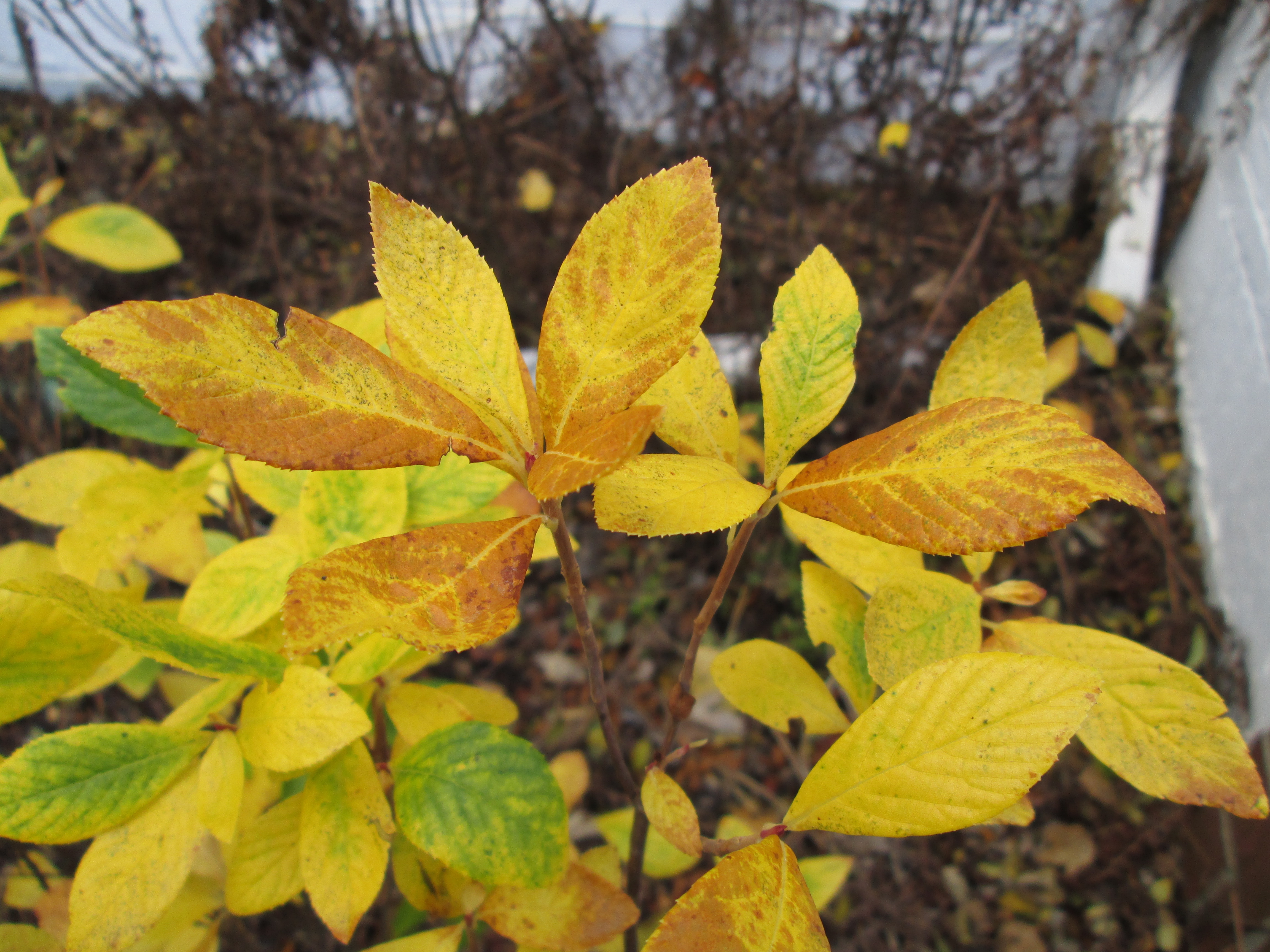
Also, I would really like to get rid of the old Bridalwreath Spirea (Spirea vanhoutei) on the east end of the bed. I would replace them either with Serviceberry (Amelanchier) or Red Chokeberry (Aronia arbutifolia).
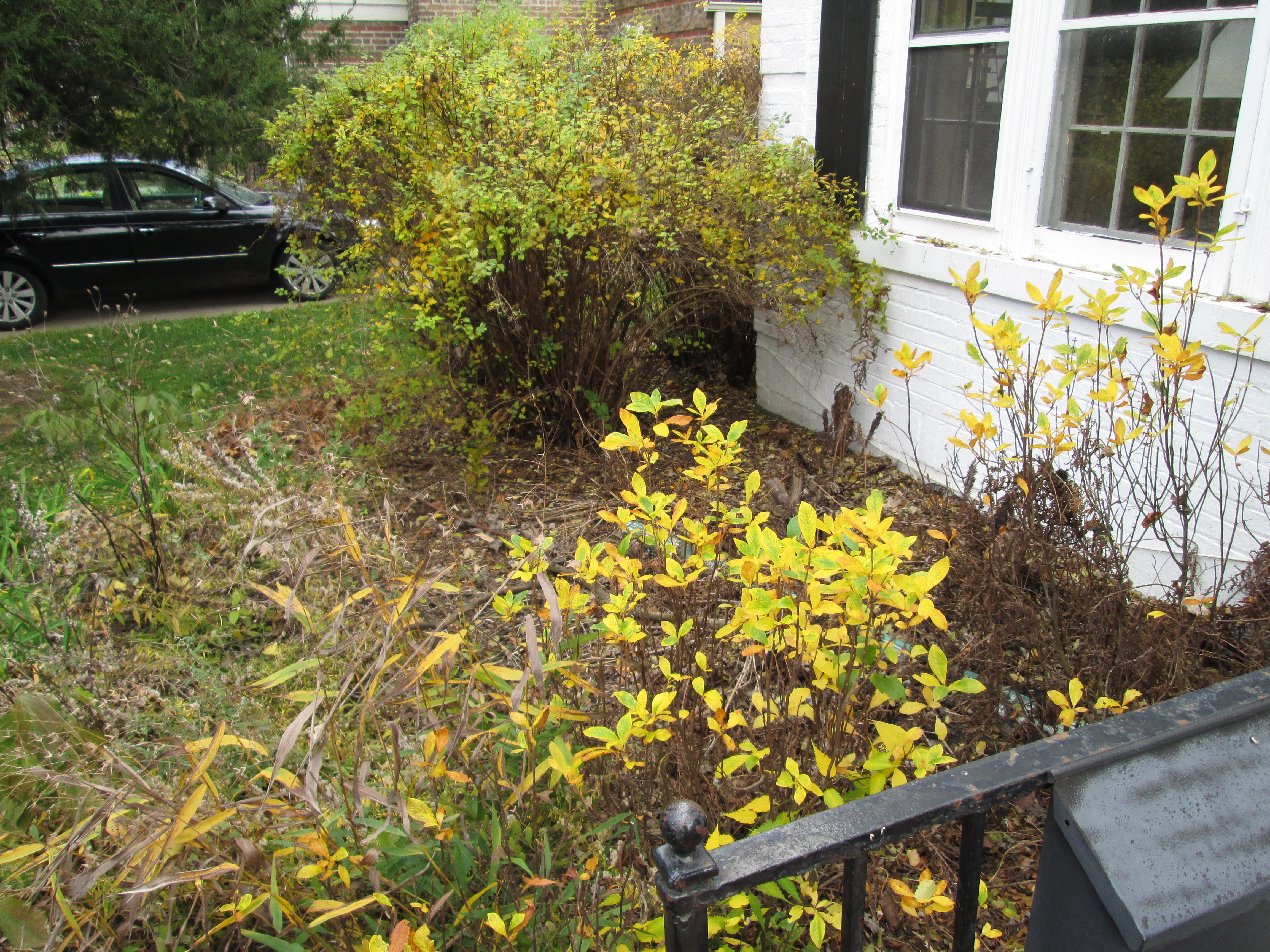
So what do you think? Dump the Clethra and the Bridalwreath? Bring on the Spikenard and Serviceberry? The ostriches are waiting.





























 gardeninacity